
Physical AI
Physical AI’ marks the next frontier in industrial applications which is expected to create at least a trillion dollars in economic value, most of that in manufacturing and logistics.
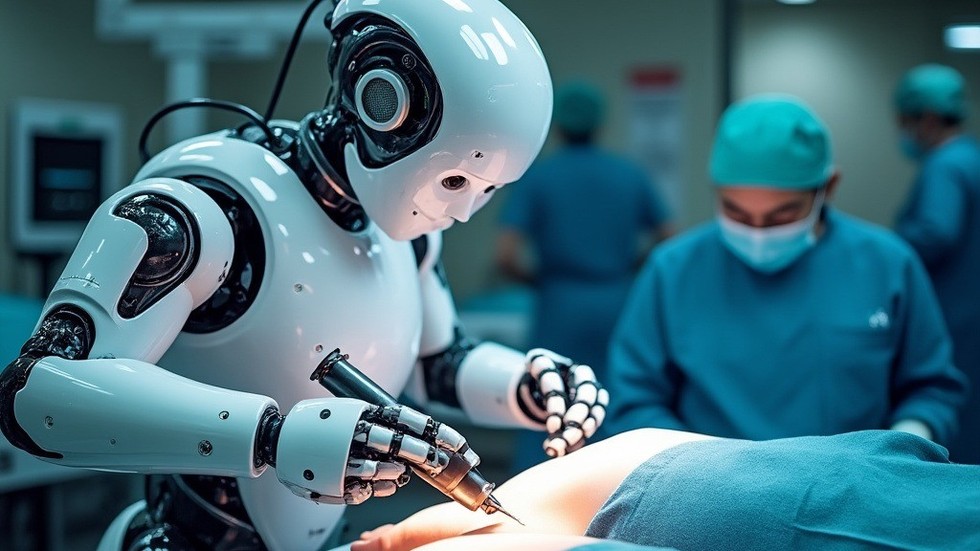
About Physical AI:
- Physical AI refers to artificial intelligence (AI) systems that operate in and interact with the physical world, rather than existing only in software or digital environments.
- This involves the combination of AI models with sensors, actuators, and other control systems that allow models to act upon real-world environments.
- Physical AI perceives, reasons, and acts in the physical world through systems like robots, industrial machines, and autonomous vehicles.
- It involves physics, motion, timing, safety, uncertainty, and real-world feedback.
- Physical AI examples include:
- A robot that picks and places parts
- An autonomous forklift navigating a warehouse
- A humanoid robot executing multi-step tasks in changing environments
- Working of Physical AI:
- Physical AI works by combining perception, planning, control, and feedback so machines can act in the real world.
- It extends current generative AI with an understanding of spatial relationships and the physical behaviour of the world by taking in multimodal inputs such as images, videos, text, speech, or real-world sensor data and converting them into insights or actions that an autonomous machine can then execute.
Source: Why ‘physical AI’ marks the next frontier in industrial applications