May 11, 2019
Prelims Pointers
May 11, 2019
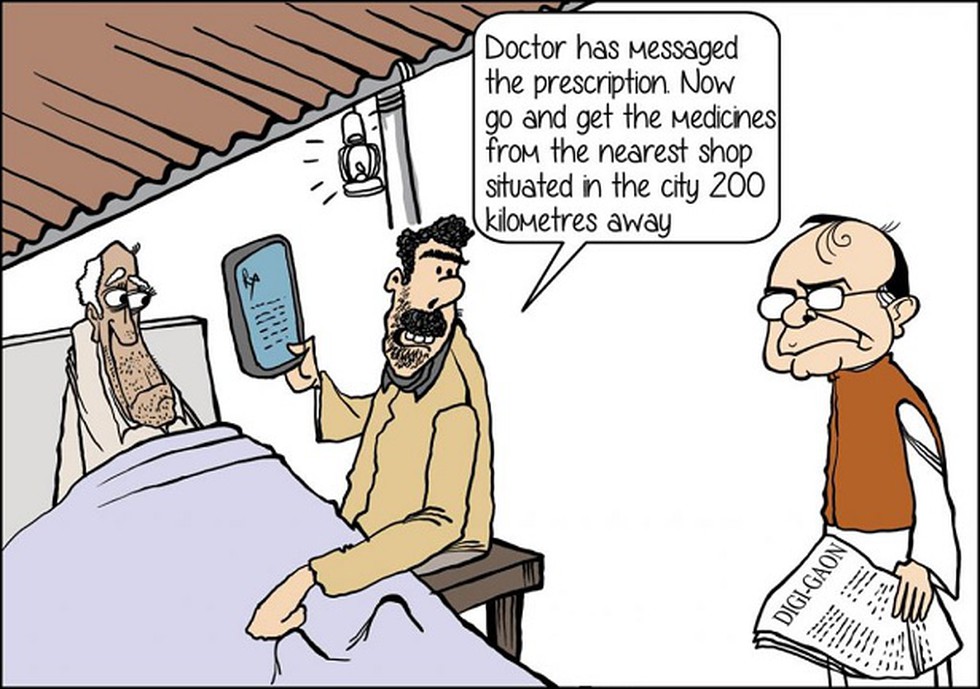
Key Findings:
- India falls into the “critical shortage of healthcare providers” category, despite the health sector employing five million workers due to inequitable distributions of skilled health workers.
- India continues to have low density of health professionals with figures for the country being lower than those of Sri Lanka, China, Thailand, United Kingdom and Brazil.
- Bihar, Jharkhand, Uttar Pradesh and Rajasthan are the worst hit while Delhi, Kerala, Punjab and Gujarat compare favourably.
- Government statistics for 2008, based on vacancies in sanctioned posts showed 18% of primary health centres were without a doctor, about 38% were without a laboratory technician and 16% were without a pharmacist.
- Southeast Asia needs a 50% increase in healthcare manpower to achieve universal health coverage by 2030.
- Recommendations: India needs to design courses for different categories of non-physician care providers. Competencies (and not qualification alone) should be valued and reform must be brought in regulatory structures to provide flexibility for innovations.
Prelims Pointers
May 11, 2019
About:
- Full name of the Act: The Karnataka Extension of Consequential Seniority to Government Servants Promoted on the Basis of Reservation (To the Posts in the Civil Services of the State) Act, 2018.
- Timeline: It received the President's assent in 2018 and was published in the gazette in June 2018.
- Objective: To provide reservation in promotion and seniority to SC and ST employees.
- Recent verdict: The Supreme Court's verdict came on a batch of petitions challenging the validity of the Act. The bench ruled that providing the reservation would not affect the efficiency of administration and was not at odds with the principle of meritocracy.
- Significance of verdict: With this Karnataka becomes the first State to gain from a Constitution (five-judge) Bench order of September 2018 that modified a 2006 order requiring the States to show quantifiable data to prove the “backwardness” of a SC/ST community in order to provide quota in promotion in public employment.
The September 2018 judgement by the Constitution Bench:
- The September 2018 judgement by the Constitution Bench had given a huge fillip to the government’s efforts to provide “accelerated promotion with consequential seniority” for SC/ST people in government service.
- It held that the M. Nagaraj judgement of 2006 was directly contrary to the nine-judge Bench verdict in the Indra Sawhney case.
- In the Indira Sawhney case, the Supreme Court held that the “test or requirement of social and educational backwardness cannot be applied to Scheduled Castes and Scheduled Tribes, who indubitably fall within the expression ‘backward class of citizens’.”
Prelims Pointers
May 11, 2019

About:
- Target: The lunar lander named blue moon would be used to transport equipment, and possibly human beings, to the south pole of the Moon by 2024.
- Features:
- The vehicle will be capable of carrying scientific instruments, the four small rovers, and also a future pressurized vehicle for humans.
- Fully loaded with fuel, Blue moon will weigh about 33,000 pounds (15,000 kilograms), which will decrease to around 7,000 pounds when it is about to land.
- The vehicle will be capable of carrying scientific instruments, the four small rovers, and also a future pressurized vehicle for humans.
- Timeline: Jeff Bezos didn’t announce a specific date for the project’s first launch, but said the lander would be ready in time to make President Donald Trump’s announced timeline to return people to the Moon by 2024.
- Significance: The goal is to land on the Moon’s south pole, where ice deposits were confirmed in 2018. Water can be exploited to produce hydrogen, which in turn could fuel future exploration of the solar system.
Colonisation of Space?
- The lander’s unveiling came as Mr. Bezos outlined his broader vision to build an infrastructure that would sustain the colonisation of space by future generations of humans and shift polluting industries off the Earth.
- As space agencies prepare to return humans to the moon, top engineers are racing to design a tunnel boring machine capable of digging underground colonies for the first lunar inhabitants.
- Need of underground colonies: The harsh conditions on the surface of the Moon mean that, once up there, humans need to be shielded from radiation and freezing temperatures in structures which maintain atmospheric pressure in a vacuum. They also need protection from meteorite strikes.
Prelims Pointers
May 11, 2019
About:
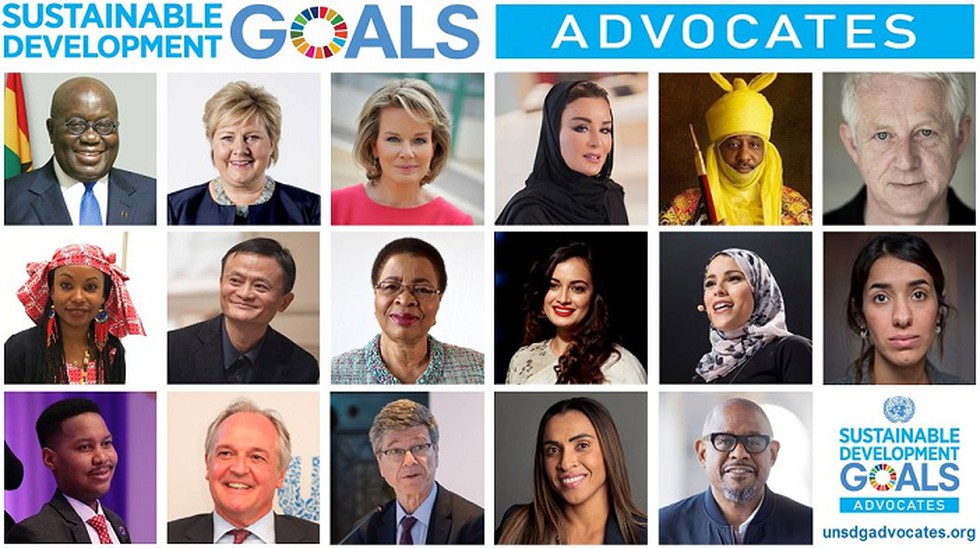
- SGD Advocates are tasked with raising awareness about the goals, which UN member states aim to achieve by 2030.
- The new class of SDG Advocates are influential public figures committed to raising awareness, inspiring greater ambition and pushing for faster action on the SDGs, which were adopted by world leaders in 2015.
- The Advocates represent the universal character of the SDGs, hailing from governments, entertainment, academia, sport, business and activist organizations around the world.
- Dia Mirza is an Actress, Film Producer and UN Environment Program Goodwill Ambassador for India.
- Co-Chairs of the Secretary-General's SDG Advocates are President of Ghana Nana Addo Dankwa Akufo-Addo and Prime Minister of Norway Erna Solberg.
- Founder and Executive Chairman of Chinese multinational conglomerate Alibaba Group Jack Ma has been an SDG Advocate since 2016.
Prelims Pointers
May 11, 2019
About:
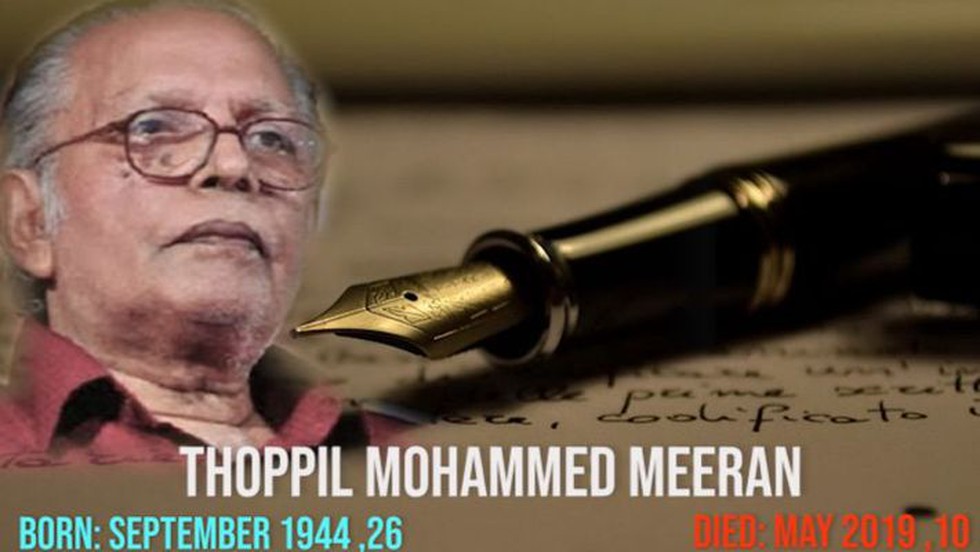
- Thoppil Mohamed Meeran (1944 – 2019) was a Tamil Nadu based who wrote primarily in Tamil.
- Key work: He published five novels and six short story collections. His key short story collections is Anbukku Muthumai Illai, Thangarasu, Ananthasayanam Colony, Oru Kutti Theevin Varippadam, Thoppil Mohamed Meeran Kathaigal and Oru Maamaramum Konjam Paravaigalum.
- Awards and Honours: In recognition, he received 8 major literary awards including the Sahitya Akademi Award in 1997 for his novel Saivu Narkali (The Reclining Chair) and Tamil Nadu Kalai Ilakkiya Perumantram Award in 1992.
Prelims Pointers
May 11, 2019
About:
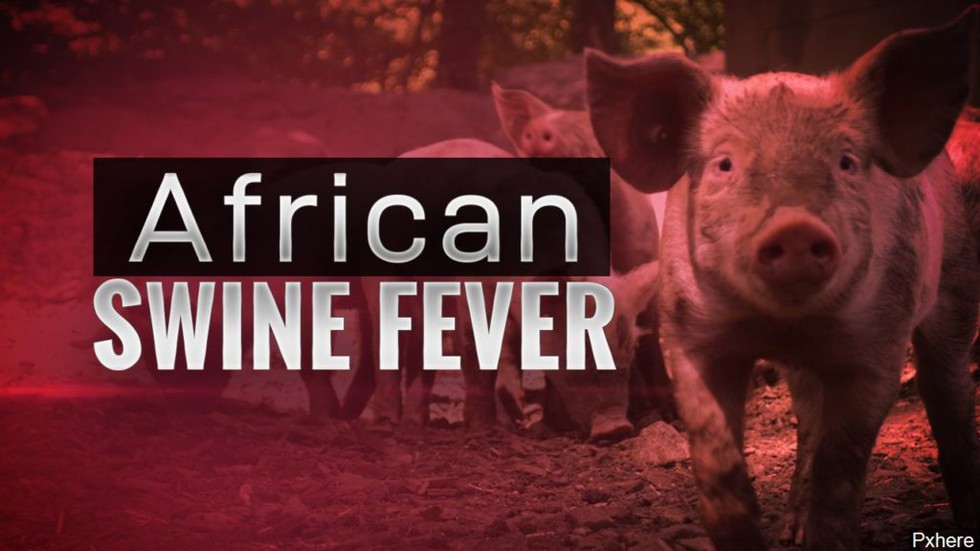
- What is it? African swine fever is a highly infectious disease of pigs, including pigs, warthogs, bush pigs, European wild boar and American wild pigs. It is clinically indistinguishable from classical swine fever (CSF) and must be differentially diagnosed in the laboratory.
- Cause: It is caused by African swine fever virus, member of the Asfarviridae family.
- Transmission: As with CSF, transmission can occur either directly contact of sick and healthy animals, and indirectly through contaminated feed, or on contaminated clothing, vehicles or as other fomites.
- Geographical Distribution: ASF is present in wild and/or domestic pigs in regions of Asia, Europe and Africa. ASFV is endemic to sub-Saharan Africa. It has been seen in South America and the Caribbean but has been eradicated.
- Symptoms: Fever (40.5-42ºC) vomiting, diarrhoea, reddening of the skin at extremities, chest and abdomen, anorexia and abortion.
- Prevention: There is no published treatment or vaccine for ASF.
Prelims Pointers
May 11, 2019
About:
- The Supreme Court (SC) granted time till August 15 to the mediation committee to explore an amicable solution to Ayodhya land dispute case. The apex court has also allowed parties to raise objections before the panel till June 30.
- The matter was being heard by a five-judge Constitution bench headed by Chief justice of India Ranjan Gogoi. The matter came for the first time today since the March 8th order by which the top court had referred the case for mediation.
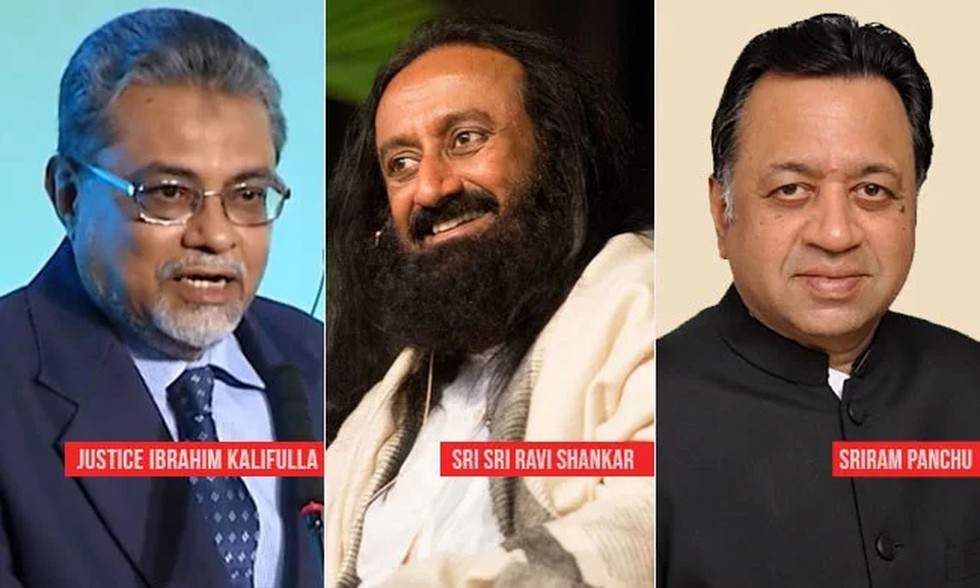
- The committee is headed by ex-apex court judge F M I Kalifulla. Spiritual guru Sri Sri Ravishankar and senior advocate Sriram Panchu, a renowned mediator, are the other two members of the panel. The panel was asked by the apex court to complete proceedings within eight weeks.
Prelims Pointers
May 11, 2019
About:
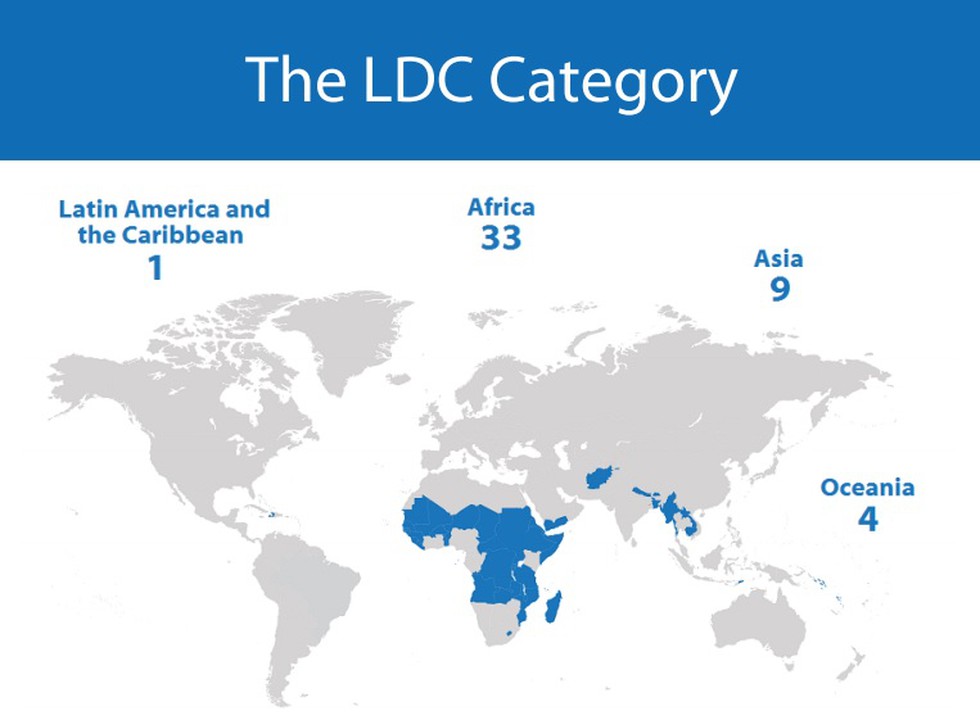
- Who are LDCs? Least developed countries (LDCs) are low-income countries confronting severe structural impediments to sustainable development. They are highly vulnerable to economic and environmental shocks and have low levels of human assets.
- Criteria: To identify LDCs, the CDP uses three criteria –
- Gross National Income (GNI) per capita;
- Human Assets Index (HAI) and
- Economic Vulnerability Index (EVI).
- Gross National Income (GNI) per capita;
- How Many? According to United Nations, there are currently 47 countries on the list of LDCs which is reviewed every three years by the Committee for Development (CDP).
- Benefits of Tag? LDCs have exclusive access to specific international support in the areas of trade, development assistance, and general support.
The Committee for Development Policy (CDP)?
- Parent body: The Committee for Development Policy (CDP) is a subsidiary body of the United Nations Economic and Social Council (ECOSOC).
- Mandate:
- It provides inputs and independent advice to the Council on a wide range of issues that are relevant for the implementation of the 2030 Agenda for Sustainable Development.
- The CDP is also responsible for reviewing the status of least developed countries (LDCs) and for monitoring their progress after graduation from the category.
- Members: The 24 members of the Committee are nominated by the United Nations Secretary-General in their personal capacity, and are appointed by the Council for a period of three years.
Prelims Pointers
May 11, 2019
About:
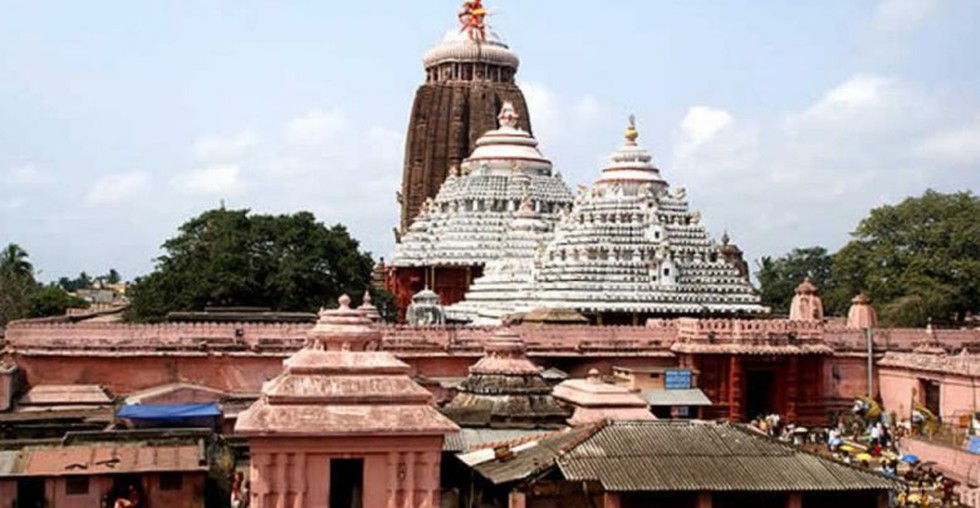
- Mandate: The Archaeological Survey of India is responsible for archaeological research and the conservation and preservation of cultural monuments in the country.
- Activities:
- Under the provisions of the Ancient Monuments and Archaeological Sites and Remains Act of 1958 (AMASR Act, 1958), the ASI administers more than 3650 ancient monuments, archaeological sites and remains of national importance.
- It also regulates Antiquities and Art Treasure Act, 1972.
- Under the provisions of the Ancient Monuments and Archaeological Sites and Remains Act of 1958 (AMASR Act, 1958), the ASI administers more than 3650 ancient monuments, archaeological sites and remains of national importance.
- Established in: 1861 by Alexander Cunningham (He also became its first Director-General).
- HQ: New Delhi.
- Parent organisation: It is an attached office to the Ministry of Culture.
- Administration:
- Being an attached office, the ASI has its own head designated as Director General.
- For the administrative convenience the entire country is divided into 24 Circles. Each Circle is headed by a Superintending Archaeologist (S.A.).
- Being an attached office, the ASI has its own head designated as Director General.
Adarsh Monuments?
- Archaeological Survey of India has 3686 protected monuments and sites as of national importance.
- Out of which twenty five monuments have been declared as Adarsh Monuments in phase-I while the 75 more monuments were declared Adarsh Monuments in phase-II.
Prelims Pointers
May 11, 2019

About:
- Timeline:
- The IAF will induct 22 Apaches by March 2020 under the Rs 13,952 crore deal inked with the US in 2015.
- The first batch of these helicopters is scheduled to be shipped to India by July this year.
- The IAF will induct 22 Apaches by March 2020 under the Rs 13,952 crore deal inked with the US in 2015.
- Features:
- AH-64E Apache is one of the leading multi-role attack helicopters globally and is flown by the US Army.
- The Apaches are armed with stinger air-to-air missiles, Hellfire Longbow air-to-ground missiles, guns and rockets. Its features include joint digital operability, improved survivability and cognitive decision-aiding.
- AH-64E Apache is one of the leading multi-role attack helicopters globally and is flown by the US Army.
- Significance: The addition of AH-64 E (I) helicopter is a significant step towards modernisation of Indian Air Force’s helicopter fleet.
May 10, 2019
Prelims Pointers
May 10, 2019
About:
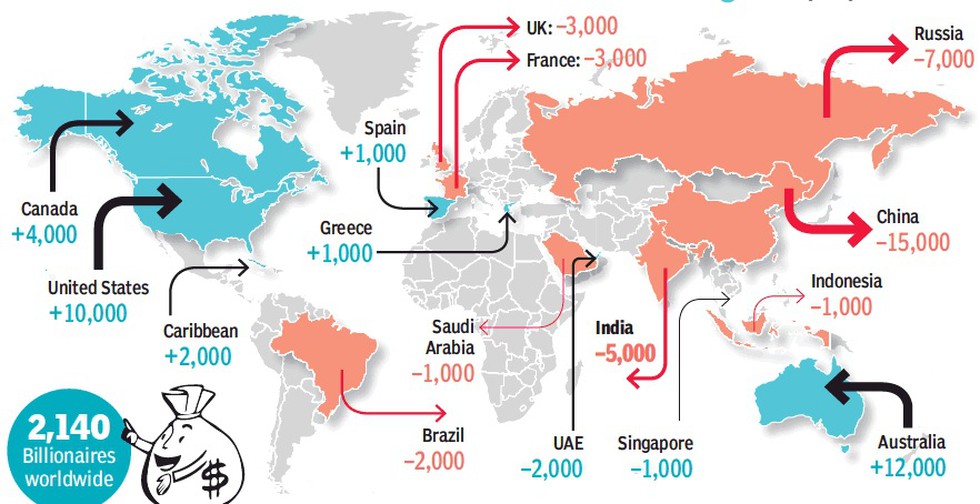
- India has been among the world's top countries in wealth creation, as per data since 2008. India will be the 4th largest wealth market by 2028, after US, China and Japan, and ahead of UK and Germany.
- In the last 10 years, China has been the best performing country in terms of wealth creation, growing by 130%, while India ranked 4th with 96%. Mauritius and Ethiopia sneaked in at nos 2 and 3.
- But, 48% of India's wealth is concentrated in the hands of HNIs, against a global average of 36%.
- The country is also losing high net worth individuals (HNI) through migration. In 2018 alone, 5,000 millionaires from India left for foreign shores.
- Global migration of HNIs is a trend that has picked up over the last few years. China, Russia and India rank as the top three countries seeing exodus of HNIs worldwide, followed by UK and France.
- Australia has emerged as the top destination for global millionaire migrants, followed by US and Canada. Over 12,000 HNIs moved to Australia since 2008, against 10,000 to USA and 4000 to Canada.
Headquartered in the Mauritius International Financial Centre with representative office in South Africa, AfrAsia Bank Limited specialises in banking that builds bridges between Africa, Asia and the World.
Prelims Pointers
May 10, 2019
Key highlights of report:
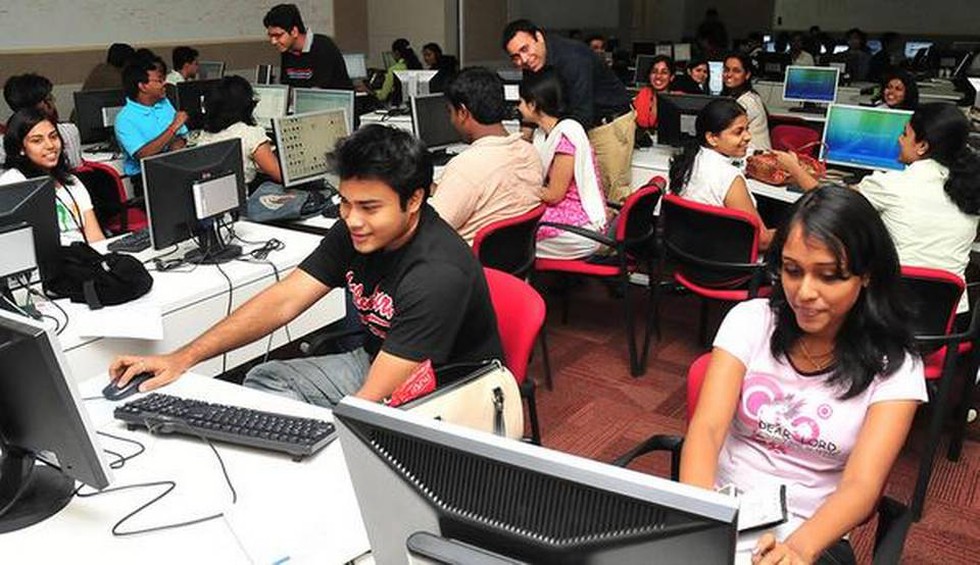
- The Indian tech industry will add another 3 million new jobs in the next 5 years. With the additions, the size of the country’s tech army will be 7 million by 2023.
- All these new jobs would come up in digital technology areas such as artificial intelligence (AI), machine learning, Internet of things (IOT), data science, analytics, big data, blockchain and augmented reality.
- Jobs would also be created in newer technology areas that are presently unknown but are expected to emerge and evolve in the next few years.
- Some 63% of CEOs think that AI would have a larger impact than the Internet and some 39% of them had already started AI-related initiatives in their organisations.
- The employment projection comes as a big relief to millions of young techies and software engineering students amid talks of the move towards jobless growth with automation that replaces humans with robots.
IT-ITeS Industry
- Revenue: Indian IT-ITeS industry revenue is estimated at USD 151.0 billion in FY2017-18 as compared to USD 141.0 billion in FY2016-17, registering an increase of around 7.0%.
- Exports: IT-ITeS exports are estimated as US$ 126.0 billion in FY2017-18, growing by 7.7% over FY2016-17.
Prelims Pointers
May 10, 2019

About:
- What is it? Class action is a provision aimed at providing a redressal mechanism for small and minority investors.
- When can it be filed? Under Section 245 of the Companies Act, investors can file a class action suit in case they feel that the management or conduct of the affairs of a company are prejudicial to their interests.
- Thresholds:
- An application for class action can be filed by a member or members representing 5% per cent of the total members of a company.
- It can also be done by 100 members of a company, whichever is less. The same criteria will also be applicable for depositors of deposit-taking companies.
- In case of an unlisted company, a member or members holding at least 5% of the issued share capital can file for class action. For listed companies, this threshold would be 2%.
- An application for class action can be filed by a member or members representing 5% per cent of the total members of a company.
- Underlying rules for new threshold: This was done by amending the National Company Law Tribunal Rules 2016 under the Companies Act, 2013.
- Significance: With the notification of the thresholds, investors can now file class action lawsuits. This is a huge step in terms of redressal mechanism for small and minority shareholders.
- Way ahead: The ministry is also readying a scheme to provide financial assistance to minority investors filing class action lawsuits under the companies law.
Prelims Pointers
May 10, 2019
About:
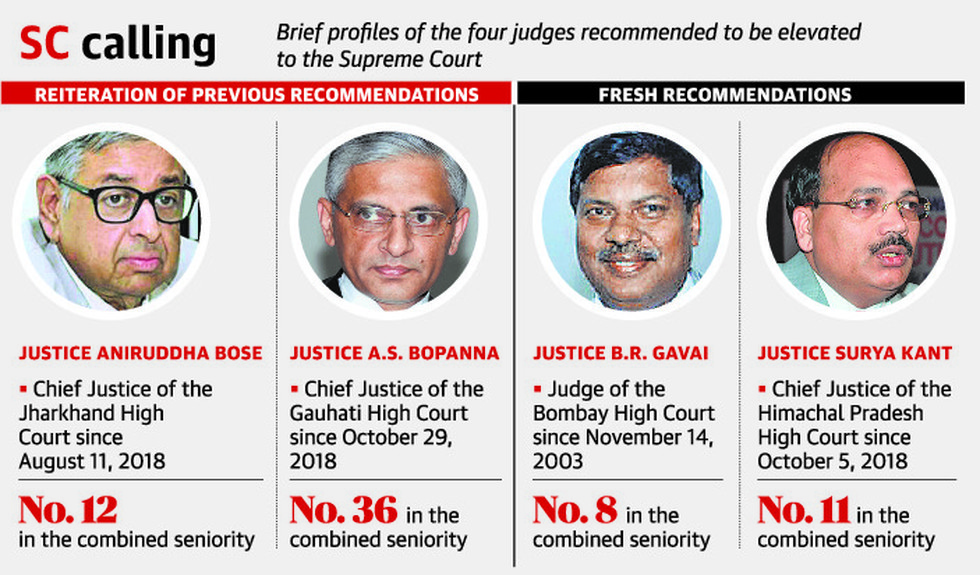
- If the four judges are elevated without delay, the Supreme Court would reach the full sanctioned judicial strength of 31 judges by the time it re-opens in July after the summer vacations.
- The Collegium refused the government’s request to reconsider its April 12 recommendation to elevate Jharkhand High Court and Gauhati High Court Chief Justices Aniruddha Bose and A.S. Bopanna as Supreme Court judges.
- The Collegium said their names were recommended after all parameters were considered. The Collegium said there was no reason to agree with the government as there was nothing adverse found in the two judges’ conduct, competence or integrity.
- Now, the government is bound to appoint Justices Bose and Bopanna to the court.
Appointment Procedure?
- Article 124(3) of the constitution mentions the following people as eligible to become a Supreme Court (SC) Judge:
- A High Court (HC) judge who has held that post for 5 years or more.
- An advocate who has practiced in the HC/SC for 10 years or more.
- A distinguished Jurist (no judge appointed on this basis till date).
- Article 124(2) says that the President of India Shall appoint the judges after consultation with such number of Judges of the SC/HC as he deems necessary. For appointment of any Judge of SC (other than CJI), the CJI must be consulted.
- The three Judges case of 1981, 1993 & 1998 has formalised the collegium system for the purpose of consultation.
- The collegium for appointing SC judge consists of the CJI and 4 senior-most judges of SC.
- Memorandum of Procedure (MoP) was set up after the Third Judge Case of 1998 to provide the process of how the Collegium would recommend names to the Executive.
- The President of India can either accept the recommendation or send it back for reconsideration. The reconsidered advice must be accepted by the President.
Prelims Pointers
May 10, 2019
About:
- Scientific name: Tyto alba.
- Common name: Common barn owl.
- Distribution: It is the most widely distributed species of owl. It is found almost everywhere in the world except polar and desert regions, in Asia north of the Himalayas, most of Indonesia, and some Pacific islands.
- Physical description: The plumage on head and back is a mottled shade of grey or brown, the underparts vary from white to brown and are sometimes speckled with dark markings. The face is characteristically heart-shaped and is white in most subspecies.
- Diet: Barn owls specialise in hunting animals on the ground and nearly all of their food consists of small mammals which they locate by sound, their hearing being very acute.
- IUCN status: Least Concern.
- Cultural significance: The Barn Owl is respected as the acolyte of the Goddess Chamunda in Karnataka. In Bengal, it is revered as the carrier of Lakshmi, the deity of wealth.
Recent development:
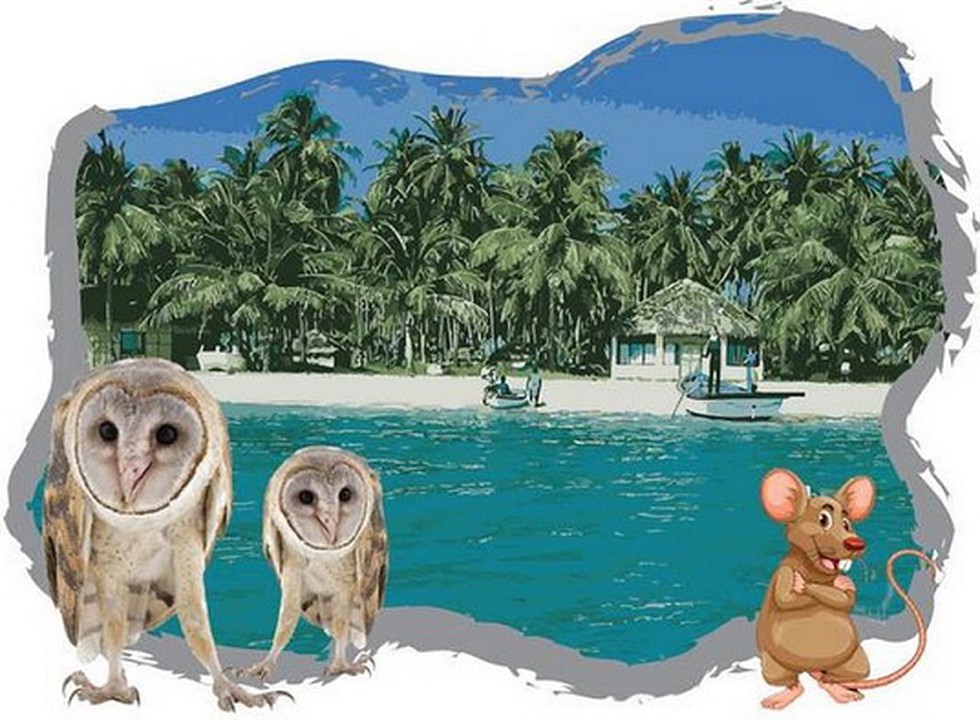
- The biocontrol measure is spearheaded by the Lakshadweep Administration, with the Krishi Vigyan Kendra (KVK) at Kavaratti providing the technical knowhow.
- Coconut is an important cash crop for the islands, but the rodents account for 30 to 40% of the yield loss. Total production stood at 8.76 crore nuts in 2017-18.
- Barn owls have been recruited instead of other rat hunters like cats or rat snakes because the rats in the Lakshadweep Islands practically live on treetops.
Prelims Pointers
May 10, 2019

ADMM-Plus:
- Full name: ASEAN Defense Minister’s Meeting-Plus (ADMM-Plus).
- What is it? ADMM-Plus is the only official framework of Defense Minister's meetings in the Asia-Pacific Region. It is a platform for ASEAN and its eight Dialogue Partners to strengthen security and defence cooperation for peace, stability, and development in the region.
- Members: The ADMM-Plus comprises the ten ASEAN countries as well as Australia, China, Japan, India, the Republic of Korea, New Zealand, Russia and the United States.
- Established in: 2010.
ADMM-PLUS MS FTX 2019:
- Full name: ADMM-Plus Maritime Security Field Training Exercise (ADMM-PLUS MS FTX).
- 2019 edition:
- ADMM-PLUS MS FTX Phase I exercises were held from 01 May to 03 May 19 off South Korea. The Phase II is scheduled from 09 May to 12 May 19 in the South China Sea.
- The exercise involved 19 ships and 10 aircraft with about 700 personnel from the 18 ADMM-Plus countries. Participants conducted a series of professional exchanges ashore, as well as maritime security drills in the waters off ROK and Singapore.
- ADMM-PLUS MS FTX Phase I exercises were held from 01 May to 03 May 19 off South Korea. The Phase II is scheduled from 09 May to 12 May 19 in the South China Sea.
Prelims Pointers
May 10, 2019
About:
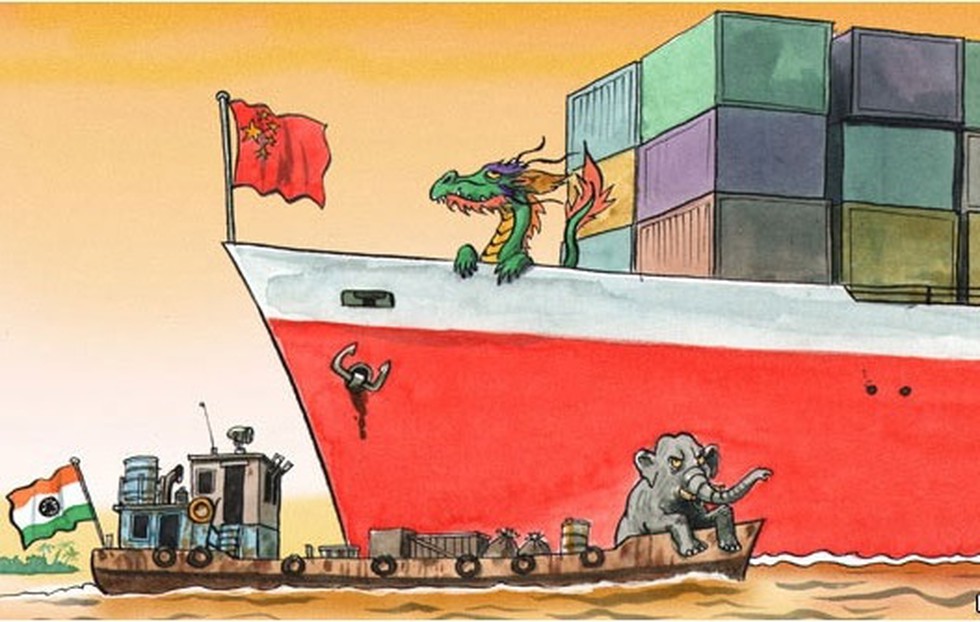
- After a meeting of Commerce Secretary of both sides, a protocol for export of Indian chilli meal to the neighbouring country was signed.
- India and China agreed to resolve market access issues expeditiously in order promote a more balanced trade. Both the sides discussed trade-related issues of pending Indian request for clearance of agricultural products in the meeting.
- Protocols signed between India and China on Agricultural Commodities (With years of Signing):
- Mango (2003)
- Bitter Gourd (2005)
- Grapes (2005)
- Rapeseed meal (2015)
- Basmati Rice (2006)
- Basmati Rice & Non-Basmati Rice (2018)
- Fish meal/ Fish oil (2018)
- Tobacco Leaves (January, 2019)
- Chilli Meal (May, 2019)
- Mango (2003)
Comment:
- The meeting assumes significance as India is seeking greater market access for its manufactured and agricultural products in the Chinese market to bridge the widening trade deficit.
- Recently, India has identified and shared with China a list of 380 products, including horticulture, textiles, chemicals and pharmaceutical products, as their shipments hold huge export potential.
- Increasing exports of these products will help India narrow the widening trade deficit with China, which stood at USD 50.12 billion during April-February 2018-19. Indian exporters face certain non-tariff barriers in the Chinese market that are restricting exports.
Prelims Pointers
May 10, 2019
About:
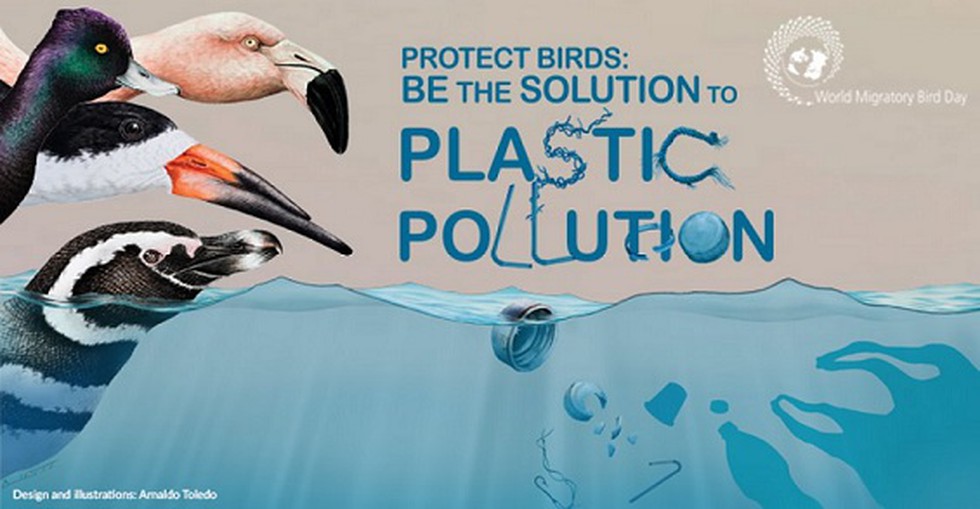
- What is it? WMBD is an annual awareness-raising campaign highlighting the need for the protection of migratory birds and their habitats.
- History: The annual day was initiated in 2006.
- Day of Observance: Starting in 2018, it is celebrated twice a year, on the second Saturday in May and in October.
- Who organizes WMBD? The campaign is organized by two international wildlife treaties administered by the United Nations Environment Programme (UNEP) – the Convention on the Conservation of Migratory Species of Wild Animals (CMS), and the African-Eurasian Migratory Waterbird Agreement (AEWA) - together with Environment for the Americas (EFTA).
- Theme of 2019? This year’s theme − “Protect Birds: Be the Solution to Plastic Pollution!” − will put the spotlight on the negative impact of plastic pollution on migratory birds and their habitats.
Prelims Pointers
May 10, 2019

About:
- Who is she? Lucy Wills was a leading English haematologist who conducted seminal work in India in the late 1920s and early 1930s on macrocytic anaemia of pregnancy.
- Legacy: Wills’ analysis of prenatal anaemia changed the world of preventive prenatal care for women.
- Wills Factor:
- Wills travelled to India to research a form of life-threatening anaemia which afflicted pregnant woman in Bombay.
- She initially suspected the cause to be poor nutrition but later, in an experiment, discovered that when the laboratory monkey was fed a certain British breakfast spread made of yeast extract its health condition improved.
- This came to be known as the “Wills Factor”. Research on the experiment later proved that the factor was folic acid which is since being recommended to pregnant woman everywhere.
- Wills travelled to India to research a form of life-threatening anaemia which afflicted pregnant woman in Bombay.
Haematology?
- Haematology is the branch of medicine concerned with the study of the cause, treatment, and prevention of diseases related to blood.
- Such diseases might include hemophilia, blood clots, other bleeding disorders and blood cancers such as leukemia, multiple myeloma, and lymphoma.
Prelims Pointers
May 10, 2019
About:
- Unveiled by: The United States government.
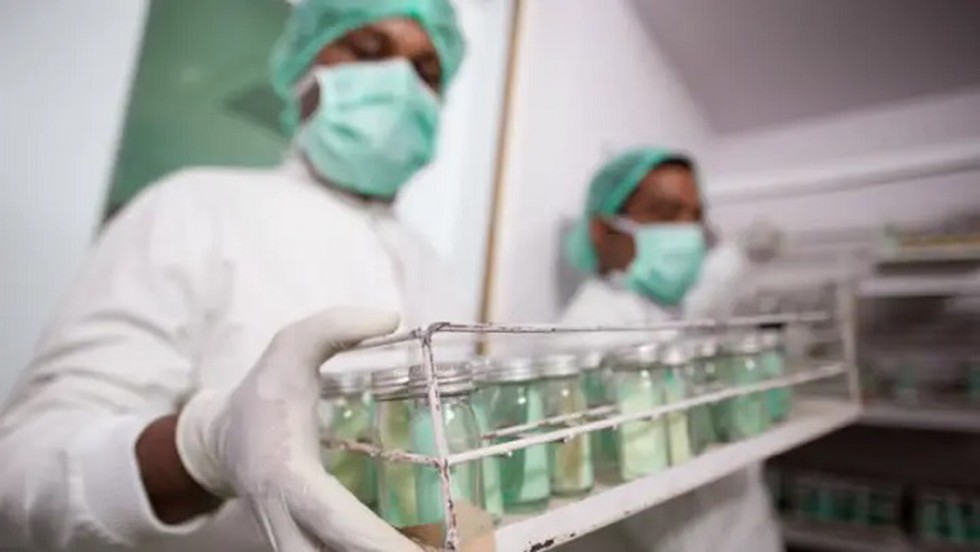
- Objective: It is a first of its kind strategy to prevent, detect and respond to biological threats from infectious diseases occurring naturally or accidentally, in an effort to help improve the world's ability to stop deadly outbreaks before they spread between countries.
- Goals: The strategy focuses on three interrelated goals –
- strengthen partner country global health security capacities,
- increase international support for global health security and
- a homeland prepared and resilient against global health threats.
- strengthen partner country global health security capacities,
- Way ahead: The US is working with international partners to help improve the world's ability to stop and contain infectious disease outbreaks before they spread between countries.
May 9, 2019
Prelims Pointers
May 9, 2019
Key findings of UN report:
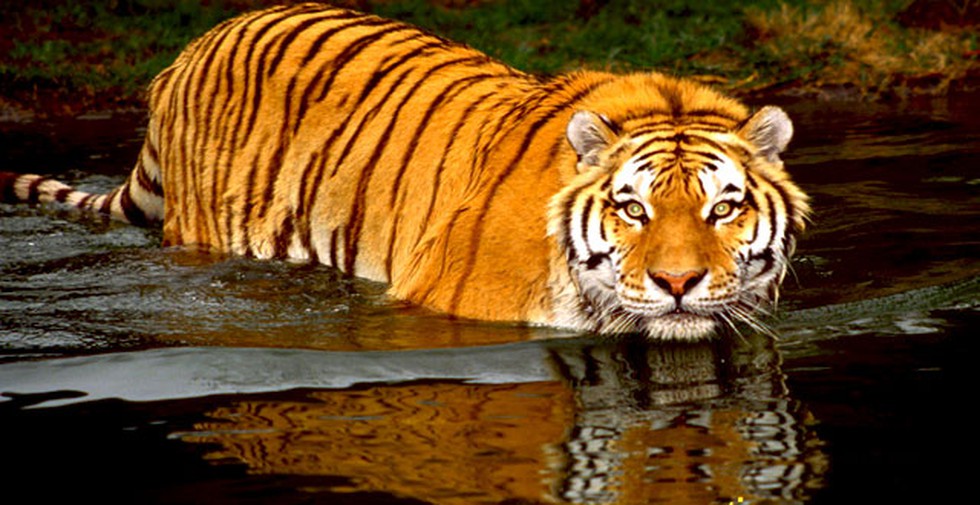
- The Sundarbans, 10,000 square kilometres of marshy land in Bangladesh and India, supports several hundred animal species, including the Bengal tiger. But 70% of it is just a few feet above sea level, and faces threat of grave climate changes.
- The Bengal tigers are among 500,000 land species whose survival is in question because of threats to their natural habitats.
- By 2070, there will be no suitable tiger habitats remaining in the Bangladesh Sundarbans.
- In 2010, the World Wide Fund for Nature projected that a sea level rise of 11 inches could reduce the number of tigers in the Sundarbans by 96% within a few decades.
- Since the early 1900s, habitat loss, hunting and the illegal trade of animal parts have decimated the global population of tigers from around 100,000 to fewer than 4,000.
Bengal tiger?
- Scientific name: Panthera Tigris Tigris.
- Habitats: Dry and wet deciduous forests, grassland and temperate forests, mangrove forests.
- Distribution:
- The Bengal tiger is found primarily in India with smaller populations in Bangladesh, Nepal, Bhutan, china and Myanmar.
- The mangroves of the Sundarbans—shared between Bangladesh and India—are the only mangrove forests where tigers are found.
- Population: It is the most numerous of all tiger subspecies with more than 2,500 left in the wild.
- IUCN Status: Endangered.
- Threats:
- The creation of India’s tiger reserves in the 1970s helped to stabilize numbers, but poaching to meet a growing demand from Asia in recent years has once again put the Bengal tiger at risk.
- The Sundarbans are increasingly threatened by sea level rise as a result of climate change.
- Project Tiger: Project Tiger, the first-ever tiger conservation programme launched by the Government of India in 1973.
- It is the national animal of both India and Bangladesh.
Prelims Pointers
May 9, 2019
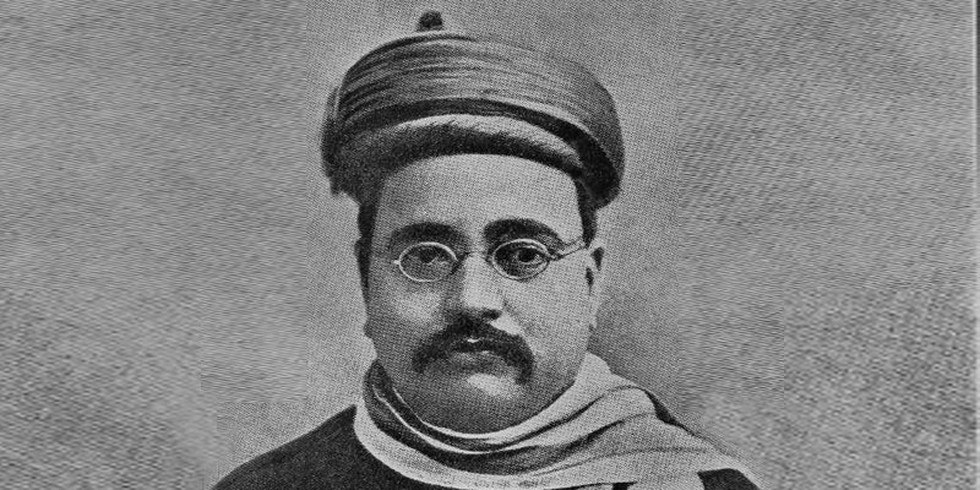
About:
- Indian National Congress (INC):
- Gokhale became a member of the Indian National Congress in 1889. He was the leader of the moderate faction of the Congress party.
- In 1905, he was elected president of the Indian National Congress (Benares Session).
- He played a leading role in bringing about Morley-Minto Reforms, the beginning of constitutional reforms in India.
- Gokhale became a member of the Indian National Congress in 1889. He was the leader of the moderate faction of the Congress party.
- Member in British India Legislature: In 1899, Gokhale was elected to the Bombay Legislative Council and in 1901 he was elected to the Imperial Council of the Governor-General of India.
- Servants of India Society: It was formed by him in Pune (Maharashtra) in 1905 to further the expansion of education in India. The Society organised mobile libraries, founded schools, and provided night classes for factory workers.
- Ranade Institute of Economics: In 1908, he founded the 'Ranade Institute of Economics'.
- Mentor to Gandhi: In his autobiography, Gandhi calls Gokhale his mentor and guide. In 1912, Gokhale visited South Africa at Gandhi's invitation. He received personal guidance from Gokhale, including a knowledge and understanding of India and the issues confronting common Indians.
- Hitavad: He launched the English weekly newspaper named The Hitavad (The people's paper) in 1911.
Prelims Pointers
May 9, 2019
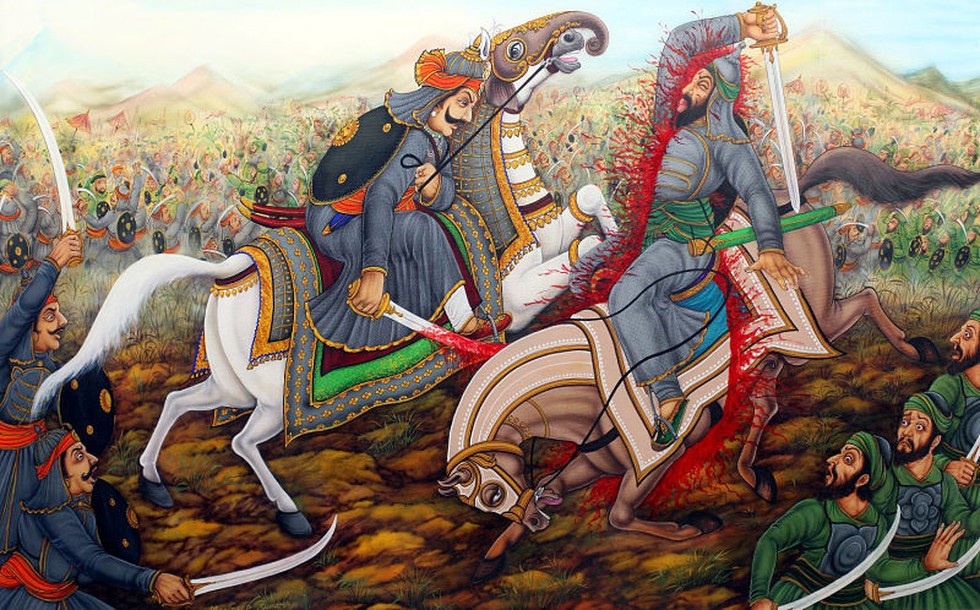
About:
- Pratap Singh popularly known as Maharana Pratap, was a king of Mewar, a region in the present day state of Rajasthan.
- He was the eldest son of Udai Singh II (founder of city of Udaipur).
- Battle of Haldighati: It was fought on 18 June 1576 between the forces Maharana Pratap; and the Mughal emperor Akbar's forces, led by Man Singh I of Amber. The Mughals were the victors but failed to capture Pratap, who escaped.
- Resurgence: Mughal pressure on Mewar relaxed after 1579 following rebellions in Bengal and Bihar. Taking advantage of the situation, Pratap recovered Western Mewar including Kumbhalgarh, Udaipur and Gogunda. During this period, he also built a new capital, Chavand, near modern Dungarpur.
- Chetak: Chetak is the name given in traditional literature to the horse ridden by Maharana Pratap at the Battle of Haldighati. However, some Historians debate it. According to tradition, Chetak, although wounded, carried Pratap safely away from the battle, but then died of his wounds. The story is recounted in court poems of Mewar from the 17th century onwards.
- Pratap Gaurav Kendra: It is a tourist spot at Tiger Hill in Udaipur city, Rajasthan. It aims at providing information about Maharana Pratap and the historical heritage of the area with the help of modern technology.
Prelims Pointers
May 9, 2019
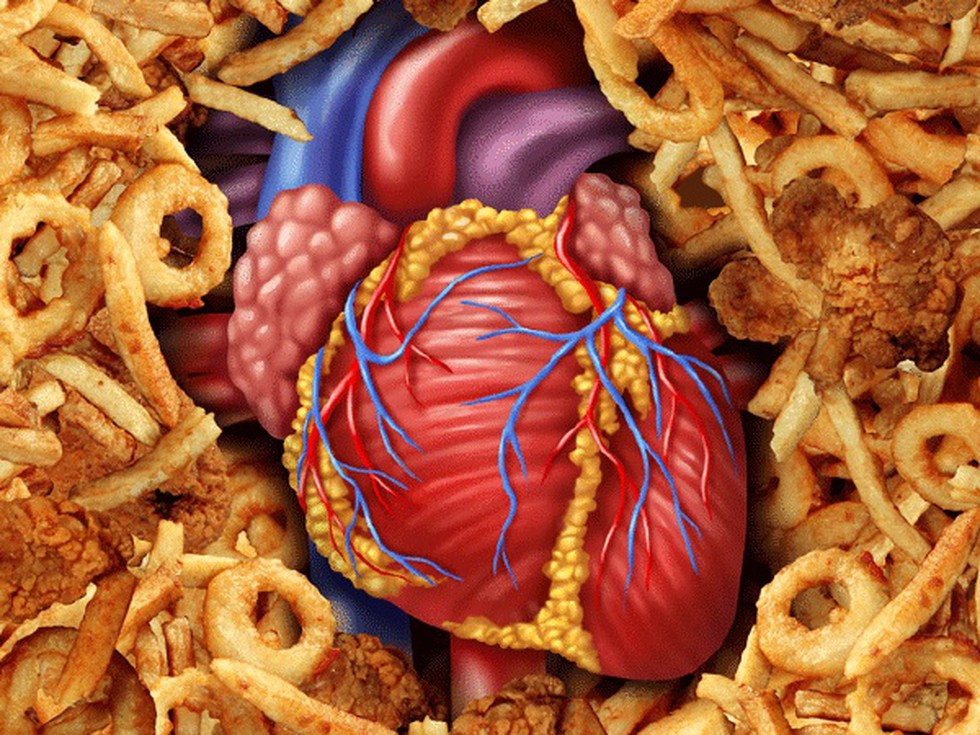
About:
- Trans fat, or trans-unsaturated fatty acids, trans fatty acids, are a type of unsaturated fat.
- Types: There are two broad types of trans fats found in foods:
- Naturally-occurring: They occur in small amount in Nature. These are produced in the gut of some animals. Foods made from these animals (e.g., milk and meat products) may contain small quantities of these fats.
- Artificial: These are created in an industrial process that adds hydrogen to liquid vegetable oils to make them more solid. These are contained in hardened vegetable fats such as margarine and ghee, and are often present in snack, baked, and fried foods.
- Naturally-occurring: They occur in small amount in Nature. These are produced in the gut of some animals. Foods made from these animals (e.g., milk and meat products) may contain small quantities of these fats.
- Why do some companies use trans fats? Trans fats are easy to use, inexpensive to produce and last a long time.
- Impact on health:
- Trans fats not only raises one’s bad (LDL) cholesterol levels but also lowers good (HDL) cholesterol levels. Thus, it increases risk of developing heart disease and stroke.
- It’s also associated with a higher risk of developing type 2 diabetes.
- According to WHO estimates, every year, trans fat intake leads to over 5,00,000 deaths worldwide from cardiovascular diseases.
- Trans fats not only raises one’s bad (LDL) cholesterol levels but also lowers good (HDL) cholesterol levels. Thus, it increases risk of developing heart disease and stroke.
- Global scenario:
- Denmark was the first country to mandate restrictions on industrially-produced trans fats in food products. Several high-income countries followed soon.
- In May 2018, WHO released ‘REPLACE’ strategy which provides six strategic actions to ensure the quick and complete elimination of industrially-produced trans fats from the food supply by 2023.
- Denmark was the first country to mandate restrictions on industrially-produced trans fats in food products. Several high-income countries followed soon.
REPLACE?
In May 2018, WHO released REPLACE which provides six strategic actions to ensure the quick and complete elimination of industrially-produced trans fats from the food supply by 2023. Its key components are:
- REview dietary sources of industrially-produced trans fats and the landscape for required policy change.
- Promote the replacement of industrially-produced trans fats with healthier fats and oils.
- Legislate or enact regulatory actions to eliminate industrially-produced trans fats.
- Assess and monitor trans fats content in the food supply and changes in trans-fat consumption in the population.
- Create awareness of the negative health impact of trans fats among policy makers, producers, suppliers, and the public.
- Enforce compliance of policies and regulations.
Prelims Pointers
May 9, 2019
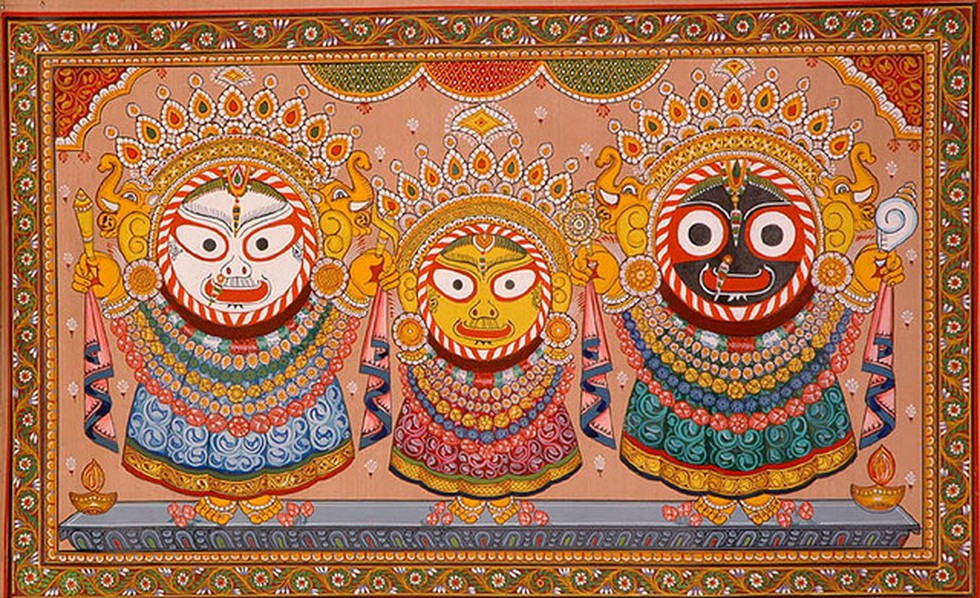
About:
- Patta means cloth, and Chitra means picture. Hence, Pattachitra is a picture painted on a piece of cloth.
- It is based in the states of West Bengal and Odisha.
- Bengal tradition: It is centered around Kalighat (in Kolkata). Theme is Not much devotional.
- Odisha tradition:
- It is centered around Puri.
- These paintings are based on Hindu mythology and specially inspired by Jagannath and Vaishnava sect.
- All colours used in the Paintings are natural and paintings.
- Almost all of the Chitrakar community hails from a small village in Puri district called Raghurajpur.
- It is centered around Puri.
Prelims Pointers
May 9, 2019
About:
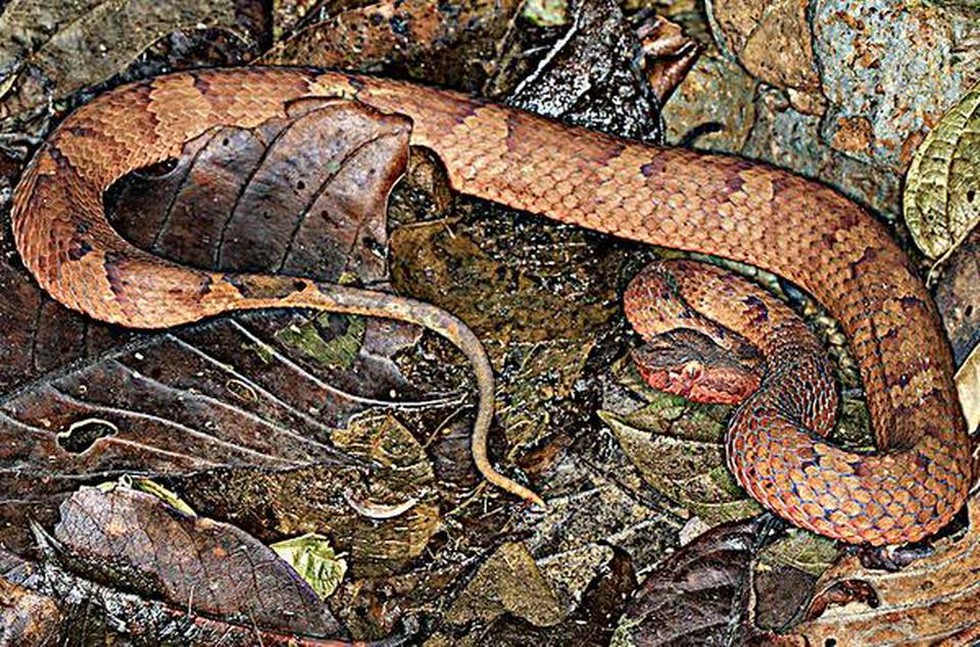
- Name: The scientific name of Arunachal pit viper is Trimeresurus arunachalensis. The new species makes Arunachal Pradesh the only Indian state to have a pit viper named after it.
- Type:
- It is a species of reddish-brown pit viper, a venomous snake with a unique heat-sensing system.
- With this, India now has a fifth brown pit viper. The other four — Malabar, horseshoe, hump-nosed and Himalayan — were discovered 70 years ago.
- It is a species of reddish-brown pit viper, a venomous snake with a unique heat-sensing system.
- Discovery:
- It has been discovered by a team of herpetologists from a forest in West Kameng district of Arunachal Pradesh.
- The discovery makes the Arunachal pit viper the second serpent to have been discovered after the non-venomous crying keelback in the State’s Lepa-Rada district in 2018.
- It has been discovered by a team of herpetologists from a forest in West Kameng district of Arunachal Pradesh.
The Viperidae (vipers) are a family of venomous snakes found in most parts of the world. All have relatively long, hinged fangs that permit deep penetration and injection of snake venom.
Prelims Pointers
May 9, 2019
About:
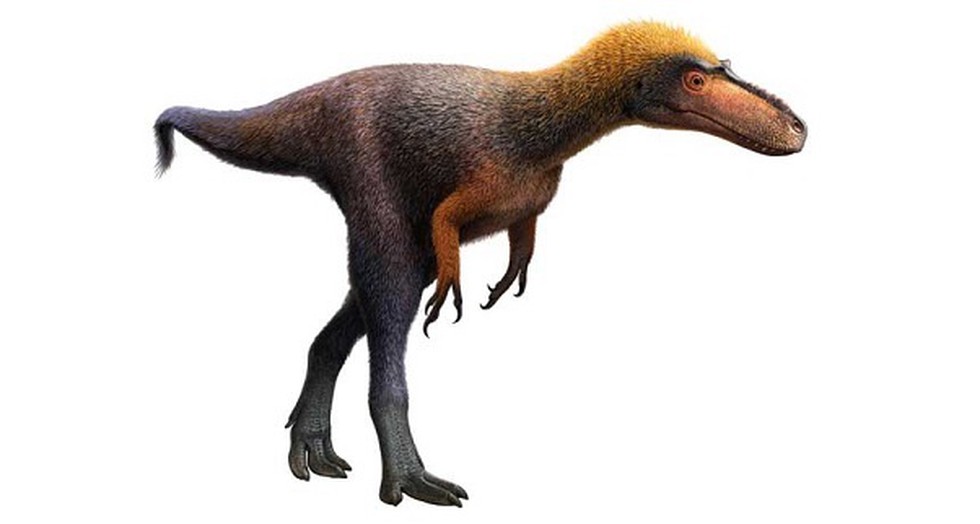
- Genus: Suskityrannus is a genus of small tyrannosauroid family. It contains a single species, Suskityrannus hazelae.
- Time of existence: The fossil discovered in New Mexico dates back 92 million years to the Cretaceous Period.
- Features:
- It is a tiny relative of the Tyrannosaurus rex. It stood roughly 3 feet tall at the hip and was about 9 feet in length, the entire animal only marginally longer than the just the skull of a fully grown Tyrannosaurus rex.
- It is believed to have weighed between 45 and 90 pounds, compared to 90 tons for a typical full-grown T rex.
- Its diet likely consisted of the same as T Rex, but likely hunted small animals.
- It is a tiny relative of the Tyrannosaurus rex. It stood roughly 3 feet tall at the hip and was about 9 feet in length, the entire animal only marginally longer than the just the skull of a fully grown Tyrannosaurus rex.
Prelims Pointers
May 9, 2019
About:
- Names: World Red Cross Day is also known as World Red Cross and Red Crescent Day.
- Day of observance: It is observed every year on May 8.
- The day is the birthday of Henry Dunant, who had generated the Red Cross Committee of the International (ICRI) in 1863 in Switzerland, Geneva.
- He was born on May 8, 1828 and was also the recipient of the Nobel Peace Prize.
- The day is the birthday of Henry Dunant, who had generated the Red Cross Committee of the International (ICRI) in 1863 in Switzerland, Geneva.
- Objective: To commemorate the principles of International Red Cross and Red Crescent Movement.
- Theme: The 2019 theme chosen by them is, ‘#Love’ and aims to broaden the public’s understanding of the society by highlighting the diversity and universality of its work and approach.
IFRC?
- Full name: The International Federation of Red Cross and Red Crescent Societies (IFRC).
- Mandate: It is a worldwide humanitarian aid organization that acts before, during and after disasters and health emergencies to meet the needs and improve the lives of vulnerable people.
- Guiding principles: It is guided by seven Fundamental Principles: Humanity, impartiality, neutrality, independence, voluntary service, universality and unity.
- Established in: 1919.
- Headquarters: Geneva, Switzerland.
Prelims Pointers
May 9, 2019
About:
- Type: The INCB is an independent and quasi-judicial monitoring body.
- Mandate: Implementation of the UN's international drug control conventions.
- History: It was established in 1968 by the Single Convention on Narcotic Drugs of 1961 by merging the Permanent Central Narcotics Board and the Drug Supervisory Body
- Membership: INCB has 13 members, each elected by the Economic and Social Council (ECOSOC) for a period of five years. INCB members may be re-elected.
- Secretariat: The INCB secretariat is an administrative entity of the United Nations Office on Drugs and Crime. It is located at Vienna, Austria.
Jagjit Pavadia?
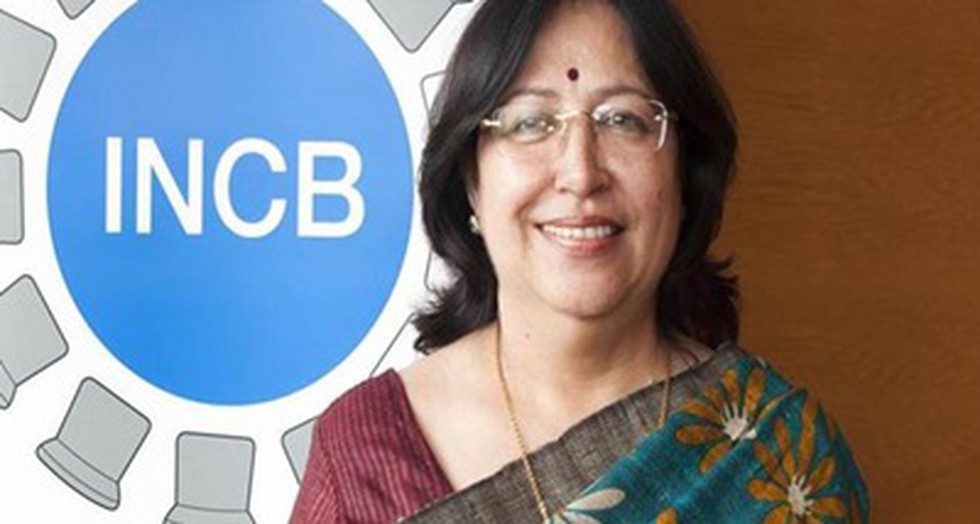
- Jagjit Pavadia has been a member of the INCB since 2015 and her current term is set to expire in 2020.
- She has held several senior positions in the Indian Revenue Service (IRS) for 35 years in the Government of India, including Narcotics Commissioner of India, Central Bureau of Narcotics.
Prelims Pointers
May 9, 2019
About:
- Background: WCO was established in 1952 as the Customs Co-operation Council (CCC). In 1994, the organization adopted its current name (WCO).
- Status: An independent intergovernmental body.
- Objective: It is the only intergovernmental organisation exclusively focused on Customs matters. Its objective is to enhance the effectiveness and efficiency of Customs administrations.
- Key functions:
- Maintaining the international Harmonized System (HS) goods nomenclature.
- Administering the technical aspects of the World Trade Organization (WTO) Agreements on Customs Valuation and Rules of Origin.
- Maintaining the international Harmonized System (HS) goods nomenclature.
- HQ: Brussels, Belgium.
- Administration: The WCO is governed by the Council, which brings together all Members of the Organization once a year.
- Membership:
- WCO represents 182 Customs administrations across the globe that collectively process approximately 98% of world trade.
- Membership is divided into six Regions. Each of the six Regions is represented by a regionally elected Vice-Chairperson to the WCO’s governing body (the Council).
- India became the Vice Chair of the Asia Pacific region of the WCO on 1st July, 2018 for a two-year period.
- WCO represents 182 Customs administrations across the globe that collectively process approximately 98% of world trade.
May 8, 2019
Prelims Pointers
May 8, 2019
JCPOA:
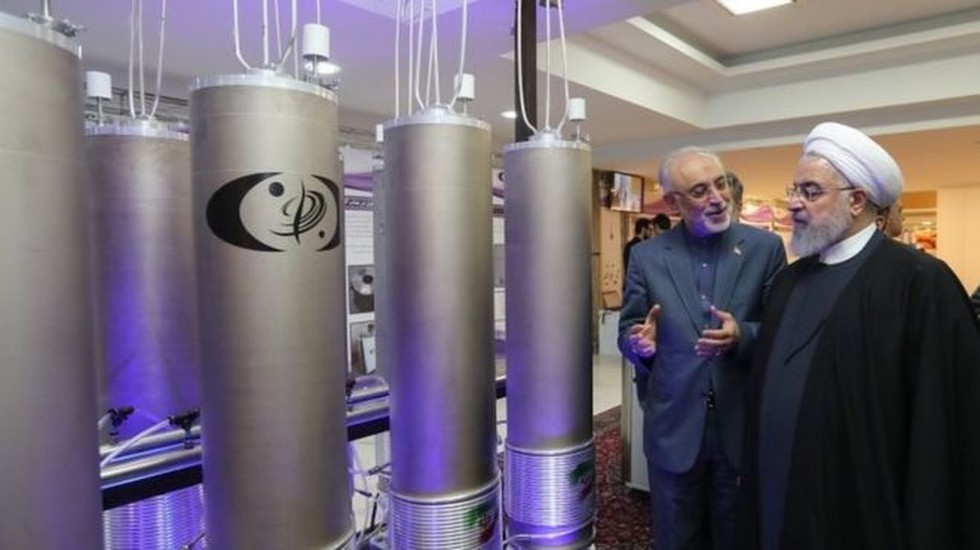
- In 2015, China, France, Germany, Russia, the UK, the US and the European Union (EU) inked the Joint Comprehensive Plan of Action (JCPOA) with Iran.
- Under it, Iran agreed to make certain changes to its nuclear programme to ensure that it would be peaceful, in return for the UN, the EU and the US diluting their sanctions against it.
- Nuclear related sanctions on Iran were lifted by the US effective January 1, 2016.
Withdrawal from deal by the US:
- Trump’s decision: In May 2018, US President Donald Trump announced that the US will withdraw from the JCPOA and that US sanctions will be re-imposed on Iran.
- Reason for withdrawal: According to Trump, he has three main problems with JCPOA:
- The deal does not have binding restrictions on Iran’s ballistic missile programme;
- Many of the restrictions have sunset clauses (i.e. provisions of the JCPOA will become less strict over the years enabling Iran to move towards nuclear-weapon capability); and
- The deal does nothing to prevent Iranian sponsorship of terrorism in its region.
- The deal does not have binding restrictions on Iran’s ballistic missile programme;
- Counter-arguments to Objections: Trump’s decision is unreasonable for several reasons –
- The International Atomic Energy Agency (IAEA) has consistently maintained that Iran has complied with the strictures of the JCPOA without fail.
- If indeed there are concerns about sunset clause, then efforts should be made to engage Iran in negotiations rather than undo what has already been achieved.
- With regard to Iran’s involvement in the various West Asian conflicts and “promotion of terrorism”, Iran is not the only country engaging in them. And in any case the way out, again, is diplomatic engagement rather than further unsettle an already volatile region.
- The International Atomic Energy Agency (IAEA) has consistently maintained that Iran has complied with the strictures of the JCPOA without fail.
Recent decision by Iran:
- Iran has pulled out of some commitments under the 2015 international nuclear deal. It will stop curbing its stocks of enriched uranium and the heavy water needed by certain types of the reactor to ensure that nuclear fission can take place.
- Iran said the action was being taken because the European Union and others did not have the power to resist US pressure.The measure was necessary to secure its rights and bring back the balance after United States exit the agreement a year ago.
- It added that the remaining parties to the deal are given 60 days to implement their commitments, in particular in the fields of banking and oil. It was referring to the commitment made by Britain, China, France, Germany and Russia to lift sanctions on Iran in return for it curbing its nuclear activities.
- The decision comes after the US dispatched an aircraft carrier strike group to the Middle East.
Prelims Pointers
May 8, 2019
Balukhand Wildlife Sanctuary:
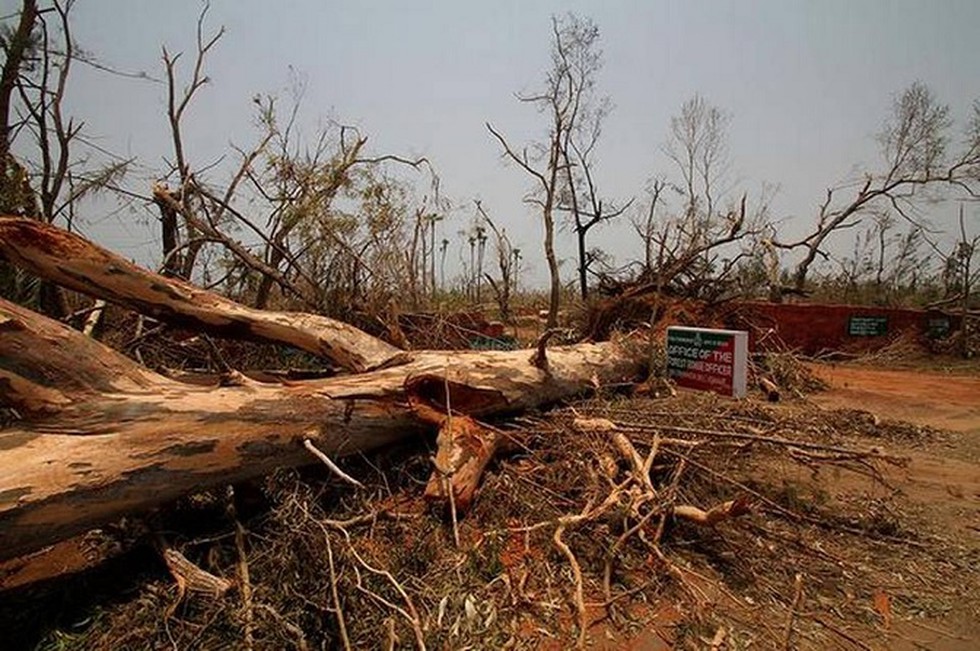
- The Balukhand-Konark Wildlife Sanctuary is located along the Bay of Bengal coast, between the towns of Puri and Konark.
- The sanctuary includes groves of introduced Casuarina trees planted in 1916-17, and cashew plantations. Olive Ridley Sea Turtles nest on the beaches.
Nandankanan Zoological Park:
- It is located in Bhubaneswar, Odisha. It lies in adjacent to Chandaka-Dampara Wildlife Sanctuary, in the vicinity of Kanjia lake.
- It is the only zoological park in India to become an institutional member of World Association of Zoos and Aquarium (WAZA).
- It is the only zoo in India after which an express train Puri-New Delhi express has been named as "Nandankanan Express".
- It is the first zoo in the World to breed White tiger and Melanistic tiger.
- It is the only conservation breeding centre of Indian Pangolins in the world.
Prelims Pointers
May 8, 2019

Present status of Trade:
- India’s total trade with the African region during 2017-18 was USD 62.69 billion (8.15% of India’s total trade with the World).
- India’s share of exports to African countries as a percentage of India’s total exports to the world was of the order of 8.21% in 2017-18.
- Africa region’s share in India’s total imports from the World accounted for 8.12% in 2017-18.
Trade opportunities in Africa:
- Africa present immense opportunities for India with the world’s largest land mass, 54 countries, a population growing to be almost equivalent to that of India, huge mineral resources, oil wealth, a youthful population, falling poverty levels and increasing consumption patterns.
- Thus, Africa has a huge demand for new business models for market entry, stable market access, entrepreneurship and investments in transport, telecom, tourism, financial services etc.
- Indian Diaspora in Africa constitutes 9.11% of the total Diaspora of India which is playing a vital role in all fields like politics, business and education.
The major issues highlighted by the Indian Business Community in Africa are:
- Improving the Line of Credit system and developing a facility for an affordable funding.
- Setting up of Indian Banks/financial institutions in Africa.
- Reviewing and liberalizing visa policies from both sides.
- Need for direct flights between the India and African countries.
- Exploring the possibility of rupee trade to address the issue of shortage of dollars in region.
- Development of a robust trade dispute settlement mechanism.
- Establishment of country chapters of FICCI or CII in Africa.
- Frequent visits of policy makers, chamber of commerce and investors for familiarization with local business and investment regime for informed decisions.
Prelims Pointers
May 8, 2019
About:
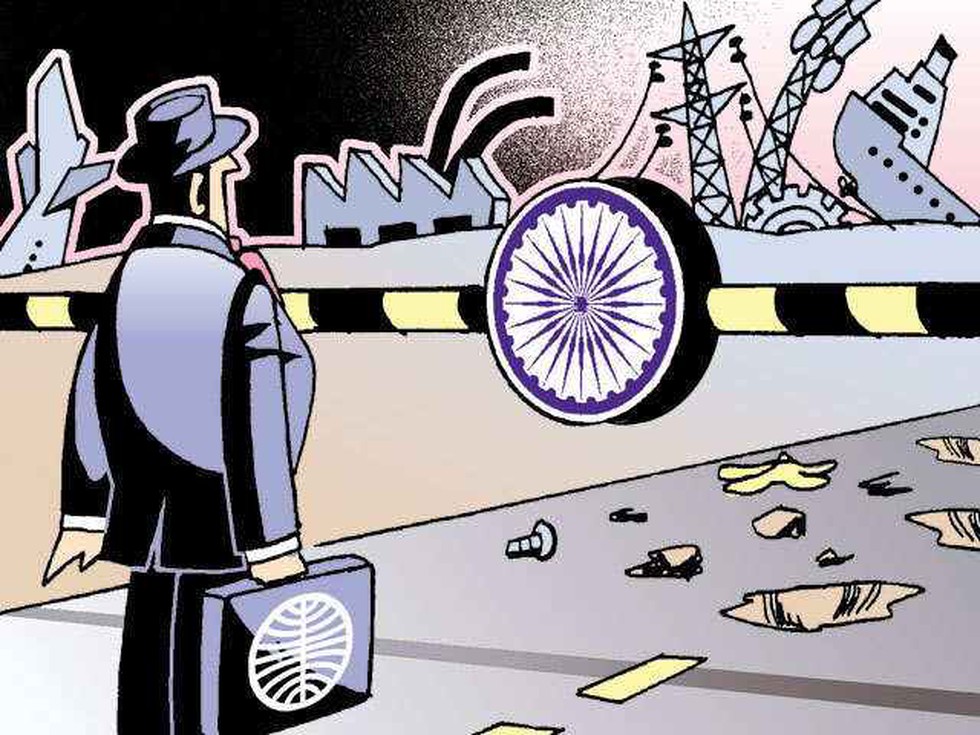
- Background: The Business Reform Action Plan (BRAP) for implementation by States/UTs was released for the first time in 2015.
- Released by: The Department of Industrial Policy and Promotion (DIPP), Ministry of Commerce and Industry in partnership with the World Bank Group
- What does it includes: The BRAP includes recommendations for reforms on regulatory processes across various reform areas such as labour regulation enablers; contract enforcement; registering property; inspection reform enablers; single window system etc.
- Ranking of States: For each State/UT, the scores will be aggregated over all the surveys conducted to yield an overall score for the State/UT. The feedback scores will be used to generate a ranking of States/UTs in terms of reform implementation.
Rankings (2018):
- Andhra Pradesh tops ease of doing business list followed by Telangana and Haryana.
- Jharkhand, Gujarat, Chhattisgarh, Madhya Pradesh, Karnataka, Rajasthan and West Bengal are the other states in the top ten list.
Prelims Pointers
May 8, 2019
About:
- The Home Ministry has done away with Black Lists of Indian-origin people, mostly Sikhs, who have taken asylum abroad under the plea of alleged persecution in India.
- The list is maintained by Indian missions.
- All such people will also be given regular visa as well as Overseas Citizen of India (OCI) cards. The Indian-origin asylees, were denied visa services by Indian missions and posts since they took asylum abroad under the plea of alleged persecution in India.
Prelims Pointers
May 8, 2019

Key Findings of the report:
- Road accidents are the leading cause of death among people in the 5-29 age-group worldwide.
- More than 1.35 million lives are lost each year and 50 million sustaining injuries.
- Since 2008, India has maintained the dubious distinction of being world number one in road crash deaths, inspite of being a signatory to the Brasilia Declaration on Road Safety.
- As per the data released by the Indian government, road crashes kill close to 1,50,000 people each year. However, the WHO report challenged the numbers and stated that India might be losing over 2,99,000 people each year.
- The reasons listed for this trend include — rapid urbanisation, poor safety, lack of enforcement, distracted, influence of drugs or alcohol, speeding and a failure to wear seat-belts or helmets, according to experts.
- Brasilia Declaration on Road Safety: India has signed the 2015 Brasilia Declaration committing to halve the number of deaths in road accidents by 2020.
- Global road safety week: The Fifth United Nations Global Road Safety Week is being held from 6-12 May 2019. This Week will focus on leadership for road safety. Therefore it launches action through the ongoing campaign: Save Lives - #SpeakUp.
Prelims Pointers
May 8, 2019
About:
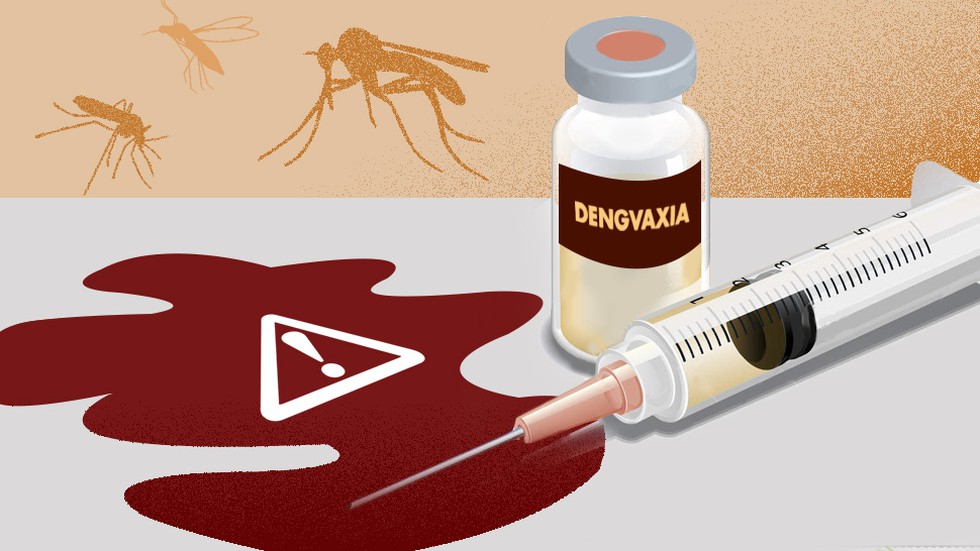
- What is it? Dengvaxia is a live, attenuated dengue virus. An attenuated virus is a virus that retains its properties of triggering an immune response in the body but its ability to lead to a disease is compromised.
- Technical name: CYD-TDV.
- Features: CYD-TDV is a live recombinant tetravalent dengue vaccine developed by Sanofi Pasteur (CYD-TDV), given as a 3-dose series on a 0/6/12 month schedule.
- Global scenario:
- Dengvaxia is the first dengue vaccine to be licensed, Mexico being the first country to clear it in 2015. Subsequently it has been cleared in some 20 countries.
- But Dengvaxia ran into trouble in 2017 when the Philippines had to suspend a school vaccination programme following several casualties.
- In this background, the United States FDA has now cleared it for use only in people who have a previous history of the disease, particularly in dengue-endemic areas.
- Dengvaxia is the first dengue vaccine to be licensed, Mexico being the first country to clear it in 2015. Subsequently it has been cleared in some 20 countries.
The need for a vaccine?
- According to the Centers for Disease Control and Prevention, an estimated 400 million dengue virus infections occur around the world.
- Of these, approximately 500,000 cases develop into dengue haemorrhagic fever, which contributes to about 20,000 deaths, primarily among children.
- India is among the dengue-endemic countries. In India, until November 26, 2018, 89,974 dengue cases were reported, with 144 deaths. In 2017 there were 1,88,401 dengue cases and 325 dengue deaths.
Prelims Pointers
May 8, 2019

About:
- Location: In the great Himalayas in Uttarakhand, the four pilgrim-destinations namely Yamunotri, Gangotri, Kedarnath and Badrinath are collectively known as Chardham.
- Route: Traditionally, this pilgrimage tour should begin from the West and end in the East. Thus, the Char Dham Yatra commences from Yamunotri, then proceeding to Gangotri and finally to Kedarnath and Badrinath.
- Deities covered: Each of these four sites is devoted to a specific deity.
- Yamunotri is dedicated to the Goddess ‘Yamuna’. Yamunotri stands high up in the deep left on the western face of the Bandarpunch Peak.
- Gangotri is dedicated to Goddess ‘Ganga’. The shrine overlooks the River Bhagirathi.
- Kedarnath is dedicated to Lord Shiva and is also a part of the Panch Kedar. It is the northern-most Jyotirlinga and is close to the source of the holy River Mandakini.
- Badrinath is dedicated to Lord Vishnu. It is situated on the bank of the River Alaknanda.
- Yamunotri is dedicated to the Goddess ‘Yamuna’. Yamunotri stands high up in the deep left on the western face of the Bandarpunch Peak.
- In accordance with the Hindu conventions, thousands of devotees take up this pious tour in the hope to experience bliss and successfully purge their souls of all worldly demons.
Prelims Pointers
May 8, 2019

About:
- What is it? Arctic Council is an inter-governmental forum.
- History: The 1996 Ottawa Declaration established the Arctic Council in 1996.
- Secretariat: Tromsø, Norway.
- Mandate: To promote cooperation among Arctic states on common issues, particularly on sustainable development and environmental protection.
- What doesn’t it do?
- The Arctic Council does not and cannot implement or enforce its guidelines, assessments or recommendations. That responsibility belongs to each individual Arctic State.
- The Arctic Council’s mandate, as articulated in the Ottawa Declaration, explicitly excludes military security.
- The Arctic Council does not and cannot implement or enforce its guidelines, assessments or recommendations. That responsibility belongs to each individual Arctic State.
- Who takes part?
- The Ottawa Declaration lists the following 8countries as Members of the Arctic Council: Canada, Denmark, Finland, Iceland, Norway, Russia, Sweden and the United States.
- In addition, six organizations representing Arctic indigenous peoples have status as Permanent Participants.
- Observer status in the Arctic Council is open to non-Arctic states. Besides India, 12 other nations including China, France, Germany, Japan, UK, Switzerland and Netherlands have observer status.
- The Ottawa Declaration lists the following 8countries as Members of the Arctic Council: Canada, Denmark, Finland, Iceland, Norway, Russia, Sweden and the United States.
India and Arctic:
- With sea ice melting due to global warming, the Arctic has become vital for researchers studying climate change.
- India had embarked upon Arctic research by launching its first scientific expedition in 2007, using the international research facility at Ny-Alesund in the Spitsbergen Island of Norway.
- The country – led by National Centre for Polar and Ocean Research (NCPOR) – has since then been regularly sending scientific teams for carrying out studies in the Arctic, primarily in the fields of glaciology, hydrochemistry, microbiology and atmospheric sciences.
- A station building “HIMADRI” with accommodation and work space for a total of eight scientists, was formally inaugurated there on July 1, 2008.
Prelims Pointers
May 8, 2019
World Asthma Day:
- Objective: The day is celebrated to increase awareness about asthma and aims to improve the lives of people with asthma across the world.
- Day of observance: It is observed every year on first Tuesday of May.
- History: The first World Asthma Day, in 1998, was celebrated in more than 35 countries in conjunction with the first World Asthma Meeting held in Barcelona, Spain.
- Theme this year: Stop for Asthma.
Asthma?
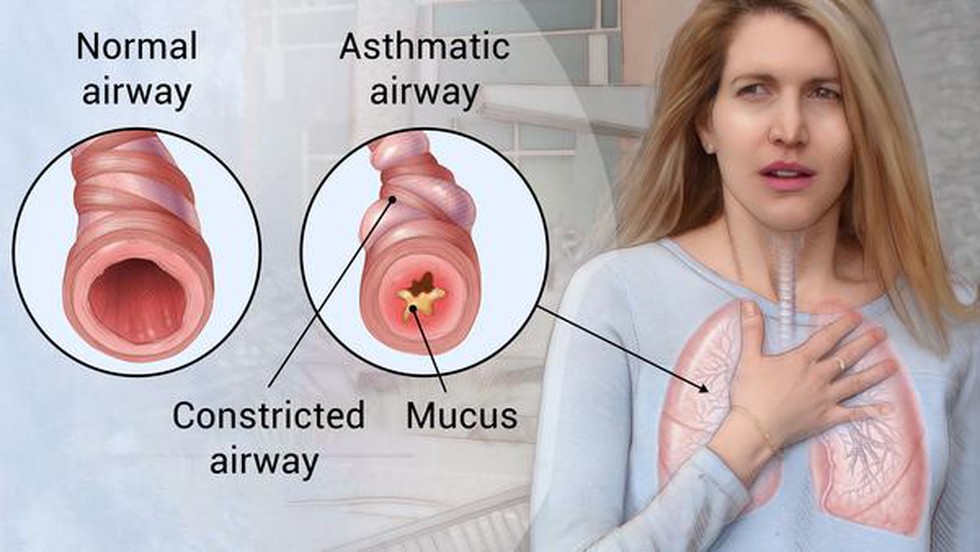
- What is it? Asthma is a chronic disease of the lungs which causes breathing problems.
- Symptoms: Asthma usually appears through symptoms like coughing, tightness in the chest, breathlessness.
- Asthma attack: During an asthma attack, the lining of the bronchial tubes swell, causing the airways to narrow and reducing the flow of air into and out of the lungs.
- Causes: The fundamental causes of asthma are not completely understood. The strongest risk factors for developing asthma are a combination of genetic predisposition with environmental exposure to inhaled substances and particles that may provoke allergic reactions or irritate the airways.
- Vulnerable groups: Asthma is the most common chronic disease among children.
- Global scenario: According to the World Health Organisation (WHO) there are 235 million people currently suffering from asthma around the world.
- Prevention and cure: Regular exercise can help reduce asthma symptoms.