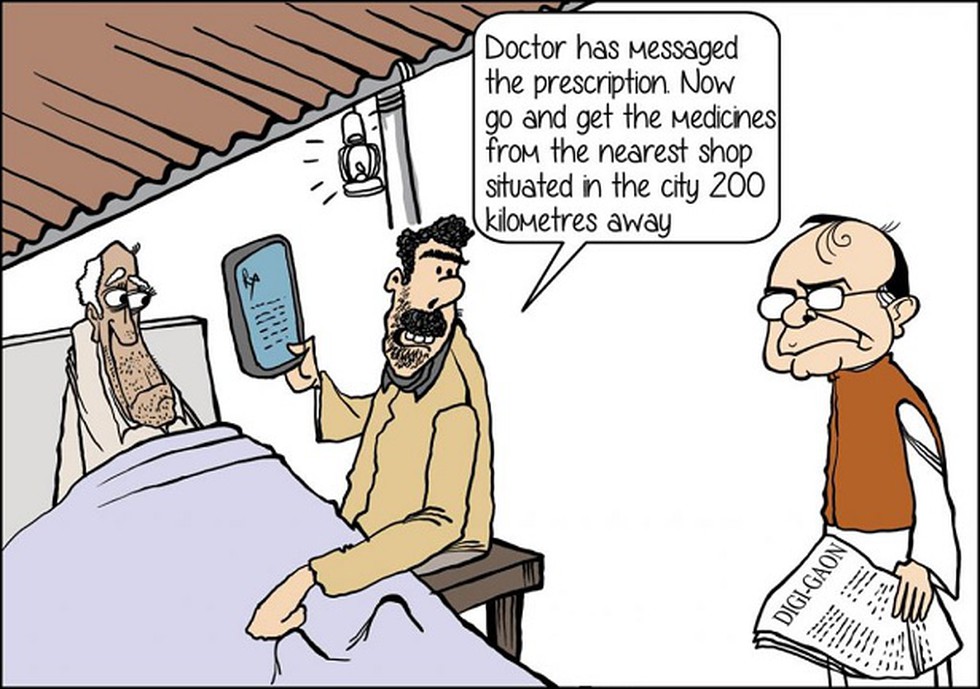
According to a World Health Organisation (WHO) database, India is facing critical shortage of healthcare providers, despite the health sector employing five million workers.
Key Findings:
India falls into the “critical shortage of healthcare providers” category, despite the health sector employing five million workers due to inequitable distributions of skilled health workers.
India continues to have low density of health professionals with figures for the country being lower than those of Sri Lanka, China, Thailand, United Kingdom and Brazil.
Bihar, Jharkhand, Uttar Pradesh and Rajasthan are the worst hit while Delhi, Kerala, Punjab and Gujarat compare favourably.
Government statistics for 2008, based on vacancies in sanctioned posts showed 18% of primary health centres were without a doctor, about 38% were without a laboratory technician and 16% were without a pharmacist.
Southeast Asia needs a 50% increase in healthcare manpower to achieve universal health coverage by 2030.
Recommendations: India needs to design courses for different categories of non-physician care providers. Competencies (and not qualification alone) should be valued and reform must be brought in regulatory structures to provide flexibility for innovations.
Dear Student,
You have still not entered your mailing address. Please enter the address where all the study materials will be sent to you. (If applicable).