Niger becomes the first country in the African Region to eliminate onchocerciasis.
About Onchocerciasis:
Onchocerciasis, or river blindness, is a disease caused by Onchocerca volvulus, a parasitic worm.
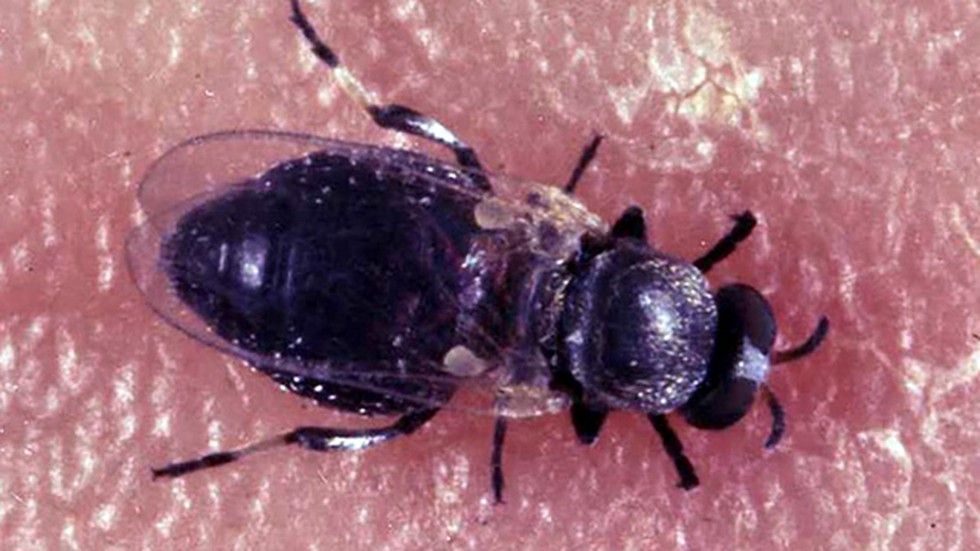
The parasite can spread to humans through repeated bites of infected blackflies of the Simulium species.
The flies breed by fast-flowing rivers and streams in certain remote, tropical, agricultural areas.
Onchocerciasis itself isn’t contagious because it can’t spread directly from one person to another.
But the disease can spread when blackflies bite infected people, ingest the larvae, and then bite people who aren’t infected.
It is common throughout sub-Saharan Africa and certain areas of Brazil and Venezuela in South America.
Symptoms include a potentially disfiguring skin rash and vision problems, even blindness.
Globally, it is second only to trachoma in causing infection-related blindness.
According to the World Health Organization (WHO), river blindness remains one of the most neglected tropical diseases, especially in remote and rural areas.
Treatment: Treatment for river blindness is ivermectin, an oral antiparasitic medication.
Dear Student,
You have still not entered your mailing address. Please enter the address where all the study materials will be sent to you. (If applicable).