Oct. 27, 2018
Prelims Pointers
Oct. 27, 2018
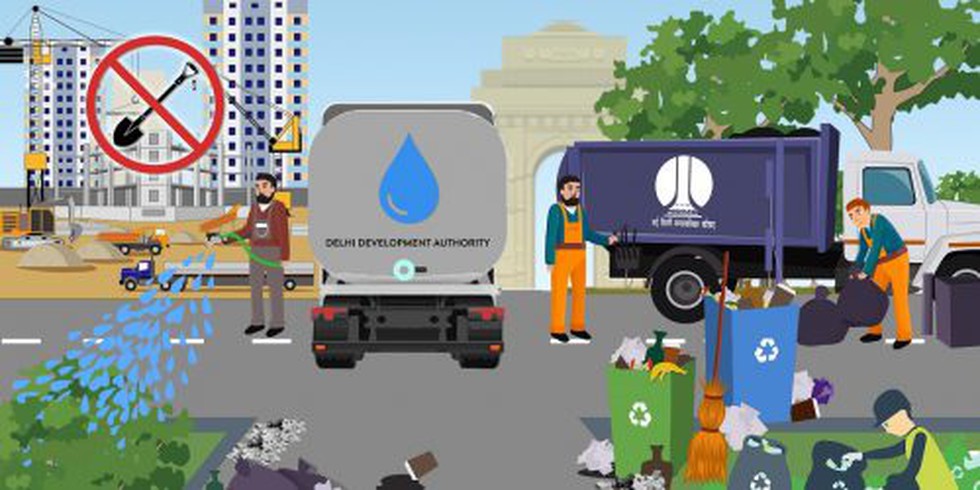
Graded Response Action Plan (GRAP):
- In pursuant to the Supreme Court’s order of December, 2016 Union government notified a GRAP for Improving air quality in National Capital Region of Delhi in January 2017.
- Categories: It has been prepared for implementation under different Air Quality Index (AQI) categories namely, Moderate & Poor, Very Poor, Severe, Severe+ and Emergency as per National Air Quality Index.
- Under the GRAP, stringent actions are implemented based on the air quality of the city. E.g. If the air quality lies in moderate to poor category- measures, like stopping garbage burning in landfills and other places, and enforcing all pollution control regulations in brick kilns and industries, would be implemented.
Prelims Pointers
Oct. 27, 2018
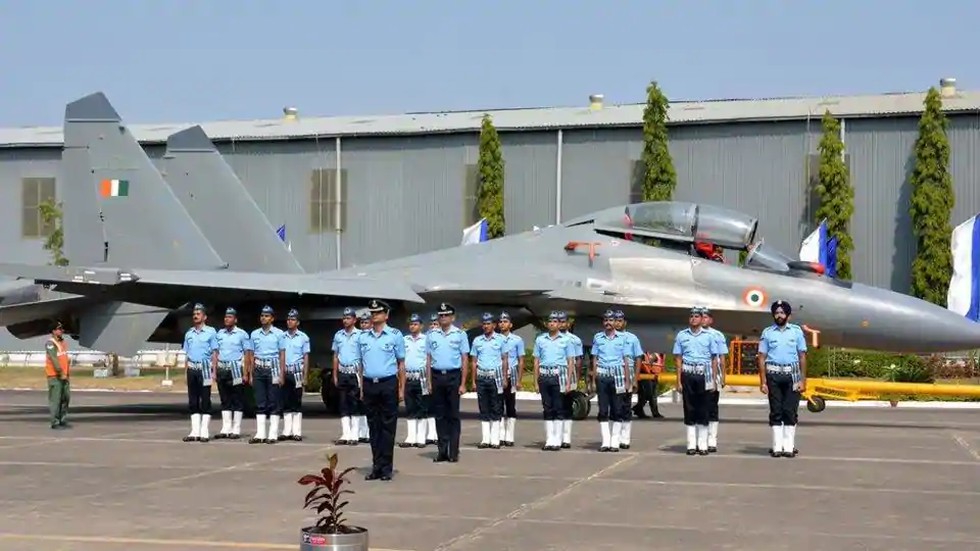
11 Base Repair Depot (BRD), Ojhar:
- 11 BRD, Ojhar in Nashik, Maharashtra is the only fighter aircraft repair depot of the Indian Air Force (IAF) and undertakes repair and overhaul of frontline fighters such as MIG-29 and Sukhoi 30 MKI.
- It was established in 1974 and subsequently renamed as 11 Base Repair depot in 1975.
- Presently, the upgradation of MIG-29 and repair & overhaul (ROH) of the su-30 MKI aircraft is being undertaken at the depot.
The Su-30MKI procured from Russia and licence manufactured by Hindustan Aeronautics Limited (HAL) is the mainstay of the IAF’s fighter squadron. India has contracted 272 aircraft of which over 240 have been inducted into service.
Prelims Pointers
Oct. 27, 2018
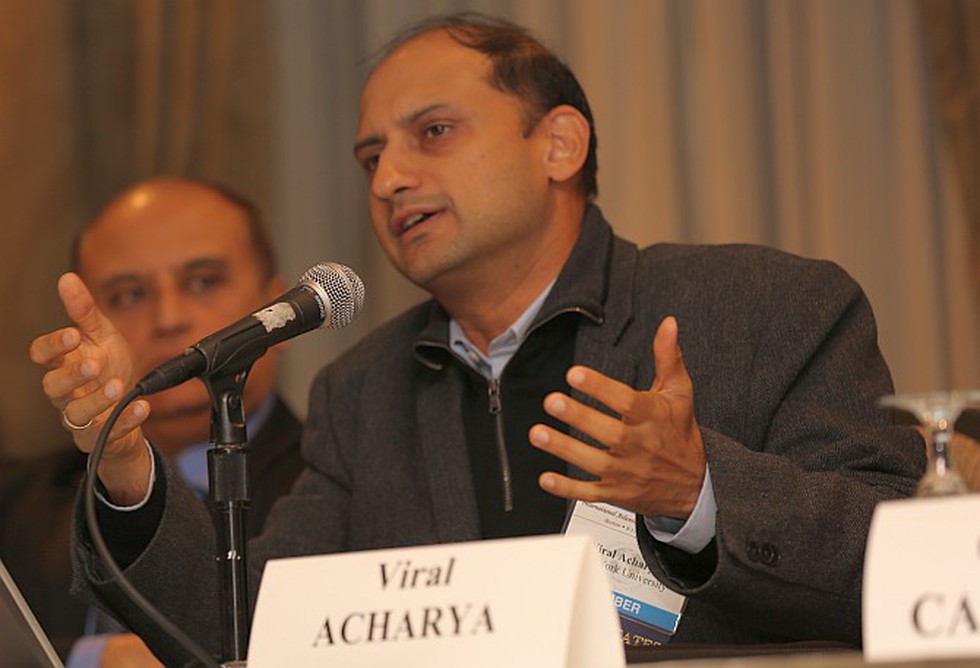
About:
- The Reserve Bank's affairs are governed by a central board of directors.
- Appointment procedure: The board is appointed by the Government of India in keeping with the Reserve Bank of India Act.
- Tenure: They are appointed/nominated for a period of four years.
- Composition:
|
Official Directors |
· Full-time : Governor and not more than ‘four Deputy Governors’ |
|
Non-Official Directors
|
· Nominated by Government: ten Directors from various fields and two government Official · Others: four Directors - one each from four local boards |
Prelims Pointers
Oct. 27, 2018
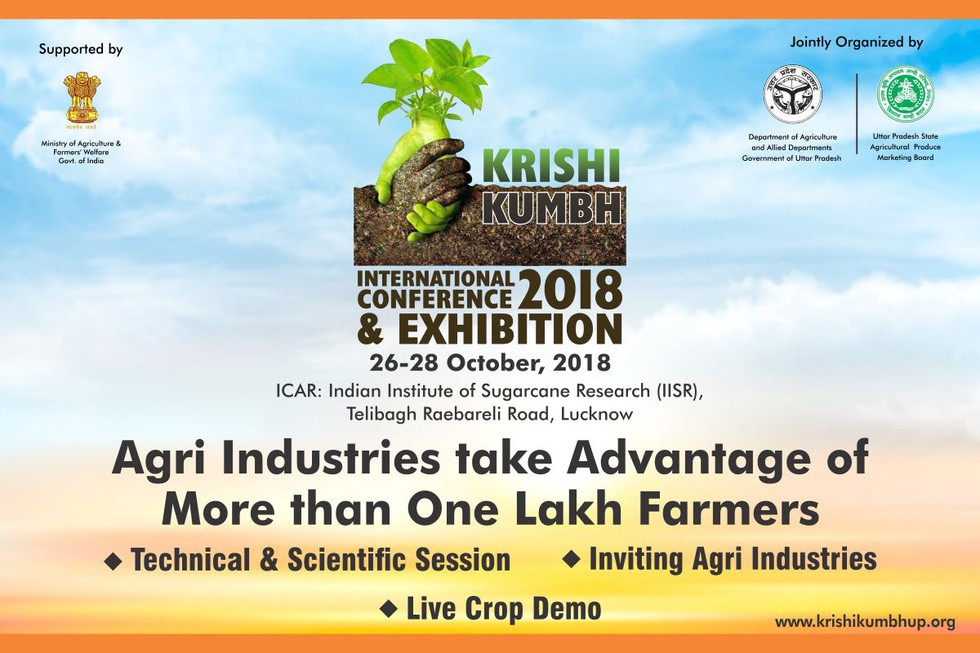
About:
- The government of Uttar Pradesh in association with the Government of India is organizing a mega Agriculture Expo called “Krishi Kumbh-2018” from 26-28 October 2018 at Indian Institute of Sugarcane Research Lucknow.
- The event is planned to project the state’s agriculture potential.
- Participation of over one lakh farmers is expected in this mega event besides several ministers, senior Government officials and other Policy makers, international organizations, heads of banks and development institutions and captains of industries working in this vast area.
Prelims Pointers
Oct. 27, 2018
About:
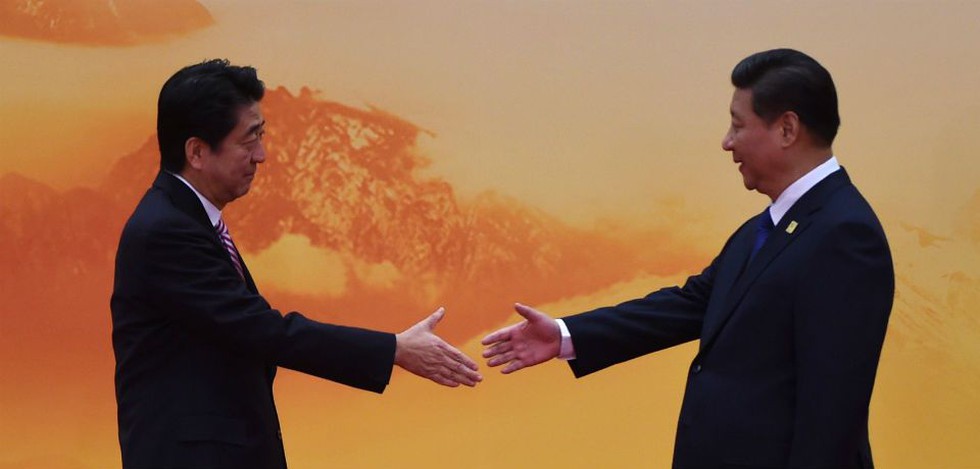
- Prime Minister Shinzo Abe returned paid a visit to china making it the first official trip to China by a Japanese leader in nearly seven years. This year marks the 40th anniversary of the two counties' peace and friendship treaty.
- They decided to put aside differences over the Japan-controlled, China-claimed Senkaku Islands in the East China Sea and other thorny issues.
- During the visit, the two sides agreed to move from “competition to cooperation” toward new era in bilateral ties after years of tensions over territorial and wartime issues.
- They agreed to strengthen economic and security cooperation and to cooperate on development assistance in third countries. Joint forays in third countries would now be one of the new templates of Tokyo-Beijing ties.
- By bolstering investment in other countries, the governments of Asia's two biggest economies will aim to form a new model of economic cooperation between them.
Key agreements signed:
- An agreement was signed to establish a discussion platform on hi-end technology and intellectual property. Such a forum would help make-up possible shortages of U.S. components, in case the China-U.S. trade and technology war escalates.
- The two sides also signed an agreement on joint development of gas fields in the East China Sea—an initiative that was stalled in 2008, when tensions over islands, called Diaoyu by China and Senkaku by Japan, spiraled.
Prelims Pointers
Oct. 27, 2018
About:
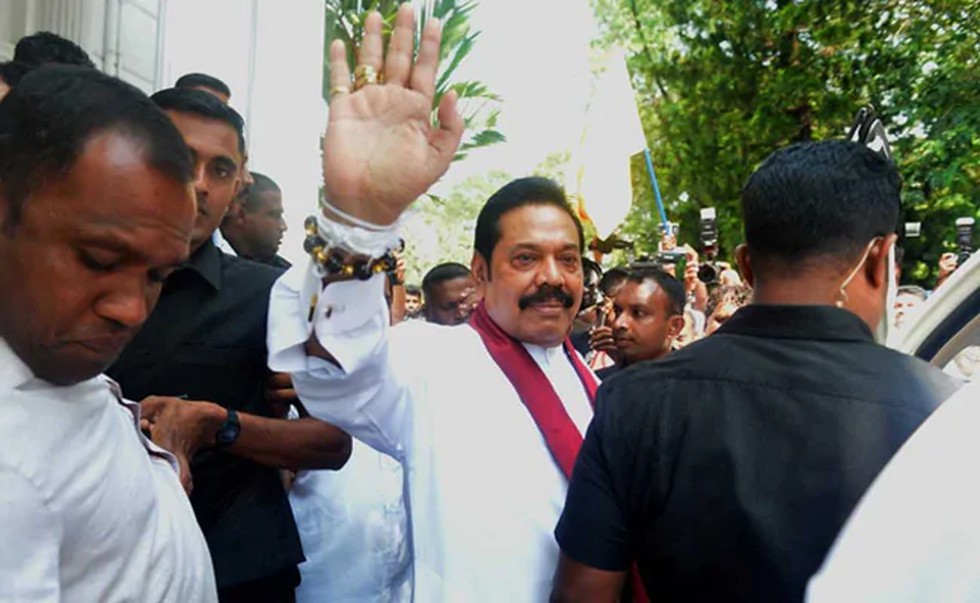
- The sudden political developments came when President’s party decided to leave the unity government headed by Mr. Wickremsinghe.
- However, Mr. Wickremsinghe has claimed that he still remains the Prime minister as he has the support of majority in Parliament. He called the development as unconstitutional and illegal.
- Background:
- President Sirisena’s Sri Lanka Freedom Party (SLFP) and United National Party (UNP) led by Mr. Wickremsinghe had formed a unity government in August 2015 following the elections.
- However, there has been growing tensions between the two sides on several policy matters.
- It is noteworthy that in 2015 Presidential polls, Mr. Sirisena contested against then President Mahinda Rajapakse and was victorious.
- President Sirisena’s Sri Lanka Freedom Party (SLFP) and United National Party (UNP) led by Mr. Wickremsinghe had formed a unity government in August 2015 following the elections.
Prelims Pointers
Oct. 27, 2018
About:
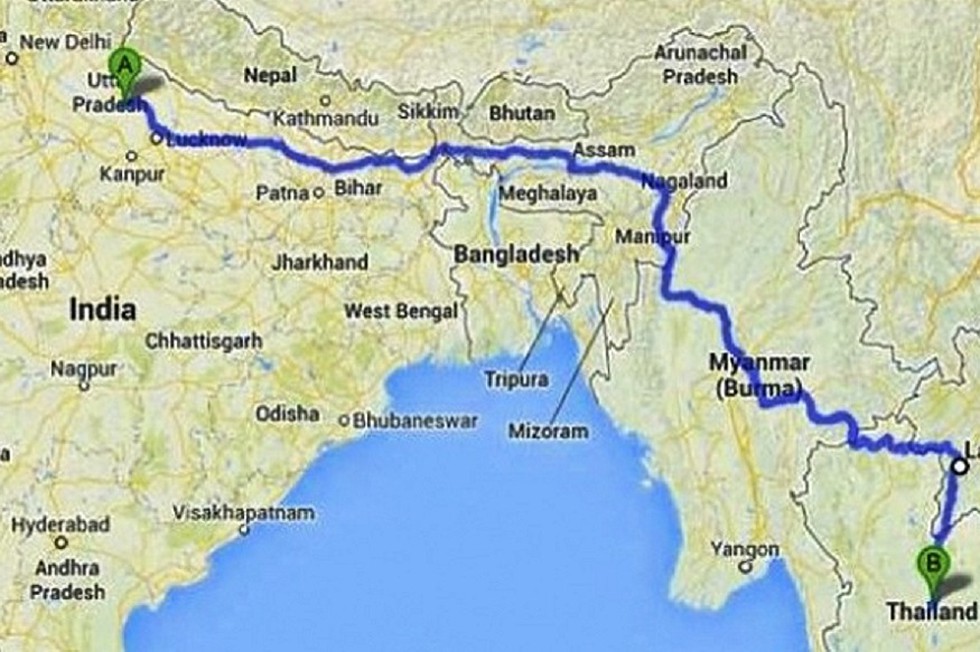
- It is the road connectivity project with Southeast Asia.
- Route: The 1,360-km long highway starts from Moreh in Manipur on the India-Myanmar border and runs via Tamu (Myanmar) to Mae-Sot in Thailand.
- The India-Myanmar Friendship Road forms the first segment of the IMT Highway. It runs from the border at Tamu/Moreh to Kalemyo and Kalewa. It was built with Indian government assistance and handed over to the Myanmar government in 2009.
- The project requires about 78 km of new roads and the upgrading of existing 400 km of roads.
- Implementing agencies: On the Indian side, the project is being implemented by the Ministry of External Affairs (MEA) with the cooperation of its counterparts in Myanmar and Thailand and budgetary allocation from the Ministry of Finance.
- Timeline: The idea was conceived in 2002. It was initially scheduled to be completed by 2015, however, now the deadline has been pushed to 2020.
Prelims Pointers
Oct. 27, 2018
Defection:
- Defection means when the legislator leaves the political party from which he/she was elected and joins the other party.
Anti-defection Law:
- To curb the evil of defection, the Anti-Defection Law was passed in 1985 through the 52nd Amendment to the Constitution. It added the Tenth Schedule to the Indian Constitution i.e. A–102(2) and A–191(2).
- It deals with all 3 types of members
- Members elected from party’s ticket
- Independent MLA’s and
- Nominated members
- Members elected from party’s ticket
Key provisions of 10th schedule:
(1) Grounds of defection for members:
- For members elected 4m a party ticket: If a member of a house belonging to a political party:
- Voluntarily gives up the membership of his political party, or
- Votes, or does not vote in the legislature, contrary to the directions of his political party
- However, if the member has taken prior permission, or is condoned by the party within 15 days from such voting or abstention, the member shall not be disqualified.
- Voluntarily gives up the membership of his political party, or
- For independent members: If an independent candidate joins a political party after the election.
- For Nominated members: If a nominated member joins a party six months after he becomes a member of the legislature.
(2) Exceptions:
- Wrt Merger: A person shall not be disqualified if his original political party merges with another, and he/she and other members of the old political party
- become members of the new political party, or
- do not accept the merger and opt to function as a separate group.
- This exception shall operate only if not less than two-thirds of the members of party in the House have agreed to the merger.
- become members of the new political party, or
- Wrt cross voting/abstention: In the following cases in cross vioting/abstention, the member shall not be disqualified
- If the member has taken prior permission by the party
- Of the member is condoned by the party within 15 days from such voting or abstention.
- If the member has taken prior permission by the party
(3) Power to disqualify:
- The Chairman or the Speaker of the House takes the decision to disqualify a member.
- If a complaint is received with respect to the defection of the Chairman or Speaker, a member of the House elected by that House shall take the decision.
Prelims Pointers
Oct. 27, 2018

About:
- Commutation: ‘Commutation’ means reducing the punishment by changing the nature of punishment. For example, punishment to death may be changed to life imprisonment. It is different from Pardon and Remission.
- Pardon: The effect of Pardon is to abolish punishment and to absolve the convict of all charges. If Pardon is granted, it is assured as if the convict has not committed any crime. The convict will not face any disabilities due to the allegations and charges made against him.
- Remission: ‘Remission’ means reducing the punishment without changing the nature of punishment. For example, the imprisonment for 20 years may be reduced to the imprisonment for 10 years.
Prelims Pointers
Oct. 27, 2018
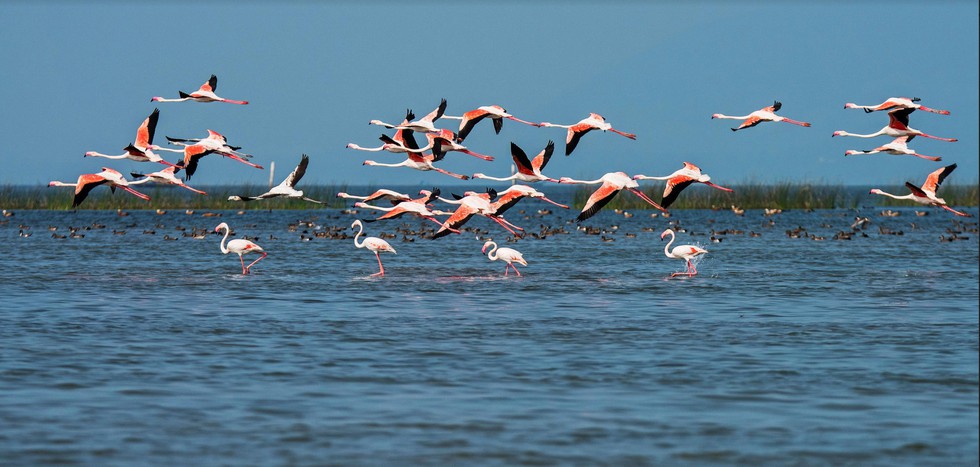
About:
- Chilika Lake is a brackish water lagoon, spread over the Puri, Khurda and Ganjam districts of Odisha.
- It is located at the mouth of the Daya River, flowing into the Bay of Bengal.
- It is the largest coastal lagoon in India and the second largest lagoon in the world after The New Caledonian barrier reef in New Caledonia.
- In 1981, Chilika Lake was designated the first Indian wetland of international importance under the Ramsar Convention.
- Close to one million birds congregate on the mudflats of the lake during winter. The lake is home to 230 bird species, out of which 97 are intercontinental migrants from the Artic and Eurasian regions.
- One of the reasons behind the low turnout of migratory birds this year is the flooding after rain triggered by cyclone Titli that hit the Odisha coast in the second week of October.
Oct. 26, 2018
Prelims Pointers
Oct. 26, 2018

About:
- Sophia is a humanoid robot developed by Hong Kong-based company Hanson Robotics.
- It has been designed to respond to questions, and has been interviewed around the world.
- It uses artificial intelligence, visual data processing and facial recognition to make simple conversations on predefined topics (e.g. on the weather).
- In 2017, Sophia was confirmed as a citizen of Saudi Arabia. By this, Saudi Arabia has become the first country to give a robot citizenship.
Prelims Pointers
Oct. 26, 2018

About:
- The Kaiga Atomic Power Station is a nuclear power generating station situated at Kaiga, near the river Kali, in Uttar Kannada district of Karnataka, India.
- The plant has been in operation since 2000 and is operated by the Nuclear Power Corporation of India.
- The power station currently operates four PHWRs, all of which are small-sized CANDU plants of 220 MW.
- Kaiga Generating Station Unit-1 (KGS-1): KGS-1 in Kaiga, located 56 km from Karwar, has been generating electricity continuously since May 13, 2016. KGS-1, an indigenously built pressurised heavy water reactor run by domestic fuel (uranium), began its commercial operation on November 16, 2000.
Record:
- Nuclear Power Corporation of India Ltd. (NPCL) announced that Unit-1 of Kaiga Generating Station (KGS-1) completed 895 days of continuous operation.
- Kaiga now stands first in the world for continuous operation with regard to PHWRs and second among all nuclear power reactors. The Advanced Gas Cooled Reactor (AGR), Heysham II-8 of the United Kingdom, holds the overall record of 940 days of continuous operation.
- The earlier record for PHWRs was held by Unit-7 of Pickering Nuclear Generating Station at Ontario, Canada, which operated continuously for 894 days That record was set in 1994.
Pressurized Heavy Water Reactor (PHWR)?
· A pressurized heavy water reactor (PHWR) is a nuclear power reactor, commonly using unenriched natural uranium as its fuel, that uses heavy water (deuterium oxide D2O) as its coolant and moderator.
· The heavy water coolant is kept under pressure, allowing it to be heated to higher temperatures without boiling, much as in a typical pressurized water reactor.
· Why heavy water is used? While heavy water is significantly more expensive than ordinary light water, it allows the reactor to operate without fuel enrichment facilities and generally enhancing the ability of the reactor to efficiently make use of alternate fuel cycles.
· India's PHWRs are derivatives of the CANDU design using natural uranium as fuel.
Prelims Pointers
Oct. 26, 2018
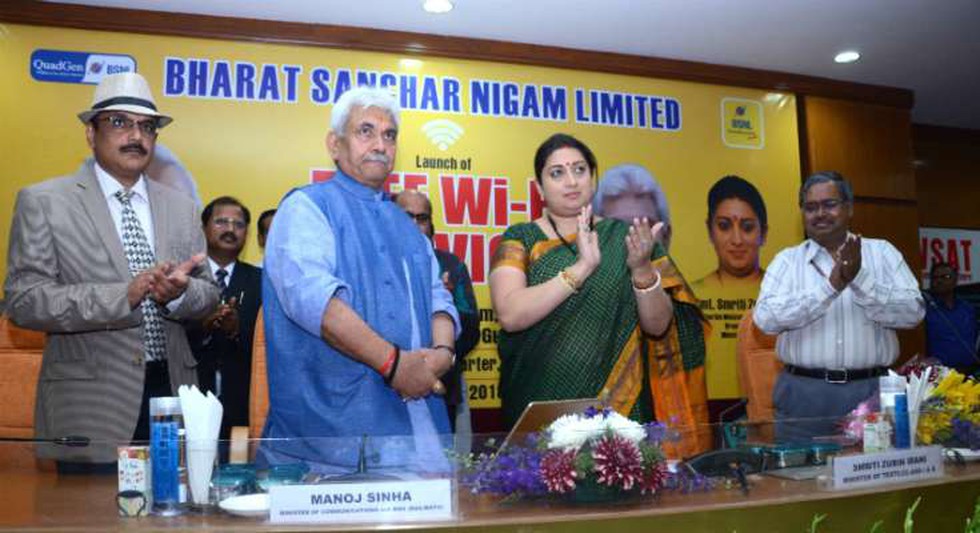
Bharat Wi-Fi:
- Bharat Wi-Fi, a country-wide common inter-operable platform of one million Wi-Fi Hotspots, owned and operated by Telecom Service Providers, Internet Service Providers and Virtual Network Operators will be rolled out across the country.
- This initiative allows consumers to access Wi-Fi Hotspots of any of the partnering operators.
- This is another step towards the digital empowerment of the nation.
National Frequency Allocation Plan 2018 (NFAP):
- The National Frequency Allocation Plan 2018 (NFAP) was also unveiled during the event presenting a roadmap for the Indian digital communications industry.
- The NFAP released a quantum of 605 MHz license exempt spectrum in 5GHz band for Wireless Access Services and Radio Local Area Networks in outdoor, to meet the need for data.
- The NFAP also offered over 30 license exempt bands for Short Range Devices (SRDs), Ultra-Wideband Devices (UWDs) and additional spectrum for M2M services
Prelims Pointers
Oct. 26, 2018
Context:
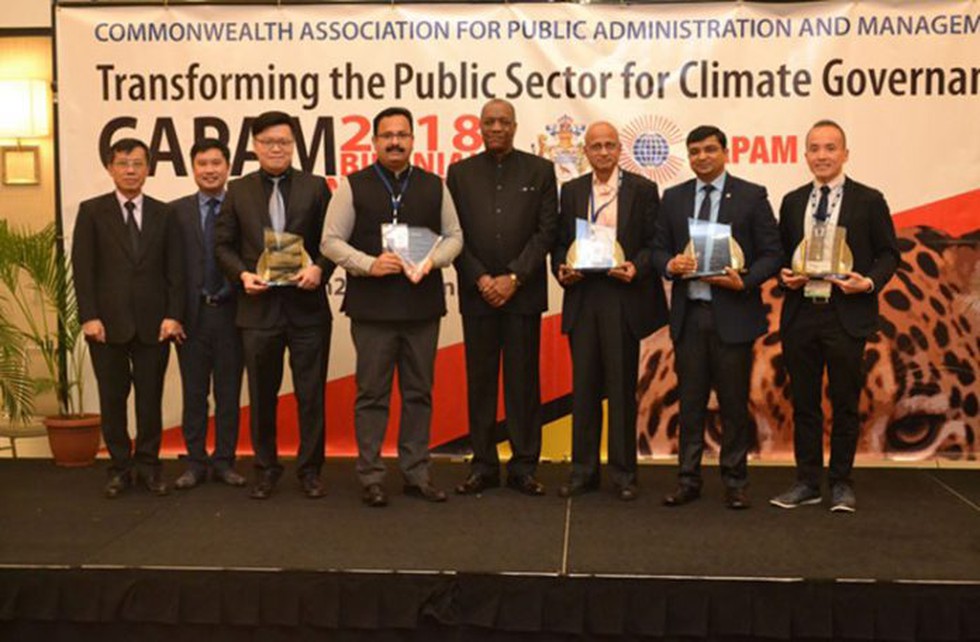
Commonwealth Association for Public Administration and Management (CAPAM):
- CAPAM is a non-profit association representing an international network of over 1100 senior public servants, Heads of Government, leading academics and researchers located in over 50 different countries across the
- The association is guided by international leaders who believe in the value of knowledge exchange and good governance for the betterment of citizens in the Commonwealth countries.
- The Department of Administrative Reforms and Public Grievances (DARPG), Ministry of Personnel, Public Grievances and Pensions is an institutional member of CAPAM.
CAPAM International Innovations Awards, 2018:
- CAPAM has been announcing its International Innovations Awards (IIA) Programme bi-annually, since 1998.
- These Awards in various categories celebrate the spirit of innovation in the public service by recognizing organizations that have made significant contributions to improve governance and services in the public sector.
- Government of India had sent entries for CAPAM International Innovations Awards, 2018 under various categories
- Unnayan Banka- Reinventing Education Using Technology:
- The initiative entitled “Unnayan Banka has been awarded under the Category “Innovation Incubation”.
- The initiative envisages “Quality education for all’ especially for those at the bottom of the Pyramid, using latest technologies.
- The initiative entitled “Unnayan Banka has been awarded under the Category “Innovation Incubation”.
- Unified Agriculture Markets
- Another initiative entitled “Unified Agriculture Markets” of Co-operation Department of Government of Karnataka has also been awarded under the Category ‘Innovation in Public Service Management’.
- This initiative has also been awarded the overall Gold Award for CAPAM Awards, 2018.
- Another initiative entitled “Unified Agriculture Markets” of Co-operation Department of Government of Karnataka has also been awarded under the Category ‘Innovation in Public Service Management’.
Prelims Pointers
Oct. 26, 2018
About:
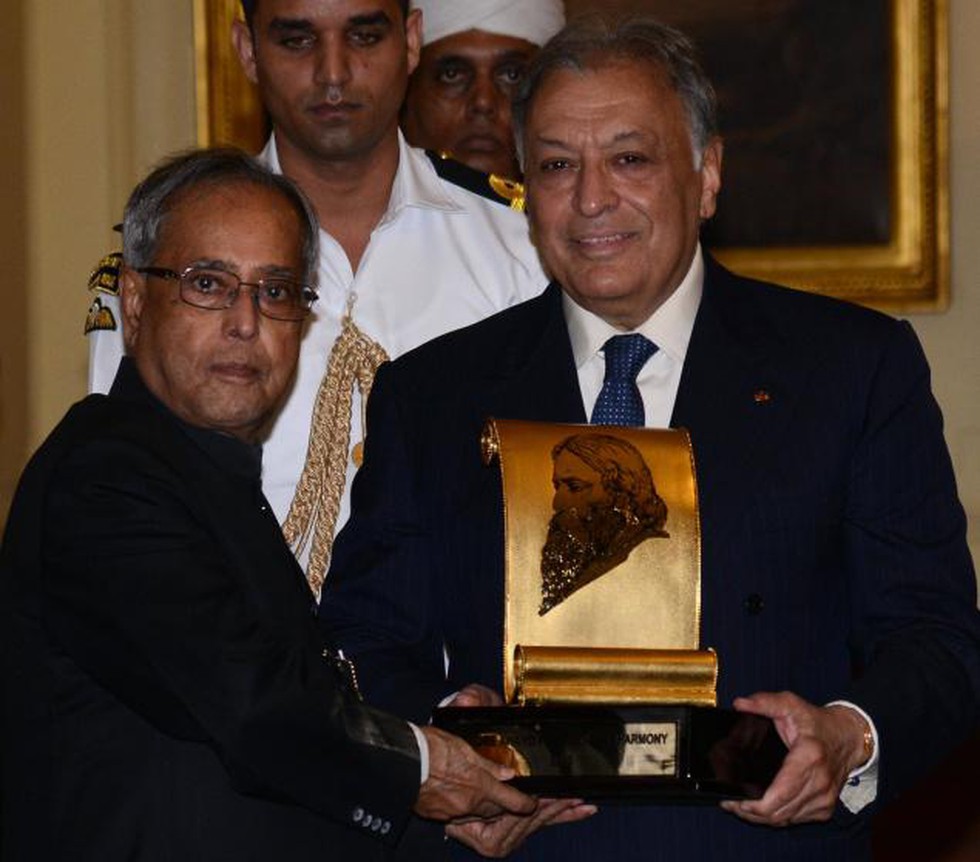
- Background: The annual award was instituted by the Government of India during the commemoration of 150th Birth Anniversary of Gurudev Rabindranath Tagore.
- Objective: The award is given to individuals and organizations in recognition of their outstanding contribution to cultural harmony.
- Cash Prize: The award carries an amount of 1 crore, a citation in a scroll, a plaque as well as an exquisite traditional handicraft/ handloom item.
- Eligibility: The award is open to all persons regardless of nationality, race, language, caste, creed or sex.
- Past recipients: The first Tagore Award was conferred on Ravi Shankar, the Indian Sitar Maestro in 2012 and second was conferred on Zubin Mehta (Western classical conductor) in 2013.
Recipients of 2014, 2015 and 2016:
- The award jury was headed by Prime Minister Narendra Modi and included Chief Justice of India Justice Ranjan Gogoi, former chief election commissioner N Gopalaswami and national vice president of the BJP Vinay Sahasrabuddhe.
- Recipients:
|
Award Year |
Recipient |
Their work |
|
2014 |
Rajkumar Singhajit Singh |
· He is a doyen of Manipuri dance, who has distinguished himself both as an outstanding teacher, performer and choreographer. · In his choreography, he has incorporated elements from various forms of performing arts of Manipur such as Thang-ta, Nata-Sankirtana, Lai-haraoba and Rasleela. · The recent award also pays tribute to Rabindranath Tagore, who, deeply influenced by Manipuri dance, made it an integral part of the education curriculum at Visva Bharati. · He is a recipient of Sangeet Natak Akademi Award (1984), Padma Shri (1986) and Sangeet Natak Akademi Fellowship (2011). |
|
2015 |
Chhayanaut
|
· It is a cultural organization of Bangladesh, established in 1961. · it has played a leading role in promoting Tagore’s works and Bengali culture, music and literature across the world. · It was also a part of the Bangladesh liberation by providing a platform for cultural expression and assertion of Bengali identity. |
|
2016 |
Ram Vanji Sutar |
· He is one of India’s greatest sculptors having created more than fifty monumental sculptures in the last forty years of his career. · At the beginning of his career, he was involved in restoring several ancient sculptures found in the caves of Ellora and Ajanta. · His first notable work was the 45 feet Chambal monument at the Gandhi Sagar Dam, in Madhya Pradesh. · His iconic bust of Mahatma Gandhi is one of the most celebrated representations of the Mahatma, as is his bronze bust of Gurudev Rabindranath Tagore. · He has also designed the Statue of Unity. · He is the recipient of Padma Bhushan in 2016 and Padma Shri in 1999. |
Prelims Pointers
Oct. 26, 2018
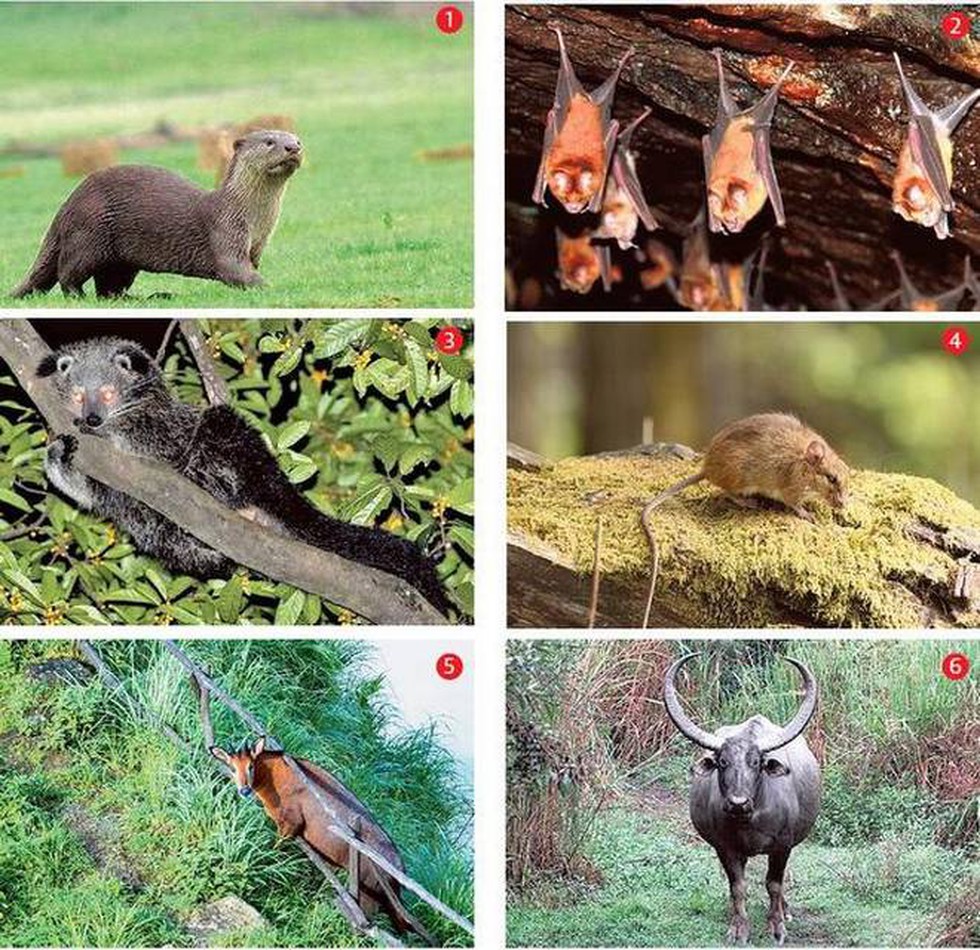
Mammals of India (MaOI):
- The website Mammals of India (MaOI), www.mammalsofindia.org, is an online, peer-reviewed, freely-accessible portal.
- Objective: To develop individual species pages for all Indian mammals with information on identification, variation, distribution, breeding and non-breeding ecology and species conservation.
- Working:
- Under it, any person can upload geotagged photographic observations about mammals with information on habitat age of the observed individual.
- Over time, these observations will be reviewed by subject experts and uploaded on the website.
- Under it, any person can upload geotagged photographic observations about mammals with information on habitat age of the observed individual.
- Timeline: It was launched late September 2018. By October 25, as many as 768 images, of 161 rare species of mammals, were uploaded.
- Benefits: These photographic records will help NCBS in –
- Gathering information about lesser known mammals of the country.
- Having distribution map of mammals in the country.
- Knowing about interactions between different species of mammals, like predation and mutualism.
- Gathering information about lesser known mammals of the country.
Biodiversity Atlas (India project):
- MaOI is a part of the Biodiversity Atlas (India project), which is an initiative of Krushnamegh Kunte, associate professor at NCBS.
- Under the project websites dedicated to butterflies of India, Moths of India, Cicacds of India, Odonatas of India (dragonflies and damselflies) , Reptiles of India, Amphibians of India and Birds of India are operational.
National Centre for Biological Sciences (NCBS) is a research centre specialising in biological research.
· It is located in Bangalore, Karnataka. It was established in 1992.
· It is a part of the Tata Institute of Fundamental Research (TIFR) under the Department of Atomic Energy of the Government of India.
Prelims Pointers
Oct. 26, 2018
About:
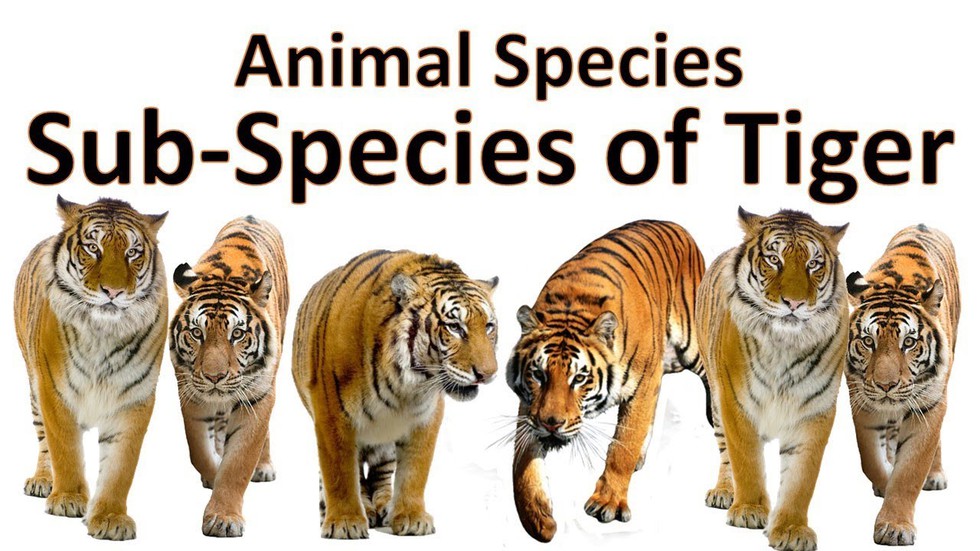
- Till now, scientists had been uncertain whether there are six, five or only two subspecies of tigers.
- Now, a team of researchers has confirmed that tigers fall into six genetically distinct groups. The six subspecies are: (1) Bengal tiger, (2) Amur tiger, (3) South China tiger, (4) Sumatran tiger, (5) Indochinese tiger, and (6) Malayan tiger.
- Three other tiger subspecies have already been lost to extinction. These are: (1) Caspian tiger, (2) Javan tiger, and (3) Bali tigers.
- The findings are based on an analysis of the complete genomes of 32 representative tiger specimens.
- Habitat loss and poaching continue to threaten the survival of tigers, of which just 4,000 specimens remain in the wild.
Prelims Pointers
Oct. 26, 2018
Key highlights of the 20-year forecast for the aviation industry by the IATA:
- Air passenger numbers worldwide could double to 8.2 billion in 2037.
- Asia-Pacific region scenario:
- The biggest contribution in this growth will come from the Asia-Pacific region, which will account for half the total number of new passengers over the next 20 years.
- The Asia-Pacific region is expected to see the fastest growth at the rate of 4.8%, followed by Africa (4.6%) and west Asia (4.4%).
- The biggest contribution in this growth will come from the Asia-Pacific region, which will account for half the total number of new passengers over the next 20 years.
- Countries scenario:
- China will climb up one spot to displace US as the world’s largest aviation market in the mid-2020s.
- India will take the third place in the list of the world’s largest aviation market by surpassing the U.K. around 2024. By 2037, India is expected to add 414 million passengers to its existing 572 million passengers.
- China will climb up one spot to displace US as the world’s largest aviation market in the mid-2020s.
- International Air Transport Association (IATA) is the trade association for the world’s airlines, representing some 290 airlines or 82% of total air traffic. It support many areas of aviation activity and help formulate industry policy on critical aviation issues.
IATA was founded in Havana, Cuba, in 1945. It is headquartered in Montreal, Quebec, Canada.
Prelims Pointers
Oct. 26, 2018
About:
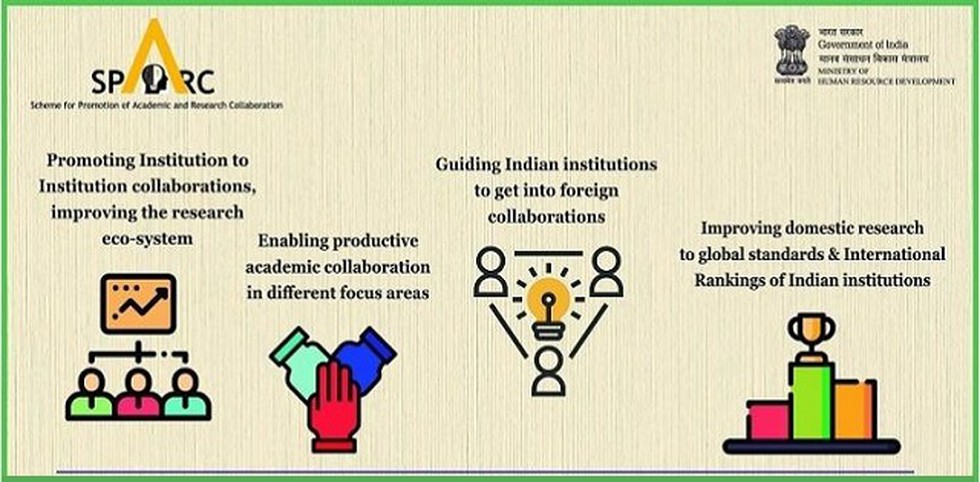
- Objective: Improving the research ecosystem of India’s higher educational institutions by facilitating academic and research collaborations between Indian Institutions and the best institutions in the world.
- Timeline: The Union Government in August 2018 had sanctioned the SPARC at a total cost of Rs.418 Cr for implementation up to 31.3.2020.
- implementing agency: Indian Institute of Technology (IIT) Kharagpur is the National Coordinating Institute to implement the SPARC programme.
- Working: Under this Scheme, 600 joint research proposals will be awarded for 2 years to facilitate strong research collaboration between Indian and global research groups in areas that are at the cutting edge of science or with direct social relevance to the mankind.
- Eligibility:
- Only such Indian institutes can apply which are in top 100 NIRF ranking or top 100 NIRF subject ranking.
- For foreign universities the benchmark is either top 500 of QS ranking or top 200 of QS subject ranking.
- Only such Indian institutes can apply which are in top 100 NIRF ranking or top 100 NIRF subject ranking.
- Salient Features of SPARC are :
- A set of 5 Thrust Areas (Fundamental Research, Emergent Areas of Impact, Convergence, Action-Oriented Research and Innovation-Driven) and sub-theme areas in each thrust area has been identified for collaboration
- A set of 25 Nodal Institutions (NI), from India, for each participating foreign country has been identified. The role of a NI is to coordinate with willing Participating Indian (PI) Institutions to forge alliance with the foreign Institutions for research collaboration.
- A set of 5 Thrust Areas (Fundamental Research, Emergent Areas of Impact, Convergence, Action-Oriented Research and Innovation-Driven) and sub-theme areas in each thrust area has been identified for collaboration
Prelims Pointers
Oct. 26, 2018
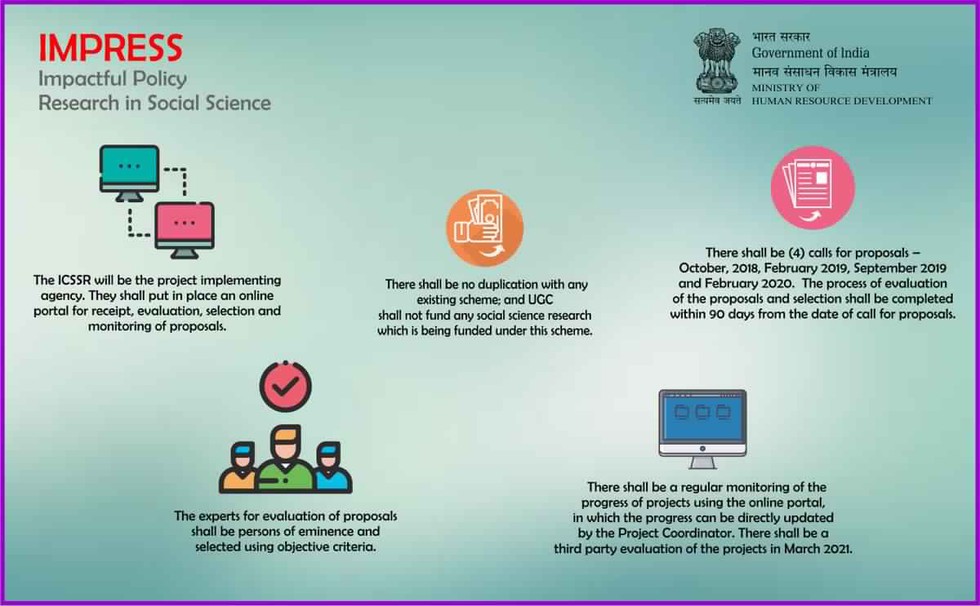
About:
- Objective: Under the IMPRESS Scheme, 1500 research projects will be awarded for 2 years to support the social science research in the higher educational institutions. This will be used to understand and solve problems facing the society.
- Timeline: In August 2018, the Union Government sanctioned the scheme IMPRESS at a total cost of Rs.414 Cr for implementation up to 31.3.2021.
- Implementing agency: Indian Council of Social Science and Research (ICSSR).
- Implementing agency: Indian Council of Social Science and Research (ICSSR).
- Indian Council of Social Science Research (ICSSR) was established in the year of 1969 by the Government of India in New Delhi.
- It is an autonomous organisation funded by ministry of human resource development.
ICSSR provide grants for projects, fellowships, international collaboration, capacity building, survey, publications etc. to promote research in social sciences in India.
Oct. 25, 2018
Prelims Pointers
Oct. 25, 2018
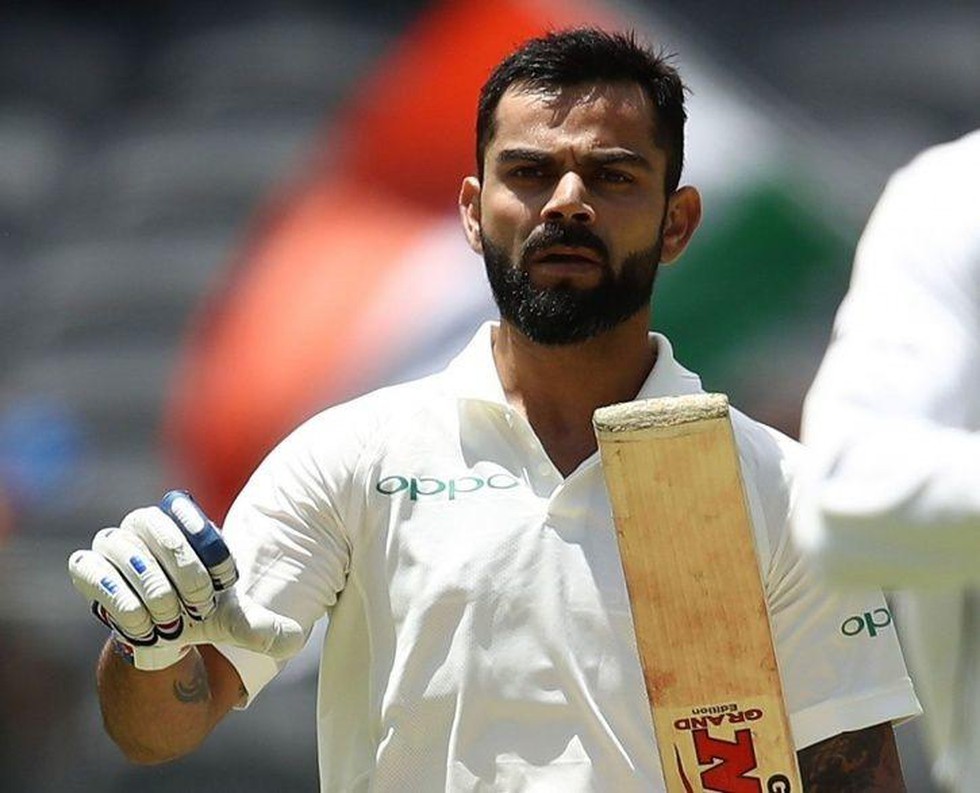
About:
- With this he broke Sachin Tendulkar’s record who completed 10,000 ODI runs in 259 innings. Kohli has reached the mark in just 205 innings.
- He achieved this feat when he scored 157 not out in the second ODI against West Indies.
- Kohli is now the fifth Indian batsman to complete 10,000 runs in ODIs, the other four are Sachin Tendulkar, Sourav Ganguly, Rahul Dravid and MS Dhoni.
Prelims Pointers
Oct. 25, 2018
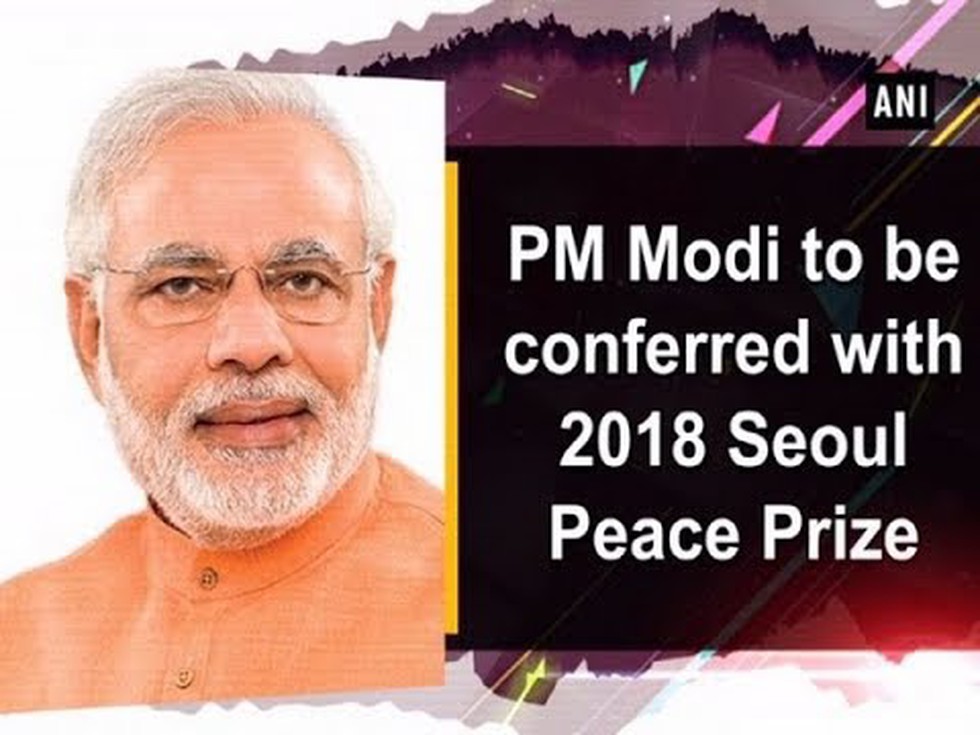
About:
- The Seoul Peace Prize was established in 1990 to commemorate the success of the 24th Olympic Games held in Seoul, Republic of Korea in 1988 – an event in which 160 nations took part, creating a worldwide atmosphere of peace and reconciliation.
- It was established to crystallize the Korean people's yearning for peace on the Korean Peninsula and in the rest of the world.
- It has been awarded biennially to those individuals and organizations who have contributed to the harmony of mankind, reconciliation between nations and to world peace.
- Past laureates include former UN Secretary General Kofi Annan, German Chancellor Angela Merkel, Muhammad Yunus (Bangladesh), and renowned international relief organizations like Doctors Without Borders and Oxfam.
- The awardee receives a diploma, a plaque and honorarium cash prize of US$200,000.
2018 Seoul Peace Prize:
While awarding the 2018 Seoul Peace Prize, the Award Committee credited recognized –
- Prime Minister Modi's contributions to the growth of the Indian and global economies,
- 'Modinomics' for reducing social and economic disparity between the rich and the poor.
- PM's initiatives to make the government cleaner through anti-corruption measures and demonetization.
- his contribution towards regional and global peace through a proactive foreign policy with countries around the world under the 'Modi Doctrine' and the 'Act East Policy.'
Prelims Pointers
Oct. 25, 2018
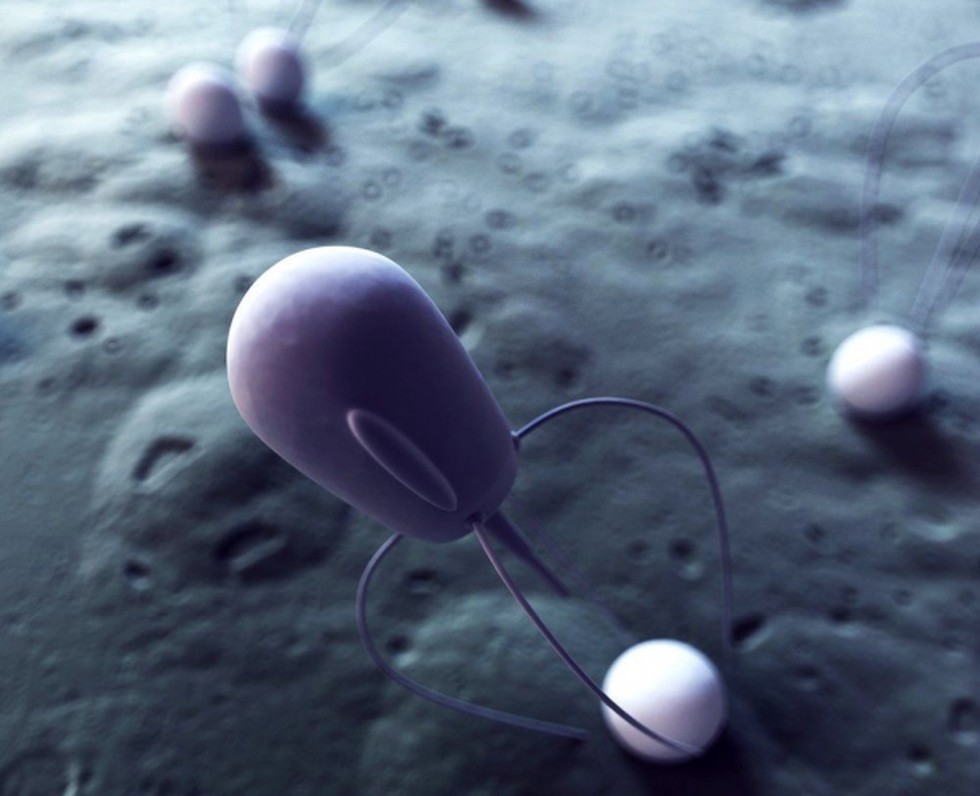
About:
- The team of researchers at the Massachusetts Institute of Technology in the U.S. calls these tiny devices as “syncells” (short for synthetic cells).
- These tiny objects “behave like a living biological cell”.
Method:
- The key to making “syncells” in large quantities lies in controlling the natural fracturing process of atomically-thin, brittle materials.
- The process, called “autoperforation”, directs the fracture lines so that they produce miniscule pockets of a predictable size and shape. Embedded inside these pockets are electronic circuits and materials that can collect data
- The system, developed by researchers uses a two-dimensional form of carbon called graphene, which forms the outer structure of the tiny syncells.
Prelims Pointers
Oct. 25, 2018
About:
- Composition of committee:
- The committee will be chaired by chief Statistician of India and Secretary, Ministry of Statistics and Programme Implementation (MoSPI).
- Secretaries of data source ministries and NITI Aayog will be the members of the committee while the Secretaries of other related ministries will be the special invitees.
- The committee will be chaired by chief Statistician of India and Secretary, Ministry of Statistics and Programme Implementation (MoSPI).
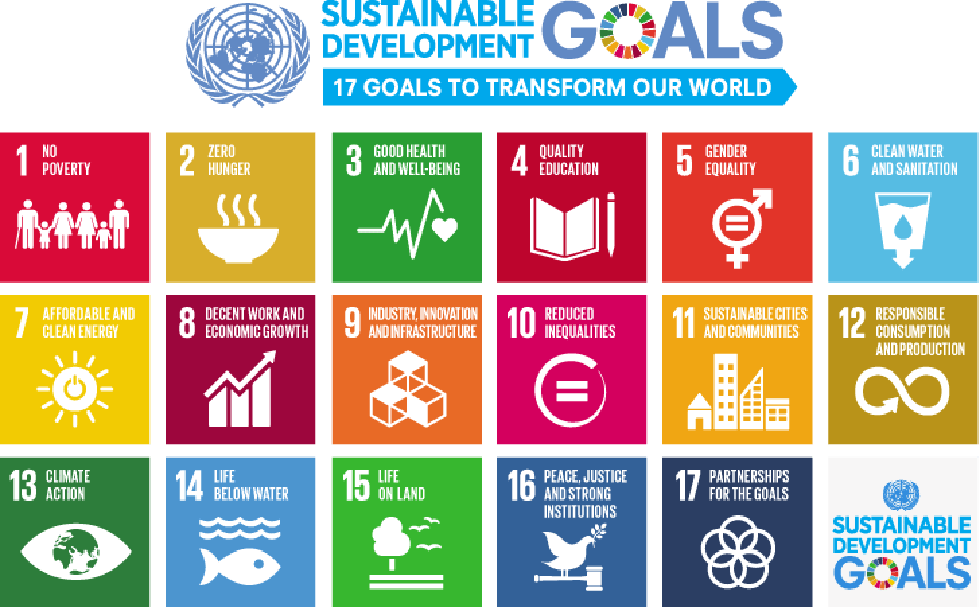
- SDGs with 17 Goals and 169 Targets. The SDGs target include measures to mainstream SDGs into ongoing national policies, programmes and strategic action plans to address the developmental challenges.
- Statistical indicators of National Indicator Framework (NIF) will be the backbone of monitoring of SDGs at the national and state level and will scientifically measure the outcomes of the policies to achieve the targets under different SDGs.
Prelims Pointers
Oct. 25, 2018

Salient Features:
- Functions:
- Adjudicating Authority (along with the three additional Benches) would provide first stage review of administrative action under the PBPT Act.
- Appellate Tribunal would provide an appellate mechanism for the order passed by the Adjudicating Authority under the PBPT Act.
- HQ and Benches:
- The Adjudicating Authority and Appellate Tribunal shall sit in the National Capital Territory of Delhi (NCTD).
- Benches of Adjudicating Authority may sit in Kolkata, Mumbai and Chennai.
- Adjudicating Authority (along with the three additional Benches) would provide first stage review of administrative action under the PBPT Act.
- Composition: Employees to Adjudicating Authority (and its 3 benches) and Appellate Tribunal will be provided by diverting employees from the Income Tax Deptt. /Central Board of Direct Taxes (CBDT).
- Benefits: The approval will result in effective and better administration of cases referred to the Adjudicating Authority and speedy disposal of appeals filed against the order of the Adjudicating Authority before the Appellate Tribunal.
Prelims Pointers
Oct. 25, 2018
About:
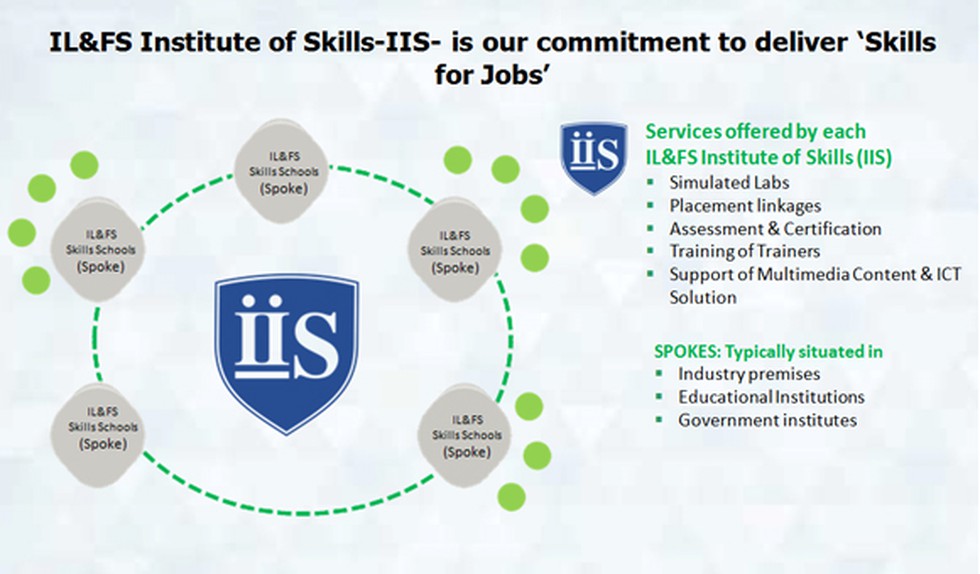
- These IISs will provide youth across the country access to high quality skill training, applied research education and a direct and meaningful connection with industry.
- By leveraging advantages of private sector enterprise and public capital in terms of Government land, it would create new institutes of expertise, knowledge and competitiveness.
Prelims Pointers
Oct. 25, 2018
About:
- From the FIDF, entrepreneurs, fishermen and cooperatives will get loans at subsidised interest rate.
- The department of animal husbandry will frame guidelines, likely in next three months, to operationalise the fund during which the interest rate will be decided.
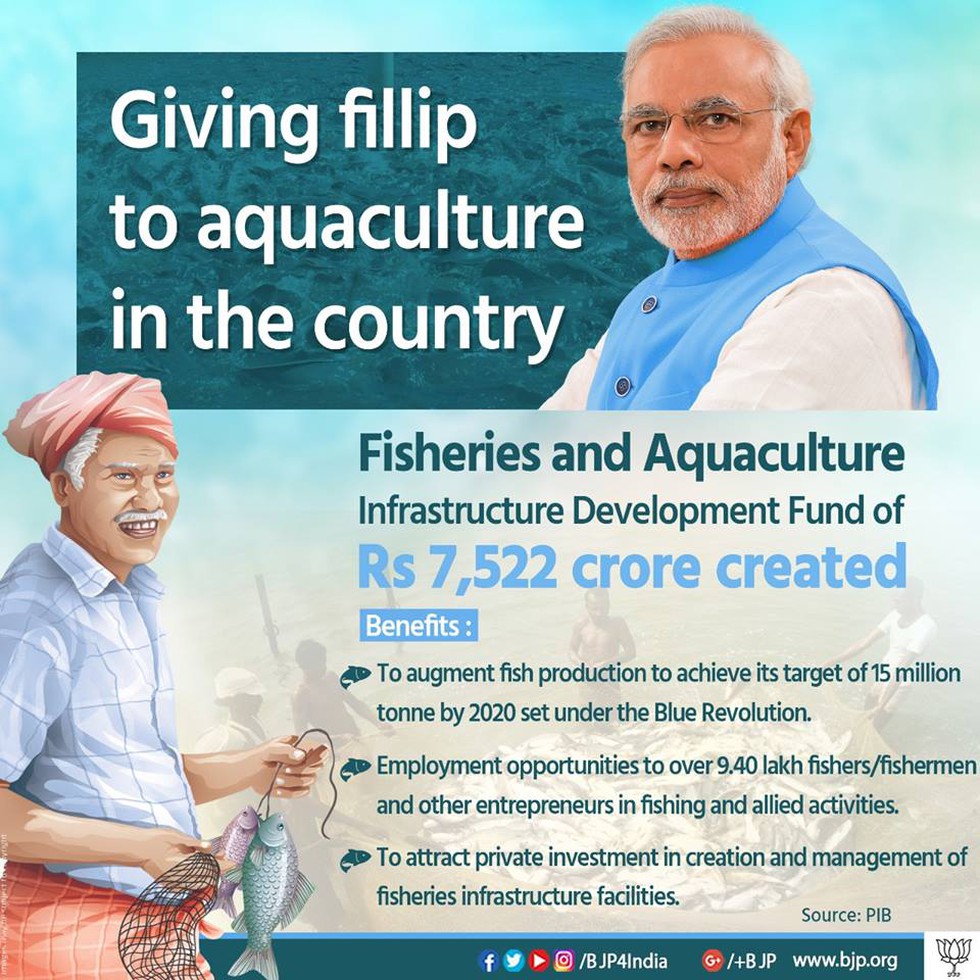
- Objective: To raise India’s, the world’s second largest producer, fish production to 20 million tonne per year by 2022-23 from current level of about 12 million tonnes by creating the necessary infrastructure in fisheries sector.
- Benefits:
- The credit from the fund will help attract investment in fisheries development,
- boost fish production by 67% in next four years from current level of 12 million tonnes to 20 million tonnes by 2022-23 and
- help generate over 9.40 lakh direct and indirect jobs for fishermen.
- The credit from the fund will help attract investment in fisheries development,
- Fund detail:
- The approved fund size is Rs. 7,522 crore, comprising Rs 5,266 crore to be raised by the nodal loaning entities (NLEs), Rs 1,316 crore from beneficiaries’ contribution and Rs 939.48 crore by budgetary support.
- National Bank for Agriculture and Rural Development (Nabard), National Cooperatives Development Corporation (NCDC) and all scheduled banks are the designated NLEs in disbursal of the fund.
- The credit from the FIDF outlay will have to be disbursed by 2022-23.
- The approved fund size is Rs. 7,522 crore, comprising Rs 5,266 crore to be raised by the nodal loaning entities (NLEs), Rs 1,316 crore from beneficiaries’ contribution and Rs 939.48 crore by budgetary support.
- The government has fixed the repayment period at maximum 12 years including moratorium of two years on principal amount.
Under the Blue Revolution programme, the government had targeted 15 million tonne fish production by 2020.
Prelims Pointers
Oct. 25, 2018
About:
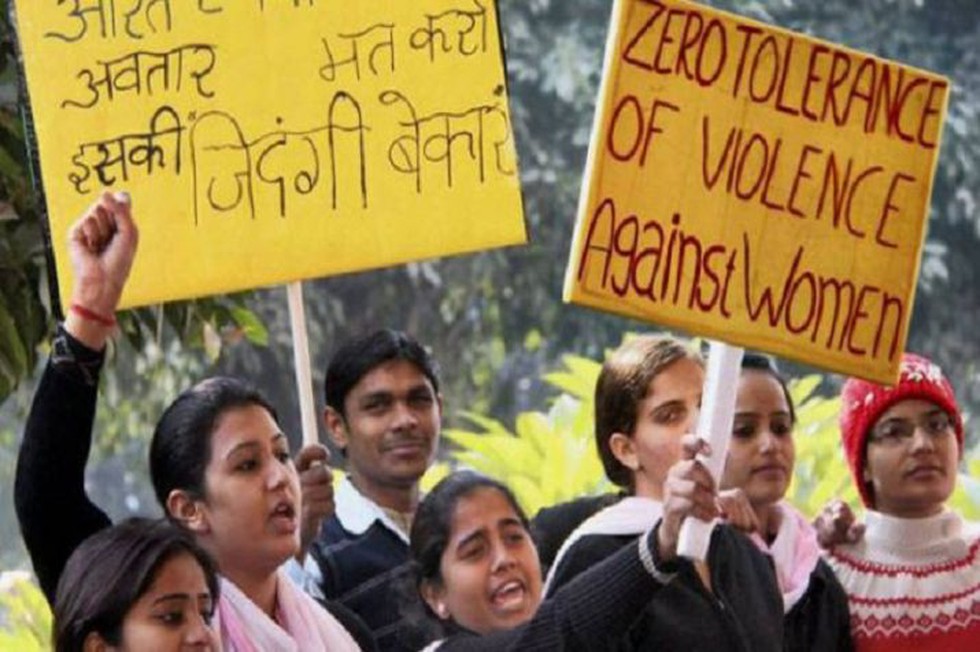
- Mandate: To recommend, within 3 months of its constitution, measures for strengthening the existing legal and institutional frameworks for addressing issues related to sexual harassment at workplace.
- Composition:
- The GoM will be chaired by the Union Home Minister Rajnath Singh.
- Its other Members are: Nitin Gadkari (Minister of Road Transport & Highways), Nirmala Sitharaman (Minister of Defence), Maneka Gandhi (Minister of Women & Child Development).
- The GoM will be chaired by the Union Home Minister Rajnath Singh.
Prelims Pointers
Oct. 25, 2018
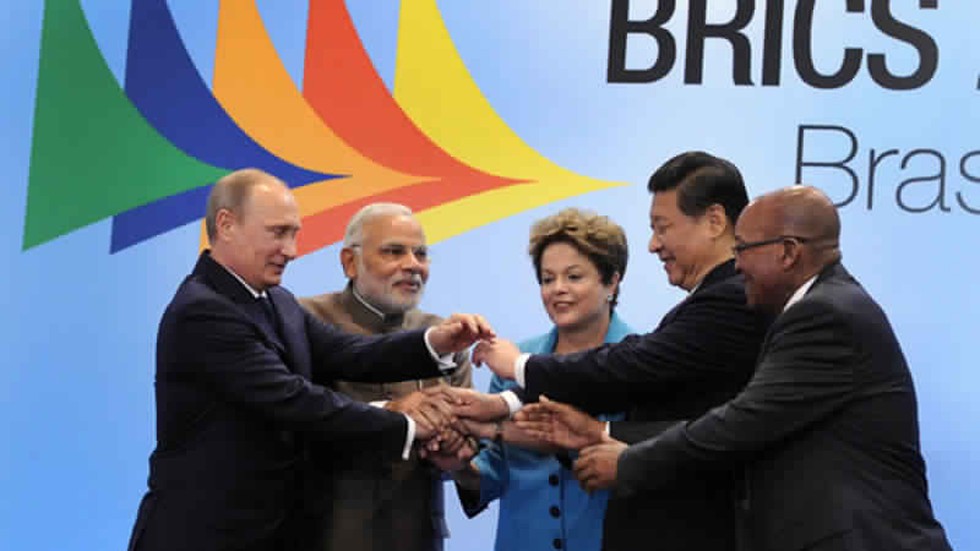
About:
- The MoU identifies various areas of cooperation, including air quality, water, biodiversity, climate change and waste management.
- The pact acknowledges the responsibility of the BRICS nations - Brazil, Russia, India, China and South Africa - comprising more than 40% of the world's population, towards the protection, preservation and sustainability of the environment.
- The MoU shall facilitate exchange of experiences, best practices and technical know-how through both public and private sectors among the participating BRICS nations.
The move which is expected to bring in latest technologies and best practices for better environment protection.
Prelims Pointers
Oct. 25, 2018
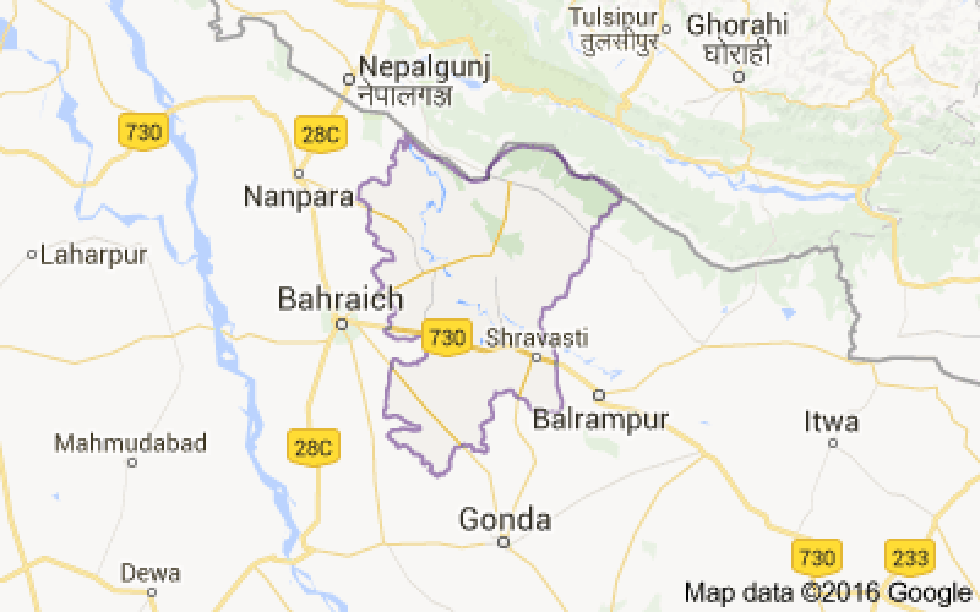
About:
- Shravasti district is one of the districts of the Uttar Pradesh, located near the West Rapti River.
- Bhinga town is district headquarters.
Cultural significance:
- Buddhism: District Shravasti is closely associated with the life of Gautam Buddha who spent the greater part of his monastic life in Shravasti. He is believed to have spent 24 Chaturmases here.
- Jainism: Shravasti is also an important tourist centre for Jains as the Sobhanath temple is believed to be the birthplace of the Tirthankara Sambhavanath.
Chaturmas is a holy period of four months (July to October) in Hinduism, Buddhism and Jainism.
Chaturmas is reserved for penance, austerities, fasting, bathing in holy rivers and religious observances for all.
Oct. 24, 2018
Prelims Pointers
Oct. 24, 2018
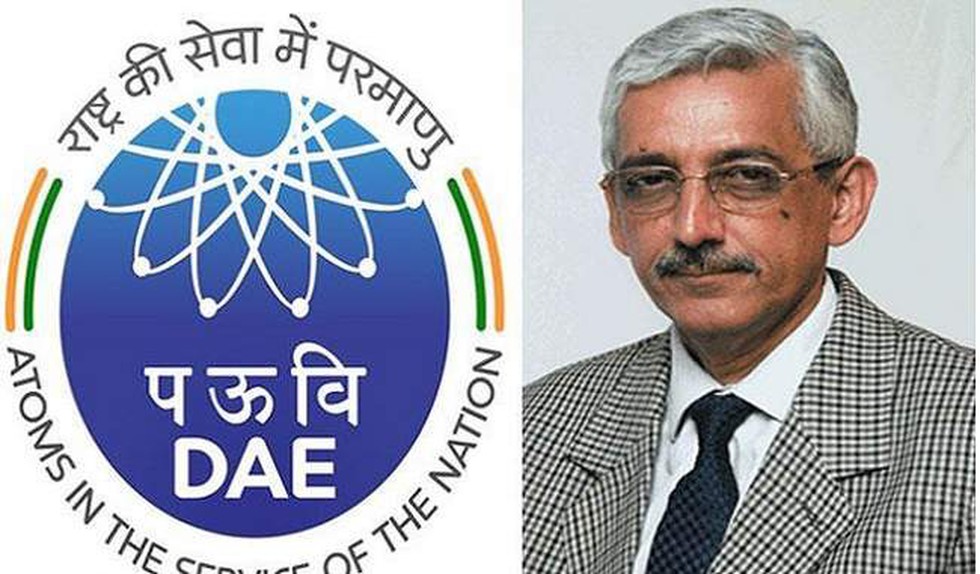
Atomic Energy Commission (AEC):
- Atomic Energy Commission is the governing body of the Department of Atomic Energy (DAE).
- Its key functions are:
- to organise research in atomic science in the country;
- to train, atomic scientists in the country; and
- to undertake prospecting of atomic minerals in India and to extract such minerals for use on industrial scale.
- to organise research in atomic science in the country;
- Timeline:
- The Indian Atomic Energy Commission was first setup in 1948 in the Department of Scientific Research.
- The Department of Atomic Energy (DAE) was setup in 1954 under the direct charge of the Prime Minister through a Presidential Order.
- Subsequently, in accordance with a Government Resolution dated March 1, 1958, the Atomic Energy Commission (AEC) was established in the Department of Atomic Energy.
- The Indian Atomic Energy Commission was first setup in 1948 in the Department of Scientific Research.
- Governance:
- According to the Resolution constituting the AEC, the Secretary to the Government of India in the Department of Atomic Energy is ex-officio Chairman of the Commission.
- The other Members of the AEC are appointed for each calendar year on the recommendation of the Chairman, AEC and after approval by the Prime Minster.
- According to the Resolution constituting the AEC, the Secretary to the Government of India in the Department of Atomic Energy is ex-officio Chairman of the Commission.
- It is headquartered in Mumbai.
Prelims Pointers
Oct. 24, 2018
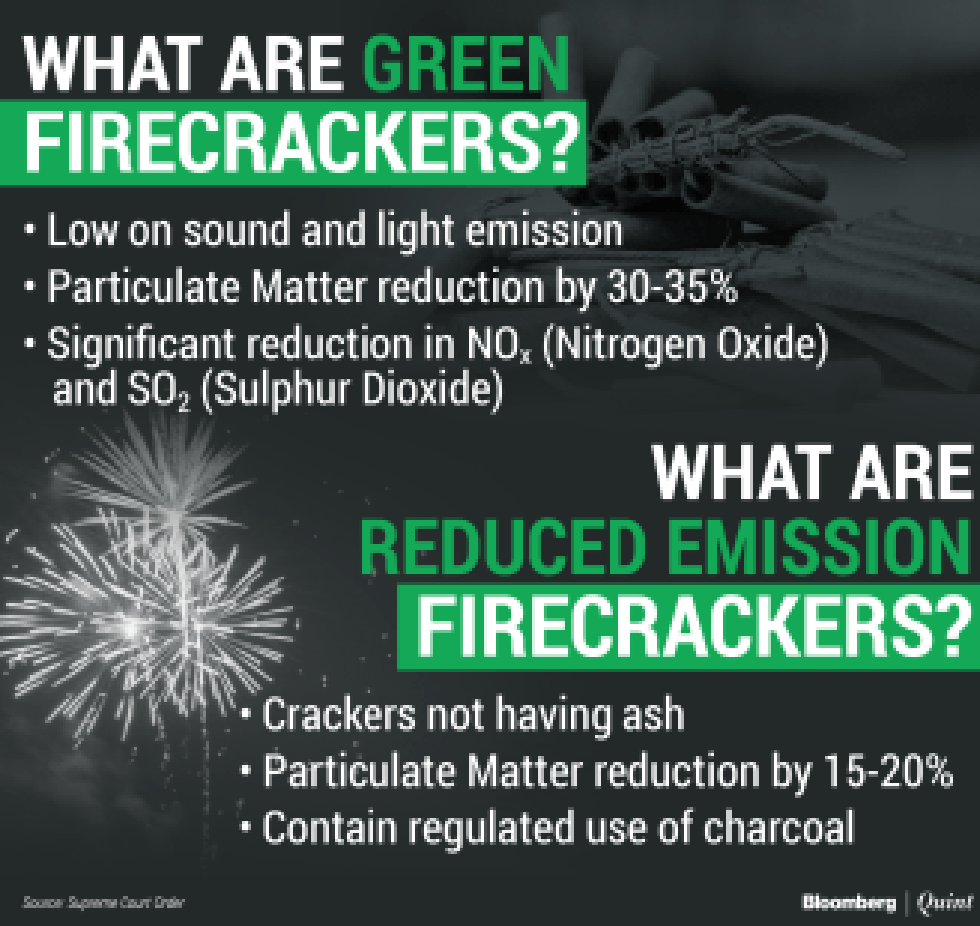
About:
- “Green crackers” are so named because they “do not contain harmful chemicals” that would cause air pollution.
- Components in firecrackers are replaced with others that are “less dangerous” and “less harmful” to the atmosphere.
Timeline:
- The idea, proposed by Union Science & Technology Minister was announced in January. It was carried forward by a network of Council of Scientific & Industrial Research (CSIR) labs which has come up with 3-4 formulations.
- CSIR-CECRI has developed flower pots by using “eco-friendly materials” that can potentially reduce particulate matter by 40%. CSIR-NEERI is testing the efficacy of bijli crackers by “eliminating the use of ash as desiccants”.
- Scientists have given these crackers names: Safe Water Releaser (SWAS), Safe Thermite Cracker (STAR) and Safe Minimal Aluminium (SAFAL).
- The Petroleum and Explosives Safety Organisation is testing and analysing these crackers for safety and stability.
- An emissions testing facility has also been established at CSIR-NEERI. This will test conventional and green crackers and monitor them for emissions and sound.
Prelims Pointers
Oct. 24, 2018
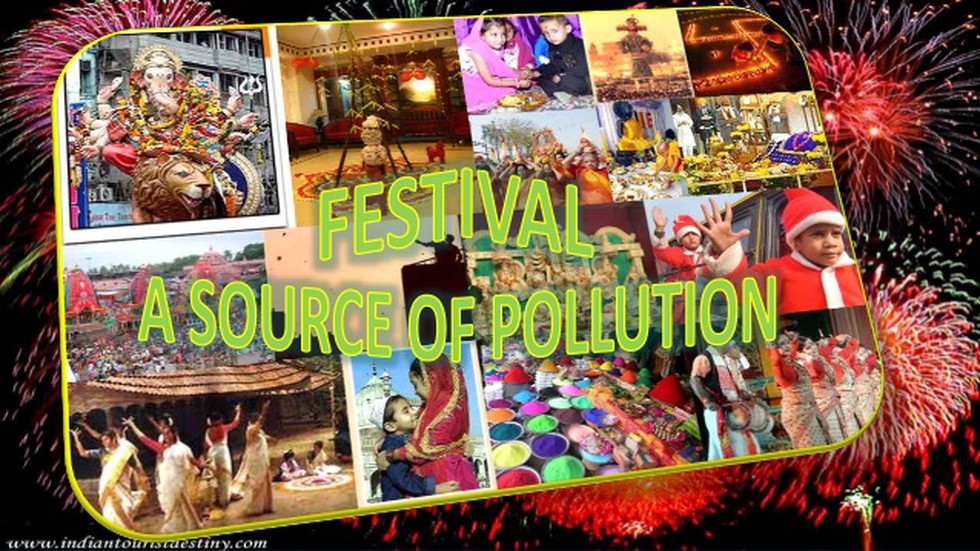
Key highlights of the order:
- Ban:
- Blanket ban on online sale of firecrackers through e-commerce websites, including Flipkart and Amazon.
- Ban on barium salts in crackers. Light and colour-emitting products like sparklers, lower pots, chakkars and torches disallowed due to the ban on barium salts use in fireworks.
- Ban on joined firecrackers (series crackers or ‘laris’), as they caused “huge air, noise and solid waste problems.”
- Blanket ban on online sale of firecrackers through e-commerce websites, including Flipkart and Amazon.
- Use of green crackers (reduced emission firecrackers):
- Use of low emission crackers with PM reduction by 30-35% and a significant reduction in NOx and SO2 due to in-situ water generation as dust suppressant.
- These can be implemented subject to approval by PESO.
- Use of low emission crackers with PM reduction by 30-35% and a significant reduction in NOx and SO2 due to in-situ water generation as dust suppressant.
- Time for bursting crackers during:
- Deepavali and other festivals: Two hours (between 8 p.m. and 10 p.m.)
- Christmas and New Year: Half-an-hour (between 11.55 p.m. and 12:30 a.m.)
- Deepavali and other festivals: Two hours (between 8 p.m. and 10 p.m.)
- Role of PESO:
- Petroleum and explosives safety organization (PESO) will ensure fireworks with permitted chemicals only to be purchased/sold/used during Deepavali.
- For this, PESO will review the composition of fireworks to test for presence of banned chemicals like lithium, arsenic, lead and mercury. It will submit the report in 2 weeks.
- Petroleum and explosives safety organization (PESO) will ensure fireworks with permitted chemicals only to be purchased/sold/used during Deepavali.
- Punishment: In case of any violations, the Station House Officer (SHO) will be liable of contempt of court.
- “Community” bursting in pre-designated areas: The court urged the Central and State governments to permit “community” bursting of crackers during festivities in pre-designated areas. Public should be informed about the designated places a week before Diwali.
Arguments by Supreme Court:
- Bursting crackers is not a fundamental right and an essential practice during religious festivals like Diwali.
- Article 25 (right to religion) is subject to Article 21 (right to life). If a particular religious practice is threatening the health and lives of people, such practice is not entitled to protection under Article 25.
- Our endeavour is to strive at balancing of two rights, namely, right of the petitioners under Article 21 and right of the manufacturers and traders under Article 19(1)(g) of the Constitution.
Barium Nitrate?
· Barium is a chemical element with symbol Ba and atomic number 56. Because of its high chemical reactivity, barium is never found in nature as a free element.
· Barium Nitrate is used to produce green light. In combination with other chemicals, it can produce more colours. It is used in all light-emitting fireworks.
· Use of Barium (Ba) salts emit poisonous gas causing respiratory problems and may have health complications due to other health complications due to long terms exposure.
· But a replacement for barium nitrate is yet to be explored.
Petroleum and explosives safety organization (PESO)?
· PESO is an organization under Department of industrial policy and promotion (DIPP), Ministry of commerce & industry.
· It administers the usage of explosives & petrol stations in India.
· It is headquartered at Nagpur, Maharashtra.
Prelims Pointers
Oct. 24, 2018
About:
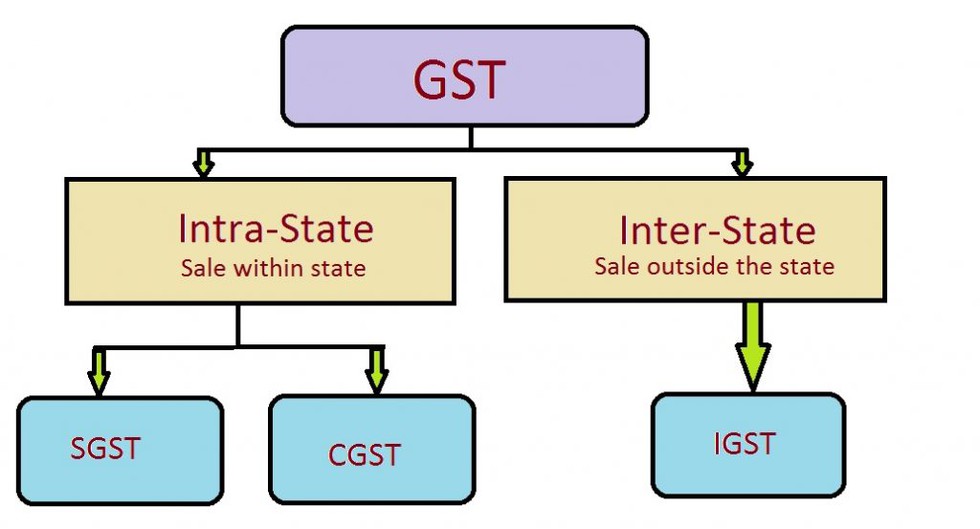
- IGST meaning Integrated Goods and Service Tax, is one of the three categories under Goods and Service Tax (CGST, IGST and SGST) with a concept of one tax one nation.
- IGST falls under Integrated Goods and Service Tax Act 2016.
- IGST is charged when movement of goods and services from one state to another. For example, if goods are moved from Tamil Nadu to Kerala, IGST is levied on such goods.
- The revenue out of IGST is shared by state government and central government as per the rates fixed by the authorities.
- Under Article 269A of the Constitution,
- The GST on supplies in the course of interState trade shall be levied and collected by the Government of India and
- such tax shall be apportioned between the Union and the States according to the provisions of law on the recommendations of the Goods and Services Tax Council.
- The GST on supplies in the course of interState trade shall be levied and collected by the Government of India and
The definition of drawback is that all the taxes one pays on inputs, the government is giving back to you.
Prelims Pointers
Oct. 24, 2018
About:
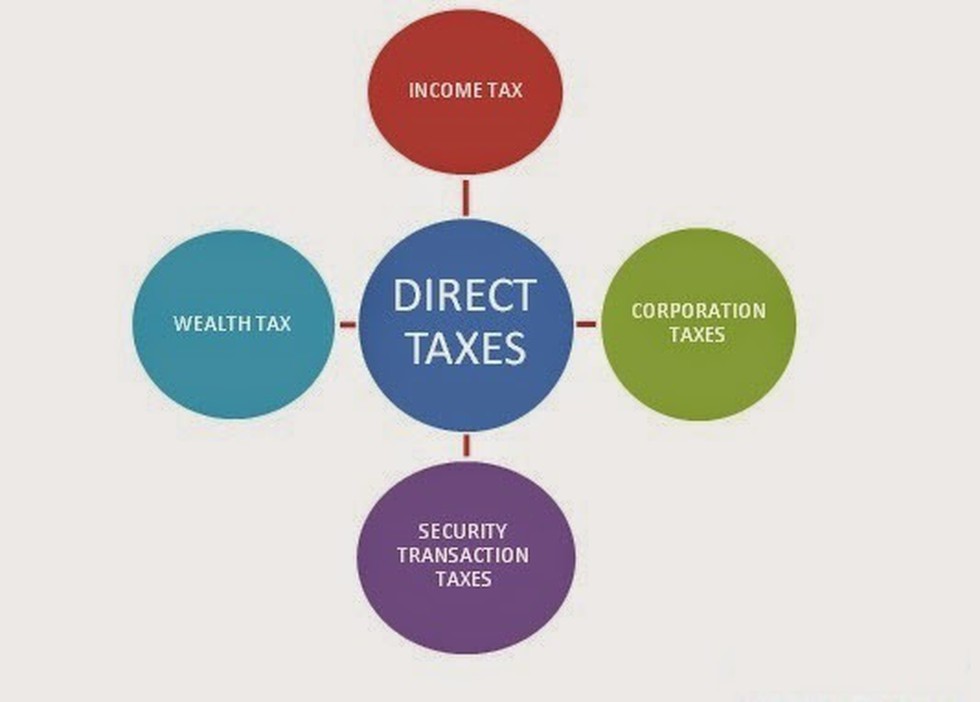
- Time series data released by the CBDT show the share of direct taxes in total taxes rose every year through the first decade of this century — going from 36.31% in 2000-01 to 60.78% in 2009-10.
- This was reversed in 2010-11, when the figure fell to 56.48% — thereafter, despite spikes in some years, the broad trend has been that of decline.
- In 2016-17, the share of direct taxes in total taxes fell to 49.65%, before rising to 52.29% in 2017-18.
- Indirect taxes, whose share has been rising in recent years, are considered regressive since they don’t differentiate among people at different levels of income.
Direct taxes are considered progressive as they are proportionate to income levels.
Prelims Pointers
Oct. 24, 2018
About:
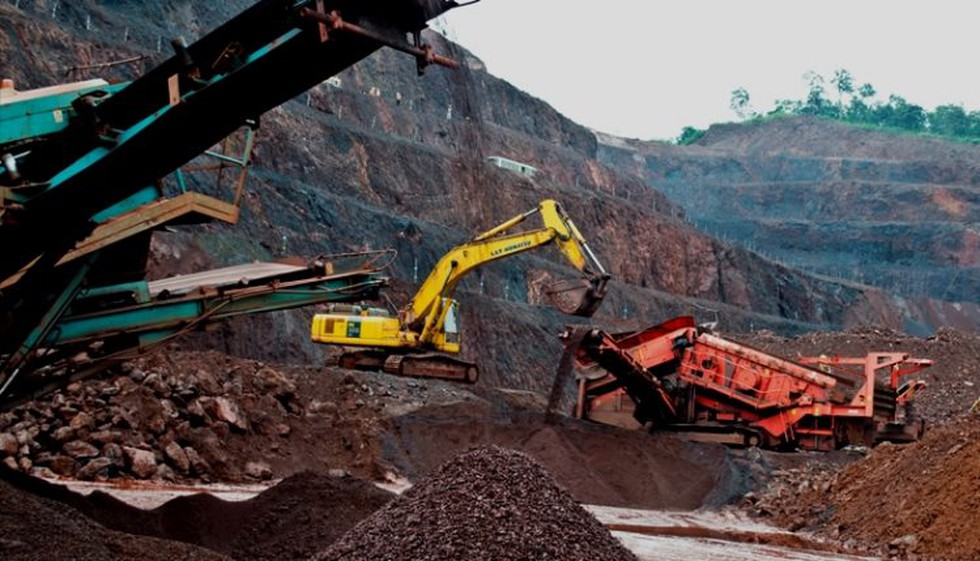
- Mines and Minerals (Development & Regulation) Amendment Act, 2015, mandated the establishment of District Mineral Foundations (DMFs) in all mining districts of the country.
- DMF is a trust set up as a non-profit body to work for the benefit of people affected by mining operations.
- DMFs are also expected to implement the Pradhan Mantri Khanij Kshetra Kalyan Yojana (PMKKKY), launched in 2015 for the welfare of mining areas and affected population.
Prelims Pointers
Oct. 24, 2018
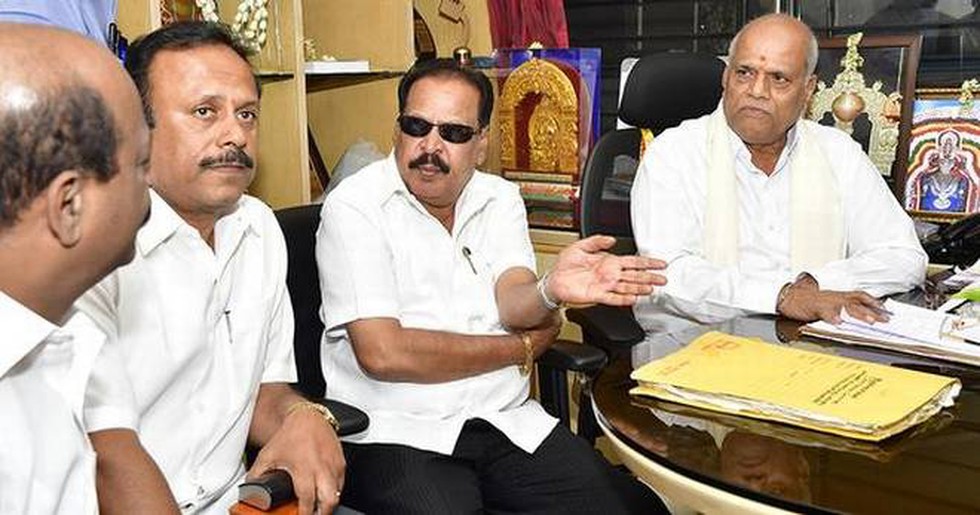
About:
- The move comes following the #MeToo campaign that has underlined the need for a redress mechanism in the film industry,
- Legal experts argue that a body like the KFCC, registered under the provisions of the Karnataka Societies Registration Act, 1960, is mandated to have an Internal Complaints Committee (ICC).
Under Sexual Harassment of Women at Workplace (Prevention, Prohibition and Redressal) Act, 2013, every employer is required to constitute an Internal Complaints Committee (ICC) at each office or branch with 10 or more employees.
Prelims Pointers
Oct. 24, 2018
About:
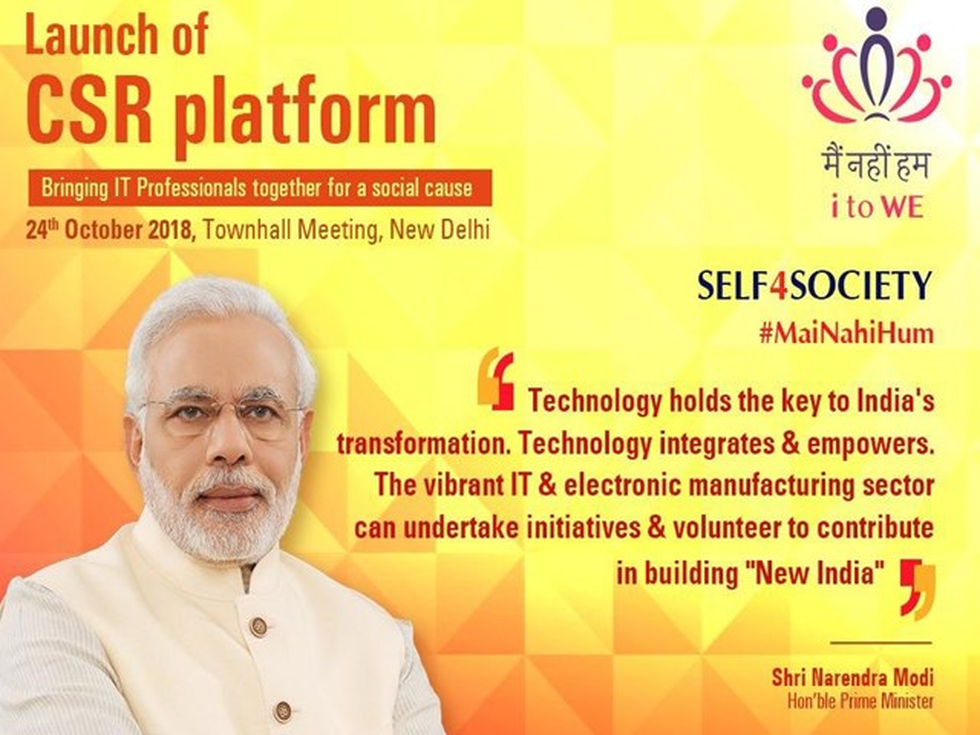
- The portal works on the theme “Self4Society”.
- It will enable IT professionals and organizations to bring together their efforts towards social causes, and service to society, on one platform.
- In doing so, the portal will catalyse greater collaboration towards the service of the weaker sections of society, especially by leveraging the benefits of technology.
Prelims Pointers
Oct. 24, 2018

About:
- The Black Sea a marginal sea of the Atlantic Ocean, is located between Eastern Europe and Western Asia
- Excluding its northern arm, the Sea of Azov, the Black Sea occupies about 168,500 square miles (436,400 square kilometers).
- Neighbouring countries: It is bordered by six countries – Romania and Bulgaria to the west; Ukraine, Russia, and Georgia to the north and east; and Turkey to the south.
- Neighbouring water-bodies:
- The Black Sea drains into the Mediterranean Sea, via the Aegean Sea and various straits. The Bosphorus Strait connects it to the Sea of Marmara, and the Strait of the Dardanelles connects that sea to the Aegean Sea region of the Mediterranean.
- The Black Sea is also connected to the Sea of Azov by the Strait of Kerch.
- The Black Sea drains into the Mediterranean Sea, via the Aegean Sea and various straits. The Bosphorus Strait connects it to the Sea of Marmara, and the Strait of the Dardanelles connects that sea to the Aegean Sea region of the Mediterranean.
- Five major rivers empty into the Black Sea, the largest of which is the Danube River.
Anoxic water:
- The Black Sea is the world's largest body of water with a meromictic basin. A meromictic lake has layers of water that do not intermix.
- The deep waters do not mix with the upper layers of water that receive oxygen from the atmosphere.
- As a result, over 90% of the deeper Black Sea volume is anoxic water. Anoxic waters are areas of sea water, fresh water, or groundwater that are depleted of dissolved oxygen.
- Because of the anoxic water at depth, organic matter, including anthropogenic artifacts such as boat hulls, are well preserved.
Prelims Pointers
Oct. 24, 2018
About:
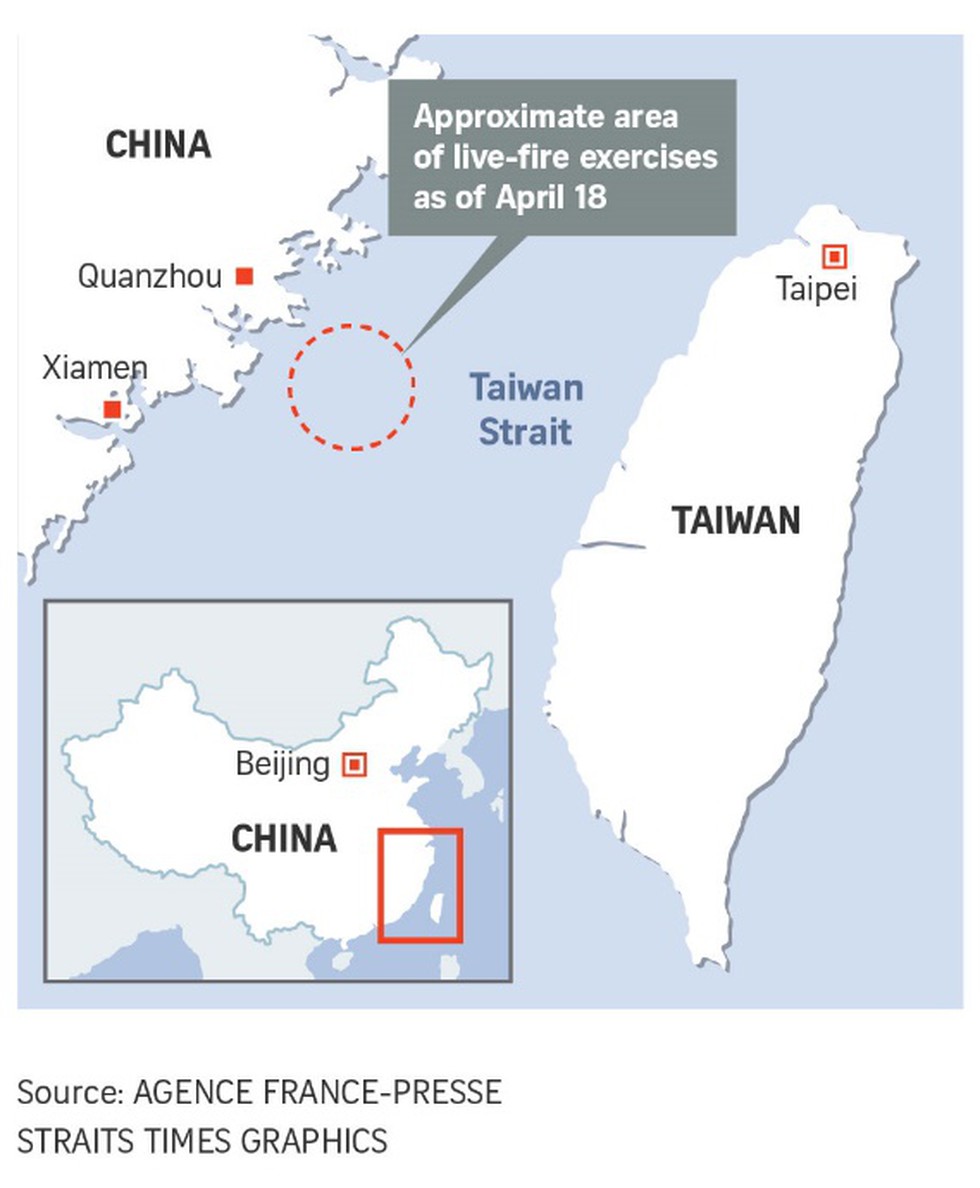
- The Taiwan Strait is also known as Formosa Strait.
- The strait is part of the South China Sea and connects to the East China Sea to the north.
- It is a section of sea between the Chinese mainland and the island of Taiwan. The 180 kilometres-wide strait separating the Republic of China from mainland China.