Oct. 3, 2018
Prelims Pointers
Oct. 3, 2018
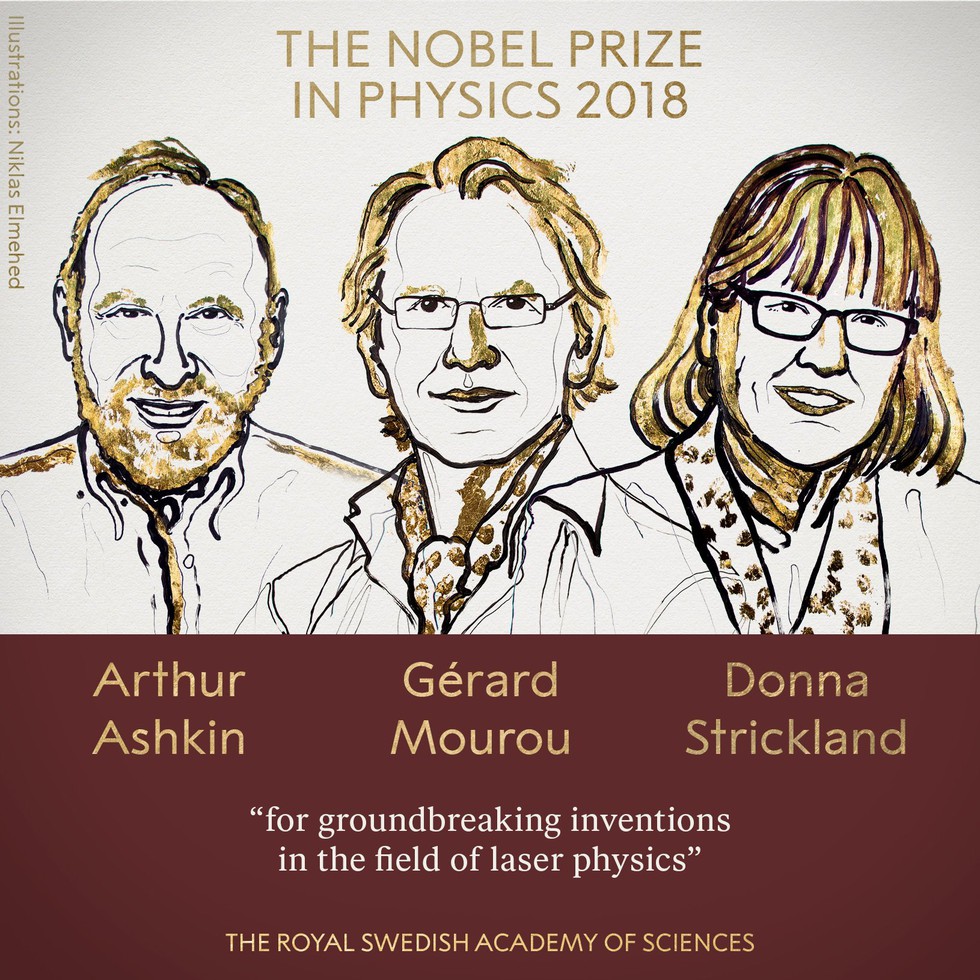
Optical Tweezers:
- Arthur Ashkin of U.S. has been awarded the Prize for his invention of “optical tweezers” that grab particles, atoms, viruses and other living cells with their laser beam fingers.
- Optical tweezers are scientific instruments that use a highly focused laser beam to provide an attractive or repulsive force (depending on the relative refractive index between particle and surrounding medium) to physically hold and move microscopic objects similar to tweezers.
- Optical tweezers have been particularly successful in studying a variety of biological systems in recent years. A major breakthrough came in 1987 when Mr. Ashkin used the tweezers to capture living bacteria without harming them.
- Ashkin is the oldest winner of a Nobel prize, beating out American Leonid Hurwicz who was 90 when he won the 2007 Economics Prize.
Chirped Pulse amplification (CPA):
- Gerard Mourou (of France) and Donna Strickland (of Canada) have been awarded for helping develop a method to generate “ultra-short optical pulses”, the shortest and most intense laser pulses ever created. Their technique is now used in corrective eye surgery.
- Laser light can be emitted in short pulses, but they can’t be amplified beyond a point without destroying the material. Mourou and Strickland’s technique known as Chirped Pulse Amplification (CPA), helped solved this problem.
- Donna Strickland (of Canada) is third woman to win the Nobel Prize in Physics, after Maria Goeppert-Mayer and Marie Curie.
Prelims Pointers
Oct. 3, 2018
About:
- It is being organized by the Ministry of New and Renewable Energy from 2nd to 5th October 2018 in New Delhi.
- It aims at building upon the success of RE-INVEST 2015 to accelerate the worldwide effort to scale up renewable energy and connect the global investment community with Indian energy stakeholders.
- The 2nd global RE-INVEST will include a three-day Conference on renewables and an Expo of renewables-related manufacturers, developers, investors and innovators.
- It is being attended by Ministerial Delegations from across the world, including ISA and IORA Member Countries, over 600 global industry leaders, and 10,000 delegates.
Prelims Pointers
Oct. 3, 2018
About:
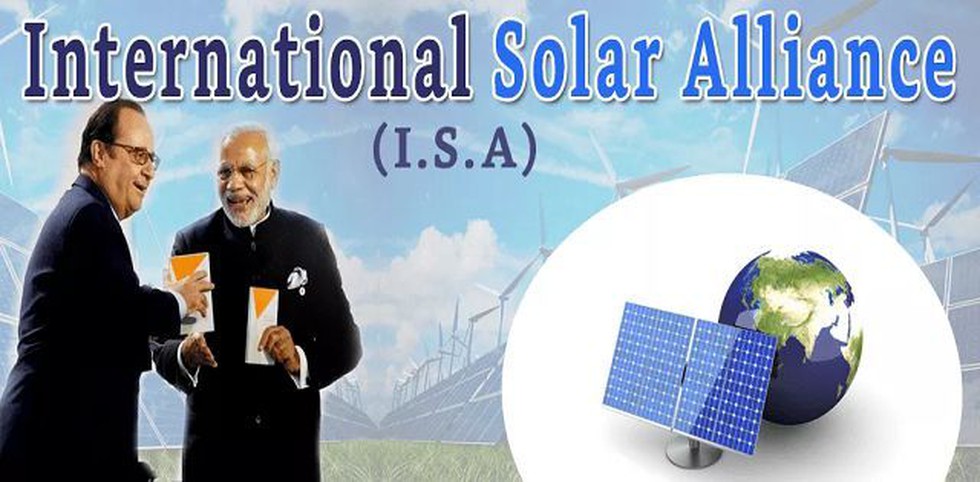
- International Solar Alliance (ISA) is a coalition of solar resource rich countries which aims to contribute to the implementation of the Paris Climate Agreement through rapid and massive deployment of solar energy.
- Timeline: On the side lines of COP21 UN Climate Change Conference at Paris, Prime Minister of India and President of France jointly launched the initiative of ISA. With its ratification by required no. of countries, ISA became a treaty-based international intergovernmental organization.
- Member Countries the ISA is open to 121 prospective member countries (a.k.a. sunshine countries), most of them located between the Tropics of Cancer and Capricorn as this is the region worldwide with a surplus of bright sunlight for most of the year. As of March 2018, 60 countries have signed the ISA Framework Agreement.
- Secretariat: Interim Secretariat of ISA is located at Surya Bhawan, National Institute of Solar Energy (An autonomous Institute of Ministry of New & Renewable Energy) in Gurugram, Haryana. The ISA is the first international body that will have a secretariat in India.
Key Objectives:
According to Paris Declaration on ISA, which was unveiled on occasion of launch of ISA, its objectives are:
- Reducing the cost of finance & technology for immediate deployment of solar generation.
- Formulate financial instruments to mobilize more than US$1000 billion dollars in investments that will be required by 2030 for the massive deployment of affordable solar energy (Target of 1 TW has been setup).
- Be a collective voice in international fora to protect against monopolistic international groups and behaviours.
First assembly:
- The first Assembly, in a way, will lay the foundation for global Solar Agenda. The Assembly, as supreme decision-making body of the ISA, will adjudicate upon various administrative, financial and programme related issues.
- The countries that have ratified the ISA Treaty Framework will attend the Assembly, as Members. Countries that have signed but are yet to ratify the ISA Treaty Framework will attend the Assembly as Observers.
Prelims Pointers
Oct. 3, 2018
About:
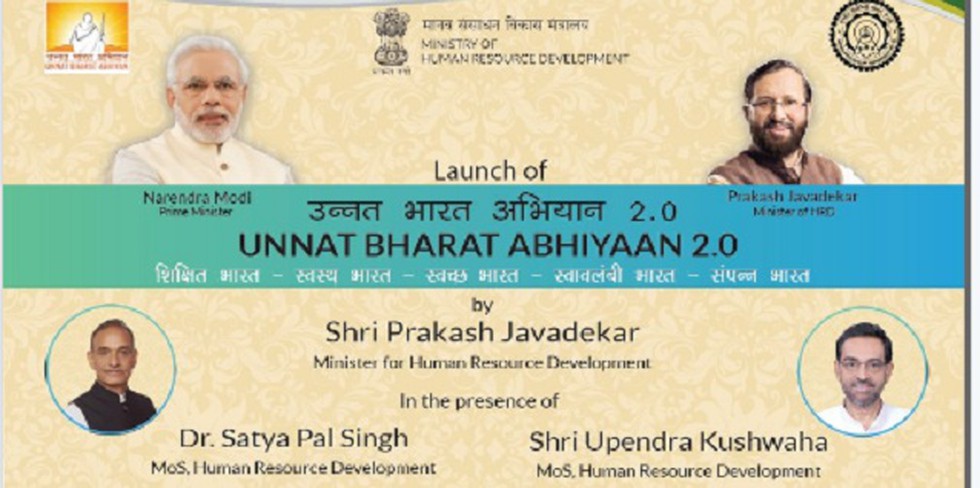
- Unnat Bharat Abhiyan 2.0 is the second stage of the Unnat Bharat Abhiyan.
- Background: It was launched by the Union Ministry of Human Resource Development (HRD) in April 2018.
- Objectives: To use the knowledge base of the Premier Higher Education Institutions (HEIs) of the country to ensure rural development.
- Working: Under this each selected institute would adopt a cluster of villages/panchayats. Institutes will then carry out studies to assess the local problems and then use technology to improve the implementation of various government schemes.
Salient features of Unnat Bharat Abhiyan 2.0:
- Institutions have been selected in a Challenge Mode.
- The scheme has been extended to 750 reputed Higher Educational Institutes (both public and private) of the country.
- IIT Delhi has been designated as the National Coordinating Institute for this programme.
- Major Areas of Intervention: There are two major domains, (1) human development and (2) material (economic) development.
Present status:
- Under “Unnat Bharat Abhiyan” scheme, 688 institutes selected in the phase-1 are involved in various activities aimed to enrich rural India.
- Now, in the next phase, on a challenge mode, 840 Institutions have been selected and will be part of UBA 2.0.
Prelims Pointers
Oct. 3, 2018
The new guidelines set out four principal recommendations:
- Sanitation interventions should ensure entire communities have access to toilets that safely contain excreta.
- The full sanitation system should undergo local health risk assessments to protect individuals from exposure to excreta.
- Sanitation should be integrated into regular local government-led planning and service provision.
- The health sector should invest more in sanitation planning to protect public health.
Comment:
- The WHO developed the new guidelines on sanitation and health because current sanitation programmes are not achieving anticipated health gains. Worldwide, 2.3 billion people lack basic sanitation (with almost half of them forced to defecate in the open).
- For every US $1 invested in sanitation, the WHO estimates a nearly six-fold return as measured by lower health costs, increased productivity and fewer premature deaths.
Prelims Pointers
Oct. 3, 2018
Proposals:
- The government is proposing a single immigration system that treats migrants from EU countries in the same way as those from non-EU countries.
- Highly skilled workers who want to live and work in Britain will be given priority.
- However, the ability of people from trading partners to deliver services and student exchange programmes will form part of future trade agreements.
- Government is considering scrapping the current cap of 20,700 on highly skilled migrants as part of the post-Brexit vision.
- Successful applicants for highly skilled work will be able to bring their immediate family – but only if sponsored by their future employers.
How is it different?
- The most significant change will be the end to freedom of movement within the European Union.
- At present, any citizen of an EU member state can come to the UK to live and work. Post-Brexit, EU citizens will be broadly subject to same rules as non-EU citizens. Treating EU and non-EU nationals the same will allow the government, to prioritise highly skilled migrants over low-skilled migrants.
- Holidaymakers and business travellers from the EU do not require a visa to enter the UK, whereas under the new framework they will.
Impact:
- The proposals will benefit British workers previously overlooked for jobs due to cheap migrant labour.
- But British citizens who want to work in the EU are also set to suffer. As it stands, Britons can emigrate to any EU member state to live and work. This right will be severely curtailed.
- The proposals work against EU citizens and because the most dramatic departure from the status quo is the restrictions to EU migration. It will also impact India because of restrictions imposed on bringing their immediate family members.
- Industries that rely on so-called low-skilled labour will struggle to recruit workers. This includes those in the health, care and hospitality sectors.
Prelims Pointers
Oct. 3, 2018
About:
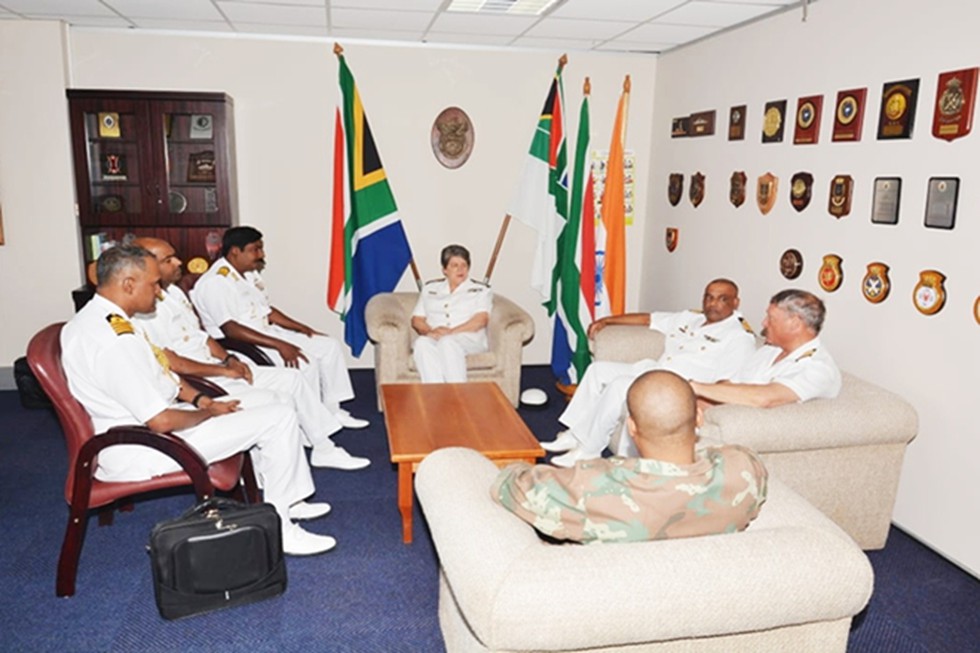
- IBSAMAR is a joint Multi – National Maritime Exercise between the Indian, Brazilian and South African Navies.
- The aim of the exercise is to undertake collective training for participating navies, building interoperability and mutual understanding as well as sharing of best practices.
- The last edition of IBSAMAR (IBSAMAR V) was held in Goa in 2016.
Prelims Pointers
Oct. 3, 2018
About:
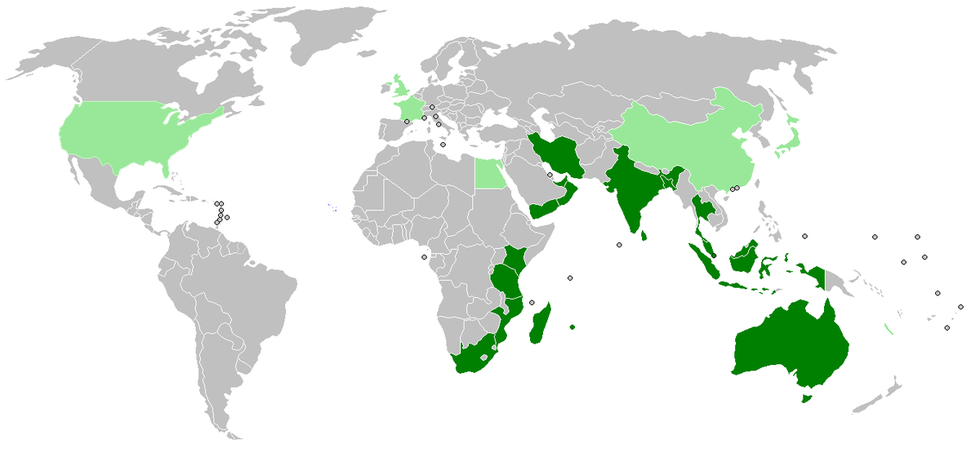
- IORA is an inter-governmental organisation which was established in 1997.
- IORA was set up with the objective of strengthening regional cooperation and sustainable development within the Indian Ocean Region with 21 Member States and 7 Dialogue Partners.
- Members: India, Australia, Iran IR, Indonesia Thailand, Malaysia, South Africa, Mozambique, Kenya, Sri Lanka, Tanzania, Bangladesh, Singapore, Mauritius, Madagascar, UAE, Yemen, Seychelles, Somalia, Comoros and Oman.
- IORA’s apex body is the Council of Foreign Ministers (COM) which meets annually.
- IORA has identified six priority areas, namely: (1) maritime security, (2) trade and investment facilitation, (3) fisheries management, (4) disaster risk reduction, (5) academic and scientific cooperation and (6) tourism promotion and cultural exchanges.
- IORA secretariat is based in Mauritius and is overseen by a secretary-general who is appointed for a three-year period.
IORA Renewable Energy Ministerial Meeting:
- India is hosting 2nd IORA Renewable Energy Ministerial meet from 2nd to 4th October, 2018. It is being organized by the Ministry of New and Renewable Energy. Ministers and delegates from all 21 member-countries are expected to participate.
- The last Renewable Energy Ministerial Meeting was held in 2014 in Abu Dhabi, UAE.
Prelims Pointers
Oct. 3, 2018
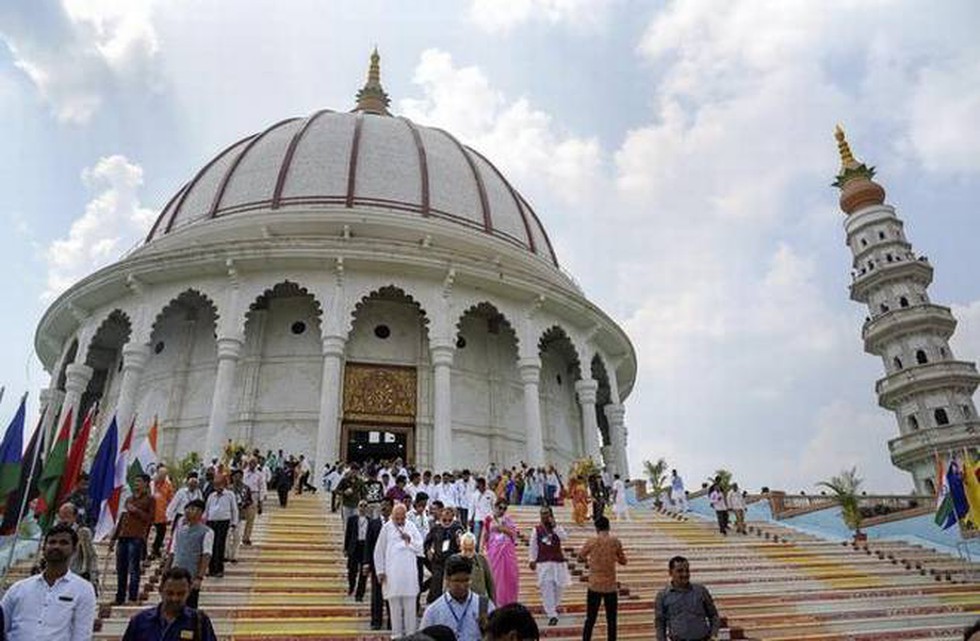
About:
- The ‘World Peace Monument’ is located at the Maharashtra Institute of Technology (MIT)’s World Peace University (MIT-WPU) campus at Loni Kalbhor near Pune.
- At 160 ft. in diameter and 263 ft tall, it is larger in area than the dome at St. Peter’s Basilica in Vatican City (which is 136 ft. in diameter and 448 ft. in height).
- The dome is built atop the MIT World Peace Library and the World Peace Prayer Hall, which are named after the 13th century poet-saint and philosopher ‘Dnyaneshwar’ — a pivotal figure of the Bhakti movement in Maharashtra.
Prelims Pointers
Oct. 3, 2018
UNESCO Global Geoparks:
- UNESCO Global Geoparks are single, unified geographical areas where sites and landscapes of international geological significance are managed with a holistic concept of protection, education and sustainable development.
- Legal Status: UNESCO Global Geopark is not a legislative designation – though the defining geological heritage sites within a UNESCO Global Geopark must be protected under indigenous, local, regional or national legislation as appropriate.
- Restrictions on activities: UNESCO Global Geopark status does not imply restrictions on any economic activity inside the site where that activity complies with indigenous, local, regional and/or national legislation.
- List of UNESCO Global Geoparks: As of November 2015, there are 119 UNESCO Global Geoparks spread across 33 countries, mostly in Europe and China. No Indian site is in the list till now.
- Recognition Period: A UNESCO Global Geopark is given this designation for a period of four years after which the functioning of the site re-examined during a revalidation process.
Difference between UNESCO Global Geoparks, Biosphere Reserves and World Heritage Sites:
- Biosphere Reserves focus on the harmonised management of biological and cultural diversity.
- World Heritage Sites promote the conservation of natural and cultural sites of outstanding universal value
- UNESCO Global Geoparks give international recognition for sites that promote the importance and significance of protecting the Earth’s geodiversity through actively engaging with the local communities.
- A World Heritage Site or Biosphere Reserve can apply for the UNESCO Global Geopark status. However, a clear evidence has to be provided on how UNESCO Global Geopark status will add value by being both independently branded and in synergy with the other designations.
Global Geoparks Network (GGN):
- The Global Geoparks Network (GGN), of which membership is obligatory for UNESCO Global Geoparks, is a legally constituted not-for-profit organisation.
- The GGN was founded in 2004 and is a dynamic network where members exchange ideas of best practise to raise the quality standards of a UNESCO Global Geopark.
- While the GGN as a whole comes together every two years, it functions through the operation of regional networks, such as the European Geoparks Network that meets twice a year to develop and promote joint activities.It is managed under the UNESCO’s Ecological and Earth Sciences Division.
|
Lonar Lake? · Location: Lonar in Buldhana district, Maharashtra. · Formation: Lonar Lake, also known as Lonar crater, was created by a meteor impact during the Pleistocene Epoch. A meteorite estimated to weigh two-million-tonnes slammed into the Earth, around 50,000 years creating a 1.83-km diameter crater where the lake formed. · It is the only known hyper velocity meteorite crater in basaltic rock anywhere on Earth. · It was notified as a National Geo-heritage Monument in 1979 by Geological Survey of India (GSI). |
|
St. Mary’s Islands? · Location: St. Mary's Islands are a set of four small islands in the Arabian Sea off the coast of Malpe in Udupi, Karnataka. · They are known for their distinctive geological formation of hexagonal columnar basaltic lava rocks. These were formed by sub-aerial subvolcanic activity, because at that time Madagascar was attached to India. The rifting of Madagascar took place around 88 million years ago. · The islands form one of the four geological monuments in Karnataka state, one of the 26 Geological Monuments of India declared by the Geological Survey of India in 2001. · St. Mary's Islands are also known as Coconut Island and Thonsepar. · It was notified as a National Geo-heritage Monument in 1975 by Geological Survey of India (GSI). |
Oct. 2, 2018
Prelims Pointers
Oct. 2, 2018
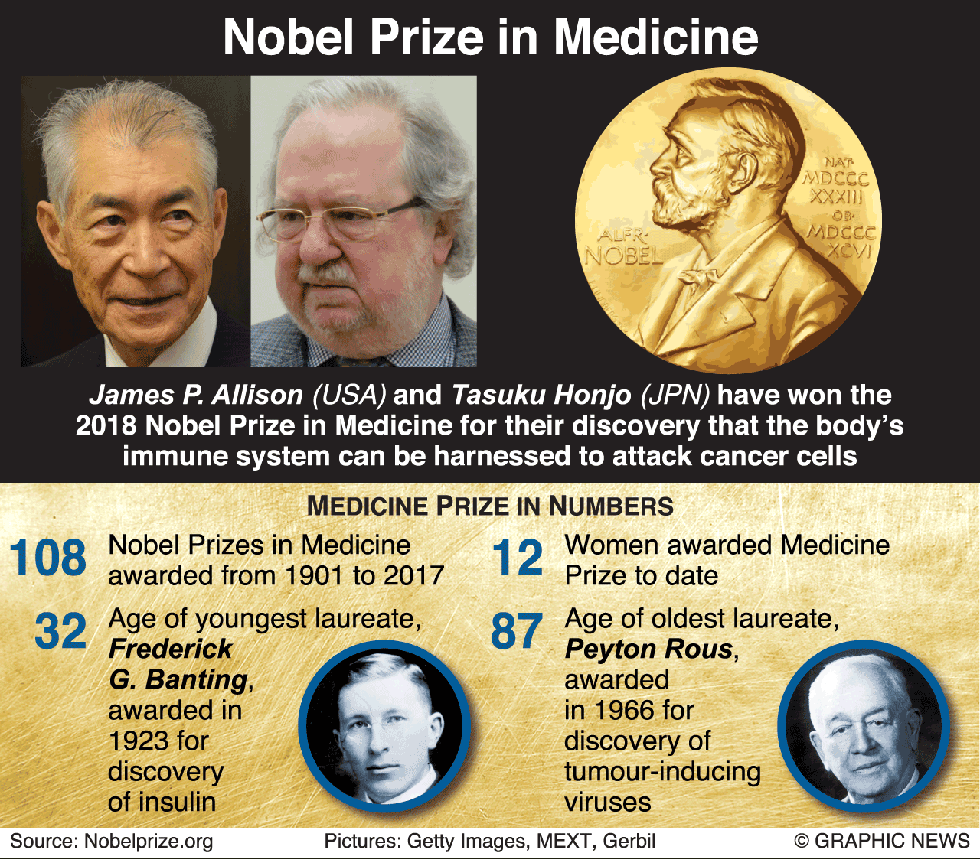
About:
- The two have been awarded for developing a paradigm-breaking cancer therapy by “inhibition of negative immune regulation”, which has bettered the chances of full recovery in certain kinds of cancer by over three times.
- Instead of relying on external attacks on tumours with radiation and chemicals, which is the traditional method, immune checkpoint inhibitor therapy unleashes the body’s own defence system against the enemy within.
- While the technique remains under research and the and side-effects are not completely understood, six checkpoint inhibitor drugs have been approved for clinical use since 2011.
- They showed that the two proteins namely immunoglobulin cytotoxic T-lymphocyte antigen 4 (CTLA-4) and the programmed cell death protein-1 (PD-1) inhibit the immune system’s response to cancer, and that inhibiting them would, in turn, give patients a fighting chance.
- PD-1, a receptor on the cell surface, is an ‘immune checkpoint’ which slows down the immune response and promotes self-tolerance, normally preventing auto-immune diseases.
- CTLA-4 performs a similar function on T-cells (so named because they mature in the thymus and the tonsils), which play an important role in immunity at the molecular level.
Prelims Pointers
Oct. 2, 2018
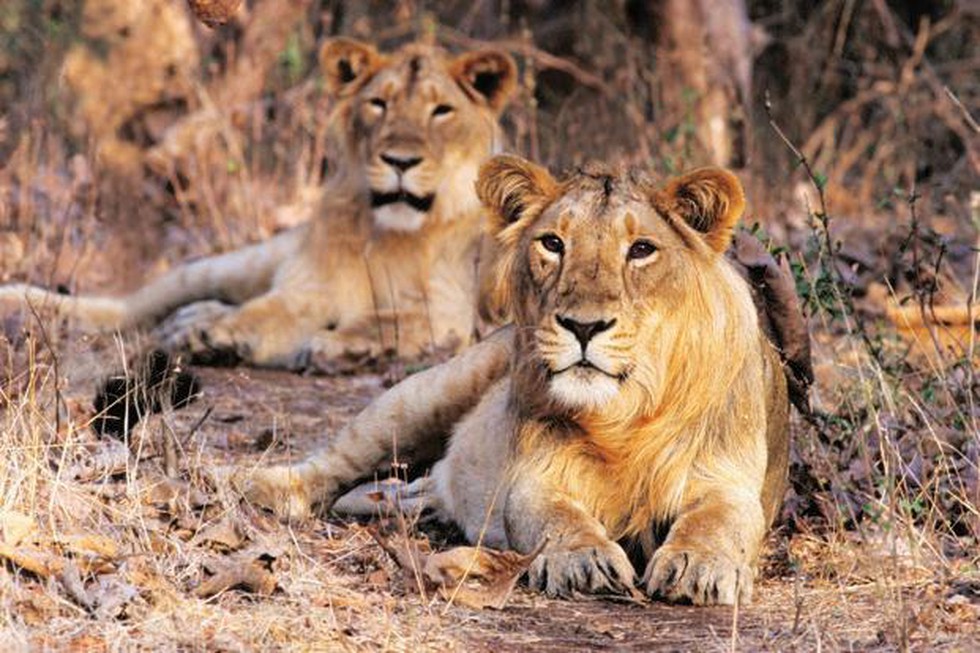
About:
- Scientific Name: Panthera Leo Persica.
- Common Name: Asiatic lion, Indian Lion.
- Status: Listed in Schedule I of Wildlife (Protection) Act 1972, in Appendix I of CITES and as Endangered on IUCN Red List.
- Characteristics: Asiatic lions are slightly smaller than African lions. The most striking morphological character, which is always seen in Asiatic lions, and rarely in African lions, is a longitudinal fold of skin running along its belly.
- Major threats: The Asiatic lion currently exists as a single subpopulation, and is thus vulnerable to extinction from unpredictable events, such as an epidemic or large forest fire. There are indications of poaching incidents in recent years.
- Population: According to the Asiatic lion census conducted in august 2017, the lion population was estimated at 650 wild individuals.
Habitat and Distribution:
- Asiatic lions were once distributed upto the state of West Bengal in east and Rewa in Madhya Pradesh, in central India. At present Gir National Park and Wildlife Sanctuary is the only abode of the Asiatic lion.
- The last surviving population of the Asiatic lions is a compact tract of dry deciduous forest and open grassy scrublands in southwestern part of Saurashtra region of Gujarat.
Prelims Pointers
Oct. 2, 2018
Background:
- In December 2017, the Securities and Exchange Board of India (SEBI) announced that from October 1, 2018, the country would have a unified exchange regime wherein stock exchanges would be allowed to offer trading in commodity derivatives.
- As per the amendments in Securities Contracts (Regulation) (Stock Exchanges and Clearing Corporations) Regulations there would be no separate category of 'Commodity Derivatives Exchanges' from October 1, 2018. i.e. all exchanges will be known as stock exchanges and there will be no commodity exchanges.
- Then in September 2018, India’s leading exchanges, BSE and NSE received SEBI'S approval to launch the commodity derivatives segments from October 1, starting with non-agriculture commodities like metals.
Recent development:
- The Bombay Stock Exchange became the first stock exchange in the country to launch commodity derivatives contract in gold and silver.
- Till date, commodity derivatives contract are available only on MCX and NCDEX, the two specialised commodity derivatives exchange in the country.
- The launch of commodity derivatives platform on the BSE will help in efficient price discovery, reduce timeline and make it cost-effective.
Prelims Pointers
Oct. 2, 2018
About:
- Infrastructure Leasing & Financial Services Limited (IL&FS) is an Indian infrastructure development and finance company to provide finance and loans for major infrastructure projects.
- Background: IL&FS was formed in 1987 as an "RBI registered Core Investment Company" by three financial institutions owned by the government of India, namely the Central Bank of India, Housing Development Finance Corporation (HDFC) and Unit Trust of India (UTI).
- Ownership: As on March 31, 2018, LIC and ORIX Corporation of Japan are the largest shareholders in IL&FS with their stakeholding at 25 % and 23 %, respectively. Other prominent shareholders include Abu Dhabi Investment Authority (ADIA) (12 %), HDFC (9%),
Recent Crisis:
- The crisis in IL&FS started with a series of loan defaults in August and September by the company and some of its subsidiaries as it faced a severe liquidity crunch.
- The IL&FS Group has infrastructure and financial assets of over ₹1,15,000 crore but is facing tremendous debt pressure.
- Consequent to defaults, rating agency ICRA downgraded the ratings of its short-term and long-term borrowing programmes. The defaults also jeopardised hundreds of investors, banks and mutual funds associated with IL&FS. The defaults sparked panic among equity investors.
Recent decision:
- Government has superseded the Board with immediate effect and has inducted six directors in it. It will be headed by Uday Kotak, MD & CEO of Kotak Mahindra Bank as non-executive chairman,
- A probe by the Serious Fraud Investigation Office has also been ordered into IL&FS and its subsidiaries following complaints.
- The move was taken after a report from the Ministry of Corporate Affairs concluded that the affairs of the IL&FS holding company and its group companies were being conducted in a manner that was prejudicial to public interest
Prelims Pointers
Oct. 2, 2018
Key findings of report:
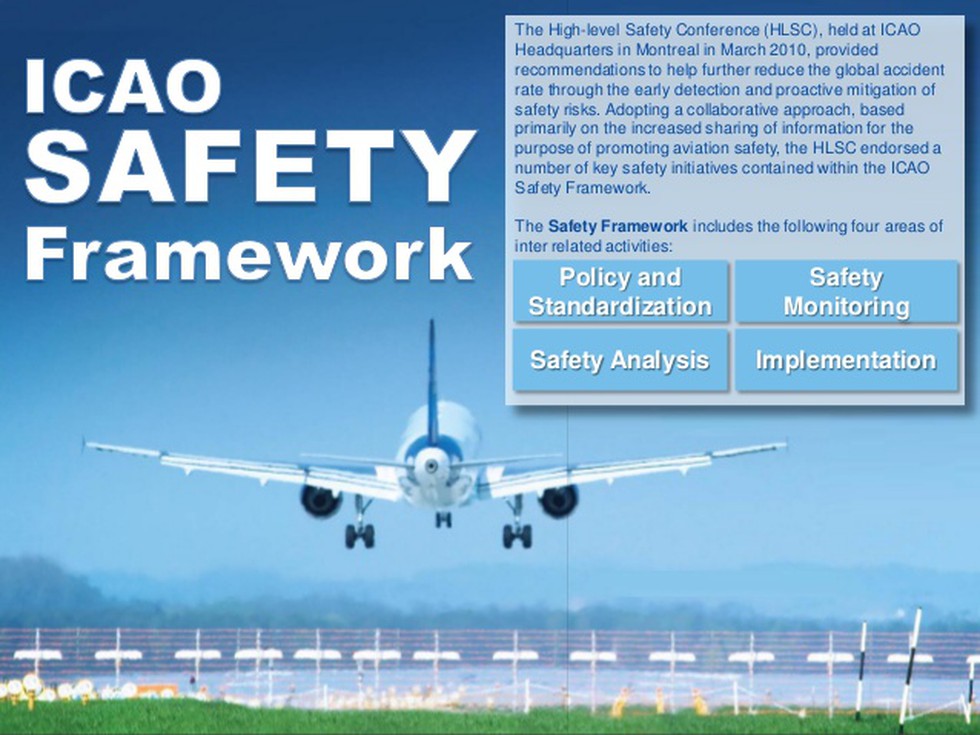
- The ICAO Universal Safety Oversight Audit Programme seeks to identify if countries have consistently implemented a safety-oversight system.
- India slipped below its previous ranking of 66% to 57%. India is one of the 15 countries that are below the minimum target rates.
- India’s ‘air safety oversight score’, is lower than that of Myanmar, Bangladesh, Maldives, Pakistan, Sri Lanka, Nepal and North Korea in the Asia-Pacific region. The only countries ranking below India are Papua New Guinea, Timor-Leste, Vanuatu and Samoa.
- One of the consequences of a low score is a potential downgrading by US aviation regulator Federal Aviation Administration (FAA). A downgrade by FAA would mean that Indian airlines won't be able to run new flights to the US or form alliances with US airlines.
The International Civil Aviation Organization (ICAO) is a specialized agency of the United Nations.
it was established in 1944 to manage the administration and governance of the Convention on International Civil Aviation (Chicago Convention)
It codifies the principles and techniques of international air navigation and fosters the planning and development of international air transport to ensure safe and orderly growth.
It is headquartered is located in Montreal, Quebec, Canada.
Prelims Pointers
Oct. 2, 2018
About:
- Bio-gas is produced naturally through a process of anaerobic decomposition from waste / bio-mass sources like agriculture residue, cattle dung, municipal solid waste etc.
- After purification, it is compressed and called Compressed Bio-Gas (CBG), which has pure methane content of over 95%. CBG is exactly similar to the commercially available natural gas in its composition and energy potential.
Benefits of CBG:
- With calorific value (~52,000 KJ/kg) and other properties similar to CNG, CBG can be used as an alternative, renewable automotive fuel.
- Given the abundance of biomass in the country, CBG has the potential to replace CNG in automotive, industrial and commercial uses in the coming years.
- There are multiple benefits from converting waste into CBG on a commercial scale: (1) Responsible waste management, (2) reduction in carbon emissions and pollution, (3) Additional revenue source for farmers and (4) Reduction in import of natural gas and crude oil.
SATAT:
- SATAT is an acronym for “Sustainable Alternative Towards Affordable Transportation.”
- This initiative has been launched with PSU Oil Marketing Companies (OMCs) inviting Expression of Interest (EoI) from potential entrepreneurs to set up Compressed Bio-Gas (CBG) production plants and make available CBG in the market for use in automotive fuels.
- The Working Group on Biofuels, set up under the National Policy on Biofuels 2018, is in the process of finalising a pan-India pricing model for Compressed Bio-Gas.
Prelims Pointers
Oct. 2, 2018
About:
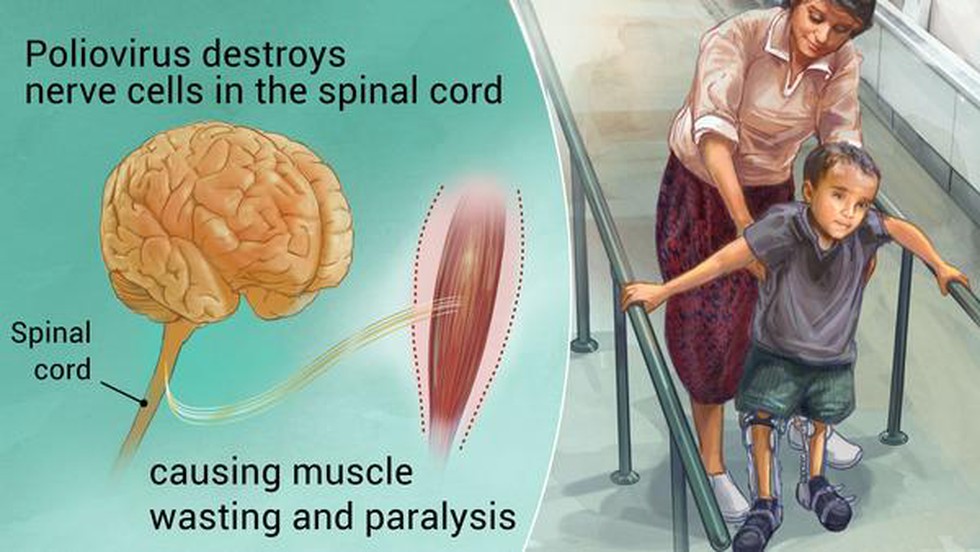
- Poliomyelitis (Polio) is a highly infectious viral disease, mainly affecting children.
- The virus is transmitted from person-to-person, mainly through the faecal-oral route.
- The poliovirus invades the nervous system and can cause irreversible paralysis.
- There is no cure for polio, only treatment to alleviate the symptoms. Polio can be prevented through immunization.
Strains:
- There are three types of polio virus strains – P1, P2 and P3.
- P2 was eradicated globally in 1999. The last case due to type-2 wild poliovirus globally was reported from Aligarh in India in 1999.
- The vaccine used by the World Health Organisation (WHO) in the global eradication effort is a Trivalent Oral Polio Vaccine (TOPV) containing live attenuated (weakened) P1, P2 and P3 strains.
Vaccine: There are six different vaccines to stop polio transmission –
- Inactivated polio vaccine (IPV) – protects against poliovirus types 1, 2, and 3
- Trivalent oral polio vaccine (tOPV) – protects against poliovirus types 1, 2, and 3 - following the "OPV Switch" in April 2016, tOPV is no longer in use
- Bivalent oral polio vaccine (bOPV) – protects against poliovirus types 1, and 3
- Monovalent oral polio vaccines (mOPV1, mOPV2 and mOPV3) – protect against each individual type of poliovirus, respectively.
Indian Scenario:
- India attained a polio free status in 2014 after successfully eliminating the wild P1 and P3 strains.
- The last case was reported on 13 January 2011, when Rukhsar from Howrah was infected with type-1 polio virus.
- India eliminated the type-2 strain in 2016, and subsequently, in April 2016, India stopped the TOPV and replaced it with bivalent vaccine containing P1 and P3. Thus, Children born after April 2016 in India have no immunity to type-2 polio virus.
Prelims Pointers
Oct. 2, 2018
North American Free Trade Agreement (NAFTA):
- NAFTA is an agreement signed by Canada, Mexico, and the United States, creating a trilateral trade bloc in North America.
- The agreement came into force on January 1, 1994.
- According to Donald trump, NAFTA is the “worst trade deal ever made by United States”. Thus, he initiated negotiations to replace it. In August 2018, U.S. reached an agreement with Mexico to replace the NAFTA, with agreement with Canada remaining pending.
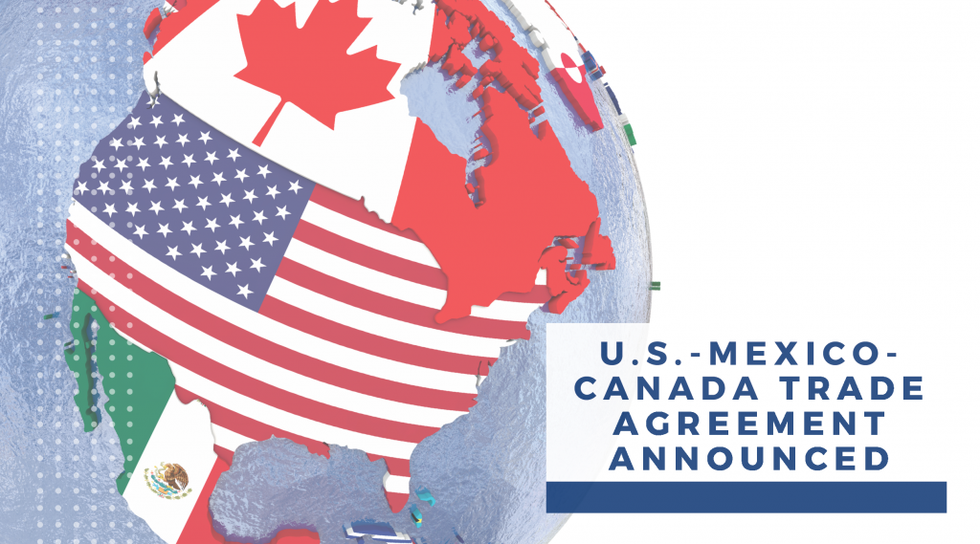
U.S.-Mexico-Canada Agreement (USMCA):
- The U.S.-Mexico-Canada Agreement (USMCA) updates and replaces the nearly 25-year-old NAFTA. USMCA is intended to last 16 years and will be reviewed every 6 years.
- USMCA gives the U.S. greater access to the dairy markets of Canada. Tariffs of up to 275% have kept most foreign milk out of the Canadian market.
- If the U.S. imposes a 25% global tariff on car imports, Canada and Mexico will have a quota of 2.6 million cars they can export to the U.S. as a protection for their car industry.
- Canada managed to preserve the dispute-settlement mechanism as a protection for its wood industry.
- It also includes stronger protections for workers, tough environmental rules, updates the trade relationship to cover the digital economy and provides tougher intellectual property protections.
- it also adds provisions to prevent “manipulation” of the trade rules, including covering currency values, and controls over outside countries trying to take advantage of the duty-free market.
- Comment: The agreement, covering a region of 500 million residents and conducting $1 trillion in trade a year, will result in freer markets, fairer trade and robust economic growth in the region.
Prelims Pointers
Oct. 2, 2018
About:
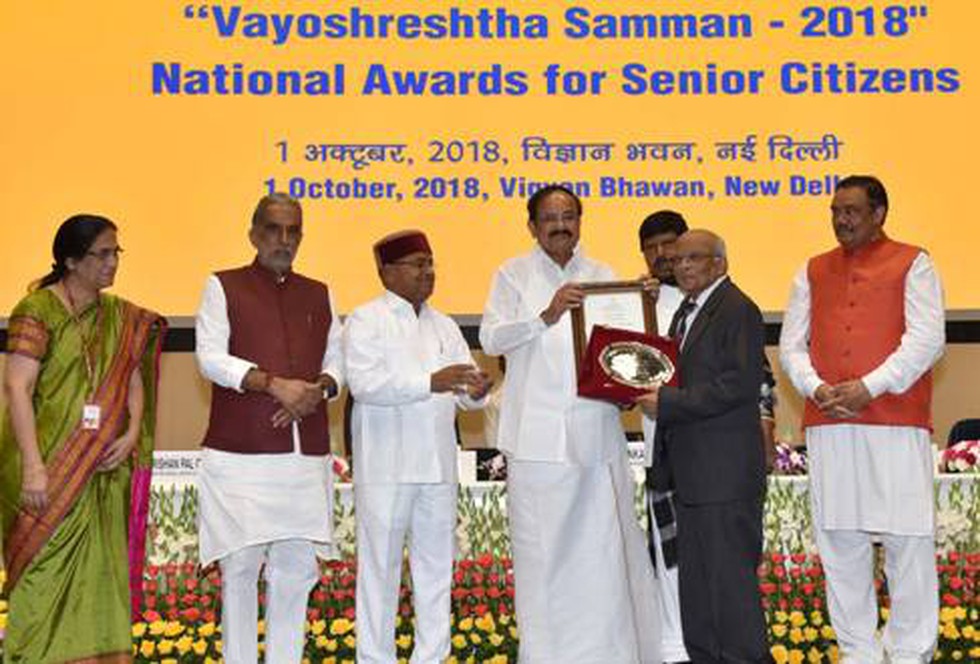
- Vayoshrestha Sammans are conferred every year in thirteen categories.
- These are given to eminent senior citizens and Institutions in recognition for their service to elderly persons.
- The series of awards were instituted by the Ministry of Social Justice and Empowerment in the year 2005 and were elevated to the level of national awards in 2013.
- Generally, the awards are conferred on the 1st October on the occasion of International Day of Older Persons (IDOP).
On 14 December 1990, the United Nations General Assembly (by resolution 45/106) designated 1 October the International Day of Older Persons. The theme for the 2018 celebration is “Celebrating Older Human Rights champions”.
Prelims Pointers
Oct. 2, 2018
About:
- The Swachhata Rankings exercise has been initiated by Department of Higher Education to generate healthy peer pressure among higher educational institutions for maintaining hygienic campuses.
- 51 higher educational institutions have been selected for this year Swachhata Ranking Awards in 8 different categories: Universities (Residential & Non-Residential); Colleges (Residential & Non-Residential); Technical Institutions (Universities – Residential); Technical Colleges (Residential & Non-Residential) and Government Universities.
Criteria:
- The parameters for selecting the institutes are rain water harvesting, solar power, quality of hostel kitchen apparatus, water supply system quality, maintenance method sophistication etc.
- Any institution that wants to be considered for rankings has to necessarily adopt a village or some villages and carry out hygiene & health related activities in it.
Oct. 1, 2018
Prelims Pointers
Oct. 1, 2018
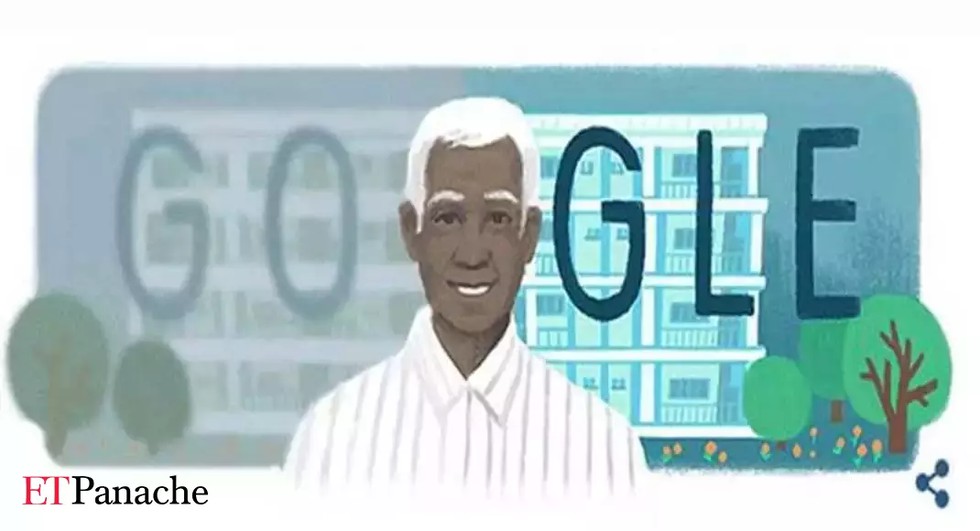
About:
- Venkataswamy (1918 – 2006) is the founder and chairman of Aravind Eye Hospitals, Madurai, the largest provider of eye care in the world.
- The eye hospital has treated over 55 million patients and performed over 6.8 million surgeries and has played a crucial role in eradicating cataract-related blindness in the country.
- He was conferred with Padma Shri in 1973.
Prelims Pointers
Oct. 1, 2018
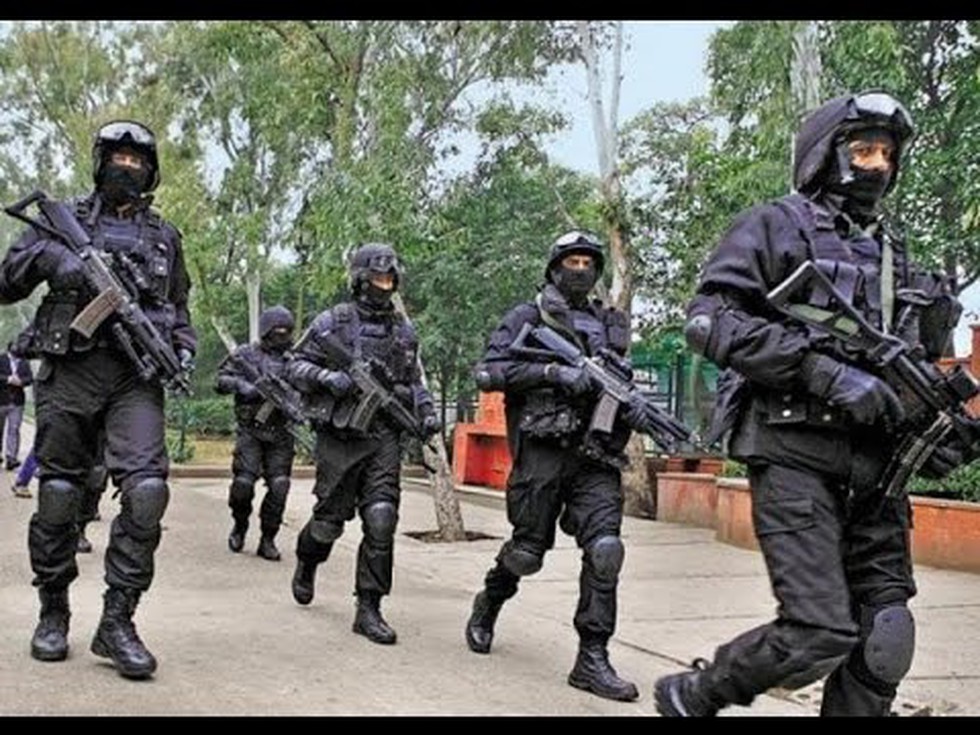
About:
- The National Security Guard (NSG) is an Indian special forces unit for combating terrorist activities with a view to protect states against internal disturbances.
- Units: It is a task-oriented Force and has two complementary elements in the form of the Special Action Group (SAG) comprising Army personnel and the Special Ranger Groups (SRG), comprising personnel drawn from the Central Armed Police Forces / State Police Forces.
- Parent agency: Ministry of Home Affairs (MHA).
- Establishment: It was raised in 1984, following Operation Blue Star and the assassination of Indira Gandhi.
- Status: It has been formed under the National Security Guard Act, 1986.
- Headquarters: New Delhi.
- The NSG was modelled on the pattern of the SAS of the UK and GSG-9 of Germany.
- Motto: Sarvatra Sarvottama Suraksa.
- According to ministry of home affairs website, It is one of the 7 Central Armed Police Forces (CAPF).
- Director General (DG): The head of NSG, designated as Director General (DG), is selected by the Home Ministry. All the selected DGs have been officer from Indian Police Service (IPS).
Close Protection Force (CPF) Protocol:
- The National Security Guard (NSG), which also provides security cover to select VIPs like has adopted a “close protection force” (CPF) protocol to better secure the dozen VIPs under its ‘Z+’ cover of ‘black cat’ commandos.
- Now NSG commandos will provide close-body protection to VIPs every time they visit a public place compared with the earlier mobile security concept under which commandos secured the person only while on move.
- The Special Protection Group (SPG) protects its VIPs outside and inside a venue, with commandos encircling the VIP like their shadow, they said.
Prelims Pointers
Oct. 1, 2018
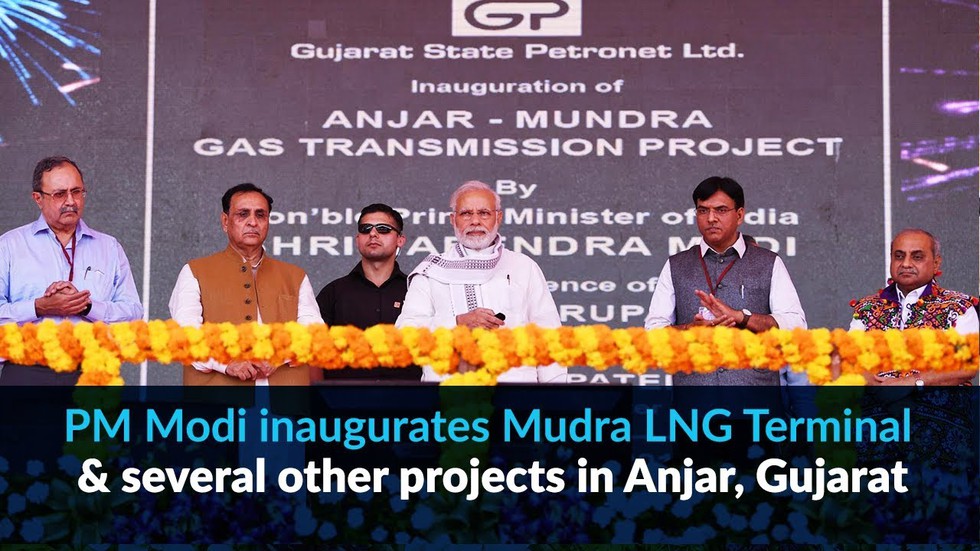
About:
- Liquefied natural gas, or LNG, is natural gas in its liquid form. When natural gas is cooled to minus 259 degrees Fahrenheit (-161 degrees Celsius), it becomes a clear, colorless, odorless liquid.
- During the process known as liquefaction, natural gas is cooled below its boiling point, removing most of these compounds. The remaining natural gas is primarily methane with only small amounts of other hydrocarbons.
- Properties: LNG is neither corrosive nor toxic. Natural gas is primarily methane, with low concentrations of other hydrocarbons, water, carbon dioxide, nitrogen, oxygen and some sulfur compounds. LNG weighs less than half the weight of water so it will float if spilled on water.
- Benefits: Liquification is done for easy storage and transportation. LNG achieves a higher reduction in volume than CNG.
- A majority of the world's LNG supply comes from countries with large natural gas reserves.
Steps in importing it:
- Conversion of natural gas into LNG at Liquefaction plant.
- Transportation in special vessels.
- LNG received at the LNG receiving terminals.
- Regassification Plant converts it back to natural gas.
- Transportation & distribution to the Gas consumer.
Prelims Pointers
Oct. 1, 2018
About:
- The Competition Act was passed in the year 2002 and the Competition Commission of India was set up in pursuance of the same. The Commission started functioning from 2009.
- During the past nine years the size of the Indian Economy has grown immensely and India is today amongst the top five economies in the World and poised to forge ahead further.
- In this context, it is essential that Competition Law is strengthened and thus the review committee is being setup.
- The committee will be chaired by Secretary, Ministry of Corporate Affairs.
- The Committee shall complete its work and submit its report within three months of the date of its first meeting.
Prelims Pointers
Oct. 1, 2018
About:
- The Chief Economic Adviser (CEA) is the economic advisor to the Government of India working under the direct charge of the Minister of Finance.
- The CEA is the ex-officio cadre controlling authority of the Indian Economic Service.
- In June 2018, Arvind Subramanian resigned as the CEA. He was appointed in 2014. He was formerly an economist at the International Monetary Fund (IMF). Since then, the post is vacant.
- First CEA: JJ Anjaria (1956-61).
- Other prominent CEA in the past: Manmohan Singh (1972-76), Kaushik Basu (2009-2012), Raghuram Rajan (2012-2013).
Prelims Pointers
Oct. 1, 2018

About:
- The Criminal Law Act, 2018, provides for a national registry of sexual offenders.
- It is a central database of “sexual offenders” in the country which will assist in effectively tracking and investigating cases of sexual offences.
- It will be maintained by the National Crime Records Bureau (NCRB) and is accessible only to the law enforcement agencies (like state police) for investigation and monitoring purpose.
- The database will include offenders convicted under charges of rape, gang rape, POCSO and eve teasing. At present the database contains 4.4 lakh entries.
- The database includes name, address, photograph and fingerprint details for each entry without compromising any individual’s privacy.
- The data will be stored for (a) 15 years for those posing low danger, (b) 25 years for those posing moderate danger and (c) lifetime for habitual offenders involved in violent crimes like gang-rapes.
- S., U.K., Canada, Australia, South Africa and Trinidad &Tobago are some of the other countries having similar databases.
Criticism:
- In some western countries, there have been demands for a review of the decision to maintain a registry amid a view that it does not serve as a deterrent or help people who have survived sexual violence.
- In India, critics have pointed out most sex crimes are committed by a person known to the victim. So once such a registry comes into being, it might lead to people not reporting rapes or sexual offences, because most of them are by people known to the victims.
Prelims Pointers
Oct. 1, 2018
Background:
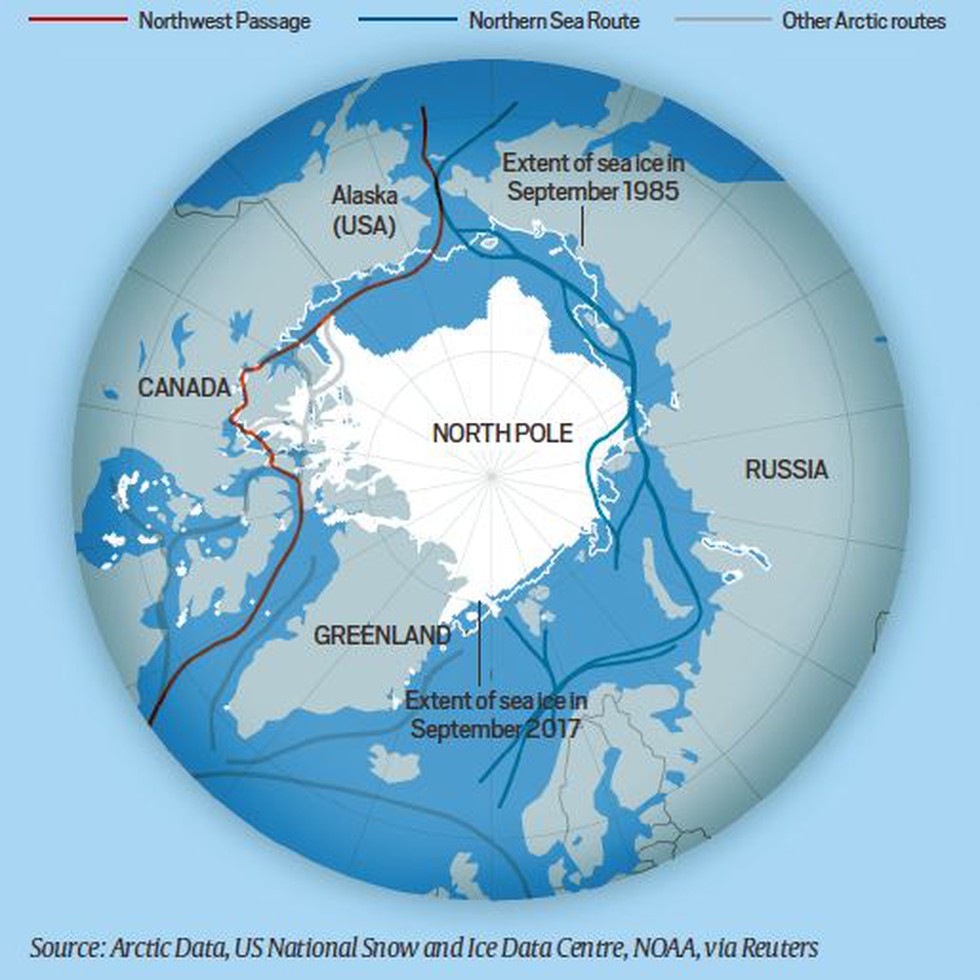
- Sailors have for centuries sought a navigable Northwest Passage between Atlantic and Pacific oceans that crosses the Arctic as it is a shorter and a faster route.
- But Historically, thick ice made the journey impossible. Specialised ice-breaking vessels made the trip plausible, but that was very expensive. Also that too was possible only during the summer, when the ice was thinnest.
- But rapid climate changes to the climate have altered the region’s ice, making the trip possible.
Increasing importance of Arctic in world affairs due to Climate Change:
- Arctic region is increasingly being effected by external global forces - environmental, commercial and strategic.
- Current scientific consensus indicates the Arctic may experience nearly ice free summers as early as 2030’s opening up enormous opportunities as well as challenges not only for the littoral states but also the international community as a whole.
- The attraction of Arctic oil and gas reserves, unexploited marine living resources and shorter shipping routes connecting the Pacific and the Atlantic Oceans is undeniable.
- But the adversarial impact of melting Arctic Ice cap on the indigenous communities, the marine ecosystems and aggravation of global warming is equally undeniable.
Prelims Pointers
Oct. 1, 2018
About:
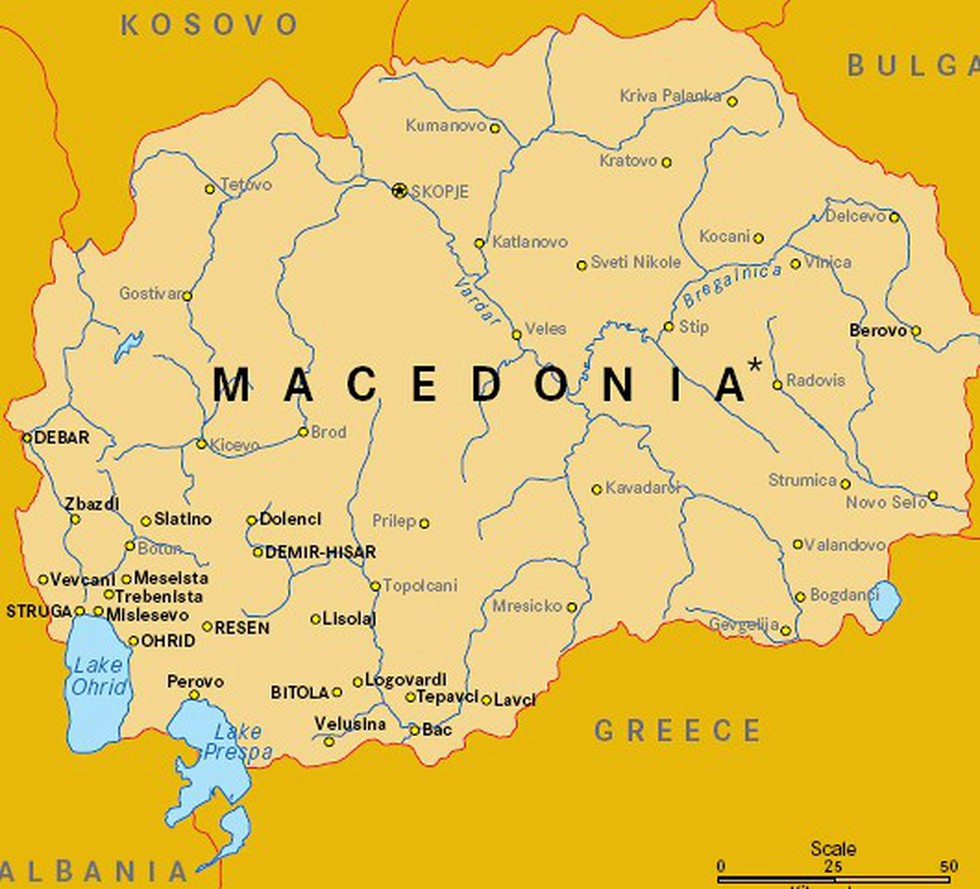
- When Macedonia peacefully gained independence from Yugoslavia in 1991, Greece objected at the name, saying it implied territorial ambitions toward Greece.
- Greece also has a region called Macedonia. It's in the northern, mountainous part of the country and includes Greece's second-largest city, Thessaloniki, and ancient Philippi, a UNESCO World Heritage Site.
- The United Nations has been calling it the Former Yugoslav Republic of Macedonia (FYROM).
- In addition to causing confusion, the similar names have been a stumbling block for the nation of Macedonia to join the European Union and NATO because of Greece's objections.
- In June 2018, Greece and Macedonia signed an historic agreement to rename the latter the Republic of North Macedonia. Now this accord has to be approved by both countries' parliaments and pass in a referendum in Macedonia.
Prelims Pointers
Oct. 1, 2018
About:
- National Company Law Tribunal (NCLT) is a quasi-judicial body that adjudicates issues relating to Indian companies.
- It was constituted by the Central Government under section 408 of the Companies Act, 2013e.f. 1st June 2016.
- In the first phase the Ministry of Corporate Affairs set up eleven Benches including one Principal Bench at New Delhi. These Benches are headed by the President and 16 Judicial Members and 09 Technical Members at different locations.
- Section 413 of the Companies Act fixes the term of office of chairperson and members of all NCLTs at five years or 65 years, whichever is earlier.
- Decisions of the NCLT may be appealed to the National Company Law Appellate Tribunal (NCLAT). The decisions of NCLAT may be appealed to the Supreme Court of India.
Prelims Pointers
Oct. 1, 2018
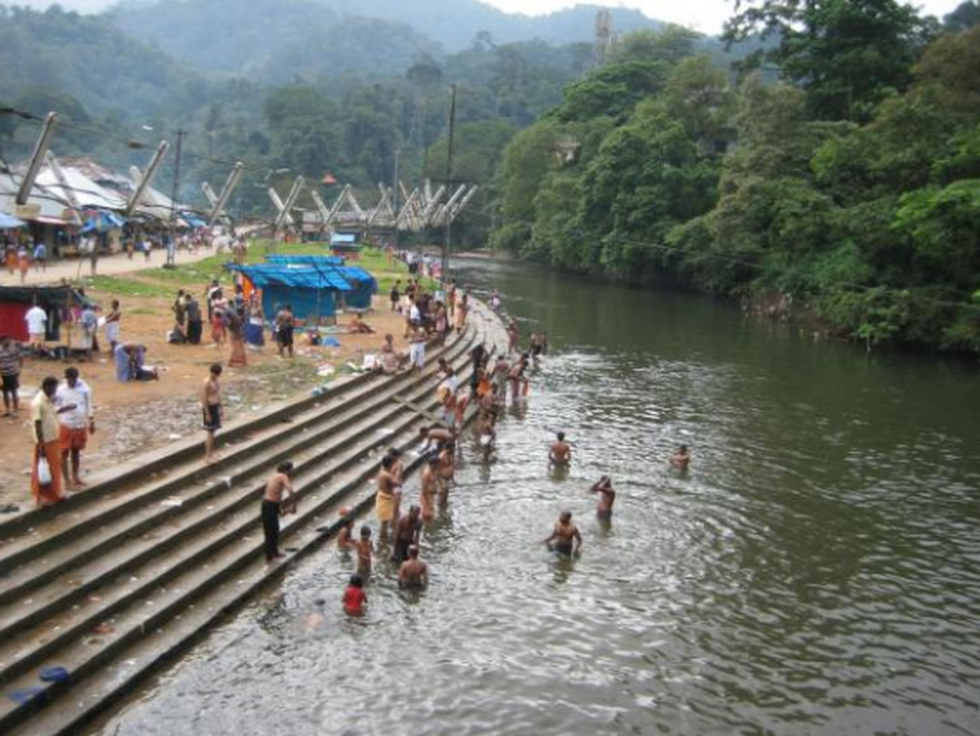
About:
- Pampa River is the third longest river in the Kerala after Periyar and Bharathappuzha.
- It originates at Pulachimalai hill in the Peerumedu plateau in the Western Ghats in Kerala and then flows west before emptying into the Vembanad Lake.
- Sabarimala temple dedicated to Lord Ayyappa is located on the banks of the river Pamba.
- The river is also known as 'Dakshina Bhageerathi' and 'River Baris'.