Nov. 22, 2018
Prelims Pointers
Nov. 22, 2018
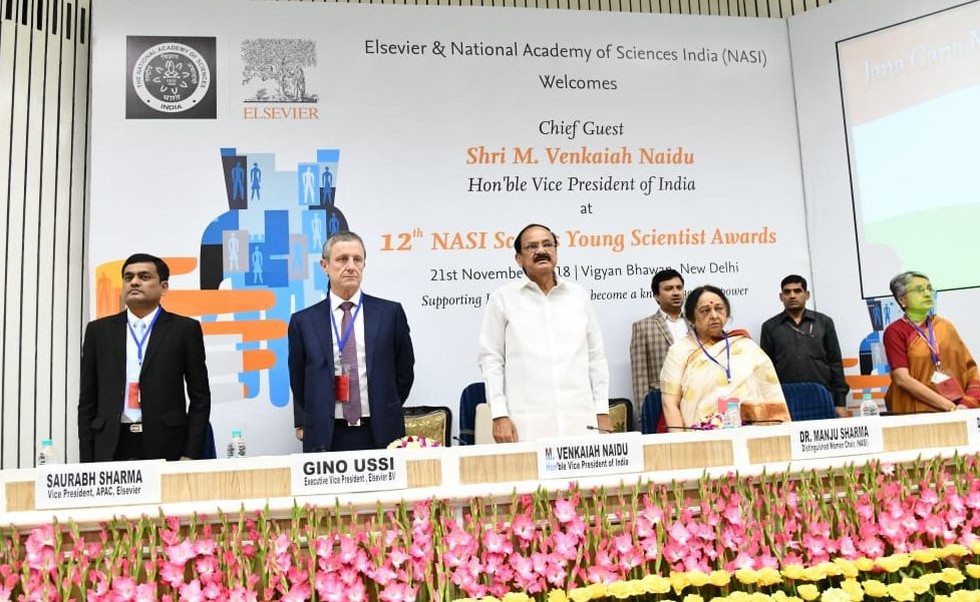
NASI-Scopus Young Scientist Awards 2018:
- National Academy of Sciences, India (NASI):The Scopus Young Scientist Awards are part of an Elsevier’s global initiative to support early career researchers across various scientific disciplines.
- In 2009, India officially adopted the program through Elsevier's collaboration with the NASI, India.
- The program honours outstanding young researchers in India who are building their careers in academic research.
- These awards are given in five categories –
- Women in Science,
- Agriculture, Plant Sciences and Rural Development,
- Environmentally Sound Sustainable Development,
- Biomedical Research and Healthcare and
- Innovation in Engineering and Physical Sciences.
- Women in Science,
- Recipient of the award will receive a citation, a plaque and Cash prize of INR 75,000.
- Established in:
- Objectives: To provide a national forum for the publication of research work carried out by Indian scientists and to provide opportunities for exchange of views among them.
- Founder President: Meghnad Saha.
- Relationship with Government of India (GOI):
- NASI is financially supported by the Department of Science & Technology (DST), Ministry of Science & Technology.
- It is also recognized as the Scientific and Industrial Research Organisation by the Department of Scientific and Industrial Research (DSIR), GOI.
- NASI is financially supported by the Department of Science & Technology (DST), Ministry of Science & Technology.
|
Elsevier is an information and analytics company and one of the world's major providers of scientific information. It publishes more than 430,000 articles annually in 2,500 journals. Its products include journals such as The Lancet and Cell, the Trends and Current Opinion series of journals and the online citation database Scopus It was founded in 1880 and is Headquartered in Amsterdam, Netherlands. |
Prelims Pointers
Nov. 22, 2018
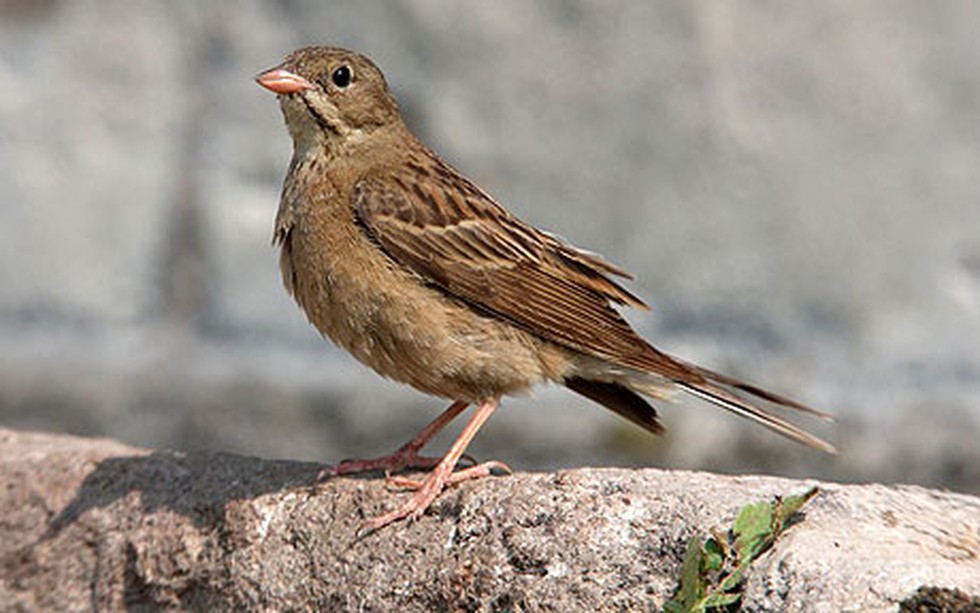
About:
- Scientific name: Emberiza hortulana.
- Features: This small bird is about 16 cm in length and weighs just 20–25 gram.
- Distribution: ‘Ortolan bunting’ breeds from Mongolia to Europe and migrates in winter to Africa via the Middle East. While migrating, if an Ortolan bunting loses its way, it may land anywhere.
- IUCN status: Least Concern.
Prelims Pointers
Nov. 22, 2018

About:
- Players involved:
- The Summit is the brainchild of Marshall Islands President Hilda Heine, whose low-lying Pacific island nation will be under the rising seas if global warming continues.
- The summit is being held by the 48-nation Climate Vulnerable Forum, headed by Heine.
- The Summit is the brainchild of Marshall Islands President Hilda Heine, whose low-lying Pacific island nation will be under the rising seas if global warming continues.
- Objective: The virtual summit's main aim is to encourage the international community to keep global warming to 1.5 C above pre-industrial levels.
- Event detail: It will consist of a rolling, 24-hour livestream that will begin in the Marshalls' capital Majuro, then include addresses from world leaders including France's Emmanuel Macron and Justin Trudeau of Canada before organisers issue a declaration early tomorrow.
- Significance:
- The event will be the first global political meeting to be held online.
- The eco-friendly event stands in stark contrast to the UN's COP21 climate talks in Paris in 2015 which generated an estimated 43,000 tons of carbon dioxide, although much of this was later offset through carbon-credit schemes.
- The event will be the first global political meeting to be held online.
Prelims Pointers
Nov. 22, 2018
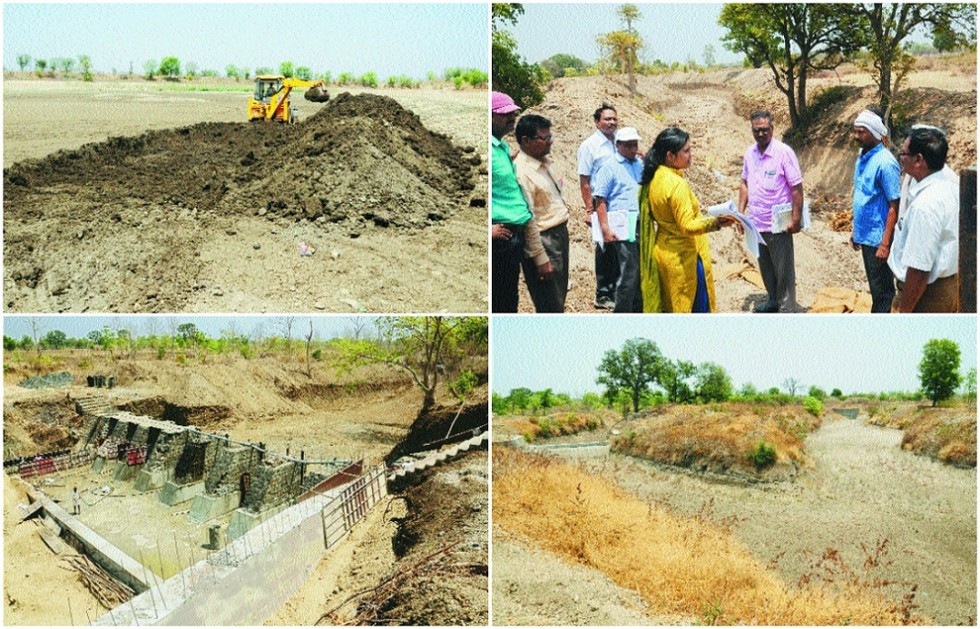
About:
- Jalyukta Shivar scheme is a Flagship scheme of Maharashtra State Government.
- Launched in: 2016
- Objective: The water conservation scheme aims to make Maharashtra a drought-free state by 2019. The programme aims to make 5000 villages free of water scarcity every year.
- Strategy: The scheme is aimed at storing water at the village level and increasing ground water content.
Recent criticism by opposition parties:
- Opposition parties are claiming that despite higher percentage of rainfall in 2018, in comparison with the previous years, the number of water tankers currently deployed has increased. This raises a serious question over the efficiency of Flagship scheme of State Government.
- However, the government replied that it is the month with the highest scarcity of water.
Prelims Pointers
Nov. 22, 2018
About:
- The non-ECR category of passengers include Indians paying income tax and those with educational qualification above matriculation.
- As of now only ECR category passport holders were required to get emigration clearance from the office of the Protector of Emigrants to seek employment abroad.
Recent Rules:
- Objective: The rule is aimed at the welfare of Indians going abroad. The objective is to protect workers with higher educational qualification from not getting into blue collar jobs.
- Timeline: The rule will take effect on January 1, 2019.
- Procedure/Details:
- All those seeking employment will have to register online via the website emigrate.gov.in. Previously only ECR stamped passport holders had to go through the mandatory e-migrate registration since 2015.
- Those failing to register at least 24 hours prior to actual departure will be off-loaded at the airports.
- For all other visa categories, there is no change in existing procedures.
- All those seeking employment will have to register online via the website emigrate.gov.in. Previously only ECR stamped passport holders had to go through the mandatory e-migrate registration since 2015.
- Countries covered:
- The Rule applies to jobs in 18 countries, including the six Gulf Cooperation Council nations, which have the largest number of expats.
- The other countries where registration is required are Afghanistan, Indonesia, Iraq, Jordan, Lebanon, Libya, Malaysia, Sudan, South Sudan, Syria, Thailand and Yemen.
- The Rule applies to jobs in 18 countries, including the six Gulf Cooperation Council nations, which have the largest number of expats.
Emigrants and Employment: Statistics by Ministry of External Affairs for 2017
- UAE is the leading employment-destination country for Indians with 1.5 lakh Indians taking up job there. This was followed by Saudi Arabia (78,611); Kuwait (56,380); Oman (43,332) and Qatar (24,759).
- The job roles were that of mason (52,833); labour (49,490); carpenter (41,588); helper (23,6700; and electrician (17,703).
- Uttar Pradesh has emerged as the top labour-sending State with 88,450 Indian emigrants registering with the e-migrate system. This was followed by Bihar (69,426); Tamil Nadu (38,341); West Bengal (36,599) and Rajasthan (32,184).
Prelims Pointers
Nov. 22, 2018

About:
- The International Police Organisation is commonly known as Interpol.
- It is an international organization facilitating international police cooperation against cross-border terrorism, trafficking, and other crime.
- Membership: The admission of two new members has made it a 192-member body.
- It is ‘NOT’ a unit or part of united nation system. It is an independent international organization.
- HQ: Lyon in France.
- Founded in:
- Governance: All decisions regarding the activities of INTERPOL are made by the General Assembly which is it’s ’s supreme governing body which meets annually.
Governance:
- General Assembly: INTERPOL’s supreme governing body, the General Assembly is composed of delegates appointed by each member country. It meets annually to take all important decisions.
- Executive Committee: Elected by the General Assembly, the Executive Committee is headed by the ‘PRESIDENT’ of the Organization. It oversees the implementation of decisions made at the General Assembly.
- The presidency, a largely ceremonial role, is typically held for four years.
- The presidency, a largely ceremonial role, is typically held for four years.
- General Secretariat: Day-to-day implementation of the Organization's strategic decisions is carried out by the General Secretariat. It is located in Lyon, France and is run by the ‘SECRETARY GENERAL’.
- National Central Bureaus (NCBs): Each INTERPOL member country maintains a National Central Bureau linking national police with Interpol’s global network.
Kim Jong-Yang:
- Kim Jong Yang is a South Korean police officer. In 2015 Kim was elected as Interpol's vice-president for Asia.
- Following the arrest and detainment of Interpol President Meng Hongwei in China, Kim took on the role of Acting President. Now he has been elected to serve the remaining two years of Meng's term.
Prelims Pointers
Nov. 22, 2018
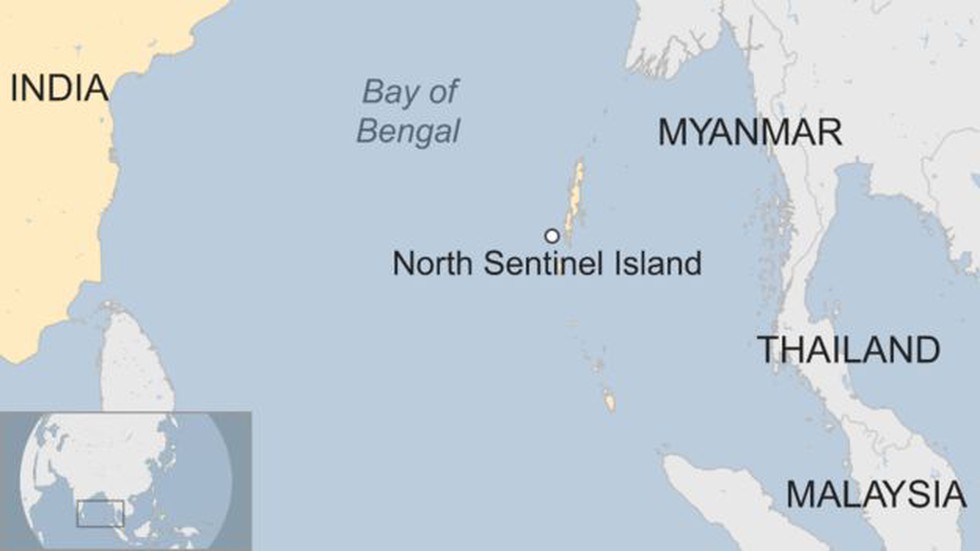
About:
- The Sentinelese is a negrito tribe who live on the North Sentinel Island of the Andamans.
- Demography and Lifestyle:
- to various estimates, the Sentinelese presence on the islands varies from 2,000 years to 30,000 years ago.
- Census 2001 counted 39 inhabitants.
- The Sentinelese are hunter-gatherers, likely using bows and arrows to hunt and more rudimentary methods to catch local seafood.
- It is known that the Sentinelese speak their own language, the Sentinelese language.
- to various estimates, the Sentinelese presence on the islands varies from 2,000 years to 30,000 years ago.
- Contacts with other people: The Sentinelese have been fiercely hostile to outside contact. They have been mostly left alone even from colonial times, unlike other tribes such as the Onges, Jarawas and Great Andamanese, because the land they occupy has little commercial attraction.
Protection:
- Access to North Sentinel Island and its buffer zone is strictly restricted under the Protection of Aboriginal Tribe (Regulation), 1956 and Regulations under Indian Forest Act, 1927.
- Under the Andaman and Nicobar Islands (Protection of Aboriginal Tribes) Regulation, 1956,
- traditional areas occupied by the tribes have been declared as reserves,
- Entry of persons and Photographing the tribe members is prohibited except with authorisation.
- Any passage within three miles of the coastline of Island is illegal, and is enforced by the Indian Navy.
- traditional areas occupied by the tribes have been declared as reserves,
- They are designated as a Scheduled Tribe.
- After the recent incidence, some international NGOs have criticised the Government of India for excluding the North Sentinel Island and 28 others in the UT from the Restricted Area Permit (RAP) regime so as to ensure the safety of the tribe and outsiders.
Prelims Pointers
Nov. 22, 2018
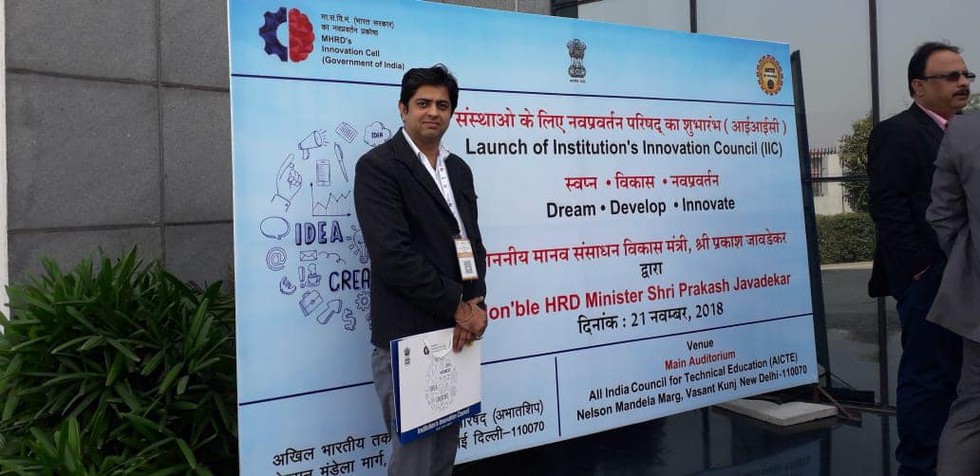
About:
- Objective: The purpose of formation of network of Institution’s Innovation Councils (IICs) is to encourage, inspire and nurture young students by exposing them to new ideas and processes resulting in innovative activities in their formative years.
- Present Status: More than 1000 Higher Education Institutions (HEIs) have already formed IICs in their campuses and enrolled for the IIC network managed by MHRD’s Innovation cell.
- Comment:
- The recent step is a significant step in institutionalising innovation and developing a scientific temperament in the country.
- Successful implementation of this program will lead to a good rank in global innovation ranking in next 2-3 years.
- The recent step is a significant step in institutionalising innovation and developing a scientific temperament in the country.
Ministry of Human Resource Development has established an “Innovation cell” at AICTE to foster the culture of Innovation in all Higher Education Institutions (HEIs) across the country.
Prelims Pointers
Nov. 22, 2018
Pushkar:
- Pushkar is a town in the Ajmer district in the Indian state of Rajasthan. It is located on the western side of Aravalli mountains.
- Pushkar is located on the shore of Pushkar Lake. The Union Ministry for Environment included it as one of the lakes under the National Lake Conservation Project (NLCP) for restoration.
- Jagatpita Brahma Mandir: This temple situated at Pushkar is one of very few existing temples dedicated to the Hindu creator-god Brahma in India and remains the most prominent among them.
- It is also significant for its Gurdwaras for Guru Nanak and Guru Gobind Singh.
Pushkar Fair:
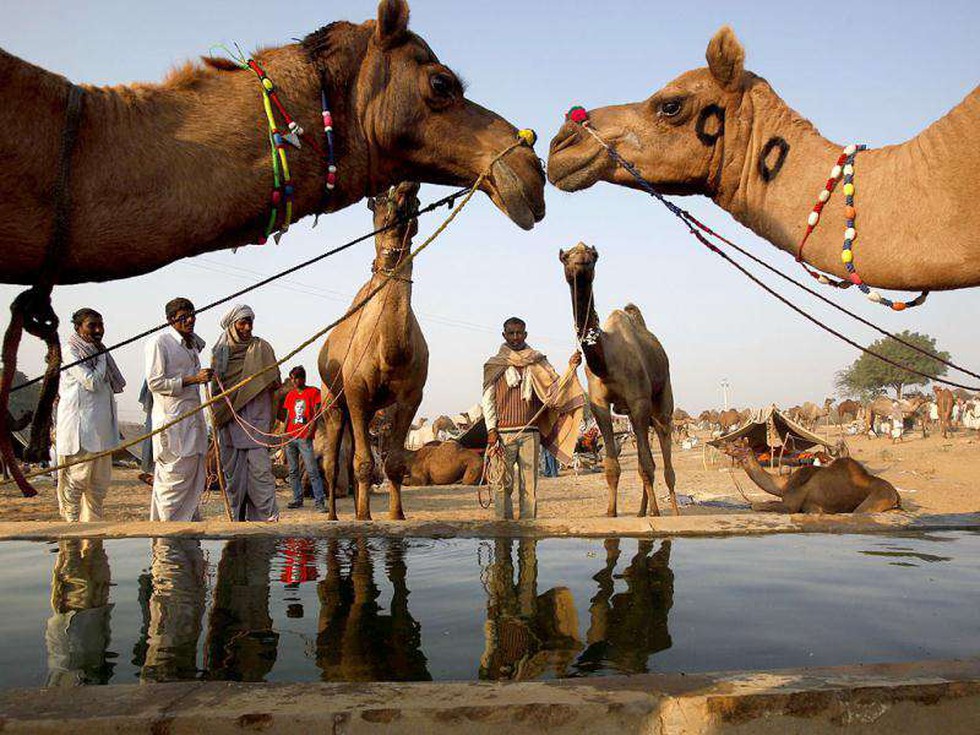
- Location: The Pushkar Fair is an annual multi-day livestock and cultural fair that takes place on the banks of the Pushkar Lake in the town of Pushkar (Rajasthan).
- When held: It is held in the month of Kartik (acc. to Hindu calendar), which typically overlaps with late October and November in the Gregorian calendar.
- Details:
- The Pushkar fair is one of India's largest camel, horse and cattle fairs with people trading their livestock.
- This period sees an influx of Hindu pilgrims who attend the fairs, visit the temples and take a dip in the Pushkar lake.
- The Pushkar fair alone attracts over 200,000 visitors from around the world.
- The Pushkar fair is one of India's largest camel, horse and cattle fairs with people trading their livestock.
- Names: The Pushkar Fair is also called the Pushkar Camel Fair or locally as Kartik Mela.
- Agencies involved: It is organized by the Rajasthan Tourism Development Corporation (RTDC), Pushkar Municipal Board and the Animal Husbandry Department of Rajasthan.
Prelims Pointers
Nov. 22, 2018

About:
- Rubab, robab or rabab is a lute-like musical instrument originating from Afghanistan.
- Seen in many variants across central Asia, the rabab arrived in Kashmir from Afghanistan many centuries ago. Compared to the seven strings of the Afghan rabab, the Kashmiri version has 22 strings, with two strings crafted out of goat gut through an elaborate process.
- Construction:
- The rubab is a short-necked lute whose body is carved out of a single piece of wood.
- The instrument is made from the trunk of a mulberry tree, the head from an animal skin such as goat, and the strings are either gut (from the intestines of young goats) or nylon.
- The rubab is a short-necked lute whose body is carved out of a single piece of wood.
- Place in Sikhism:
- The rubab is regarded as the first instrument used by Sikhism.
- It was used by Bhai Mardana the companion of Guru Nanak. Whenever a shabad was revealed to Guru Nanak he would sing it and Bhai Mardana would play it on his rubab; he was known as a rubabi.
- The rubab is regarded as the first instrument used by Sikhism.
- Rabab is considered as the ancestor of the South Asian ‘Sarod’ Instrument, although the two differ a bit.
Nov. 21, 2018
Prelims Pointers
Nov. 21, 2018
About:
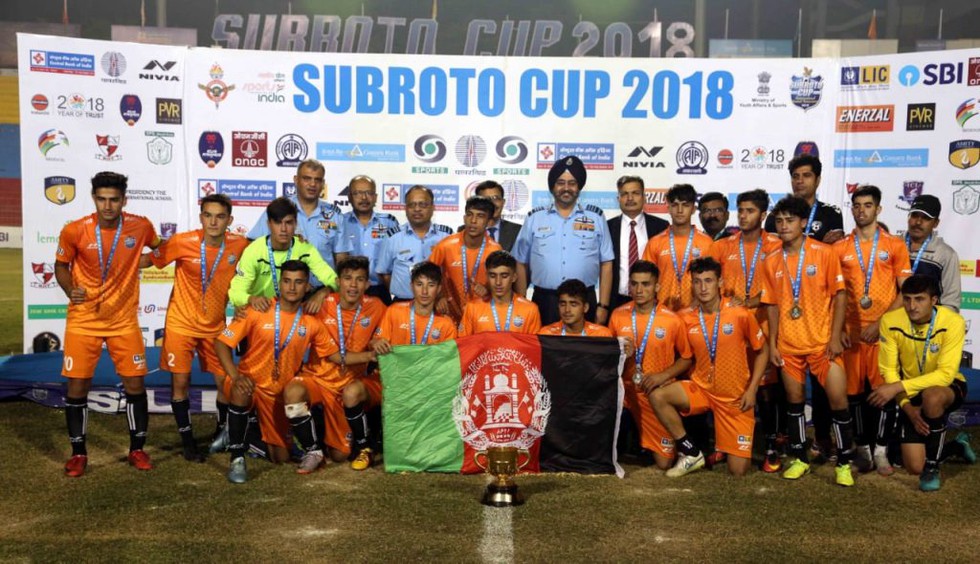
- Subroto Cup Football Tournament is an Inter-school All-India football tournament. Schools from other countries also participate in it.
- Etymology: It is named after Subroto Mukerjee who conceived the idea in 1958 when he was the Chief of the Air Staff.
- History: The first tournament was held in 1960 and has been conducted every year annually since then.
- Organisation: Subroto Cup is conducted by the Indian Air Force (IAF), with support from India's Ministry of Youth Affairs & Sports.
- 59th edition:
- A total of 95 teams and 1500 players participated in the tournament, making it one of the biggest tournaments in its category in the entire football world.
- Eight teams from three neighbouring countries ---- Afghanistan, Bangladesh and Nepal --- also competed in the tournament.
- A total of 95 teams and 1500 players participated in the tournament, making it one of the biggest tournaments in its category in the entire football world.
Air Marshal Subroto Mukerjee (1911 – 1960) was the first person to hold the appointment of the Chief of the Air Staff of the Indian Air Force (IAF).
He is the first native 'Air Marshal' of the IAF and has been called the "Father of the Indian Air Force".
Prelims Pointers
Nov. 21, 2018
About:
- The BASIC countries are a bloc of four advanced developing countries namely Brazil, South Africa, India and China.
- It was formed by an agreement in 2009. The four committed to act jointly at the Copenhagen climate summit, including a possible united walk-out if their common minimum position was not met by the developed nations.
- Since 2009, the BASIC group of countries have cooperated in international climate negotiations, reflecting their aspiration to have a larger say in global politics.
Prelims Pointers
Nov. 21, 2018

About:
- The Air Quality Life Index (AQLI) measures the potential gain in life expectancy that communities could see if they reduced air pollution to comply with the World Health Organization (WHO) guideline or National standards.
- The WHO’s recommended standard for what is considered safe exposure to annual particulate matter pollution is 10 micrograms per cubic meter (µg/m3).
- Many countries also have national air quality standards.
- The WHO’s recommended standard for what is considered safe exposure to annual particulate matter pollution is 10 micrograms per cubic meter (µg/m3).
- It is produced by the Energy Policy Institute at the University of Chicago (EPIC).
Findings:
- Fossil fuel-driven particulate air pollution reduces global average life expectancy by 1.8 years, making it the single greatest threat to human health as compared to first-hand cigarette smoke (1.6 years); Alcohol and drugs (11 months) and Conflict and terrorism (22 days).
- Loss of life expectancy is highest in Asia. Together, India and China account for 73% of all years of life lost due to particulate pollution.
- If WHO guidelines on particulate concentration are followed, an average Indian would live 4.3 years longer.
Prelims Pointers
Nov. 21, 2018
About:
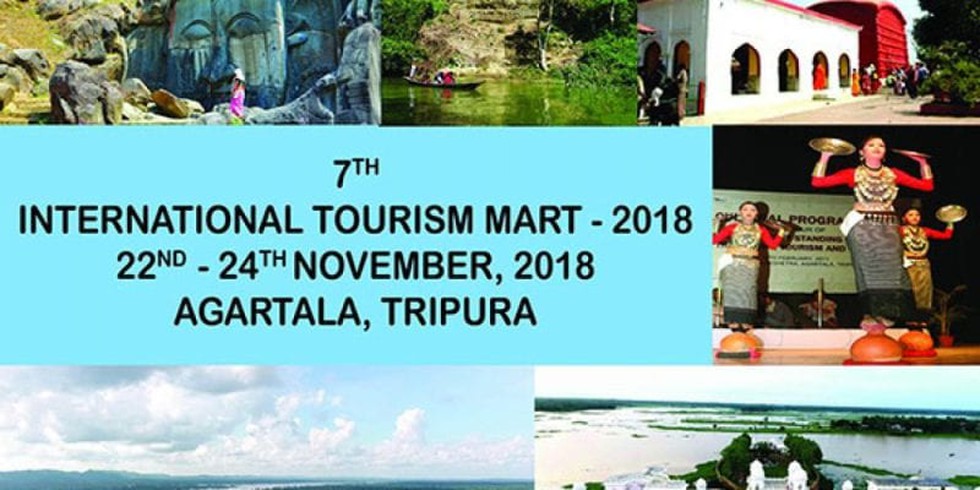
- The International Tourism Mart (ITM) is an annual event organised in the North Eastern region with the objective of highlighting the tourism potential of the region in the domestic and international markets.
- It brings together the tourism business fraternity and entrepreneurs from the 8 North Eastern States. The event has been planned to facilitate interaction between buyers, sellers, media, Government agencies and other stakeholders.
- The ITMs are organised in the 8 North Eastern States on rotation basis. The earlier editions of this mart have been held in Guwahati, Tawang, Shillong, Gangtok and Imphal.
- This is the 7th edition of the International Tourism Mart. A total of 41 foreign delegates from 18 countries will be in Tripura for the Mart.
Prelims Pointers
Nov. 21, 2018
About:
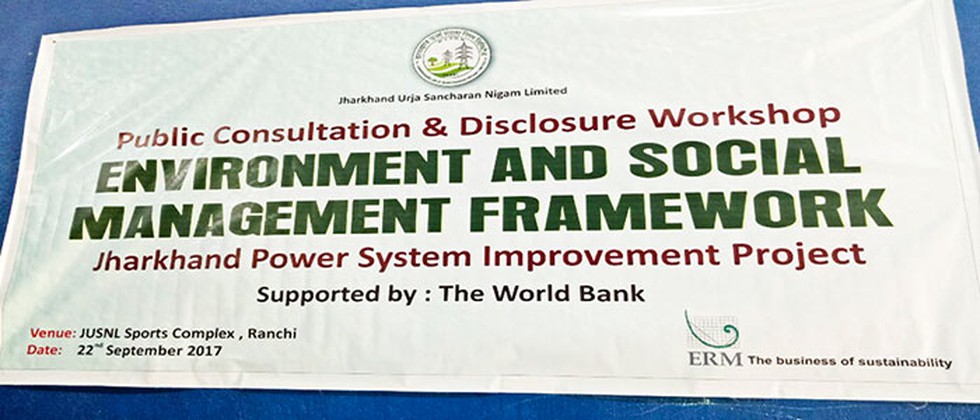
- Project Objective: To provide reliable and affordable 24x7 electricity to the citizens of Jharkhand.
- Components: Some of the major components of the project include –
- construction of new substations and transmission lines,
- provide support to the Jharkhand Urja Sancharan Nigam Limited (JUSNL),
- Installing smart meters to reduce technical and commercial losses etc.
- construction of new substations and transmission lines,
- Duration: The $310 Million Loan from the International Bank for Reconstruction and Development (IBRD), has a 5-year grace period, and a final maturity of 25 years.
- Parent programme:
- The Project is part of the Government of India’s Power for All programme launched in 2014.
- The plan envisages addition of 4.5 GW generation capacities by 2022 (including 1.5 GW from solar energy), through a mix of Private and Public-sector investments.
- The Project is part of the Government of India’s Power for All programme launched in 2014.
Prelims Pointers
Nov. 21, 2018
About:
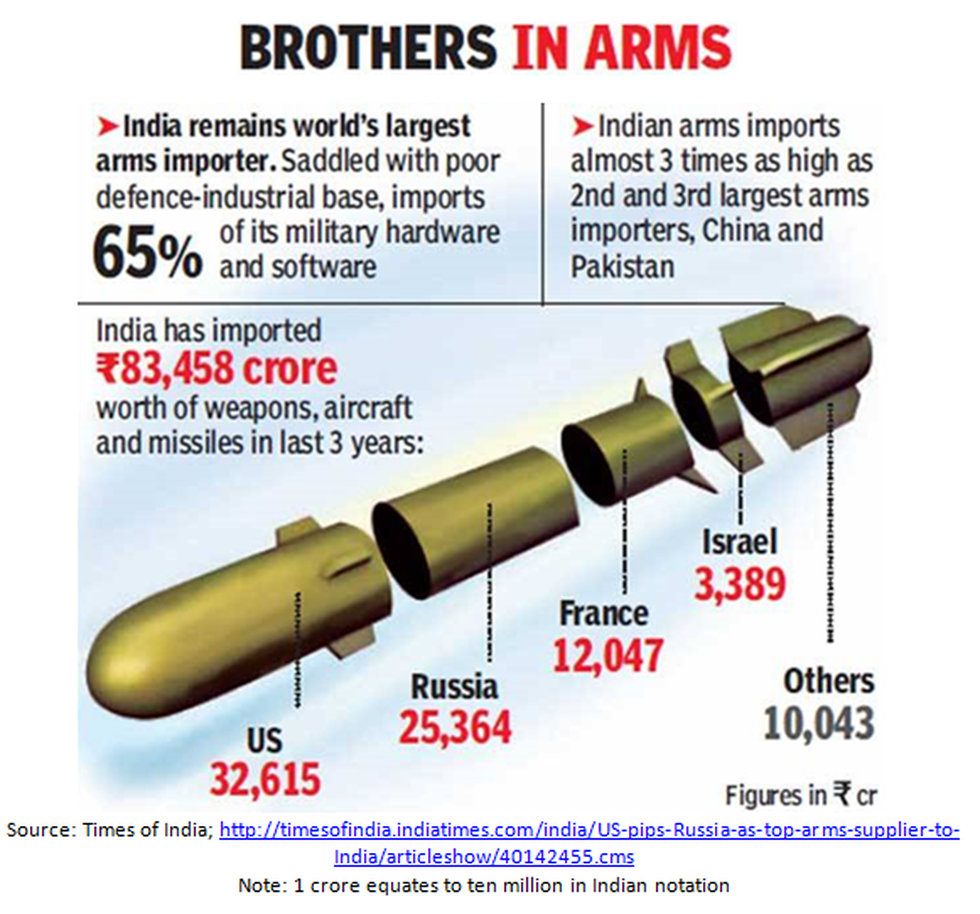
- The agreement was signed between Goa Shipyard Limited (GSL) and Rosoboronexport of Russia. The $500 million deal is for material, design and specialist’s assistance from Russia for the two ships. Balance work will be done by GSL.
- The two frigates will be armed with BrahMos supersonic cruise missiles.
- Work on the two frigates will start in two years by mid-2020 and is expected to be completed by 2026- 2027.
- India had earlier procured six frigates weighing 4000 tonnes of the same class in two different batches, the Talwar class and the upgraded Teg class.
Recent defence deals between India and Russia:
- This week, Russia was declared the lowest bidder in the Army’s Very Short-Range Air Defence (VSHORAD)
- Last month India signed a $5.43 bn deal for five S-400 long range air defence regiments.
- The series of deals with Russia come in the backdrop of looming US sanctions under the Countering America's Adversaries Through Sanctions Act (CAATSA) law.
Prelims Pointers
Nov. 21, 2018
About:
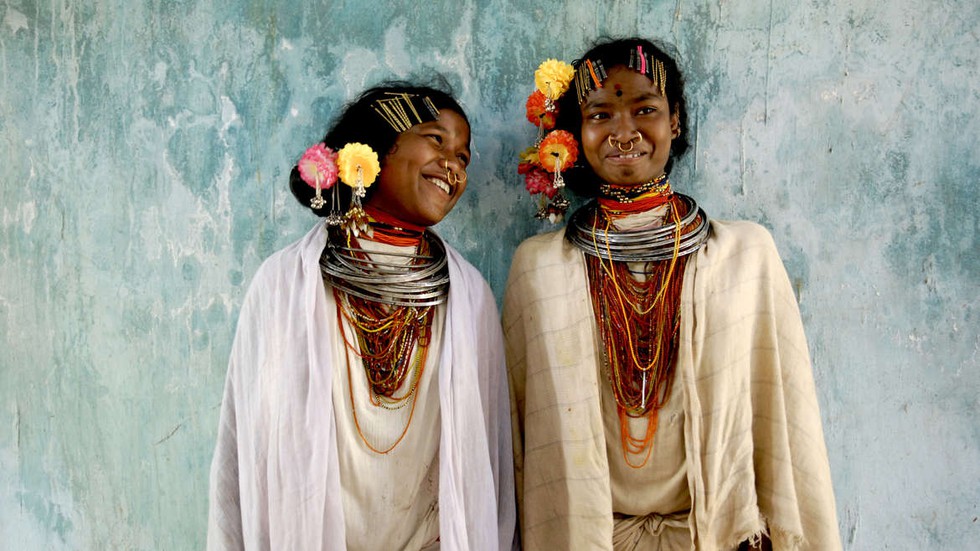
- Ethnicity: Dongria Kondh people are members of the Kondhs, of the Munda ethnic group.
- Location: They are located in the Niyamgiri hills. Niyamgiri is a hill range spread over 250 sq.km which falls under the Rayagada and Kalahandi District in Odisha.
- Beliefs: They worship Niyam Raja (Niyamraja), the supreme god of the Niyamgiri jungle.
- Population: The Dongria Kondh community numbers approximately 8,000 people, inhabiting about 100 villages.
- Nomenclature: They derive their name from dongar, meaning ‘hill’ and the name for themselves is Jharnia: protector of streams.
- Language: The people of Niyamgiri use Kui language. Kui language is not written, but it is spoken among the people of Kondh community.
- Lifestyle: The Dongria have distinctive jewellery, tattoos and hairstyles. Women wear many rings through their ears and three through their noses, while boys wear two nose rings. Dongria girls wear clips in their hair and rings and beads around their necks.
- Economy: They sustain themselves from the resources of the Niyamgiri forests, practising horticulture and shifting cultivation.
- Mining dispute: They have been at the centre of a dispute over mining rights in the area.
- Vedanta Resources planned to extract the estimated $2billion-worth of bauxite that lies under the surface of the hills.
- The company planned to create an open-cast mine that would have violated Niyam Dongar, disrupted its rivers and spelt the end of the Dongria Kondh as a distinct people.
- Vedanta Resources planned to extract the estimated $2billion-worth of bauxite that lies under the surface of the hills.
Prelims Pointers
Nov. 21, 2018
About:
- Chief Minister Naveen Patnaik termed the motion as “historic”. The move is being viewed as a masterstroke to woo the women voters ahead of the forthcoming elections.
- In 1992, former chief minister Biju Patnaik provided 33% reservation for women in local bodies. It was raised to 50% by current chief minister Naveen Patnaik in 2011.
Scenario in Parliament:
- The chief minister’s move came at a time when the Women’s Reservation Bill or the Constitution (108th amendment) Bill is pending before the parliament. The Rajya Sabha had passed the bill in 2010.
- Of the 543 legislators elected in the 2014 general elections, only 62 were women, according to PRS Legislative. This is marginally higher than the 58 women who were elected to the 15th Lok Sabha in 2009.
Prelims Pointers
Nov. 21, 2018
About:
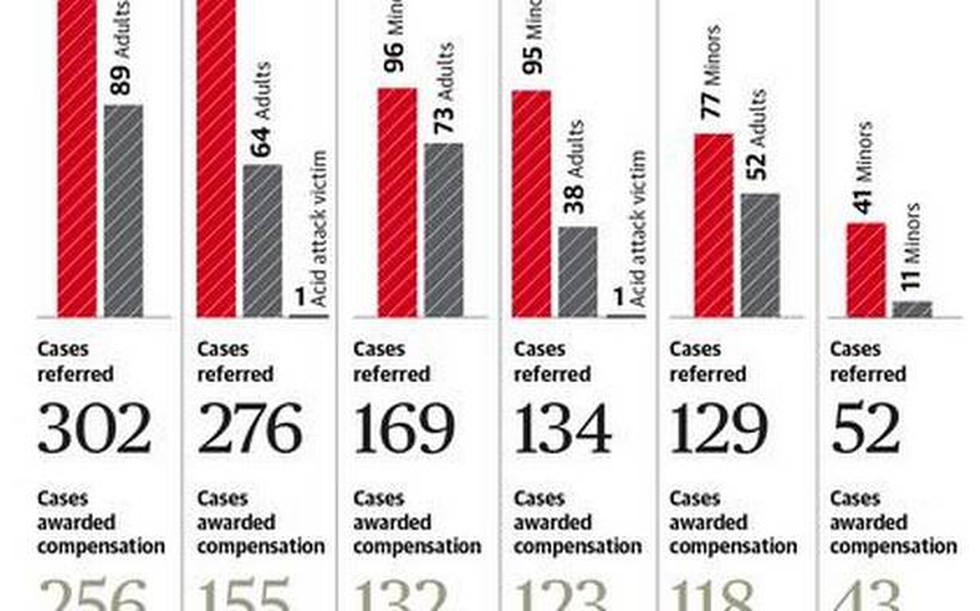
- Background: Manodhairya Yojana has been set up by the Maharashtra state government through a government resolution (GR) in 2013 on directions of the Bombay High Court.
- Objective: The scheme provides for financial support to and rehabilitation of victims of rape, child sexual abuse and acid attacks. At present, the scheme allows for compensation up to a maximum of Rs 10 lakh.
- Provisions wrt Compensation:
- If the victim alleged rape under the pretext of marriage, the full compensation will be paid only if the case ends in conviction.
- If the victim turns hostile during the trial, or if such a case ends in an out-of-court settlement, then 25% of compensation granted earlier will be recovered.
- In addition, in all cases, 75% of the compensation will be kept in a fixed deposit for a period of 10 years.
- If the victim alleged rape under the pretext of marriage, the full compensation will be paid only if the case ends in conviction.
- Implementation mechanism: The District Legal Services Authorities in the state are responsible for implementing it.
Prelims Pointers
Nov. 21, 2018

About:
- It is also called as Mawlid or Mawlid al-Nabi al-Sharif.
- This day marks the birth anniversary of the Prophet.
- According to legends, the Prophet was born on the twelfth day of Rabee-ul-Awwal in Mecca in 570 CE. Rabee-ul-Awwal is the third month of the Islamic lunar calendar.
- Celebrations:
- On this day, hymns are sung in praise of the Prophet and it is also commonly believed that listening to those will make one receive worldly and heavenly rewards.
- Several countries celebrate the day by taking out large processions in the street and by decorating their homes. Prayers are recited and sweets are distributed among the needy and stories of the Prophet are narrated.
- On this day, hymns are sung in praise of the Prophet and it is also commonly believed that listening to those will make one receive worldly and heavenly rewards.
Nov. 20, 2018
Prelims Pointers
Nov. 20, 2018
Indira Gandhi Prize for Peace, Disarmament and Development:
- The award is conferred by Indira Gandhi Memorial Trust each year on the late Prime Minister's birth anniversary.
- The award is given to individuals or organisations in recognition of creative efforts toward promoting international peace, development, ensuring that scientific discoveries are used for the larger good of humanity, and enlarging the scope of freedom.
- The prize carries a cash award of 25 Lakh and a citation.
- It was first awarded in 1986.
- Some of the Past recipients of this award include:
- Mikhail Gorbachev, former leader of Soviet Union (1987);
- UNICEF (1989)
- Jimmy Carter, former president of the US (1997)
- UN and its secretary-general Kofi Annan (2003)
- Angela Merkel, chancellor of Germany (2013)
- Indian Space Research Organisation (2014)
- Former Prime Minister of India, Manmohan Singh (2017)
- Mikhail Gorbachev, former leader of Soviet Union (1987);
Centre for Science and Environment (CSE):
- CSE is a New Delhi-based independent research and advocacy think tank.
- It was established in 1980 under leadership of the late Anil Agarwal and is presently headed by Sunita Narain.
- CSE has been awarded Indira Gandhi Prize for Peace for its pioneering work on environment and sustainable development. It has over the years worked on various issues from air and water pollution, food safety, waste water management, climate change and so on.
There is another award called Indira Gandhi National Integration Award.
· It was instituted in 1985 by the Indian National Congress.
· It is annually given on the Martyrdom Day of Indira Gandhi i.e. 31 October to distinguished persons/institutions for promoting national integration and understanding and fellowship amongst different communities.
· The award consists of a citation and a cash prize of Rs 10 lakh.
Prelims Pointers
Nov. 20, 2018
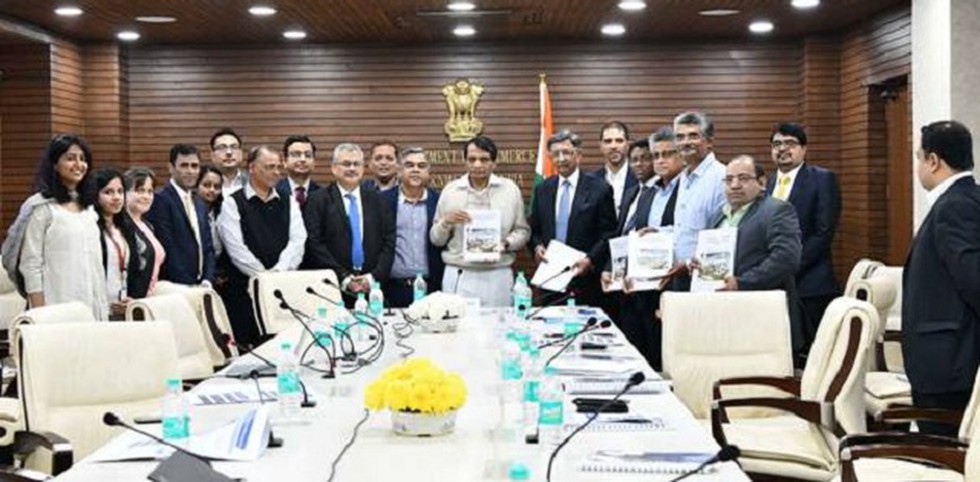
About:
- Composition: The committee was headed by Baba Kalyani, Chairman, Bharat Forge Ltd.
- Mandate of committee: The committee was constituted by the Union Ministry of Commerce & Industry in June 2018 to –
- Evaluate the SEZ policy and make it WTO compatible,
- Suggest measures for maximizing utilisation of vacant land in SEZs,
- Suggest changes in the SEZ policy based on international experience and
- Merge the SEZ policy with other Government schemes like coastal economic zones, Delhi-Mumbai industrial corridor, national industrial manufacturing zones etc.
- Evaluate the SEZ policy and make it WTO compatible,
- Key highlights of report:
- The current environment of manufacturing competitiveness and services has to undergo a basic paradigm shift if India is going to become a USD 5 trillion economy by 2025.
- The success seen by services sector like IT and ITES has to be promoted in other services sector like health care, financial services, legal, repair and design services.
- It has recommended continuation of tax incentives, migration of SEZs to employment and economic enclaves, and creation of link infrastructure and maintenance for enclaves.
- Also, incentives should be linked with employment, investment, technology/innovation, and infrastructure status for these zones to improve access to financing.
- The current environment of manufacturing competitiveness and services has to undergo a basic paradigm shift if India is going to become a USD 5 trillion economy by 2025.
- Way ahead: Commerce Ministry will soon begin consultations with the Finance Ministry and other Ministries to implement the committee’s recommendations.
The SEZ Act, 2005, supported by SEZ rules, came into effect on February 10, 2006.
Exports from special economic zones grew by about 15 per cent to Rs 5.52 lakh crore in 2017-18.
Prelims Pointers
Nov. 20, 2018
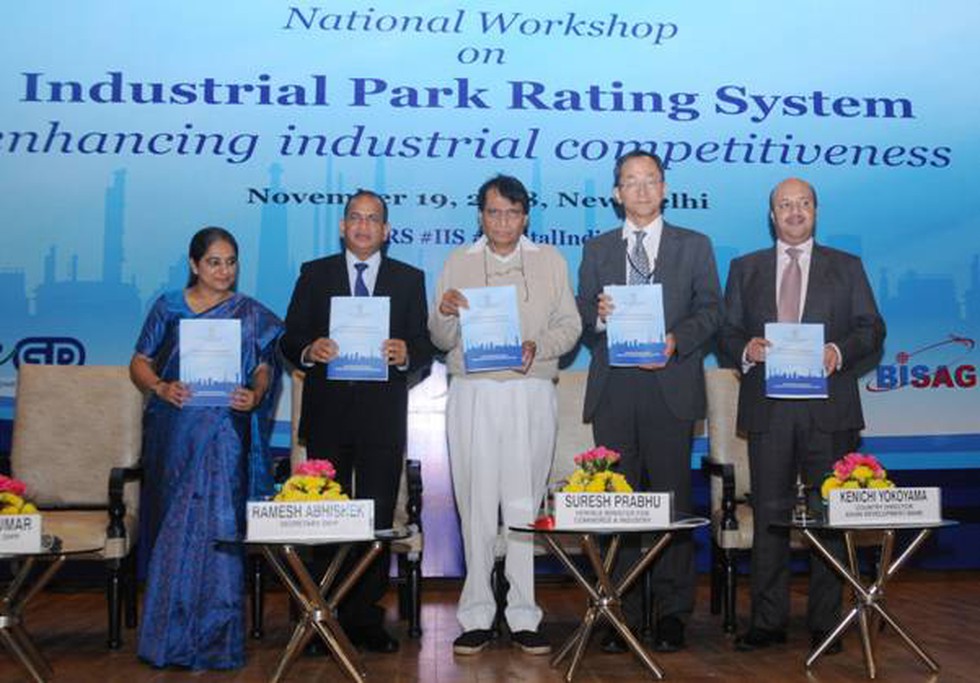
About:
- Objective: The Industrial Park Rating System (IPRS) aims to provide important information regarding all Special Economic Zones, Industrial Clusters and Parks.
- Features:
- For preparing this database, the ministry has studied infrastructure across states and in 3354 industrial clusters in order to assess quality of infrastructure in industrial parks.
- These industrial parks have been rated on 4 points: (1) Internal Infrastructure, (2) External Infrastructure, (3) business support services and (4) Environment & Safety management.
- For preparing this database, the ministry has studied infrastructure across states and in 3354 industrial clusters in order to assess quality of infrastructure in industrial parks.
- Significance: The Ministry has undertaken this exercise in order to ensure that India moves into the top 50 countries in Ease of Doing Business. This will be a useful tool for policy makers and investors at the click of a button.
- Future Plans: IPRS is proposed to be translated into an annual exercise covering all the parks across India. Coverage would be widened and updated to bring in deeper qualitative assessment feedback and bring in technological intervention.
- Agencies involved: The report has been prepared by the Department of Industrial Policy & Promotion (DIPP), Ministry of Commerce.
Prelims Pointers
Nov. 20, 2018
About:
- The objective of this grand challenge is to invite innovative ideas based on Artificial Intelligence, Internet of Things, Big Data Analytics, Blockchain and other technology to reform Government processes.
- The platform for the Grand Challenge is the Start-up India Portal.
- He said, India is now at 77 rank from 142 in Ease of Doing Business, a jump of 65 points in the rank in just four years is a record for any country. Now the country is only a few steps behind to achieve the goal of 50th position in the Ease of Doing Business.
Prelims Pointers
Nov. 20, 2018
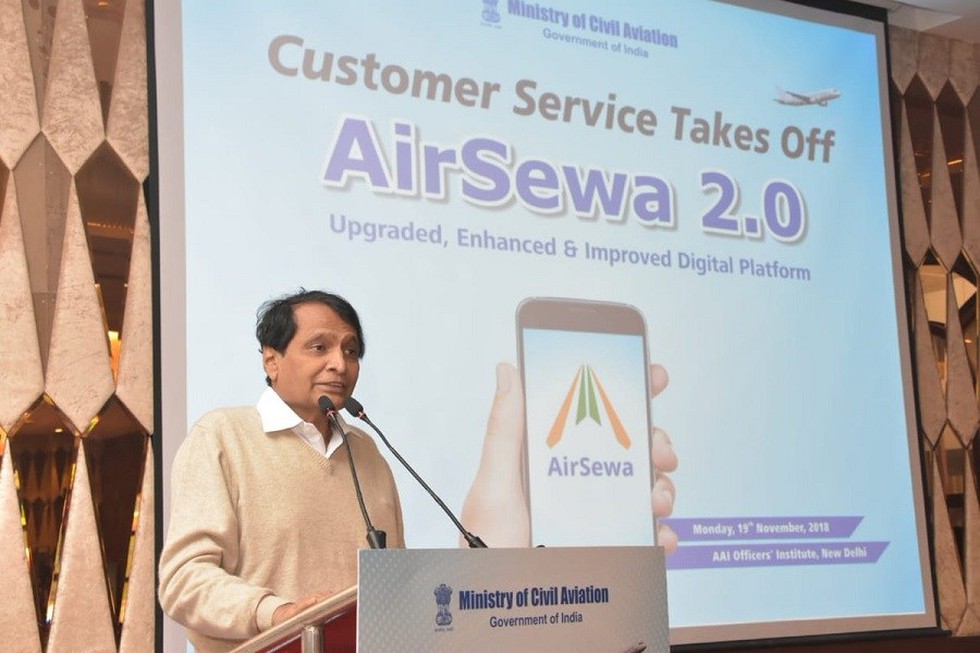
About:
- AirSewa is operated through an interactive web portal and a mobile app.
- It was launched in 2016 by the Ministry of Civil Aviation to make air travel convenient by providing the following services –
- Grievance redressal mechanism; and
- Providing information on flight status/schedule information, airports etc.
- Grievance redressal mechanism; and
- Now AirSewa 2.0, an upgraded version of AirSewa has been launched. Major improvements in the upgraded version of AirSewa include features such as –
- secure sign-up and log-in with social media,
- chatbot for travellers support,
- improved grievance management including social media grievances etc.
- secure sign-up and log-in with social media,
Prelims Pointers
Nov. 20, 2018
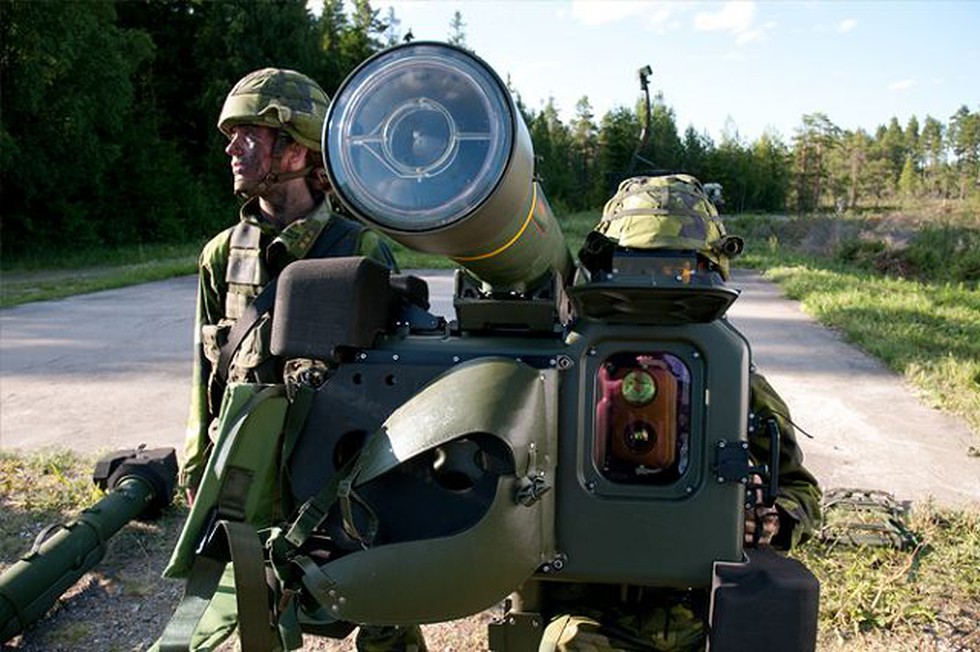
Man-portable air defence systems (MANPADS):
- Man-portable air defence systems (MANPADS) are surface-to-air missiles that can be fired by an individual or a small team of people against aircraft.
- These weapon systems often are described as shoulder-fired anti-aircraft missiles.
VSHORAD tender
- In 2010, union government initiated the tender to procure Very Short-Range Air Defence (VSHORAD) man-portable air defence (MANPAD) missile so as to replace legacy Russian air defence systems with modern missiles.
- As per requirements, the system should have a maximum range of 6km, altitude of 3km along with all-weather capability and will replace the existing Igla in service which is in urgent need of replacement.
- VSHORAD tender is intended for the Army and Navy and worth over $5.2-billion for 5,175 missiles and 1,276 single and multi-launchers with stipulated technology transfer requirement for the Defence Public Sector Undertakings (DPSU).
Prelims Pointers
Nov. 20, 2018
About:
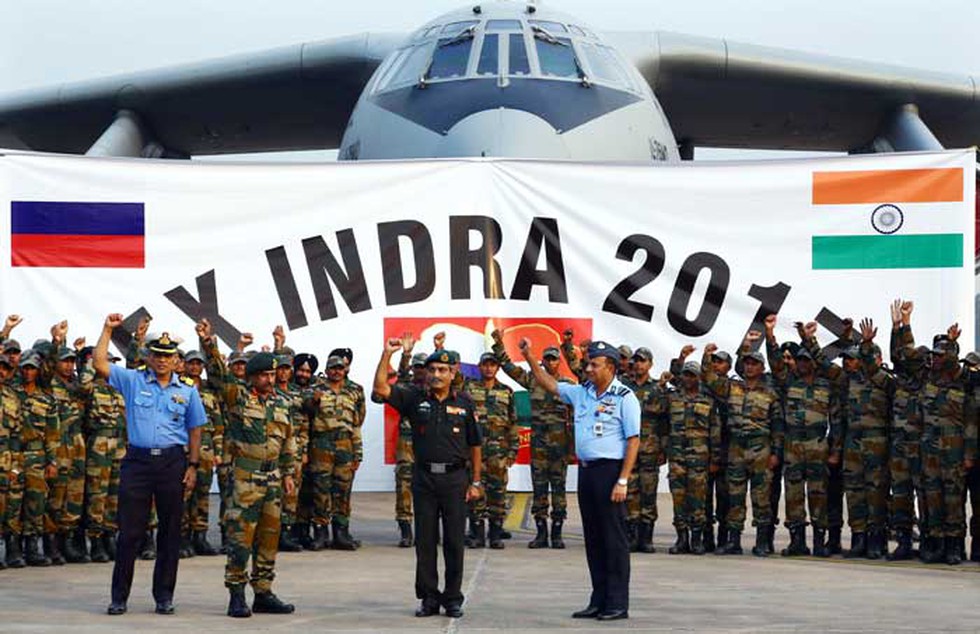
- The aim of the exercise is to enhance interoperability of the two armies in the peace keeping and enforcement environment under the aegis of United Nations.
- The eleven-day exercise – scheduled from 18 November to 28 November 2018 – focuses upon training on enhancing team building and tactical level operations in a counter insurgency environment in semi urban terrain.
Prelims Pointers
Nov. 20, 2018
Findings wrt India:
- Migration scenario:
- Inter-State migration rates have doubled between 2001 and 2011.
- An estimated 9 million migrated between States annually from 2011 to 2016.
- Construction sector absorbs the majority of short-term migrants.
- Inter-State migration rates have doubled between 2001 and 2011.
- Impact of Parent’s migration on children’s education:
- Literacy levels in rural India suffer due to seasonal migration.
- In India, 10.7 million children aged 6 to 14 lived in rural households with a seasonal migrant in 2013. About 28% of youth aged 15 to 19 in these households were illiterate or had not completed primary school, compared to 18% of the cohort overall.
- 80% of seasonal migrant children in 7 cities lacked access to education near work sites; 40% are likely to end up in work rather than education.
- There is growth of slums due to migration where schools are often scarce.
- Literacy levels in rural India suffer due to seasonal migration.
- Steps taken by India for migrant children’s education:
- The report acknowledges that union government as well as some State governments have also taken steps.
- The Right to Education Act in 2009 made it mandatory for local authorities to admit migrant children. National-level guidelines issued allow for flexible admission of children, providing transport, creation of seasonal hostels etc.
- However, most interventions focus on keeping children in home communities instead of addressing the challenges faced by migrants. E.g. a pilot programme on brick kiln sites from 2010-2011 in Rajasthan did not improve learning of out-of-school children.
- The report acknowledges that union government as well as some State governments have also taken steps.
Report recommendations:
- Include migrants and displaced people in the national education system
- Understand and plan to meet the education needs of migrants and displaced people
- Represent migration and displacement histories in education accurately to challenge prejudices
- Prepare teachers of migrants and refugees to address diversity and hardship
- Harness the potential of migrants and displaced people
- Support education needs of migrants and displaced people in humanitarian and development aid.
Prelims Pointers
Nov. 20, 2018
About:
- Malaria Cases: Global and Regional scenario
- In 2017, an estimated 219 million ‘Cases of Malaria’ occurred worldwide, compared with 217 million cases in 2016, an increase of over 2 million.
- 92% of malaria cases in 2017 were in the WHO African Region. 15 countries in sub-Saharan Africa and India carried almost 80% of the global malaria burden.
- 5 countries accounted for nearly half of all malaria cases: Nigeria (25%), Democratic Republic of the Congo (11%), Mozambique (5%), India (4%) and Uganda (4%).
- India reported 3 million fewer cases in 2017, a 24% decrease compared with 2016.
- In 2017, an estimated 219 million ‘Cases of Malaria’ occurred worldwide, compared with 217 million cases in 2016, an increase of over 2 million.
- Malaria deaths
- In 2017, there were an estimated 4.3 Lakhs deaths from malaria globally, compared with 4.5 Lakhs estimated deaths in 2016.
- 93% of all malaria deaths in 2017 were in the WHO African Region. 80% of global malaria deaths in 2017 were concentrated in 17 countries in the WHO African Region and India.
- India accounts for 4% of all global malaria deaths. Nigeria (19%) leads the list.
- Children aged under 5 accounted for 61% of all malaria deaths worldwide in 2017.
- In 2017, there were an estimated 4.3 Lakhs deaths from malaria globally, compared with 4.5 Lakhs estimated deaths in 2016.
- Type of Malaria Parasite:
- Plasmodium falciparum is the most prevalent malaria parasite in the WHO African Region, accounting for 99.7% of cases in 2017, as well as in the WHO regions of South-East Asia (62.8%), the Eastern Mediterranean (69%) and the Western Pacific (71.9%).
- vivax is the predominant parasite in the WHO Region of the Americas, representing 74.1% of malaria cases.
- Plasmodium falciparum is the most prevalent malaria parasite in the WHO African Region, accounting for 99.7% of cases in 2017, as well as in the WHO regions of South-East Asia (62.8%), the Eastern Mediterranean (69%) and the Western Pacific (71.9%).
- Malaria-related anaemia:
- This year’s report includes a section on malaria-related anaemia,
- Anaemia was once a key indicator of progress in malaria control, and its prevalence was used to evaluate the efficacy of interventions. Recent years have seen a decline in awareness of the burden of malaria-associated anaemia.
- This year’s report includes a section on malaria-related anaemia,
- The ‘Incidence Rate of Malaria’ declined globally between 2010 and 2017, from 72 to 59 cases per 1000 population at risk.
High burden to high impact Approach:
- To get the global malaria response back on track, esp. in High malaria burden countries, a new country-driven approach – “High burden to high impact” – was launched in Mozambique on 19 November 2018, alongside the release of the World malaria report 2018.
- The approach is founded upon 4 pillars:
- Galvanize national and global political attention to reduce malaria deaths;
- Drive impact in country through the strategic use of information;
- Establish best global policies for all malaria endemic countries; and
- implement a coordinated country response.
- Galvanize national and global political attention to reduce malaria deaths;
Prelims Pointers
Nov. 20, 2018
About:
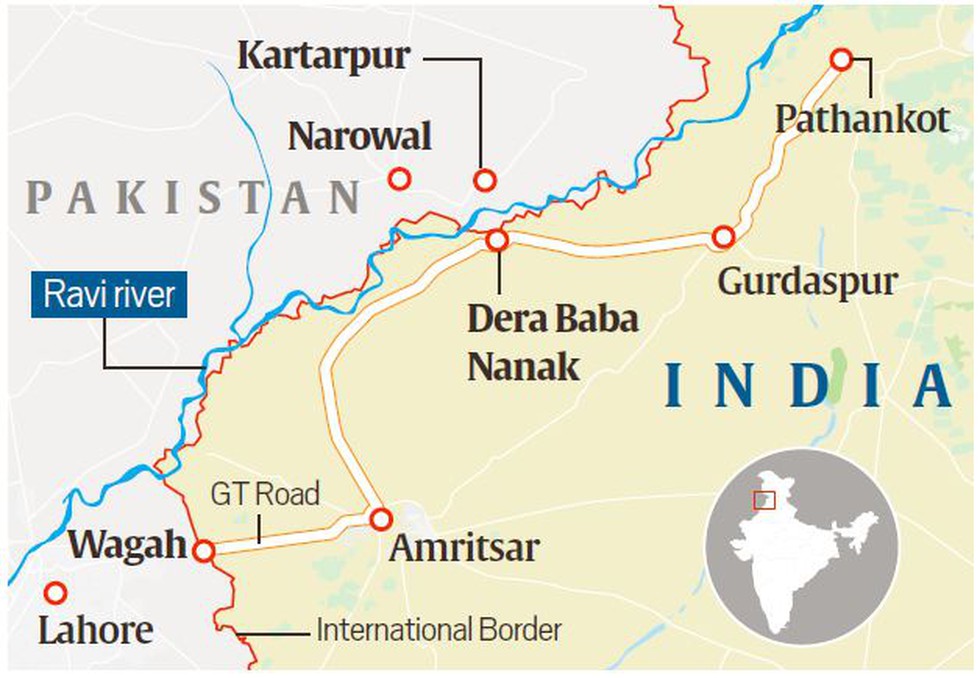
- Location: Gurdwara Darbar Sahib is located at Kartarpur in Pakistan’s Narowal district. It stands on the bank of the River Ravi, about 120 km northeast of Lahore. The shrine is visible from the Indian side.
- Significance: It was here that the First Sikh Guru (Nanak Dev) assembled a Sikh community and lived for 18 years until his death in 1539. It is the final resting place of Guru Nanak.
- Background: The gurdwara was opened to pilgrims after Prime Minister Atal Bihari Vajpayee paid a visit to Pakistan in 1999. Since then Sikh Pilgrims are visiting the shrine regularly.
Nov. 19, 2018
Prelims Pointers
Nov. 19, 2018

UIM F1H2O World Championship:
- The UIM F1H2O World Championship is the 'flagship' international series of single-seater inshore circuit powerboat racing.
- It is a multiple Grand Prix series of eight events taking place in Europe, the Middle East and Asia.
- It was sanctioned by the UIM in 1981.
- The series attracts up to 20 of the world's leading drivers.
Union Internationale Motonautique (UIM):
- The UIM is the world governing body which is recognised as the sole competent authority in Powerboating and Aquabike / Jet Ski by the International Olympic Committee (IOC).
- It was founded in 1920s and is based in the Principality of Monaco.
- The UIM has almost 60 affiliated National Federations. Circuit, Offshore, Pleasure Navigation and Aquabike are among the main disciplines.
Prelims Pointers
Nov. 19, 2018
Sri Lankan Frogmouth:
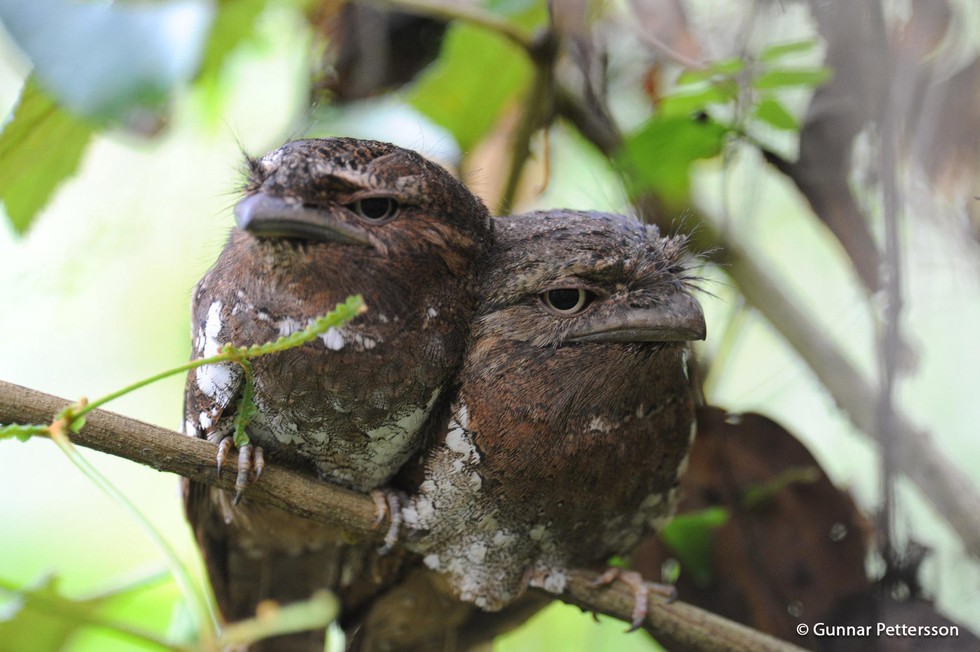
- The Sri Lankan Frogmouth belongs to the Batrachostomus moniliger species.
- It is a relative of Nightjar, a crepuscular and nocturnal bird breeding in Europe and temperate Asia. The bird, like the Nightjar, eats insects and mainly seeks prey during night time.
- Distribution:
- The bird has a unique habitat in Sri Lanka and is also believed to be present in the Thattekad bird sanctuary (Kerala). It is also found in Karnataka, Goa, and Maharashtra.
- It is usually found on the western side of the Western Ghats. However, its spotting in the Chinnar Wildlife Sanctuary is the first instance of being found on the eastern side of the Western Ghats.
- The bird has a unique habitat in Sri Lanka and is also believed to be present in the Thattekad bird sanctuary (Kerala). It is also found in Karnataka, Goa, and Maharashtra.
- Habitat: Its preferred habitat is a dry and open area with some small trees or bushes. It usually rests on small tree branches during daytime.
- IUCN Status: Least Concern.
- Distinguishing features:
- It lays only one egg a year after the mating season in April-May.
- The bird roosts quietly on branches, making it difficult to see.
- It lays only one egg a year after the mating season in April-May.
Chinnar Wildlife Sanctuary:
· Chinnar Wildlife Sanctuary (CWS) is located in the Idukki district of Kerala.
· It forms an integral part of the protected forests lying on the Kerala-Tamil Nadu border in the Anaimalai Hills. The Eravikulam National Park lies to the south, Indira Gandhi Wildlife Sanctuary to the north and Kodaikanal Wildlife Sanctuary is to the east.
· It is the only rehabilitation centre for star tortoise in India.
Prelims Pointers
Nov. 19, 2018
Findings:
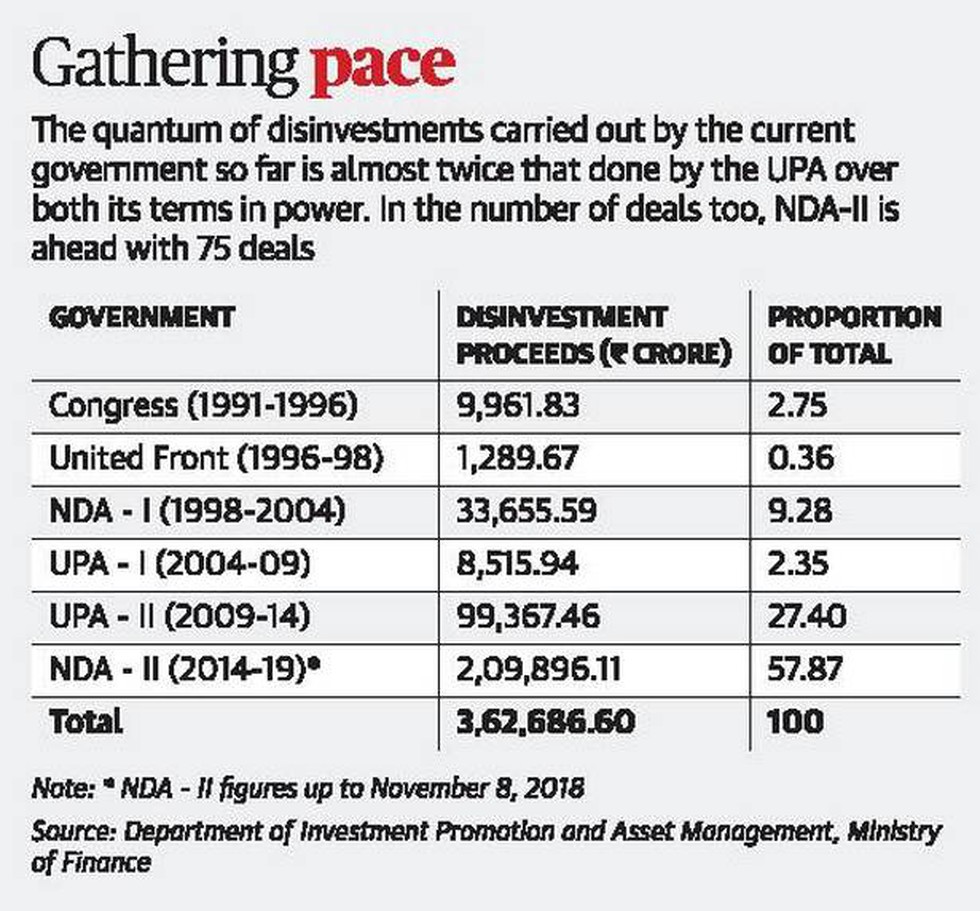
- Disinvestments worth about ₹3.63 lakh crore have taken place since 1991, out of which about ₹2.1 lakh crore came in the last four years alone, with five months still left in this financial year.
- The disinvestment done by the current government so far is already almost twice that done by the UPA government over both its terms in power.
- Further, the government has set a target of ₹80,000 crore of disinvestments for this financial year, of which it has so far achieved only ₹15,247 crore. If it does manage to meet its target, then the present government’s share in total disinvestment since 1991 will go up to nearly 65%.
Comment:
- Most of the disinvestment needs to take place as these are loss-making companies. Also, the government needs revenue to meet its fiscal deficit target.
- But the manner of disinvestment in some cases is problematic as seen in the ONGC-HPCL deal.
- ONGC bought some ₹36,000 worth of HPCL shares from the government. How is that disinvestment, if ONGC is a government-owned company itself?
- Disinvestment basically means when the government is reducing its holdings in effect, directly or indirectly.
- ONGC bought some ₹36,000 worth of HPCL shares from the government. How is that disinvestment, if ONGC is a government-owned company itself?
Prelims Pointers
Nov. 19, 2018
About:
- Status: APAA is a Non-Governmental Organisation (NGO).
- Objective: dedicated to promoting and enhancing Intellectual Property protection in the Asian region (including Australia and New Zealand).
- Established in:
- Membership:
- The members include some of Asia’s leading practitioners of intellectual property law.
- The association now has about 2,315 members from 24 jurisdiction in the Asian region (including Australia and New Zealand).
- They meet annually at a Council meeting and triennially at a General Assembly at a location within the Asian Region to exchange information concerning intellectual property protection in the Region.
- The members include some of Asia’s leading practitioners of intellectual property law.
- India and APPA: India joined as the 14th member country of APAA. APAA is the biggest Association of IP Professionals in India.
Prelims Pointers
Nov. 19, 2018

About:
- Trans fat, or trans-unsaturated fatty acids, trans fatty acids, are a type of unsaturated fat.
- Types: There are two broad types of trans fats found in foods:
- Naturally-occurring: They occur in small amount in Nature. These are produced in the gut of some animals. Foods made from these animals (e.g., milk and meat products) may contain small quantities of these fats.
- Artificial: These are created in an industrial process that adds hydrogen to liquid vegetable oils to make them more solid. These are contained in hardened vegetable fats such as margarine and ghee, and are often present in snack, baked, and fried foods.
- Naturally-occurring: They occur in small amount in Nature. These are produced in the gut of some animals. Foods made from these animals (e.g., milk and meat products) may contain small quantities of these fats.
- Why do some companies use trans fats? Trans fats are easy to use, inexpensive to produce and last a long time.
- Impact on health:
- Trans fats not only raises one’s bad (LDL) cholesterol levels but also lowers good (HDL) cholesterol levels. Thus, it increases risk of developing heart disease and stroke.
- It’s also associated with a higher risk of developing type 2 diabetes.
- According to WHO estimates, every year, trans fat intake leads to over 5,00,000 deaths worldwide from cardiovascular diseases.
- Trans fats not only raises one’s bad (LDL) cholesterol levels but also lowers good (HDL) cholesterol levels. Thus, it increases risk of developing heart disease and stroke.
- Global scenario:
- Denmark was the first country to mandate restrictions on industrially-produced trans fats in food products. Several high-income countries followed soon.
- In May 2018, WHO released ‘REPLACE’ strategy which provides six strategic actions to ensure the quick and complete elimination of industrially-produced trans fats from the food supply by 2023.
- Denmark was the first country to mandate restrictions on industrially-produced trans fats in food products. Several high-income countries followed soon.
- Indian scenario:
- According to WHO, trans fats should be limited to less than 1% of food energy, which it equates to a maximum of 2.2g of trans fats in a diet of 2,000 calories a day.
- However, Vanaspati — used commonly in Indian households, restaurants and by road side vendors in India, contains 30-40% trans fats.
- According to WHO, trans fats should be limited to less than 1% of food energy, which it equates to a maximum of 2.2g of trans fats in a diet of 2,000 calories a day.
|
Metabolic Syndrome (MS)? Metabolic syndrome (MS) is a cluster of metabolic abnormalities — high blood pressure, high blood sugar, abdominal obesity, abnormal cholesterol or triglyceride levels — that occur together, raising risk of heart disease, stroke and diabetes. Latest estimates put the prevalence of Metabolic Syndrome (MS) due to Trans Fat in Kerala between 24-33%, indicating that one in three or four persons — predominantly women — have this condition. |
Prelims Pointers
Nov. 19, 2018

About:
- It is an official United Nations international observance day on 19 November to spread awareness about the global sanitation crisis.
- Objective: To reach, SDG #6 i.e. to reach everyone with sanitation, and halve the proportion of untreated wastewater and increase recycling and safe reuse.
- History: It was established by the World Toilet Organization in 2001. Twelve years later, the UN General Assembly declared World Toilet Day an official UN day in 2013.
- Convener: UN-Water is the official convener of World Toilet Day.
- How is it observed? World Toilet Day is marked by educational campaigns and other activities. Events are planned by UN-Water, local civil society organizations and volunteers.
2018 Theme: When Nature Calls
- This year’s campaign emphasises on sanitation systems that work in harmony with our environment.
- Nature-based sanitation solutions (NBS) harness the power of ecosystems to help treat human waste before it returns to the environment.
- For instance:
- Composting latrines that capture and treat human waste on site, producing a free supply of fertiliser to help grow crops.
- Human-made wetlands and reed-beds filter waste water before it is released back into water courses.
- Composting latrines that capture and treat human waste on site, producing a free supply of fertiliser to help grow crops.
Celebrations in India on World Toilet Day
- Swachh Bharat World Toilet Day Contest 2018 is being organized among all districts by organizing grassroots activities involving district, block and panchayat level teams, swachhagrahis and swachhata champions.
- Ministry of Drinking Water and Sanitation is receiving a Lifetime Achievement Award at the World Toilet Summit in Mumbai in recognition to the work done by the Swachh Bharat Mission (Grameen).
Prelims Pointers
Nov. 19, 2018
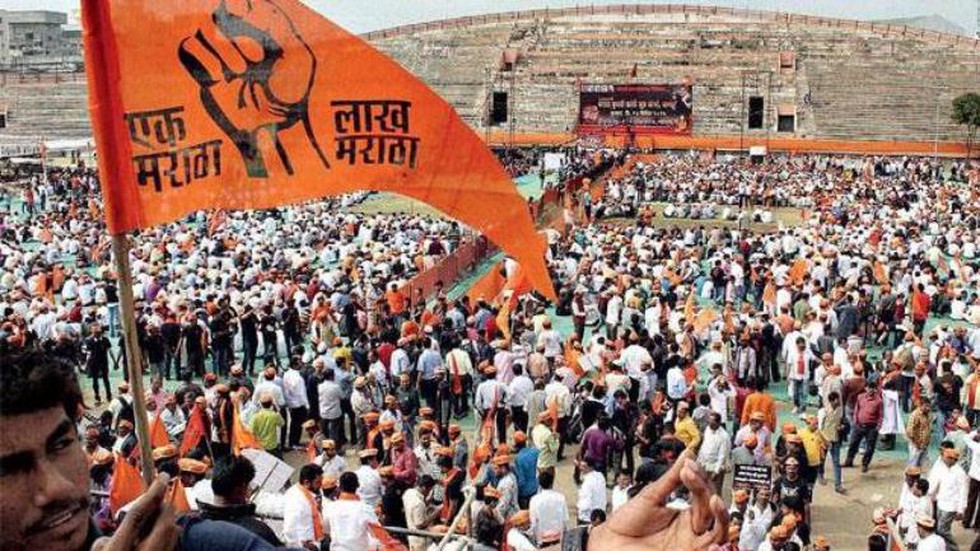
Recent decision:
- The Maratha community will get reservation under a new category called SEBC (Socially and Economically Backward).
- The community will get reservation from an independent quota and this will not affect the reservations given to the Other Backward Class (OBC).
- A sub-committee of the state cabinet has been formed which will look into all the other aspects to give reservation to the Marathas.
Background:
- The decision was taken after the state cabinet accepted the report submitted by the State Commission for Backward Class headed by chairman Justice (retired) M G Gaikwad. The report was submitted to state Chief Secretary on November 15, 2018.
- to the report, Marathas are socially and educationally backward class. Extra-ordinary and exceptional circumstances prevail among the Marathas, which makes them eligible for the benefits of reservation.
Prelims Pointers
Nov. 19, 2018

Weekly schedule:
The week-long programmes to be observed during Qaumi Ekta Week will be as under:
|
Date |
Day to be observed |
Events to be held |
|
November 19, 2018 |
National Integration Day |
Seminars will be organized to emphasize the themes of secularism, anti-communalism and non-violence. |
|
November 20, 2018 |
Welfare of Minorities Day |
Items of the 15 Point Minorities Programme will be emphasized on this day. |
|
November 21, 2018 |
Linguistic Harmony Day |
Programmes like Special literary functions and Kavi Sammelans will be organized. |
|
November 22, 2018 |
Weaker Sections Day |
Rallies will be organized to highlight Govt. programmes for helping SCs/STs and weaker sections. |
|
November 23, 2018 |
Cultural Unity Day |
Cultural functions will be organized for promoting cultural conservation and integration. |
|
November 24, 2018 |
Women’s Day
|
Role of Women in development of nation-building will be highlighted. |
|
November 25, 2018 |
Conservation Day
|
Meetings will be held to emphasise the need for awareness and action to conserve the environment. |
National Foundation for Communal Harmony (NFCH):
- NFCH is an autonomous organisation with the Ministry of Home Affairs.
- The Foundation promotes Communal Harmony. It also provides financial assistance for rehabilitation of children rendered destitute in communal, ethnic or terrorist violence.
- It organises Communal Harmony Campaign coinciding with the Qaumi Ekta Week and observes the Communal Harmony Flag Day on 25th November.
Prelims Pointers
Nov. 19, 2018
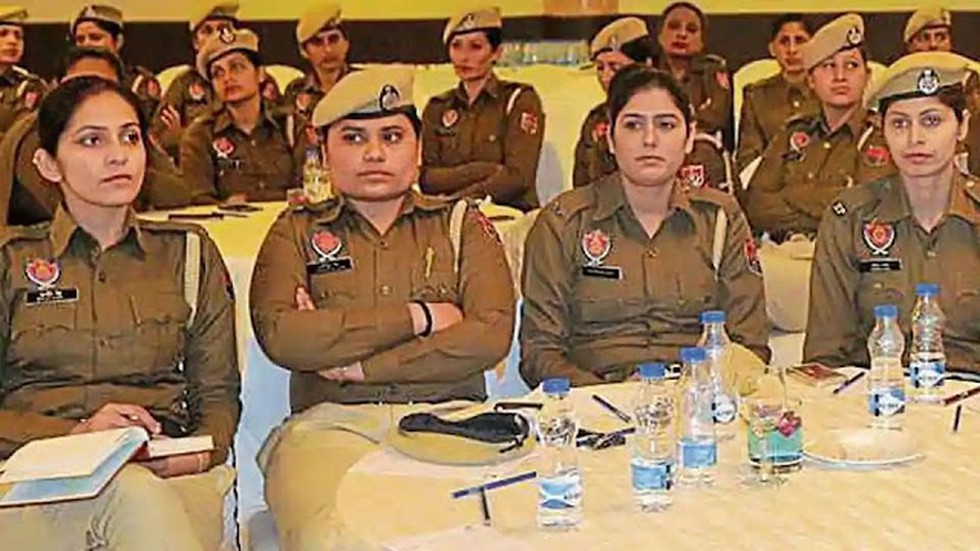
About:
- NCWP is the only national level platform to address the issues of Women in the Police Organizations / CPOs and create an enabling atmosphere to maximize their professional potential.
- The 1st edition of NCWP in 2002 in New Delhi by BPR&D in collaboration with Delhi Police.
- The 8th NCWP is being organized by Bureau of Police Research & Development (BPRD) in collaboration with Jharkhand Police.
Prelims Pointers
Nov. 19, 2018
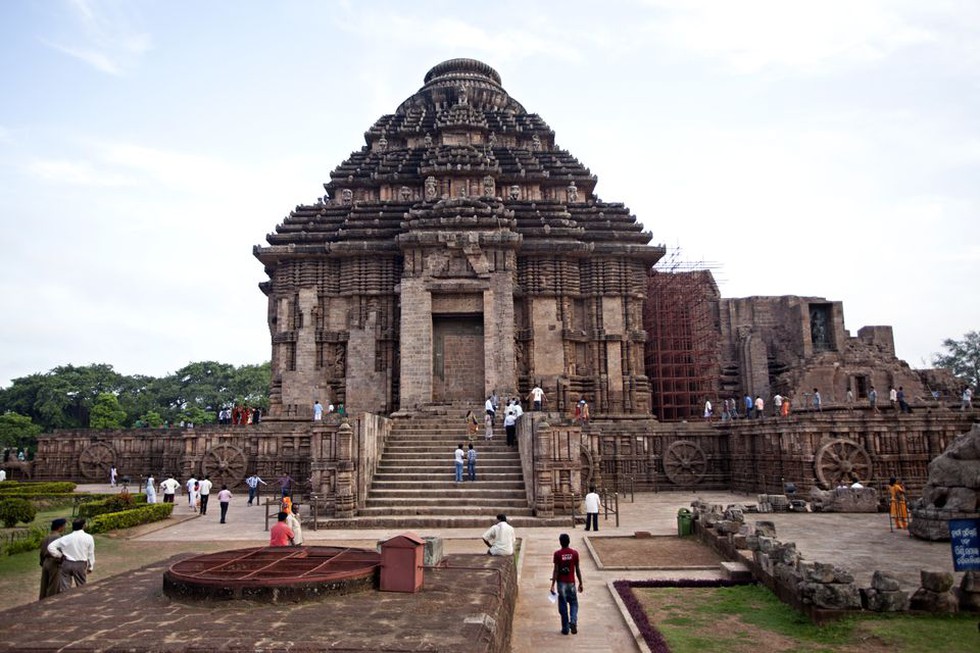
About:
- Location: It is located on the coastline of Odisha in Puri district.
- History: It was built in the 13th century. The temple is attributed to king Narasingha deva I of the Eastern Ganga Dynasty about 1250 CE.
- Features:
- Also called the Surya Devalaya, the temple is dedicated to the Hindu god Surya.
- The temple complex has the appearance of a 100-foot high solar chariot, with 24 wheels and pulled by six horses, all carved from stone.
- Various sculptures adorn the outer surface of the temple which are famed for their intricate artwork, iconography, and themes, including erotic kama and mithuna scenes.
- It is a classic example of the Odisha style of Architecture or Kalinga Architecture.
- It is oriented towards the east so that the first rays of the sunrise strike the main entrance.
- The temple, built from Khondalite rocks, was originally constructed at the mouth of the river Chandrabhaga, but the waterline has receded since then.
- The wheels of the temple are sundials, which can be used to calculate time accurately to a minute.
- This temple was also known as 'BLACK PAGODA' due to its dark colour and used as a navigational landmark by ancient sailors to Odisha
- Also called the Surya Devalaya, the temple is dedicated to the Hindu god Surya.
- It was given the status of a World Heritage Site in 1984 by UNESCO.
- The temple remains a site of contemporary worship for Hindus, during the annual Chandrabhaga Festival, around the month of February.