Aug. 15, 2018
Prelims Pointers
Aug. 15, 2018
About:
- Background:
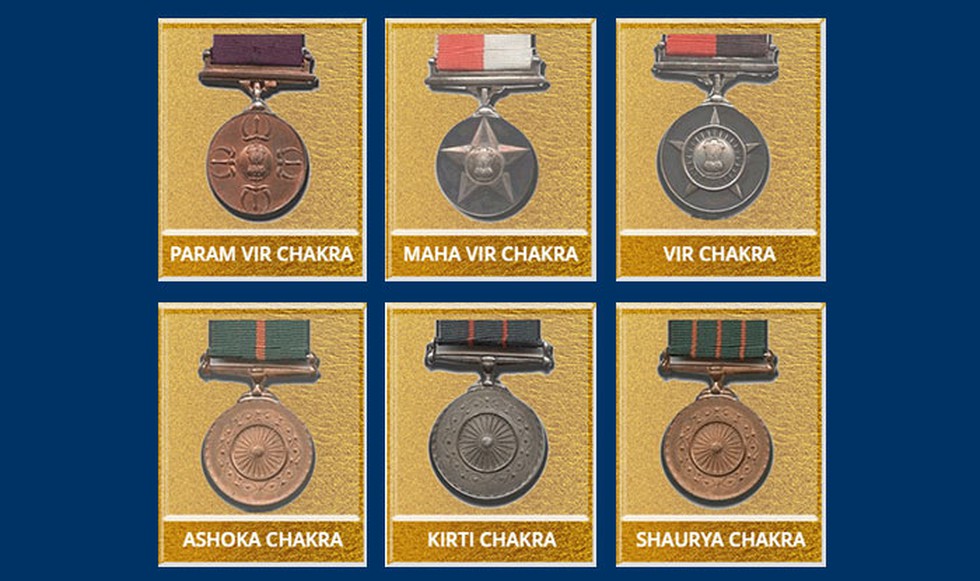
- Three gallantry awards namely Param Vir Chakra, Maha Vir Chakra and Vir Chakra were instituted by the Government of India on 26th January, 1950.
- Thereafter, other three gallantry awards i.e. the Ashoka Chakra Class-I, the Ashoka Chakra Class-II and the Ashoka Chakra Class-III were instituted in 1952. These awards were renamed as Ashoka Chakra, Kirti Chakra and Shaurya Chakra respectively in 1967.
- Three gallantry awards namely Param Vir Chakra, Maha Vir Chakra and Vir Chakra were instituted by the Government of India on 26th January, 1950.
- Announcement: These gallantry awards are announced twice in a year - first on the occasion of the Republic Day and then on the occasion of the Independence Day.
- Order of precedence: Order of precedence of these awards is the Param Vir Chakra, the Ashoka Chakra, the Mahavir Chakra, the Kirti Chakra, the Vir Chakra and the Shaurya Chakra.
Kiriti Chakra:
- The Kirti Chakra is awarded for conspicuous gallantry otherwise than in the face of the enemy.
- Following categories of persons are eligible for the Kirti Chakra:
- Officers and men and women of all ranks of the Army, the Navy and the Air Force, of any of the Reserve Forces, of the Territorial Army, Militia and of any other lawfully constituted forces.
- Members of the Nursing Services of the Armed Forces.
- Civilian citizens of either sex in all walks of life and members of Police Forces including Central Para-Military Forces and Railway Protection Force.
- Officers and men and women of all ranks of the Army, the Navy and the Air Force, of any of the Reserve Forces, of the Territorial Army, Militia and of any other lawfully constituted forces.
Prelims Pointers
Aug. 15, 2018
About:
- Background: NABH Nirman initiative was first announced in Union Budget of 2018.
- Objective: To expand the airport capacity more than five times to handle a billion trips a year under.
- Approach: Focus will be on airport upgradation. For this a large percentage of the investment is to come from the private sector.
Prelims Pointers
Aug. 15, 2018

About:
- The new timetable — Trains at a Glance (TAG) — has been launched to address the punctuality issue of Railways by considering delays caused due to maintenance works.
- In addition to TAG, all the 17 Zonal Railways also released their respective Zonal Railway Time Tables (5 Zonal time tables in all, each Zonal Time Table comprising 3-4 Zonal Railways).
Prelims Pointers
Aug. 15, 2018
About:
- ‘Pitch to MOVE’ is organised by NITI Aayog in collaboration with Invest India and Society of Indian Automobile Manufacturers (SIAM).
- Under it, Start-ups working in the various fields of mobility can pitch their ideas to industry leaders and Venture Capitalists for raising investments.
- The Start-ups can be from the domain of Public Mobility, Electric Vehicles, Last Mile Connectivity, Battery Technology etc.
- Winners of the event will be felicitated by the Prime Minister during “MOVE: The Global Mobility Summit 2018”.
Prelims Pointers
Aug. 15, 2018
About:
- Ministry-in-charge: Union Ministry of Tourism.
- Objective: Development of thematic circuits in the country in a planned and prioritised manner.
- Strategy: Under this, Ministry of Tourism provides Central Financial Assistance (CFA) to State/UT’s for various tourism projects.
- Implementation status: The scheme was launched in 2014 -15 and as on date the Ministry has sanctioned 70 projects for Rs.5700 Crore to 29 States/UTs under the Scheme.
North East Circuit: Imphal & Khongjom
The project covers two sites of Manipur: Kangla Fort and Khongjom.
- Khongjom: Here the Anglo Manipur War of 1891 was fought. Under the project, rejuvenation of Kombirei Lake has been carried out.
- Kangla Fort: It is located in Imphal city. Under this project, Ministry has carried out works like Restoration & Improvement of Ponds; Sound and Light Show; Development of Parking etc.
Some of the thematic circuits identified under the scheme are: North-East India Circuit, Himalayan Circuit, Buddhist Circuit, Ramayana Circuit, Tribal Circuit, Rural Circuit etc.
Prelims Pointers
Aug. 15, 2018
About:
- Full Name: Hague Convention on Protection of Children and Co-operation in Respect of Intercountry Adoption.
- Objectives:
- To protect children and their families against illegal or ill-prepared Inter-Country adoptions.
- To prevent the abduction, the sale of, or trafficking of children.
- To protect children and their families against illegal or ill-prepared Inter-Country adoptions.
- The Convention establishes minimum standards, but does not intend to serve as a uniform law of adoption.
- Background:
- The Convention was developed by the Hague Conference on Private International Law.
- It was concluded in 1993 and entered into force in 1995.
- The Convention was developed by the Hague Conference on Private International Law.
- This Convention gives effect to the Article 21 of UN Convention on the Rights of the Child.
Central Adoption Resource Authority (CARA):
- Functions: CARA is the nodal body for adoption of Indian children. It regulates in-country and inter-country adoptions (in accordance with the Hague Convention which was ratified by Government of India in 2003).
- Status: It is an autonomous body of the Union Ministry of Women and Child Development.
Australia imposed a ban on India 8 years ago, on the reported charges of trafficking of children for Inter-country adoption by some of the recognized Indian placement agencies.
The Hague Conference on Private International Law (HCCH) is an intergovernmental organisation in the area of private international law. It is headquartered in Hague, Netherlands.
Prelims Pointers
Aug. 15, 2018
About:
- Objective: Developing the culture of documenting adverse effects Ayurveda, Siddha, Unani and Homoeopathy drugs by strict monitoring of misleading advertisements appearing in the print and electronic media.
- Background:
- The quality issues and safety concerns of Ayurveda, Siddha, Unani and Homoeopathy Drugs have been raised from various sources.
- In this background, the scheme was rolled out for implementation in the country near the end of financial year 2017-18.
- The quality issues and safety concerns of Ayurveda, Siddha, Unani and Homoeopathy Drugs have been raised from various sources.
- Implementation mechanism:
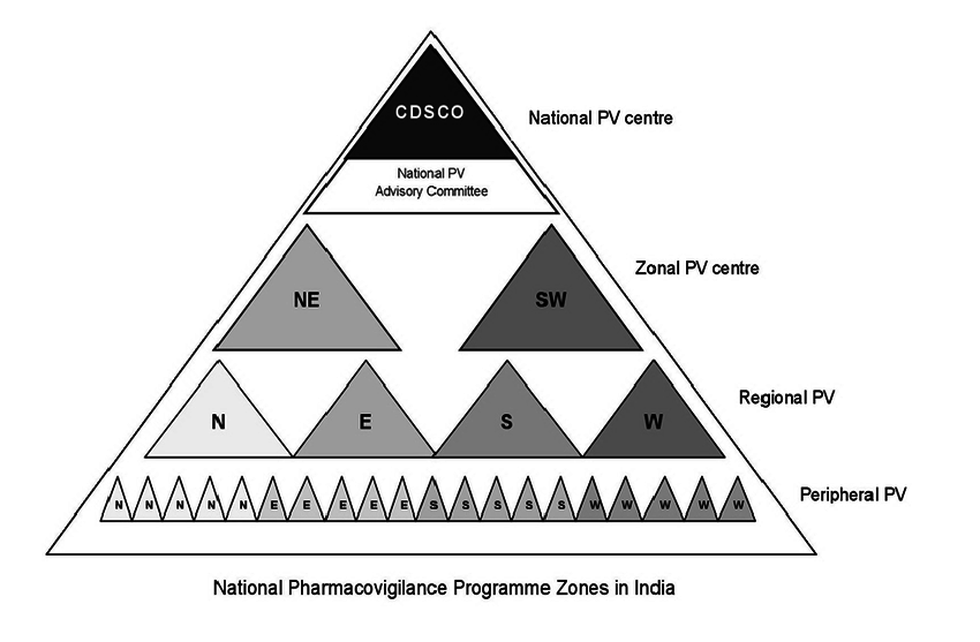
- A three-tier network of National Pharmacovigilance Centre (NPvCC), Intermediary Pharmacovigilance Centres (IPvCCs) and Peripheral Pharmacovigilance Centres (PPvCC) will be established.
- All India Institute of Ayurveda, New Delhi, an autonomous body under the Ministry of AYUSH, has been designated as NPvCC for coordinating the initiative.
- A three-tier network of National Pharmacovigilance Centre (NPvCC), Intermediary Pharmacovigilance Centres (IPvCCs) and Peripheral Pharmacovigilance Centres (PPvCC) will be established.
Prelims Pointers
Aug. 15, 2018
About:
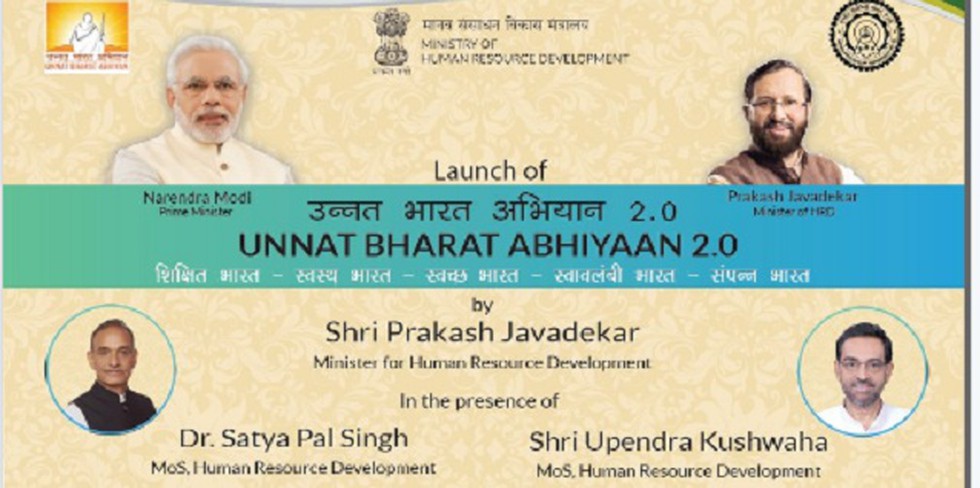
- Unnat Bharat Abhiyan 2.0 is the second stage of the Unnat Bharat Abhiyan.
- Background: It was launched by the Union Ministry of Human Resource Development (HRD) in April 2018.
- Objectives: To use the knowledge base of the Premier Higher Education Institutions (HEIs) of the country to ensure rural development.
- Working:
- Under this each selected institute would adopt a cluster of villages/panchayats.
- Institutes will then carry out studies to assess the local problems and then use technology to improve the implementation of various government schemes.
- Under this each selected institute would adopt a cluster of villages/panchayats.
Salient features of Unnat Bharat Abhiyan 2.0:
- Institutions have been selected in a Challenge Mode.
- The scheme has been extended to 750 reputed Higher Educational Institutes (both public and private) of the country.
- IIT Delhi has been designated as the National Coordinating Institute for this programme.
- Major Areas of Intervention: There are two major domains, (1) human development and (2) material (economic) development.
Prelims Pointers
Aug. 15, 2018
About:
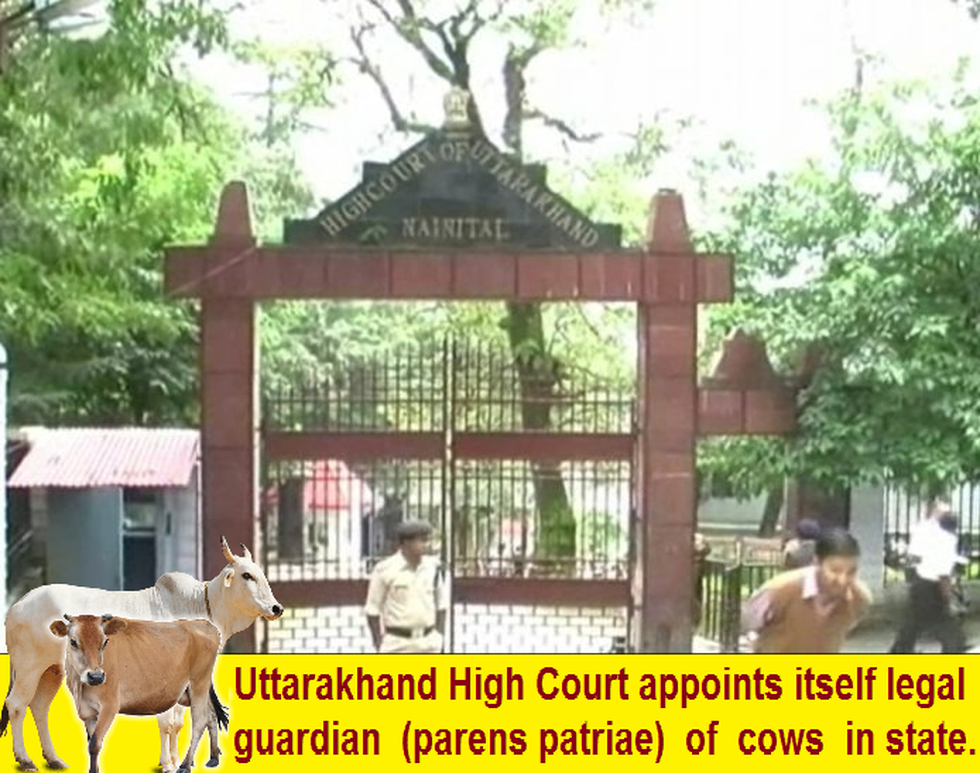
- ‘Parens patriae’ is a Latin term meaning ‘parent of his or her country’.
- It describes the power of the state to act as a guardian for those who are can’t care for themselves — such as animals, children or the disabled.
- Earlier instances in India:
- Supreme Court in ‘Animal Welfare Board of India vs A Nagaraja & Ors (2014)’, held that the Court has a duty under the doctrine of parens patriae to take care of animal’s rights.
- In ‘Bhopal gas leak disaster case’, the SC stated that the parens patriae theory makes it imperative for the State to protect rights of the citizens when they are not in a position to do so.
- Supreme Court in ‘Animal Welfare Board of India vs A Nagaraja & Ors (2014)’, held that the Court has a duty under the doctrine of parens patriae to take care of animal’s rights.
Prelims Pointers
Aug. 15, 2018
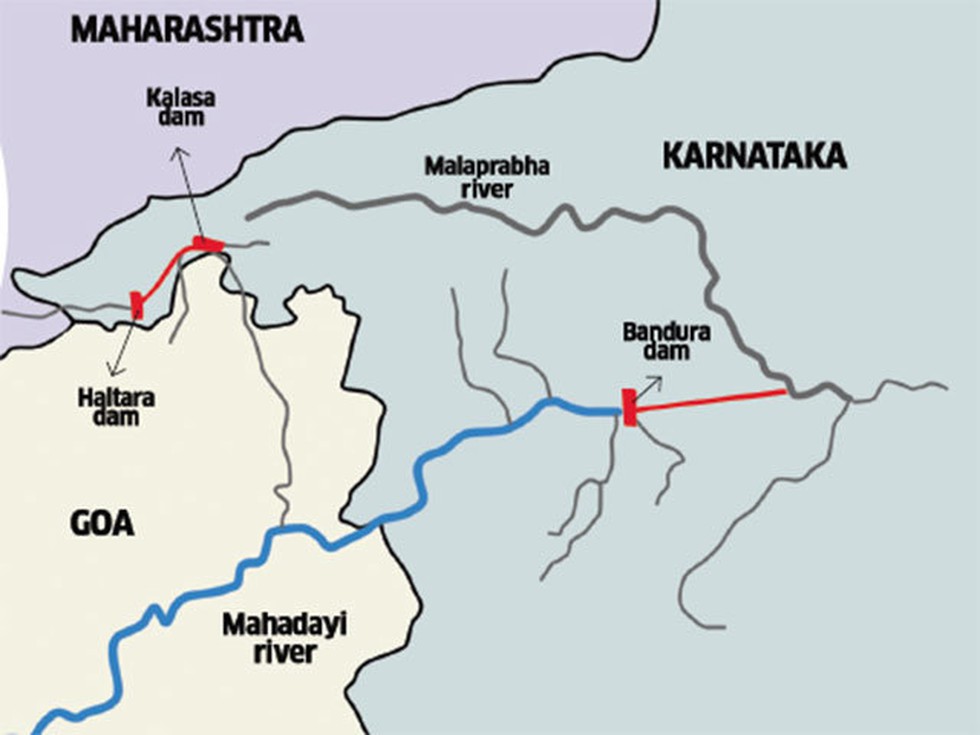
Mahadayi/Mandovi River:
- The Mahadayi/Mandovi River is described as the lifeline of the Indian state of Goa.
- It originates from a cluster of 30 springs at Bhimgad in the Western Ghats in the Belgaum district of Karnataka. Then it enters Goa and finally drains in Arabian sea.
- The Mandovi and the Zuari are the two primary rivers in the state of Goa.
- Mandovi joins with the Zuari at a common point at Cabo Aguada, forming the Mormugao harbour.
- The two rivers are linked by Cumbarjuem Canal.
- Mandovi joins with the Zuari at a common point at Cabo Aguada, forming the Mormugao harbour.
- Panaji, the state capital and Old Goa, the former capital of Goa, are both situated on the left bank of the Mandovi.
- The river Mapusais a tributary of the Mandovi.
- Three large freshwater isles — Divar, Chorao and Vashee are present in the Mandovi near the town of Old Goa. The island of Choraois home to the Salim Ali Bird Sanctuary, named after the renowned ornithologist Salim Ali.
Recent decision:
- The tribunal was constituted in 2010 to equitably allot Mahadayi water among Karnataka, Goa and Maharashtra.
- The three-member body, headed by Justice J.M. Panchal, recently submitted its report to Union Water Resources Minister.
- Recommendations:
- Karnataka has been allocated 13.5tmcft of water, Goa has been 24tmcft while Maharashtra has been allocated 1.3tmcft.
- The water sharing would have to be overseen by Central government agencies or a Mahadayi Water Management Authority (which could be framed on the lines of the recently constituted Cauvery Management Board).
- The tribunal recommendations ought to be adhered to until August 2048.
- Karnataka has been allocated 13.5tmcft of water, Goa has been 24tmcft while Maharashtra has been allocated 1.3tmcft.
- Goa had opposed any diversion to Karnataka on the grounds that it required water for its own needs
Aug. 14, 2018
Prelims Pointers
Aug. 14, 2018

About:
- Somnath Chatterjee was an Indian politician, being associated with the Communist Party of India (Marxist) (a.k.a. CPM) from 1968–2008.
- He was the Lok Sabha Speaker from 2004 to 2009.
- In 1996 he won the Outstanding Parliamentarian Award.
- His autobiography’s name was “Keeping the Faith: Memoirs of a Parliamentarian”.
Lessons from his life:
- Non-partisan attitude:
- He was expelled by his party (CPM) in 2008 when he refused to follow the party diktat to resign as Speaker after CPM withdrew support to the Congress-led UPA government over the India-US nuclear deal.
- He maintained that the Speaker should be above party politics.
- He was expelled by his party (CPM) in 2008 when he refused to follow the party diktat to resign as Speaker after CPM withdrew support to the Congress-led UPA government over the India-US nuclear deal.
- Fiscal integrity: He was known for his fiscal integrity.
- After moving into the official residence Speaker in 2004, he discontinued the practice of paying for toiletries and tea from the national exchequer.
- On trips abroad, he paid for the expenses of any accompanying family members.
- After moving into the official residence Speaker in 2004, he discontinued the practice of paying for toiletries and tea from the national exchequer.
Award for Outstanding Parliamentarian?
· It was instituted in 1992 and since then is annually given by the Indian Parliamentary Group (an autonomous body with membership open to all current and former Members of Parliament).
· It is given to an outstanding sitting Parliamentarian for his/her overall contribution in the Indian Parliament.
· A sitting member from either house of Parliament is eligible to receive the award.
Prelims Pointers
Aug. 14, 2018

About:
- Scientific name: Tenualosa ilisha.
- Common name: Hilsa, Ilish.
- Range description:
- Hilsa Fish is found in rivers and estuaries in Bangladesh, India, Pakistan, Myanmar and the Persian Gulf area (where it can be found in the Tigris and Euphrates rivers in and around Iran and Iraq)
- It is Bangladesh's national fish as it contributes more than 10% of the total fish production and over 1 % of GDP in Bangladesh.
- Hilsa Fish is found in rivers and estuaries in Bangladesh, India, Pakistan, Myanmar and the Persian Gulf area (where it can be found in the Tigris and Euphrates rivers in and around Iran and Iraq)
- Use: It is a very popular and sought-after food fish in South Asia. In India, it is highly valued esp. in West Bengal, Odisha, Andhra Pradesh and Tamil Nadu.
- IUCN status: Least concern.
- Threat: The species is widespread, but is declining due to over-exploration by commercial fisheries, pollution and disruption of migration routes by dam development.
Prelims Pointers
Aug. 14, 2018

About:
- Solar wind is a stream of charged particle released from the Sun in all directions at an average speeds of about 400 km/s.
- The source of these is the Sun’s hot
- Solar wind is composed of protons as well as electrons whose energies range in between 10 and 100 KeV.
- It can escape the Sun’s gravity because of:
- solar winds’ high kinetic energies and
- corona’s high temperature due to which the Sun’s gravity cannot get hold of it to pull it down in place.
- solar winds’ high kinetic energies and
- It is not uniform, with its speed varying over different regions of the corona. These high and low speed streams interact with each other, and these variations can produce solar storms in the magnetosphere surrounding Earth.
- There is a vast bubble called the heliosphere in the interstellar medium which surrounds the solar system. This heliosphere is created by the solar winds.
- The term Solar wind was coined in 1957 by University of Chicago Professor Eugene Parker, after whom the recent NASA solar probe is named.
The Sun’s extended outer layer (or outer atmosphere) is called the corona.
It is an area composed of plasma whose temperatures could reach up to over 1 million degrees Celsius.
Prelims Pointers
Aug. 14, 2018

About:
- The NGOPVs will be built in indigenous shipyards and will be fitted with state-of-the-art sensor suite.
- These platforms will strengthen maritime security by undertaking various roles such as surveillance missions, anti-piracy missions, counter infiltration operations, humanitarian assistance and disaster relief and search and rescue missions.
A patrol boat (also referred as patrol vessel) is a relatively small naval vessel generally designed for coastal defence duties.
They are broadly classified as inshore patrol vessels (IPVs) and offshore patrol vessels (OPVs). They are smaller in size than a corvette (a small warship).
Prelims Pointers
Aug. 14, 2018
About:
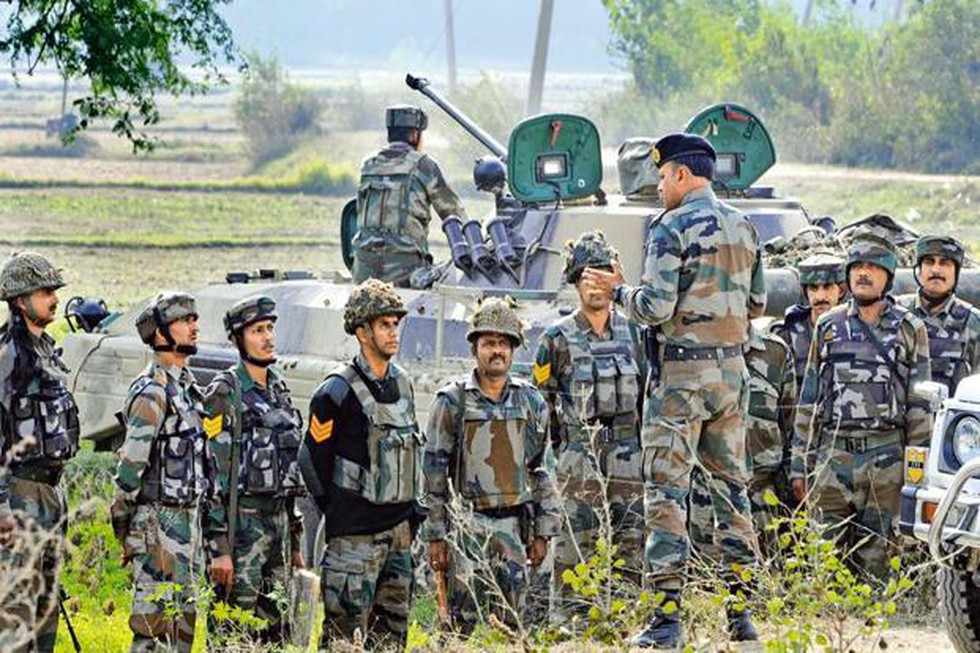
- Junior Commissioned Officer (JCO) is a term describing a group of military ranks.
- Soldiers holding JCO rank receive a commission from the President, but this commission is of a lower status than that held by full commissioned officers.
- The recent clarification follows a long standing controversy over the issue. This is a reversal of an order issued in June 2018, in which Defence Ministry observed that there was no case for accepting JCOs as Gazetted officers.
|
JCO ranks in Indian Army (from highest to lowest) |
JCO equivalent ranks in Indian Navy |
JCO equivalent ranks in Indian Air Force |
|
Subedar-Major |
Master Chief Petty Officer Class 1 |
Master Warrant Officer |
|
Subedar |
Master Chief Petty Officer Class 2 |
Warrant Officer |
|
Naib Subedar |
Chief Petty Officer |
Junior Warrant Officer |
Gazetted officer:
- Gazetted officer means any public servant whose appointment is published in the government gazette.
- The Gazette of India:
- It is a public journal and an authorised legal document of the Government of India. As a public journal, the Gazette prints official notices from the government.
- It is published weekly by the Department of Publication, Ministry of Housing and Urban Affairs.
- It is a public journal and an authorised legal document of the Government of India. As a public journal, the Gazette prints official notices from the government.
Prelims Pointers
Aug. 14, 2018

About:
- This is the third report in the series, with the first being conducted in 2016.
- Objective: To improve cleanliness standards of railway stations and to infuse healthy competition among them.
- Parameter: The parameters adopted for conducting the survey were:
- Evaluation of Process of cleanliness in Parking, main entry area, main platform, waiting room (33.33%),
- direct observation by QCI assessors of cleanliness in these areas (33.33%) and
- passenger feedback (33.33%).
- Evaluation of Process of cleanliness in Parking, main entry area, main platform, waiting room (33.33%),
- Key findings:
- In last 4 years, Swachh Rail Swachh Bharat Campaign has witnessed tremendous improvement in terms of cleanliness in waiting area and platforms.
- As compared to 2017 there is 9% improvement in top 100 stations; 4 zones have improved more than 20%.
- In last 4 years, Swachh Rail Swachh Bharat Campaign has witnessed tremendous improvement in terms of cleanliness in waiting area and platforms.
- Top Scorers:
|
CATEGORY |
TOP RANKER |
|
A1 category stations |
Jodhpur (North-Western Railway) |
|
A category stations |
Marwar (North Western Railway) |
|
Zonal Railway rankings |
North Western Railway |
Quality council of India (QCI)
It is a non-profit autonomous body registered under Societies Registration Act, 1860.
It is under the administrative control of the Department of industrial policy & promotion (DIPP).
It was jointly setup in 1997 by Government of India jointly with Indian Industry.
Objectives:
· To establish and operate the National Accreditation Structure for conformity assessment bodies;
· Providing accreditation in the field of education, health and quality promotion.
Prelims Pointers
Aug. 14, 2018

Internal Complaints Committee (ICC):
- Under the Sexual Harassment of Women at Workplace (Prevention, Prohibition and Redressal) Act, 2013, it is mandatory for any organisation with 10 or more employees to constitute an ICC.
- An employer who doesn’t do so could face a fine of up to ₹50,000.
- Composition: An ICC should consist of a –
- presiding officer, who is a woman employee at a senior level in the same organisation,
- at least two employees “preferably committed to the cause of women”, and
- a member from an NGO or a person “familiar with issues relating to sexual harassment.”
- presiding officer, who is a woman employee at a senior level in the same organisation,
- Powers: ICC would have powers similar to those of a civil court and would have to complete its inquiry within 90 days.
Recent decision:
- For making the disclosure mandatory, Corporate Affairs Ministry has amended the Companies (Accounts) Rules, 2014, governed by the Companies Act, 2013.
- The amended rules state that the Annual Reports of Private companies will have to contain a statement about status of Internal Complaints Committee (ICC).
Prelims Pointers
Aug. 14, 2018

About:
- Objective: The Ministry of Housing and Urban Affairs (MoHUA) has launched the index to serve as a common minimum framework for cities to evaluate themselves.
- Parameters: Cities have been ranked on 15 categories which have been grouped under four pillars of urban development, namely
|
Parameter |
Weightage |
|
Institutional (Governance) |
25 % |
|
Social |
25 % |
|
Economic |
5 % |
|
Physical |
45 % |
- Methodology:
- A city’s ranking reflects its ability to provide data, as well as its actual performance on four different parameters.
- Thus a city can be ranked poor inspite of having all the facilities, due to its inability to provide data.
- A city’s ranking reflects its ability to provide data, as well as its actual performance on four different parameters.
- Ranking of cities:
|
TOP-RANKED CITIES |
LOWEST-RANKED CITIES |
||
|
Rank |
City |
Rank |
City |
|
1 |
Pune (Maharashtra) |
109 |
Patna (Bihar) |
|
2 |
Navi Mumbai (Maharashtra) |
110 |
Kohima (Nagaland) |
|
3 |
Greater Mumbai (Maharashtra) |
111 |
Rampur (UP) |
- The other cities in the top 10 include Tirupati, Chandigarh, Thane, Raipur, Indore, Vijayawada and Bhopal.
- New Delhi is ranked 65, while Chennai is ranked 14. Kolkata did not participate in the survey.
- Relative benchmarks: To ensure that the assessment offers a level playing field to all cities, relative benchmarks are assigned for 22 of the 78 indicators in which cities are evaluated against their comparable peers, defined by the population. Cities were classified into 4 categories namely –
|
Category |
Population |
|
Group 1 |
Below 0.5 Million |
|
Group 2 |
0.5 to 1 Million |
|
Group 3 |
1 to 4 Million |
|
Group 4 |
Above 4 Million |
Prelims Pointers
Aug. 14, 2018
About:
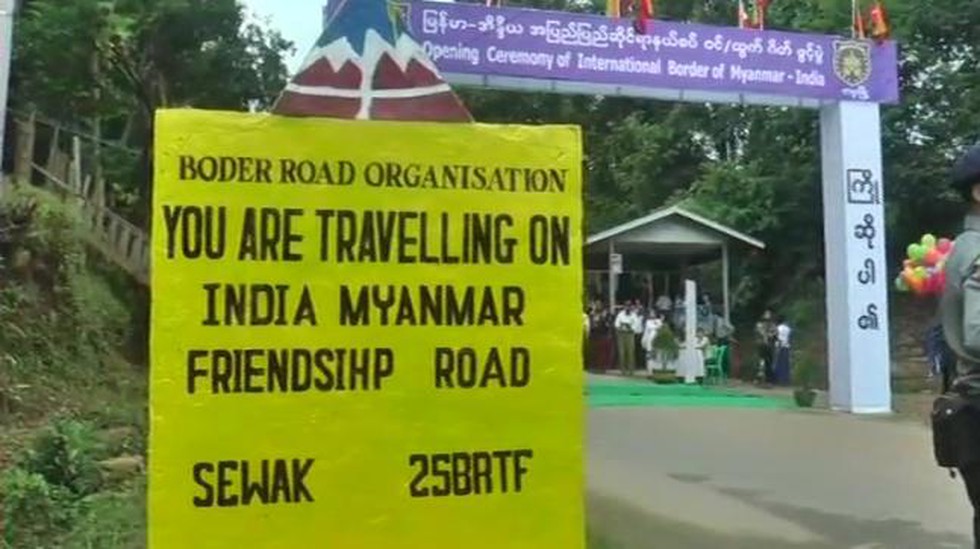
- The agreement was earlier signed in May 2018. Under it, any Myanmarese or Indian national with a valid passport and visa can now cross over without requiring special permission.
- Significance: The Agreement opens up roads between the two countries, and brings them closer for travellers and traders. It is a key step in India’s Act East policy.
Background:
- The two crossing points are at Moreh in Manipur, opposite Tamu in Myanmar’s Sagaing division, and Zokhawthar in Mizoram, opposite Rhikhawdar in Myanmar’s Chin state.
- Earlier, these crossing points were meant only for people of the border villages on either side. Border passes valid for up to three days were issued for these visits, and travel was restricted to 16 km from the crossing point.
- Passes were issued to other citizens, but they could not stay overnight across the border. To travel further on either side, cross-border visitors needed special permits.
- Under the new regime, for anyone with a passport and visa, the crossing points will be open routinely to travel anywhere in the other country.
Prelims Pointers
Aug. 14, 2018
Mt Kamet:
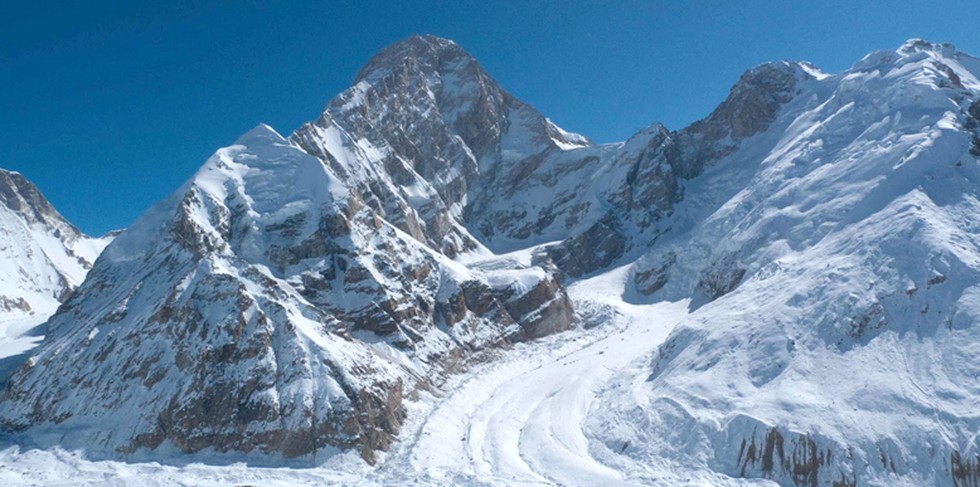
- Mt Kamet (7756M) lies in the Chamoli District of Uttarakhand.
- It is the 3rd highest peak Indian-controlled territory after Kanchanjanga & Nanda devi and the second highest in the Garhwal region after Nanda Devi.
- In appearance it resembles a giant pyramid topped by a flat summit area with two peaks.
Mt Makalu is the fifth highest mountain in the world (8,485 m) and is located on the Nepal-china border.
Aug. 13, 2018
Prelims Pointers
Aug. 13, 2018
About:
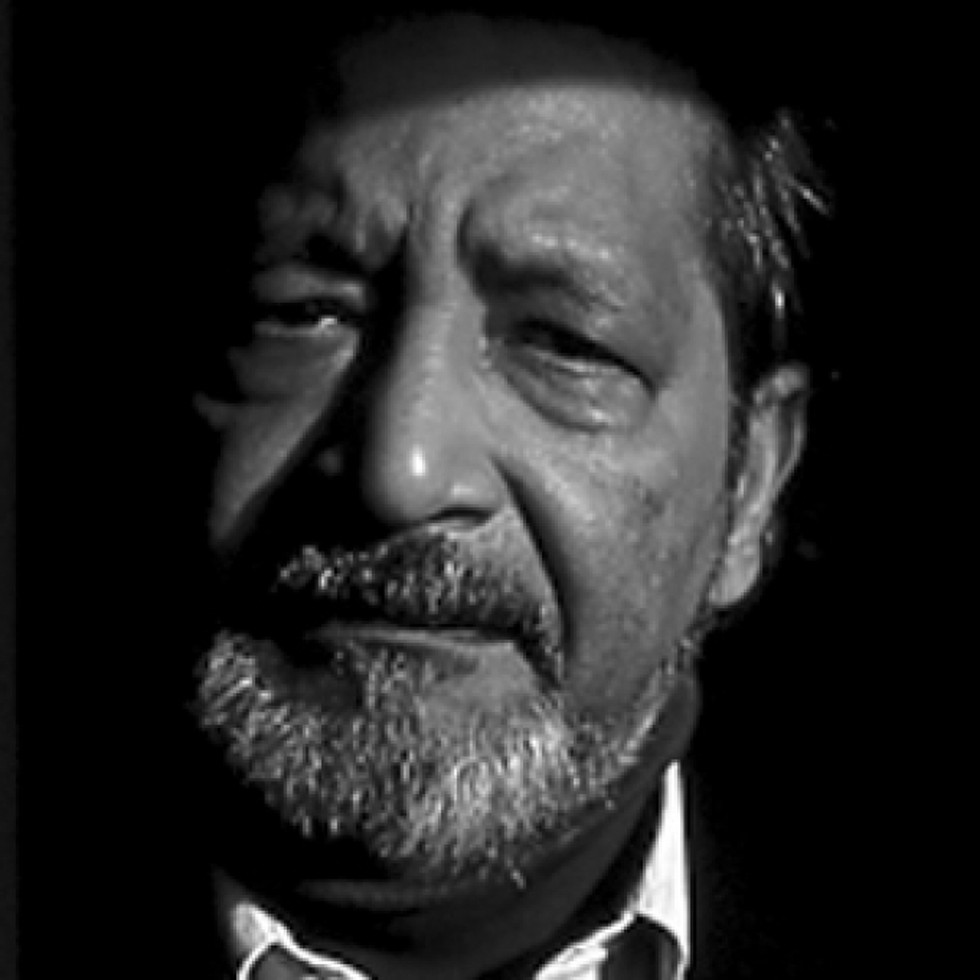
- Vidiadhar Surajprasad Naipaul (a.k.a Vidia Naipaul or V. S. Naipaul) was an author, who wrote more than thirty books (fiction and nonfiction).
- He was born in 1932, in Trinidad into an Indian Hindu family. Later on he became a British citizen.
- Notable works:
- A House for Mr Biswas
- In a Free State
- A Bend in the River
- The Enigma of Arrival
- His India trilogy comprising (1) An Area of Darkness, (2) A Wounded Civilisation and (3) A Million Mutinies Now.
- A House for Mr Biswas
- Awards:
- Booker Prize (1971) for his book ‘In a free state’.
- Nobel Prize for Literature (2001).
- Booker Prize (1971) for his book ‘In a free state’.
Prelims Pointers
Aug. 13, 2018

About:
- Mission objectives: The probe will investigate two key questions about solar physics:
- How the solar wind is accelerated i.e. how do they attain speeds of as much as 1.8 million mph?
- Why the sun’s outer atmosphere, or corona, is so much hotter than the solar surface?
- How the solar wind is accelerated i.e. how do they attain speeds of as much as 1.8 million mph?
- Journey:
- The probe will fly through the Sun’s atmosphere and will come as close as 3.8 million miles to the star’s surface. It is expected to make 24 loops of the Sun over seven years.
- In order to reach an orbit around the sun, it will take seven flybys of Venus that will help the probe in reducing its orbital distance to the sun.
- The mission is scheduled to end in 2025. The first data download from the Parker Solar Probe is expected in early December 2018 after the probe reaches its first close approach of the sun in November.
- The probe will fly through the Sun’s atmosphere and will come as close as 3.8 million miles to the star’s surface. It is expected to make 24 loops of the Sun over seven years.
- Significant firsts:
- The Parker Solar Probe’s departure promises to set a number of records, including speediest spacecraft, highest velocity while leaving Earth and closest solar approach (within the corona of a star).
- So far, the Helios 2 spacecraft has made the closest approach, which flew within 27 million miles in 1976.
- The Parker Solar Probe’s departure promises to set a number of records, including speediest spacecraft, highest velocity while leaving Earth and closest solar approach (within the corona of a star).
- The mission is the first to be named after a living scientist, Eugene N Parker, who was the first scientist to describe solar wind in 1958.
Prelims Pointers
Aug. 13, 2018
Ischemic stroke:
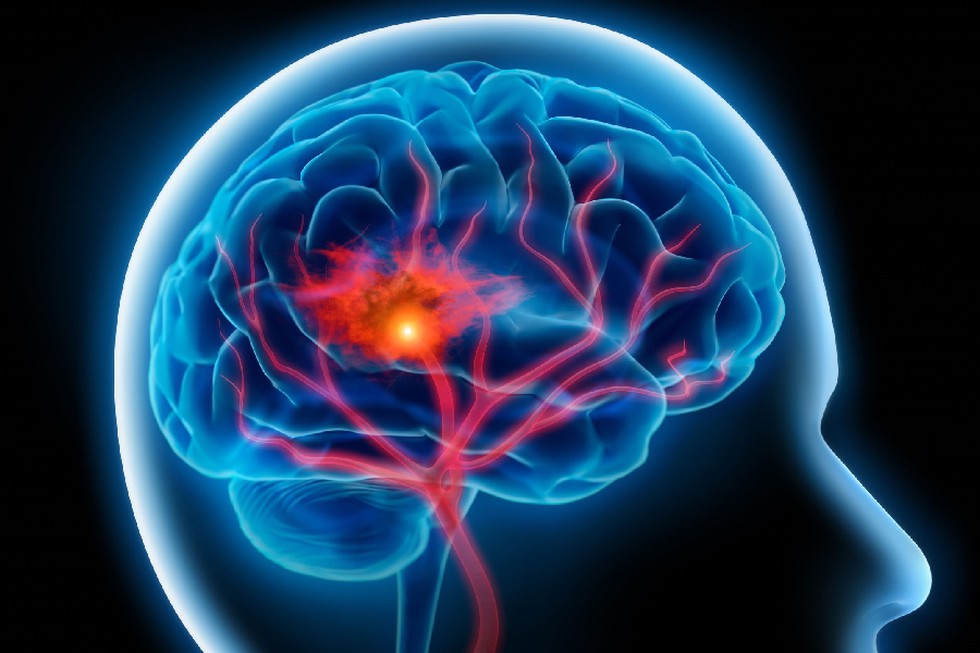
- Ischemic stroke occurs when a blood vessel carrying blood to the brain is blocked by a blood clot. This causes blood not to reach the brain.
- High blood pressure is the most important risk factor for this type of stroke.
- An ischemic stroke can occur in two ways.
- Embolic stroke: Happens when a blood clot forms somewhere in the body (usually the heart) and then travels to the brain.
- Thrombotic stroke: It is caused by a blood clot that forms inside one of the arteries supplying blood to the brain.
- Embolic stroke: Happens when a blood clot forms somewhere in the body (usually the heart) and then travels to the brain.
- Ischemic strokes account for about 87% of all strokes.
- The prevalence of these brain stroke is much higher in India than the West.
PEGylated Streptokinase:
- The clotbuster (PEGylated Streptokinase - a novel biological entity) was invented by a team of scientists at CSIR-Institute of Microbial Technology (IMTECH), Chandigarh.
- The CSIR-IMTECH and Epygen Biotech Pvt. Ltd. (a Mumbai based bio-pharmaceutical company) have entered into an agreement for the latter to develop the PEGylated Streptokinase for treatment of ischemic stroke.
- By this Epygen has become the first company in India with exclusive licence for developing it.
Prelims Pointers
Aug. 13, 2018
LaCONES:
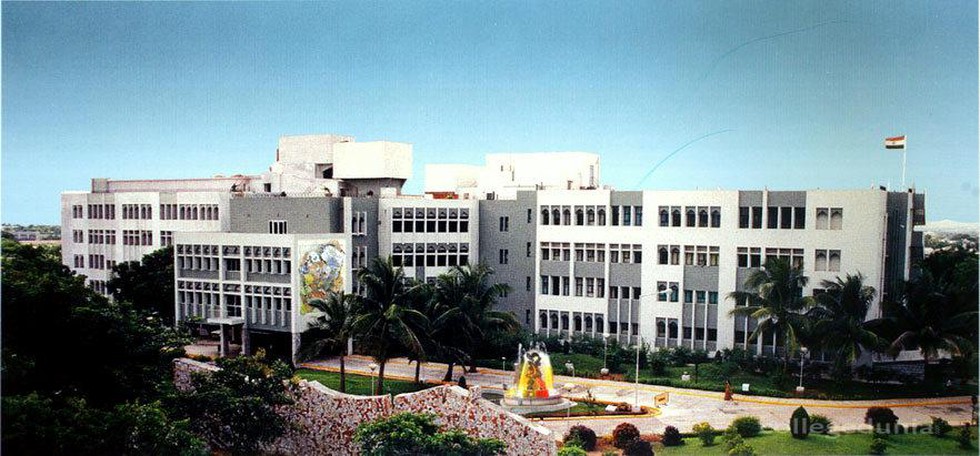
- LaCONES is an acronym for The Laboratory for the Conservation of Endangered Species.
- Parent body: It is a dedicated Laboratory of CSIR’s Centre for Cellular and Molecular Biology (CCMB) in Hyderabad.
- Objective: To use modern biotechnologies for conservation of endangered wildlife (It supports both the measures of conservation i.e. in situ and ex situ measures).
- Background:
- Project LaCONES was established in 1998 with support from (i) Dept. of Biotechnology (DBT), Govt. of India, (ii) Central Zoo Authority of India (CZA), Delhi, (iii) Council of Scientific and Industrial Research (CSIR) and (iv) Government of Andhra Pradesh.
- The laboratory was itself established in 2007. It is India’s only dedicated laboratory for conservation of endangered species.
- Project LaCONES was established in 1998 with support from (i) Dept. of Biotechnology (DBT), Govt. of India, (ii) Central Zoo Authority of India (CZA), Delhi, (iii) Council of Scientific and Industrial Research (CSIR) and (iv) Government of Andhra Pradesh.
National Wildlife Genetic Resource Bank:
- It is India’s first scientific wildlife genetic resource bank.
- The genetic bank located at LaCONES, will preserve genetic material of Indian species which could be utilised to resurrect an animal species in case it goes extinct.
- It would also facilitate exchange of genetic material between the Indian zoos for maintaining genetic diversity and implementing conservation programs.
Prelims Pointers
Aug. 13, 2018

About:
- The Centres of Space Technology at Jammu and Tripura will be devoted to research, academics and post-graduation study in Space Sciences.
- Jammu will be the first city in North India to get a full-fledged Space Technology Research Centre. Jammu Centre will function under the aegis of the Central University Jammu.
- Agartala (Tripura) centre would function under the aegis of National Institute of Technology (NIT) Agartala.
Sarabhai centenary celebration:
- On the occasion of 99th birth anniversary of Dr Vikram Sarabhai announced the year-long Vikram Sarabhai centenary celebration to honour the visionary scientist.
- Vikram Sarabhai, the first Chairman of ISRO, founding father of India's Space Programme and renowned cosmic ray scientist, was born on August 12, 1919.
Prelims Pointers
Aug. 13, 2018
About:
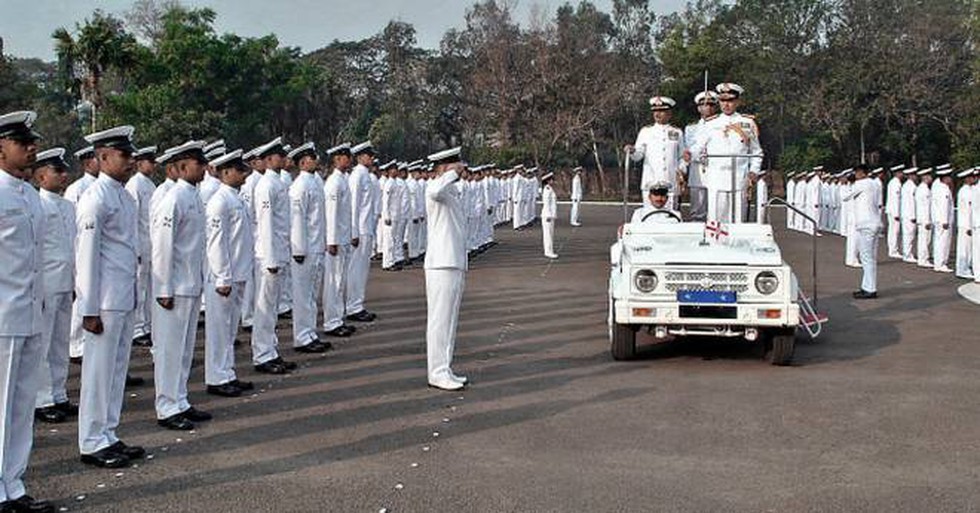
- Location: Visakhapatnam, Andhra Pradesh.
- Established in:
- Mandate: INS Satavahana is the premier Submarine Training establishment of the Indian Navy for imparting all facets of submarine training.
- School of Advanced Undersea Warfare (SAUW): SAUW was established in 2006 inside the premises of INS Satavahana, to train the crew of submarines of the nuclear submarines.
- Nomenclature:
- It is named after the “Satavahana” dynasty that once ruled the eastern coast of peninsular India (184 BC to 300 AD).
- During the reign of Satkarni, the third Satavahana King, the Indian sails ventured off the present day’s islands of Malaysia and Indonesia.
- It is named after the “Satavahana” dynasty that once ruled the eastern coast of peninsular India (184 BC to 300 AD).
- It is the only integrated training establishment in the Indian Navy, as it carries out training for all branches of officers and sailors of the Submarine Arm.
Comment:
- Training in damage control and firefighting assumes even greater importance as India inducts nuclear submarines into its ageing submarine fleet.
- In 2013, submarine INS Sindhurakshak sank in the Mumbai harbour after an explosion on board, killing 18 sailors. In 2014, fire on board INS Sindhuratna killed two officers.
Prelims Pointers
Aug. 13, 2018
About:
- Background:
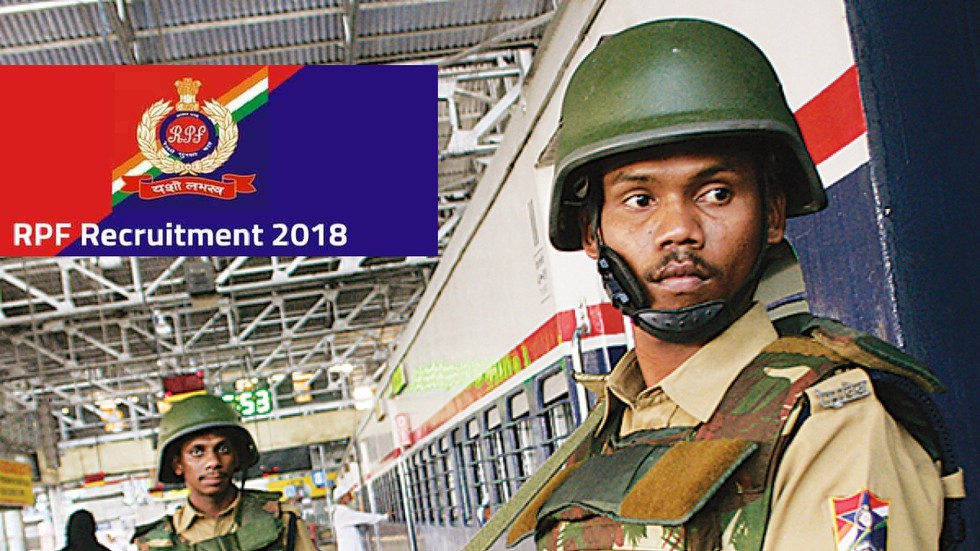
- The Railway Security Force (RSF) was established in
- The Railway Protection Force Act, 1957 renamed RSF to Railway Protection Force (RPF) and expanded the force’s legal powers (thus it’s a statutory body).
- In 1980s it was transformed into an ‘Armed Force of the Union’ by giving enhanced powers.
- The Railway Security Force (RSF) was established in
- Functions:
- It has the primary duty of protection of railway property, passenger area, and passengers.
- RPF is NOT responsible for ALL aspects of railways security as it shares its duties with the Government Railway Police (GRP) and the District Police.
- It has the primary duty of protection of railway property, passenger area, and passengers.
- Power: It has the power to arrest, investigate and prosecute criminals.
- Administration:
- RPF is under the control of Ministry of Railways.
- It is headed by the Director General (DG).
- RPF is under the control of Ministry of Railways.
Prelims Pointers
Aug. 13, 2018
About:
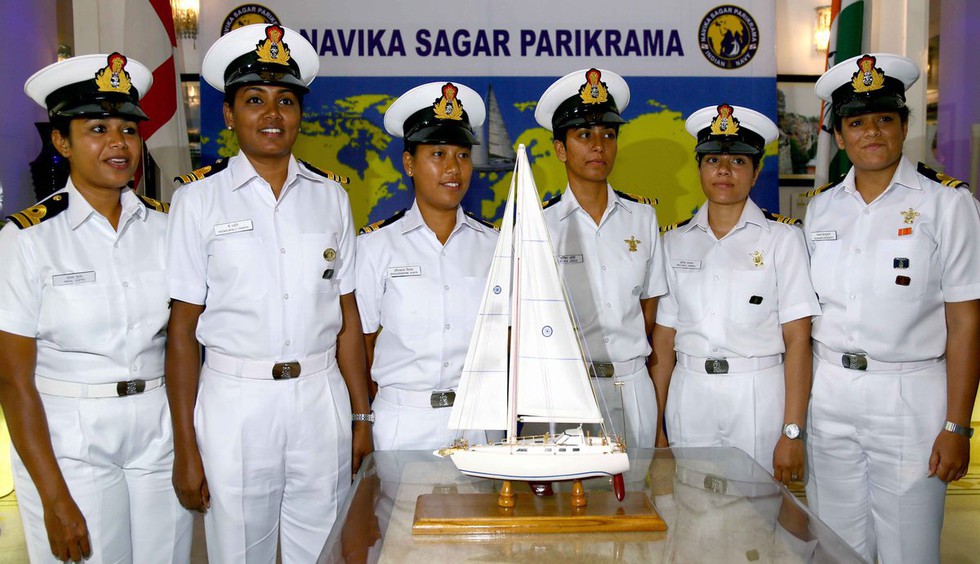
- The crew of the Indian Navy Sailing Vessel 'Tarini' was a part of the Indian Navy’s project 'Navika Sagar Parikrama', an all-women team circumnavigating the globe.
- The Six-member all-women team was led by Lieutenant Commander Vartika Joshi.
- This was the first-ever Indian circumnavigation of the globe by an all-women crew.
- The crew used an indigenously built INSV Tarini, a 55-foot sailing vessel.
- Earlier this year, the President of India, conferred the Navika Sagar Parikrama team with the Nari Shakti Puraskar.
Prelims Pointers
Aug. 13, 2018
About:
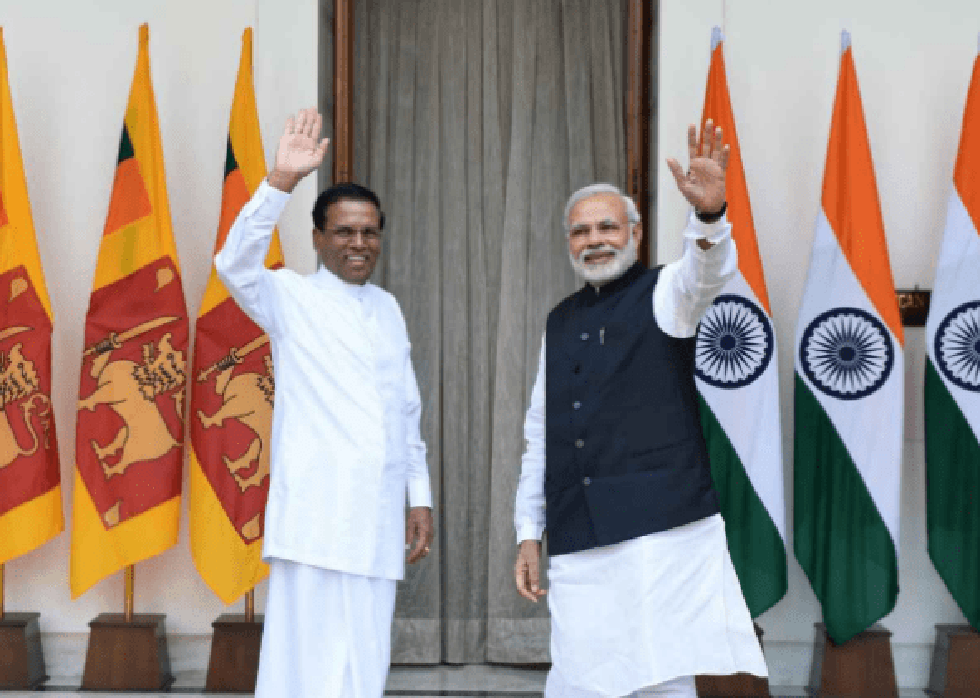
- India has already built 46,000 houses in war affected north and east provinces of Sri Lanka. Another 4,000 houses are also under construction for plantation workers in central and Uva province.
- Socio-economic condition of Tamil Sri Lankan workers in plantation sectors is poor with housing being a major problem.
- Indian housing project in Sri Lanka with a grant over 350 million US dollars is one of the largest grant assistance abroad given by Indian government.
Prelims Pointers
Aug. 13, 2018
Brahmi script:
- Meaning:
- The Brahmi script is the ancestor of all scripts used to write Modern Indo-Aryan languages, Dravidian and to some extent scripts of Tibeto-Burman and Munda families.
- It was also adopted by a large number of cultures in Southeast Asia and Central Asia.
- The Brahmi script is the ancestor of all scripts used to write Modern Indo-Aryan languages, Dravidian and to some extent scripts of Tibeto-Burman and Munda families.
- Salient feature of Brahmi script:
- It is written from left to right (though several specimens running from right to left have been found)
- It has an angular shape. As it evolved, this angular feature was gradually replaced by rounded shapes in cultures where palm leaves were used as a medium of written communication.
- Its key feature is the written syllable or akṣara. The akṣara system is based on the concept of admitting a full Consonant or Vowel as a node.
- It is written from left to right (though several specimens running from right to left have been found)
- Evolution:
- Brahmi evolved around the 3rd Century BC.
- By around the 3rd Century AD, Brahmi script in India had already divided itself into two main styles: Northern and Southern.
- Around the 12th Century AD, under the influence of vernacularisation (that went in parallel with Bhakti Movement) native scripts started growing.
- Brahmi evolved around the 3rd Century BC.
- Neo-Brahmi group:
- It covers all such scripts used today and which are based on Brahmi.
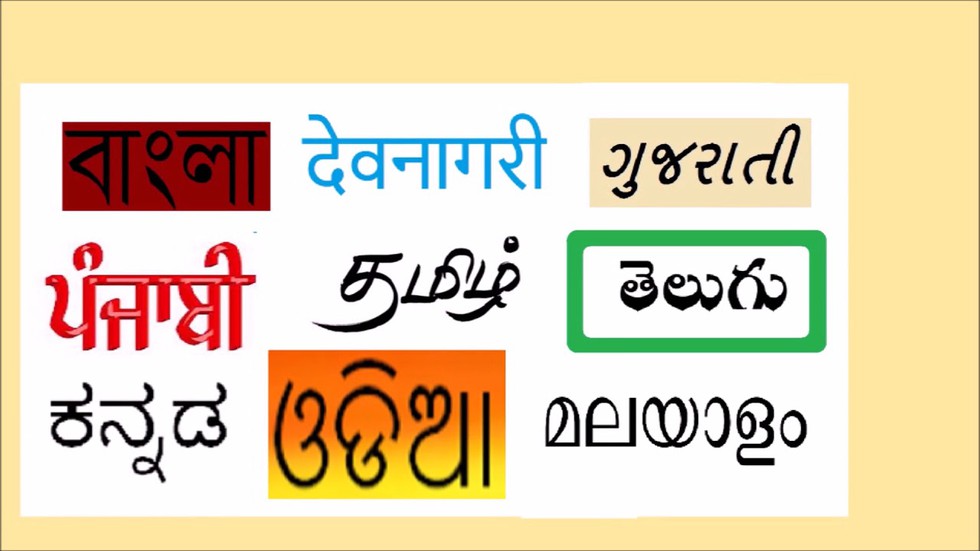
- The 9 neo-Brahmi scripts in India are Bengali, Devanagari, Gujarati, Gurmukhi, Kannada, Malayalam, Oriya, Tamil and Telugu scripts.
- It covers all such scripts used today and which are based on Brahmi.
Neo-Brahmi Generation Panel (NBGP):
- it was formed under ICANN by 9 communities belonging to Neo-Brahmi group.
- NEGP consists of more than 60 technical experts and linguists from India, Bangladesh, Nepal, Sri Lanka and Singapore, where these languages and scripts are used.
- NBGP is working on a proposal to enable registration of website name extension – i.e. top level domain (TLD) like .com, .net, .in – in 3 Indian scripts. Later on it will work on the other 6 scripts.
- With this, one can, e.g. enter the domain in Hindi to get Hindi content, instead of typing a domain name in English for this purpose, which is the current practice
.
Internet Corporation for Assigned Names and Numbers (ICANN) is a non-profit corporation responsible for Internet’s Domain Name System (DNS) management worldwide.
Aug. 12, 2018
Prelims Pointers
Aug. 12, 2018
About:
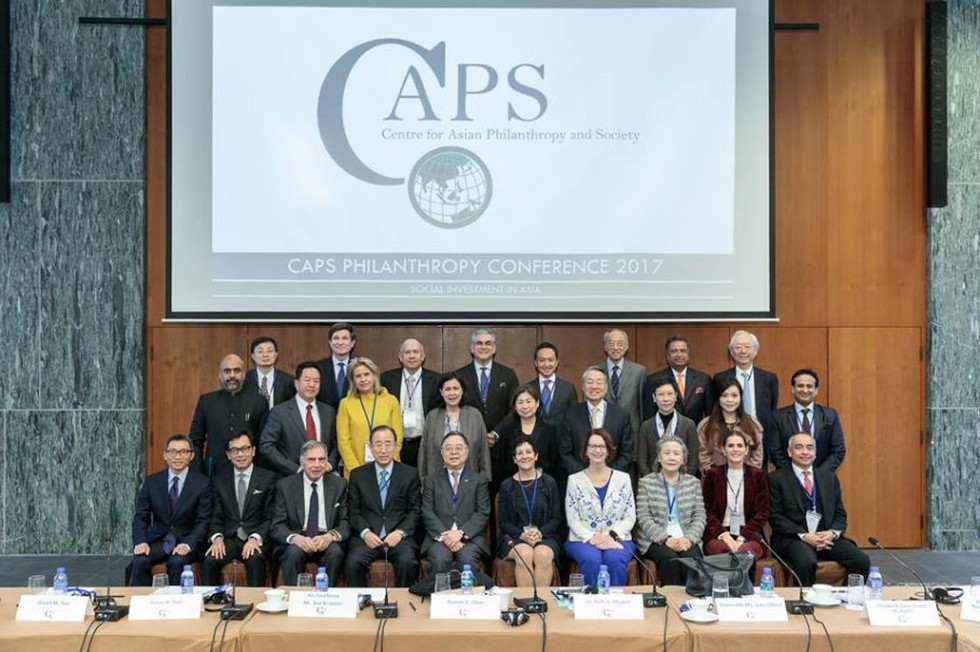
- Doing Good Index (DGI) is released by Centre for Asian Philanthropy and Society’s (CAPS).
- It is a first of its kind survey that looks at factors that enable or impede philanthropic giving.
- It considers factors under four sub-indexes: (1) Regulations, (2) Tax and Fiscal Policy, (3) Ecosystem and (4) Procurement.
- The 2018 index covers 15 Asian economies which have been categorised into 4 clusters on the basis their philanthropic activity
|
CLUSTER |
COUNTRIES INCLUDED |
|
Doing WELL |
Japan, Singapore and Taiwan. |
|
Doing BETTER |
Sri Lanka, Hong Kong, South Korea, Malaysia, Philippines, Thailand and Vietnam. |
|
Doing OKAY |
India, Pakistan and China. |
|
Not Doing enough |
Indonesia and Myanmar. |
- Steps taken by India towards Philanthropy:
- Companies Act, 2013 requires that companies (with revenue of more than ₹10 billion) will have to invest 2% of their net profits for corporate social responsibility (CSR).
- India has also put in place the Foreign Contribution (Regulation) Act in 2010, which regulates foreign contribution (especially monetary donation) provided to NGOs and others within India.
- Companies Act, 2013 requires that companies (with revenue of more than ₹10 billion) will have to invest 2% of their net profits for corporate social responsibility (CSR).
Centre for Asian Philanthropy and society (CAPS) was established in 2013 in Hong Kong as a research organization committed to improve the quantity and quality of philanthropic giving in Asia.
Prelims Pointers
Aug. 12, 2018
About:
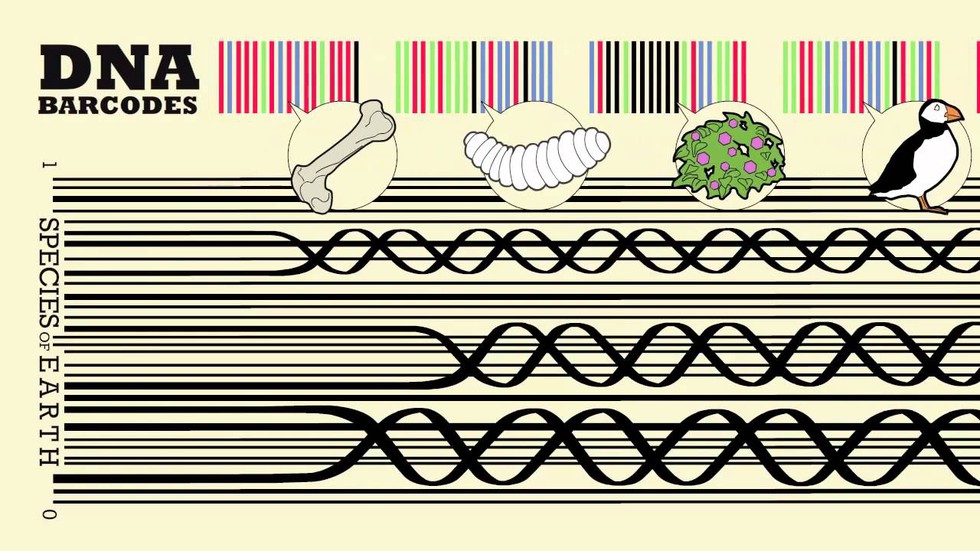
- Genetic barcoding is also known as DNA barcoding.
- It is a method for the quick identification of any species based on extracting a DNA sequence from a tiny tissue sample of any organism.
- Working: The process of DNA barcoding entails two basic steps:
- building the DNA barcode library of known species and
- matching the barcode sequence of the unknown sample against the barcode library for identification.
- building the DNA barcode library of known species and
Recent findings:
The recent study was conducted by team of scientists from Delhi University (DU) and the Wildlife Institute of India (WII). It’s two major findings are –
- Ornate narrow-mouthed frog — thought to be widely-distributed in Asia — is found only in Southern India and Sri Lanka.
- International Union for the Conservation of Nature (IUCN) currently classifies the species as ‘Least Concern’.
- However, on the basis of recent findings, it might get classified as threatened.
- Apart from ornate narrow-mouthed frog, India is also home to other species of narrow-mouthed frogs (seen in other south Asian countries). These are:
- Nilphamari,
- Mymensingh and
- Mukhlesur
Prelims Pointers
Aug. 12, 2018
Operation Magic Hunt:
- Under this, IMA is compiling the details of people offering ‘magical cure’.
- The campaign has been launched on demand from the intelligence wing of the Kerala police in the background of several high-profile people falling prey to unscientific practices.
Indian Medical Association (IMA):
- IMA is a national voluntary organisation of Doctors of Modern Scientific System of Medicine.
- Objective: To look after the interest of doctors as well as the well-being of the community.
- History: It was established in 1928 and is registered under Societies Registration Act of 1860.
The Drugs and Magic Remedies (Objectionable Advertisements) Act, 1954 prohibits advertisements of drugs and remedies (mantra, amulet or any object) that claim to have magical properties, and makes doing so a cognizable offence.
Prelims Pointers
Aug. 12, 2018
About:
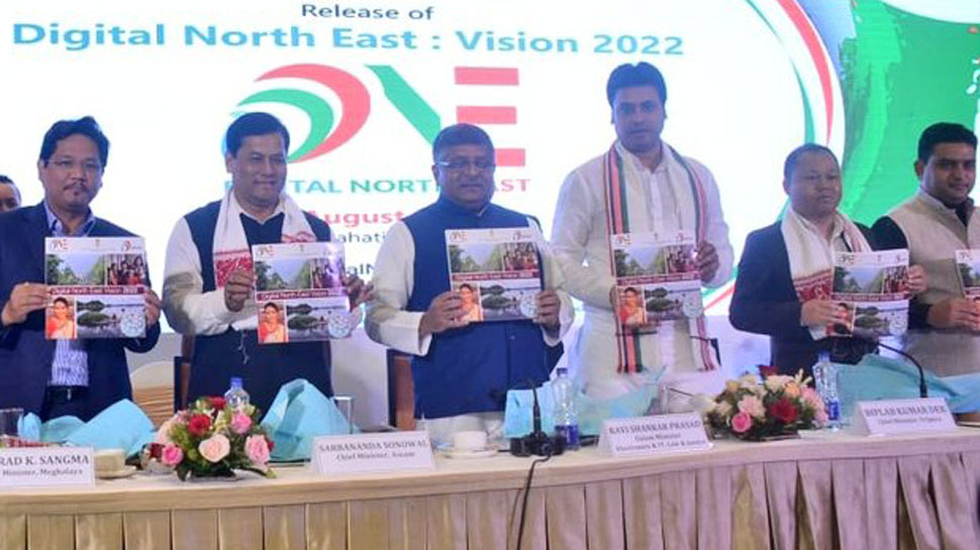
- Objective: Maximum utilisation of digital technologies to transform lives of people of the north east region.
- Strategy: Under it, eight thrust areas have been identified. Some of these are –
- Provide mobile connectivity in all uncovered villages in the North East.
- Set-up a cloud-hub for North East in Guwahati.
- Capacity building for 50,000 state government employees in use of digital technologies.
- Promoting BPOs at small cities of North East.
- As part of the initiative, Union IT minister also inaugurated the first electronics manufacturing cluster in the North-Eastern region in Guwahati.
- Provide mobile connectivity in all uncovered villages in the North East.
- Implementation mechanism: The majority of the projects will be implemented by the Department of Telecom.
Prelims Pointers
Aug. 12, 2018
About:
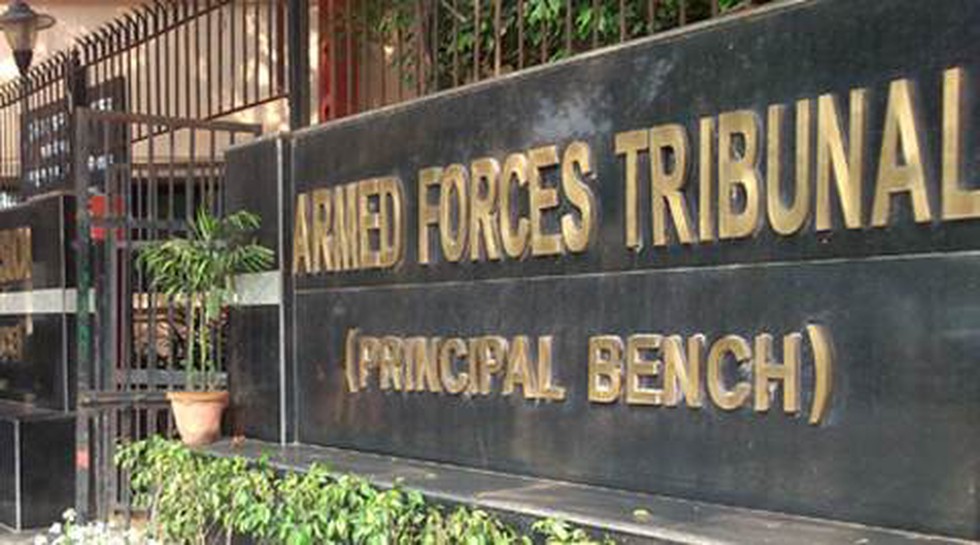
- Origin: Armed Forces Tribunal (AFT) is an Indian military tribunal established in 2009 under the Armed Forces Tribunal Act, 2007.
- Benches: its Principal Bench is in New Delhi. It also has 11 regional benches (as of March 2017).
- Objective: To adjudicate complaints wrt appointments and conditions of service in respect of person’s subject to the Army Act, 1950, The Navy Act, 1957 and the Air Force Act, 1950.
- It can further provide for appeals arising out of orders of courts- martial held under the above mentioned Acts.
- It can further provide for appeals arising out of orders of courts- martial held under the above mentioned Acts.
- Composition:
- Judicial Members are retired High Court Judges.
- Administrative Members are retired Members of the Armed Forces who have held rank of Major General/ equivalent or above for a period of three years or more.
- Judicial Members are retired High Court Judges.
- Other key facts:
- Proceedings are conducted as per the Armed Forces Tribunal (Procedure) rules, 2008.
- The Tribunal will normally follow the procedure as practiced by High Courts of India.
- Paramilitary forces including the Assam Rifles and Coast Guard are outside the tribunal's purview.
- Proceedings are conducted as per the Armed Forces Tribunal (Procedure) rules, 2008.
Prelims Pointers
Aug. 12, 2018
About the Recent proposal:
- The five states are: Odisha, Gujarat, Maharashtra, Andhra Pradesh and Assam.
- Sites identified: In the first phase, Chilika Lake (Odisha), Sardar Sarovar Dam (Gujarat) and Sabarmati River Front (Gujarat) have been identified for construction of water aerodromes.
- Other salient features of proposal:
- Water aerodrome would be set up near locations of tourist and religious importance.
- It will be a pilot project as there is no historical data on market and also the demand from any airlines.
- An entity seeking to set up a water aerodrome has to take approvals from various authorities (ministries of defence, home, environment and forests, and shipping).
- A water aerodrome licence would be valid for two years.
- Water aerodrome would be set up near locations of tourist and religious importance.
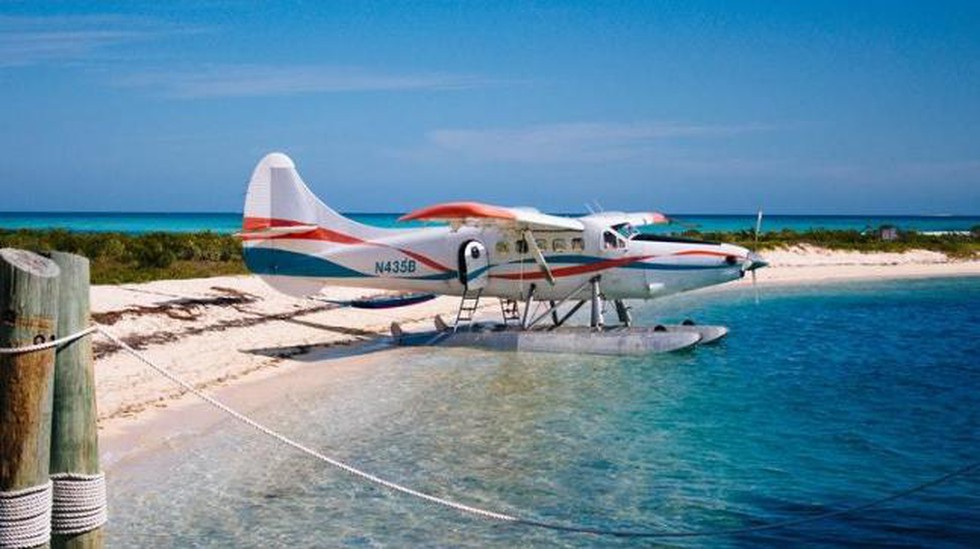
- Significance: This is a step towards commercial operation of seaplanes in the country which can enhance air connectivity and promote tourism.
- Background:
- Seaplanes in India came into limelight in 2017, after Prime Minister Narendra Modi flew in one while campaigning in the Gujarat elections.
- In June 2018, the Directorate General of Civil Aviation (DGCA) issued regulations, prescribing procedures and requirement for licencing of water aerodromes.
- Seaplanes in India came into limelight in 2017, after Prime Minister Narendra Modi flew in one while campaigning in the Gujarat elections.
Seaplane is a fixed-wing aircraft designed for taking off and landing on water.
Water Aerodrome is any water body that complies with certain minimum requirements for landing an aircraft.
Prelims Pointers
Aug. 12, 2018

About:
- The Mahli (also spelled as Mahili, Mahle, Mahli) are a scheduled tribe in the states of Jharkhand and West Bengal.
- Their tradition source of livelihood is selling articles made of bamboo such as Machi (a small bench), umbrellas, chatai (for lying down and sleeping) etc.
- Recent decision:
- The bamboo fans made by the Mahali of West Bengal are hand-painted, with different tribal motifs on both sides.
- The Ministry of Defence, which organises the Independence Day event, has procured the fans from TRIFED (Tribal Cooperative Marketing Development Federation of India Limited), which functions under the Ministry of Tribal Affairs.
- The bamboo fans made by the Mahali of West Bengal are hand-painted, with different tribal motifs on both sides.
Prelims Pointers
Aug. 12, 2018

About:
- Background:
- In 2013, an Expert Committee on Tribal Health was constituted jointly by the Ministry of Health and Ministry of Tribal Affairs (MoTA) under the Chairmanship of Dr. Abhay Bang.
- It has recently presented its report to the Government of India.
- It is the first ever such review of tribal health in India.
- In 2013, an Expert Committee on Tribal Health was constituted jointly by the Ministry of Health and Ministry of Tribal Affairs (MoTA) under the Chairmanship of Dr. Abhay Bang.
- Findings:
- Tribals in India suffer from high incidence of malnutrition, bad maternal health and high incidence of communicable diseases
- Non communicable diseases (hypertension, diabetes) are also fast rising in Tribals.
- They are also highly addicted to alcohol (50% men) and tobacco (72% men).
- Tribals in India suffer from high incidence of malnutrition, bad maternal health and high incidence of communicable diseases
- Recommendations:
- Allocate 5% per capita of GDP on tribal health; 9.3% of state budget on tribal health should reach the secondary as well as tertiary health care to tribals.
- Create a Tribal Health Index and estimate it annually.
- Create a special cadre of 1,000 tribal health officers (including non-doctors) across 809 tribal majority blocks in 150 districts.
- Establish a ‘Tribal Health Council and Directorate of Tribal Health’.
- Allocate 5% per capita of GDP on tribal health; 9.3% of state budget on tribal health should reach the secondary as well as tertiary health care to tribals.
Prelims Pointers
Aug. 12, 2018

About:
- Bedaquiline is a bactericidal drug which belongs to a new class of antibiotics (diarylquinolines).
- Usage:
- It is recommended by WHO specifically for the treatment of patients suffering from multidrug-resistant tuberculosis (MDR-TB).
- It is not recommended for treating latent TB infection.
- It is recommended by WHO specifically for the treatment of patients suffering from multidrug-resistant tuberculosis (MDR-TB).
- Functioning: It is different from other anti-TB drugs as it interferes with the function of an enzyme required by the tuberculosis bacterium to produce energy and to replicate.
- Side-effects: However, Bedaquiline has been reported to disturb the function of the heart and liver in particular. Thus patients using this needs to be closely monitored.
- Usage in India:
- The drug is made available only to the Centre, which in turn rations it to the States.
- It is not available for private purchase because of concerns of drug-resistance by Mycobacterium tuberculosis, the bacterium that causes TB.
- The drug is made available only to the Centre, which in turn rations it to the States.
Tuberculosis (TB), a communicable disease, is caused by a bacterium (Mycobacterium tuberculosis) that most often affect the lungs.
· Multidrug-Resistant Tuberculosis (MDR-TB) is a form of TB caused by bacteria that does not respond to isoniazid and rifampicin, the 2 most powerful, first-line anti-TB drugs.
· Drug resistance emerges due to inappropriate use of anti-TB medicines (through incorrect prescription by health care providers, poor quality drugs, and patients stopping treatment prematurely.
Prelims Pointers
Aug. 12, 2018
Article 371J:
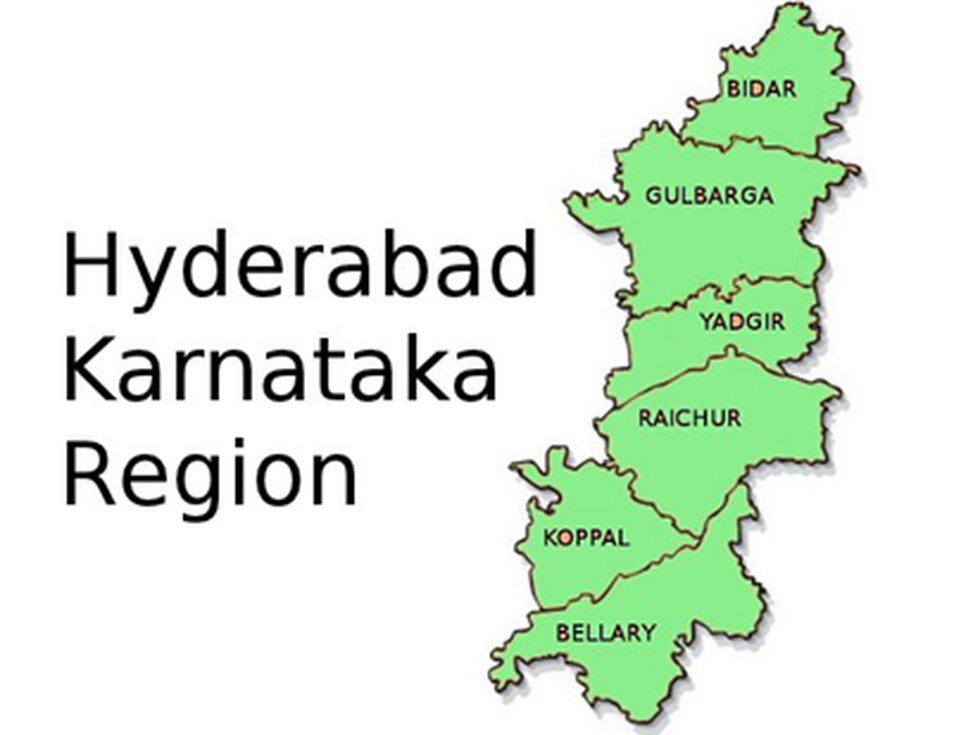
- Hyderabad-Karnataka is one of the underdeveloped regions of the Karnataka.
- In this background, Article 371J was inserted in the constitution in 2013 by passing 118th constitutional amendment act.
- This article provides for Special Status to six backward districts of Hyderabad-Karnataka Region by
- Providing local reservation in education and Government-jobs,
- Establishing a separate Development Board and
- Allocating sufficient funds for region’s Development.
- Providing local reservation in education and Government-jobs,
Hyderabad Karnataka region is situated in the North Eastern Karnataka. It is the name given to the area which was a part of erstwhile Hyderabad province.