Feb. 16, 2019
Prelims Pointers
Feb. 16, 2019
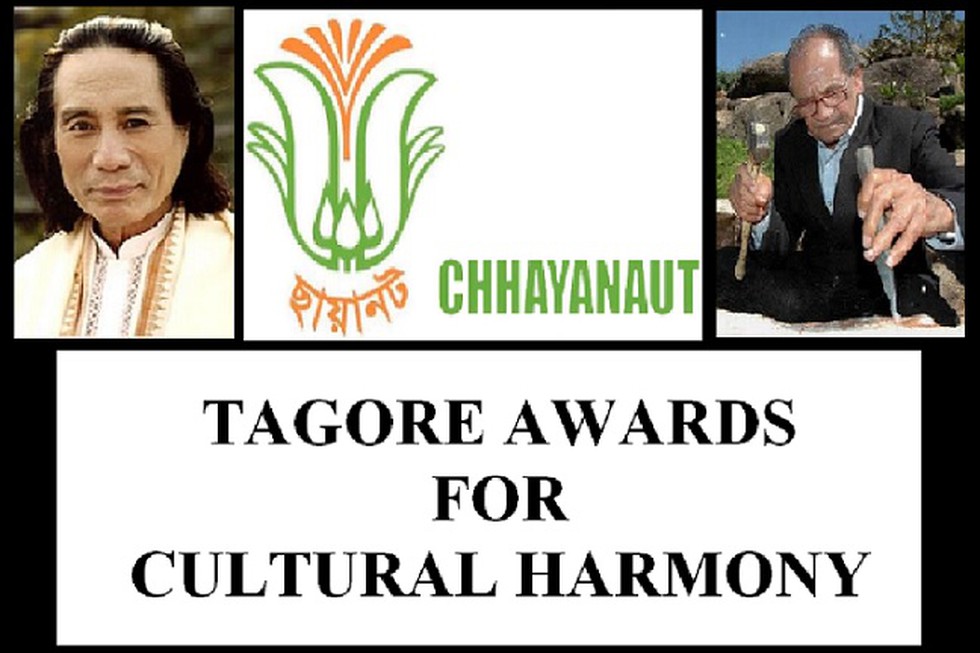
Recipients of 2014: Rajkumar Singhajit Singh
- He is a doyen of Manipuri dance, who has distinguished himself both as an outstanding teacher, performer and choreographer.
- In his choreography, he has incorporated elements from various forms of performing arts of Manipur such as Thang-ta, Nata-Sankirtana, Lai-haraoba and Rasleela.
- The recent award also pays tribute to Rabindranath Tagore, who, deeply influenced by Manipuri dance, made it an integral part of the education curriculum at Visva Bharati.
- He is a recipient of Sangeet Natak Akademi Award (1984), Padma Shri (1986) and Sangeet Natak Akademi Fellowship (2011).
Recipients of 2015: Chhayanaut
- It is a cultural organization of Bangladesh, established in 1961.
- it has played a leading role in promoting Tagore’s works and Bengali culture, music and literature across the world.
- It was also a part of the Bangladesh liberation by providing a platform for cultural expression and assertion of Bengali identity.
Recipients of 2016: Ram Vanji Sutar
- He is one of India’s greatest sculptors having created more than fifty monumental sculptures in the last forty years of his career.
- At the beginning of his career, he was involved in restoring several ancient sculptures found in the caves of Ellora and Ajanta.
- His first notable work was the 45 feet Chambal monument at the Gandhi Sagar Dam, in Madhya Pradesh.
- His iconic bust of Mahatma Gandhi is one of the most celebrated representations of the Mahatma, as is his bronze bust of Gurudev Rabindranath Tagore.
- He has also designed the Statue of Unity.
- He is the recipient of Padma Bhushan in 2016 and Padma Shri in 1999.
About:
- Background: The annual award was instituted by the Government of India in 2012 during the commemoration of 150th Birth Anniversary of Gurudev Rabindranath Tagore.
- Objective:
- The award is annually given to individuals and organizations in recognition of their outstanding contribution to cultural harmony.
- The Award may be divided between two persons / institutions who are considered by the Jury to be equally deserving of recognition in a given year.
- Cash Prize: The award carries an amount of 1 crore as well as an exquisite traditional handicraft/ handloom item.
- Eligibility:
- The award is open to all persons regardless of nationality, race, language, caste, creed or sex.
- Normally, contributions made during 10 years immediately preceding the nomination are considered. Older contributions may also be considered if their significance has become apparent only recently.
- Work by a person since deceased cannot be considered. If, however, death occurred subsequent to a proposal submitted to the Jury, then a Posthumous Award may be made.
- Composition of award Jury: Prime Minister (Chairperson).
- Chief Justice of India: Member (ex-officio)
- Leader of the Opposition recognized as such in the Lok Sabha or where there is no such Leader of Opposition then, the Leader of the single largest opposition party in that House Member (ex-officio)
- Two Eminent persons: Nominated Member
- Past recipients: The first Tagore Award was conferred on Ravi Shankar, the Indian Sitar Maestro in 2012 and second was conferred on Zubin Mehta (Western classical conductor) in 2013.
Prelims Pointers
Feb. 16, 2019
About:
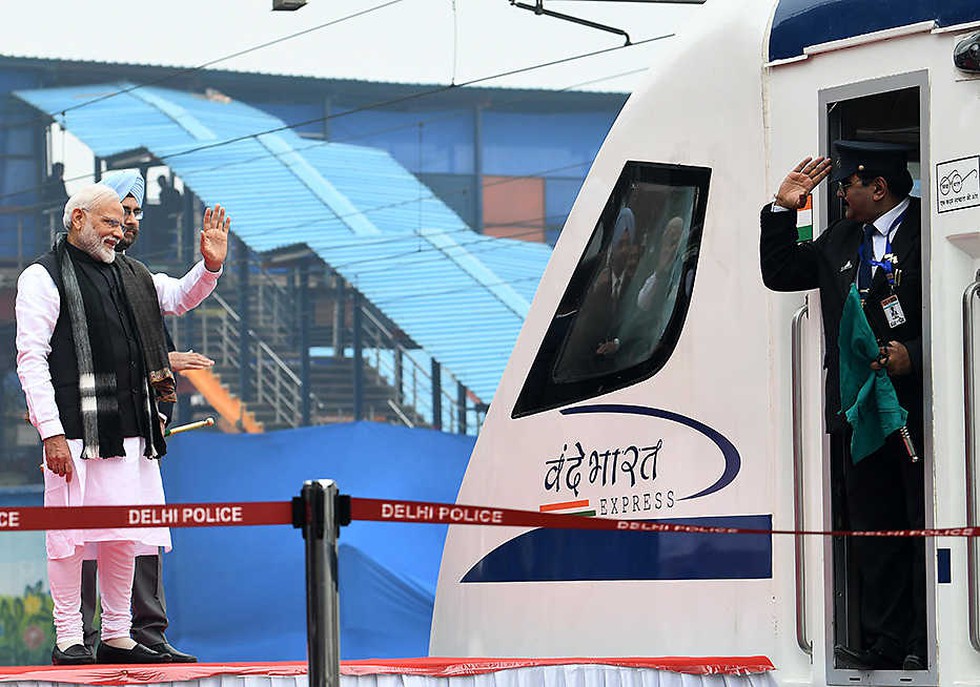
- Vande Bharat Express, earlier named as Train 18, is India's fastest indigenous train which has been built by the Integral Coach Factory, Chennai under the Government’s Make in India.
- It is India's first semi-high-speed train which will run from Delhi to Varanasi, with halts at Kanpur and Allahabad, at a maximum speed of 160 kmph by covering the distance in 8 hours.
- It is equipped with world class passenger amenities like On-board wifi entertainment, GPS based passenger information system, CCTVs, bio-vacuum toilets, rotating chairs in executive class, etc.
- The express will have two travel classes: executive and chair car, similar to the Shatabdi.
- Further, it has intelligent braking system with power regeneration for better energy efficiency thereby making it cost, energy and environment efficient.
- It is also the first locomotive-less train in the country.
- Way ahead: Railway Minister informed that tendering process has started for 30 such trains and PM’s nod has been sought to operate 100 of them.
Prelims Pointers
Feb. 16, 2019
About:
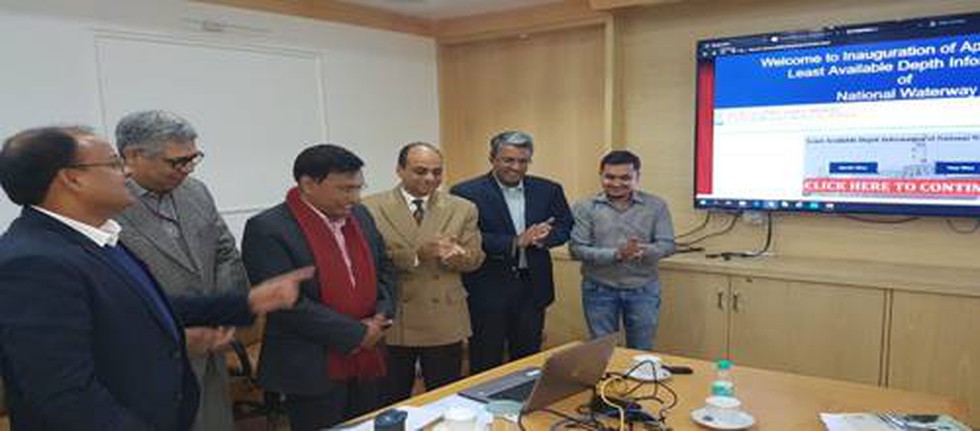
- Full name: LADIS is an acronym for “Least Available Depth Information System”.
- Objective: LADIS will ensure that real-time data on least available depths (LAD) is disseminated for ship/barge and cargo owners so that they can undertake transportation on NWs in a more planned way. An assured depth of waterway is required for seamless movement of vessels.
- Bodies involved: The portal being hosted on Inland Waterways Authority of India (IWAI) website iwai.nic.inhas been developed in-house.
- Routes covered: Initially LAD information will be available for NW-1, NW-2, Indo-Bagladesh Protocol route and NW-3, along with the date of survey. The facility will be expanded to other NWs also.
Prelims Pointers
Feb. 16, 2019
About:
- Most Favored Nation (MFN) status is an economic position in which a country enjoys the best trade terms given by its trading partner. That means it receives the lowest tariffs, the fewest trade barriers, and the highest import quotas (or none at all).
- In the WTO it actually means non-discrimination — treating virtually everyone equally.
- Each member treats all the other members equally as “most-favoured” trading partners.
- If a country improves the benefits that it gives to one trading partner, it has to give the same “best” treatment to all the other WTO members so that they all remain “most-favoured”.
- Each member treats all the other members equally as “most-favoured” trading partners.
- The Most Favored Nation clause in the two countries' free trade agreements confers that status. That clause is also used in loan agreements and commercial transactions.
- Advantages:
- MFN status is critically important for smaller and developing countries for several reasons. It gives them access to the larger market.
- It lowers the cost of their exports since trade barriers are the lowest given. That makes their products more competitive.
- MFN status is critically important for smaller and developing countries for several reasons. It gives them access to the larger market.
- Disadvantages:
- The downside of Most Favored Nation status is the country must also grant the same to all other members of the agreement or the World Trade Organization.
- This means they cannot protect their country's industries from cheaper goods produced by foreign countries.
- The downside of Most Favored Nation status is the country must also grant the same to all other members of the agreement or the World Trade Organization.
Prelims Pointers
Feb. 16, 2019
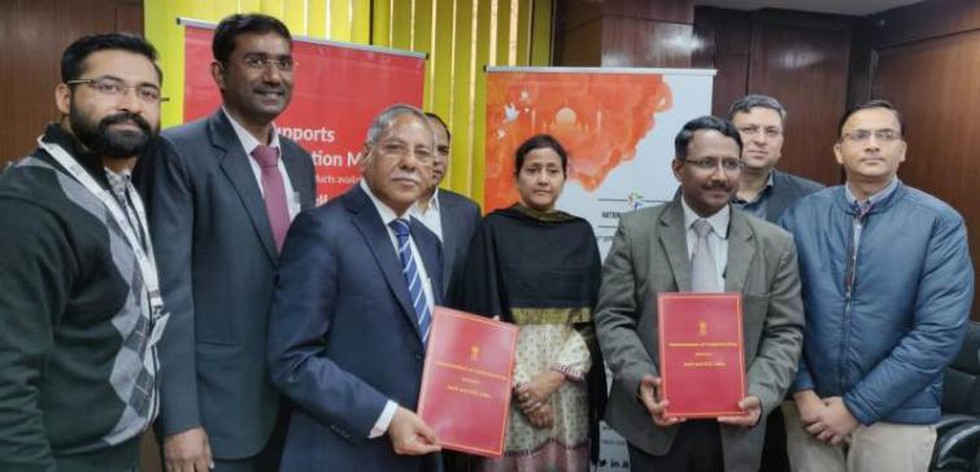
GS1 India:
- GS1 India is a Standards body (registered under Societies Registration Act 1860) with founder members comprising Ministry of Commerce and Industry, Government of India, CII, FICCI, ASSOCHAM, FIEO, IMC, APEDA, Spices Board, IIP and BIS.
- It is affiliated with GS1 a not for profit global standards organisation.
- GS1 India mission is to improve the efficiency, safety and visibility of supply chains across physical and digital channels through the use of global GS1 standards.
GS1:
- GS1 is a not-for-profit, industry-led global organisation headquartered in Brussels and oversees operations of 112 GS1 Organisations across the world.
- Over two million companies, across 25 industry sectors such as Retail, Healthcare, Transport and Logistics use GS1 standards. The majority of GS1 standards are endorsed and referenced in ISO standards.
- GeM will access product data from GS1 India’s DataKart, the National repository of information on attributes of millions of retail products in the country.
Prelims Pointers
Feb. 16, 2019

About:
- US-Mexico border: The US-Mexico border is 1,954 miles (3,145km) long and crosses vast deserts and mountains in California, Arizona, New Mexico and Texas. About 654 miles of that have some sort of manmade barrier, such as fencing or a wall. Most of it was built after 2006.
- Illegal migration: According to data provided by the US Customs and Border Protection (CBP), in fiscal year 2017, 303,916 people were apprehended at the southern border for illegally crossing the border.
- Donald Trump’s proposal on Border wall:
- The President has claimed there is a humanitarian and national security crisis at the border with Mexico, with criminals, human traffickers and drugs “pouring in”. He cites the wall as the primary solution.
- Progress, however, has been slow. Figures compiled by The New York Times show not a single mile of an extended wall has been built under Trump so far.
- The President has claimed there is a humanitarian and national security crisis at the border with Mexico, with criminals, human traffickers and drugs “pouring in”. He cites the wall as the primary solution.
- View of critics:
- American media reports have underlined that the border situation has not deteriorated so much that an emergency to build the wall can be justified. The number of illegal Migrants crossing over has fallen consistently for almost 20 years.
- Also, there are deep doubts abound about its efficacy in controlling illegal migration.
- According to a survey conducted by the Pew Research Center in January 2018, 60% of Americans said they opposed Trump’s proposal to substantially expand the wall.
- American media reports have underlined that the border situation has not deteriorated so much that an emergency to build the wall can be justified. The number of illegal Migrants crossing over has fallen consistently for almost 20 years.
Prelims Pointers
Feb. 16, 2019
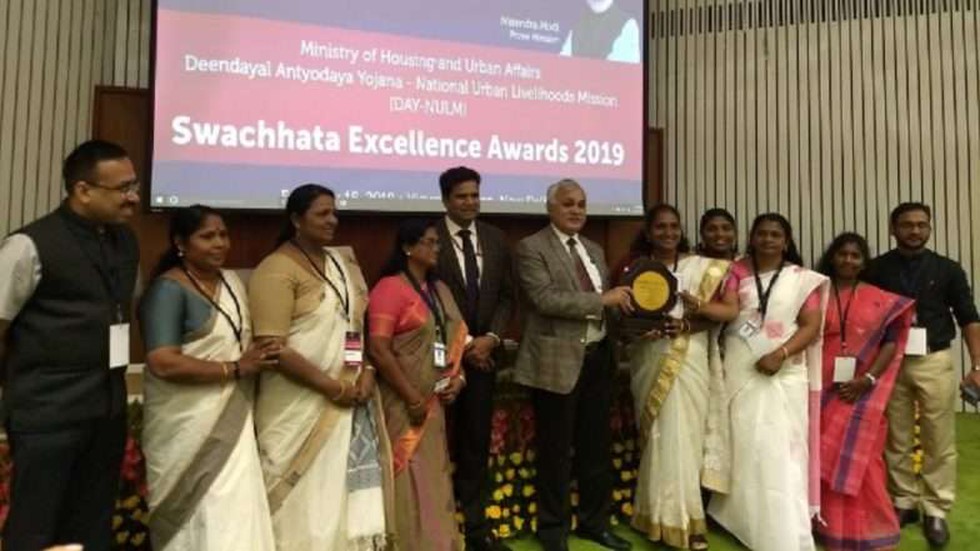
About:
- A total of 40 awards were distributed to the Area Level Federations (ALFs), City Livelihoods Federations (CLFs) and Urban Local Bodies (ULBs).
- 28 ALFs received Swachhata Excellence Awards, out of these 13 ALFs were conferred first prize of Rs. 2 lakh each.
- This year the awards have been extended to include the City Livelihoods Federations (CLFs) of SHGs. 4 CLFs received national awards, out of which 1 CLF was conferred first prize of Rs. 2.50 lakh.
- The City Swachhata Livelihoods Awards for Urban Local Bodies (ULBs) have been introduced this year for the ULBs for creating an enabling environment for dignified livelihoods in sanitation sector.
Winners of 2019:
- AMRUT cities and Municipal Corporations of Raigarh, Ambikapur and Kumbakonam have bagged the first, second and third prizes respectively of Swachhata Excellence awards 2019.
- In the category of Statutory Towns, Nagar Palika Parishad Jashpur Nagar, Malappuram Municipality and Nagar Palika Parishad Surajpur have claimed the prizes.
- For Million Plus Cities, Greater Hyderabad Municipal Corporation has been awarded with first prize.
- For Aspirational Districts, Chas Municipal Corporation has been awarded with a consolation prize.
Prelims Pointers
Feb. 16, 2019

Recent Verdict:
- A bench of Justices R F Nariman and Sanjay Kishan Kaul disposed of the application filed by NGO PUCL alleging that people were still being prosecuted under the scrapped provision i.e. Section 66A of IT Act in 2015.
- The Supreme Court asked all the high courts to send the copy of the verdict to all the trial court to avoid people being prosecuted under the scrapped provision which provided for jail term to people who posted offensive content online.
- As per the data available, more than 22 prosecutions have taken place till now after the provisions was struck down.
Shreya Singhal Verdict:
- Terming liberty of thought and expression “cardinal”, the top court had on March 24, 2015, scrapped the provision saying that “the public’s right to know is directly affected by Section 66A of the Information Technology Act”.
- The use of Section 66A of the IT Act is a direct violation of the fundamental rights under Articles 19(1)(a) and 21 of the persons against whom the provision is invoked.
- The first PIL on the issue was filed in 2012 by a law student Shreya Singhal who sought an amendment in Section 66A of the Act after two girls were arrested in Maharashtra’s Thane district. While one had posted a comment against the shutdown in Mumbai following Shiv Sena leader Bal Thackeray’s death, the other had ‘liked’ it.
Prelims Pointers
Feb. 16, 2019
About:
- NDM-1 (New Delhi Metallo-beta-lactamase-1) is an enzyme that makes bacteria resistant to a wide range of powerful antibiotics, including the carbapenem class of antibiotics that are used to treat multidrug-resistant infections.
- Bacteria that produce carbapenemases are popularly referred to as superbugs because they are difficult to treat and result in the infection spreading easily within the body, especially in people who are ill or recuperating from an illness or a surgery.
- People die of septic shock after the infection enters the bloodstream and reached the heart, lungs, kidneys, bones or joints to cause multi-organ failure.
- Background:
- NDM-1 was first reported in 2007 in a patient admitted to a hospital in New Delhi, but was reported to be present in Germany, the same year.
- The first finding of NDM-1 in the environment, rather than a clinic setting, was in surface waters of Delhi, in 2010.
- NDM-1 has been detected in bacteria in the UK, US, India, Pakistan, Croatia, Canada and Japan.
- NDM-1 was first reported in 2007 in a patient admitted to a hospital in New Delhi, but was reported to be present in Germany, the same year.
Recent Detection:
- The research was conducted in the High Arctic zone (Kongsfjorden region of Svalbard) and scientists were surprised to find a rather robust presence of NDM-1.
- The recent detection of the antibiotic resistant (AR) gene NDM-1, in the Arctic region is a further indication of the globalisation of antimicrobial resistance.
- The findings point towards the involvement of migratory birds, who could carry the resistance in the gut and transfer it to the Arctic soil through faecal matter. However, it may have migrated with humans and spread via local wildlife, or it may be a combination of factors.
Prelims Pointers
Feb. 16, 2019
About:
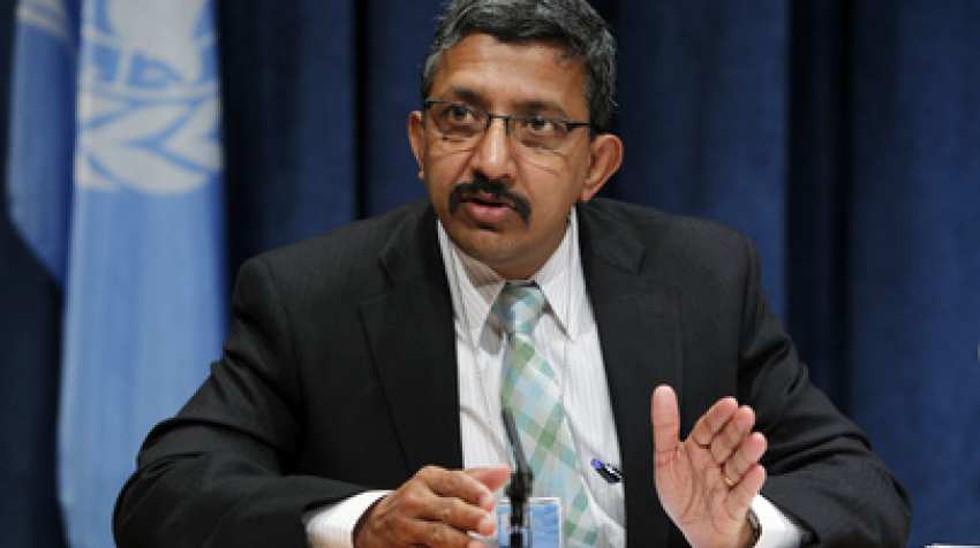
- United Nations Secretary-General has appointed Chandramouli Ramanathan of India Controller, Assistant Secretary-General for Programme Planning, Finance and Budget in the Department of Management Strategy, Policy and Compliance (DMSPC).
- He succeeds Bettina Tucci Bartsiotas of Uruguay.
- Past positions held:
- He has played a key role in implementation of IPSAS (International Public Sector Accounting Standards) and Umoja (the United Nations Enterprise Resource Planning solution).
- He has served as Acting Controller since September 2018, concurrently with his position as Assistant Secretary-General for Enterprise Resource Planning (since 2016).
- He previously served as Deputy Controller, Director of Accounts Division, and Chief of Service, IT Services Division.
- He also served as Assistant Auditor General, India (1993-1995), and Director of Accounts for the Auditor General of India (1989-1993).
- He has played a key role in implementation of IPSAS (International Public Sector Accounting Standards) and Umoja (the United Nations Enterprise Resource Planning solution).
Feb. 15, 2019
Prelims Pointers
Feb. 15, 2019
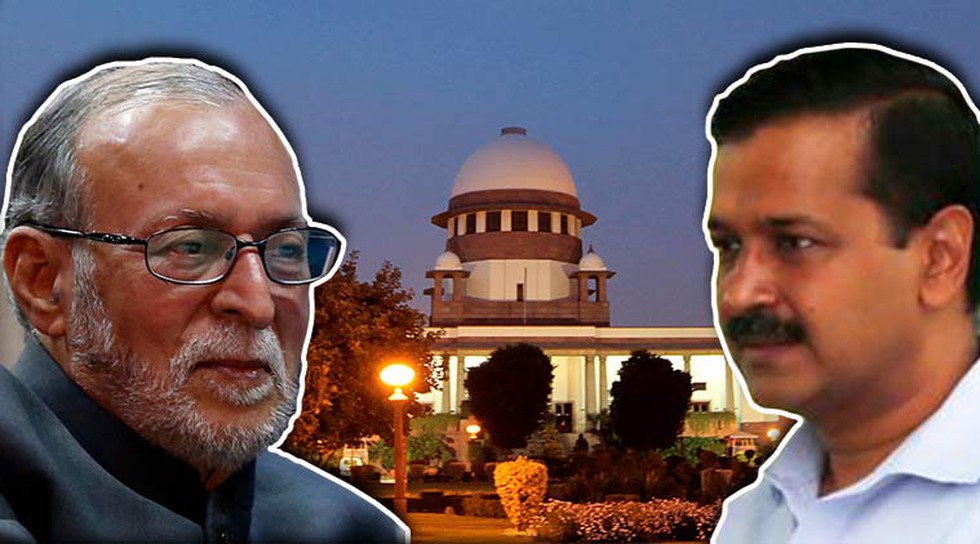
SC verdict on division of powers between Delhi govt and Centre:
- On the most contentious issue of who should control administrative services in Delhi, the two-judge bench gave a split verdict.
- Justice Bhushan ruled the Delhi government has no power at all over administrative services.
- However, Justice Sikri, ruled that the transfer or posting of top officers (joint director and above) can only be done by the central government. The view of L-G would prevail in case of difference of opinion for matters relating other bureaucrats.
- In view of the differences of opinion between the judges, the bench said the matter needs to be referred to a larger bench.
- Justice Bhushan ruled the Delhi government has no power at all over administrative services.
- The bench gave a unanimous order on the remaining five issues pertaining to a conflict between the Centre and the AAP government in Delhi.
- Both judges agreed that the Lieutenant Governor (L-G) will have control over the Anti-Corruption Bureau, as already notified by the Centre.
- The power to appoint inquiry commissions would also rest with the central government.
- The elected Delhi government will have the right to appoint public prosecutors, to decide land revenue matters and also to appoint or deal with electricity commission or board.
- Both judges agreed that the Lieutenant Governor (L-G) will have control over the Anti-Corruption Bureau, as already notified by the Centre.
Reaction to the verdict:
- Delhi unit of BJP welcomed the Supreme Court judgement on control of services in Delhi government and said it removes ambiguities.
- Chief Minister Arvind Kejriwal said it is unfortunate that there was no clarity in the judgement and will seek legal remedies over the verdict. He alleged that the Union Government is creating hurdles in the functioning of the AAP dispensation.
Prelims Pointers
Feb. 15, 2019
Appointment of Election Commissioners: Key Facts
- View of Constitution:
- The power to appoint the CEC and the ECs lies with the President of India under Article 324(2) of the Constitution, which states that “the President shall fix the number of ECs in a manner he sees fit, subject to the provisions of any law made by Parliament”.
- Thus, Article 324(2) left it open for the Parliament to legislate on the issue.
- The power to appoint the CEC and the ECs lies with the President of India under Article 324(2) of the Constitution, which states that “the President shall fix the number of ECs in a manner he sees fit, subject to the provisions of any law made by Parliament”.
- Procedure: But, in the absence of any Parliamentary law governing the appointment issue, the ECs are appointed by the government of the day, without pursuing any consultation process. There is no concept of collegium and no involvement of the opposition.
- Tenure: The Commissioners are appointed for a 6-year period, or up to the age of 65 years, whichever is earlier.
- Qualification:
- There are no prescribed qualifications for their appointment, although convention dictates that only senior (serving or retired) civil servants, of the rank of the Cabinet Secretary or Secretary to the GoI or an equivalent rank, will be appointed.
- The Supreme Court in Bhagwati Prashad Dixit Ghorewala vs Rajiv Gandhi rejected the contention that the CEC should possess qualifications similar to that of a Supreme Court judge, despite being placed on par with them in terms of the removal process.
- There are no prescribed qualifications for their appointment, although convention dictates that only senior (serving or retired) civil servants, of the rank of the Cabinet Secretary or Secretary to the GoI or an equivalent rank, will be appointed.
Prelims Pointers
Feb. 15, 2019

About:
- View of Constitution: The Constitution of India does not define the word sedition.
- Article 19(1)(a) of the Constitution of India guarantees freedom of speech and expression to all citizens.
- However, this freedom is subjected to certain restrictions namely, interests of the sovereignty and integrity of India, the security of the State, friendly relations with foreign States, public order, decency or morality or in relation to contempt of court, defamation or incitement to an offence.
- Thus, Sedition is not mentioned in constitution.
- Article 19(1)(a) of the Constitution of India guarantees freedom of speech and expression to all citizens.
- View of Indian Penal Code (IPC): Section 124-A of the IPC defines the offence of ‘Sedition’ –
- Whoever, by words (or by signs or visible representation) attempts to bring into hatred or contempt, or excites or attempts to excite disaffection towards the Government shall be punished with life imprisonment.
- The word ‘disaffection’ in this section includes disloyalty and feelings of enmity.
- However, Comments expressing disapproval of the 'Government action without attempting to excite disaffection, do not constitute an offense under this section.'
- Whoever, by words (or by signs or visible representation) attempts to bring into hatred or contempt, or excites or attempts to excite disaffection towards the Government shall be punished with life imprisonment.
- History:
- Sedition was not a part of original IPC in the 1860s and was even dropped from the law. It was introduced in the IPC in the year 1870.
- The first known use of Sedition law was against Jogendra Chandra Bose, was charged in 1891 for his criticism of the “Age of Consent Bill”.
- Sedition was not a part of original IPC in the 1860s and was even dropped from the law. It was introduced in the IPC in the year 1870.
- View of judiciary on sedition: In Kedar Nath Singh’s Case, the Constitution bench of the Supreme Court made it clear that allegedly seditious speech and expression may be punished only if the speech is an ‘incitement’ to ‘violence’, or ‘public disorder’.
Prelims Pointers
Feb. 15, 2019

About:
- Background: The Ministry of Labour and Employment had constituted an expert committee in 2017, under the Chairmanship Dr. Anoop Satpathy, Fellow, V. V. Giri National Labour Institute (VVGNLI).
- Mandate: To review and recommend methodology for fixation of National Minimum Wage (NMW).
- Need of review: There have been several developments since the norms for the fixation of the minimum wages were recommended by the 15th ILC in 1957 and subsequently strengthened by the Supreme Court in the judgement of Workmen v Reptakos Brett & Co. case in 1992.
Report Summary:
- Using the nutritional requirement norms as recommended by the Indian Council of Medical Research (ICMR) for Indian population, the report has recommended a balanced diet approach which is culturally palatable for fixation of national minimum wage.
- Accordingly, it has proposed that food items amounting to the level of ± 10 per cent of 2,400 calories, along with proteins ≥ 50 gm and fats ≥ 30 gm per day per person to constitute a national level balanced food basket.
- Further, it proposes minimum wage should include reasonable expenditure on ‘essential non-food items’, such as clothing, fuel and light, house rent, education, medical expenses, footwear and transport which must be equal to the median class.
- Expenditure on any ‘other non-food items’ be equivalent to the sixth fractile (25-30 per cent) of the household expenditure distribution as per the NSSO-CES 2011/12 survey data.
- On the basis of the aforesaid approach, the report has recommended to fix the need based national minimum wage for India at INR 375 per day (or INR 9,750 per month) as of July 2018, irrespective of sectors, skills, occupations and rural-urban locations for a family comprising of 3.6 consumption unit.
- It has also recommended to introduce an additional house rent allowance (city compensatory allowance), averaging up to INR 55 per day i.e., INR 1,430 per month for urban workers over and above the NMW.
- The report has also estimated and recommended different national minimum wages for different geographical regions of the country to suit the local realities. For this purpose, it has grouped the states into five regions.
- It has also recommended reviewing the consumption basket every five years and updating the basic minimum wage at least in line with the consumer price index (CPI) every six months, to reflect changes in the cost of living.
- The report will be put before the Central Advisory Board/tripartite bodies for necessary consultations and approval of the methodology.
Prelims Pointers
Feb. 15, 2019
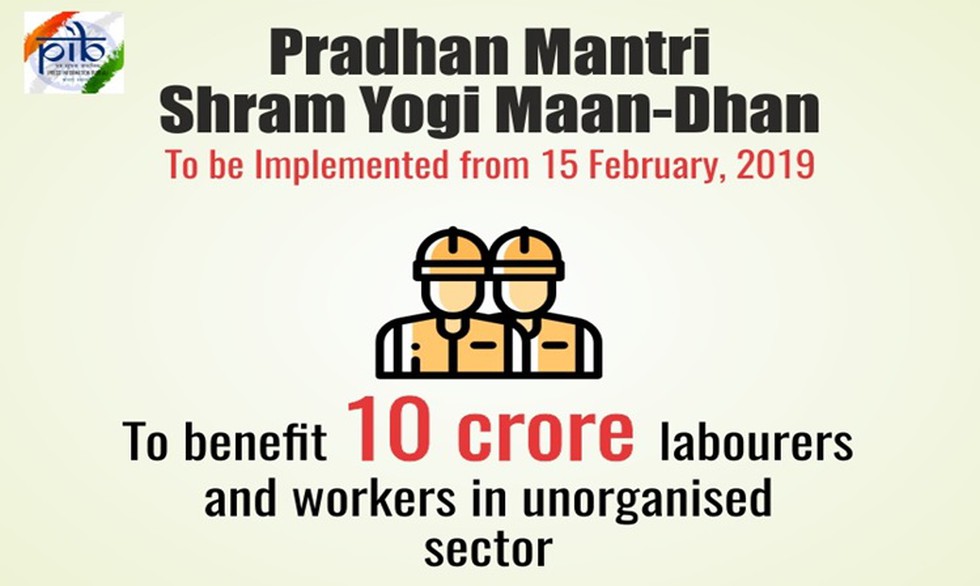
Salient Features of PM-SYM:
- Contribution by the Subscriber: Once the beneficiary joins the scheme at the entry age of 18-40 years, the beneficiary has to contribute till 60 years of age.
- Matching contribution by the Central Government: PM-SYM is a voluntary and contributory pension scheme on a 50:50 basis where prescribed age-specific contribution shall be made by the beneficiary and the matching contribution by the Central Government.
- Pension Pay out: On attaining the age of 60 years, the subscriber will get the assured monthly pension of Rs.3000/- with benefit of family pension, as the case may be.
- Family Pension: During the receipt of pension, if the subscriber dies, the spouse of the beneficiary shall be entitled to receive 50% of the pension received by the beneficiary as family pension. Family pension is applicable only to spouse.
- Eligibility:
- The unorganised workers whose monthly income is Rs 15,000/ per month or less and belong to the entry age group of 18-40 years are eligible for the scheme.
- They should not be covered under New Pension Scheme (NPS), Employees’ State Insurance Corporation (ESIC) scheme or Employees’ Provident Fund Organisation (EPFO).
- Further, he/she should not be an income tax payer.
- The subscriber will be required to have a mobile phone, savings bank account and Aadhaar number to get enrolled for PM-SYM.
- The unorganised workers whose monthly income is Rs 15,000/ per month or less and belong to the entry age group of 18-40 years are eligible for the scheme.
- Fund Management:
- PM-SYM will be a Central Sector Scheme administered by the Ministry of Labour and Employment and implemented through LIC and CSCs.
- Life Insurance Corporation of India (LIC) will be the Pension Fund Manager and responsible for Pension pay out.
- The enrolment will be carried out by all the Community Service Centres (CSCs).
- PM-SYM will be a Central Sector Scheme administered by the Ministry of Labour and Employment and implemented through LIC and CSCs.
Prelims Pointers
Feb. 15, 2019

About:
- NASA's Mars Exploration Rover (MER) mission was a robotic space mission involving two Mars rovers – Spirit and Opportunity – with the objective of exploring the Martian surface and geology.
- Features: Spirit and Opportunity were identical, golf-cart-sized, solar-powered rovers.
- Landing: Spirit landed at Gusev Crater on January 4, 2004; Opportunity followed, landing on the opposite side of Mars at Meridiani Planum on January 24.
- Mission Duration: Both rovers were originally supposed to have only 90-day missions. Spirit mission was declared over in 2011. Opportunity sent out its last signals in June 2018 thus working on Mars for over 14 years, longer than any other robot.
- Finding Water:
- Both Missions discovered that Mars was likely wetter and warmer in the past.
- Opportunity was the first rover to identify and characterise sedimentary rocks on a planet other than Earth. It also discovered clay minerals that formed in neutral-pH water.
- Both Missions discovered that Mars was likely wetter and warmer in the past.
- Way ahead: The rovers demonstrated reliable Mars-Earth communication. Curiosity and the upcoming Mars 2020 rovers build upon their lessons. Scientists will make new discoveries for years.
Prelims Pointers
Feb. 15, 2019
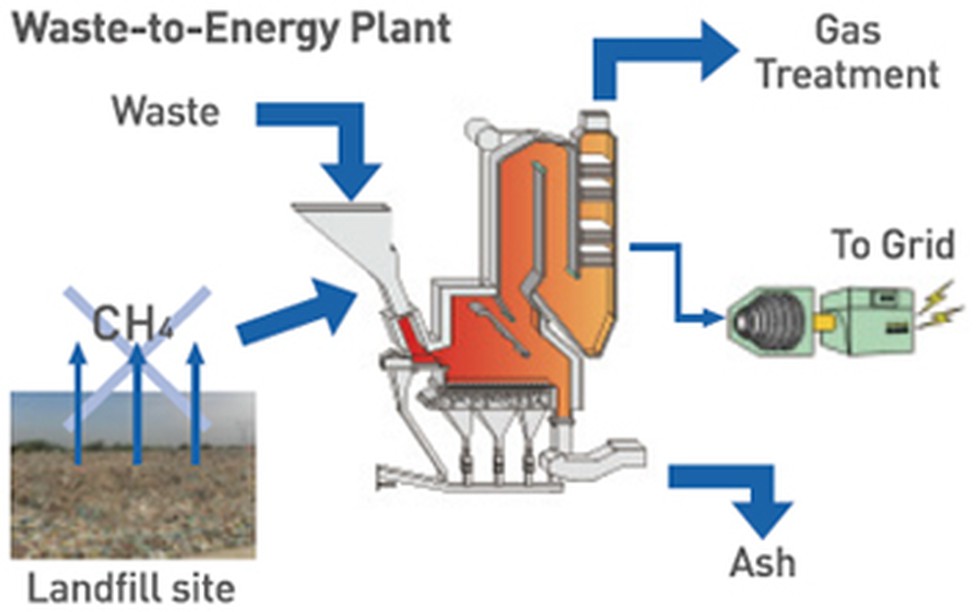
Key Findings:
- Nearly half of India’s waste-to-energy (WTE) plants, meant to convert non-biodegradable waste, are defunct. Since 1987, 15 WTE plants have been set up across the country. However, seven of these plants have since shut down.
- The key reasons for closure are the plants’ inability to handle mixed solid waste and the high cost of electricity generated by them that renders it unattractive to power companies.
- The country’s inability to segregate waste has resulted in even the existing plants working below capacity.
- The key reason for the inefficiency of these plants is the quality and composition of waste. MSW (municipal solid waste) in India has low calorific value and high moisture content. As most wastes sent to the WTE plants are unsegregated, they also have high inert content.
- Moreover, the plants are expensive because they produce power at nearly ₹7 per unit, which is more than the ₹3-5 offered by thermal as well as solar sources.
Municipal Solid Waste (MSW) in India:
- About 1.43 lakh tonnes per day of (TPD) municipal solid waste (MSW) is generated across the country. Of this, 1.11 lakh TPD (77.6%) is collected and 35,602 TPD (24.8%) processed.
- As per the Union Ministry of Environment and Forests, MSW generation will reach 4.5 lakh TPD by 2031 and 11.9 lakh TPD by 2050.
Steps by Government of India:
- Inspite of poor track record, the government is relying big on WTE.
- The NITI Aayog, as part of the Swachh Bharat Mission, envisages 800 megawatts from WTE plants by 2018-19, which is 10 times the capacity of all the existing WTE plants put together.
- It also proposes setting up a Waste-to-Energy Corporation of India, which would construct incineration plants through PPP models.
- Currently, there are 40-odd WTE plants at various stages of construction.
Prelims Pointers
Feb. 15, 2019
About:
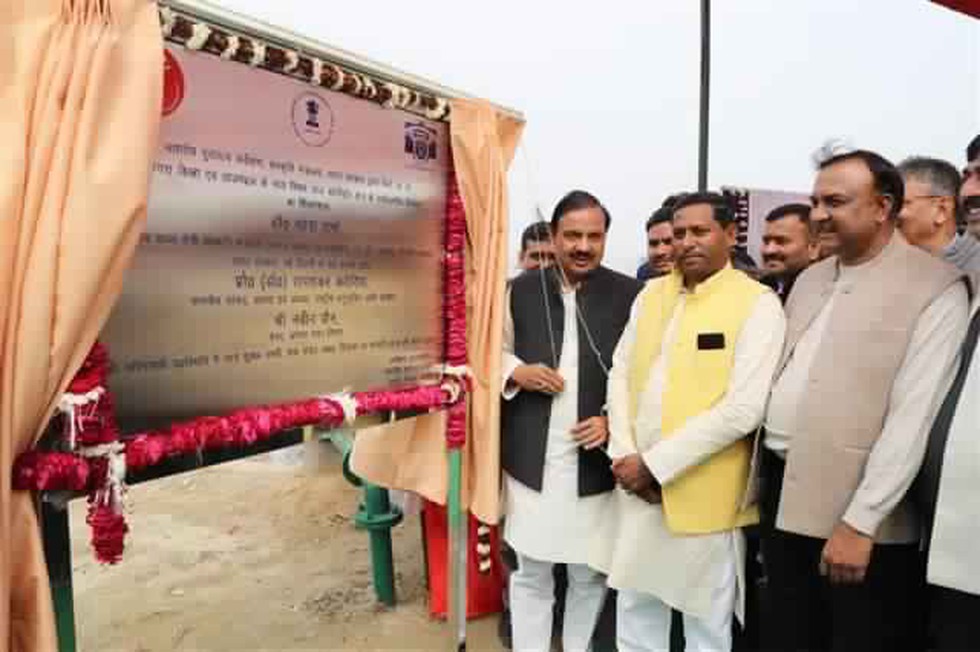
- Location: The foundation stone of Taj View Garden was laid on the Taj Corridor Area between the Agra Fort and Taj Mahal in Agra.
- Developed by: The Archaeological Survey of India.
- Pattern: It is being developed on the Mughal period’s Charbagh garden pattern.
- Objective: To increase greenery by enormous plantation around the Taj Mahal so as to not only help to reduce the pollution around the Taj Mahal but also provide a pleasant view to the visitors.
Prelims Pointers
Feb. 15, 2019
About:
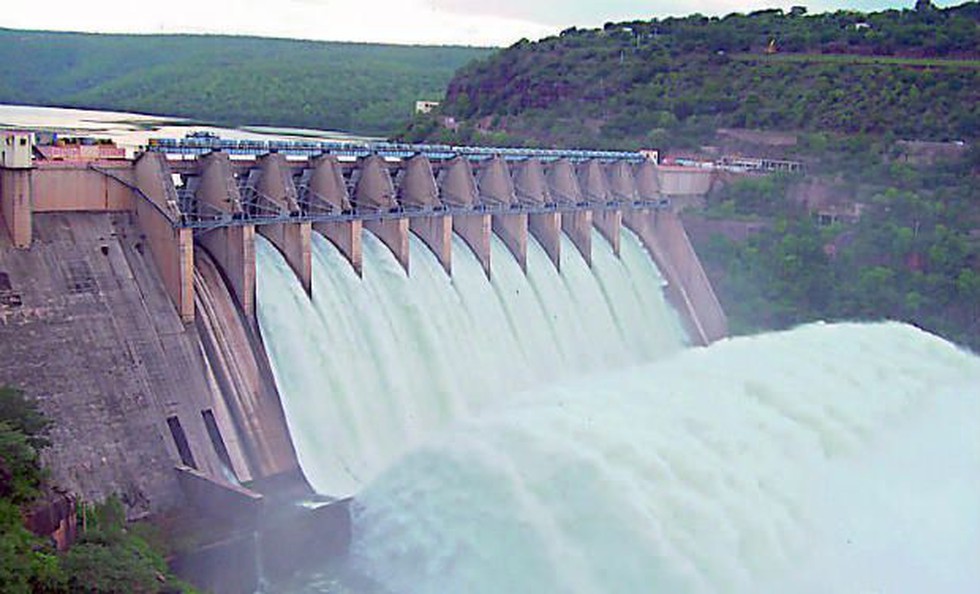
- The Pahari Dam Modernization Project is a water storage dam situated on Dhasan river in Jhansi district. The dam was completed in 1912 but after 100 years it is in dire need of modernisation.
- The Dhasan River is a right bank tributary of the Betwa River.
- The river originates in Raisen district in Madhya Pradesh and then forms a common boundary between M.P and Uttar Pradesh before merging into Betwa River in U.P.
- The Lehchura Dam is built on this river.
- The river originates in Raisen district in Madhya Pradesh and then forms a common boundary between M.P and Uttar Pradesh before merging into Betwa River in U.P.
Prelims Pointers
Feb. 15, 2019
Parallel Taxi Track (PTT) Operations:
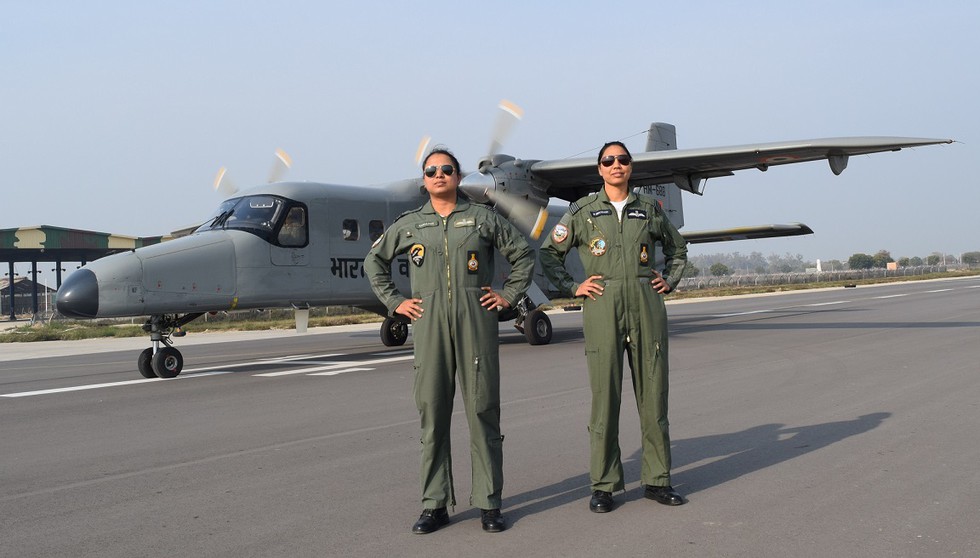
- Parallel Taxi Track (PTT) Operations are carried out to enable unhindered operations even when the runway is not available due to enemy action or any other reasons.
- PTT Operations is a challenging task as the crew is required to land and take off from the taxi track, which is considerably smaller in width than the runway, with proximity to obstructions as compared to the main runway.
- There is no scope of error during the most critical phases of flight, landing and take-off.
Recent Achievement: Women in Aviation Sector
- The pilots, Sqn Ldr Kamaljeet Kaur and her co-pilot Sqn Ldr Rakhi Bhandari carried out successful parallel taxi track landing and take-off operations at Sirsa.
- This achievement highlights the theme of Aero India 2019 which is earmarked on 23 February as the day to highlight the Achievements of Women in Aviation Sector.
Feb. 14, 2019
Prelims Pointers
Feb. 14, 2019

About:
- Day of Observance: World Radio Day is observed every year on the 13th of February, coinciding with the anniversary of the United Nations Radio, the United Nation's international broadcasting service which was established on February 13, 1946.
- Background: The day was proclaimed on 3rd November 2011 by UNESCO's 36th General Conference. World Radio Day was first celebrated in 2012.
- Objective: To celebrate radio as a forum for information and entertainment, as a bridge of communication for remote communities and its role in empowering people.
- Theme of World Radio Day 2019: Dialogue, Tolerance and Peace.
World Radio Day Quotes:
- Radio is the theatre of the mind; television is the theatre of the mindless. - Steve Allen.
- In radio, you have two tools. Sound and silence. - Ira Glass.
- The power of radio is not that it speaks to millions, but that it speaks intimately and privately to each one of those millions. - Hallie Flanagan.
Do you know?
- The existence of radio waves and the feasibility of radio transmission was predicted by Scottish Scientist James Clark Maxwell in the 1860s.
- Guglielmo Marconi, an Italian inventor and electrical engineer, known for his pioneering work on long-distance radio transmission, developed radio telegraph system. He sent and received his first radio signal in Italy in 1895 an dis credited for radio's invention.
- With over 415 radio stations in about 23 languages, India's All India Radio is one of the largest radio broadcasters in the world. It covers 99 per cent population in the country.
Prelims Pointers
Feb. 14, 2019

About:
- Trans fat, or trans-unsaturated fatty acids, trans fatty acids, are a type of unsaturated fat.
- Types: There are two broad types of trans fats found in foods:
- Naturally-occurring: They occur in small amount in Nature. These are produced in the gut of some animals. Foods made from these animals (e.g., milk and meat products) may contain small quantities of these fats.
- Artificial: These are created in an industrial process that adds hydrogen to liquid vegetable oils to make them more solid. These are contained in hardened vegetable fats such as margarine and ghee, and are often present in snack, baked, and fried foods.
- Naturally-occurring: They occur in small amount in Nature. These are produced in the gut of some animals. Foods made from these animals (e.g., milk and meat products) may contain small quantities of these fats.
- Why do some companies use trans fats? Trans fats are easy to use, inexpensive to produce and last a long time.
- Impact on health:
- Trans fats not only raises one’s bad (LDL) cholesterol levels but also lowers good (HDL) cholesterol levels. Thus, it increases risk of developing heart disease and stroke.
- It’s also associated with a higher risk of developing type 2 diabetes.
- According to WHO estimates, every year, trans fat intake leads to over 5,00,000 deaths worldwide from cardiovascular diseases.
- Trans fats not only raises one’s bad (LDL) cholesterol levels but also lowers good (HDL) cholesterol levels. Thus, it increases risk of developing heart disease and stroke.
- Global scenario:
- Denmark was the first country to mandate restrictions on industrially-produced trans fats in food products. Several high-income countries followed soon.
- In May 2018, WHO released ‘REPLACE’ strategy which provides six strategic actions to ensure the quick and complete elimination of industrially-produced trans fats from the food supply by 2023.
- Denmark was the first country to mandate restrictions on industrially-produced trans fats in food products. Several high-income countries followed soon.
- Indian scenario:
- According to WHO, trans fats should be limited to less than 1% of food energy, which it equates to a maximum of 2.2g of trans fats in a diet of 2,000 calories a day.
- However, Vanaspati — used commonly in Indian households, restaurants and by road side vendors in India, contains 30-40% trans fats.
- According to WHO, trans fats should be limited to less than 1% of food energy, which it equates to a maximum of 2.2g of trans fats in a diet of 2,000 calories a day.
Initiative by Kerala Government:
- The year-long action plan has specific components on building awareness on trans-fat amongst food business operators (FBOs) and giving them scientific sessions and training on how they can keep their food TFA-free.
- Generating public awareness on the harmful effects of trans fat, especially among schoolchildren, is being given special focus.
- Clear timelines are being set as to when each of the components of the plan should be completed and when enforcement should begin.
- Salt being a major contributor to hypertension and stroke, the action plan also plans to address the high salt content in processed foods, pickles, papads and condiments by encouraging manufacturers to move to low sodium options.
- The department is being supported in this initiative by Vital Strategies, the nutrition wing of the World Bank, WHO, the Food Safety and Standards Authority of India (FSSAI), and the State Food Safety wing, which will be in charge of enforcement.
Prelims Pointers
Feb. 14, 2019

About:
- Full name: This new e-portal is an acronym for Ayurveda, Unani, Siddha and Homeopathy Automated Drug Help Initiative.
- Objective: To aid the licensing authority, manufactures and consumers of AYUSH drugs/products by providing real time information of the licensed manufactures and their products, cancelled and spurious drugs, contact details of the concerned authority for specific grievances.
- Features/benefits:
- e-AUSHADHI portal is intended for increased transparency, improved information management facility, improved data usability and increased accountability.
- Timelines will be fixed for processing of application through this portal with SMS and e-mail status updates at each step of the process.
- e-AUSHADHI portal is intended for increased transparency, improved information management facility, improved data usability and increased accountability.
- Implemented by: Ministry of AYUSH.
Prelims Pointers
Feb. 14, 2019
About:
- Timeline:
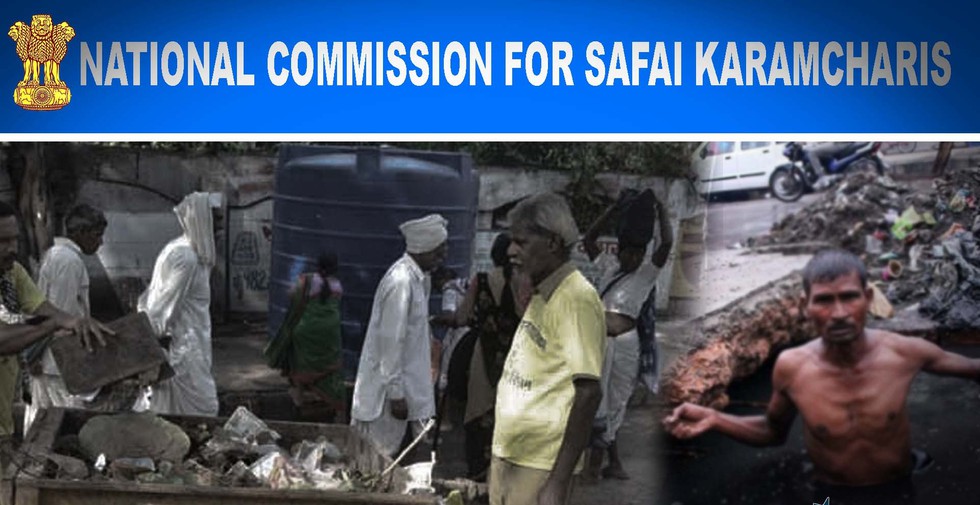
- The NCSK was established in the year 1993 as per the provisions of the NCSK Act 1993 initially for the period upto 31.3.1997. Later the validity of the Act was extended upto 29.2.2004. The NCSK Act ceased to have effect from 29.2.2004.
- After that the tenure of the NCSK has been extended as a non-statutory body from time to time. The tenure of the present Commission is upto 31.3.2019.
- The NCSK was established in the year 1993 as per the provisions of the NCSK Act 1993 initially for the period upto 31.3.1997. Later the validity of the Act was extended upto 29.2.2004. The NCSK Act ceased to have effect from 29.2.2004.
- Mandate:
- To recommend to the Government regarding specific programmes for welfare of Safai Karamcharis, study and evaluate the existing welfare programmes for Safai Karamcharis, investigate cases of specific grievances etc.
- To monitor the implementation of the Prohibition of Employment as Manual Scavengers and their Rehabilitation Act.
- To recommend to the Government regarding specific programmes for welfare of Safai Karamcharis, study and evaluate the existing welfare programmes for Safai Karamcharis, investigate cases of specific grievances etc.
The number of Manual Scavengers identified under the MS Act Survey as on 31.01.2019 is 14226 and under the National Survey undertaken by Ministry of Social Justice & Empowerment at the behest of NITI Aayog is 31128 on 31.01.2019.
Prelims Pointers
Feb. 14, 2019
About:
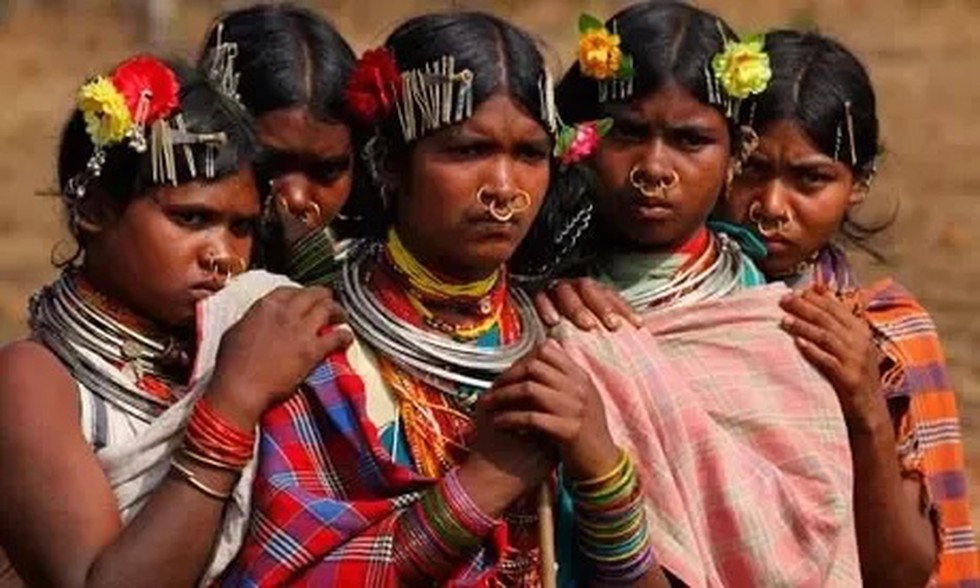
- The approved sub-schemes under “Umbrella programme” include –
- Pre-Matric Scholarship
- Post Matric Scholarship
- Ashram Schools
- Boys & Girls Hostels
- Vocational Training
- Monitoring and Evaluation
- Tribal Festivals, Tribal Research, Information and Mass Education
- Aid to Voluntary Organisation working for the welfare of Scheduled Tribes
- Development of Particularly Vulnerable Tribal Groups (PVTGs)
- Minimum Support Price for Minor Forest Produce
- Special Central Assistance (SCA) to States for Tribal Sub-Schemes (TSS)
- Pre-Matric Scholarship
- Objectives: The aims of these schemes are as under –
- To reduce the gap in the education achievement of ST children compared to others.
- Research studies in the field of tribal development.
- To enhance the reach of welfare schemes of Government and basic amenities in tribal areas through efforts of Voluntary Organisations (VOs).
- Planning the socio-economic development of the Particularly Vulnerable Tribal Groups (PVTGs) in a holistic manner by adopting habitat development approach.
- To establish a system to ensure fair monetary returns to Minor Forest Produce (MFP) gatherers.
- To reduce the gap in the education achievement of ST children compared to others.
- Impact:
- More than 10 crore Scheduled Tribe population will be benefitted through this scheme.
- The sub-schemes will help to fill critical gaps in institutions and programmes for the welfare of Scheduled Tribes with focus on specific interventions.
- More than 10 crore Scheduled Tribe population will be benefitted through this scheme.
Prelims Pointers
Feb. 14, 2019
About:
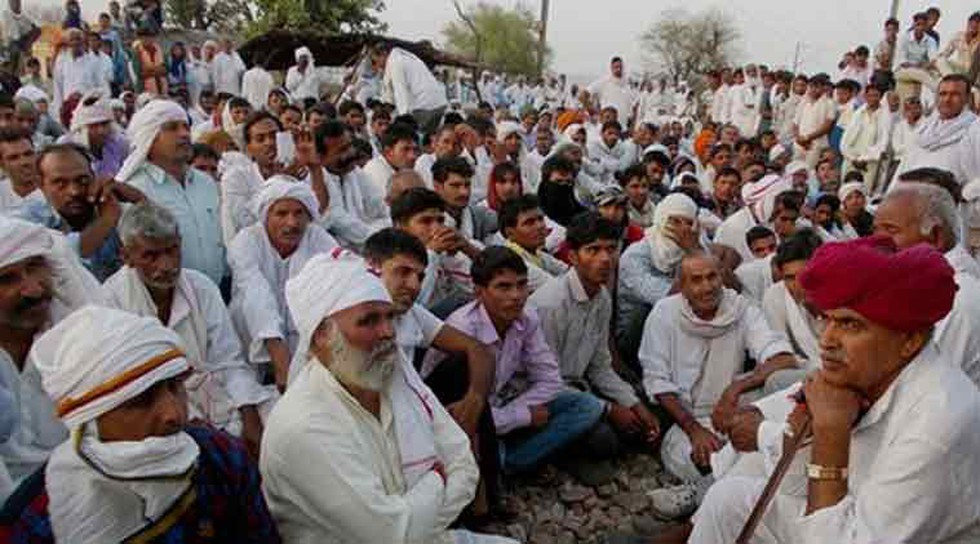
- The Rajasthan Backward Classes (Reservation of Seats in Educational Institutes in the State and of Appointments and Posts in Services under the State) Amendment Bill, 2019 seeks to increase the backward classes' reservation from present 21 % to 26 % with 5 % reservation to Gujjars and four other communities (Banjaras, Gadia Lohars, Raikas and Gadaria) in jobs and educational institutions.
- Assembly also passed a resolution and urged the Centre to incorporate it in the 9th schedule to ensure the reservation for these communities.
- The Rajasthan government has also decided to increase the ceiling of creamy layer from Rs 2.5 lakh to Rs 8 lakh.
- The statement on the objective and reasons of the bill says that
- the five castes are most backward and require five per cent separate reservation;
- the Central government recently passed the constitution amendment bill and the limit of 50 per cent reservation was increased.
- the five castes are most backward and require five per cent separate reservation;
- The move comes in the aftermath of Gujjar community holding agitations since last week across the state demanding five per cent separate quota for them. They blocked the Delhi-Mumbai railway track and several highways and roads.
Ninth schedule?
- It was the First Amendment in 1951 along with Article 31-B that marked the addition of the Ninth Schedule to the Constitution. This was intended to protect land reform laws from being challenged in courts on the grounds of violation of fundamental rights.
- Article 31B of the Constitution stated that any law in the Ninth Schedule could not be challenged in the courts.
- On January 11, 2007, The Supreme Court held that it can strike down any law which is included in the Ninth Schedule, if, in its opinion, the law violates the basic structure of the Constitution and if it was inserted after April 24, 1973 (the day the Keshavananda Bharati judgment was delivered.)
- The January 11 judgment virtually repeals an important provision of the Constitution, namely Article 31B, and undoes what was done in 1951.
- In other words, it gives to the Supreme Court the power to strike down any law on the ground that it violates fundamental rights resulting in the violation of the basic features of the Constitution.
Prelims Pointers
Feb. 14, 2019
About:
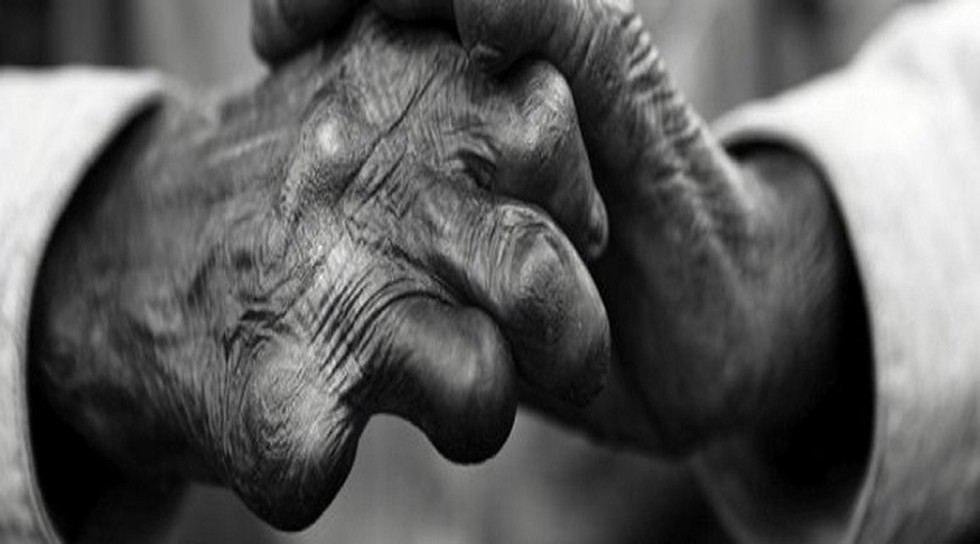
- Objective: According to government, Leprosy is a curable disease and the Amendment Bill is aimed at eliminating leprosy as a ground for dissolution of marriage or divorce.
- Laws to be amended: For this purpose, it seeks to amend the following five Personal Laws which contain provisions related to marriage and divorce –
- The Divorce Act, 1869,
- The Dissolution of Muslim Marriage Act, 1939,
- The Special Marriage Act, 1954,
- The Hindu Marriage Act, 1955, and
- The Hindu Adoptions and Maintenance Act, 1956.
- The Divorce Act, 1869,
- The proposed law, thus implements the recommendations of UN General Assembly adopted a Resolution in 2010 and Law Commission of India.
- UN General Assembly adopted a Resolution in 2010 on the ‘Elimination of discrimination against persons affected by leprosy and their family members’. India has signed and ratified it.
- Law Commission of India in its 256th Report titled “Eliminating Discrimination Against Persons Affected by Leprosy”, recommended for removing the discriminatory provisions in various statutes against the persons affected with leprosy.
- UN General Assembly adopted a Resolution in 2010 on the ‘Elimination of discrimination against persons affected by leprosy and their family members’. India has signed and ratified it.
Prelims Pointers
Feb. 14, 2019
About:
- Primary: To facilitate technology up-gradation in MSMEs by providing an upfront capital subsidy of 15 per cent (on institutional finance of up to Rs 1 crore availed by them) for induction of well-established and improved technology in the specified 51 sub-sectors/products approved.
- Other benefits:
- In addition, the scheme through Zero Defect & Zero Effect, component will promote reduction in emission level of greenhouse gases and improve the competitiveness through reduction in defect / wastage during the manufacturing process of the products.
- It will also promote the innovation, digital empowerment of MSMEs, design interventions and support the protection of intellectual property of MSMEs.
- In addition, the scheme through Zero Defect & Zero Effect, component will promote reduction in emission level of greenhouse gases and improve the competitiveness through reduction in defect / wastage during the manufacturing process of the products.
- Focus areas/groups:
- The scheme would be demand driven. But its coverage has been made more inclusive.
- Special provisions have been made in this scheme to promote entrepreneurship for SC/STs, women, North East Region, Hill States, Island Territories and the Aspirational Districts/ LWE Districts.
- In these cases, the subsidy shall be admissible also for investment in acquisition /replacement of plant & machinery / equipment & technology up-gradation of any kind.
- The scheme would be demand driven. But its coverage has been made more inclusive.
Prelims Pointers
Feb. 14, 2019
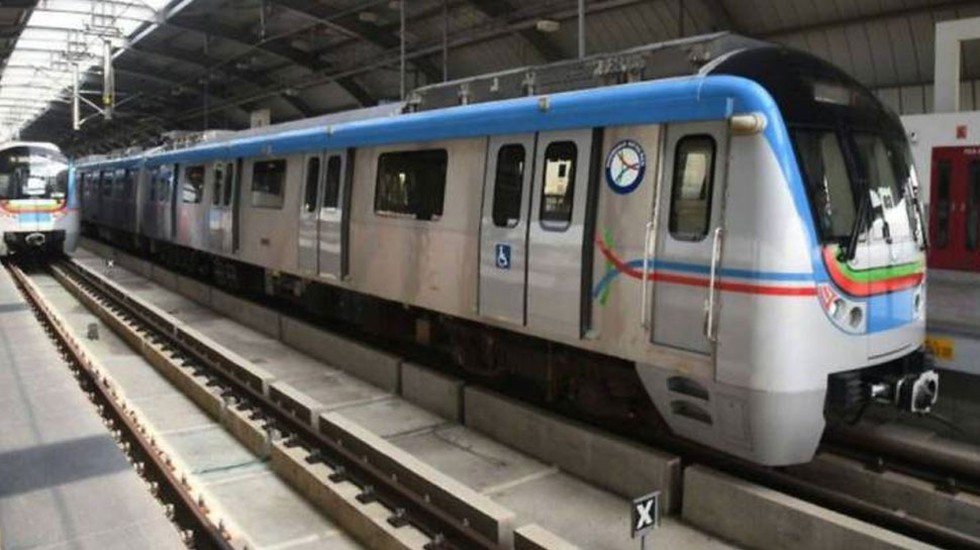
About:
- Project Duration: The Project will be completed in five years.
- Route:
- Danapur Cantt to Mithapur corridor will pass through the heart of city and connect densely populated areas Raza Bazar, Secretariat, High Court, Law University Railway Station.
- Patna Junction to ISBT corridor will connect Gandhi Maidan, PMCH, Patna University, Rajendra Nagar, Mahatma Gandhi Setu, Transport Nagar and ISBT.
- Danapur Cantt to Mithapur corridor will pass through the heart of city and connect densely populated areas Raza Bazar, Secretariat, High Court, Law University Railway Station.
- Benefits:
- The approved corridors will be having Multimodal Integration with Railway Stations &ISBT Station and will have feeder network of Bus, Intermediate Public Transport (IPT) and Non-Motorised Transport (NMT).
- Thus, the existing population of 26.23 lakh of Patna agglomeration area is expected to be benefitted by Patna Metro Rail Project directly and indirectly.
- The Metro will provide Eco friendly and sustainable Public Transport to residents, commuters, industrial workers, visitors and travellers.
- The approved corridors will be having Multimodal Integration with Railway Stations &ISBT Station and will have feeder network of Bus, Intermediate Public Transport (IPT) and Non-Motorised Transport (NMT).
In October 2018, Hardeep S Puri, Minister of State (I/C) for Housing and Urban Affairs stated that more than 664 kms of Metro Rail projects in 15 cities are presently under various stages of implementation, while more than 515 kms of Metro Line are already operational in India.
Prelims Pointers
Feb. 14, 2019
About:
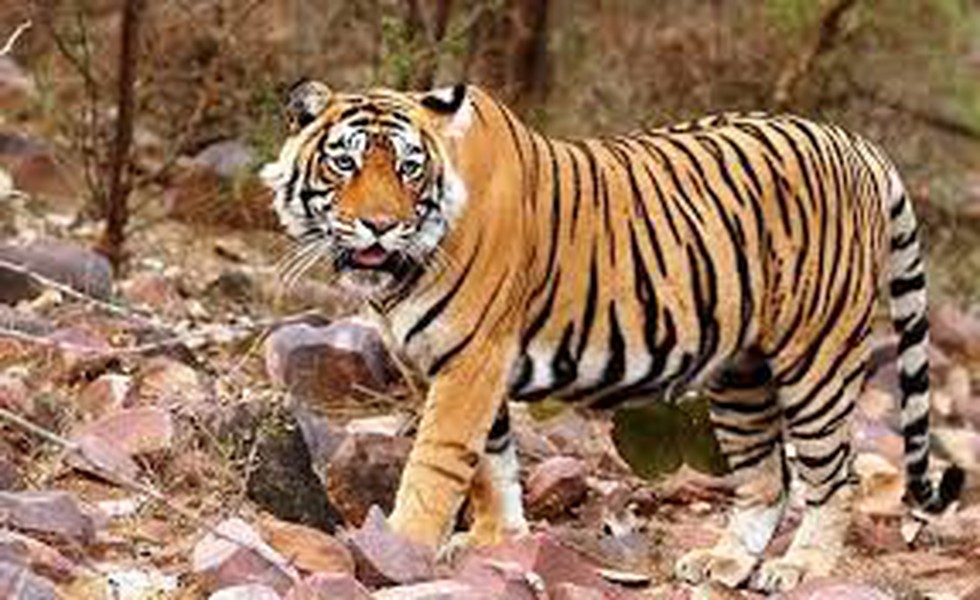
- Status: NBWL is a statutory body as it has been constituted under Section 5 A the Wildlife Protection Act, 1972.
- Mandate: It is the apex body to review all wildlife-related matters and approve projects in and around national parks and sanctuaries i.e. Protected Areas.
- Timeline: In 2003, NBWL was constituted. Its term lapsed in 2013. In 2014, it was reconstituted (was notified on July 22, 2014).
- Composition: It is a 47-member board (including the chairman) which usually meets once a year. It is chaired by Prime minister.
- Standing committee:
- The environment ministry has delegated all powers of the NBWL to a compliant Standing Committee which regularly meets and clears projects in Protected Areas.
- The National Board may, at its discretion, constitute a Standing Committee under sub-section (1) of Section 5B to be chaired by Union Minister in charge of Forests and Wildlife.
- The environment ministry has delegated all powers of the NBWL to a compliant Standing Committee which regularly meets and clears projects in Protected Areas.
Feb. 13, 2019
Prelims Pointers
Feb. 13, 2019
About:
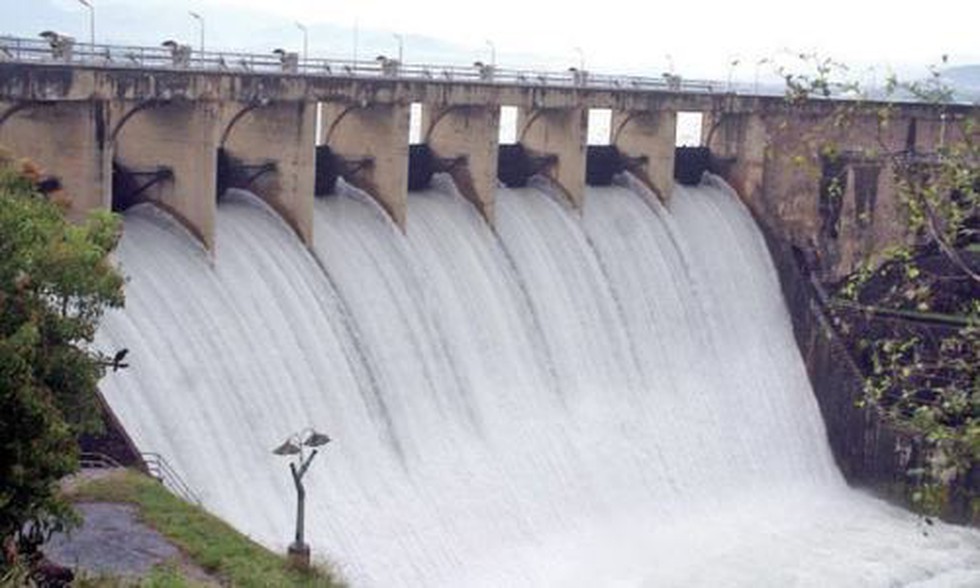
- Agencies involved: The Conference is a joint initiative of the Government of India, Government of Odisha and the World Bank.
- Parent project: It is being organized under aegis of the ongoing World Bank assisted Dam Rehabilitation and Improvement Project (DRIP).
- Background: Dam Safety Conferences are being organized as an annual event in different DRIP States in collaboration with the Implementing Agencies and leading academic institutes.
- Objective: Dam professionals, academicians, scientists, as well as industries both from within the country and from around the world to deliberate on all aspects related to dam safety and the solutions that worked best in addressing dam safety concerns.
- Past conferences: This Conference is part of the series of Dam Safety Conferences organized in Chennai (2015), Bengaluru (2016), Roorkee (2017), and Thiruvananthapuram (2018).
Need of Dams Safety:
- Globally India ranks third after China and the USA in terms of the number of large dams with 5264 large dams in operation and 437 large dams under construction.
- About 80% of our large dams are over twenty-five years old. About 209 dams are over 100 years old and were built in an era when design practices and safety considerations were much below the current design and safety norms.
Steps taken for Dam safety:
- Mindful of this, Ministry of Water Resources, River Development and Ganga Rejuvenation (MoWR, RD & GR) had been taking various initiatives since late ‘70s such as establishment of Dam Safety Organisations in the CWC and States.
- In the 1990s a World Bank assisted DSRP project was launched to rehabilitate 183 distressed dams.
- In 2012 The Ministry initiated the Dam Rehabilitation and Improvement Project (DRIP) with a duration of 6 years (duration has been extended by 2 years).
- DRIP covers rehabilitation of 198 large dam projects located in 7 States namely Jharkhand, Karnataka, Kerala, Madhya Pradesh, Odisha, Tamil Nadu, and Uttarakhand.
- DRIP also involves Institutional Strengthening and Project Management in the ten Implementing Agencies as well as nine academic institutions primarily aimed at sustained dam safety management.
- The overall implementation, supervision, and coordination of DRIP has been entrusted to the Central Water Commission (CWC).
- Union Cabinet approved the Dam Safety Bill in June 2018 and this Bill was introduced in Parliament in December 2018 to address the issue of dam safety in a comprehensive way.
Prelims Pointers
Feb. 13, 2019
About:
- Geneticist Helen Hobbs’ work on coronary heart disease (CAD) led to the development of PCSK9 inhibitors – the most powerful cholesterol-lowering drugs to hit the market since statins.
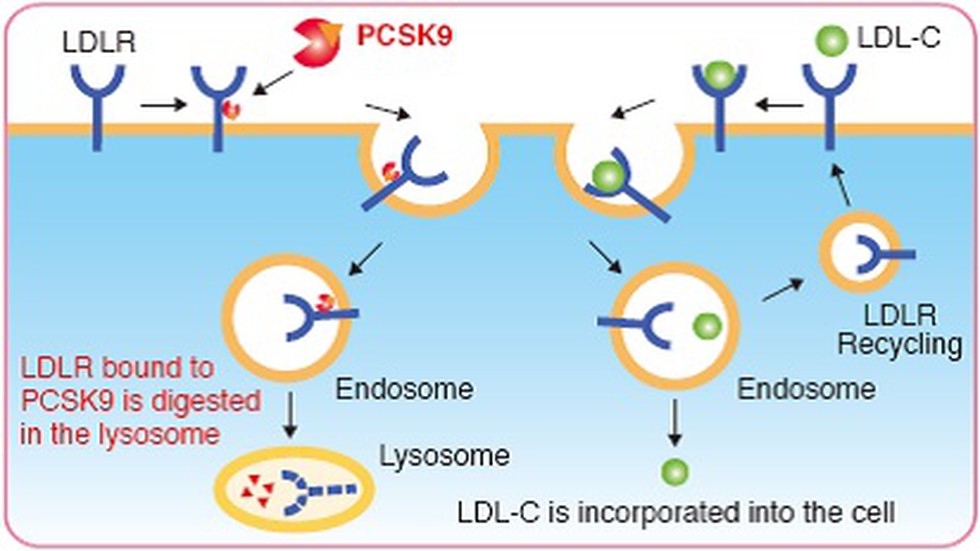
- These drugs fight the PCSK9 protein, which prevents “bad” low density lipoprotein (LDL) cholesterol from being removed from blood.
Background:
- In the mid-2000s, Dr. Helen Hobbs found that a mutation in the PCSK9 gene, present mainly in African Americans, suppressed LDL levels. Consequently, it protected carriers from CAD.
- Importantly, people with two copies of this mutation had no side-effects of very low LDL, such as loss of adrenal function.
- Most scientists then were carrying out genome-wide association studies (GWAS), which look for common gene variants. Unfortunately, this strategy had mainly identified gene variants with a small impact on CAD risk.
- A key innovation in Dr. Hobbs’ approach was to look for a rare gene variation with a large impact on cholesterol. She discovered rare mutations in the PCSK9 gene.
- Eventually, drugmakers Amgen and Regeneron developed the PCSK9 inhibitors Evolocumab and Alirocumab, respectively, which mimic this mutation’s effects.
- The discovery of cholesterol-lowering mutations in a human gene called PCSK9 led to the development of the most promising new drugs against heart disease since statins.
- For her discovery, she won a 2016 Breakthrough Prize in Life Sciences and the 2018 Harrington Prize for Innovation in Medicine.
PCSK9 gene:
- PCSK9 gene (proprotein convertase subtilisin/kexin type 9) provides instructions for making a protein that helps regulate the amount of cholesterol in the bloodstream. Cholesterol is a waxy, fat-like substance that is produced in the body and obtained from foods that come from animals.
- The PCSK9 protein appears to control the number of low-density lipoprotein receptors, which are proteins on the surface of cells. These receptors play a critical role in regulating blood cholesterol levels.
- The receptors bind to particles called low-density lipoproteins (LDLs), which are the primary carriers of cholesterol in the blood. Low-density lipoprotein receptors are particularly abundant in the liver, the organ responsible for removing most excess cholesterol from the body.
Prelims Pointers
Feb. 13, 2019
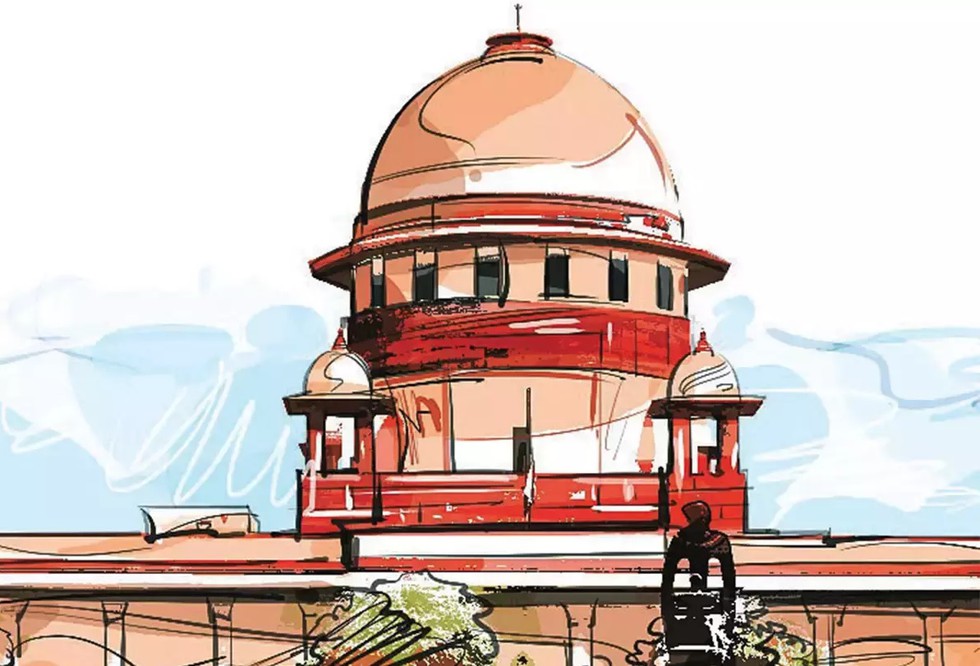
Terminologies:
- Contempt refers to the offence of showing disrespect to the dignity or authority of a court. The Act divides contempt into civil and criminal contempt.
- Civil contempt refers to the wilful disobedience of an order of any court.
- Criminal contempt includes any act or publication which: (i) ‘scandalises’ the court, or (ii) prejudices any judicial proceeding, or (iii) interferes with the administration of justice in any other manner. ‘Scandalising the Court’ broadly refers to statements or publications which have the effect of undermining public confidence in the judiciary.
Constitutional provisions:
- The following 3 articles are related to it –
- A – 19(2): A–19(2) provides allows the state to impose reasonable restriction on freedom of expression on many grounds and one of it is contempt of court.
- A –129: Supreme Court to be a court of records (This article explicitly gives SC the power to punish someone for their contempt).
- A–215: High Court to be a court of records. This articles explicitly gives HC the power to punish someone for their contempt.
- A – 19(2): A–19(2) provides allows the state to impose reasonable restriction on freedom of expression on many grounds and one of it is contempt of court.
- Non–availability to subordinate courts (Only to SC and HC):
- Subordinate courts have no power to prosecute a person for contempt of court.
- Only high courts can take cognizance of contempt committed against lower court. i.e. if a contempt is done by a person belonging to subordinate court then subordinate court will send a reference matter to the high court.
- Subordinate courts have no power to prosecute a person for contempt of court.
Contempt of court 1971 Act, 1971:
- Now contempt of court 1971 act was passed on recommendations of Sanyal committee. It defined what is contempt, punishment etc.
- What is contempt? According to it, contempt of court means –
- Civil contempt: It broadly means disobeying court orders. To be specific it means wilful disobedience to any judgement, decree, direction, order, writ or other process of a court.
- Criminal contempt: to act criminal contempt includes any act which
- Scandalizes or tends to scandalize, or lowers or tends to lower the authority of, any court,
- Prejudices, or interferes or tends to interfere with the due course of any judicial proceeding or
- Interferes or tends to interfere with, or obstructs or tends to obstruct, the administration of justice in any other manner.
- Scandalizes or tends to scandalize, or lowers or tends to lower the authority of, any court,
- What is NOT contempt? The following things are not under contempt of court –
- Innocent publication and distribution of matter.
- Fair and accurate reporting of judicial proceedings and
- Fair criticism of judicial act is not contempt.
- Innocent publication and distribution of matter.
- Punishment:
- Simple imprisonment for a maximum term of upto 6 months and/or Fine.
- But if the accused makes an apology to satisfaction of constitution then he can be freed of the charges.
- Simple imprisonment for a maximum term of upto 6 months and/or Fine.
- Civil contempt: It broadly means disobeying court orders. To be specific it means wilful disobedience to any judgement, decree, direction, order, writ or other process of a court.
Prelims Pointers
Feb. 13, 2019
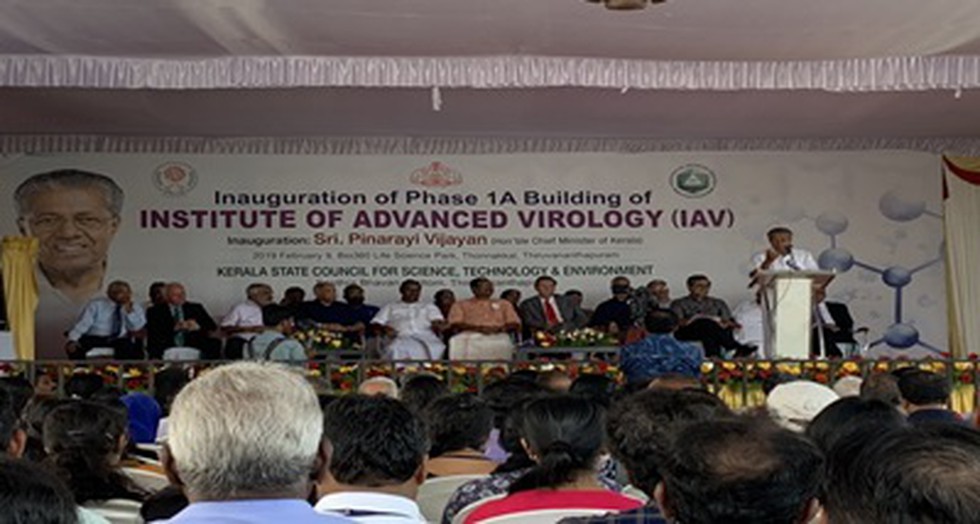
About:
- Affiliations: The Institute of Advanced Virology (IAV) is a first of its kind research institute that is affiliated to the Global Virus Network (GVN).
- Location: It will operate from the Bio 360 Life Sciences Park at Thonnakkal in the capital city Thiruvananthapuram.
- Background: The establishment of the institute was proposed during the Nipah Virus outbreak that struck the state last year.
- Mandate: The institute can confirm the viruses causing infectious diseases and detect new ones without delay in order to plan preventive measures. This kind of vast network of virologists will help in the fast detection and prevention of virus-borne diseases such as Nipah.
Do You Know?
- The Global Virus Network (GVN) was co-founded in 2011 by Robert Gallo, MD of the Institute of Human Virology at the University of Maryland School of Medicine, William Hall, MD, PhD of University College Dublin and the late Reinhard Kurth, MD, PhD, of the Robert Koch Institute.
- The GVN is a coalition comprised of leading virologists spanning more than 20 countries worldwide, all working to advance knowledge about how viruses make us sick and to develop drugs and vaccines to prevent illness and death.
- GVN has 45 centres of excellence in over 29 countries.
- It is headquartered at the Institute of Human Virology at the University of Maryland School of Medicine in the USA.
Prelims Pointers
Feb. 13, 2019
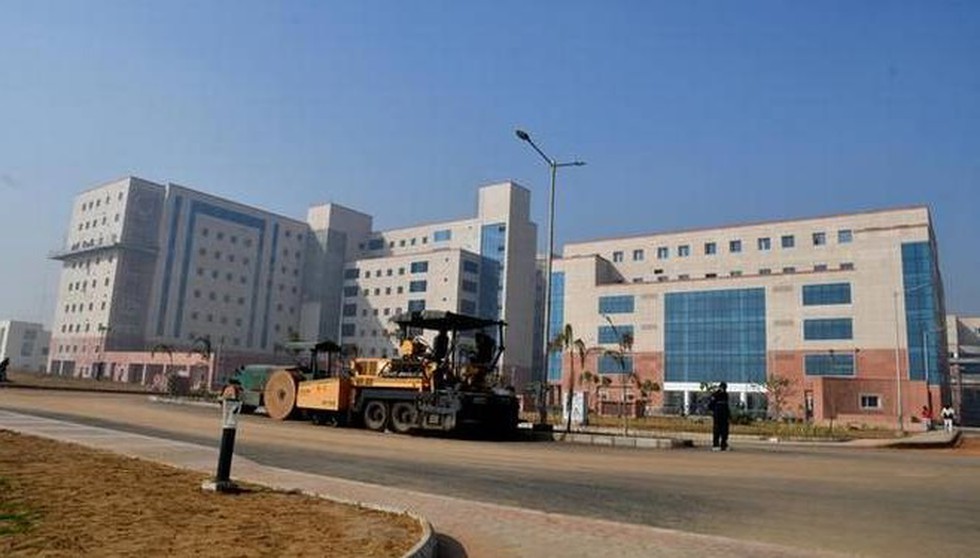
About:
- Objective: The NCI will be the nodal institution for all activities related to cancer in the country and will have linkages with regional cancer centres and other cancer institutes within the country.
- Features:
- National Cancer Institute (NCI) is the country’s largest cancer hospital.
- It will have 710 beds for different facilities like surgical oncology, radiation oncology, medical oncology, anaesthesia, palliative care and nuclear medicine, besides 1,080 hostel rooms for doctors and 800 rooms for attendants of cancer patients.
- National Cancer Institute (NCI) is the country’s largest cancer hospital.
- Parent institute: The NCI is which is a project under Delhi AIIMS. The new centre will take off some load from AIIMS which receives more than 1,000 cancer patients daily.
- Background: The foundation stone of the NCI was laid by the then Prime Minister, Manmohan Singh in 2014.
Prelims Pointers
Feb. 13, 2019
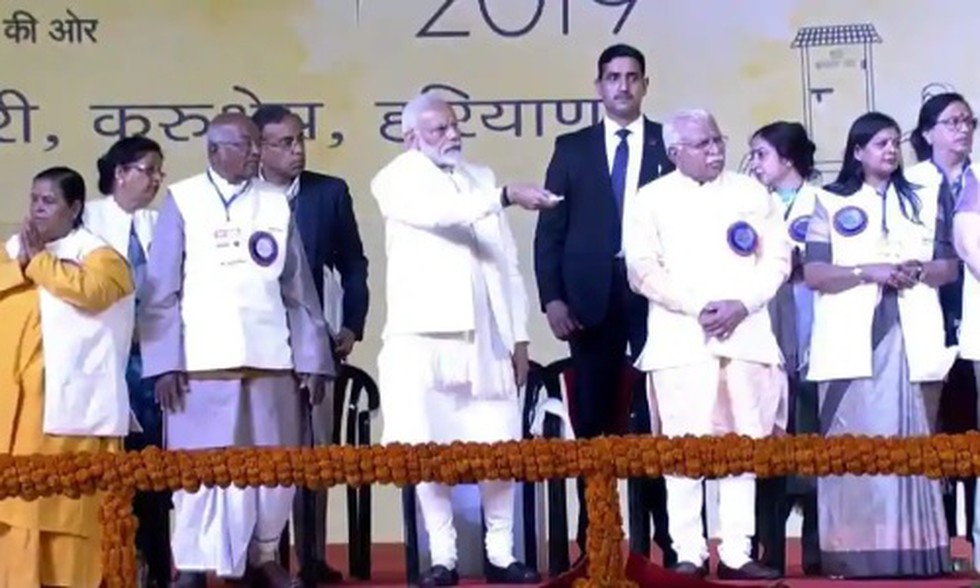
About:
- It will be a national-level institute for Ayurveda treatment, education and research with 250 beds IPD Hospital.
- The Institute will cater to over 500 students every year offering UG, PG and PHD degree with facilities for auditorium, Hostel accommodation, staff quarters and guest house etc. Two crore people of Haryana, Himachal and Punjab would be benefited.
- It is the second National Institute of Ayurveda (NIA), with the first being located at Jaipur which was established in 1976.
National Institute of Ayurveda (NIA), Jaipur?
- The National Institute of Ayurveda (NIA), Jaipur was established in 1976 by the Ministry of Health and Family Welfare, Government of India.
- NIA is an apex Institute under the Department of AYUSH for promoting the growth and development of Ayurveda as a model Institute for evolving high standards of teaching, training, research and patient care.
- The Institute, an Autonomous Body under Department of AYUSH, Ministry of Health and Family Welfare, Govt. of India, is registered under the Rajasthan Societies Registration Act, 1958.
Prelims Pointers
Feb. 13, 2019

About:
- As per the 7th Schedule of the Constitution of India and under serial no. 9 of State List, the subject matter of "Relief of the disabled and unemployable" comes under the State List. Thus, the States are responsible for taking necessary preventive and rehabilitative steps.
- As many as 20 States and 2 UTs have either enacted their own Anti-Beggary Legislation or adopted legislations enacted by other States/UTs the most prominent is Bombay Prevention of Begging Act 1959 which classifies begging as a compoundable and non-bailable offence.
- Presently, there is no central legislation for beggars in India. The Government of India has formulated the Persons in Destitution (Protection, Care and Rehabilitation) Model Bill of 2016, which contains a new framework for the rehabilitation of beggars. It is yet to be passed.
- The Ministry of Social Justice and Empowerment released an amount of Rs. One crore during 2017-18 & fifty lakhs during 2018-19 to National Backward Classes Finance & Development Corporation (NBCFDC) for skill development programmes for beggars on pilot basis.
- The Ministry of Women and Child Development is implementing Integrated Child Protection Scheme (ICPS) with the objective of creating a safe and secure environment for children in need of care and protection including those children who are found begging.
As per information furnished by Registrar General of India (RGI), there are 4,13,670 beggars, vagrants etc. in the country as per Census 2011 out of which 70,506 are disabled beggars. Out of these, 5982 persons suffer from mental retardation and 5588 persons suffer from mental illness.
Prelims Pointers
Feb. 13, 2019
About:
- Full Name: KUSUM stands for Kisan Urja Suraksha evam Utthaan Mahabhiyan.
- Objective: Kusum Scheme aims to promote use of solar energy among farmers.
- Strategy: The proposed scheme provides for –
- setting up of grid-connected renewable power plants each of 500KW to 2 MW in the rural area;
- installation of standalone off-grid solar water pumps to fulfil irrigation needs of farmers not connected to grid; and
- solarization of existing grid-connected agriculture pumps to make farmers independent of grid supply and also sell surplus solar power generated to Discom and get extra income.
- setting up of grid-connected renewable power plants each of 500KW to 2 MW in the rural area;
- Background: It was first announced in Union Budget 2018.
- Present status: The Scheme is under consideration of the Government and therefore, detailed provisions are yet to be finalized.
Prelims Pointers
Feb. 13, 2019

List of measures taken to popularise Roof Top Solar Power System:
- Under the present Rooftop Solar Scheme (RTS), approved by the Government in 2015, an aggregated capacity of 2100 MW is targeted to be achieved in residential, institutional, social and Government sector through central financial assistance by the year 2019-20.
- Suryamitra program is being implemented for creation of a qualified technical workforce.
- Creation of SPIN-an online platform for expediting project approval, report submission and monitoring progress of implementation of RTS projects.
- Initiated Geo-tagging of RTS project, in co-ordination with ISRO, for traceability and transparency.
As per data captured on the SPIN portal of the Ministry of New and Renewable Energy (MNRE), a total of 1279 MW capacity grid connected rooftop solar PV systems have been reported installed in the country as on 31.1.2019.
Prelims Pointers
Feb. 13, 2019
KISAN Project:
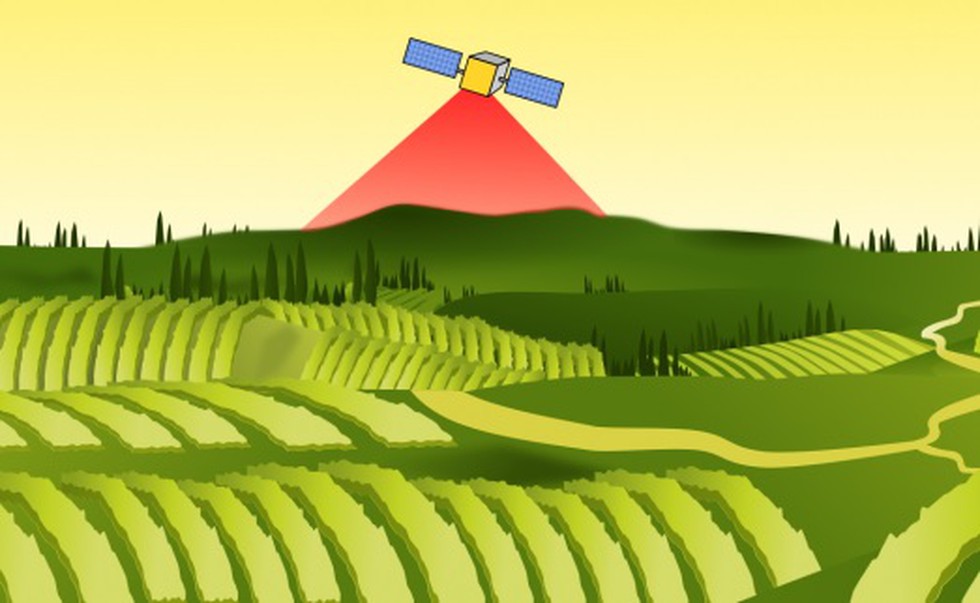
- The Department of Agriculture, Cooperation and Farmers Welfare had launched KISAN [C(K)rop Insurance using Space technology and geoiNformatcs] project during 2015.
- The project envisaged use of high-resolution remote sensing data for optimum crop cutting experiment planning and improving yield estimation.
- Under this project, pilot studies were conducted in 4 districts of 4 States viz. Haryana, Karnataka, Maharashtra and Madhya Pradesh.
- The study provided many useful inputs [for smart sampling, yield estimation, optimum number of Crop Cutting Experiments (CCEs) etc.], in the revised guidelines of Pradhan Mantri Fasal Bima Yojna (PMFBY).
Other Measures taken to introduce Space Technology in Agriculture Sector:
- The Ministry of Agriculture and Farmers Welfare, since early 80s has been funding various projects, under which Indian Space Research Organisation (ISRO) developed methodologies for Crop Production Forecasting.
- The Department of Agriculture, Cooperation and Farmers Welfare established a Centre, called Mahalanobis National Crop Forecast Centre, in 2012, for operationalisation of the space technology developed in the ISRO, for crop production forecasting.
- The Department has another centre called Soil and Land Use Survey of India, which uses satellite data for soil resources mapping.
- Currently, the Department is using space technology for its various programmes/ areas, such as,
- Forecasting Agricultural Output using Space, Agro-meteorology and Land-based Observations (FASAL) project,
- Coordinated programme on Horticulture Assessment and Management using geoiNformatics (CHAMAN) project,
- National Agricultural Drought Assessment and Monitoring System (NADAMS),
- Geo tagging of infrastructure and assets created under Rashtriya Krishi Vikas Yojana (RKVY).
- Forecasting Agricultural Output using Space, Agro-meteorology and Land-based Observations (FASAL) project,
Benefits:
- The space technology helps getting fast and unbiased information about the crop situation in the country.
- It provides digital data, which is amenable to various analysis. Because of its synoptic view, it provides images of the whole country in a very short duration.
- Hence, this data can be used for various programmes, which need information on crop type, crop area estimates, crop condition, crop damages, crop growth etc.