March 23, 2019
Prelims Pointers
March 23, 2019
About:
- The draft Indian Forest Act, 2019 is envisaged as an amendment to the Indian Forest Act, 1927 and is an attempt to address contemporary challenges to India’s forests.
- The draft has been prepared based on the inputs of a core committee constituted by the ministry. On March 7, Inspector General of Forests (Forest Policy) Noyal Thomas sent a letter to all states seeking their comments.
- The draft law has been sent to key forest officers in the States for soliciting comments and objections until June 7.
Key provisions of draft amendment:
- It provides definitions to important terms such as community, forest and village forest that were missing from the law.
- It introduces a new category of forests “Production Forest”. These will be forests with specific objectives for production of timber, firewood, non-timber forest produce, medicinal plants or any forest species to increase production in the country for a specified period.
- Forest officers get more immunity for using firearms to prevent offences.
- No prosecution sanction against such officer unless an inquiry by executive magistrate.
- Indemnity will be in addition to the immunity provided to certain categories of Public Servant under section 197 of the CrPC.
- Any forest officer (Not below the rank of an assistant conservator of forests) can search any such place in which he has reason to believe that any forest produce or tool to commit forest offence is concealed.
- Any person, forest officer, any officer of state government cannot withdraw forest offence cases registered under the act.
- It proposes a forest development cess of up to 10% of the assessed value of mining products removed from forests, and water used for irrigation or in industries. This amount would be used exclusively for forest conservation and reforestation.
- If the state government feels that the rights under Forest Rights Act, 2006 (FRA) will hamper conservation efforts, then the state “may commute such rights by paying such persons a sum of money or grant of land to maintain the social organisation of the forest dwelling communities.
Prelims Pointers
March 23, 2019
About:
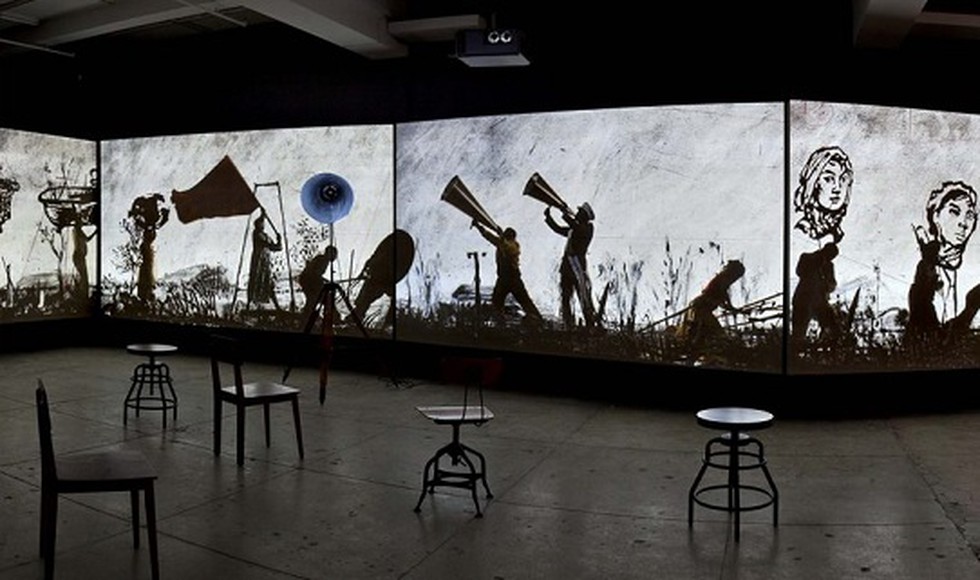
- What is it? The Kochi-Muziris Biennale is an international exhibition of contemporary art.
- Key Highlights:
- Indian and international artists exhibit artworks across a variety of mediums including film, installation, painting, sculpture, new media and performance art.
- Alongside the exhibition the Biennale offers a rich programme of talks, seminars, screenings, music, workshops and educational activities for school children and students.
- Indian and international artists exhibit artworks across a variety of mediums including film, installation, painting, sculpture, new media and performance art.
- Held in: Kochi, Kerala.
- Organized by: Kochi Biennale Foundation with support from the Government of Kerala.
- Timeline: It was first organized in 2012. The fourth edition of the Biennale is being held from 12 December, 2018 until 29 March, 2019.
Kochi Biennale Foundation:
- Status: A non-profit charitable trust.
- Functions: It is engaged in promoting art & culture and educational activities in India; primary amongst them the hosting of the Kochi-Muziris Biennale.
- Founded in: 2010.
- Founded by: Artists Bose Krishnamachari and Riyas Komu.
Muziris?
- Muziris was an ancient harbour & seaport on the Malabar Coast (modern-day Kerala) that dates back to 1st century BC. Muziris was a key to the interactions between south India and Persia, the Middle East, North Africa, and the Mediterranean region.
- The exact location of Muziris is unknown to historians and archaeologists. It was generally speculated to be situated around present day Kodungallur, a town near Kochi.
Prelims Pointers
March 23, 2019
Belt and Road Initiative (BRI):
- Proposed in 2013, China’s BRI is a transcontinental project that focuses on infrastructure investment and projects that promote regional cooperation, development and connectivity.
- China presents it as a win-win relationship aimed at mutual growth. But there are suspicions regarding China’s motivations – it’s seen as a way for China to embed its global influence – and it could make participants dependent on China.
Italy and BRI:
- Having re-entered a recession at the end of 2018, Italy, the eurozone’s third largest economy is welcoming China’s President Xi Jinping for a three-day state visit.
- While there, Italy is expected to sign a memorandum of understanding – making it the 124th nation to sign up for BRI. Italy wants to enhance its “Made in Italy” brand through increasing trade – especially in the form of exports – to China.
- Analysis:
- Italy’s status as a G7 country is a coup for the Chinese leadership and the legitimacy of the BRI. The prospect of Italy’s participation underscores growing fault lines in the EU’s joint approach to China.
- Four years ago, we saw Italy, France and Germany join China’s AIIB, contrary to US wishes. Therefore, Italy is neither the first, nor will it be the last European economy to follow its own national interest with regard to China.
- Italy’s status as a G7 country is a coup for the Chinese leadership and the legitimacy of the BRI. The prospect of Italy’s participation underscores growing fault lines in the EU’s joint approach to China.
Group of Seven (G-7)?
- The Group of Seven (G-7) is a forum of the world's seven most industrialized economies.
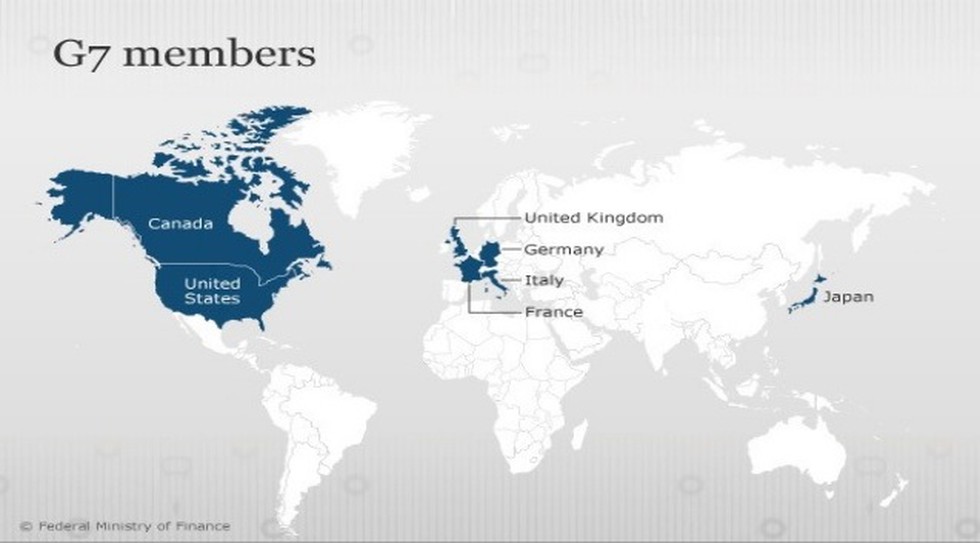
- Members: It consists of Canada, France, Germany, Italy, Japan, the United Kingdom, and the United States.
- Meetings: The G-7 meets on an annual basis in a rotating member country to discuss international economic and monetary issues. The European Union is also represented at the G7 summit.
- History: The G-6 was formed in 1975 and consisted of France, Germany, Italy, Japan, the United States and the United Kingdom; Canada was invited to join the group in 1976 creating the G-7.
- Russia and G8: In 1998, Russia was added to the G-7 as a full member, making the group of world leaders the G-8. The acceptance of Russia created the G-8 from 1998 to 2014. In 2014, Russia was suspended from the group after the annexation of Crimea and tensions in Ukraine.
Prelims Pointers
March 23, 2019
Background:
- At the start of the Sino-Indo Conflict on 20th October 1962, a state of Emergency was declared under Article 352 of the Constitution of India, on grounds of external aggression.
- During the same time period, a domestic crisis was brewing with Mr. C.N. Annadurai, leader of the Dravida Munnetra Kazhagam’s (DMK) openly advocating his party’s agenda of self-determination, including secession of Tamil Nadu from the Indian Union.
- Consequently, the Central Government introduced the Unlawful Activities (Prevention) Bill, 1967 before the Emergency was to lapse to uphold the sovereignty and integrity of India.
About:
- The UAPA, 1967 essentially and primarily dealt with “unlawful activity”.
- Section 2(f) defines unlawful activity, as any action by an individual or association which is intended to bring about cession/secession or such action as to disrupt or question the sovereignty and territorial integrity of India.
- Under Section 3 of the UAPA, 1967, the Union Government, on being satisfied that the organizations have become Unlawful can declare them as Unlawful Associations.
- Under Section 35 of UAPA, 1967, the Union Government on being satisfied that the organization is involved in terrorism can add the organizations to the First Schedule of UAPA.
- The Act was amended in 2012 to make it more effective in preventing unlawful activities, and meet commitments made at the Financial Action Task Force (an intergovernmental organisation to combat money laundering and terrorism financing).
Prelims Pointers
March 23, 2019

About:
- Status: A Public university of national importance as recognised by Indian Statistical Institute act, 1959.
- Primary activities of ISI are: Research and training of Statistics, development of theoretical Statistics and its applications in various natural and social sciences.
- Parent Ministry: Union Ministry of Statistics and Programme Implementation (MOSPI).
- Established in: 1931.
- Established by: PC Mahalanobis.
- HQ: Kolkata.
- Sankhya: It is the statistical journal published by ISI. It was founded in 1933 with Mahalanobis as the founder editor.
Prelims Pointers
March 23, 2019

About:
- Origin: Armed Forces Tribunal (AFT) is an Indian military tribunal established in 2009 under the Armed Forces Tribunal Act, 2007.
- Benches: its Principal Bench is in New Delhi. It also has 11 regional benches (as of March 2017).
- Objective: To adjudicate complaints wrt appointments and conditions of service in respect of person’s subject to the Army Act, 1950, The Navy Act, 1957 and the Air Force Act, 1950.
- It can further provide for appeals arising out of orders of courts- martial held under the above-mentioned Acts.
- It can further provide for appeals arising out of orders of courts- martial held under the above-mentioned Acts.
- Composition:
- Judicial Members are retired High Court Judges.
- Administrative Members are retired Members of the Armed Forces who have held rank of Major General/ equivalent or above for a period of three years or more.
- Judicial Members are retired High Court Judges.
- Other key facts:
- Proceedings are conducted as per the Armed Forces Tribunal (Procedure) rules, 2008.
- The Tribunal will normally follow the procedure as practiced by High Courts of India.
- Paramilitary forces including the Assam Rifles and Coast Guard are outside the tribunal's purview.
- Proceedings are conducted as per the Armed Forces Tribunal (Procedure) rules, 2008.
Prelims Pointers
March 23, 2019
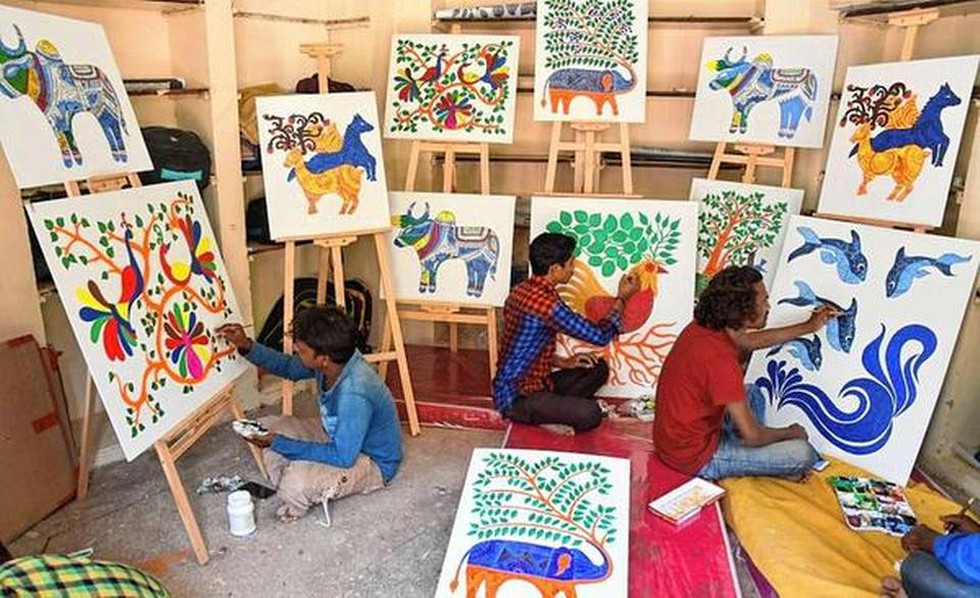
About:
- Gond paintings: They stand out for use of bright colours and intricate lines. The Gond art mostly represents a tree emerging out of birds (peacocks) and animals (ox, horse, deer, elephant and tiger).
- Koya Paintings: The Koya artists draw on the surface motifs of their sacred ‘Hariveni’ posts, sacred flags and big bottle gourds.
- Naikpod Paintings: The paintings of Naikpod tribals are reflections of face masks of their kings, Pandavas like Bheema, and traditional village temple deities.
Prelims Pointers
March 23, 2019
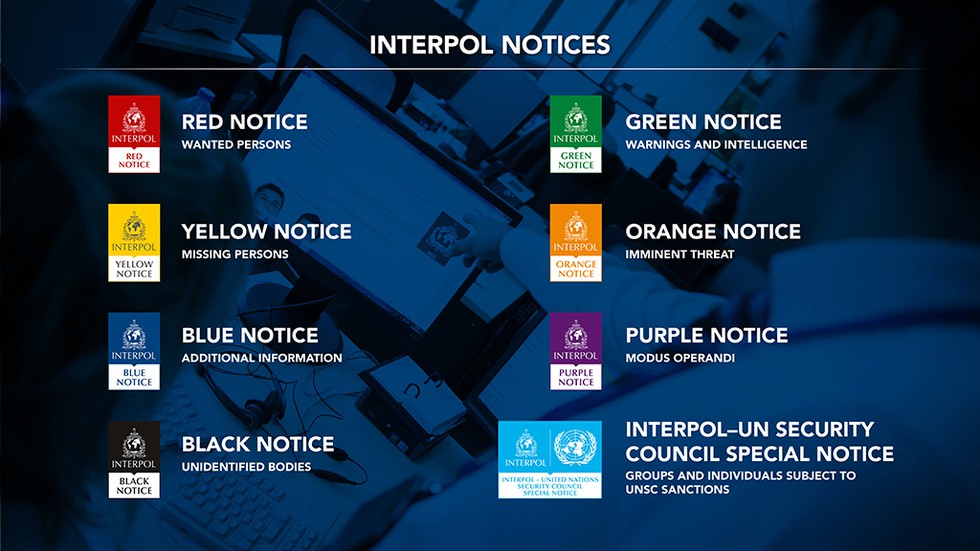
Interpol Notices:
It issues 8 type of notices (7 of which are colour-coded) which are in the form of alert/requests allowing police in member countries to share critical crime-related information.
- Red Notice: To seek the location and arrest of a person wanted by a judicial jurisdiction or an international tribunal with a view to his/her extradition. It is the "closest instrument to an international arrest warrant."
- Blue Notice: To locate, identify or obtain information on a person of interest in a criminal investigation.
- Green Notice: To warn about a person's criminal activities if that person is considered to be a possible threat to public safety.
- Yellow Notice: To locate a missing person or to identify a person unable to identify himself/herself.
- Black Notice: To seek information on unidentified bodies.
- Orange Notice: To warn of an event, a person, an object or a process representing an imminent threat and danger to persons or property.
- Purple Notice: To provide information on modus operandi, procedures, objects, devices or hiding places used by criminals.
- Interpol-UNSC Special Notice: To inform Interpol's members that an individual or an entity is subject to UN sanctions.
Interpol:
- Full name: The International Police Organisation is commonly known as Interpol.
- Mandate: It is an international organization facilitating international police cooperation against cross-border terrorism, trafficking, and other crime.
- Membership: The admission of two new members has made it a 192-member body.
- Governance: All decisions regarding the activities of INTERPOL are made by the General Assembly which is it’s ’s supreme governing body which meets annually.
- Status: It is ‘NOT’ a unit or part of united nation system. It is an independent international organization.
- HQ: Lyon in France.
- Founded in: 1923.
Prelims Pointers
March 23, 2019

About:
- As against a target of ₹80,000 crore for disinvestment for the current Financial year, the divestment receipts have touched ₹85,000 crore. During the current Financial Year, DIPAM has realised the proceeds through 28 transactions.
- In 2017-18, the government had earned a little more than ₹1 lakh crore from disinvestments against a target of ₹72,500 crore.
Department of Investment and Public Asset Management?
- Mandate: Management of Centre's investments in equity including its disinvestment in central public sector undertakings.
- Parent Ministry: Ministry of Finance.
- History:
- The Department of Disinvestment was set up as a separate Department in 1999. It was later renamed as Ministry of Disinvestment in 2001.
- Since 2004, the Department of Disinvestment is one of the Departments under the Ministry of Finance.
- In 2016, the Department of Disinvestment was renamed as Department of Investment and Public Asset Management (DIPAM).
Prelims Pointers
March 23, 2019
About:
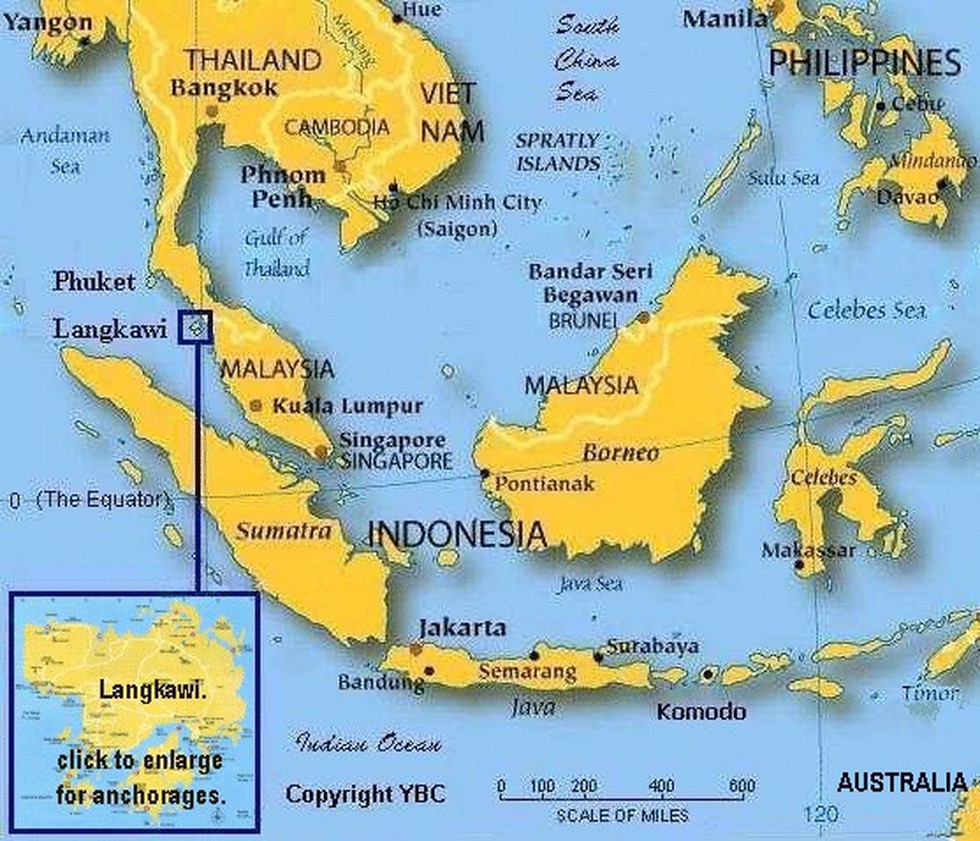
- Langkawi International Maritime Aero Expo (LIMA-2019) is planned in Langkawi, Malaysia from 26 March 2019 to 30 March 2019.
- Indian Air Force is participating in the Maritime Aero Expo for the first time, during which it will showcase its indigenously developed LCA fighter aircraft.
- Participation of IAF in LIMA-2019 will provide an opportunity to air-warriors to interact with their Royal Malaysian Air Force (RMAF) counterparts and foster close relationship between the two services.
Langkawi is a district and an archipelago of 99 islands in the Andaman Sea some 30 km off the mainland coast of north western Malaysia. The islands are a part of the state of Kedah (Malaysia), which is adjacent to the Thai border.
March 21, 2019
Prelims Pointers
March 21, 2019
Background:
- IDBI (Industrial Development Bank of India) Bank was established in 1964 by an Act of Parliament as a wholly owned subsidiary of the Reserve Bank of India (RBI).
- It was established as a specialised development financial institution (DFI) – on the lines of NABARD, NHB and SIDBI – to provide credit and other financial facilities for the development of Indian industry.
- In 1976, the ownership of IDBI was transferred to the Government of India.
- In 2004 it was converted into a commercial bank when RBI incorporated IDBI as a 'scheduled bank' under the RBI Act, 1934.
Recent deal: Timeline
- Background: The IDBI Bank’s financial health has been deteriorating. Its gross Non-Performing Assets (NPAs) at the end of March 2018 was 28% of advances.
- August 2018: the cabinet had approved the acquisition of controlling stake by LIC as a promoter in the bank through a combination of preferential allotment and open offer of equity.
- September 2018: following the transfer of controlling 51 % to LIC from the government of India, the government holding came down to 46.46 % from nearly 86 %, while LIC stake increased from about 8 % to 51 %.
- January 2019: LIC completed the acquisition of 51 % controlling stake in IDBI Bank, marking the entry of the LIC into the banking space.
- March 2019: RBI changed the categorisation of IDBI Bank to a private sector lender from public sector lender following acquisition of majority stake by LIC.
Prelims Pointers
March 21, 2019
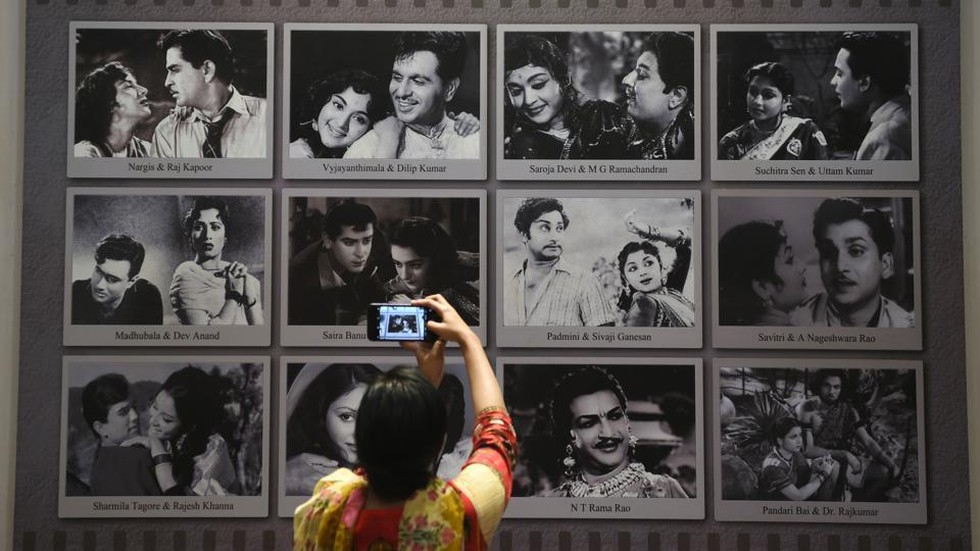
About:
- Objective: The state-of-the-art Museum, aims to take its visitors through a journey of over a century of Indian cinema in a story telling mode with the help of visuals, graphics, artifacts, interactive exhibits and multimedia expositions.
- Bodies/People involved: The museum has been
- built by: NBCC (India) Limited – a state-owned Navratna public sector undertaking,
- designed by: the National Council of Science Museums and
- implemented by: the films division under the ministry of information and technology.
- built by: NBCC (India) Limited – a state-owned Navratna public sector undertaking,
- The creation of the Museum has been guided by the Museum Advisory Committee headed by Shyam Benegal. An innovation Committee headed by Prasoon Joshi was also constituted to provide an upgrade to NMIC.
- Location: The Museum is housed in the following two buildings in the Films Division campus in Mumbai.
- The New Museum Building: It has following four Exhibition Halls (1) Gandhi & Cinema, (2) Children’s Film Studio, (3) Technology, creativity & Indian cinema and (4) Cinema across India.
- Gulshan Mahal: The 19th century historic palace Gulshan Mahal is an ASI Grade-II Heritage Structure which has been restored as part of the NMIC project. It showcase the journey of over a hundred years of Indian cinema in 9 sections.
- The New Museum Building: It has following four Exhibition Halls (1) Gandhi & Cinema, (2) Children’s Film Studio, (3) Technology, creativity & Indian cinema and (4) Cinema across India.
Prelims Pointers
March 21, 2019
About World Sparrow Day:
- Observed on: March 20.
- First observed in: 2010.
- Bodies involved: It is an international initiative by the Nature Forever Society of India (NFSI) in collaboration with other national and international organisations. NFSI is a non-profit organisation, established in 2005 to conserve house sparrows.
- Objective: To raise awareness about the conservation of the House Sparrow and other common birds.
- Theme for World Sparrow Day 2019: I LOVE Sparrows.
House sparrow?
- Common Name: House sparrow.
- Scientific Name: Passer domesticus.
- Distribution: It is widespread across the world, inhabiting every continent, except Antarctica, China and Japan. Within India, it is found throughout the country, up to the Assam valley and lower parts of the Assam hills. Towards the eastern Himalayas, the species is replaced by the Eurasian tree sparrow.
- Habitat: It is among the most commonly found bird species in urban cities. The house sparrow is known to nest in buildings, finding crevices and holes in walls or using the bird houses and nest boxes put out by humans in their gardens.
- Features: It is a small brown-coloured bird, not bigger than a tennis ball, with black streaks on its back. It is a social species, found in groups of eight to 10, chirping and chattering to communicate with each other.
- Status: Listed as Least Concern on the IUCN Red List.
- Conservation Issues: In the last two decades, their population is on the decline in almost every city. The reasons attributed are:
- modern designs of infrastructure in cities does not give any room for the sparrow to nest;
- pollution caused by microwave towers and pesticides;
- it is losing its foraging grounds (natural grasslands) as the green spaces in our cities give way to more concrete constructions.
Prelims Pointers
March 21, 2019
About:
- Countries covered: The UN’s seventh annual World Happiness Report ranks the world’s 156 countries on “how happy their citizens perceive themselves to be”.
- Indicators: The report ranks countries on six key variables that support well-being: income, freedom, trust, healthy life expectancy, social support and generosity.
- Released by: The Sustainable Development Solutions Network for the United Nations.
- Released on: March 20, which was designated as the World Happiness Day by the UN General Assembly in 2012.
Key highlights of the report:
- The overall world happiness has fallen over the past few years, which has mostly been fuelled by a sustained drop in India, which has dropped seven spots down from last year.
- There has been an increase in negative emotions, including worry, sadness and anger.
- Finland has been ranked as the happiest country in the world for the second year in succession. Finland is followed by Denmark, Norway, Iceland and The Netherlands.
- People in South Sudan are the most unhappy with their lives, followed by Central African Republic (155), Afghanistan (154), Tanzania (153) and Rwanda (152).
- Indians are not as happy in 2019 as they were in 2018 and the country figures at 140th place, seven spots down from last year.
- Pakistan is ranked 67th, Bangladesh 125th and China is place at 93rd.
Prelims Pointers
March 21, 2019

About:
- Type of Body: Quasi-judicial.
- Established in: 1988 under the Consumer Protection Act of 1986.
- Head office: New Delhi.
- Composition: The commission is headed by a sitting or retired judge of the Supreme Court of India.
- Jurisdiction: According to Section 21 of Consumer Protection Act, NCRCC shall have –
- Jurisdiction to entertain a complaint valued more than one crore and
- Appellate and Revisional jurisdiction from the orders of State Commissions or the District fora as the case may be.
- Jurisdiction to entertain a complaint valued more than one crore and
- Appeal: Under Section 23 of Consumer Protection Act, 1986, any person aggrieved by an order of NCDRC, may file an Appeal against such order to Supreme Court of India within a period of 30 days.
Prelims Pointers
March 21, 2019
About:
- During 2004 and 2009 Lok Sabha elections there was no record of transgender voters.
- Following the Supreme Court order, transgenders got the right to vote for the first time in 2014.
- In 2014, 918 voters were registered in this third category. This number has doubled in five years and now it is 2,086.
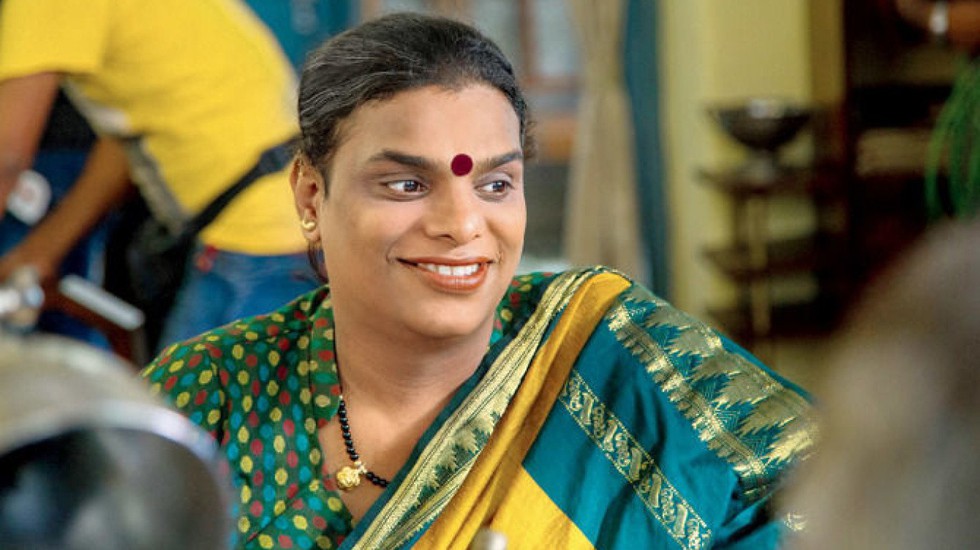
- According to the Election Commission, Gauri Sawant's appointment would help in more people from this category getting registered during the final phase of voters enrollment.
- Election Commission has nominated the renowned sportsmen, film-makers, literary personalities of the respective constituencies as the goodwill ambassadors to induce more voters to vote in the Lok Sabha elections.
Gauri Sawant?
- Gauri Sawant is a transgender activist from Mumbai.
- She founded the Sakshi Char Chowhi Trust in 2000 that promotes safe sex and provides counselling to transgender people.
- In 2014, she became the first transgender person to file a petition in the Supreme Court of India for adoption rights of transgender people.
- She was a petitioner in the National Legal Services Authority (NALSA) case in which the Supreme Court recognised transgender as the third gender.
Prelims Pointers
March 21, 2019
About:
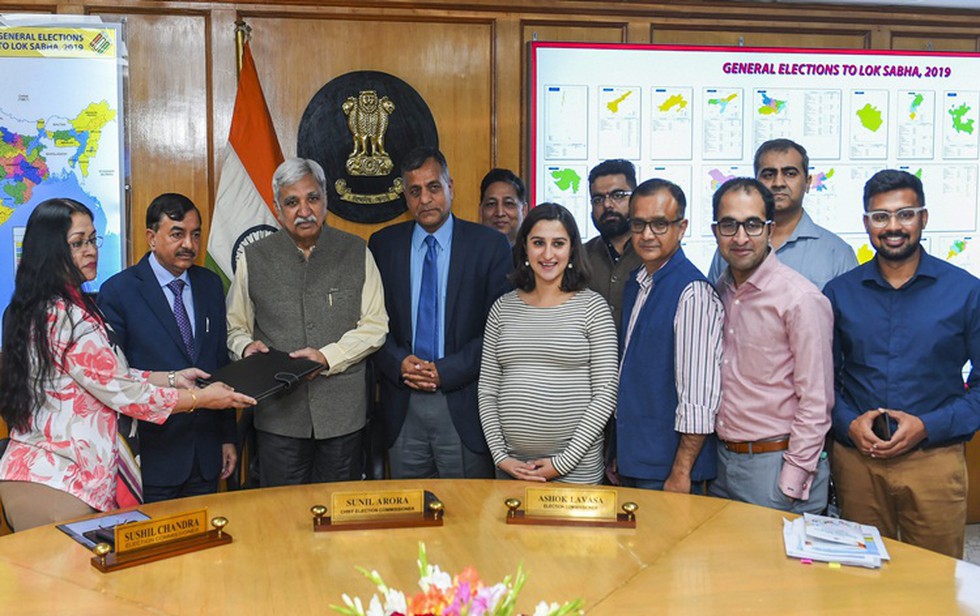
- Background: The Code of Ethics has been developed as a follow up to the meeting with IAMAI and representatives of Social Media Platforms including Facebook, WhatsApp, Twitter, Google, ShareChat and TikTok etc.
- Objective of Code of Ethics: To ensure free, fair & ethical usage of Social Media Platforms to maintain the integrity of the electoral process for the General Elections 2019.
- Features: The Platforms have agreed to –
- process any violations reported under Section 126 of Representation of Peoples Act, 1951 within three hours as per Umesh Sinha Committee recommendations (Social Media Campaign).
- create a high priority dedicated reporting mechanism for the ECI and appoint dedicated teams during the period of General Elections for taking expeditious action on any reported violations.
- provide a mechanism for political advertisers to submit pre-certified advertisements issued by Media Certification and Monitoring Committee.
- facilitate transparency in paid political advertisements.
- Voluntarily undertake voter awareness campaigns.
- process any violations reported under Section 126 of Representation of Peoples Act, 1951 within three hours as per Umesh Sinha Committee recommendations (Social Media Campaign).
- The Code voluntarily agreed upon by the Participants comes into operation with immediate effect.
Umesh Sinha Committee?
- Committee on Section 126 of the Representation of the People Act, 1951 submitted its report to the Election Commission of India (ECI) on 10th January, 2019.
- Background: The task of maintaining campaign silence during last 48 hours before the conclusion of polling is becoming increasingly difficult in the light of the increasing influence of digital media. In this background, the ECI, constituted a committee.
- Chairman of the Committee: Deputy Election Commissioner Umesh Sinha.
- Mandate: To suggest modifications in the provisions of the Section 126 of the Representation of the People Act 1951, Model Code of Conduct (MCC) and any other ECI instruction to regulate the violation during the prohibitory period of 48 hours before the completion of the poll.
Prelims Pointers
March 21, 2019
About:
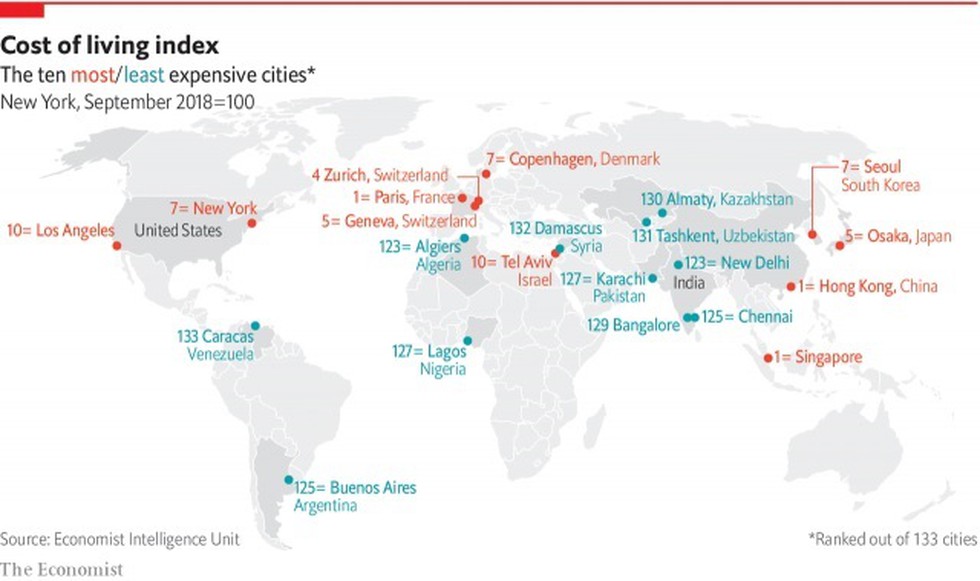
- Released by: The Economist Intelligence Unit.
- Methodology: The annual index compares prices across 160 products and services in 133 cities around the world, including recreation, education and utility bills.
- The five most expensive cities in the world: Singapore marks its sixth straight year at the top of the rankings, and is joined there by Hong Kong and Paris. The survey finds that living costs in all three cities are 7% higher than in New York, the benchmark city.
- The five cheapest cities in the world: Cheapest city to live in the world is Caracas (Venezuela) followed by Damascus (Syria), Tashkent (Uzbekistan), Almaty (Kazakhstan) and Bangalore (India).
- Apart from Bangalore, Chennai and New Delhi are other two Indian cities to feature among the 10 cheapest locations.
The Economist Intelligence Unit (EIU) is the research and analysis division of The Economist group which brings out the UK’s The Economist news magazine.
Prelims Pointers
March 21, 2019
About:
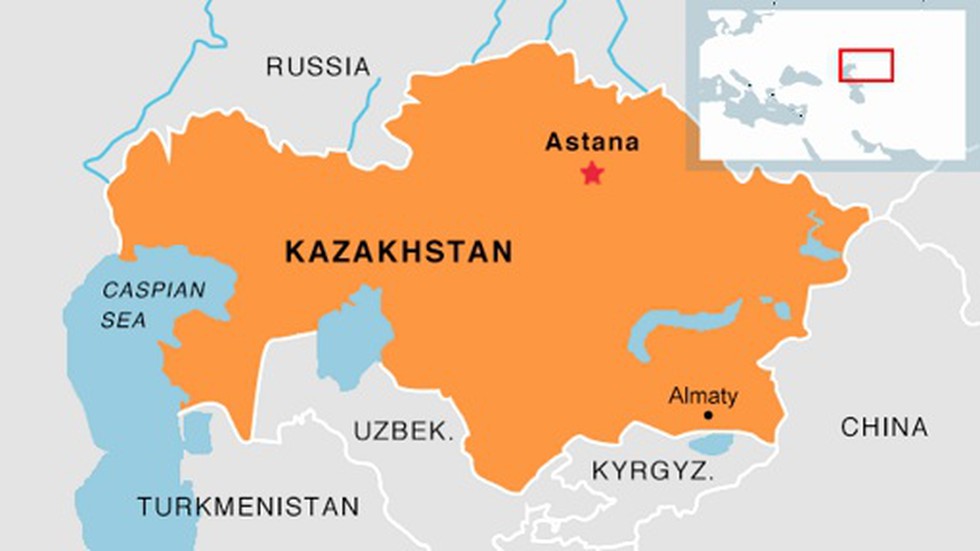
- Nursultan, formerly Astana , is the capital city of Kazakhstan. It the second-largest city in Kazakhstan, behind Almaty.
- Location: It is located on the banks of the Ishim River.
- History: Nursultan (then Astana) became the capital city of Kazakhstan in 1997.
- Renaming: After a parliamentary vote Astana is now officially renamed Nursultan. Kazakhstan's new interim president Kassym-Jomart Tokayev proposed renaming the capital.
Ishim River?
- Ishim River is a river running through Kazakhstan and Russia.
- It is a left tributary of the Irtysh River. The Ishim River is partly navigable in its lower reaches.
- According to the President of Kazakhstan, Nursultan Nazarbayev, Astana was chosen as the capital in part due to the presence of the river.
Prelims Pointers
March 21, 2019
About:
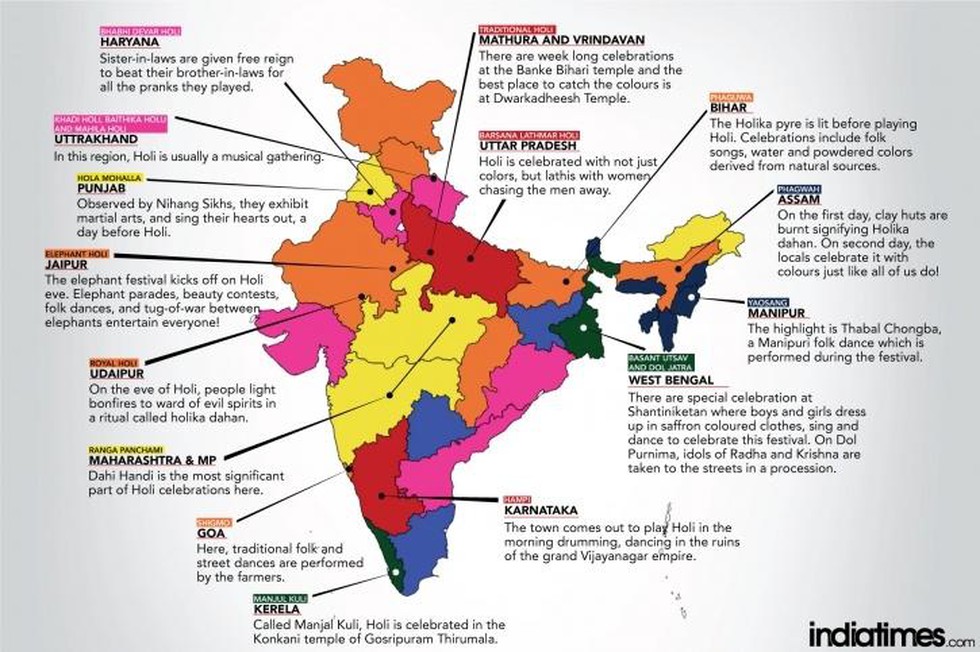
- Holi is also known as the "festival of colours" is a Hindu spring festival.
- Regions where celebrated: It is celebrated all across India and Nepal and in countries with significant Hindu Population.Holi is celebrated in different parts of the India in different ways. Holi is of particular significance in the Braj region which includes locations traditionally associated with the Lord Krishna.
- Duration: It lasts for a night and a day, starting on the evening of the Purnima (Full Moon day) falling in the Vikram Samvat Hindu Calendar month of Phalguna, which falls somewhere between the end of February and the middle of March in the Gregorian calendar.
- Festival detail: The first evening is known as Holika Dahan or Chhoti Holi and the following day as Holi, Rangwali Holi, Dhuleti, Dhulandi, or Phagwah.
- Holika Dahan: Holi celebrations start on the night before Holi with a Holika Dahan where people gather, perform religious rituals in front of the bonfire, and pray that their internal evil be destroyed the way Holika, the sister of the demon king Hiranyakashipu, was killed in the fire.
- Rangwali Holi: The next morning is celebrated as Rangwali Holi where people smear each other with colours and drench each other. People visit family, friends and foes to throw coloured powders on each other, laugh and gossip, then share Holi delicacies, food and drinks. Some customary drinks include bhang (made from cannabis), which is intoxicating.
- Holika Dahan: Holi celebrations start on the night before Holi with a Holika Dahan where people gather, perform religious rituals in front of the bonfire, and pray that their internal evil be destroyed the way Holika, the sister of the demon king Hiranyakashipu, was killed in the fire.
- Significance: It signifies the victory of good over evil, the arrival of spring, end of winter, and for many a festive day to meet others, play and laugh, forget and forgive, and repair broken relationships. It is also celebrated as a thanksgiving for a good harvest.
March 20, 2019
Prelims Pointers
March 20, 2019
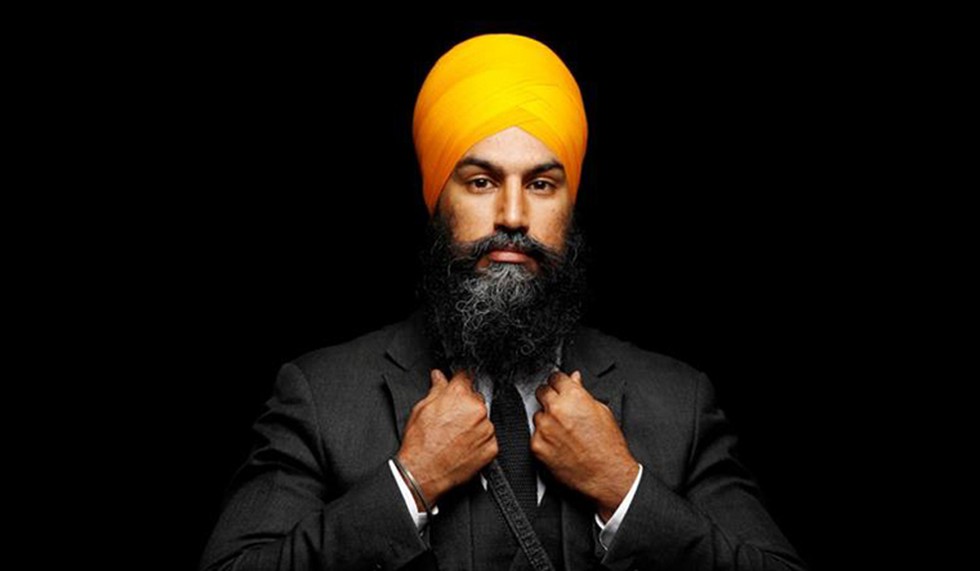
About:
- Jagmeet Singh, 40, the leader of the New Democratic Party, made his debut into the House of Commons, the lower of house of parliament.
- He was elected in federal by-elections held on February 25.
Indian diaspora in Canada (Source: Ministry of external affairs website)
- Canada hosts one of the largest Indian diasporas in the world, numbering 1.6 million (PIOs and NRIs) which account for more than 3% of its total population.
- In the field of politics the present House of Commons (total strength of 338) has 21 Members of Parliament of Indian-origin. This includes 4 Ministers in the Cabinet.
- According to the 2011 National Household Survey, Canadian Sikhs number roughly 468,670 people and account for roughly 1.4% of Canada's population. Across Canada, other than English and French, Punjabi is the third-most widely spoken language (5.4 lakh).
Prelims Pointers
March 20, 2019
About:
- In its verdict delivered on March 7, 2019, a Bench of the Supreme Court has interpreted the provisions dealing with the right to private defence, enumerated in Sections 96 to 106 of the Indian Penal Code (IPC).
- The court observed that –
- the right of private defence extends not only to “the defence of one’s own body against any offence affecting the human body but also to defend the body of any other person.
- The right also embraces the protection of property, whether one’s own or another person’s, against certain specified offences, namely, theft, robbery, mischief and criminal trespass”.
- the right does not arise if there is time to have recourse to the protection of the public authorities. Nor does it extend to the infliction of more harm than is necessary.
- When death is caused, the person exercising the right of self-defence must be under “reasonable apprehension of death, or grievous hurt, to himself or to those whom he is protecting”.
- the right of private defence extends not only to “the defence of one’s own body against any offence affecting the human body but also to defend the body of any other person.
- The court gave the verdict, while acquitting a Tamil Nadu forest ranger who was jailed for shooting an alleged sandalwood smuggler in the Dharmapuri forest area in 1988.
Prelims Pointers
March 20, 2019
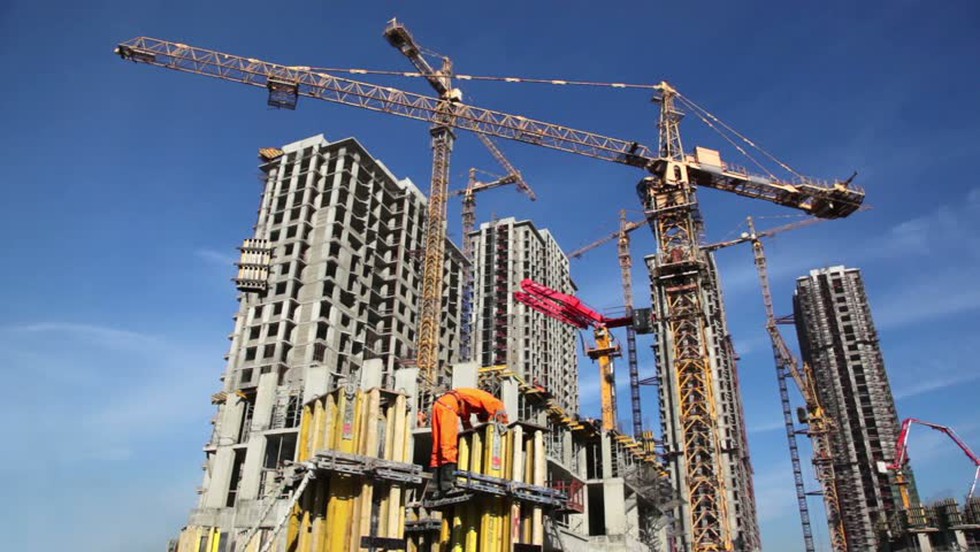
Key highlights of transition plan for new GST rates:
- It allowed builders of properties under construction up to March 31, 2019, to choose between the old GST rate of 12% with input tax credits (ITC) and the lower rate without ITC announced in the previous meeting.
- For housing projects launched on or after the first of April this year, the developers will have to adhere to the new GST rates recommended by the council last month.
- Developers can also opt for different GST options for separate buildings in a project depending on if construction started before or after 31st March this year.
Recommendations made by the GST Council in its 33rd meeting to boost the residential segment of the real estate sector:
- GST rate:
- GST shall be levied at effective GST rate of 5% without Input Tax Credit (ITC) on residential properties outside affordable segment;
- GST shall be levied at effective GST of 1% without ITC on affordable housing properties.
- GST shall be levied at effective GST rate of 5% without Input Tax Credit (ITC) on residential properties outside affordable segment;
- Effective date: The new rate shall become applicable from 1st of April, 2019.
- Definition of affordable housing shall be:
- A residential house/flat of carpet area of upto 90 sqm in non-metropolitan cities/towns and 60 sqm in metropolitan cities having value upto Rs. 45 lacs (both for metropolitan and non-metropolitan cities).
- Metropolitan Cities are Bengaluru, Chennai, Delhi NCR (limited to Delhi, Noida, Greater Noida, Ghaziabad, Gurgaon, Faridabad), Hyderabad, Kolkata and Mumbai (whole of MMR).
- A residential house/flat of carpet area of upto 90 sqm in non-metropolitan cities/towns and 60 sqm in metropolitan cities having value upto Rs. 45 lacs (both for metropolitan and non-metropolitan cities).
- GST exemption on TDR/ JDA, long term lease (premium), FSI: Intermediate tax on development right, such as TDR, JDA, lease (premium), FSI shall be exempted only for such residential property on which GST is payable.
Goods & Services Tax Council?
- Status: Constitutional body. As per Article 279A (1) of the Constitution, the GST Council has to be constituted by the President within 60 days of the commencement of Article 279A.
- Mandate: Making recommendations to the Union and State Government on issues related to Goods and Service Tax.
- Composition: it is chaired by the Union Finance Minister and other members are:
- the Union State Minister of Revenue or Finance and
- Ministers in-charge of Finance or Taxation of all the States.
Prelims Pointers
March 20, 2019

About:
- Objective: The Abel Prize in awarded annually to recognize contributions to the field of mathematics that are of extraordinary depth and influence.
- History:
- The Abel Prize was established by the Norwegian government in 2002 on the occasion of the 200th anniversary of Norwegian mathematician Niels Henrik Abel's birth.
- It was awarded for the first time in 2003.
- The Abel Prize was established by the Norwegian government in 2002 on the occasion of the 200th anniversary of Norwegian mathematician Niels Henrik Abel's birth.
- Bodies involved: The Norwegian Academy of Science and Letters awards the Abel Prize based on a recommendation from the Abel committee.
- Selection criteria:
- Anyone may submit a nomination for the Abel Prize, however, self-nominations are not permitted.
- The prize can be awarded to a single person or shared for closely related fundamental contributions.
- Deceased persons cannot be nominated. If an Abel Laureate passes away before receiving the prize, then the prize will be awarded post mortem.
- Anyone may submit a nomination for the Abel Prize, however, self-nominations are not permitted.
- Cash Prize: 6 million NOK (about 750,000 Euro).
- Significance: Along with the Fields Medal, which is awarded every four years at the Congress of the International Mathematical Union (IMU), it is one of the world's most prestigious maths prizes.
- Karen Uhlenbeck (United states of America): She has been awarded the Abel Prize in mathematics for her work on partial differential equations, geometric analysis and gauge theory. With this, she became the first woman to win the award.
S. R. Srinivasa Varadhan?
- S. R. Srinivasa Varadhan is an Indian American mathematician who is known for his fundamental contributions to probability theory and in particular for creating a unified theory of large deviations.
- He was awarded the Abel Prize in 2007 for his work on large deviations with Monroe D Donsker.
Prelims Pointers
March 20, 2019
About:
- Awarded by: The U.S.-based John Templeton Foundation.
- Started in: 1972 by late global investor Sir John Templeton.
- Criteria: The award honours a living person who has made an exceptional contribution to affirming life's spiritual dimension.
- Prize Money: $1.4 million.
- Past Recipients: Previous winners of the award include the Dalai Lama and Mother Teresa. In 2018, it was won by King Abdullah II of Jordan.
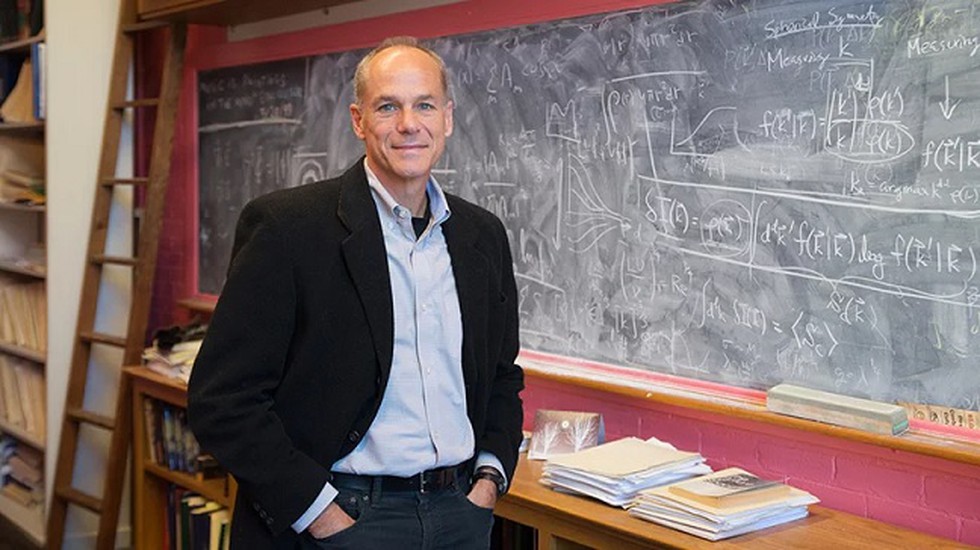
- Marcelo Gleiser: He is the first Latin American to win the award. The theoretical physicist is of the view that science and religion are not enemies. He has described science as a spiritual quest to understand the origins of the universe and life on earth.
Prelims Pointers
March 20, 2019
Key findings of the data:
- US remained the leading individual country for applications in 2018.
- However, on a regional basis, Asia's surge continued. More than half of all international patent applications filed last year came from Asia, a further sign of innovation shifting from west to east.
- WIPO's complex system of registering international patents involves multiple categories.
- In the main category-the Patent Cooperation Treaty, the US led the way with 56,142 applications, followed by China (53,345) and Japan (49,702).
- India registered the largest innovation jump of any country last year. Patent applications jumped more than 27 per cent from 1,583 in 2017 up to 2,013.
World Intellectual Property Organization (WIPO)?
- Mandate: To encourage creative activity and to promote the protection of intellectual property throughout the world.
- Established in: 1967.
- Type: United Nations specialised agency.
- HQ: Geneva, Switzerland.
- Parent organization: United Nations Economic and Social Council.
- Members: 191.
- WIPOnet: WIPO has established WIPOnet, a global information network that seeks to link over 300 intellectual property offices (IP offices) in all WIPO Member States.
- Global Innovation Index (GII): It is an annual ranking of countries by their capacity for, and success in, innovation. It is published by Cornell University, INSEAD, and the World Intellectual Property Organization, in partnership with other organisations and institutions.
Prelims Pointers
March 20, 2019

Key highlights of the meeting:
- The meeting was attended by the industry head Internet and Mobile Association of India (IAMAI) and representatives from social media organizations such as Facebook, Whatsapp, Twitter, Google, ShareChat, TikTok and BigoTV.
- The meeting discussed issues like –
- appointment of dedicated grievance channel for expeditious action by the organizations,
- pre- certification and transparency in expenditure of political advertisements,
- evolving a notification mechanism by social media platforms for acting upon the violations of Section 126 of Representation of Peoples Act, 1951 and
- preventing misuse of these platforms.
- appointment of dedicated grievance channel for expeditious action by the organizations,
- Chief Election Commissioner reiterated that role of social media in helping spread information as well as curbing misinformation cannot be underestimated. Deterrents like some punitive action against users misusing the platform should be considered pro-actively.
- IAMAI and Social Media intermediaries willingly agreed to come up with a ‘Code of Ethics’ for the Industry laying down operational details.
Internet & Mobile Association of India (IAMAI)?
- Status: A not-for-profit industry body registered under the Societies Act, 1986.
- Mandate: To expand and enhance the online and mobile value-added services sectors. IAMAI is the only specialized industry body in India representing the interests of online and mobile value-added services industry.
- HQ: Mumbai.
- Established in: 2004.
Prelims Pointers
March 20, 2019
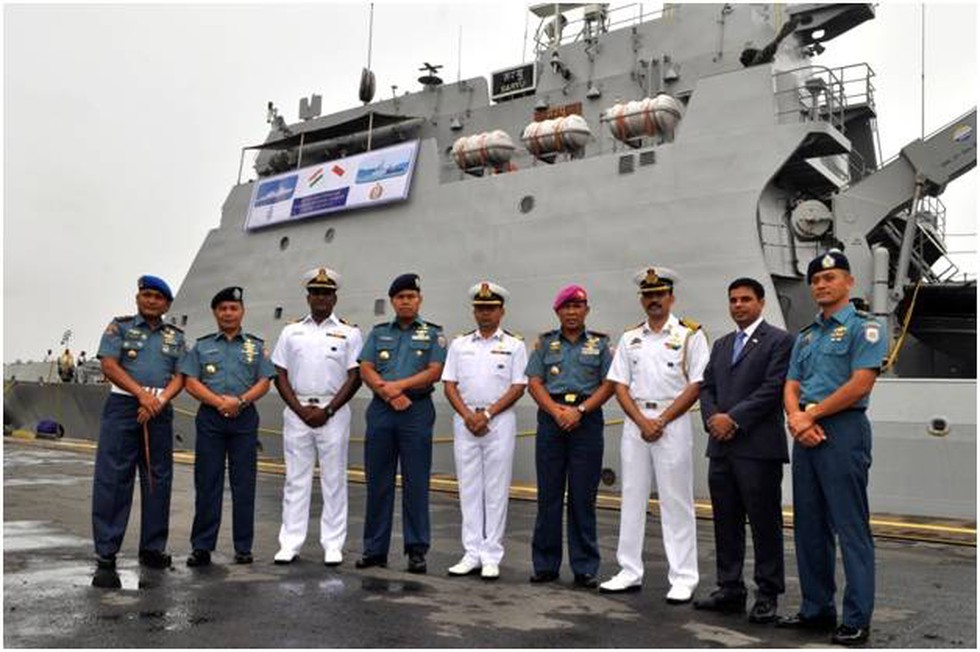
About:
- Duration of 33rd edition: 19 March to 04 April 2019.
- Objective: To underscore India’s solidarity with friendly Maritime neighbours’ countries to ensure good order in the maritime domain, consolidate interoperability and strengthen existing bonds of friendship between India and Indonesia.
- Features: During the 33rd IND-INDO CORPAT, also coinciding with 70 years of India-Indonesia diplomatic ties, various activities such as official calls, formal reception onboard ship, sporting fixtures between both navies and professional interactions have been planned.
As part of the Indian Government’s vision of SAGAR (Security and Growth for All in the Region), the Indian Navy has also been involved in assisting countries in the Indian Ocean Region with EEZ Surveillance, Search and Rescue, and other capacity-building and capability-enhancement activities.
Prelims Pointers
March 20, 2019
About:
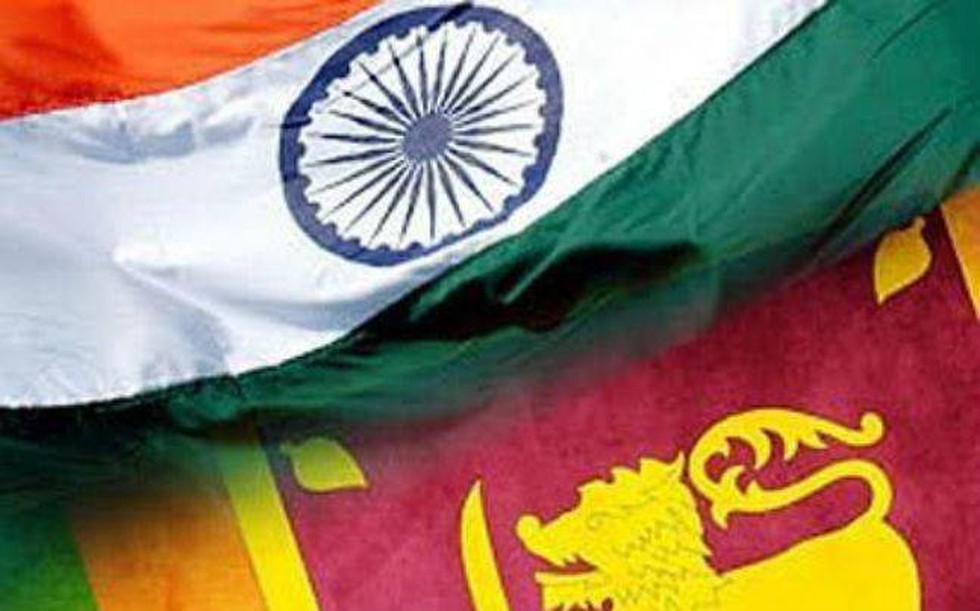
- Exercise MITRA SHAKTI is conducted annually as part of military diplomacy and interaction between armies of India & Sri Lanka.
- Objective: To promote close relations between armies of both the countries and to enhance ability of joint exercise commander to take military contingents of both nations under command.
- Participants: Troops from 1st Battalion the BIHAR Regiment of the Indian Army and Gemunu Watch Battalion of Sri Lankan Army would be jointly undertaking the exercise.
- Duration: 26 March to 08 April 2019.
- Venue: Sri Lanka.
Prelims Pointers
March 20, 2019
About:
- The 78-year old leader had ruled the country since it emerged from the collapse of the Soviet Union in the early 1990s.
- The announcement came less than a month after the President sacked his government, citing a lack of economic development despite the country's vast energy resources.
Kazakhstan?
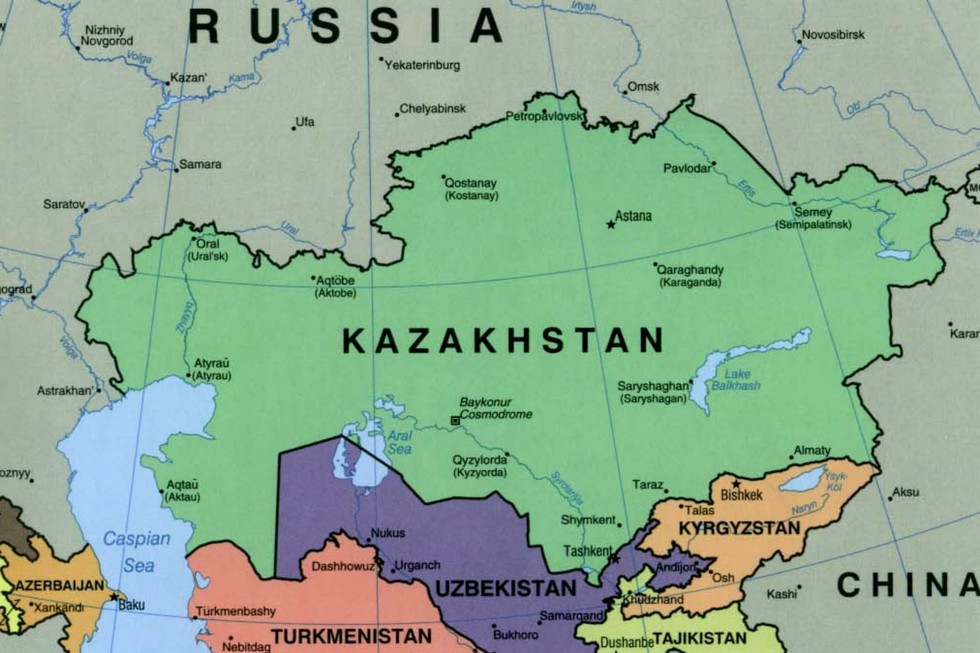
- Kazakhstan is located in Central Asia.
- Neighbours: The country borders Turkmenistan, Uzbekistan, and Kyrgyzstan to the south (It doesn't touch Tajikistan); Russia to the north; Russia and the Caspian Sea to the west; and China's Xinjiang Uygur Autonomous Region to the east.
- Capital: Astana.
March 19, 2019
Prelims Pointers
March 19, 2019

National Anti-Profiteering Authority (NAA):
- Type of body: It has been constituted under Section 171 of the Central Goods and Services Tax Act, 2017.
- Objective: To ensure that any reduction in GST rates is passed on to the consumers by a commensurate reduction in the price of goods and services.
- Functions:
- It will identify GST taxpayers who have not passed on such benefits by reducing prices.
- In the event of a taxpayer not reducing prices, the NAPA may order a reduction in prices, impose penalties or cancel the registration of a person.
- It will identify GST taxpayers who have not passed on such benefits by reducing prices.
- Structure: The NAA will be headed by a senior officer of the level of Secretary to the Government of India. There will be four Technical Members from the Centre and/or the States.
- Tenure: The NAPA will cease to exist two years after the Chairman takes charge, unless the GST Council recommends otherwise.
Profiteering?
- Profiteering means unfair profit realized by traders by manipulating prices, tax rate adjustment etc.
- In the context of the newly launched GST, profiteering means that traders are not reducing the prices of the commodities when the GST Council reduces the tax rates of commodities and services.
Prelims Pointers
March 19, 2019
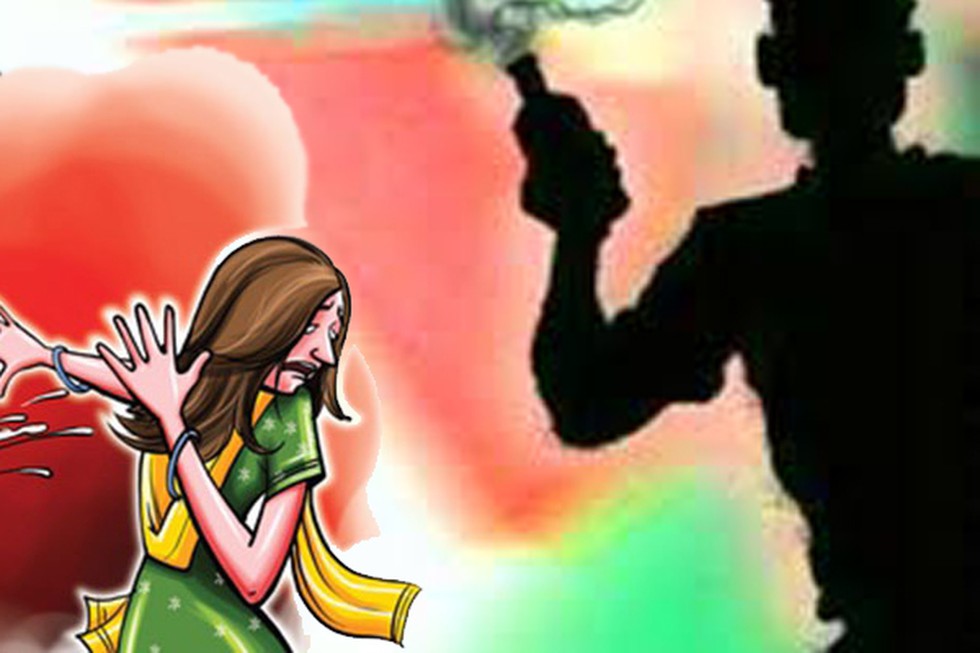
Government initiatives on Acid Attacks:
- Acid Attack Victims have been included under the Rights of Persons With Disabilities (RPWD) Act, 2016.
- Schemes of Compensation to Acid Attack Victims:
- Section 357A of the Code of Criminal Procedure, which governs rehabilitation of victims of violence including Acid Attack, states that every State Government in co-ordination with the Central Government shall prepare a scheme for providing funds for the purpose of compensation to the victim of crime.
- One time grant of Rs. 200 crore has been released under the Central Victim Compensation Fund (CVCF) to all the States/UTs to compensate victims women victims of acid attack.
- Additional compensation of Rupees One Lakh to the victims of acid attack under PM National Relief Fund (PMNRF) in addition to the compensation to the victims is also given by the Prime Minister’s Office.
- Section 357A of the Code of Criminal Procedure, which governs rehabilitation of victims of violence including Acid Attack, states that every State Government in co-ordination with the Central Government shall prepare a scheme for providing funds for the purpose of compensation to the victim of crime.
- Treatment of Acid Attack Victims:
- Under the “National Programme for Prevention and Management of Burns Injuries (NPPMBI)” the burns units in State Government Medical Colleges and District Hospitals are strengthened for managing burns injury cases including management of acid burns.
- In 2013, The Ministry of Health and Family Welfare directed all government and private hospitals in the States/UTs to provide free treatment to the acid attack victims as per the provisions of Criminal Law (Amendment) Act, 2013.
- Under the “National Programme for Prevention and Management of Burns Injuries (NPPMBI)” the burns units in State Government Medical Colleges and District Hospitals are strengthened for managing burns injury cases including management of acid burns.
Directions passed by the Supreme Court in April 2015 in the Laxmi versus Union of India:
- It made the private health industry responsible for providing mandatory and free care to acid attack victims.
- It made private hospitals across the country liable to provide full and free medical treatment to victims. The term ‘treatment’ included reconstructive surgery, free medicines, bed, rehabilitation and aftercare.
- It directed State governments to take action in cases of private hospitals turning away victims.
- It mandated all States to fix ₹3 lakh as minimum compensation for victims. Adequate publicity should be given to the Acid Attacks Victims Compensation Scheme.
- District judges should appoint committees comprising the local Magistrate, district police chief and Chief Medical Officer to deal with complaints of victims about compensation.
Prelims Pointers
March 19, 2019
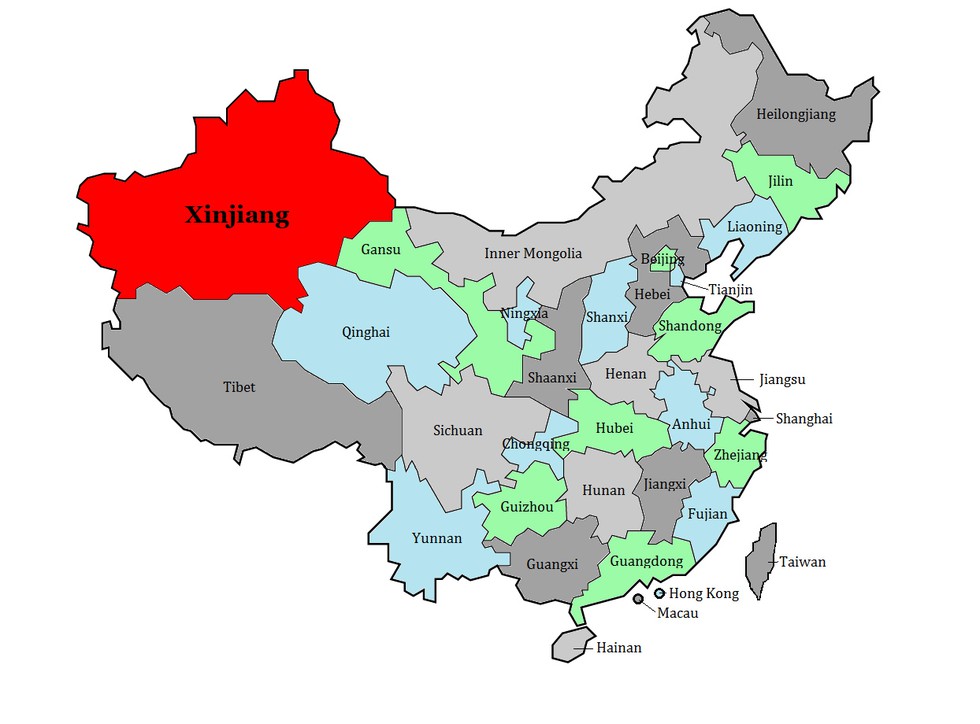
Key highlights of the report:
- “Law-based de-radicalisation” in Xinjiang has curbed the rise and spread of religious extremism. 1,588 terrorist gangs have been crushed and 12,995 terrorists seized since 2014.
- It sought to underplay Islam’s role in the region’s historical makeup, saying that while “Xinjiang received the influence of Islamic culture, but the fact that Xinjiang’s culture is merely a facet of Chinese culture. Islam is not the natural faith of the Uighurs and other ethnicities, nor is it their only faith.
- Extremists there have ties to foreign terror groups but have given little evidence to support that.
Xinjiang?
- Location: Xinjiang, officially the Xinjiang Uygur Autonomous Region (XUAR), is a provincial-level autonomous region of China in the northwest of the country. It is the largest of China's administrative regions.
- Uighur: Until recently its population was mostly Uighur. Most Uighurs are Muslim and Islam is an important part of their life and identity. Their language is related to Turkish, and they regard themselves as culturally and ethnically close to Central Asian nations.
- History of Xinjiang as part of China:
- The region has had intermittent autonomy and occasional independence, but what is now known as Xinjiang came under Chinese rule in the 18th Century.
- An East Turkestan state was briefly declared in 1949, but independence was short-lived - later that year Xinjiang officially became part of Communist China.
- In the 1990s, open support for separatist groups increased after the collapse of the Soviet Union and the emergence of independent Muslim states in Central Asia. However, Beijing suppressed demonstrations and activists went underground.
- Reason for unrest:
- Despite the region’s religious, linguistic and cultural differences with the rest of country, China says Xinjiang has been Chinese territory since ancient times.
- While the situation is complex, many say that ethnic tensions caused by economic and cultural factors are the root cause of the recent violence.
- Major development projects have brought prosperity to Xinjiang's big cities but that has brought new residents also. In the 2000 census, Han Chinese made up 40% of the population.
- The Han Chinese are said to be given the best jobs and the majority do well economically, something that has fuelled resentment among Uighurs.
- Activists say Uighur commercial and cultural activities have been gradually curtailed by the Chinese state. There are complaints of severe restrictions on Islam, with fewer mosques and strict control over religious schools.
Prelims Pointers
March 19, 2019
Key Findings of the study:
For the first time, a large-scale, hospital-based study in India involving over 14.5 lakh patients was undertaken across 200 locations in Telangana, Andhra Pradesh, Orissa and Karnataka between 2010 and 2018. The results were published in The Ocular Surface. Its key findings are –
- With a large ageing population, growing middle-class and chronic nature of the disease, India is on the verge of a dry eye disease epidemic. The prevalence of dry eye disease will be in about 40% of the urban population by 2030.
- The incidence (number of new cases occurring each year) of dry eye disease are 21,000 (1.46%). At over 12,500 cases, the incidence in urban areas was higher than in rural areas (over 8,700 cases).
- The onset of dry eye disease is early in men than in women. In men, the age of disease onset is early 20s and 30s compared with 50s and 60s in women. Hormonal imbalance could be a likely reason for higher cases in women in their 50s and 60s.
- The disease is hugely underdiagnosed in India.
Dry Eye Disease?
- Names: Dry eye disease (DED) is also known as dry eye syndrome (DES), keratoconjunctivitis sicca (KCS), and keratitis sicca.
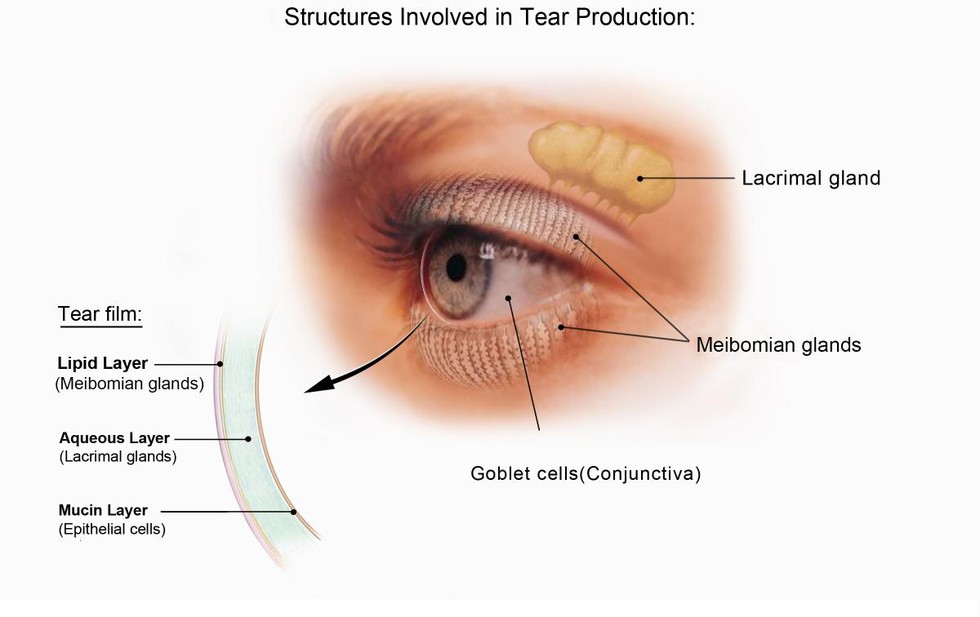
- What is it? It is a multifactorial disease of the tears and the ocular surface that results in discomfort, visual disturbance, and tear film instability with potential damage to the ocular surface.
- Cause: Dry eye disease could occur due to inadequate tear production (aqueous deficient), tear film instability due to evaporation or mixed type.
- Type: Dry eye disease is a form of ocular surface disease (OSD). The ocular surface is an integrated anatomical unit consisting of 7 key interactive and interdependent components. Abnormalities or deficiencies in any of the 7 ocular surface components may worsen dry eye disease.
- Impact: Since the disease tends to be progressive with age, once corneal damage becomes irreversible it can lead to visual impairment and even blindness.
- Prevention and treatment: Early diagnosis and treatment is therefore important. Testing the tear volume is mandatory for patients with the disease.
Prelims Pointers
March 19, 2019
About:
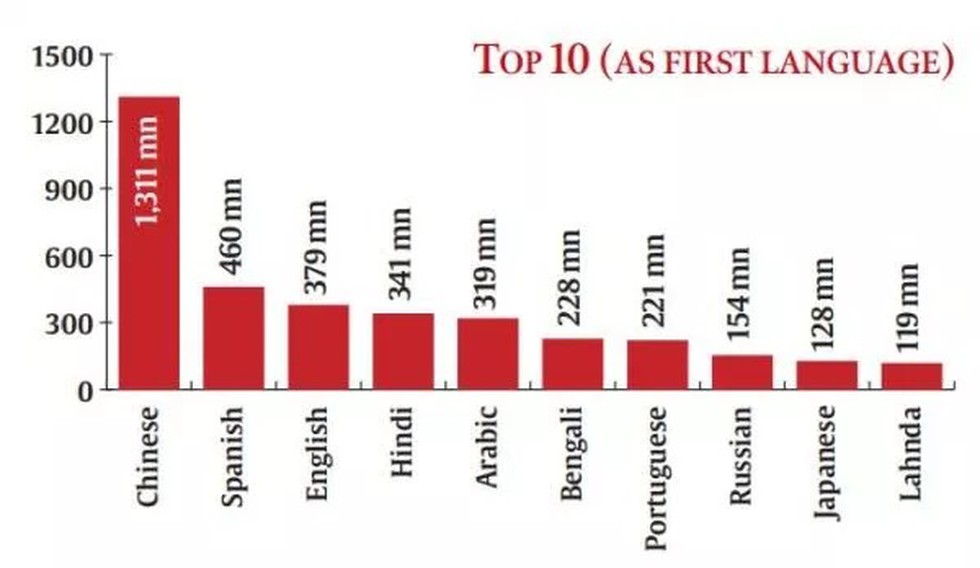
- Ethnologue, a database whose website describes it as “the world’s most authoritative resource on world languages, trusted by academics and Fortune 500 companies alike”, provides details on all 7,111 known living languages.
- According to Ethnologue, there are a worldwide total of 1,311 million speakers of Chinese (macrolanguage) as first language, which includes individual languages such as Mandarin and Yue (Cantonese).
- Hindi and Bengali are the two Indian languages among the 10 most widely spoken in the world.
- Hindi with 341 million speakers is at number four — behind Spanish and English — and Bengali with 228 million is sixth, behind Arabic with all its variants.
Prelims Pointers
March 19, 2019
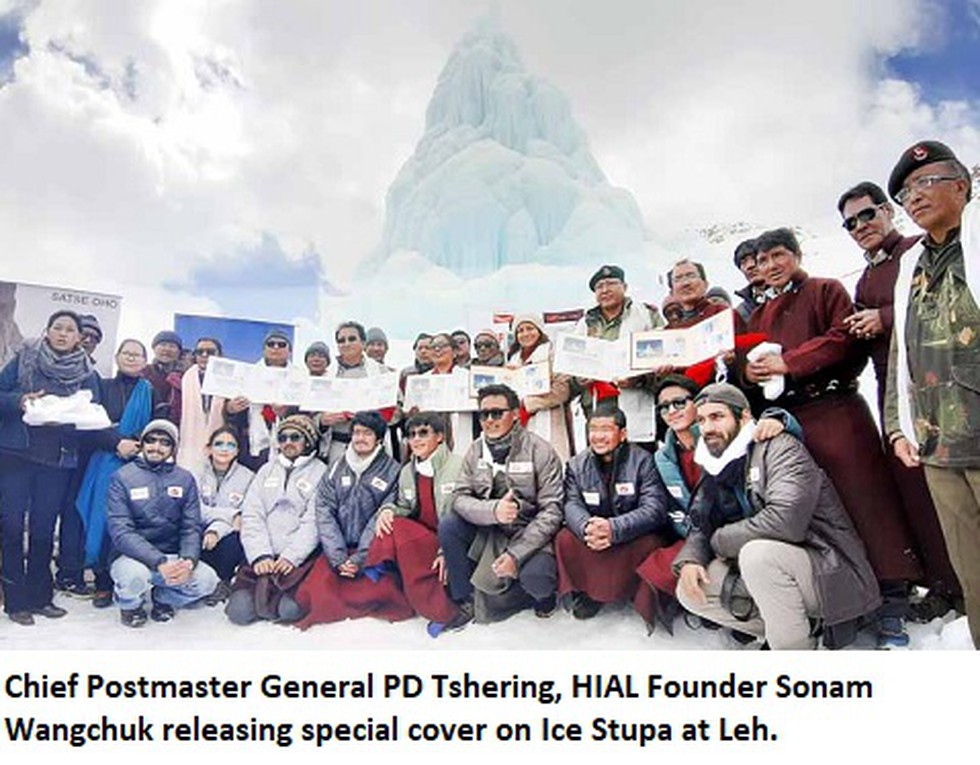
Background:
- Climate change in Ladakh has shrunk glaciers and made rainfall and temperature unpredictable. Water is required to irrigate fields of barley, apples and other crops during spring but glaciers do not melt till summer.
- To spare farmers a dry-spell and a barren yield, Engineer Sonam Wangchuk (recipient of Ramon Magsaysay 2018) has invented Ice Stupas (artificial glacier).
Features:
- It is a way to bring irrigation to people in the form of glacier grafting technique that creates artificial glacier, used for sharing winter water (which otherwise goes waste) in the form of conical shaped Ice Stupa.
- Saving Winter water, that flows waste, in a cone shaped stupa which is not melted easily is the main idea behind it. This stupa melts slowly and serves the purpose of drinking and irrigation.
- In each ice Stupa atleast 30-50 lakh ltrs of water is saved. This is apart from the naturally saved water in the slopes of mountains.
- Besides solving water problem, Ice Stupas are becoming an attraction for tourists.
Present status of Ice Stupas:
- This winter, about 12 villages across Ladakh have built Ice Stupas on experimental basis.
- From next year, Ice Stupa team will build more glaciers in Leh in collaboration with LAHDC and Leh Municipal Committee as an endeavour to solve shortage of water.
Prelims Pointers
March 19, 2019
Key constitutional provisions for CMs:
- Article 163(1): There shall be a Council of Ministers with the Chief Minister at the head to aid and advise the Governor in the exercise of his functions, except in so far as he is by or under the Constitution required to exercise his functions or any of them in his discretion.
- Article 164(1): The Chief Minister shall be appointed by the Governor and the other Ministers shall be appointed on the advice of the Chief Minister.
- Article 164(2): The Council of Ministers shall be collectively responsible to the Legislative Assembly of the State.
Other key facts wrt election:
- Eligibility Criteria for the office of the chief minister: A chief minister must be -
- a citizen of India.
- should be a member of the state legislature. An not then he/she must get himself/herself elected to the State Legislature within six months from the date of appointment.
- of 25 years of age or more.
- a citizen of India.
- Election: Following elections to the state legislative assembly in a state, the state's governor usually invites the party (or coalition) with a majority of seats to form the government.
- Tenure:
- The chief minister is elected for five years (except in Jammu and Kashmir Legislative Assembly where it is maximum of six years).
- There are no limits to the number of terms that the chief minister can serve.
- The chief minister shall hold office during the pleasure of the governor.
- The chief minister is elected for five years (except in Jammu and Kashmir Legislative Assembly where it is maximum of six years).
Prelims Pointers
March 19, 2019
About:
- Full Name: KUSUM stands for Kisan Urja Suraksha evam Utthaan Mahabhiyan.
- Objective: Kusum Scheme aims to promote use of solar energy among farmers.
- Strategy: The proposed scheme provides for –
- setting up of grid-connected renewable power plants each of 500KW to 2 MW in the rural area;
- installation of standalone off-grid solar water pumps to fulfil irrigation needs of farmers not connected to grid; and
- solarization of existing grid-connected agriculture pumps to make farmers independent of grid supply and also sell surplus solar power generated to Discom and get extra income.
- setting up of grid-connected renewable power plants each of 500KW to 2 MW in the rural area;
- Background: It was first announced in Union Budget 2018. Administrative Approval for the scheme has been issued by the Ministry of New & Renewable Energy (MNRE) on 08.03.2019.
- Implementing agencies: DISCOMs and State Nodal agencies shall be implementing this scheme for which the detailed guidelines will be issued shortly.
Prelims Pointers
March 19, 2019
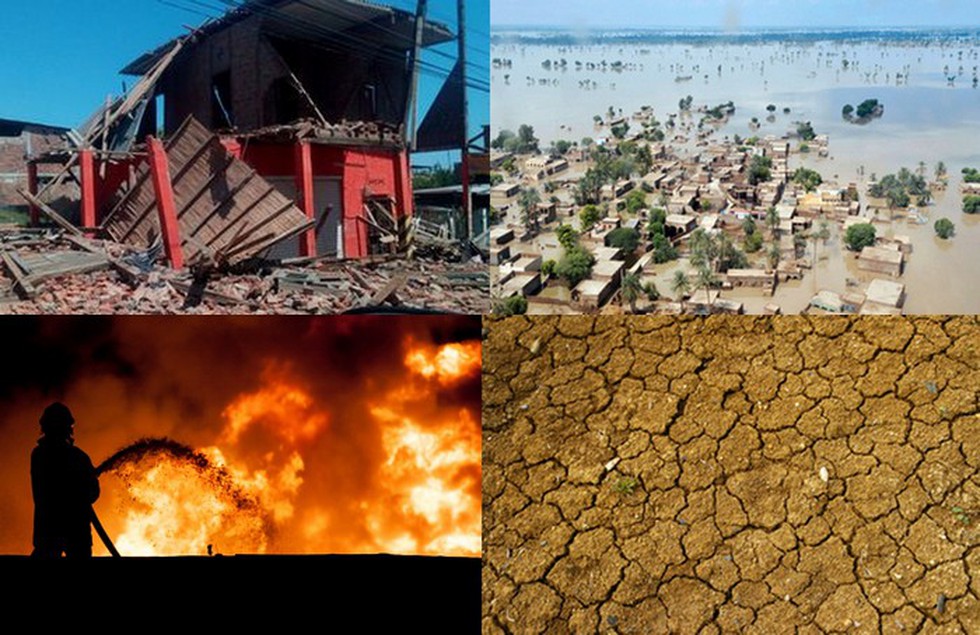
About:
- Bodies involved: It is being organised by the National Disaster Management Authority (NDMA) in collaboration with United Nations Office for Disaster Risk Reduction (UNISDR), and in partnership with the Global Commission on Adaptation, UNDP and the World Bank.
- Objective: Aim of the two-day workshop is to –
- identify good practices of disaster risk management in key infrastructure sectors,
- discuss and co-create the broad contours of the Coalition for Disaster Resilient Infrastructure (CDRI) as well as a notional roll-out plan for the next three years, and
- build a forum for members to work on areas of common interest and make specific commitments.
- identify good practices of disaster risk management in key infrastructure sectors,
- Background: The first International Workshop on Disaster Resilient Infrastructure (IWDRI 2018) was held in January 2018.
Global initiatives for creating Disaster Resilient Infrastructure (DRI):
- Various international agreements have reiterated the importance and long-term benefits of investing in resilient infrastructure.
- The Sendai Framework for Disaster Risk Reduction (SFDRR), 2015-2030, which is the first major agreement of the post-2015 development agenda, identifies investing in Disaster Risk Reduction (DRR) for resilience.
- Goal 9 of the Sustainable Development Goals (SDGs) recognizes disaster resilient infrastructure as a crucial driver of economic growth and development.
Coalition for Disaster Resilient Infrastructure (CDRI)?
- The CDRI is envisaged as a knowledge exchange and capacity development partnership.
- India announced the creation of a CDRI soon after the Asian Ministerial Conference on Disaster Risk Reduction, which was held in New Delhi in 2016.
Prelims Pointers
March 19, 2019
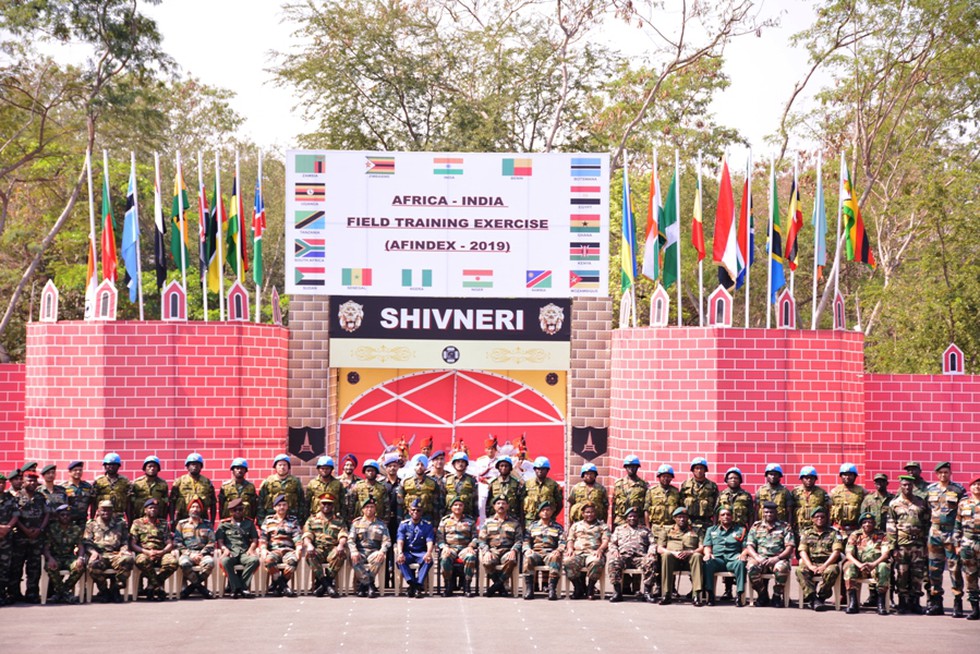
About:
- Participants: Contingents of the 17 African Nations i.e. Benin, Botswana, Egypt, Ghana, Kenya, Mauritius, Mozambique, Namibia, Niger, Nigeria, Senegal, South Africa, Sudan, Tanzania, Uganda, Zambia and Zimbabwe alongwith a contingent of Maratha Light Infantry representing India are participating in it.
- Objective: To practice the planning and conduct of Humanitarian Mine Assistance and Peace Keeping Operations under Chapter VII of United Nations Peace Keeping Operations.
- Duration: The exercise is scheduled from 18 March to 27 March 2019.