March 6, 2019
Prelims Pointers
March 6, 2019
CCR5:
- What is it? Cysteine-cysteine chemokine receptor 5 (CCR5) is a protein on the surface of white blood cells that is involved in the immune system as it acts as a receptor for chemokines.
- Prevalence:
- CCR5 is found in the cell membranes of many types of mammalian cells, including nerve cells and white blood cells.
- In humans, the CCR5 gene that encodes the CCR5 protein is located on the short (p) arm at position 21 on chromosome 3.
- CCR5 is found in the cell membranes of many types of mammalian cells, including nerve cells and white blood cells.
- Role: The role of CCR5 is to allow entry of chemokines into the cell—chemokines are involved in signalling the body’s inflammation response to injuries.
CCR5-delta 32:
- Various mutations of the CCR5 gene are known that result in damage to the expressed receptor.
- One of the mutant forms of the gene is CCR5-delta 32, which results from deletion of a particular sequence of 32 base-pairs.
- This mutant form of the gene results in a receptor so damaged that it no longer functions. But surprisingly, this does not appear to be harmful. Moreover, this mutation can be advantageous to those individuals who carry it.
- The virus HIV normally enters a cell via its CCR5 receptors, especially in the initial stage of a person becoming infected. But in people with receptors crippled by the CCR5-delta32 mutation, entry of HIV by this means is blocked, providing immunity to AIDS for homozygous carriers and greatly slowing progress of the disease in heterozygous carriers.
- Up to 20% of ethnic western Europeans carry this mutation, which is rare or absent in other ethnic groups. This suggests that the CCR5-delta32 mutation was strongly selected for some time during European history.
London Patient:
- The 'London Patient' was cured of HIV in the process of being treated for a much deadlier disease: Hodgkin's Lymphoma. This cancer of the lymphatic system can be treated with a risky bone marrow transplant from a donor whose marrow matches.
- As was the case for the "Berlin Patient," Timothy Brown, the first person to be cured of HIV, the "London Patient's" marrow donor happened to have a genetic mutation called CCR5 delta 32.
- The London patient, whose case was recently reported in the journal Nature, has asked his medical team not to reveal his name, age, nationality or other details.
Prelims Pointers
March 6, 2019
About:
- A candidate in an election is required to file an affidavit called Form 26 along with the nomination papers and should be sworn before an Oath Commissioner or Magistrate of the First Class or before a Notary Public.
- What is it? Form 26 furnishes information on his assets, liabilities, educational qualifications, criminal antecedents (convictions and all pending cases) and public dues, if any.
- Background: Form 26 was introduced on September 3, 2002, following a court order in the aftermath of the 170th Report of the Law Commission which suggested the same.
- Recent change: It is now mandatory for candidates to reveal their own income-tax returns of the last five years rather than only one, and the details of offshore assets, as well as the same details for their spouse, members of the Hindu Undivided Family and dependents.
- Significance of this change: It would help voters make an informed decision by making them aware of the criminal activities of a candidate. Voters will know the extent to which a serving MP’s income grew during his five years in power.
Prelims Pointers
March 6, 2019
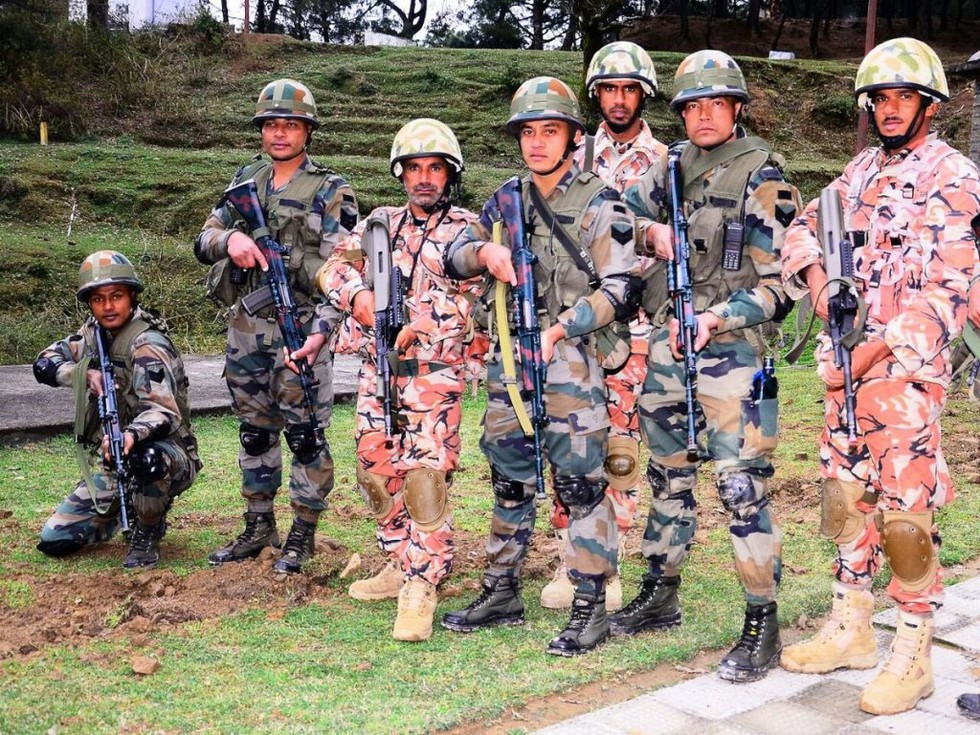
About:
- The exercise will see both the armies exchanging expertise and experience in tactics, weapon handling and firing, with an aim to enhance interoperability in counterterrorist operations in semi urban mountainous terrain.
- India-Oman bilateral security ties have continued to develop since the beginning of India-Oman Joint Military Cooperation meetings in 2006.
- Exercise Al Nagah III follows the first two joint exercises that were held in Oman in 2015 and India in 2017 respectively.
- Similar exercises are also in vogue between the navies and air forces of both the nations thus underscoring the growing bilateral military and strategic partnership between the two important nations of Indian Ocean Region (IOR).
Prelims Pointers
March 6, 2019
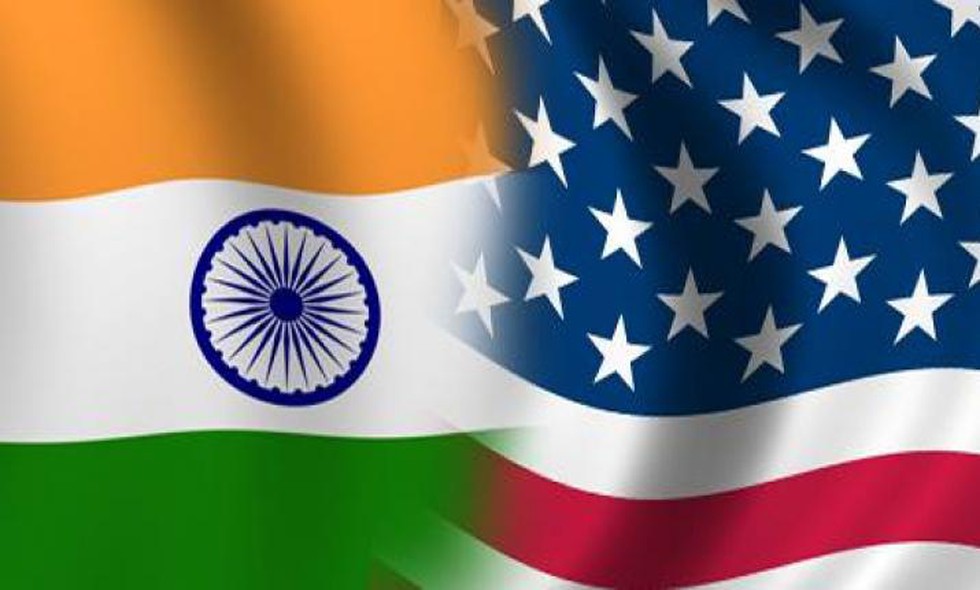
About:
- Under the United States Generalized System of Preferences (GSP) programme, nearly 2,000 products including auto components and textile materials can enter the US duty-free if the beneficiary developing countries meet the eligibility criteria established by Congress.
- The GSP criteria include respecting arbitral awards in favour of US citizens or corporations, combatting child labour, respecting worker rights, providing intellectual property protection and providing the US with equitable and reasonable market access.
- Countries can also be graduated from the GSP programme, depending on factors related to economic development.
- India was the largest beneficiary of the programme in 2017 with USD 5.7 billion in imports to the US given duty-free status and Turkey the fifth largest with USD 1.7 billion in covered imports.
Recent decision:
- USA has given a 60-day withdrawal notice to India on the GSP benefits extended by US.
- According to U.S. President Donald Trump, India had "not assured" the US that it would "provide equitable and reasonable access" to the markets of India in accordance with the GSP eligibility criteria.
- Trump, who has vowed to reduce US trade deficits, has repeatedly called out India for its high tariffs. In October 2018, the US President described India as a "tariff king" as he reiterated his allegations that India has a high tariff rate on various American products.
Prelims Pointers
March 6, 2019
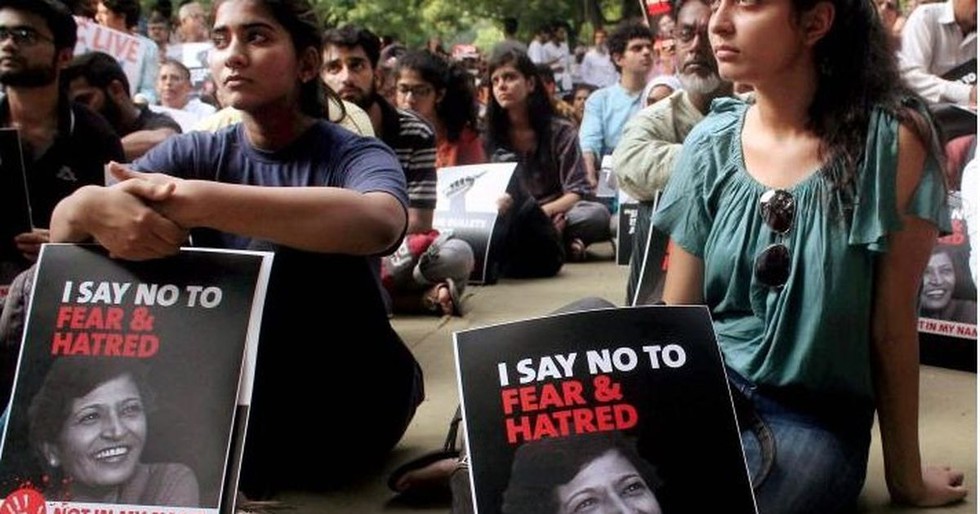
About:
- Meaning: Hate Crimes means crimes where people are targeted because they belong to a particular group.
- Background: Amnesty has been tracking hate crimes since the lynching of Mohammad Akhlaq in Dadri, Uttar Pradesh, in September 2015. It has documented 721 such incidents since then.
- Findings for 2018:
- U.P. tops the list for the third straight year.
- Of the 218 documented incidents, 142 were against Dalits, 50 against Muslims, and eight each against Christians, adivasis and transgender people. There were 97 incidents of assault and 87 killings reported. Thus, about 65% of the crimes were against Dalits.
- Of the 40 incidents of sexual violence, Dalit women were victims in 33 cases.
- For the third straight year, Uttar Pradesh recorded the highest number of reported crimes, with 57 such incidents. Gujarat, with 22 incidents, and Rajasthan, with 18 such cases, came next on the list.
- U.P. tops the list for the third straight year.
- Recommendations:
- The first step to ensuring justice and ending impunity for hate crimes is to highlight their occurrence.
- Legal reforms that enable recording of hate crimes and strengthen accountability must be a priority for governments.
- The first step to ensuring justice and ending impunity for hate crimes is to highlight their occurrence.
- Comment: The data provided on their website is only a snapshot of alleged hate crimes in India, and is not comprehensive by any means as many incidents are not reported to the police or reported by the media.
Amnesty international?
- Type: Amnesty International is a non-governmental organization focused on human rights.
- Mission: To campaign for "a world in which every person enjoys all of the human rights enshrined in the Universal Declaration of Human Rights and other international human rights instruments."
- HQ: London.
- Established in: 1961 (following the publication of the article "The Forgotten Prisoners" in The Observer on 28 May 1961, by the lawyer Peter Benenson).
- Recognition: The organization was awarded the 1977 Nobel Peace Prize for its "defence of human dignity against torture".
Prelims Pointers
March 6, 2019
About:
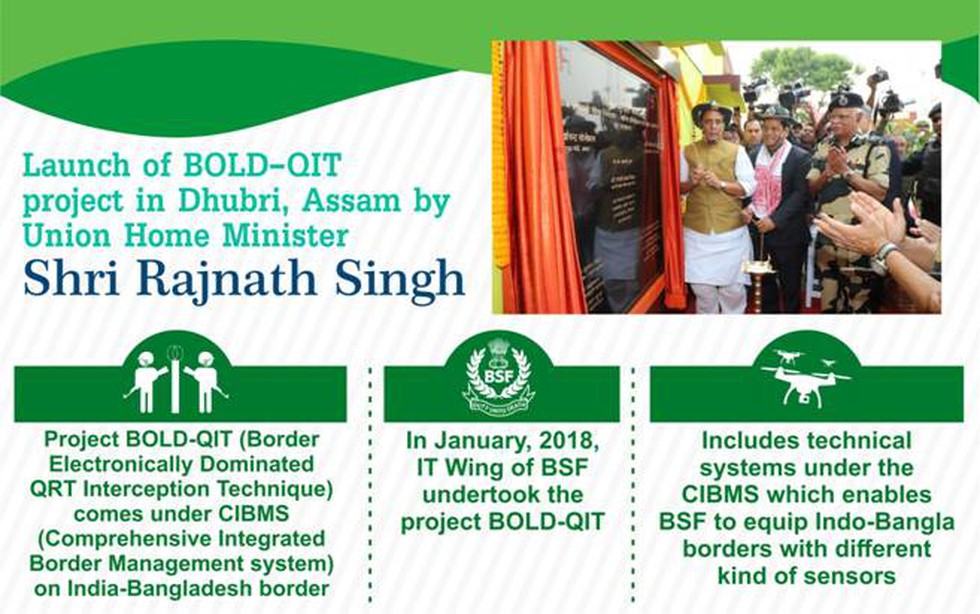
- Full name: BOLD-QIT is an acronym for Border Electronically Dominated QRT Interception Technique.
- Parent project: The Project is under CIBMS (Comprehensive Integrated Border Management system).
- Location: On India-Bangladesh border in Dhubri District of Assam tomorrow.
- Implementing agency: Information and Technology Wing of BSF.
- Significance of project:
- The 61 Kms of Border area in District Dhubri, Assam where River Brahmaputra enters into Bangladesh is consisting of vast char lands and innumerable river channels thus making border guarding in this area, a daunting task especially during rainy season.
- The implementation of this project will not only help BSF to curb all type of cross border crimes but also provide respite to the troops from round the clock human surveillance.
- The 61 Kms of Border area in District Dhubri, Assam where River Brahmaputra enters into Bangladesh is consisting of vast char lands and innumerable river channels thus making border guarding in this area, a daunting task especially during rainy season.
- Project highlights:
- Under it, the entire span of River Brahmaputra has been covered with data network generated by Microwave communication, OFC Cables, DMR Communication, day and night surveillance Cameras and intrusion detection system.
- These modern gadgets provide feeds to BSF Control Rooms on the Border and enable BSF Quick Reaction Teams to thwart any possibility of Illegal Cross Border Crossing/ Crimes.
- Under it, the entire span of River Brahmaputra has been covered with data network generated by Microwave communication, OFC Cables, DMR Communication, day and night surveillance Cameras and intrusion detection system.
Prelims Pointers
March 6, 2019
About:
- The National Annual Rural Sanitation Survey (NARSS) 2018-19 was conducted by an Independent Verification Agency (IVA) under the World Bank support project to the Swachh Bharat Mission Grameen (SBM-G)
- The IVA submitted the report to the Ministry of Drinking Water and Sanitation website.
- The key findings of NARSS 2018-19 are as follows:
- 93.1% of households were found to have access to toilets during the survey period.
- 96.5% of the people who had access to toilets used them.
- 90.7% of villages which were previously declared and verified as ODF were confirmed to be ODF. The remaining villages also had sanitation coverage of about 93%.
- 95.4% of the villages surveyed found to have minimal litter and minimal stagnant water.
- 93.1% of households were found to have access to toilets during the survey period.
- Since its launch in October 2014, the SBM, the world’s largest sanitation program, has changed the behaviour of hundreds of millions of people with respect to toilet access and usage.
- 500 million people have stopped defecating in the open since the SBM began, down from 550 million at the beginning of the programme to less than 50 million today.
- Over 9 crore toilets have been built across rural India under the Mission.
- Over 5.5 lakh villages and 615 districts have been declared ODF, along with 30 ODF States and Union Territories.
Prelims Pointers
March 6, 2019
National Rural Economic Transformation Project (NRETP):
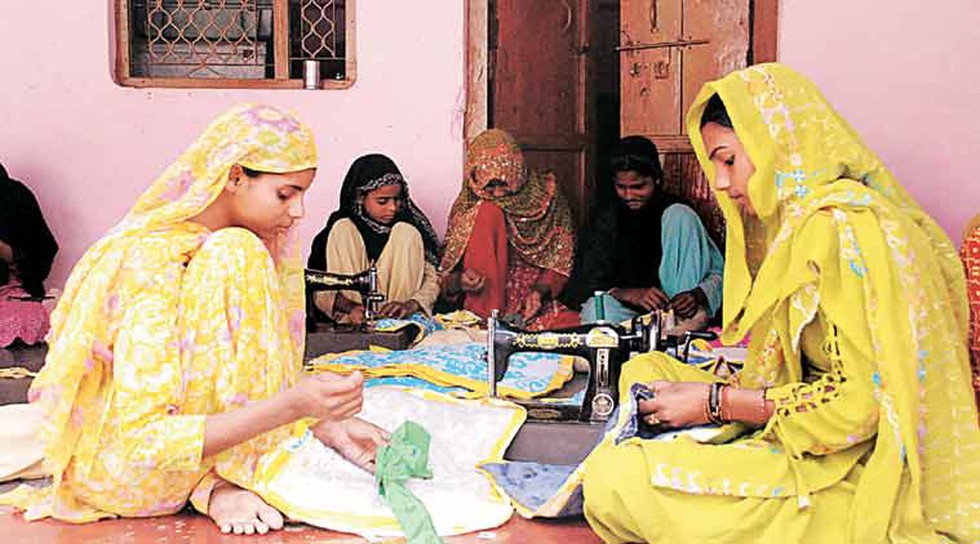
- Objective: To help women in rural households shift to a new generation of economic initiatives.
- Strategy: This will be achieved by –
- promoting women-owned and women-led farm and non-farm enterprises across value chains;
- enable them to build businesses that help them access finance, markets and networks;
- and supporting youth skills development, in coordination with the Deen Dayal Upadyaya Grameen Kaushalya Yojana.
- promoting women-owned and women-led farm and non-farm enterprises across value chains;
- Duration: The $250 Million Loan from the International Bank for Reconstruction and Development (IBRD), has a 5-year grace period, and a final maturity of 20 years.
- Parent programme: The National Rural Economic Transformation Project (NRETP) is an additional financing to the $500 million National Rural Livelihoods Mission (NRLM) approved by the World Bank in 2011.
National Rural Livelihoods Project (NRLP):
- The National Rural Livelihoods Mission (NRLM) aims to create sustainable livelihood opportunities in rural communities by promoting sustainable community-based institutions which will facilitate economic and financial services for the rural poor.
- The NRLP which is currently being implemented across 13 states, 162 districts and 575 blocks, has so far mobilized more than 8.8 million women from poor rural households into 750,000 self-help groups (SHGs).
- While these 13 states will continue to be supported under the NRETP, 125 new districts will be added from within these states.
Prelims Pointers
March 6, 2019

About:
- Objective: To provide assistance for the international component of freight and marketing of agricultural produce.
- Benefit of the scheme: It is likely to mitigate disadvantage of higher cost of transportation of export of specified agriculture products due to trans-shipment and to promote brand recognition for Indian agricultural products in the specified overseas markets.
- Parent policy: The scheme would be suitably included in the Foreign Trade Policy (2015-20).
- Coverage: All exporters, duly registered with relevant Export Promotion Council as per Foreign Trade Policy, of eligible agriculture products shall be covered under this scheme.
- Applicability: The Scheme would be applicable for a period as specified from time to time. Presently the Scheme would be available for exports effected from March 1, 2019 to March 31, 2020.
- Eligibility of Products:
- The assistance is available for most agricultural product exports with some exceptions such as live animals, products of animal origin, milk, cream, curd, butter, buttermilk, whey, rice, wheat, tobacco and garlic.
- The assistance shall be admissible only if payments for the exports are received in Free Foreign Exchange through normal banking channels.
- The scheme shall be admissible for exports made through EDI (Electronic Data Interchange) ports only.
- The assistance is available for most agricultural product exports with some exceptions such as live animals, products of animal origin, milk, cream, curd, butter, buttermilk, whey, rice, wheat, tobacco and garlic.
Prelims Pointers
March 6, 2019
About:
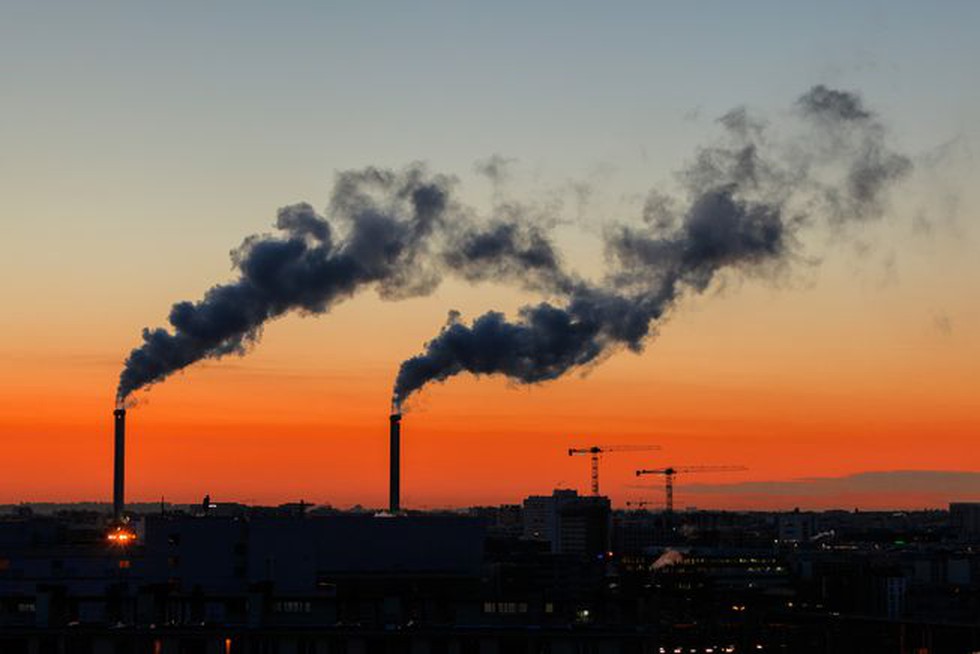
- Bodies involved: The ranking was compiled by IQAir Group, a manufacturer of air-monitoring sensors as well as purifiers and environmentalist group Greenpeace.
- Coverage: The study relies on ground-based sensors located in 3,000 cities from 73 countries.
- Most polluted countries:
- When ranked by country, Bangladesh emerged as the most polluted followed by Pakistan and India respectively.
- China is the 12th most polluted country in the world. Iceland has emerged as the one with the cleanest air.
- When ranked by country, Bangladesh emerged as the most polluted followed by Pakistan and India respectively.
- Most polluted cities:
- Fifteen of the 20 most polluted cities in the world are in India.
- Gurugram, in Haryana, topped the list with an average annual particulate matter (PM 2.5) quality of 135 g/m3 (micrograms/cubic metre), in 2018.
- Delhi was the 11th most noxious city behind Lahore, Pakistan (10th) and Hotan, China (8th).
- The other Indian cities in the list of 20 were Ghaziabad, Faridabad, Bhiwadi, Noida, Patna, Lucknow, Jodhpur, Muzaffarpur, Varanasi, Moradabad, Agra, Gaya and Jind.
- Beijing ranks now as the 122nd most polluted city in the world in 2018.
- Fifteen of the 20 most polluted cities in the world are in India.
- Other key findings:
- Of the cities analysed, 64% exceeded the WHO’s annual exposure guideline (10g/m3) for fine particulate matter, also known as PM 2.5.
- India’s annual guidelines range from 40-60 g/m3, depending on whether they are residential or industrial areas.
- Of the cities analysed, 64% exceeded the WHO’s annual exposure guideline (10g/m3) for fine particulate matter, also known as PM 2.5.
March 5, 2019
Prelims Pointers
March 5, 2019

About:
- Full Name: Saurashtra Narmada Avataran Irrigation Yojana’ (SAUNI).
- Objective of SAUNI: To fill 115 major dams in the Saurashtra region by diverting floodwaters overflowing from the Sardar Sarovar Dam.
- Background:
- The Sardar Sarovar Dam is a gravity dam on the Narmada river near Navagam, Gujarat in India. Its water is further distributed to states of Gujarat, Rajasthan and Maharashtra.
- A lot of floodwater still overflows the dam especially in the monsoon season and ends up going to the sea route.
- On the other hand, Saurashtra region of Gujarat faces drought like situation due to scanty rainfall. So, the objective of the project is to divert the flood water to the Saurashtra region through canal network.
- The Sardar Sarovar Dam is a gravity dam on the Narmada river near Navagam, Gujarat in India. Its water is further distributed to states of Gujarat, Rajasthan and Maharashtra.
Prelims Pointers
March 5, 2019
About:
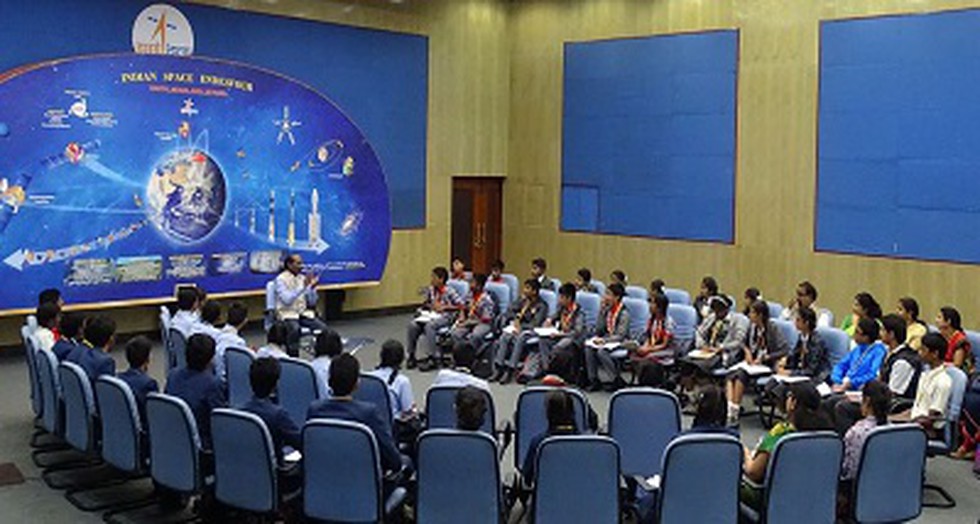
- Objective: Imparting basic knowledge on Space Technology, Space Science and Space Applications to the younger ones with the intent of arousing their interest in the emerging areas of Space activities.
- Strategy:
- ISRO has chalked out this programme to “Catch them young”.
- The residential training programme will be of around two weeks duration during summer holidays.
- It is proposed to select 3 students each from each State/ Union Territory to participate in this programme every year covering CBSE, ICSE and State syllabus.
- ISRO has chalked out this programme to “Catch them young”.
- Eligibility:
- Those who have finished 8th standard and currently studying in 9th standard will be eligible for the programme.
- The selection is based on the academic performance and extracurricular activities.
- Students belong to the rural area have been given special weightage in the selection criteria.
- Those who have finished 8th standard and currently studying in 9th standard will be eligible for the programme.
- Way ahead: The list of the selected candidates from each state is expected by March end 2019.
Prelims Pointers
March 5, 2019
About:
- The five rhino range nations – India, Bhutan, Nepal, Indonesia and Malaysia – signed a declaration ‘The Declaration on Asian Rhinos 2019’ for the conservation and protection of the species at the Second Asian Rhino Range Countries meeting recently held in New Delhi.
- The declaration was signed to conserve and review the population of the Greater one-horned, Javan and Sumatran rhinos every four years to reassess the need for joint actions to secure their future.
- The declaration includes -
- undertaking studies on health issues of the rhinos, their potential diseases and taking necessary steps;
- collaborating and strengthening wildlife forensics and
- strengthening of transboundary collaboration among India, Nepal and Bhutan for conservation of the Greater one-horned rhino.
- undertaking studies on health issues of the rhinos, their potential diseases and taking necessary steps;
Asian rhinos?
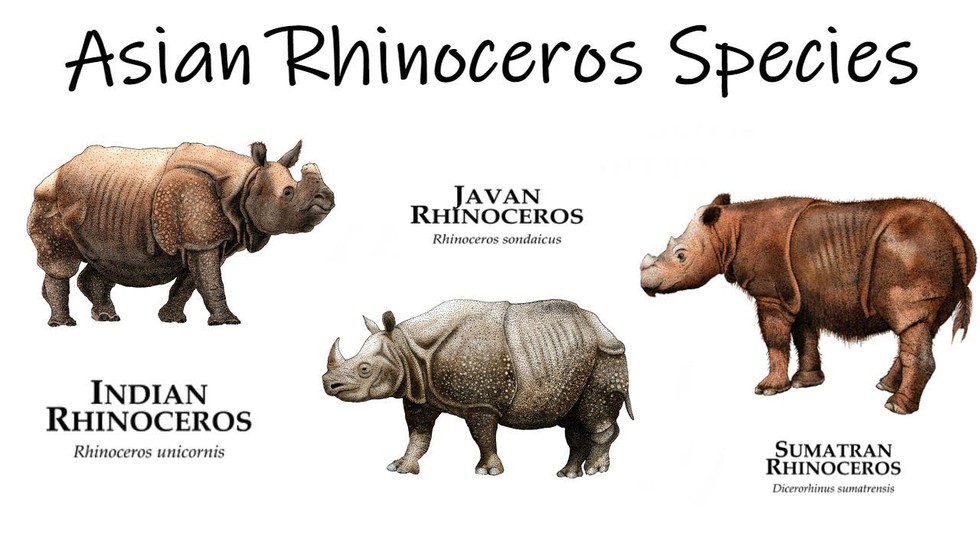
- There are three Asian rhino species: Greater one-horned rhino (Rhinoceros unicornis), Javan rhino (R. sondaicus), Sumatran rhino (Dicerorhinus sumatrensis).
- Population: Greater one-horned (3,500); Javan (63); Sumatran (<100).
- Endangered Status: Vulnerable to Critically Endangered.
- All three of them have been pushed to the brink of extinction. Poaching for their horns and habitat loss are the two greatest threats to the survival of Asia's remaining rhinos.
- The greater one-horned is slowly recovering thanks to years of succesful conservation efforts but the Sumatran and Javan rhinos remain at great risk.
- Physical description:
- The greater one-horned rhino and Javan rhino have one horn, while the Sumatran rhino has two.
- All the folds in their skin give Asian rhinos a more armoured look than their counterparts in Africa.
- Despite their hefty appearance, Asian rhinos are excellent swimmers and can easily swim across rivers.
- They’re vegetarians, grazing on tall grasses, shrubs, leaves and some fruits.
Prelims Pointers
March 5, 2019
About:
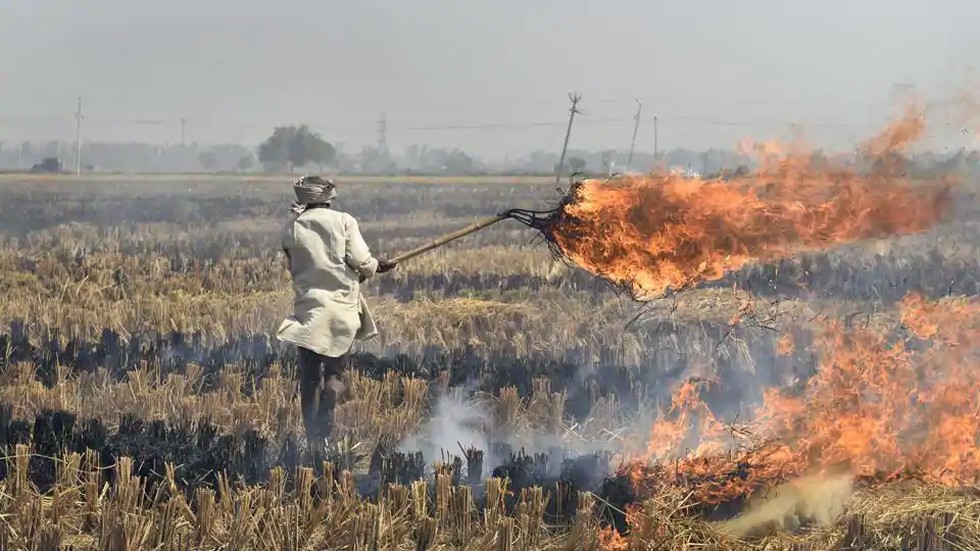
- The findings were based on a study of the health records of 250,000 people in Haryana (which sees a spike in crop burning episodes in winter), and Andhra Pradesh and Tamil Nadu, which don’t see similar burning episodes.
- The study is to appear in the peer-reviewed International Journal of Epidemiology.
- The researchers used health records and satellite data from September 2013-February 2014.
Key Findings of the study:
- The burning of agricultural residue increases the risk of respiratory illnesses by threefold for those who experience it.
- It may also be responsible for an annual $30 billion (approximately ₹2 trillion) loss in terms of days of work lost in States affected by crop burning,
- Living near 100 fires a day is ‘leading risk factor’ for Acute Respiratory Illness. This outweighs factors like cracker burning in Diwali or high motor vehicle congestion.
- Whereas high-intensity fire exposure was virtually absent in south India, 17.5% of individuals in Haryana lived in a district where 100 or more fires per day were observed by the satellite.
- A lancet study found that 12.5% of the total deaths in India were attributable to air pollution.
- Delhi was the state with the highest annual population-weighted mean PM2.5 followed by Uttar Pradesh, Bihar and Haryana in North India.
Zero tolerance:
- In 2013, the National Green Tribunal (NGT) issued a directive to Punjab, Haryana and Uttar Pradesh, asking them to ban stubble burning.
- The Environment Ministers of these States as well as top officials at the Centre declared a “zero tolerance” policy on the burning of stubble, which has been estimated to contribute anywhere from 7% to 78% of the particulate matter-emission load in Delhi during winter.
International Food Policy Research Institute (IFPRI)?
- IFPRI is an international non-profit agricultural research center.
- Established in: 1975.
- HQ: Washington, D.C., USA.
- Funding: IFPRI is part of a network of international research institutes funded in part by the Consultative Group for International Agricultural Research (CGIAR), which in turn is funded by governments, private businesses and foundations, and the World Bank.
- Key publications:
- Global Food Policy Report: This annual report offers an overview of recent food policy developments.
- Global Hunger Index (GHI): The GHI is a collaboration of IFPRI, the Welthungerhilfe, and Concern Worldwide. It yearly measures the progress and failure of individual countries and regions in the fight against hunger.
- IFPRI has produced the related Hunger Index for the States of India (ISHI) (2008) and the Sub-National Hunger Index for Ethiopia (2009).
Prelims Pointers
March 5, 2019
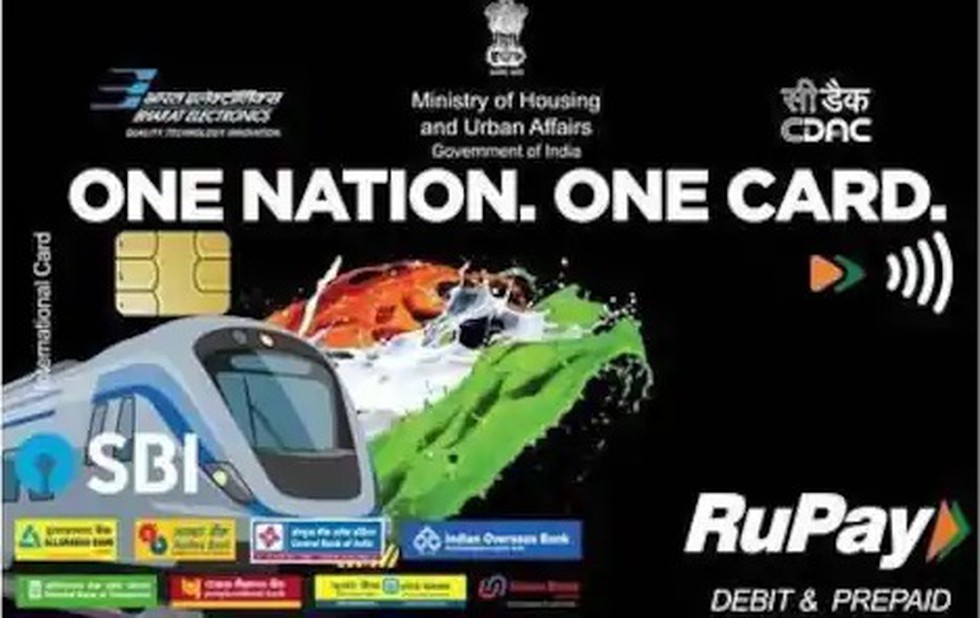
Components:
India’s first indigenously developed payment ecosystem for transport consists of -
- NCMC:
- These are bank issued cards on Debit/Credit/Prepaid card product Rupay platform.
- The customer may use this single card for payments across all segments including metro, bus, suburban railways, toll, parking, smart city and retail.
- These are bank issued cards on Debit/Credit/Prepaid card product Rupay platform.
- SWEEKAR (Swachalit Kiraya): An Automatic Fare Collection (AFC) System
- AFC System (gates, readers/validators, backend infrastructure etc.) is the core of any transit operator to automate the fare collection process.
- AFC System (gates, readers/validators, backend infrastructure etc.) is the core of any transit operator to automate the fare collection process.
- SWAGAT (Swachalit Gate): a gate and card-reader system.
- The Gate & Reader prototype has been made by BEL. This is the first gate and the reader which has been manufactured by an Indian company.
- This is also the first indigenous payment reader which has been certified as per International standards. India joins the very few elite nations who have indigenous capacity on gate and reader production.
- The Gate & Reader prototype has been made by BEL. This is the first gate and the reader which has been manufactured by an Indian company.
The three together will enable the use of the national mobility card across the country without a conflict with existing point-of-sale (PoS) machines.
Other Key Highlights:
- Background: The Union ministry of urban affairs who have been working on it since 2006, when it was envisaged as part of the National Urban Transport Policy (NUTP).
- Implementing agencies:
- It has been implemented by the union Ministry of Housing & Urban Affairs.
- National Payments Corporation of India (NPCI) has been entrusted to prepare the standards & specifications of the National Common Mobility Card (NCMC).
- Centre for Development of Advance Computing (C-DAC) was entrusted the task of finalization of NCMC specification for AFC system.
- Benefits:
- This will also help in higher digital payments penetration, savings on closed loop card lifecycle management cost and reduced operating cost.
- The rich data insights may be used by operators for business intelligence leading to efficient operation.
- Customers will need not to carry multiple cards for different usage. Further, the super quick contactless transactions will improve the seamless experience.
- For operators, NCMC ecosystem brings common standards for implementation without vendor lock-in.
Prelims Pointers
March 5, 2019
About:
- Background: This scheme was announced in the Interim Budget in February this year.
- Beneficiaries:
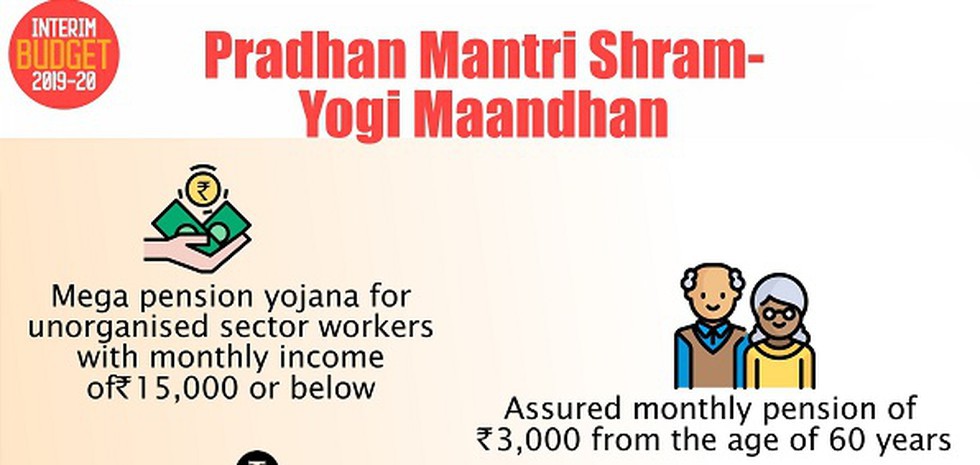
- It is a pension scheme for unorganised sector workers with monthly income upto Rs. 15,000.
- It is expected that at least 10 people will be benefited from the scheme within next five years (The scheme will also be implemented from the current year).
- It is a pension scheme for unorganised sector workers with monthly income upto Rs. 15,000.
- Pension amount: This pension yojana shall provide them an assured monthly pension of Rs. 3,000 from the age of 60 years on a monthly contribution of a small affordable amount during their working age.
- Contribution to be made:
- However, to benefit from the scheme, workers have to contribute ₹55 monthly (for age 18) and it varies according to age. Maximum contribution for a year cannot exceed ₹2400 (Rs.200 per month).
- The Government will deposit equal matching share in the pension account of the worker every month.
- However, to benefit from the scheme, workers have to contribute ₹55 monthly (for age 18) and it varies according to age. Maximum contribution for a year cannot exceed ₹2400 (Rs.200 per month).
- Budgetary allocation: A sum of Rs. 500 crore has been allocated for the Scheme. Additional funds will be provided as needed.
Prelims Pointers
March 5, 2019

About:
- Present status:
- Currently, the scheme is proposed for a three-year period till March 31, 2022, with an outlay of about ₹270 crore to create about 50,000 work-from-home jobs.
- The initiative is likely to be launched as phase II of the India BPO Promotion Scheme.
- Currently, the scheme is proposed for a three-year period till March 31, 2022, with an outlay of about ₹270 crore to create about 50,000 work-from-home jobs.
- Benefits:
- Incentivising work-from-home jobs through policy-level initiatives can help in creating jobs in the ITES domain while increasing the available talent pool for the sector.
- This will create employment opportunities in the IT/ITES industry, especially for women and differently-abled persons.
- Incentivising work-from-home jobs through policy-level initiatives can help in creating jobs in the ITES domain while increasing the available talent pool for the sector.
- Incentives proposed to be given:
- For employers, the policy proposes to provide 50% of the actual expenditure on technical infrastructure required for enabling such jobs, with a cap of ₹10,000 per job.
- The ‘work-from-home’ policy may extend relaxation in labour laws similar to that given to start-ups under the Startup India programme.
- Besides, employees may be provided support for 50% of the cost of a laptop (₹10,000 cap) or smartphone (up to ₹5,000), along with up to ₹350 per month for broadband.
- Government is also thinking about offering salary-based incentives to incentivise employees to stick to work-from-home jobs.
- Additional incentive would be given to women employees, differently-abled, SC/ST and those from aspirational (backward) districts.
- For employers, the policy proposes to provide 50% of the actual expenditure on technical infrastructure required for enabling such jobs, with a cap of ₹10,000 per job.
India BPO Promotion Scheme?
- It is an IT ministry’s scheme that incentivises firms to set up operations in tier-2 and tier-3 cities in the country.
- The scheme, launched in 2016, had an outlay of about ₹500 crore with an objective to create about 1.45 lakh jobs.
Prelims Pointers
March 5, 2019
SWIFT:
- SWIFT stands for “Society for Worldwide Interbank Financial Telecommunication.”
- Status: SWIFT is a global member-owned cooperative society under Belgian law.
- Establishment: It was founded in 1973 by a group of 239 banks from 15 countries.
- Headquarters: La Hulpe, Belgium.
- Functions:
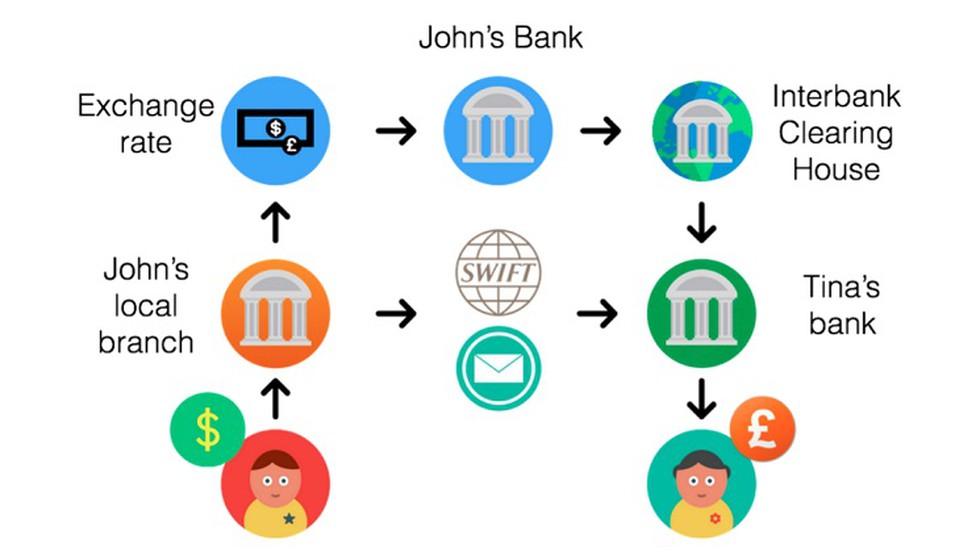
- SWIFT is a secure financial message carrier. its core role is to provide a secure transmission channel so that Bank A knows that its message to Bank B goes to Bank B and no one else.
- Apart from this, it also sells software and services to financial institutions, much of it for use on the SWIFTNet Network.
- SWIFT is a secure financial message carrier. its core role is to provide a secure transmission channel so that Bank A knows that its message to Bank B goes to Bank B and no one else.
- What it doesn’t?
- SWIFT does not facilitate funds transfer: rather, it sends payment orders, which must be settled by correspondent accounts that the institutions have with each other.
- It does not hold accounts for its members.
- It does not perform any form of clearing or settlement.
- SWIFT does not facilitate funds transfer: rather, it sends payment orders, which must be settled by correspondent accounts that the institutions have with each other.
- Usage:
- SWIFT is used by financial institutions like Banks, Depositories, Exchanges, Corporate Business Houses etc.
- The majority of international interbank messages use the SWIFT network.
- SWIFT is used by financial institutions like Banks, Depositories, Exchanges, Corporate Business Houses etc.
SWIFT India:
- SWIFT India is a joint venture of top Indian public and private sector banks and SWIFT (Society for Worldwide Interbank Financial Telecommunication).
- The company was created to deliver high quality domestic financial messaging services to the Indian financial community.
Prelims Pointers
March 5, 2019
About:
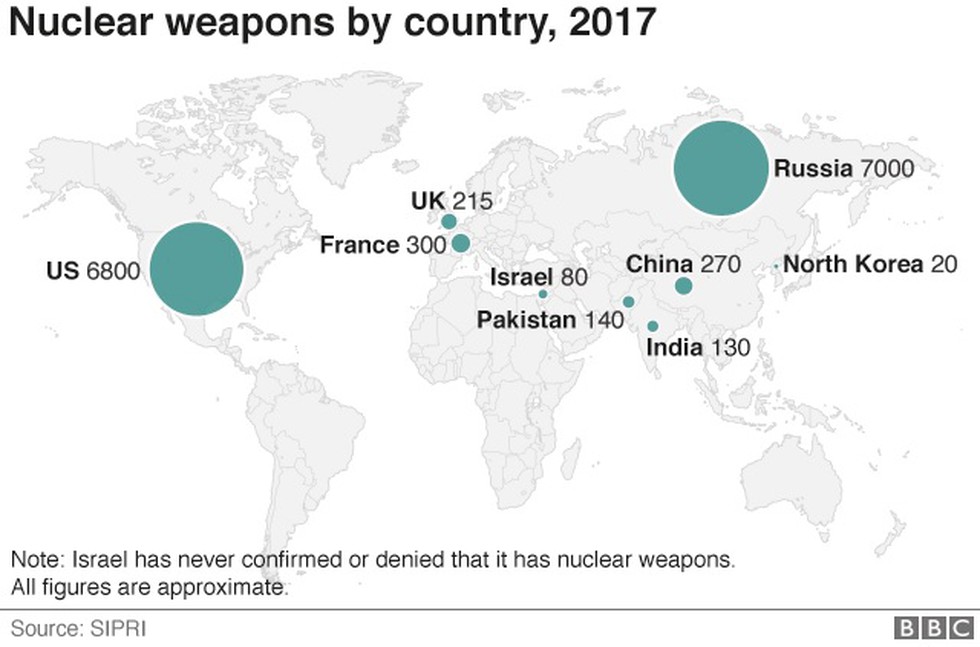
- Signatories: Intermediate-range Nuclear Forces Treaty was a crucial Cold War-era treaty between the United States and the Soviet Union (and later its successor state Russia).
- Objective: The treaty banned the development, testing and possession of short and medium range ground-launched nuclear missiles with a range of 500-5,000 km.
- Timeline:
- The treaty, signed in 1987, was central to ending the arms race between the two superpowers, and protected America’s NATO allies in Europe from Soviet missile attacks.
- In October 2018, the United States declared its intention to withdraw from the treaty on the ground that Russia has been violating it for many years by deploying banned missiles. Russia accused United States of making false accusations.
- On 1 February 2019, U.S. Secretary of State Mike Pompeo announced the U.S. was suspending the treaty. On 2 February 2019, Vladimir Putin announced that Russia will also suspend the treaty soon.
- The treaty, signed in 1987, was central to ending the arms race between the two superpowers, and protected America’s NATO allies in Europe from Soviet missile attacks.
Prelims Pointers
March 5, 2019
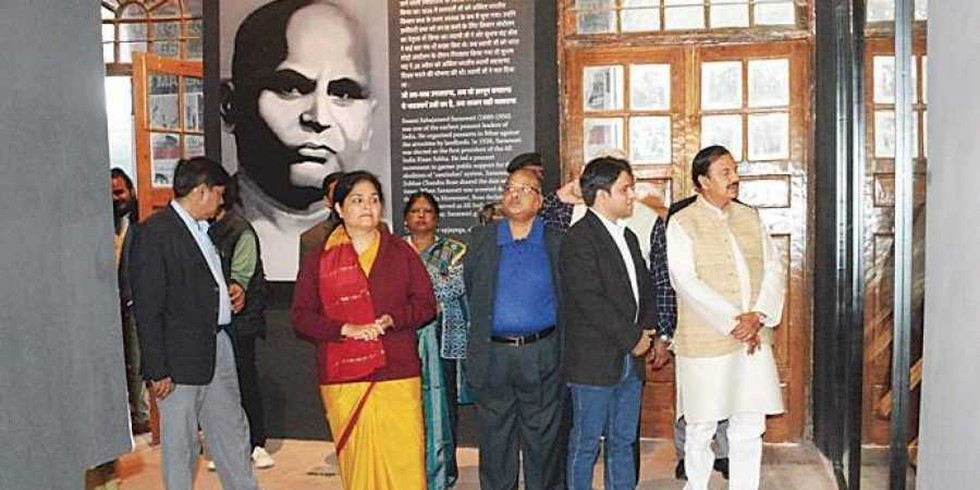
About:
- Created by: Archaeological Survey of India (ASI).
- Location: within the Red Fort complex.
- Objective: The museum pays homage to all the unsung heroes of freedom struggle of the nation, who would have otherwise been merged away in forgetfulness.
- Other museums recently unveiled: The museum is fifth in the series of recently inaugurated museums in the series of Kranti Mandir in the Red Fort Complex - others being –
- Subhash Chandra Bose and INA museum,
- Yaad-e-Jallian museum,
- Museum on 1857 - India’s first war of Independence and
- Drishyakala - Museum on Indian Art.
- Subhash Chandra Bose and INA museum,
March 4, 2019
Prelims Pointers
March 4, 2019
About:
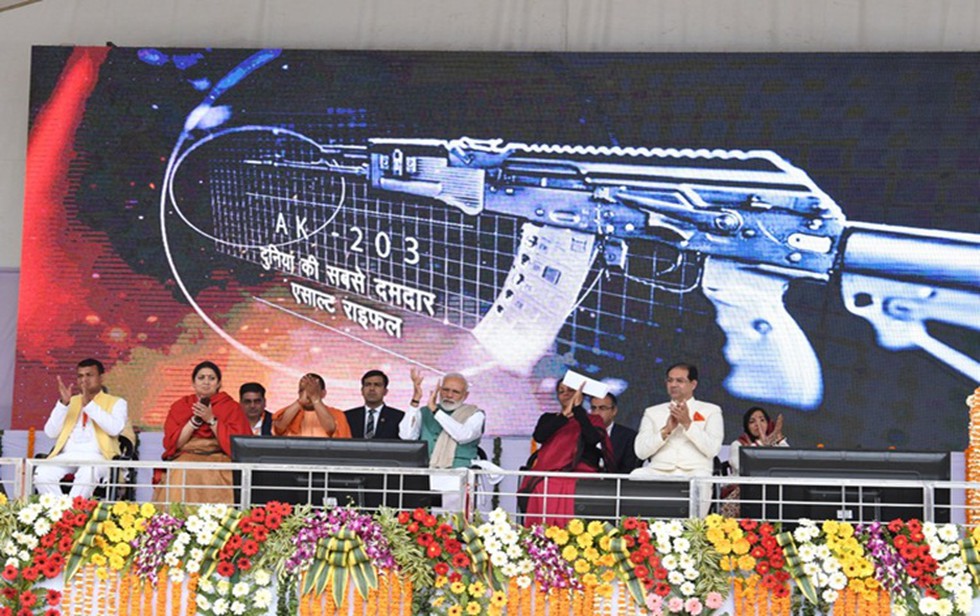
- The Indo-Russia Rifles Pvt Ltd, a joint venture between India’s Ordnance factory and Russian firm, is a milestone in Indo-Russian cooperation.
- The Joint venture will give a tremendous boost to the UP Defence Corridor project.
- India has signed a deal with a Russian firm to manufacture 7,50,000 AK-203 rifles, the latest derivative of the legendary AK-47 rifles. These rifles will be produced at the Indian Ordnance Factory at Amethi’s Korwa.
- The AK-203 transfer of technology would be completely indigenous.
Kalashnikov rifle:
- A Kalashnikov rifle is any one of a series of automatic rifles based on the original design of Mikhail Kalashnikov.
- They are officially known in Russian as "Avtomat Kalashnikova" ("Kalashnikov's Automatic Gun"), but are widely known as Kalashnikovs, AKs, or in Russian slang, as a "Kalash".
Prelims Pointers
March 4, 2019
About:
- Infrastructure Leasing & Financial Services Limited (IL&FS) is an Indian infrastructure development and finance company to provide finance and loans for major infrastructure projects.
- Background: IL&FS was formed in 1987 as an "RBI registered Core Investment Company" by three financial institutions owned by the government of India, namely the Central Bank of India, Housing Development Finance Corporation (HDFC) and Unit Trust of India (UTI).
- Ownership: As on March 31, 2018, LIC and ORIX Corporation of Japan are the largest shareholders in IL&FS with their stakeholding at 25 % and 23 %, respectively. Other prominent shareholders include Abu Dhabi Investment Authority (ADIA) (12 %), HDFC (9%).
Recent Crisis:
- The crisis in IL&FS started with a series of loan defaults in August and September by the company and some of its subsidiaries as it faced a severe liquidity crunch.
- The IL&FS Group has infrastructure and financial assets of over ₹1,15,000 crore but is facing tremendous debt pressure.
- Consequent to defaults, rating agency ICRA downgraded the ratings of its short-term and long-term borrowing programmes. The defaults also jeopardised hundreds of investors, banks and mutual funds associated with IL&FS. The defaults sparked panic among equity investors.
Key findings of forensic audit report of IL&FS prepared by Grant Thornton:
- There were serious lapses in the manner in which huge loans were extended to certain entities even after internal risk assessment clearly showed that the borrowers were under financial stress.
- In various instances, the committee of directors of the infrastructure financing company extended loans at a negative spread to borrowers facing liquidity issues (A negative spread occurs when interest rates charged on amounts lent are lower than interest rates paid on borrowed sums).
- The quantum of such loans is pegged at over ₹4,300 crore. Also, the firms took money from company to pay off existing loans to its subsidiary.
Prelims Pointers
March 4, 2019

About:
- Location:
- Patheria Hills Reserve Forest, located at the Indo-Bangladesh Border in the Karimganj District of Assam.
- The forest falls under the jurisdiction of Patherkandi Range of Karimganj Forest Division, Assam.
- Patheria Hills Reserve Forest, located at the Indo-Bangladesh Border in the Karimganj District of Assam.
- Human-elephant conflict:
- The forest has been a site of human elephant conflict for decades.
- Although the majority of human-elephant conflict cases are undocumented, as per the records of Karimganj Forest Division, there were 112 cases of elephant depredation in the area between 2000 and 2013.
- The forest has been a site of human elephant conflict for decades.
Recent study:
- A greater part of the elephants’ habitat lies in southern Assam’s Patharia Hills Reserve Forest, where a lot of illegal settlements have come up in the recent decades.
- The elephants stay on both sides of the forest, that is, the sections in India as well as Bangladesh, and cross the border frequently. They have broken border fences to use their migratory corridor.
- During the summer, from April to July, the elephants stay in Bangladesh, while in the winter, from November to December, they prefer to remain in the forest patches and tea estates of the Indian side. The elephants’ “shifting pattern of migration may be due to the food shortage on both sides as anthropogenic activities have increased.”
- If conservation action is not taken up, the Reserve Forest (RF) will be a dense human settlement area without any trace of wildlife in the near future. Thus scientists have advised trans-boundary conservation for wildlife along the border.
Prelims Pointers
March 4, 2019

Recent Decision:
- The governing body of the Odisha Disaster Management Authority (OSDMA) has underlined the need for fixing lightning arresting systems in multipurpose shelters and strengthening the outdoor lightning alert system.
- In the first phase, 640 shelters would be taken up with funding support from the World Bank under the National Cyclone Risk Mitigation Project.
- He said about Rs. 17 crore would be invested in the project while the remaining 239 multipurpose shelters would be taken up at a later stage.
Lightning:
- Lightning is a giant spark of electricity in the atmosphere between clouds, the air, or the ground.
- Formation of lightning:
- Air generally acts as an insulator between the positive and negative charges in the cloud and between the cloud and the ground.
- But when the opposite charges build up enough, this insulating capacity of the air breaks down and there is a rapid discharge of electricity that we know as lightning.
- It is of three broad types:
- Cloud to ground (CG): Lightning originates in atmosphere and terminates on the ground.
- Ground to cloud (GC): it involves upward propagation of lightning initiated from a tall grounded object and reaches into the clouds. It is the least common type.
- Cloud to cloud (CC): In this discharges only occur high in the atmosphere. The bulk of lightning events are cloud to cloud (CC).
- Lightning rod: It is used to mitigate lightning damage and influence the path of a lightning flash. It is a metal strip or rod connected to earth through conductors and a grounding system, used to provide a preferred pathway to ground if lightning terminates on a structure.
- Lightning can cause injuries in several ways:
- Direct strike: Victims may sustain a direct strike, which is often fatal.
- Contact injury: This occurs when lightning strikes an object, such as a car or metal pole, that the victim is touching.
- Side flash: This occurs when lightning splashes or bounces off an object, such as a tree or person, onto the victim.
- Ground current: This occurs when lightning strikes the ground near a victim and the ground current passes from the strike point through the ground and into the victim.
- Lightning related deaths in India:
- According to the National Crime Records Bureau (NCRB) data, Lightning kills more people in India than any other natural calamity like flood, cyclone, heat waves and earthquake.
- Regions most affected: Eastern states of Assam, West Bengal and Odisha report the highest fatalities due to lightning. North-eastern states, Maharashtra, Kerala, Jharkhand and Bihar also suffer heavy casualties.
Prelims Pointers
March 4, 2019
About:
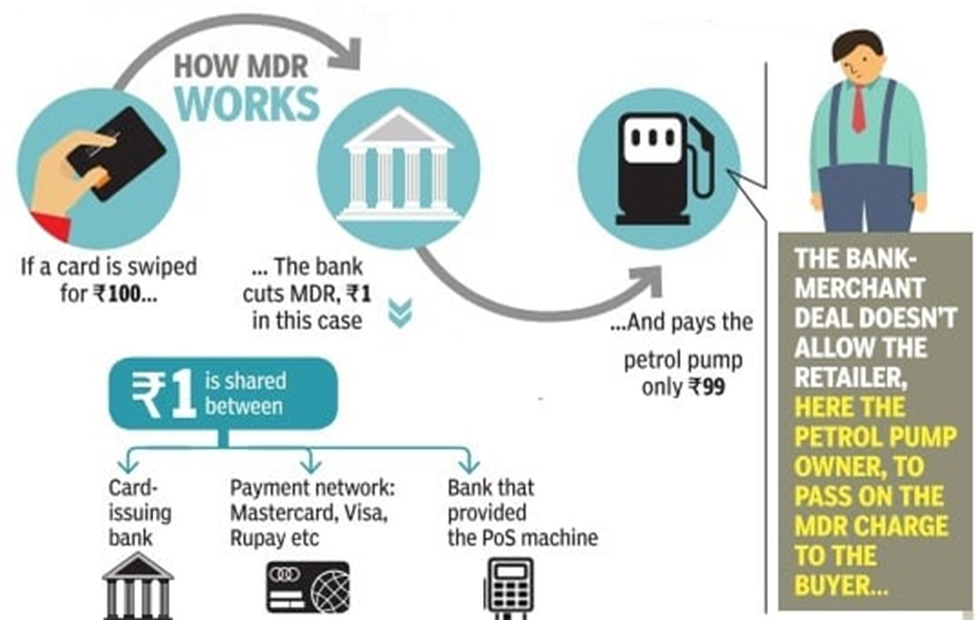
- MDR is the fee that the store accepting your card has to pay to the bank when you swipe it for payments.
- The MDR compensates the bank issuing the card, the bank which puts up the swiping machine (Point-of-Sale or PoS terminal) and network providers such as Mastercard or Visa for their services.
- MDR charges are usually shared in a pre-agreed proportion between them. In India, the RBI specifies the maximum MDR charges that can be levied on every card transaction.
Union cabinet decision:
- In 2017, Union Cabinet approved that the Merchant Discount Rate (MDR) applicable on all debit card/BHIM UPI/ Aadhaar enabled Payment System (AePS) transactions upto and including a value of Rs. 2000 will be borne by the Government.
- This will be borne by for a period of two years with effect from 1st January, 2018 by reimbursing the same to the banks.
- The IIT-Bombay study estimated that merchants were burdened with Rs. 10,000 crore towards credit card Merchant Discount Rate (MDR) in 2018, compared with the overall cost of Rs. 3,500 crore towards debit card MDR.
Prelims Pointers
March 4, 2019
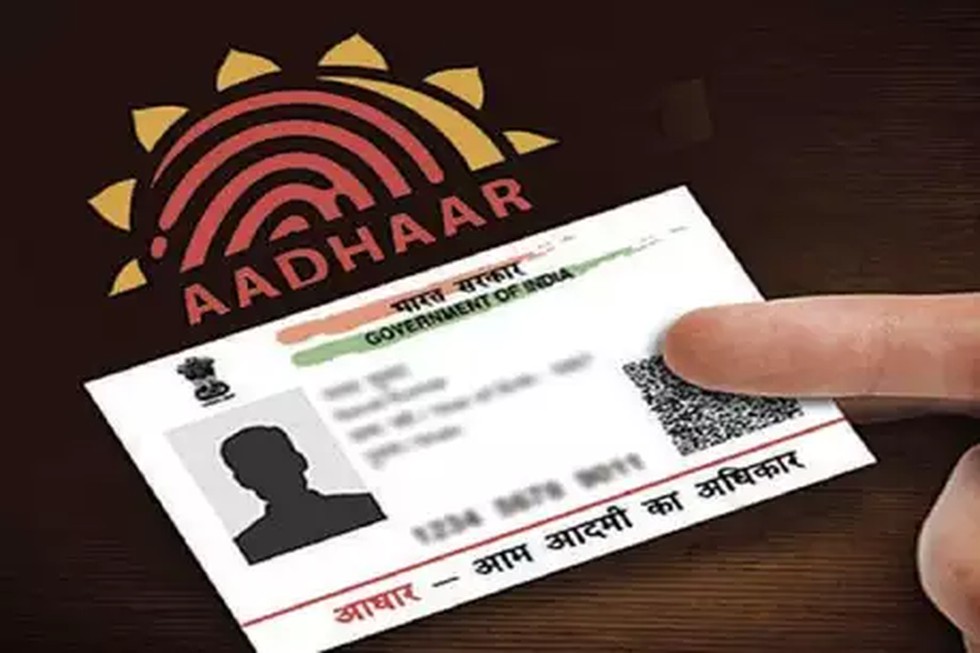
Salient Features of the Ordinance:
- The ordinance seeks to amend –
- The Aadhaar Act, 2016,
- The Indian Telegraph Act, 1885, and
- The Prevention of Money Laundering Act, 2002.
- The Aadhaar Act, 2016,
- It provides for ‘voluntary’ sharing of the 12-digit identification number for obtaining new mobile phone connections and opening bank accounts.
- It allows ‘offline verification’ of an individual’s identity, without authentication, through modes specified by the Unique Identification Authority of India (UIDAI) by regulations.
- An entity is allowed to use Aadhaar to perform authentication only if the UIDAI is satisfied that it is compliant with certain standards of privacy and security.
- At the time of enrolling a child to obtain an Aadhaar number, the enrolling agency shall seek the consent of his parent or guardian.
- Restrictions on security and confidentiality of Aadhaar related information do not apply in case the disclosure is pursuant to an order of High Courts (or above).
- It creates a UIDAI Fund to be used for expenses of the UIDAI, including salaries and allowances of its employees. All fees, grants and charges received by the UIDAI shall be credited to this fund.
- It allows the individual to register complaints in certain cases, including impersonation or disclosure of their identity.
- The changes to The Indian Telegraph Act and The Prevention of Money Laundering Act allow banks and telecom companies to use Aadhaar, if offered voluntarily by a person as a Know Your Customer (KYC) document, although neither of the entities can make it mandatory.
- The penalties for violations of the laws have been increased to a maximum of Rs 1 crore in certain cases.
Prelims Pointers
March 4, 2019
About:
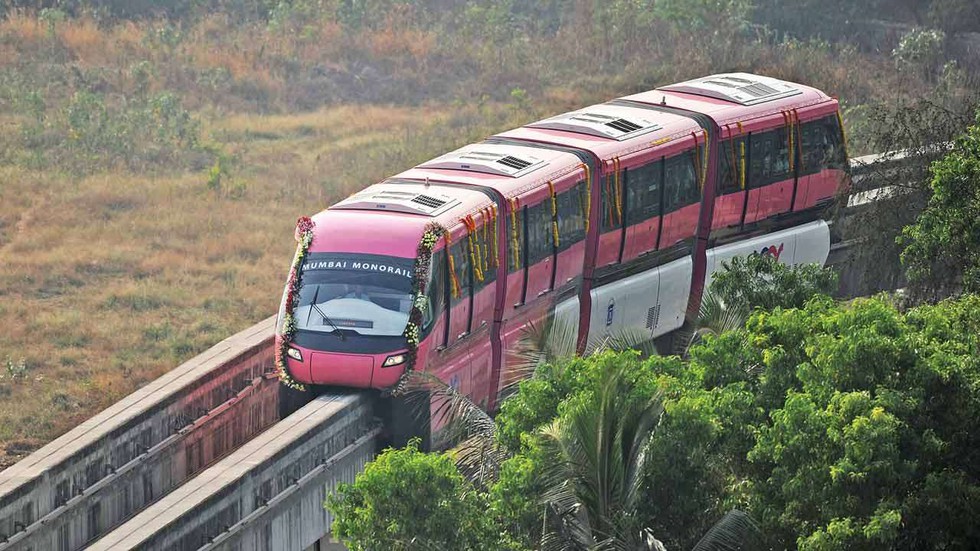
- Monorail can be described as a railway or vehicles travelling on such a railway of which the track consists of a single rail. It is typically elevated, but they can also run at grade, below grade or in subway tunnels.
- Monorails are mostly used in airport transfers and medium capacity metros.
Monorail vs Metro Rail:
Monorail and metro rail are two popular forms of transport in the world today. They are both railways and are capable of transporting large numbers of people at once. However, they are different from one another.
- Metro rail uses two rails to run. Monorail only uses one.
- In terms of capacity, metro rail can carry more people as compared to monorail.
- Metro rail is much faster than the monorail.
- Monorail consumes minimal space as a result of its smaller size. Thus, Monorails can travel even in short, congested streets whereas Metro Rail is not able to travel in overcrowded, busy streets.
Prelims Pointers
March 4, 2019
About:
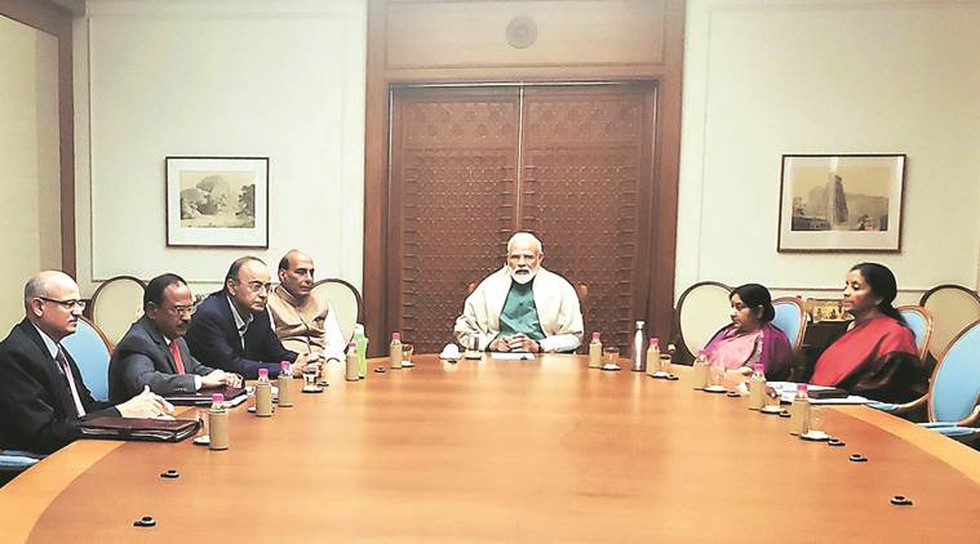
- Type: The National Security Council (NSC) of India is an executive government agency.
- Objective: To oversee political, economic, energy and security issues of strategic concern.
- History: It was established by the Atal Bihari Vajpayee government in 1998.
- Structure: The NSC is a three-tiered organization comprising the –
- Strategic Policy Group (SPG): It is the first level of the NSC structure. It is headed by the Cabinet Secretary.
- National Security Advisory Board (NSAB): Its members include “persons of eminence” outside the Government with expertise in external security, strategic analysis, foreign affairs, defence, internal security, science and technology and economics.
- Joint Intelligence Committee (JIC): It is responsible for directing the national intelligence organizations and analyzing intelligence data. The JIC operates with its own Secretariat that works under the Cabinet Secretariat.
- Strategic Policy Group (SPG): It is the first level of the NSC structure. It is headed by the Cabinet Secretary.
- National Security Advisor (NSA): NSA presides over the NSC, and is also the primary advisor to the prime minister. Brajesh Mishra was the first National Security Advisor. List of NSAs –
- Brajesh Mishra (1998 – 2004)
- J N Dixit (2004 – 2005)
- K. Narayanan (2005 – 2010)
- Shivshankar Menon (2010 – 2014)
- Ajit Doval (2014 – Incumbent)
- Brajesh Mishra (1998 – 2004)
Prelims Pointers
March 4, 2019
About:
- Founded in: The idea of the Arab League was mooted in 1942 by the British, who wanted to rally Arab countries against the Axis powers. However, the league did not take off until March 1945, just before the end of the Second World War.
- Headquarters: Cairo, Egypt.
- Members:
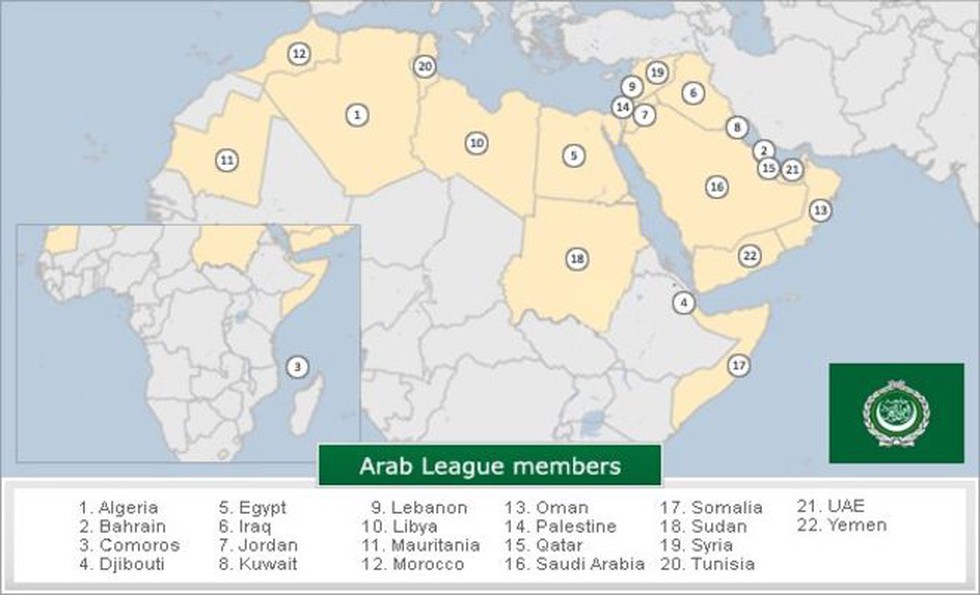
- 22 members including Palestine, which the League regards as an independent state.
- Syria's participation has been suspended since November 2011, as a consequence of government repression during the Syrian Civil War.
- 22 members including Palestine, which the League regards as an independent state.
- Membership Criteria: The League of Arab States, or Arab League, is a voluntary association of countries whose peoples are mainly Arabic speaking or where Arabic is an official language.
- Objectives: To strengthen ties among member states, coordinate their policies and direct them towards a common good.
- Council: The highest body of the league is the Council, composed of representatives of member states, usually foreign ministers, their representatives or permanent delegates. The council meets twice a year, in March and September.
Prelims Pointers
March 4, 2019
About:
- Location: Sherpur Village along Bhopal-Sehore highway, District Sehore, Madhya Pradesh.
- Mandate: The Institute will –
- promote mental health rehabilitation using an integrated multidisciplinary approach,
- undertake capacity building to develop trained professionals in the area of mental health rehabilitation,
- help the Government in formulating policy and programs/models for rehabilitation of persons with mental illness and
- run various courses starting from certificate course to M.Philin the area of vocational counselling, care giving, psychiatric nursing, community based rehabilitation, clinical psychology and psychiatric social work etc.
- promote mental health rehabilitation using an integrated multidisciplinary approach,
March 3, 2019
Prelims Pointers
March 3, 2019
About:
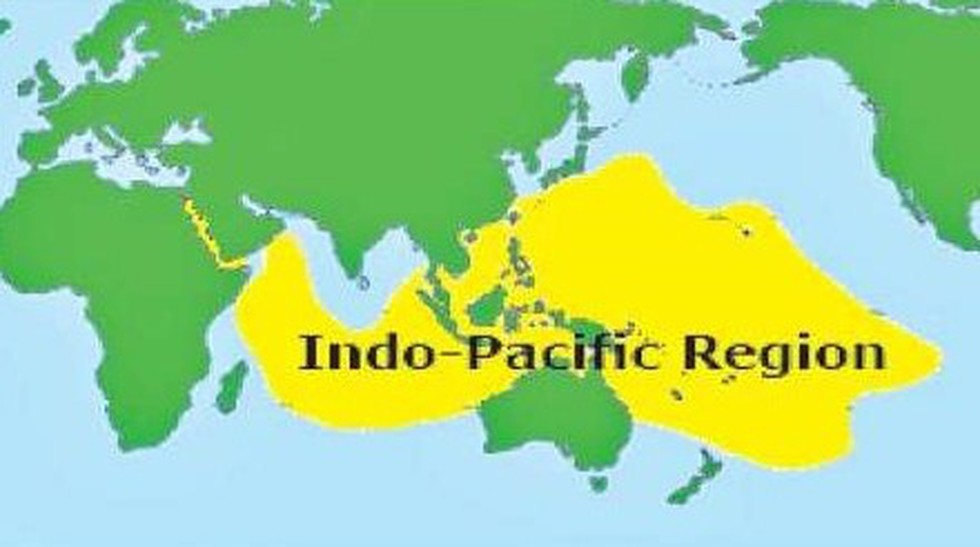
- Organized by: The idea of an annual IPRD was first conceptualised and conducted in 2018, as the apex level conference of the Indian Navy, organised by the National Maritime Foundation (NMF) as the Navy’s Knowledge Partner.
- Objective: To provide a platform to focus attention on the Indo-Pacific, as a maritime geographical-entity, while deliberating aspects of great relevance to regional geopolitics.
- Permanent theme: Review of India’s opportunities and challenges in the Indo-Pacific region.
- Themes of 2019 edition: This dialogue will examine five fresh themes:
- Practical solutions for achieving cohesion in the region through maritime connectivity;
- Measures to attain and maintain a free-and-open Indo-Pacific;
- A regional approach to the region’s transition from a ‘Brown’ to a ‘Blue’ economy;
- Opportunities and challenges arising from the maritime impact of ‘Industry 4.0’; and
- How the twin conceptualisations of ‘SAGAR’ and ‘SAGARMALA’ might best be made mutually-reinforcing on a regional level.
- Practical solutions for achieving cohesion in the region through maritime connectivity;
- Participants: Policy-makers from thirteen countries of the Indo-Pacific — Australia, Bangladesh, Canada, China, Indonesia, Israel, Japan, Seychelles, Singapore, South Korea, Sri Lanka, the United Kingdom, and the United States of America — will attend it.
Prelims Pointers
March 3, 2019
About:
- PRANAM Commission is a panel set up to look after the issues concerning a Bill for protection of parents of state government employees.
- The Parents Responsibility and Norms for Accountability and Monitoring (PRANAM) Bill in is an effort to protect elderly parents of government employees in their times of need.
- PRANAM Bill, which was approved by the state cabinet last year, makes it mandatory for state government employees to look after their parents and unmarried Divyang siblings who do not have their own sources of income.
Prelims Pointers
March 3, 2019
About:
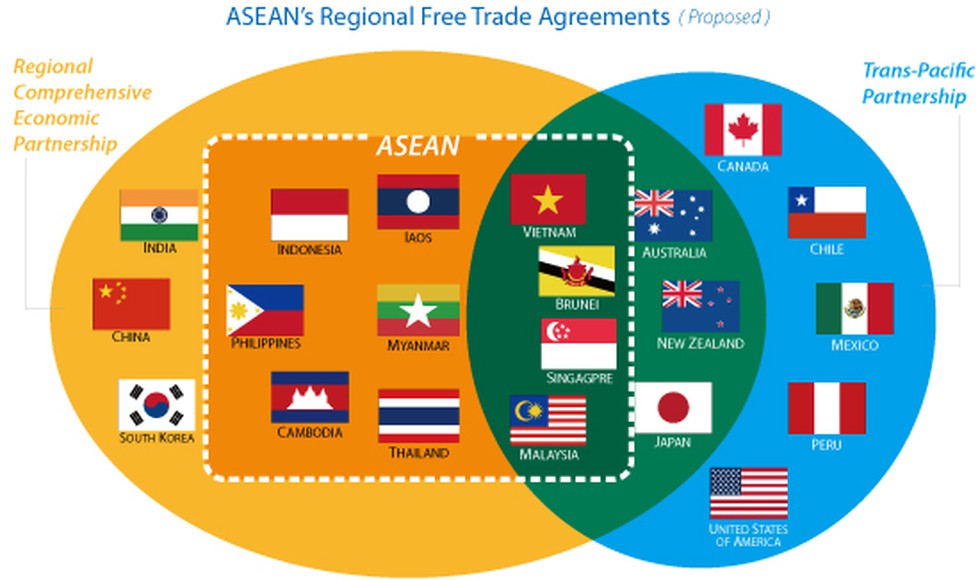
- The Ministers from the 16 RCEP Participating Countries (RPCs) including India and China attended the 7th RCEP Intersessional Ministerial Meeting.
- It was held on 2 March 2019 in Siem Reap, Cambodia.
- Key highlights of the meeting:
- RCEP countries agreed to intensify the ongoing negotiations for a proposed mega trade agreement to resolve all issues and conclude the talks this year.
- The meeting reviewed the developments since the 2nd RCEP Summit on 14 November 2018 in Singapore.
- RCEP countries agreed to intensify the ongoing negotiations for a proposed mega trade agreement to resolve all issues and conclude the talks this year.
Regional Comprehensive Partnership (RCEP)?
- The RCEP is a proposed Free Trade Agreement (FTA) between sixteen countries namely 10 countries of ASEAN (Brunei, Cambodia, Indonesia, Lao, Malaysia, Myanmar, Philippines, Singapore, Thailand, and Vietnam) and their six FTA partners (also known as AFP’s or ASEAN FTA Partners) namely Australia, China, India, Japan, Korea and New Zealand.
- The 16-member RCEP bloc aims to cover among the issues related to goods, services, investments, economic and technical cooperation, competition and intellectual property rights.
- During the 2nd RCEP Summit in November 2018 in Singapore, Leaders decided to conclude a modern, comprehensive, high quality, and mutually beneficial RCEP in 2019.
Prelims Pointers
March 3, 2019

About:
- In April 2018, an MoU was signed between Saudi Aramco and the three PSUs — HPCL, BPCL and IOC — to develop an integrated refinery and petrochemicals complex at Nanar village in Ratnagiri district, Maharashtra.
- The oil refinery is proposed to be promoted by three public sector units — Hindustan Petroleum (HPCL), Bharat Petroleum (BPCL) and Indian Oil (IOC). IOC is the lead partner with 50% while HPCL and BPCL will hold 25% each.
- Significance:
- The proposed capacity is 60 million tonnes per annum, over 70% more than the 35 million tonnes of Jamnagar, currently India’s biggest refinery.
- The proposed investment is Rs. 3 lakh crore and the project has an employment potential of one lakh.
- The proposed capacity is 60 million tonnes per annum, over 70% more than the 35 million tonnes of Jamnagar, currently India’s biggest refinery.
- Opposition to it:
- While scrapping the project at Nanar, the government said that the proposed refinery project would have caused severe damage to nature, environment, farming and orchards.
- According to state government, the project can be taken wherever people would like to welcome it.
- While scrapping the project at Nanar, the government said that the proposed refinery project would have caused severe damage to nature, environment, farming and orchards.
Prelims Pointers
March 3, 2019
About:
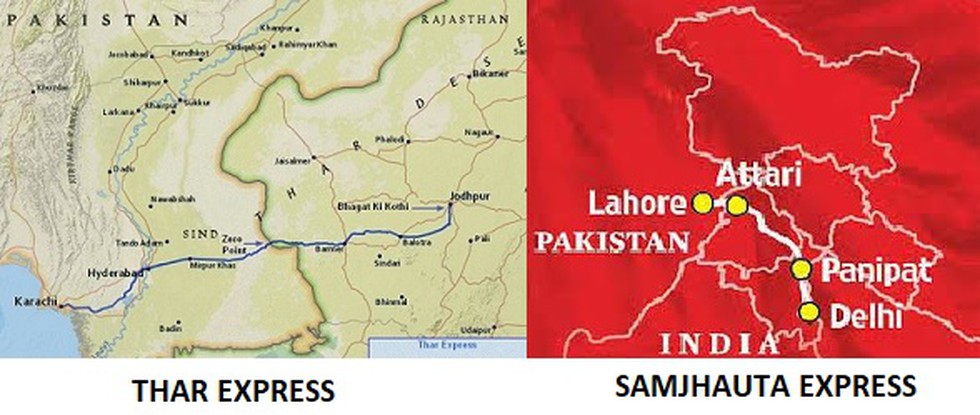
- The Samjhauta Express is a bi-weekly train running between India and Pakistan.
- Route: The train runs from Delhi to Attari on the Indian side and from Lahore to Wagah on the Pakistan side.
- Background: The train was started in 1976 following the Shimla Agreement.
- Nomenclature: The Samjhauta Express is commonly called the Friendship Express. The word Samjhauta means "agreement", "accord" and "compromise" in both Hindi and Urdu.
- Do you know? Until the reopening of the Thar Express, this was the only rail connection between the two countries.
Prelims Pointers
March 3, 2019
About:
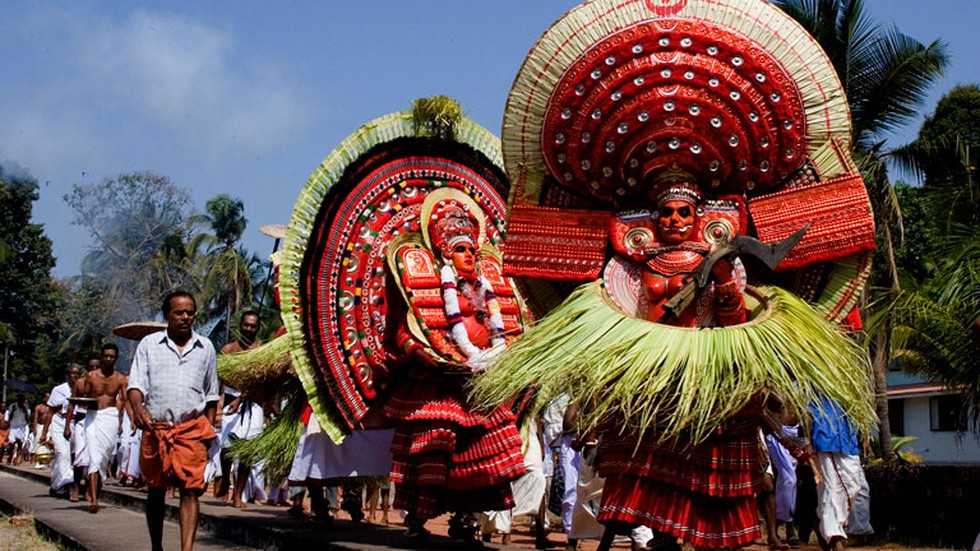
- Also Known as: God’s Dance.
- Background: The ritualistic art form is ancient, predating organised Hinduism and harking back to a time of tribal animism. Over the years, Hindu elements have been slowly taken in and adapted to the ritual.
- Region:
- It originated in North Kerala.
- From December to April, there are Theyyam performances in many temples of Kannur and Kasaragod.
- Karivalloor, Nileswaram, Kurumathoor, Cherukunnu, Ezhom and Kunnathoorpadi in North Malabar are places where Theyyams are performed annually (Kaliyattam) and draw huge crowds.
- It originated in North Kerala.
- Objective: It is performed to appease spirits of ancestors and folk heroes. Dancers represent local gods and goddess who ae believed to be protectors of the village.
- Features:
- It encompasses dance, mime and music. The ceremonious dance is accompanied by the chorus of such musical instruments as Chenda, Elathalam, Kurumkuzal and Veekkuchenda.
- Mudi is a key feature. It is a sacred crown made of coconut and arecanut splices dyed in different colours. Its height may vary from 1 feet to height of coconut tree.
- Each artist represents a hero with great power. Performers wear heavy make-up and adorn flamboyant costumes.
- It encompasses dance, mime and music. The ceremonious dance is accompanied by the chorus of such musical instruments as Chenda, Elathalam, Kurumkuzal and Veekkuchenda.
- Types: There are over 400 separate Theyyams, each with their own music, style and choreography. The most prominent among these are Raktha Chamundi, Kari Chamundi, Muchilottu Bhagavathi, Wayanadu Kulaven, Gulikan and Pottan.
Prelims Pointers
March 3, 2019
About:
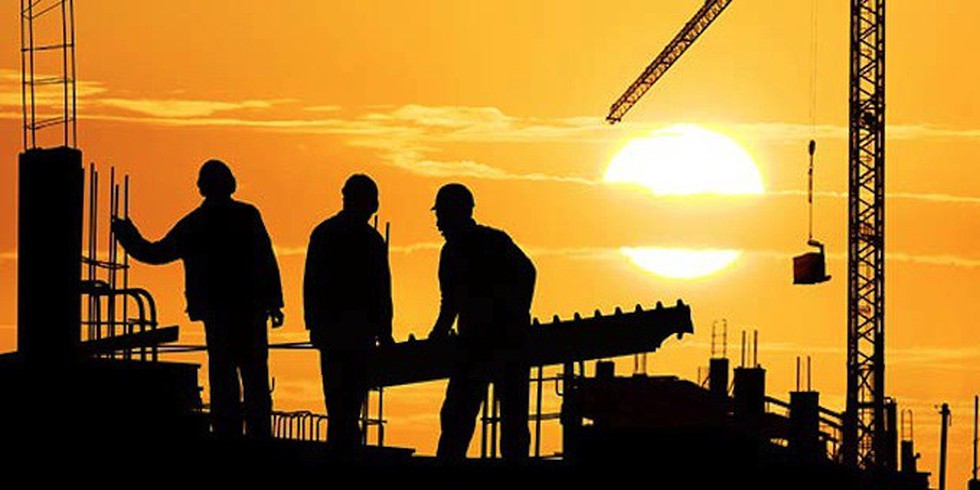
- The Prime Minister said that the Global Housing Technology Challenge is a platform that can help elevate India’s construction ecosystem to international standards.
- In an effort to stress on the use of advanced technology to meet the increasing demand of housing in the country caused by rapid urbanisation, Prime Minister Narendra Modi declared the period from April 2019 to March 2020 as Construction Technology year.
Global housing technology challenge (GHTC):
- Background: In January 2019, the Union Ministry of Housing and Urban Affairs launched the Global Housing Technology Challenge (GHTC) to make the construction of houses cost-effective and innovative.
- Parent programme: Pradhan Mantri Awas Yojana Urban (PMAY-U).
- Objective: To fast-track the construction of affordable housing and meet the target of constructing 1.2 crore houses by 2022.
- Salient Features:
- Under it, Centre will offer about ₹150 crore as a technology innovation grant to build 6,000 homes — cheaper, faster and better — using alternative technologies and materials.
- The challenge will focus on identifying and mainstreaming proven demonstrable technologies through ASHA (Affordable Sustainable Housing Accelerators) — India.
- Under the challenge, a grand expo-cum-conference on GHTC will be organised in March which will be a unique platform for the various stakeholders.
Prelims Pointers
March 3, 2019

About:
- Objectives: Smart India Hackathon is a unique initiative to identify new and disruptive digital technology innovations for solving the challenges faced by the country.
- Salient features:
- It is a non-stop digital product development competition, where problems are posed to technology students for innovative solutions.
- The 36-hour event is being held at 48 different nodal centres across the country simultaneously with participation of 2 lakh students.
- It is a non-stop digital product development competition, where problems are posed to technology students for innovative solutions.
- Bodies involved: It is organized by All India Council for Technical Education (AICTE) under the aegis of Ministry of Human Resource Development (MHRD).
- History: So far, two editions of Hackathon have been conducted by the Human Resource Development Ministry in 2017 and 2018.
Global Innovation Index (GII) – 2018?
- The Global Innovation Index (GII) is an annual ranking of countries by their capacity for, and success in, innovation.
- Methodology: The GII relies on two sub-indices –
- Innovation Input Sub-Index and
- Innovation Output Sub-Index.
- Released by: It is co-published by Cornell University, INSEAD, and the World Intellectual Property Organization (WIPO, an agency of the United Nations).
- Origin: The index was first published in 2007.
- GII-2018: India’s Rank
- India’s rank has improved from 60 in 2017 to 57 in 2018. India has been consistently improving its rank for the past two years.
- India is ranked number one on ICT service exports.
- India is also ranked number one in the Central and Southern Asian region.
Prelims Pointers
March 3, 2019

Hanoi Summit:
- The decision comes days after the conclusion of US President Donald Trump's second summit with North Korean leader Kim Jong Un in Hanoi, which ended without a formal agreement but with both sides suggesting they would keep talking.
- Mr Trump has ruled out withdrawing any of the 28,500 US forces based in South Korea to defend it from its nuclear-armed neighbour, which invaded in 1950.
Foal Eagle Exercise:
- Foal Eagle is a combined field training exercise (FTX) conducted annually by the armed forces of South Kore and the United States Armed Forces under the auspices of the Combined Forces Command.
- It is one of the largest military exercises conducted annually in the world. In the past, it has involved 200,000 South Korean forces and some 30,000 US soldiers.
- Foal Eagle has been a source of friction with the government of North Korea.
- In June 2018, US President Donald Trump announced that the US would suspend the joint military exercises with South Korea. However, the joint military exercises resumed again in November 2018 though at a small scale.
Prelims Pointers
March 3, 2019
About:
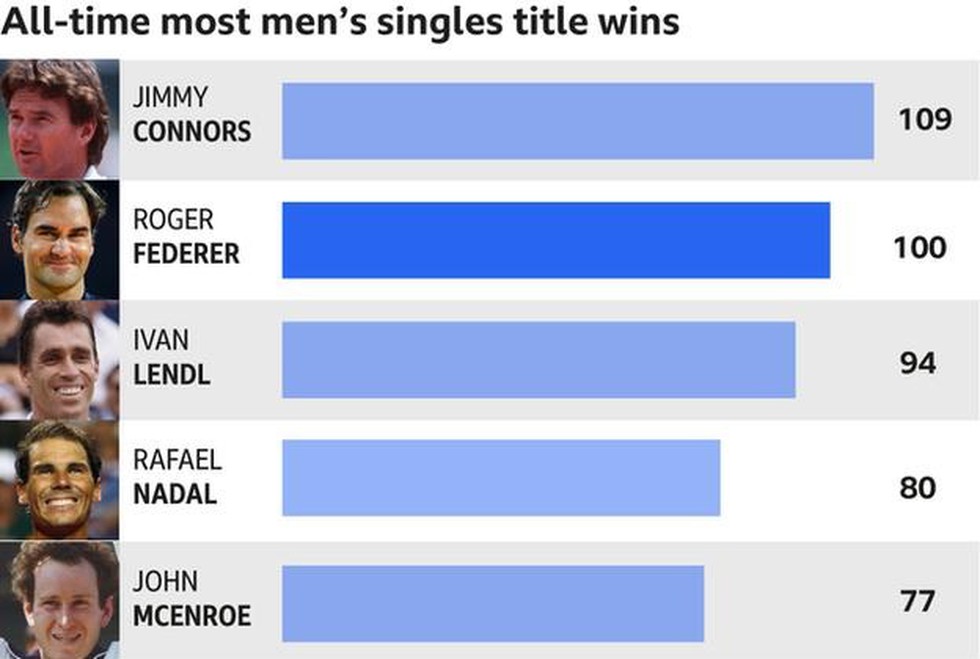
- The 20-time grand slam champion is the second man, after American Jimmy Connors to claim 100 titles.
- Federer will have to win 10 more titles to beat Connors' men's record of 109, while Martina Navratilova holds the all-time record having won 167 women's singles crowns during her career.
ATP?
- The Association of Tennis Professionals (ATP) is a main men's tennis governing body with the objective of protecting the interests of male professional tennis players.
- Since 1990, the association has organized the ATP Tour, the worldwide tennis tour for men and linked the title of the tour with the organization's name. It is the governing body of men's professional tennis.
- Established in: 1972.
- HQ: London (UK).
- The counterpart organisation in the women's professional game is the Women's Tennis Association (WTA).