June 6, 2019
Prelims Pointers
June 6, 2019
About:
- Fixed Dose Combination (FDC) drugs includes two or more active pharmaceutical ingredients (APIs) combined in a single dosage form, which is manufactured and distributed in fixed doses.
- Common examples of FDCs: Cough syrups Phensedyl and Corex, Vicks Action 500.
Indian scenario:
- Kokate Committee: In India, FDCs were declared “irrational” by a Union Health Ministry expert committee set up in 2014 headed by former KLE University Vice-Chancellor, CK Kokate.
- Drug advisory sub-committee: Now, a sub-committee formed by Drugs Technical Advisory Board (DTAB) has asked pharmaceutical companies to submit “precise data” until June 30 to prove that 324 FDCs drugs are safe and effective for patients to consume.
DEBATE:
Advantages of FDCs:
- Burden of keeping track of several medications, understanding their various instructions, etc. is reduced which improves patient compliance and therefore improves treatment outcomes.
- The FDCs are more economic than single ingredient drugs.
- The manufacturing cost is quite low as compared to the cost of producing separate products
- Then there is Simpler logistics of distribution.
Disadvantages of FDCs:
- If an adverse drug reaction occurs from using an FDC, it may be difficult to identify the active ingredient responsible for causing the reaction.
- If the drugs combination is not appropriate, then it can lead to some patients getting too much of an ingredient and others getting too little. FDCs "limit clinicians' ability to customize dosing regimens."
Prelims Pointers
June 6, 2019
About:
- Meaning: Gestational diabetes only happens during pregnancy. It means the mother has high blood sugar levels, but those levels were normal before she was pregnant.
- Causes: During pregnancy, the placenta makes hormones that can lead to a buildup of glucose in blood. Usually, pancreas can make enough insulin to handle that. If not, blood sugar levels will rise and can cause gestational diabetes.
- Symptoms: For most women, gestational diabetes doesn't cause noticeable signs or symptoms.
- Impact on mothers health: After the baby is born, gestational diabetes usually goes away, however there is risk for type 2 diabetes.
- How can GD affect a baby? Babies born to women with GD may have problems with breathing and jaundice. These babies may have low blood sugar at birth. There also is an increased risk of stillbirth with GD.
- Indian scenario: The Union Ministry of Health has developed national guidelines for testing, diagnosis and management of hyperglycaemia in pregnancy, and they recommend early testing at the time of contact (during the first trimester) and if the test is negative, yet another test should be done between 24-28 weeks.
Prelims Pointers
June 6, 2019
About:
- The National Eligibility cum Entrance Test is a single entrance test for MBBS, BDS and post graduate (MS/MD) courses throughout the country. It includes all Government College, deemed university and private colleges.
- It replaces the All India Pre Medical Test (AIPMT) and all other MBBS exams. There were about 35 entrance tests for admission to medical college.
- NEET-UG (Undergraduate), for MBBS and BDS courses is conducted by the National Testing Agency (NTA). Prior to 2019, the test was administered by the Central Board of Secondary Education (CBSE)
- NEET-PG (postgraduate) is conducted by the National Board of Examinations (NBE).
The Tamil Nadu government had objected to the introduction of NEET from 2012 and fought an extended but unsuccessful legal battle to keep the all India exam out of the state. Concerns about State autonomy and the ability of rural students to match NEET standards fuelled its opposition.
Prelims Pointers
June 6, 2019
About:
- Objective: The USIBC Global Leadership Awards recognise top corporate executives from the United States and India whose companies play a major role in catalysing growth in the US-India commercial corridor.
- History: It is given annually since 2007.
- Awarded by: US-India Business Council (USIBC),a Washington-based business advocacy group.
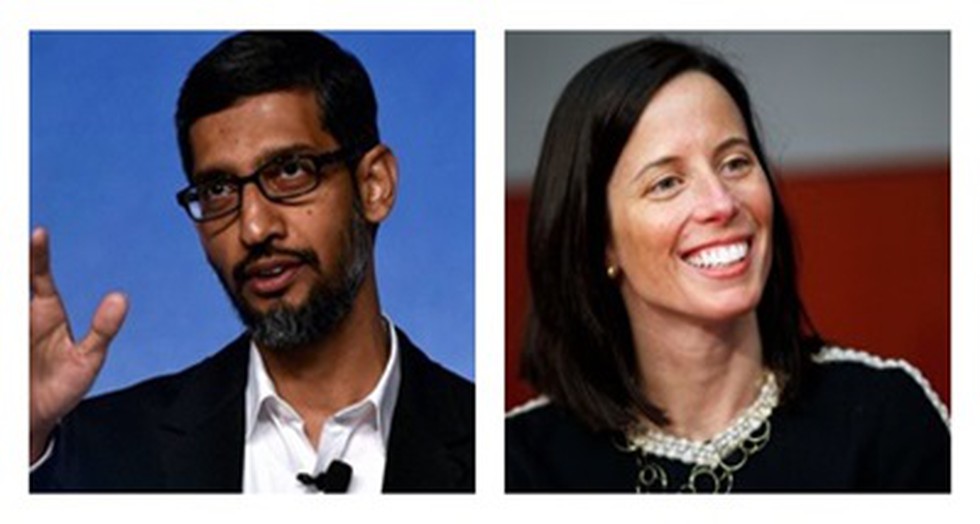
- 2019 recipients: Google's India-born CEO Sundar Pichai and Nasdaq president Adena Friedman have been chosen for the Global Leadership Awards 2019 in recognition of the two companies' contribution as the leading technology-driven platforms.
Prelims Pointers
June 6, 2019

About:
- Status: Oil and Natural Gas Corporation (ONGC) is a Maharatna Public Sector Undertaking (PSU) of the Government of India.
- Parent Body: It is under the administrative control of the Ministry of Petroleum and Natural Gas.
- It is the largest crude oil and natural gas Company in India, contributing around 70 % to Indian domestic production.
- Subsidiaries:
- ONGC Videsh is a wholly owned subsidiary of ONGC and is India’s largest international oil and gas Company.
- In 2017, the Government of India approved the acquisition of Hindustan Petroleum Corporation by ONGC.
- ONGC Videsh is a wholly owned subsidiary of ONGC and is India’s largest international oil and gas Company.
- Oil and Natural Gas Corp (ONGC) is India's most profitable public sector company. ONGC, in the previous two financial years, had lost the most profitable PSU tag to IOC.
- In its 2018-19 fiscal, ONGC reported a net profit of 26,716 crore rupees. In comparison, Indian Oil Corp (IOC) registered a net profit of 17,274 crore rupees.
- With its refining margins under pressure due to falling oil prices, IOC had also lost the title of being India's largest company by turnover tag to billionaire Mukesh Ambani-led Reliance Industries in FY19.
Prelims Pointers
June 6, 2019
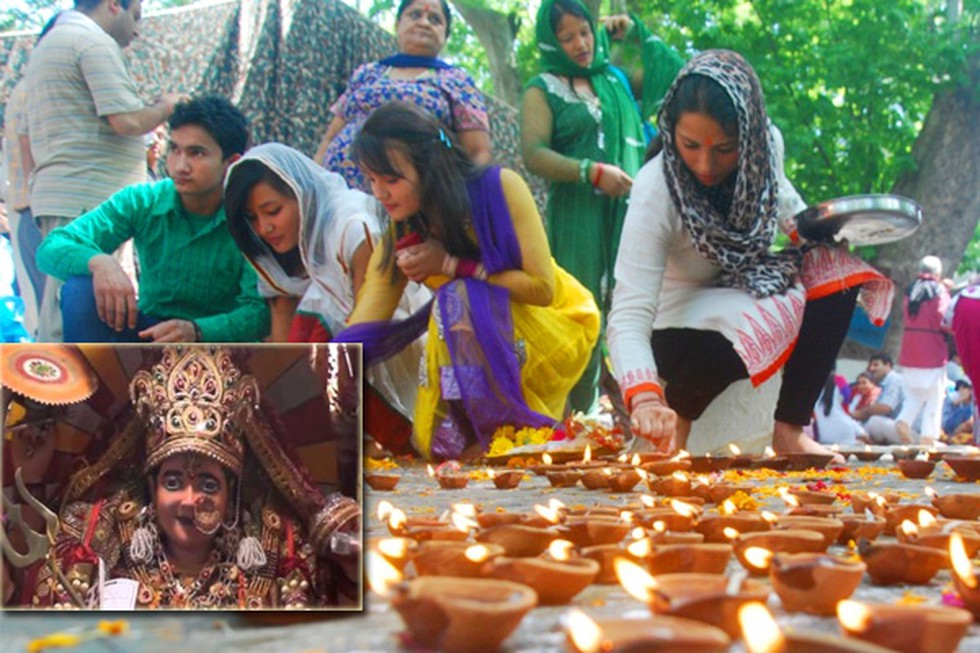
Kheer Bhawani temple:
- Location: Tulmul village, near Srinagar (J&K).
- Deity: The temple is dedicated to the Goddess kheer Bhawani.
- The deity is also called as Maharagya Devi, Ragnya Devi, Rajni, Ragnya Bhagwati.
- The term kheerrefers to rice pudding that is offered in the spring located in the temple to Please the Goddess.
- The deity is also called as Maharagya Devi, Ragnya Devi, Rajni, Ragnya Bhagwati.
- This is the most important temple for Kashmiri Pandits.
- Mela Kheer Bhawani: It is an Annual Festival during which the devotees of the Goddess Mata Kheer Bhawani fast and gather here on the eighth day of the full moon in the month of May/ June when, according to belief, the Goddess changes the colour of the spring's waters.
Prelims Pointers
June 6, 2019
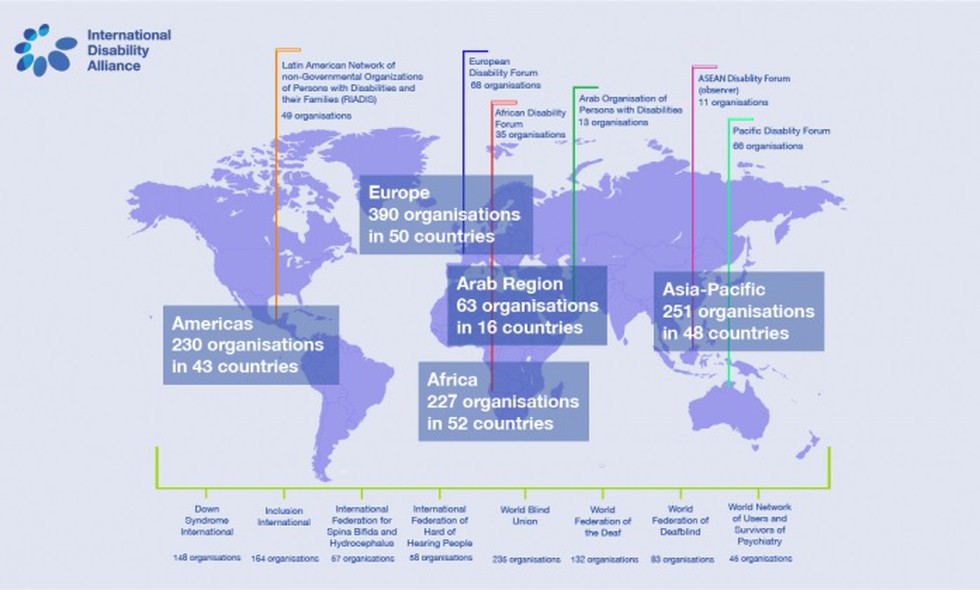
About:
- Objective of the summit: To deliberate on issues across the world concerning empowerment and inclusion of Persons with Disabilities (PwDs) and to work out a mechanism for enabling them to live an independent and dignified life.
- Venue: Buenos Aires in Argentina.
- Organized by: The Government of Argentina Republic, the International Alliance Disability (IDA).
- Background: The ‘1st Global Disability Summit’ was held in London in July 2018.
International Disability Alliance (IDA)?
- The International Disability Alliance (IDA) was established in 1999 as a network of global and, since 2007, regional organisations of persons with disabilities (DPOs) and their families.
- IDA currently comprises eight global and six regional organizations of persons with disabilities (DPOs).
Prelims Pointers
June 6, 2019
Key findings of the study:
- The Swachh Bharat initiative has led to reduced ground water contamination.
- The substantial reductions may potentially be attributed to the improvement in sanitation and hygiene practices.
- Supportive systems such as regular monitoring and behaviour change messaging, which have all been critical aspects of the Swachh Bharat Mission (Grameen), also helped reduce ground water contamination.
Present status:
- Swachh Bharat Mission is in the final stretch of its completion with 30 States and Union Territories already having declared themselves free from open defecation.
- Now it is focusing on extending the momentum to the ODF-plus phase which includes solid and liquid waste management.
- According to Ministry of Drinking Water and Sanitation, Rural sanitation coverage in the country had crossed the 99 % mark.
- Earlier, the WHO 2018 study had estimated that the Swachh Bharat Mission will save over three lakh lives by the time India is Open Defacation Free.
Prelims Pointers
June 6, 2019
About:
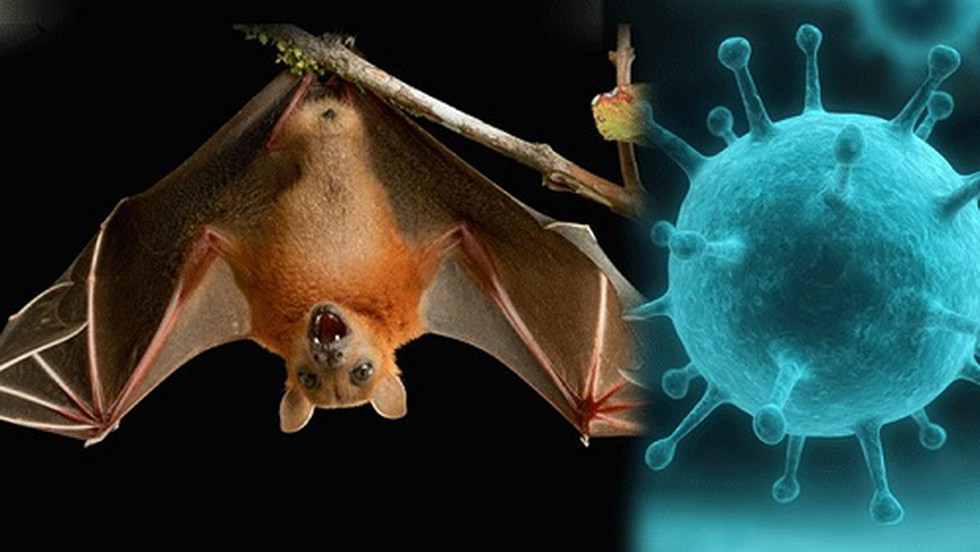
- Source: The natural host of the Nipah virus are fruit bats of the Pteropodidae family and Pteropous genus, widely found in South and South East Asia. However, the actual source of the current infection is not yet known.
- Transmission: The infection is generally transmitted from animals to human beings, mainly from bats and pigs. Human-to-human transmission is also possible, and so is transmission from contaminated food.
- Health impact:
- Nipah virus causes infection in human beings, which can sometimes be fatal.
- Patients either show no symptoms of the infection, thereby making it difficult to detect, or develop acute respiratory problems, or encephalitis that often becomes fatal.
- Nipah virus causes infection in human beings, which can sometimes be fatal.
- Treatment: There is no treatment available as of now, either for humans or animals, nor any vaccine.
- History: First identified in 1999 in Malaysia, Nipah virus infections have been detected quite frequently in Bangladesh. There have been a few incidents of infection in India earlier, apart from last year’s outbreak in Kerala.
Indian scenario:
- Recently, a youth from Ernakulam district in Kerala has tested positive for the Nipah virus infection, a year after a similar outbreak in the state had claimed 17 lives.
- Last year’s outbreak was confined to two districts, Kozhikode and Malappuram. A particular kind of fruit bat, Pteropus spp, was most likely the source of human infection in 2018.
- Nipah virus has been found in other parts of India earlier. The first outbreak was in 2001 in Siliguri.
Prelims Pointers
June 6, 2019
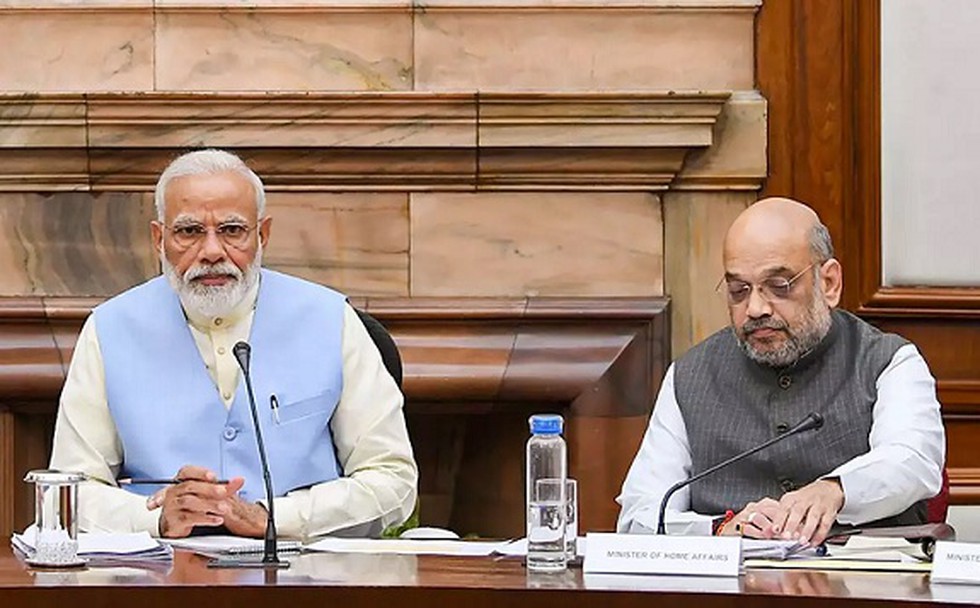
About:
- These include:
- Appointments Committee of the Cabinet,
- Cabinet Committee on Accommodation,
- Cabinet Committee on Economic Affairs,
- Cabinet Committee on Parliamentary Affairs,
- Cabinet Committee on Political Affairs,
- Cabinet Committee on Security,
- Cabinet Committee on Investment and Growth and
- Cabinet Committee on Employment and Skill Development.
- Appointments Committee of the Cabinet,
- Underlying rules: The Cabinet Committees have been reconstituted by the Government of India under the Transaction of Business Rules.
- Chairmanship: Barring the Committees on Parliamentary Affairs and Accommodation, all six committees will be headed by the Prime Minister. The two remaining committees will be chaired by Home Minister Amit Shah.
It was perhaps for the first time that the Cabinet committees on the two issues namely investment & growth and employment & skill development have been set up.
June 5, 2019
Prelims Pointers
June 5, 2019
About:
- Names: Remdesivir is also known as GS-5734.
- What is it? It is an antiviral drug, a novel nucleotide analog prodrug, which was developed by Gilead Sciences as a treatment for Ebola virus.
- Recent study:
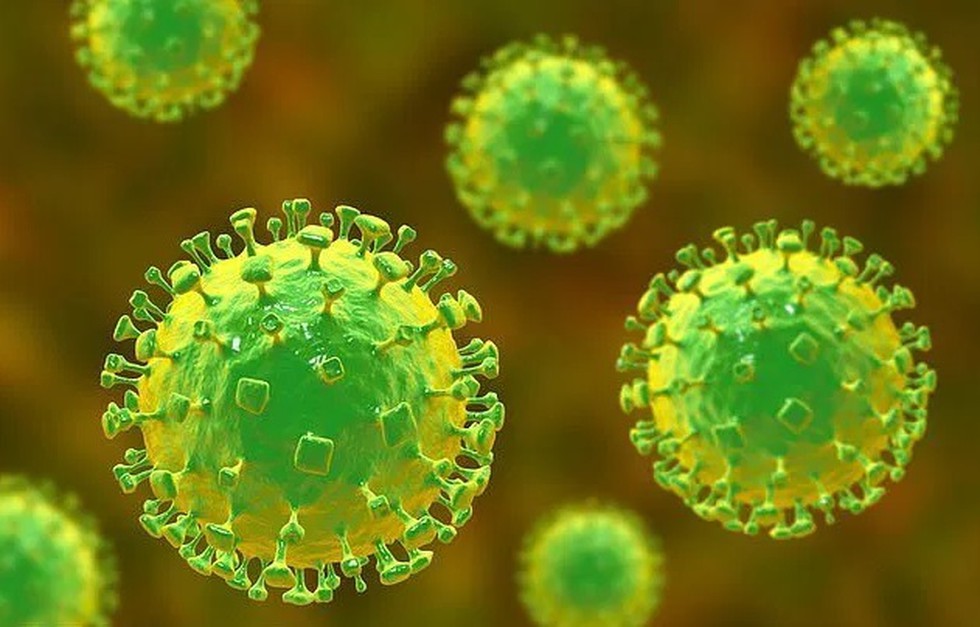
- Now, Remdesivir appears to be effective against Nipah virus, a lethal disease and emerging pandemic threat for which there is no approved vaccine or cure.
- In the new trial, eight African green monkeys were given lethal doses of Nipah virus. Half of them later got intravenous Remdesivir. All four monkeys that got the drug survived; the four that did not died within eight days.
- Now, Remdesivir appears to be effective against Nipah virus, a lethal disease and emerging pandemic threat for which there is no approved vaccine or cure.
- Significance:
- If the drug wins approval for use against Nipah, it will give us an extra treatment that could be used relatively quickly.
- The only current treatment for Nipah virus infection is a monoclonal antibody that is still experimental; it was tested during an outbreak in India last year.
- If the drug wins approval for use against Nipah, it will give us an extra treatment that could be used relatively quickly.
Prelims Pointers
June 5, 2019
WHO findings on food safety:
- Key statistics:
- An estimated 600 million cases of food-borne diseases occur annually around the world. This translates into one in 10 people falling ill after eating contaminated food.
- Children under 5 years of age carry 40% of the food-borne disease burden with 1,25,000 deaths every year.
- An estimated 600 million cases of food-borne diseases occur annually around the world. This translates into one in 10 people falling ill after eating contaminated food.
- Impact: Food-borne diseases is an increasing threat to human health which impede socio-economic development by straining health care systems and harming national economies, tourism and trade.
- Recommendations: Complying with global food standards, establishing effective regulatory food control systems, applying good agriculture practices and building capacities of consumers to make healthy food choices are some ways to ensure food safety.
World Food Safety Day?
- The first-ever World Food Safety Day was adopted by the U.N. General Assembly in December 2018.
- This year it would be celebrated on June 7 with the Food and Agriculture Organization (FAO) facilitating member-States’ effort to celebrate it.
Prelims Pointers
June 5, 2019

About:
- Decreeing a civil suit filed by R. Ilaiyaraaja in 2014 against a group of music labels Madras High Court held that the composer was entitled to the moral rights in line with Section 57 of the Copyright Act, 1957.
- Key Highlights of Section 57 of the Copyright Act, 1957:
- The Section protects the right of a composer to claim a right over his compositions even after assigning them wholly or partially to others.
- It also entitles him to restrain or claim damages in respect of any distortion, mutilation, modification or other act in relation to his work if such distortion, mutilation or modification would be prejudicial to his honour or reputation.
- The Section protects the right of a composer to claim a right over his compositions even after assigning them wholly or partially to others.
Prelims Pointers
June 5, 2019

About:
- What is it? The report provides a comparative position of the payment system ecosystem in India relative to comparable payment systems and usage trends in other major countries.
- Background: The report comes following an announcement in the April monetary policy review, which spoke about the need to benchmark India's payments systems.
- Key Highlights of the report:
- India is a "leader" in regulating costs of payments systems, number of debit cards issued and automated teller machines.
- India is "strong" in areas like having necessary laws and cash in circulation per capita.
- There has been substantial growth in e-payments by Government and also in digital infrastructure in terms of mobile networks.
- However, India needs to make more efforts to decrease the volume of paper clearing and increase acceptance infrastructure to promote digital payments.
- India is a "leader" in regulating costs of payments systems, number of debit cards issued and automated teller machines.
Prelims Pointers
June 5, 2019

#selfiewithsapling:
- Union Environment Minister Prakash Javadekar launched a people’s campaign #SelfiewithSapling urging all to join and plant a sapling and post the selfie with the sapling on social media.
- He stressed that ‘Jan Bhagidari’ is integral towards tackling the environmental issues and environment protection has to be a people’s movement.
World Environment Day (WED):
- Objective of the day: World Environment Day is the United Nations day for encouraging worldwide awareness and action to protect our environment.
- Date of observance: Every year on 5th of June.
- Why June 5? To mark the first day of The United Nations Conference on the Human Environment which was held in Stockholm, Sweden from June 5–16 in 1972.
- First year of observance of WED: 1974.
- The host: Every World Environment Day has a different host country, where the official celebrations take place. This year's host is China.
- Theme of this year: Air pollution.
- Some Air Pollution Facts:
- 92 % of people worldwide do not breathe clean air.
- Air pollution costs the global economy $5 trillion every year in welfare costs.
- Ground-level ozone pollution is expected to reduce staple crop yields by 26 percent by 2030.
Prelims Pointers
June 5, 2019

About:
- Currently, there are 247 JSSs working across the country imparting vocational skill training programmes and entrepreneurship benefits accessible to the underprivileged such as neo-literates, semi-literates, SCs, STs, women and girls, slum dwellers, migrant workers.
- Formerly under the Ministry of Human Resources Development, Jan Shikshan Sansthan has been transferred to the Ministry of Skill Development & Entrepreneurship in 2018.
Key highlights of the New guidelines released for JSSs in January 2019:
- Alignment of JSS course and curriculum to National Skill Qualification Framework (NSQF) to standardize training.
- Decentralization of powers for JSSs- giving more accountability and independence to district administration.
- Linking JSS to PFMS (Public Finance Management system) maintaining transparency and accountability of the ecosystem.
- Training of Trainers to develop the capacity through NSTIs (National Skills Training Institutes).
Prelims Pointers
June 5, 2019

About:
- It is a celebration to mark the end of Ramadan/Ramzan, the holy month of fasting.
- It is celebrated on the first day in the month of Shawwal.
- It literally means ‘Feast of the Breaking Fast’.
- It is also known as ‘Meetha Eid’ because the sweet dish of sewwaiyyan (a form of vermicelli pudding) is savoured and distributed among family and friends.
Prelims Pointers
June 5, 2019
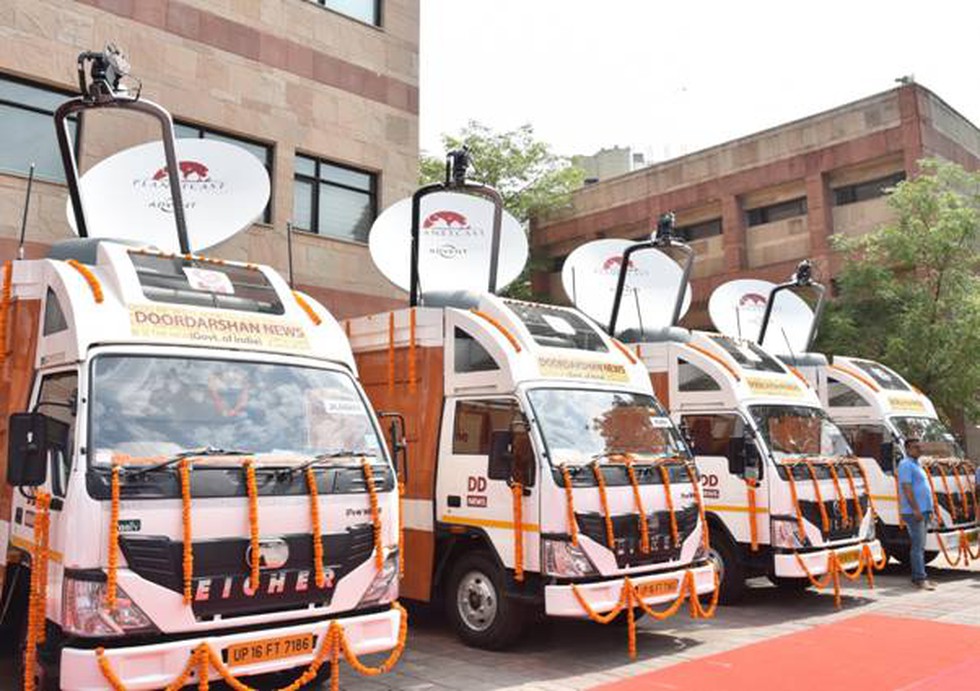
About:
- These DSNG vans for DD News are equipped to telecast live using video stream from multiple cameras.
- All of them are equipped to support telecast of content in High Definition through which viewers across the country will be able to access high quality content.
- The initiative is significant in ensuring live coverage of events throughout the length and breadth of the country.
Prelims Pointers
June 5, 2019
About:
- Constitutional provisions:
- According to Article 243M (1) of the constitution, nothing in the part IX of the constitutions (provisions for creating Panchayat) shall apply to the Scheduled Areas referred to in clause (1), and the tribal areas referred to in clause (2), of the Article 244.
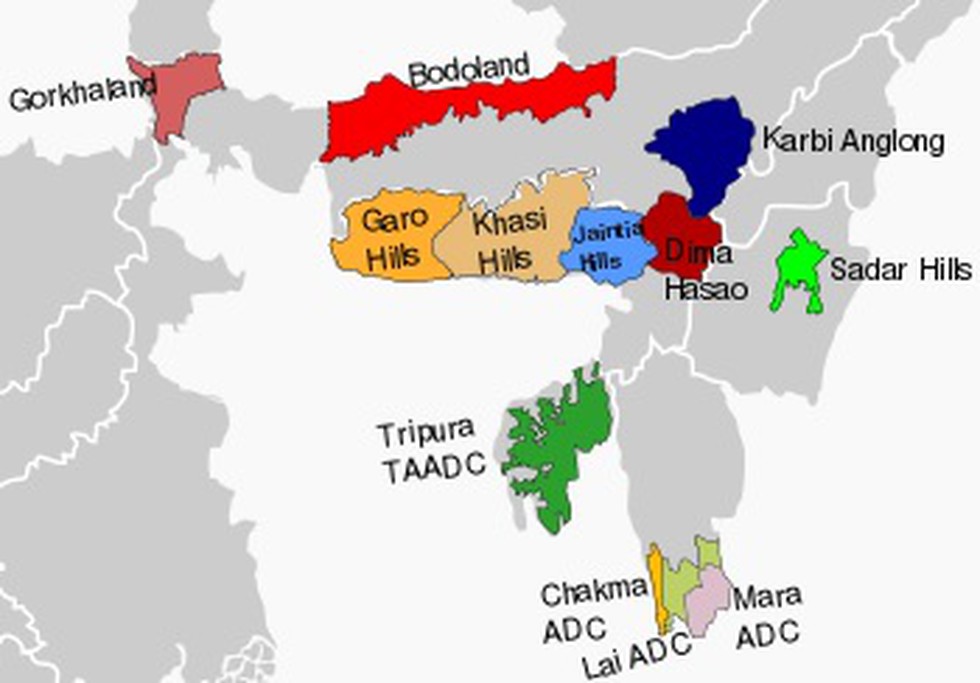
- The Sixth Schedule makes provision that these tribal areas will be autonomous districts and be governed by Autonomous District Councils.
- According to Article 243M (1) of the constitution, nothing in the part IX of the constitutions (provisions for creating Panchayat) shall apply to the Scheduled Areas referred to in clause (1), and the tribal areas referred to in clause (2), of the Article 244.
- Tenure: Term of the District Councils is for five years from the date of their constitution.
- Governance: The autonomous district council is governed by an Executive Committee.
- Functions: The functions of ADCs as defined in schedule 6 of the constitution included –
- making laws on land,
- management of forests, except reserved forests,
- appointment of traditional chiefs and headmen,
- making rules regulating the inheritance of property, marriage, divorce, constitution of village courts,
- to undertake development works like constructions of roads, waterways etc.
- making laws on land,
- Revenue source: The main Revenue Sources of ADCs as specified in the Sixth Schedule were:
- taxes on professions, trades, callings and employment;
- taxes on animal, vehicles and boats;
- taxes on the entry of goods into a market and sale therein, and tolls on passenger and goods carried on ferries; and
- taxes for the maintenance of school, dispensaries or roads.
- taxes on professions, trades, callings and employment;
- There are 3 Autonomous District Councils (ADCs) in Meghalaya namely the Khasi Hills ADC, the Garo Hills ADC and the Jaintia Hills ADC.
Prelims Pointers
June 5, 2019

About:
- Born in 17th century Venice to a nobleman, Piscopia was a prodigy.
- She was a polyglot — being proficient in Latin, Greek, French, Spanish, Hebrew and Arabic. She could play the harp and the violin. Later, her interests expanded to physics and astronomy.
- In 1669, she translated the ‘Colloquy of Christ’ from Spanish to Italian.
- In 1678, she got her Ph.D degree in philosophy, thus becoming the first woman to earn a Ph.D.
June 4, 2019
Prelims Pointers
June 4, 2019
About:
- Origin: The Project was launched in 2009 in the aftermath of Mumbai 26/11 attacks.
- Objective: Improving policing and criminal justice system through e-governance.
- Nodal implementing agency: National Crime Records Bureau (NCRB).
- Project components: A Timeline
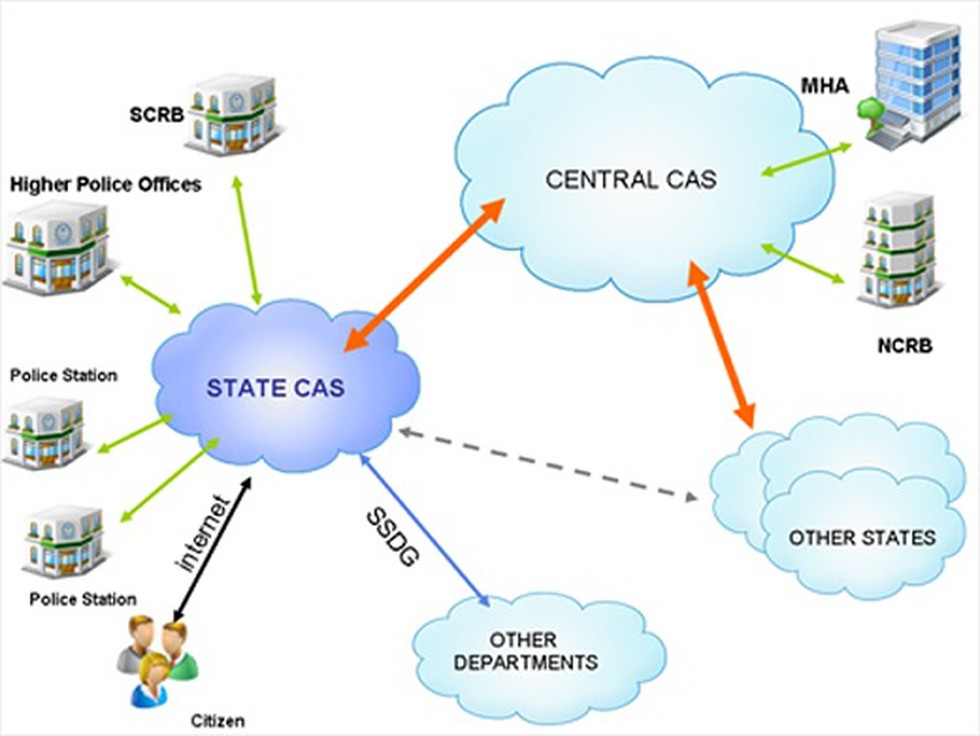
- 2009: CCTNS launched to computerize Police Processes (FIRs, Investigations, Challans) and inter-link all Police Stations to create a central database by deploying a Core Application Software (CAS) in each state.
- 2015: Inter-operable Criminal Justice System (ICJS) announced to integrate the CCTNS database with databases of e-courts, e-prisons, Forensics, Prosecution and Fingerprints of criminals to improve criminal justice system.
- 2017: Digital Police Portal launched under CCTNS to enable citizens to register FIRs online and to offer 7 Public Delivery Services (like Address Verification of employees, tenants; Lost & Found Articles etc.).
- 2009: CCTNS launched to computerize Police Processes (FIRs, Investigations, Challans) and inter-link all Police Stations to create a central database by deploying a Core Application Software (CAS) in each state.
Prelims Pointers
June 4, 2019

About:
- Etymology: The term parthenogenesis is a amalgam of the Greek words parthenos meaning virgin and genesis meaning origin.
- Meaning:
- Parthenogenesis is defined as “a reproductive strategy that involves development of a female (rarely a male) gamete (sex cell) without fertililisation.
- A gamete is the egg in females and the sperm in males. In animals, parthenogenesis means development of an embryo from an unfertilised egg cell.
- Parthenogenesis is defined as “a reproductive strategy that involves development of a female (rarely a male) gamete (sex cell) without fertililisation.
- Prevalence:
- About 2,000 species are known to reproduce through parthenogenesis.
- It occurs commonly among lower plants and invertebrate animals (particularly rotifers, aphids, ants, wasps and bees) and rarely among higher vertebrates”.
- Anna is a higher vertebrate, which is why the birth of her two babies has been met with so much surprise.
- About 2,000 species are known to reproduce through parthenogenesis.
- Clones of mother: Babies born through parthenogenesis are clones of the mother because there has been no exchange and rearrangement of genetic information with another individual as happens in case of a sexual reproductive process.
Prelims Pointers
June 4, 2019
About:
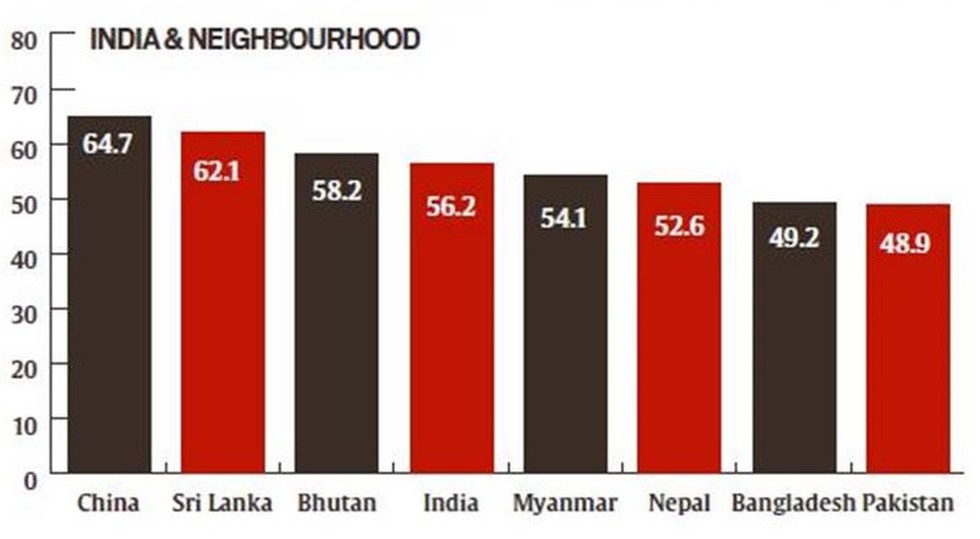
- Bodies involved: The SDG Gender Index has been developed by Equal Measures 2030, a joint effort of regional and global organisations.
- Indicators: It accounts for 14 out of 17 SDGs (sustainable development goals) that cover aspects such as poverty, health, education, political representation and equality at the workplace.
- Methodology: A score of 100 reflects the achievement of gender equality in relation to the targets set for each indicator.
- Global scenario: Key Findings
- Altogether, 2.8 billion girls and women live in countries that get either a “very poor” (59 and below) or “poor” score (60 – 69) on gender equality.
- Just 8% of the world’s population of girls and women live in countries that received a “good” gender equality score (80-89).
- No country achieved an “excellent” overall score of 90 or above.
- Denmark with score of 89.3 topped the rankings followed by Finland and Sweden.
- Altogether, 2.8 billion girls and women live in countries that get either a “very poor” (59 and below) or “poor” score (60 – 69) on gender equality.
- Key findings for India:
- India has been ranked at 95th among 129 countries.
- India’s highest goal scores are on health (79.9), hunger & nutrition (76.2), and energy (71.8). Its lowest goal scores are on partnerships (18.3, in the bottom 10 countries worldwide), industry, infrastructure and innovation (38.1), and climate (43.4).
- India has been ranked at 95th among 129 countries.
India was ranked 108th on the latest Gender Gap Index released by the World Economic Forum.
Prelims Pointers
June 4, 2019
About:
- Eligibility:
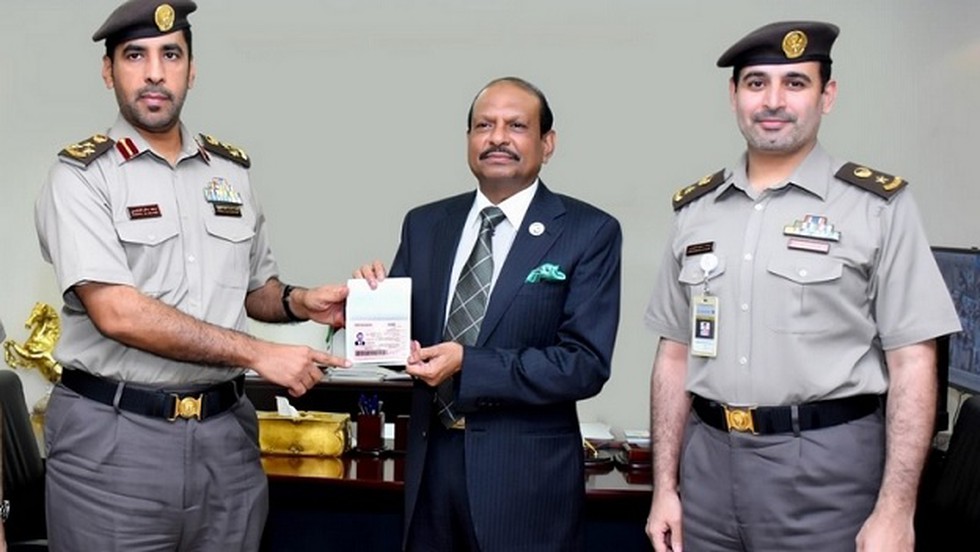
- The "Gold Card" programme unveiled by UAE Prime Minister early this year is open to investors and "exceptional talents" such as doctors, engineers, scientists, students and artists.
- The first batch of 6,800 investors with 100 billion Dirhams worth of investments in the country will be granted the "Golden Card.
- The "Gold Card" programme unveiled by UAE Prime Minister early this year is open to investors and "exceptional talents" such as doctors, engineers, scientists, students and artists.
- Objective: Objective of this Permanent residency scheme to woo wealthy individuals and exceptional talents.
- Need of gold card scheme:
- Currently, short-term visas linked to employment hold back expatriates from investing and owning real estate in the UAE. They prefer to remit savings to their home countries instead.
- The Gold Card scheme will encourage expats to make long-term investment goals, including owning a property.
- Currently, short-term visas linked to employment hold back expatriates from investing and owning real estate in the UAE. They prefer to remit savings to their home countries instead.
- Implications for India:
- This move could attract more Indian professionals and businessmen to the country.
- The Indian expatriate community is reportedly the largest ethnic community in the UAE, constituting roughly about 30 % of the country's population of around nine million.
- This move could attract more Indian professionals and businessmen to the country.
Prelims Pointers
June 4, 2019
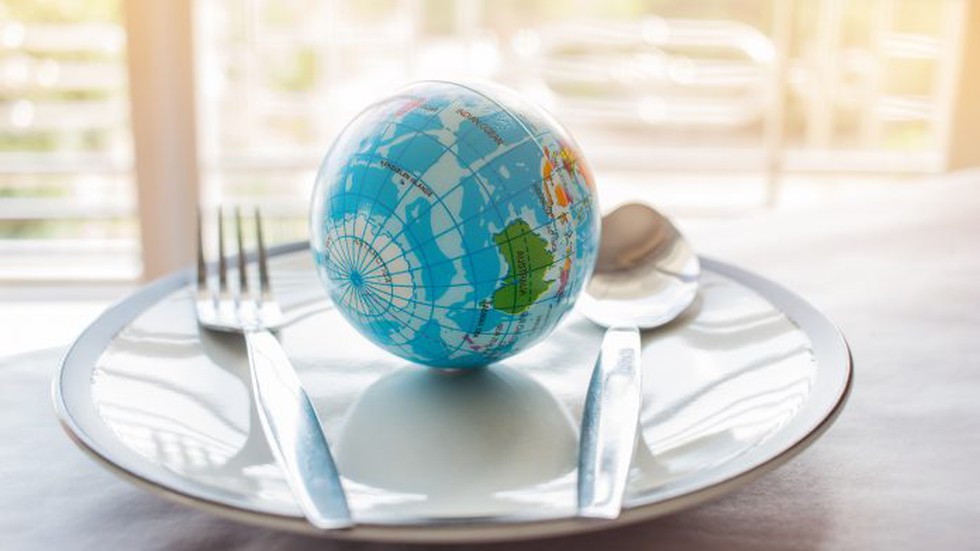
Key Findings of the study:
- The world's top 10 crops -- barley, cassava, maize, oil palm, rapeseed, rice, sorghum, soybean, sugarcane and wheat -- supply a combined 83 % of all calories produced on cropland.
- Climate change causes a significant yield variation in the world's top 10 crops, ranging from a decrease of 13.4 % for oil palm to an increase of 3.5 % for soybean, and resulting in an average reduction of about 1 % of consumable food calories from these top 10 crops.
- The impacts of climate change on global food production are mostly -
- negative in Europe, Southern Africa, and Australia,
- positive in Latin America, and
- mixed in Asia and Northern and Central America.
- negative in Europe, Southern Africa, and Australia,
Comment:
- The report has implications for major food companies, commodity traders and the countries in which they operate, as well as for citizens worldwide.
Prelims Pointers
June 4, 2019

About:
- Background: In January, the RBI had set up the five-member panel on deepening digital payments with a view to encouraging digitization of payments and enhance financial inclusion through digitization. The committee submitted its report last month.
- Key recommendations to encourage digital payments:
- Formulate an internationalization plan for Indian payment systems such as RuPay and BHIM UPI to ease remittances into India and to help Indian travellers make payments abroad.
- Current import duty of 18 % on POS machines be reduced to Nil for a period of three years to facilitate adequate expansion of acquiring infrastructure in the country.
- Put in place a mechanism to monitor the digital payment systems and make aggregated information based on blocks, and PIN code, available to all players on a monthly basis.
- The regulator must intervene at regular intervals to fine tune interchange fee to ensure there is level playing field in the market both for issuer and acquirer.
- Enhance features of ATMs merely from cash dispenser to support other banking facilities including cash Deposit, bills payment, mobile recharge etc. to act as a complete Digital facilitation point.
- Don’t charge convenience fee on payments made to government agencies by customers.
- Ensure Round the clock RTGS and NEFT facility.
- Formulate an internationalization plan for Indian payment systems such as RuPay and BHIM UPI to ease remittances into India and to help Indian travellers make payments abroad.
Prelims Pointers
June 4, 2019
Recent judgment:
- A division bench of Justices B P Dharmadhikari and Revati Mohite Dere dismissed petitions today filed by three convicts in the Shakti Mill gangrape case challenging Constitutional validity of the legal provisions under which they were sentenced to death in 2014.
- The Judges observed that section 376 (e) of the IPC is not ultra vires to the Constitution and hence need not be quashed in the Shakti Mills case.
Background:
- Under an amendment to section 376 (e) of the IPC, repeat offenders in rape cases faced life imprisonment or a death penalty.
- The amendment was made after the Nirbhaya incident in Delhi in 2012.
Prelims Pointers
June 4, 2019
Fugitive Economic Offenders Act (FEOA): Salient features
- Timeline:
- The FEOA became a law on July 31, 2018.
- In January 2019, Absconding liquor baron Vijay Mallya became the first person to be declared a fugitive economic offender by the special court hearing cases under the FEOA. Now, government can now confiscate all his properties.
- The FEOA became a law on July 31, 2018.
- Objectives:
- To deter economic offenders from avoiding the process of Indian law by remaining outside the jurisdiction of Indian courts.
- To ensure that fugitive economic offenders return to India to face the action in accordance with law.
- To deter economic offenders from avoiding the process of Indian law by remaining outside the jurisdiction of Indian courts.
- Defining Fugitive economic offender (FEO): FEO is defined as an individual
- who has committed offences involving an amount of 100 crore rupees or more and
- has ran away from India to avoid criminal prosecution.
- who has committed offences involving an amount of 100 crore rupees or more and
- Special Court: A special court will be established under the Prevention of Money-laundering Act, 2002 to declare a person as a Fugitive Economic Offender.
- Attachment of property: Special courts can direct the Central government to seize assets of fugitive economic offender including those that are proceeds of the crime.
- Appeal: Appeals against the orders of the special court will lie before the High Court.
Mehul Choksi:
- Mehul Choksi and his nephew Nirav Modi are wanted by the ED and the CBI for allegedly defrauding the Punjab National Bank to the tune of 13,400 crore rupees, in collusion with a few of its employees.
- Choksi has already taken citizenship of Antigua which shows that he has no intention of returning to India to cooperate with the probe.
Prelims Pointers
June 4, 2019
About:
- As per third advance estimates, food grains production at 283 million tonnes is higher by over 17 million tonnes than the previous five years average production of foodgrain.
- The rice production is estimated at an all-time-high of over 115 million tonnes during 2018-19, beating the previous record of over 112 million tonnes achieved in 2017-18 crop year.
- Production of wheat is also estimated at record over 101 million tonnes, which is higher by 1.33 million tonnes as compared to previous year.
- The total pulses production is estimated at over 23 million tonnes.
Prelims Pointers
June 4, 2019

About:
- The Pride Parade is a symbol of celebration and liberation for the entire LGBTQ+ community.
- The movement dates back to 1969 in New York when lesbian, gay, bisexual, transgender and queer persons clashed following a police raid on the Stonewall Inn, a gay bar at Christopher Street.
- This riot fuelled further protests and led to LGBT pride marches being organised on a much larger public scale.
- June is considered as 'LGBT Pride Month' to commemorate the Stonewall riots of 1969. Many pride events are held during this month to recognise the impact LGBT people have had world over.
June 3, 2019
Prelims Pointers
June 3, 2019
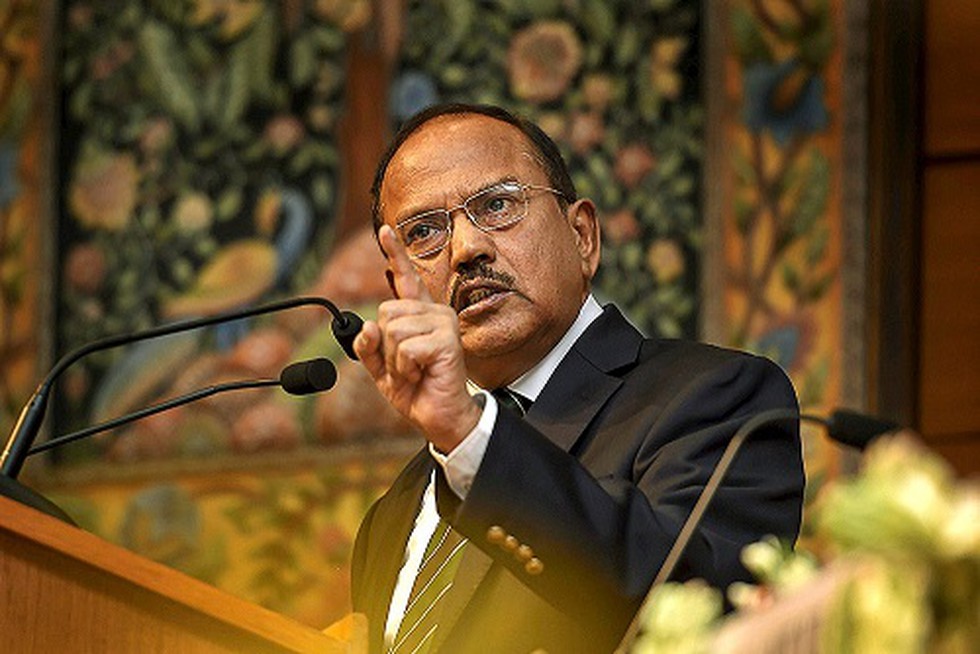
About:
- A 1968-batch IPS officer, he worked as an intelligence officer for over 33 years during which he served in the North East, Jammu and Kashmir and Punjab.
- Doval had also done diplomatic assignments in Pakistan and the UK and later headed the IB’s operations wing for over a decade.
Do you know?
- National Security Advisor (NSA) presides over the National Security Council (NSC), and is also the primary advisor to the prime minister. Brajesh Mishra was the first National Security Advisor.
- National Security Council (NSC): It is an executive government agency established in 1998 to oversee political, economic, energy and security issues of strategic concern. The NSC is a three-tiered organization comprising the –
- Strategic Policy Group (SPG),
- National Security Advisory Board (NSAB) and
- Joint Intelligence Committee (JIC).
Prelims Pointers
June 3, 2019

About:
- Background: The copyright regime is governed by the Copyright Act, 1957 and the Copyright Rules,2013. The Copyright Rules,2013 were last amended in 2016 through the Copyright Amendment Rules, 2016.
- Objective of draft rules: To ensure smooth compliance of Copyright Act in the light of technological advancement in digital era and to bring them in parity with other relevant legislations.
Key highlights of the rules:
- Rules 29 to 31 will be amended to include “each mode of broadcast” for the words “radio broadcast or television broadcast”. Rules 29 to 31 deals with Statutory license for broadcasting of literary and musical works and sound recordings.
- Deletion of Rule 57 (3) and (4) which dealt with interim tariff fixed by the Board being paid by a person appealing against the tariff scheme of a society that has fallen due before filing of the appeal.
- Royalties of authors / owners who cannot be identified to be kept for three years.
- It includes the requirement of having an Annual Transparency report which the copyright society must draw up.
Prelims Pointers
June 3, 2019
About:
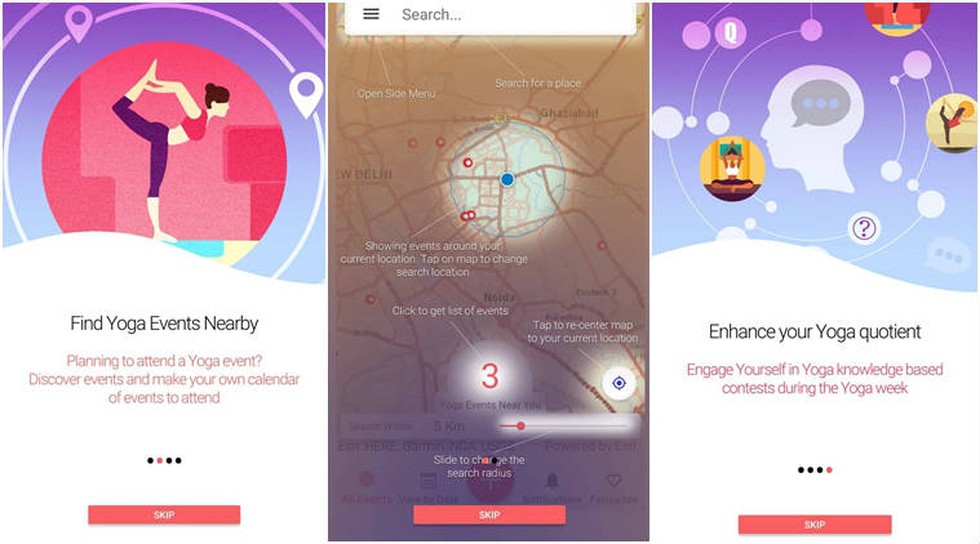
- What is it? Yoga locator is a map-based location mobile application.
- Objective: Its aim is to encourage and help more and more people to adopt yoga.
- Key Features: It will be a permanent app which will enable
- people to locate yoga events, centres providing training and instructors within the preferred radius of their vicinity.
- yoga instructors to register themselves and reach out to a large number of people. It is estimated that there are more than two lakh yoga instructors in the country.
- people to locate yoga events, centres providing training and instructors within the preferred radius of their vicinity.
International Yoga Day?
- The United Nations declared June 21 as the International Day of Yoga in 2014 after PM Modi called for the day to be adopted as a global celebration of yoga.
- The first International Yoga Day celebration was organised at Rajpath in New Delhi on June 21, 2015.
- This year, the AYUSH Ministry has shortlisted five cities -- Delhi, Shimla, Mysore, Ahmedabad and Ranchi -- for holding the main function this year.
Prelims Pointers
June 3, 2019

Defection:
- Defection means when the legislator leaves the political party from which he/she was elected and joins the other party.
Anti-defection Law:
- To curb the evil of defection, the Anti-Defection Law was passed in 1985 through the 52nd Amendment to the Constitution. It added the Tenth Schedule to the Indian Constitution i.e. A–102(2) and A–191(2).
- It deals with all 3 types of members
- Members elected from party’s ticket
- Independent MLA’s and
- Nominated members
- Members elected from party’s ticket
Key provisions of 10th schedule:
(1) Grounds of defection for members:
- For members elected 4m a party ticket: If a member of a house belonging to a political party:
- Voluntarily gives up the membership of his political party, or
- Votes, or does not vote in the legislature, contrary to the directions of his political party
- However, if the member has taken prior permission, or is condoned by the party within 15 days from such voting or abstention, the member shall not be disqualified.
- Voluntarily gives up the membership of his political party, or
- For independent members: If an independent candidate joins a political party after the election.
- For Nominated members: If a nominated member joins a party six months after he becomes a member of the legislature.
(2) Exceptions:
- Wrt Merger: A person shall not be disqualified if his original political party merges with another, and he/she and other members of the old political party
- become members of the new political party, or
- do not accept the merger and opt to function as a separate group.
- This exception shall operate only if not less than two-thirds of the members of party in the House have agreed to the merger.
- become members of the new political party, or
- Wrt cross voting/abstention: In the following cases in cross vioting/abstention, the member shall not be disqualified
- If the member has taken prior permission by the party
- Of the member is condoned by the party within 15 days from such voting or abstention.
- If the member has taken prior permission by the party
(3) Power to disqualify:
- The Chairman or the Speaker of the House takes the decision to disqualify a member.
- If a complaint is received with respect to the defection of the Chairman or Speaker, a member of the House elected by that House shall take the decision.
Prelims Pointers
June 3, 2019
About:
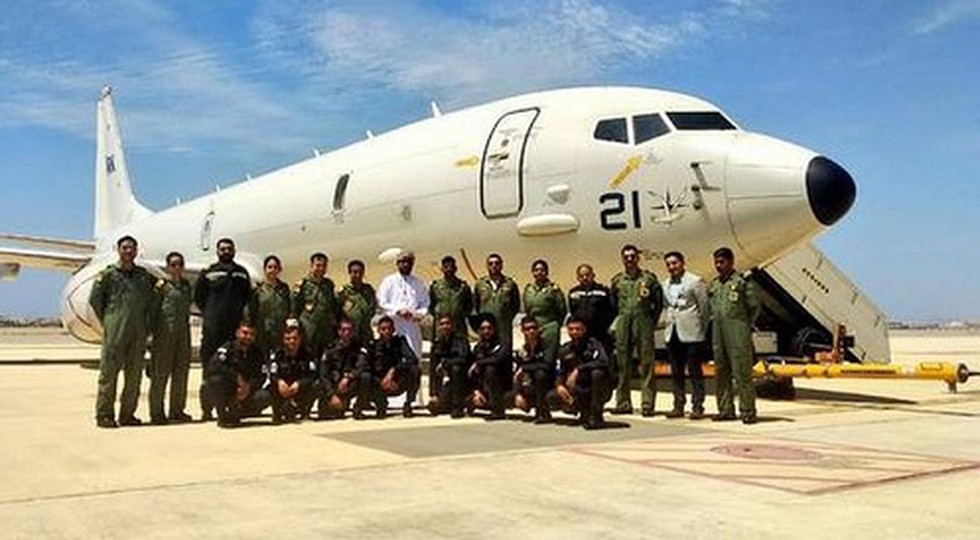
- The geo-strategic importance of the Indian Ocean Region (IOR) has seen a gradual increase in the recent past. Indian Navy regularly deploys ships for Presence and Surveillance Missions (PSM), off critical choke points / sea lanes in the IOR.
- Since August 2017, Indian Navy deployments in the IOR have been further structured under the Mission Based Deployment (MBD) concept.
- Under MBD concept, In addition to the anti-piracy deployment, IN ships were also Mission Deployed for
- Operation ‘GULFDEP’ in the Persian Gulf,
- Operation ‘CENTDEP’ in the central Indian Ocean Region,
- Operation ‘NORDEP’ in the northern Bay of Bengal and
- Operation ‘MALDEP’ in the Andaman Sea and approaches to the Malacca Strait.
- Operation ‘GULFDEP’ in the Persian Gulf,
- Under the ‘Neighbourhood First’ policy, the Indian Navy undertakes Joint Exclusive Economic Zone (EEZ) surveillance with Maldives, Seychelles and Mauritius and Coordinated Patrols (CORPAT) with Bangladesh, Myanmar, Thailand and Indonesia.
Prelims Pointers
June 3, 2019
About:
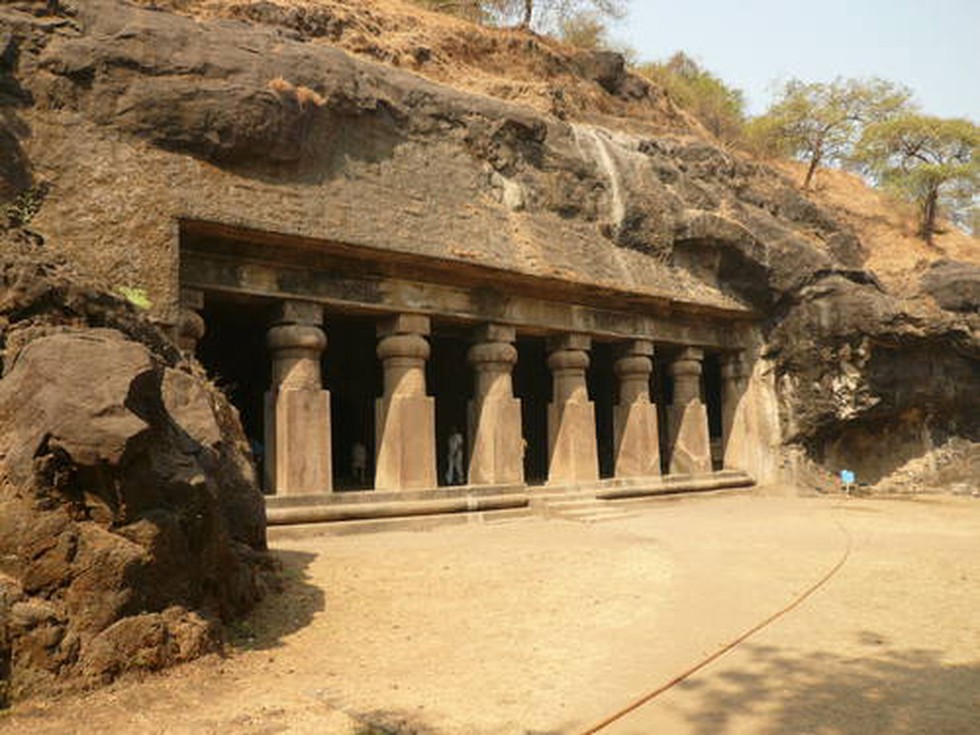
- Location: Elephanta Caves are located in Mumbai Harbour, on the Elephant island, also known as Gharapuri Island.
- History: The rock-cut Elephanta Caves were constructed about the mid-5th to 6th centuries AD.
- Features of cave:
- The island consists of two groups of caves: (1) Hindu cave temples which contain rock cut stone sculptures dedicated mainly to Lord Shiva and (2) Buddhist caves.
- Caves were cut into granite rocks.
- The layout of the caves, including the pillar components, the placement and division of the caves into different parts, and the provision of a sanctum or Garbhagriha of sarvatobhadra plan, are important developments in rock-cut architecture.
- The island consists of two groups of caves: (1) Hindu cave temples which contain rock cut stone sculptures dedicated mainly to Lord Shiva and (2) Buddhist caves.
- Etymology: They are called elephanta caves because the Portuguese called the island Elephanta on seeing its huge gigantic statue of an Elephant at the entrance.
- Recognition: It’s a UNESCO World Heritage Site.
Prelims Pointers
June 3, 2019
About:
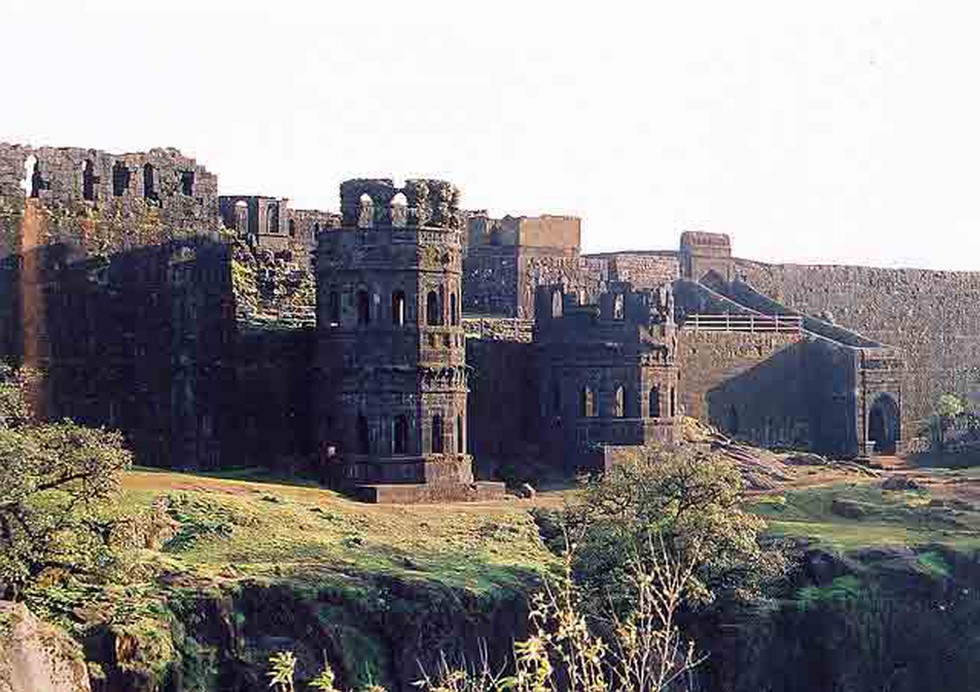
- Location: Raigad fort is a hill fort situated in the Mahad, Raigad district of Maharashtra. The fort is located in the Sahyadri mountain range.
- Historical significance:
- Chatrapati Shivaji Maharaj seized the fort in 1656, then known as the fort of Rairi from Raje Chandraraoji More, The King of Jawali.
- Shivaji renovated and expanded the fort of Rairi and renamed it as Raigad (King's Fort).
- Shivaji Maharaj was coronated on 6 June, 1674 at the Raigad fort, which later served as the capital of the Maratha empire.
- The fort was looted and destroyed by the British after it was captured in 1818.
- Chatrapati Shivaji Maharaj seized the fort in 1656, then known as the fort of Rairi from Raje Chandraraoji More, The King of Jawali.
Prelims Pointers
June 3, 2019

Etymology:
- Pro tempore, abbreviated Protem, is a Latin phrase which means “for the time being” in English.
Constitutional Provisions:
- Article 94(2) of the constitution of India states that the office of the Speaker becomes vacant immediately before the first meeting of the new Lok Sabha.
- Article 95(1) states that while the office of Speaker and deputy speaker is vacant, the duties of the office shall be performed by such member of the House of the People as the President may appoint for the purpose.
Similar provisions exist for the State Legislative Assembly under Article 183 (2) and Article 184 (1) of the Constitution.
About Speaker Protem:
- A “Speaker Protem” is appointed to perform the duties of the Speaker from the commencement of first sitting of newly constituted Lok Sabha till the election of a new Speaker.
- Who is appointed? By tradition the most senior most Member of Lok Sabha (i.e. having the most experience) is appointed.
- Who appoints him/her?
- The President himself/herself administers the oath to him/her.
- In the case of state legislative assembly, Governor of the State performs this task.
- The President himself/herself administers the oath to him/her.
- Powers and Functions: He/she has all the powers of the speaker, but the main duties are:
- Administering the oath of newly elected members and
- Presiding over the election of new Lok Sabha speaker.
- Administering the oath of newly elected members and
- Duration of his/her term:
- When the new speaker is elected by the house, the office of the speaker pro tem ceases to exist.
- Hence, this office is temporary office, existing for a few days.
- When the new speaker is elected by the house, the office of the speaker pro tem ceases to exist.
Prelims Pointers
June 3, 2019
About:
- What is it? The Generalized System of Preferences (GSP) is a U.S. trade program designed.
- Features: These are unilateral, non-reciprocal and non-discriminatory benefits extended by U.S. to promote economic growth in the developing world by providing preferential duty-free entry for up to 4,800 products from 129 designated beneficiary countries and territories.
- Timeline: GSP was instituted on January 1, 1976, by the Trade Act of 1974. The GSP program has effective dates which are specified in relevant legislation, thereby requiring periodical reauthorization in order to remain in effect.
Recent decision:
- The US terminated preferential tariffs to Indian exports after determining that it has not committed to provide “equitable and reasonable access to its markets” for the US.
- Some of the key reasons cited by trump administration are trade imbalance with India, no access to Indian market for us dairy, medical device industry and issues related to data localisation norms.
Benefit Restoration:
- As per US norms, a beneficiary country must meet 15 discretionary and mandatory eligibility criteria established by Congress to qualify for GSP.
- These include providing the US with equitable and reasonable market access, combating child labour, respecting internationally recognised worker rights and providing adequate and effective intellectual property rights protection.
- However, reinstatement of GSP benefits is conditional.
Prelims Pointers
June 3, 2019

About:
- What is it? It is an Indian media centre of learning. It teaches a variety of disciplines including print journalism, photo journalism, radio journalism, television journalism, communication research etc.
- Type of body: The IIMC is an autonomous society under the Ministry of Information and Broadcasting. It is funded and promoted by the Government of India.
- Established in: 1965.
- Location: It is headquartered in New Delhi with regional centres at Aizawl (Mizoram), Amravati (Maharashtra), Dhenkanal (Odisha), Jammu (J&K) and Kottayam (Kerala).