March 30, 2026
Prelims Pointers
March 30, 2026

About Solar Radio Burst:
- It is defined as an intense solar radio emission associated with solar flares.
- Origin: These are observed in radio wavelengths most frequently during solar transients, such as coronal mass ejections (CMEs) and flares.
- SRBs are direct signatures of accelerated electrons in the solar atmosphere.
- These are observed across a wide range of wavelengths, from millimetres to kilometres, corresponding to frequencies from the GHz to the kHz range.
- Observations at short wavelengths correspond to distances close to the solar surface, while those at long wavelengths correspond to the large distances from the Sun.
- Types: Considering the morphological characteristics, five main categories of solar radio bursts can be distinguished: Type I, Type II, Type III, Type IV, and Type V.
- Impacts:
- These solar transients have a direct impact on the near-Earth atmosphere.
- It can interfere with Global Navigation Satellite System (GNSS) signals by reducing signal-to-noise ratio and causing loss of lock.
Prelims Pointers
March 30, 2026

About Shyamji Krishna Varma:
- Shyamji Krishna Varma was born on 4th October, 1857 in Mandvi town of Kachchh district of Gujarat.
- He was an Indian freedom fighter, lawyer and journalist.
- He became the first President of Bombay Arya Samaj and was an admirer of Dayanand Saraswati.
- Contributions
- Indian Home Rule Society (IHRS):
- It was founded by Shyamji Krishna Varma, with support from Bhikaji Cama, Dadabhai Naoroji and S.R. Rana.
- It was an Indian organisation founded in London in 1905 that sought to promote the cause of self-rule in British India.
- India House:
- It was founded by him in London.
- It was a student residence that existed between 1905 and 1910 which was opened to promote nationalist views among Indian students in Britain.
- Indian Sociologist: It was started by him in London. The monthly Indian Sociologist became an outlet for nationalist ideas
- Indian Home Rule Society (IHRS):
Prelims Pointers
March 30, 2026
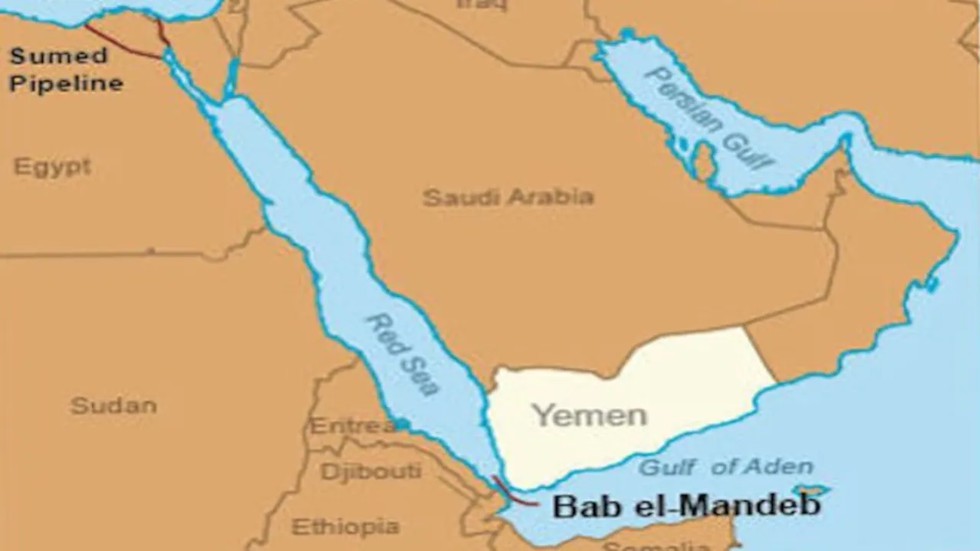
About Bab el-Mandeb Strait:
- It is also known as the “Gate of Tears” in Arabic, referring to the large number of shipwrecks that have occurred in this region.
- Location: It lies at the southern tip of the Red Sea, between Yemen and the Horn of Africa. It connects the Red Sea to the Gulf of Aden and further to the Indian Ocean.
- It also separates Arabia, in the northeast, from the African continent, in the southwest.
- It further acts as a link between the Indian Ocean and the Mediterranean Sea via the Red Sea and the Suez Canal.
- The strait is divided into two channels by the Yemeni island of Perim, with the eastern channel being called Alexander’s Strait, while the western-lying Dact-el-Mayun Channel.
- Significance: It is a crucial link in the trade route connecting the Mediterranean to Asia.
- Ships transporting goods between Europe and Asia, as well as Middle Eastern oil bound for Europe and North America, pass through it when using Egypt’s Suez Canal.
Prelims Pointers
March 30, 2026
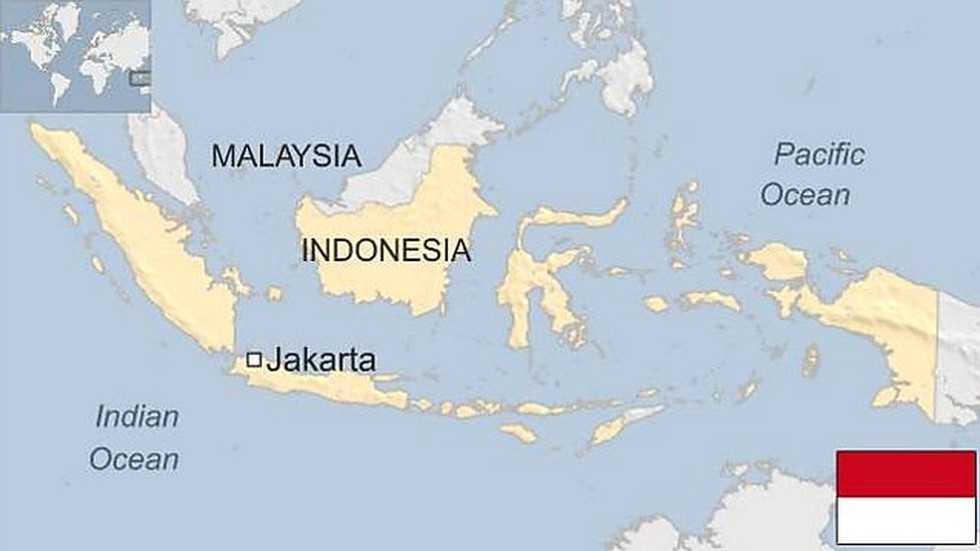
About Indonesia:
- Location: It is an archipelagic nation located off the Southeast Asian mainland in the Pacific and Indian Oceans.
- Bordering countries: It is bordered by Malaysia, Papua New Guinea, and Timor-Leste.
- Maritime Border: It is surrounded by the Indian Ocean in the south; by the Pacific Ocean (South China Sea) in the north.
- Capital City: Jakarta
- Geographical Features of Indonesia:
- Terrain: The major Indonesian islands are characterized by densely forested volcanic mountains in the interior that slope downward to coastal plains covered by thick alluvial swamps
- Climate: The climate of Indonesia is almost everywhere equatorial, ie hot, humid and rainy throughout the year
- Rivers: Main Rivers are Kapuas, Barito, Musi, and Digul.
- Highest Peak: Puncak Jaya 16,502 ft (5,030 m)
- Natural Resources: It is dominated by natural gas and crude petroleum. Other major mineral exports include coal, nickel, bauxite, gold, tin, and copper.
Prelims Pointers
March 30, 2026
About E-commerce Moratorium:
- It is a global agreement among World Trade Organization members.
- It bans customs duties being applied to electronic transmissions such as digital downloads and streaming.
- It was first adopted in 1998 at the WTO’s Second Ministerial Conference in Geneva as part of a declaration to encourage early digital trade growth.
- It covers cross-border transmissions such as software downloads, e-books, music and movie streaming and video games.
- It was originally intended to be temporary, the tariff moratorium has been renewed roughly every two years at each WTO ministerial conference.
- It was most recently extended for two years at the 13th conference in 2024.
- It is set to expire this month at the 14th WTO ministerial conference in Yaounde, Cameroon
- India argues that:
- It may lead to significant revenue loss.
- It restricts policy space in the digital economy.
- Developing countries lack the technological capacity to benefit equally.
Prelims Pointers
March 30, 2026
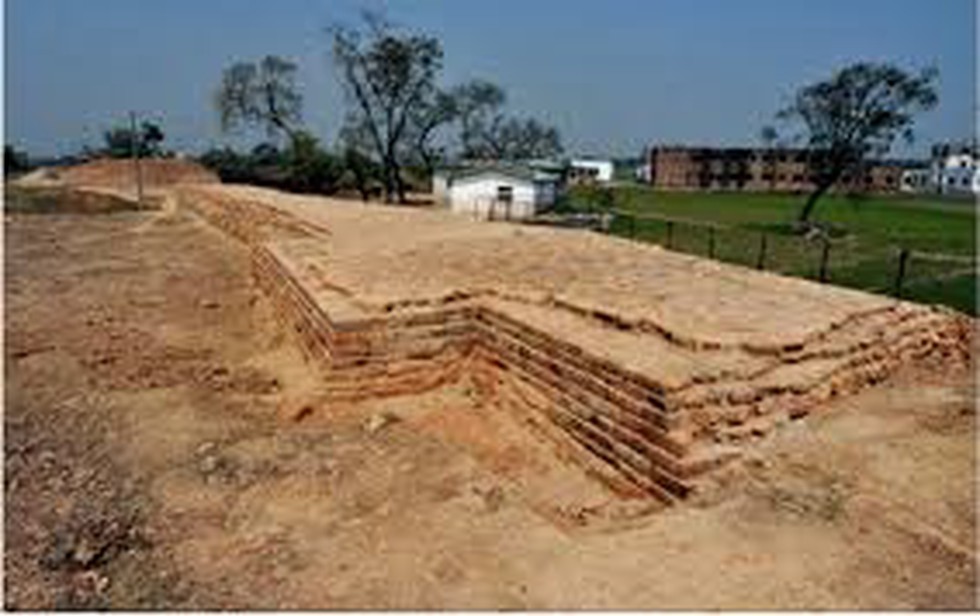
About Balirajgarh site:
- Location: It is located in the Madhubani district of Bihar.
- It holds great mythological and historical significance, with local folklore identifying it as the capital of the legendary King Bali.
- It is believed that this site served as a major administrative hub of the ancient Videha Kingdom.
- In 1938 Archeological Survey of India declared the site of national importance under the Ancient Monuments Preservation Act of 1904.
- Previous Excavation: it has been excavated in five phases from 1962 to 2014.
- During excavation antiquities of five phases of cultural periods, namely Northern Black soil, Sunga, Kushan,Gupta and later Pala period were discovered.
What is Archaeological Survey of India?
- It is a premier organisation for archaeological research and protection of the tangible heritage of the nation.
- It was established in 1861 by Sir Alexander Cunningham, with its headquarters in New Delhi.
- After independence, it was established as a statutory body under the Ancient Monuments and Archaeological Sites and Remains Act, 1958 (AMASR Act).
- Functions:
- It maintains ancient monuments, archaeological sites, and remains of national importance.
- It regulates all archaeological activities in the country as per the provisions of the AMASR Act.
- It also regulates the Antiquities and Art Treasure Act, 1972.
- Nodal Ministry: Ministry of Culture, Government of India
Prelims Pointers
March 30, 2026
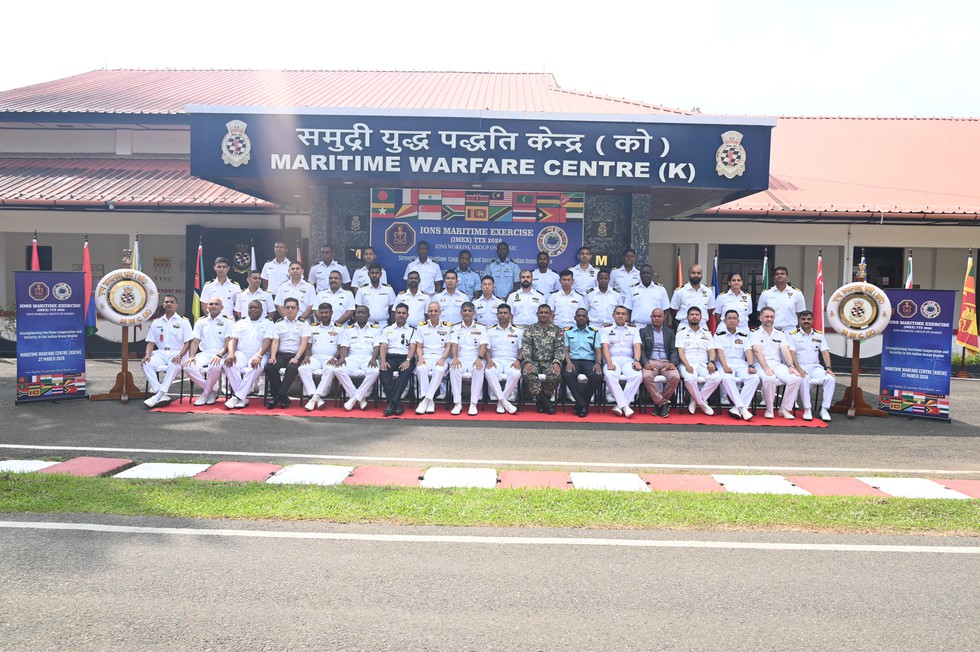
About IONS Maritime Exercise (IMEX):
- It focused on non-traditional maritime security threats and complex operational scenarios.
- It aimed to improve coordination among participating navies through better information sharing, streamlined decision-making processes and validation of maritime security frameworks.
- Participating Countries: Bangladesh, France, Indonesia, Kenya, Maldives, Mauritius, Myanmar, Seychelles, Singapore, Sri Lanka, Tanzania, and Timor-Leste
- Significance: It reaffirmed the role of IONS as a key platform for regional maritime cooperation and is expected to contribute to strengthening security mechanisms and ensuring stability across the Indian Ocean Region.
What is Indian Ocean Naval Symposium?
- It is a voluntary initiative that seeks to increase maritime cooperation among navies of the littoral states of the Indian Ocean Region.
- It promotes maritime cooperation, mutual understanding, and collaboration on issues such as maritime security and humanitarian assistance and disaster relief (HADR).
- It was conceived by the Indian Navy in 2008.
- The inaugural edition of IONS was held in Feb 2008 at New Delhi, with the Indian Navy as the Chair for two years (2008–2010).
- IONS is structured around a rotating chairmanship, biennial conclaves of chiefs, and working groups.
Prelims Pointers
March 30, 2026

About National Company Law Appellate Tribunal:
- It is a quasi-judicial body constituted under the Companies Act, 2013.
- It was established to hear appeals against the decisions of the National Company Law Tribunal (NCLT).
- Objectives: To promote timely corporate dispute resolution, ensure transparency, and improve efficiency in insolvency and corporate governance matters.
- Functions of NCLAT:
- It hears appeals against orders of the Insolvency and Bankruptcy Board of India (IBBI).
- It hears appeals against orders of the Competition Commission of India (CCI).
- It hears appeals related to the National Financial Reporting Authority (NFRA).
- It giving advisory opinions when legal issues are referred by the President of India
- Headquarters: New Delhi.
- Composition: It includes a Chairperson, along with Judicial and Technical Members, all appointed by the Central Government based on expertise in law, finance, accountancy, and administration.
- Powers and Procedure:
- NCLAT can regulate its own procedure and possesses powers equivalent to a civil court under the Civil Procedure Code, 1908.
- It can summon witnesses, receive affidavits, enforce production of documents, and issue commissions.
- Orders passed by NCLAT are enforceable like civil court decrees.
- Appeals against NCLAT orders can be filed in the Supreme Court of India.
- Civil courts have no jurisdiction over matters within the purview of NCLAT.
- No court or authority can grant injunctions against any action taken by NCLAT under its legal authority.
- Timely disposal: NCLAT is required to dispose of appeals within six months from the date of receipt to ensure swift resolution.
Prelims Pointers
March 30, 2026

About Extracellular RNA:
- The exRNA is RNA that exists outside cells.
- It is found in body fluids such as blood, saliva, urine, and cerebrospinal fluid.
- To survive outside the cell, exRNA travels in its own molecular containers that prevent enzymes from breaking it down before it reaches its destination.
- These are heterogenous populations including small (e.g., miRNA) and long non-coding RNAs and coding RNAs (e.g., mRNA).
- Functions:
- It has been found to be part of a sophisticated long-distance communication system, allowing cells to deliver instructions to other cells, influencing behavior and gene activation.
- It helps coordinate responses in the immune system, tissue repair, and development.
- Medical significance:
- It enables diagnosis of diseases like cancer and heart disease through RNA pattern testing in body fluids
- It has potential for early detection and monitoring
Prelims Pointers
March 30, 2026
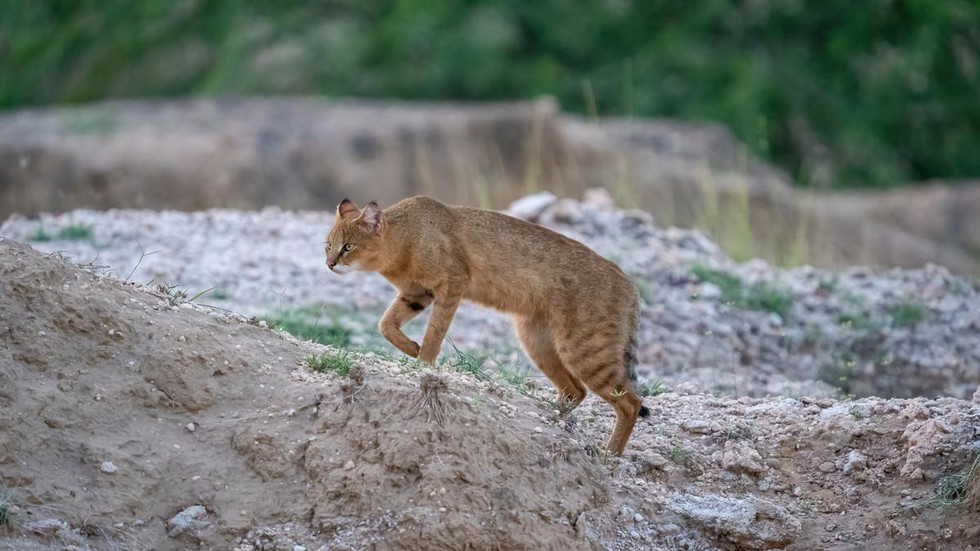
About Jungle cat:
- The Jungle cat (Felis chaus) is a medium-sized cat.
- Its name comes from the Caucasus Mountains, the place this cat was first discovered.
- Other names: Swamp Cat, Reed Cat
- Appearance
- It is long-legged and is the largest of the extant Felis species. Females tend to be smaller and lighter than males.
- It has a white muzzle, yellow irises, large ears ending in black tufts, and the sometimes faint striping on its long legs.
- Habitat: These are found across diverse habitats, from grasslands and wetlands to deserts.
- Distribution: They’re present across Asia, with large populations in India and Nepal.
- It is also found in Egypt, and throughout southwest Asia, southeast Asia, and Central Asia, extending its range as far as the south of China.
- It avoids dense forests and heavily-modified landscapes, preferring agro-pastoral and open habitats.
- It is not nocturnal and does much of its hunting in the early mornings and late afternoons.
- Diet: It is carnivorous creatures and mostly prey on rodents, lizards, frogs, snakes and livestock.
- Conservation Status
- IUCN Red List: Least concern’.
- Wildlife (Protection) Act 1972: Schedule II
March 29, 2026
Prelims Pointers
March 29, 2026
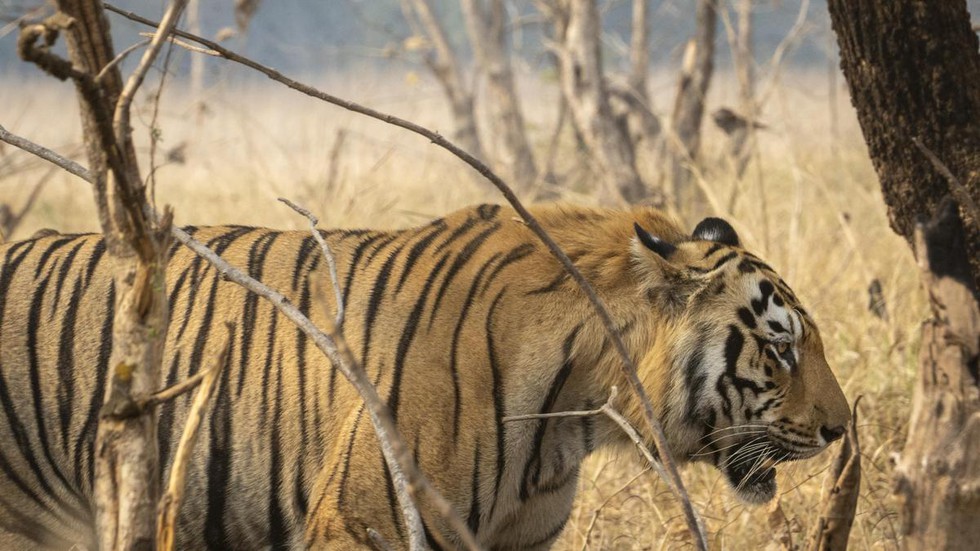
About Satpura Tiger Reserve:
- Location: It is located in Madhya Pradesh.
- It is situated in the Satpura ranges of the Central Indian Landscape.
- It lies south of the river Narmada.
- The tiger reserve comprises three protected areas, Satpura National Park, Bori Wildlife Sanctuary, and Pachmarhi Sanctuary.
- Terrain: The terrain here is extremely rugged and consists of sandstone peaks, narrow gorges, ravines, and dense forests.
- Geological formations include the Deccan trap series, Gondwanas, and metamorphic rocks.
- Vegetation: It mainly consists of mixed deciduous forest with a variety of flora typical of the Central Indian Highlands.
- Flora: It includes teak, bamboo, Indian ebony, various acacias, wild mango, Indian gooseberry, satinwood, etc.
- Twenty-six species of the Himalayan region and 42 species of the Nilgiri areas are found. Hence, STR is also known as the northern extremity of the Western Ghats.
- Fauna: It is home to tigers, leopards, sloth bears, Indian gaurs (bison), and sambar deer.
Prelims Pointers
March 29, 2026

About G7 Group:
- The Group of Seven (G7) is an informal grouping of seven of the world’s advanced economies.
- It was founded in 1975 in response to the oil crisis.
- Members: Canada, France, Germany, Italy, Japan, the United Kingdom, and the United States.
- Russia was member from 1998, the group temporarily became the G8.
- In 2014, the group returned to the G7 format.
- The G7 originally dealt exclusively with issues related to the development of the global economy.
- It now covers the entire spectrum of global issues, such as foreign and security policy, trade, climate, and development.
- Governance
- There is no firmly established secretariat, procedural guidelines, or administrative structures.
- Its presidency rotates each calendar year among the member states. The EU does not hold the rotating presidency of the G7.
- The changing agenda and thematic priorities of the G7 are determined by the respective presidency.
- Decisions are usually taken by consensus.
Prelims Pointers
March 29, 2026
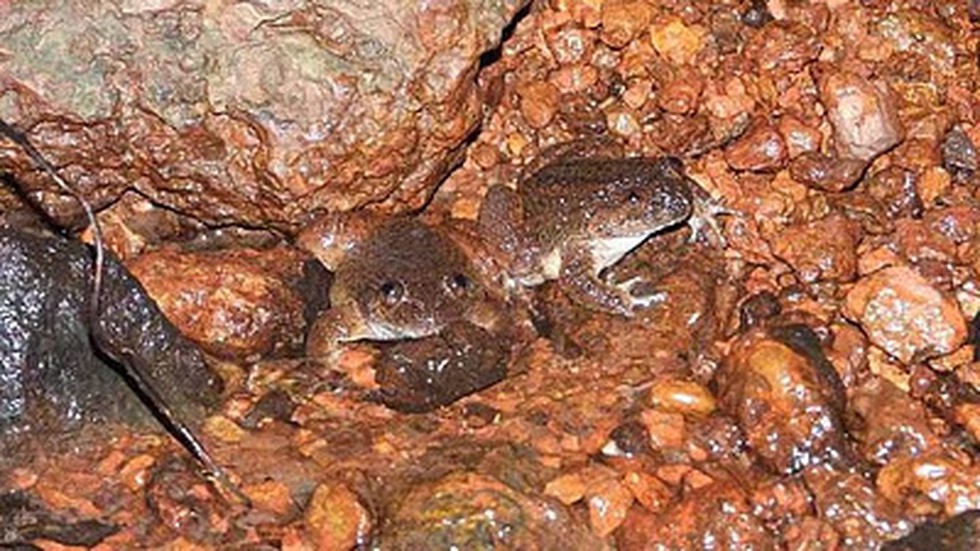
About Nyctibatrachus kali:
- It is more commonly called 'Kali Night Frog’.
- It was found in the Kali Tiger Reserve in Uttara Kannada district of Karnataka.
- It was named after the nearby Kali River (the reserve is also named after the river which flows through it).
- The new frog species is known to be a 'cryptic' one, which has similarities with the 'Kumbara Night Frog' (Nyctibatrachus kumbara) discovered in 2014.
- Its sound resembles that of wood-chopping in the forest.
Key Facts about Kali Tiger Reserve
- It is situated in the Uttara Kannada district of Karnataka.
- It is composed of Dandeli Wildlife Sanctuary and Anshi National Park.
- River: The Kali River, which forms the major source of water for Uttara Kannada, flows through the tiger reserve.
- Vegetation: It is a blend of semi-evergreen and moist deciduous forests, interspersed with patches of bamboo and grasslands.
- Flora: It features species like teak, silver oak, eucalyptus, and various medicinal plants.
- Fauna: Animals found in the Tiger Reserve include Tiger, Leopard, Elephant, Bison, Wild dog, Sambar, Spotted deer.
Prelims Pointers
March 29, 2026

About Zojila Pass:
- Zojila Pass, also known as ‘The Mountain Pass of Blizzards’, is a high mountain pass located in the Kargil district of Ladakh.
- It is located on the Srinagar-Kargil-Leh highway (NH-1).
- It lies in the Greater Himalayan Range.
What is Avalanche?
- It is a large amount of snow that quickly moves down a slope.
- It can be deadly because it will bury or sweep away anything in its path.
- Many different conditions make an avalanche possible.
- An avalanche is more likely to happen on a slope without trees or large rocks. These things help to keep snow in place.
- A weak layer of snow also makes an avalanche likely.
Prelims Pointers
March 29, 2026
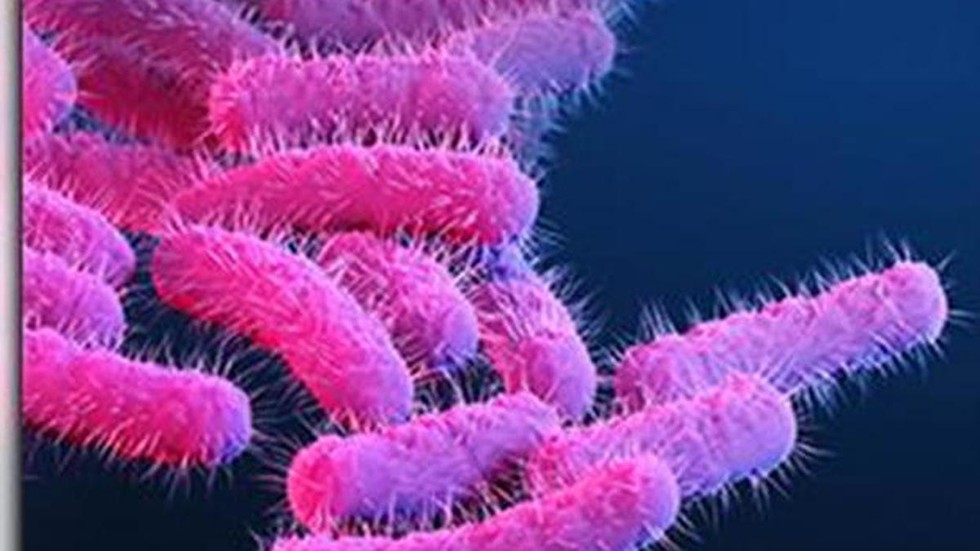
About Shigellosis:
- It is an infection caused by the Shigella bacteria.
- It is highly contagious, causes acute diarrhoea, and can affect anyone, but children under five are particularly susceptible.
- It is one of the leading bacterial causes of diarrhoea worldwide.
- Humans are the only natural reservoir of the Shigella bacteria.
- The disease may be more severe in young children, older adults, immune-compromised individuals or malnourished persons.
- Transmission:
- The infection is transmitted through direct, close contact with infected individuals, through the faecal-oral route and through sexual contact.
- It can also spread through contaminated food and water or contact with faeces of an infected person.
- Symptoms:
- The most common symptoms is diarrhoea, which can be bloody, contain mucus and last for a prolonged period of three days or more.
- Other symptoms include stomach cramps, vomiting, fever and feeling the need to pass stool even when the bowels are empty.
- Treatment: It is typically self-limiting, which means in most mild cases.
- Medicines, including antibiotics may be prescribed for a serious infection.
Prelims Pointers
March 29, 2026

About Rashtriya Vigyan Puraskar:
- It is a prestigious national award recognizing outstanding contributions in the fields of science, technology, and innovation.
- The RVP seeks to honour scientists, technologists, and innovators whose work has significantly advanced India’s scientific landscape and contributed to national development.
- Eligibility:
- Scientists/technologists/innovators working in government or private sector organizations or any individual working outside any organization, who have made distinguished contributions in terms of path-breaking research or innovation or discovery in any field of science, technology, or technology-led innovation shall be eligible for the awards.
- People of Indian Origin staying abroad with exceptional contributions benefiting the Indian communities or society shall also be eligible for the awards.
- The awards will be presented in four categories:
- Vigyan Ratna (VR): For lifetime achievements in science and technology.
- Vigyan Shri (VS): For distinguished contributions in the field.
- Vigyan Yuva–Shanti Swarup Bhatnagar (VY-SSB): To encourage young scientists (up to 45 years) showing exceptional promise.
- Vigyan Team (VT): For collaborative excellence by research teams of three or more members.
- The awards are administered by the RVP Secretariat, Council of Scientific and Industrial Research (CSIR), Ministry of Science & Technology, under the guidance of the Principal Scientific Advisor to the Government of India.
Prelims Pointers
March 29, 2026

About Earth Hour:
- It is a global grassroots movement uniting people to take action on environmental issues and protect the planet.
- It is organized by the World Wildlife Fund (WWF).
- Background: It started in Sydney, Australia, in 2007as a symbolic lights-out event and has since grown into a global movement involving millions of people in over 190 countries and territories.
- It takes place towards the end of March every year.
- Participation: “Earth Hour” encourages people to switch off all lights for an hour, from 8:30 p.m. to 9:30 p.m. local time, to promote awareness of climate change challenges and energy conservation.
- Governments and companies also participate by turning off non-essential lights in their buildings, monuments, and landmarks to raise awareness about the impact of energy consumption on our planet.
- This symbolic act, known as the ‘lights off’ moment, unites people worldwide in a show of support for the planet and serves as a reminder of the environmental issues facing us.
Prelims Pointers
March 29, 2026

About Advanced Short Range Air-to-Air Missile:
- It is a European-designed short-range air-to-air missile built by the multinational company MBDA.
- Features
- The ASRAAM uses heat-seeking technology and is optimised for close-in dogfights.
- It operates on a fire-and-forget principle, which means once launched; the missile guides itself to the target without further input from the pilot.
- Speed: It reaches speeds in excess of Mach 3, can engage fast-moving fighter aircraft at ranges greater than 25 kilometres and delivers pinpoint accuracy.
- The technology features a Lock-On After Launch (LOAL) capability, allowing the pilot to fire the weapon before the seeker even sees the target.
- It has already been integrated on the indigenous LCA Tejas and Jaguar aircraft.
- The weapon is highly manoeuvrable, capable of pulling extreme G-forces to track rapidly turning fighter jets.
- Once fired, its aerodynamic design and powerful rocket motor ensure it maintains high energy throughout its flight path.
Prelims Pointers
March 29, 2026
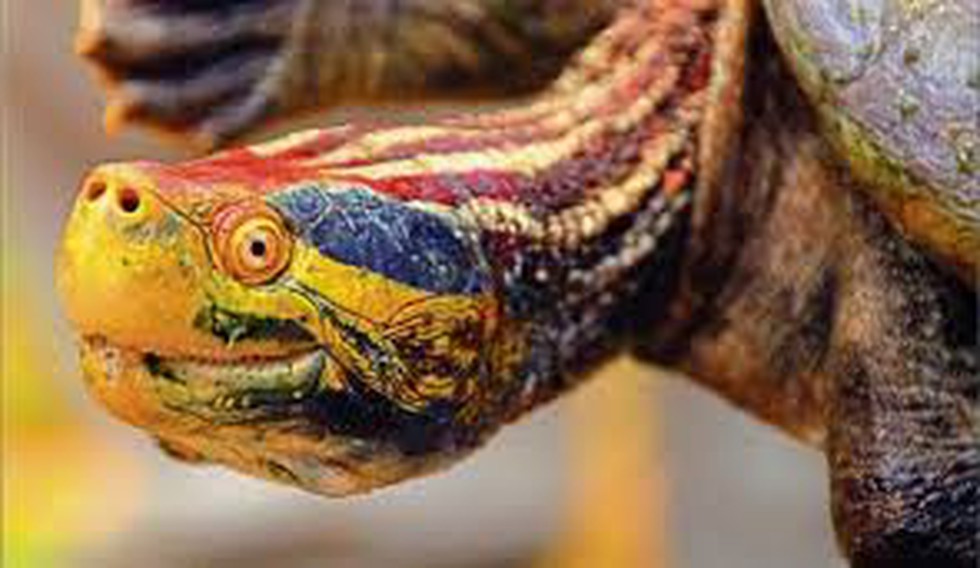
About Red-crowned Roofed Turtle:
- It is a species of freshwater turtle endemic to South Asia.
- It is one of the three large freshwater species in the genus Batagur found in India.
- Distribution
- It is native to India, Bangladesh, and Nepal.
- Historically, the species was widespread in the Ganga River, both in India and Bangladesh.
- It also occurs in the Brahmaputra basin.
- Features of Red-Crowned Roofed Turtle:
- In comparison to their female counterparts, the males are shorter and reach only half their length.
- They have a reddish-orange colored headwith a black crown and a greenish-brown carapace (upper shell) with yellowish patterns.
- Their plastron (lower shell) is yellow with black markings.
- Diet: It is omnivorousand feeds on a variety of plants and animals.
- It functions as a bio-indicator of river health.
- It contributes to the cycling of nutrients within the river, which is essential for the overall health of the aquatic environment.
- Conservation Status:
- IUCN: Critically Endangered
- CITES: Appendix II
- Wild Life (Protection) Act of 1972: Schedule I
- Threats: Rampant harvest of adults and eggs, illegal trade, habitat degradation
Prelims Pointers
March 29, 2026

About Biotechnology Research and Innovation Council:
- It is an Apex Autonomous Body established as a registered Society.
- It was formed by subsuming 14 Autonomous Institutes of the Department of Biotechnology (DBT).
- BRIC aims to provide a centralized and unified governance mechanism for the administration of its research institutions through intra-mural core grants.
- It emphasizes multi-disciplinary research support from basic discovery to application in areas of strength within the DBT institutions.
- BRIC seeks to nurture the next generation of scientific leaders by enabling the pursuit of knowledge and innovation in globally competitive and nationally relevant ecosystems.
- The objectives of BRIC are:
- Promoting cutting-edge research in biotechnology aligned with national priorities
- Fostering innovation and translation across institutional boundaries
- Developing indigenous technologies and capabilities in line with the principles of Atmanirbhar Bharat
- Nodal Ministry: Ministry of Science and Technology
March 28, 2026
Prelims Pointers
March 28, 2026
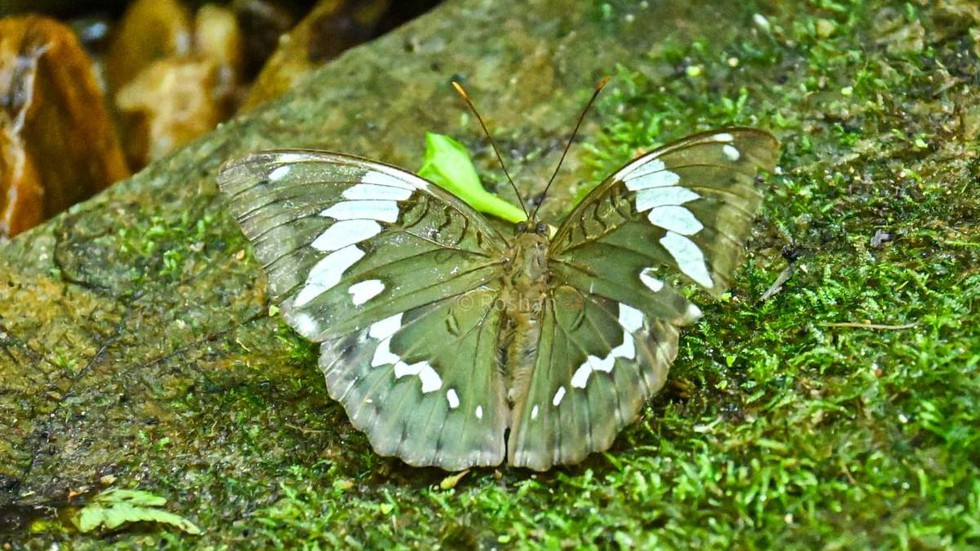
About Euthalia zubeengargi:
- It is a butterfly species that was discovered in Arunachal Pradesh.
- Habitat: It is found in semi-evergreen forests.
- It belongs to the genus Euthalia, a group commonly found across South and Southeast Asia.
- Appearance: Members of this group are typically seen in forested habitats and are known for their earthy brown wings marked with pale spots.
- It prefers cool, shaded forest interiors.
- The butterfly rests on low vegetation, feeding on tree sap and occasionally gathering minerals from damp surfaces near streams.
- It appears to be active mainly from late morning to early afternoon, making short, slow flights between nearby plants
- Euthalia zubeengargi is one of more than 80 species from this group recorded in India’s northeastern region.
- Ecological Significance of butterfly: These are valuable indicators of the environment, whose health can influence their presence, abundance, and diversity.
Prelims Pointers
March 28, 2026
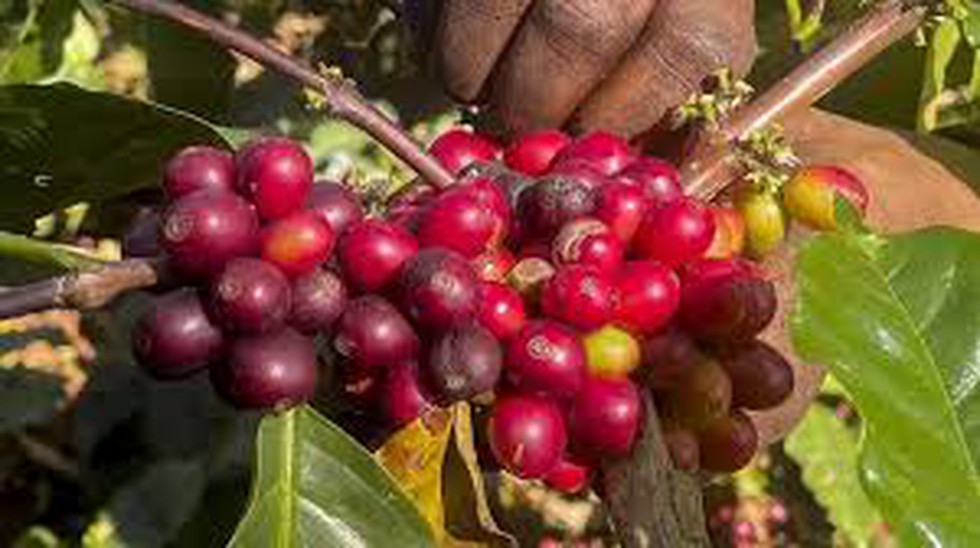
About Coffee:
- It is a tropical plant generally grown under shady trees.
- Types of Coffee: Robusta and Arabica
- Major Coffee growing states: It is largely cultivated in Karnataka, Kerala, Tamil Nadu, Andhra Pradesh and Odisha, among which, Karnataka produces the most with over 70% of the total output.
- Europe is the top destination for India’s coffee exports.
- The major countries which import the commodity from India include Italy, Germany, Belgium, Middle East nations, Korea, and Japan.
- Required Climatic Conditions for Coffee Cultivation
- It is grown on hill slopes at elevations from 600 to 1,600 metres above sea level.
- Climate: It requires a hot and humid climate for its growth.
- Temperature: 15°C and 28 °C
- Rainfall: It requires 150 to 250 cm of rainfall.
- Soil: Well-drained, loamy soil containing a good deal of humus and minerals like iron and calcium are ideal for coffee cultivation.
- Dry weather is necessary at the time of ripening of the berries.
Prelims Pointers
March 28, 2026
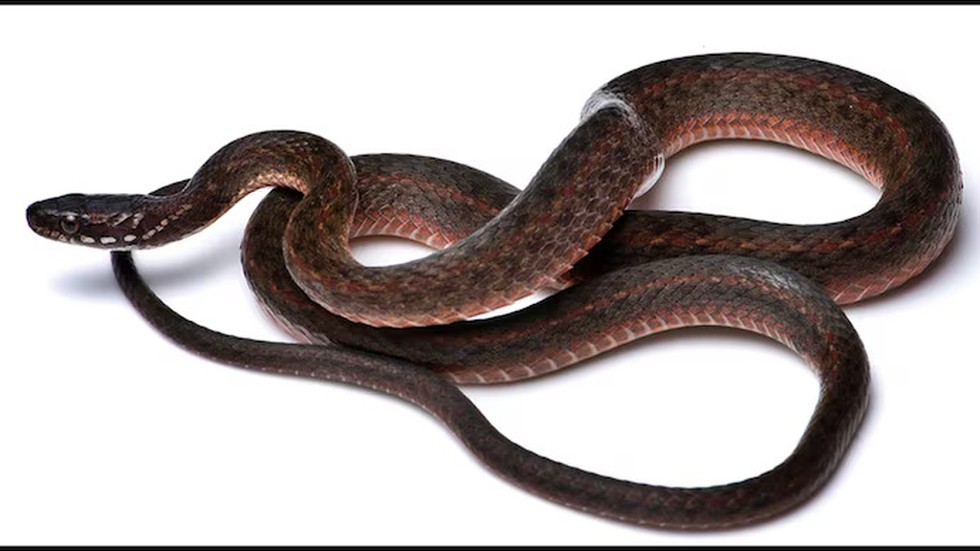
About Keelback Snake:
- Keelback snakes are typically non-venomous.
- Habitat: These are often found near water bodies such as streams and wetlands.
- Habitat: They are found in moist localities within wet and dry forest environments.
- Diet: Frogs, lizards and occasionally fish and tadpoles
- Features:
- One of the most distinctive features of keelback snakes is their “keeled” scales.
- Each scale has a raised ridge running down its center, giving the snake’s skin a noticeably rough and textured feel.
- The keeled surface not only gives keelbacks a more rugged appearance but also helps with camouflage,
- As the texture can break up light reflections and allow them to blend more effectively into natural surroundings like leaf litter, mud, and wetland vegetation.
- Ecological Significance: Their presence is considered an indicator of healthy ecosystems, particularly in forested and riparian habitats.
Prelims Pointers
March 28, 2026
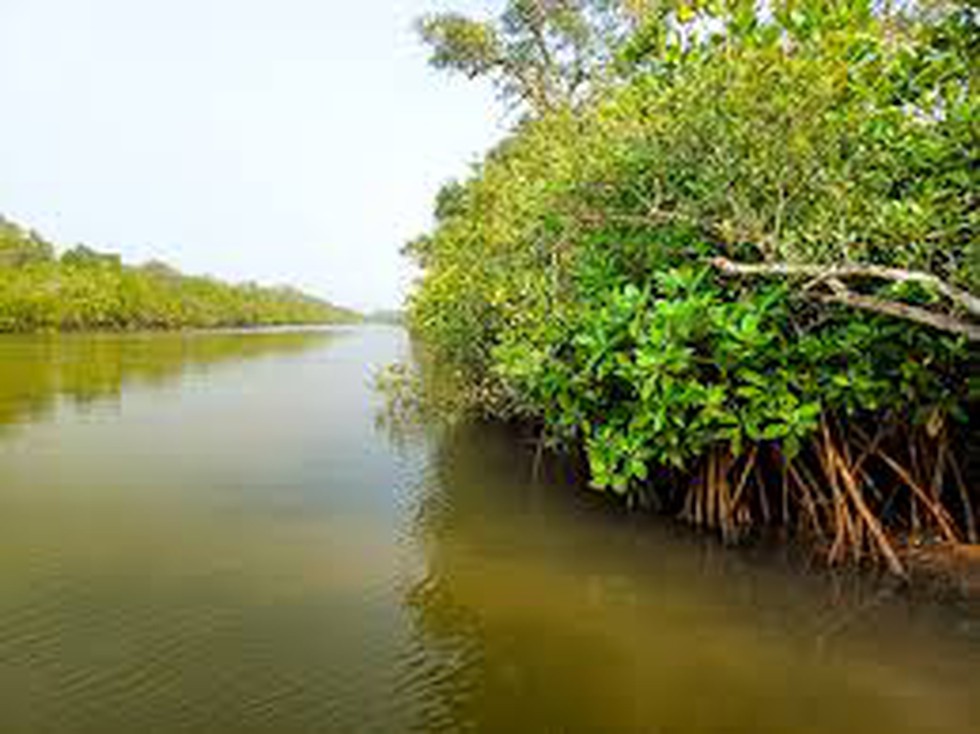
About Coringa Wildlife Sanctuary:
- Location: It is located in Andhra Pradesh.
- It is part of the Godavari estuary, where the Coringa river confluences into the Bay of Bengal.
- It was established as a wildlife sanctuary in 1978.
- Vegetation: It has extensive mangrove and dry deciduous tropical forests. It is the second-largest stretch of mangrove forests in India.
- Flora: Mangrove plants like Rhizophora spp, Avicennia spp, Sonnertia spp, etc; grow here.
- Fauna: It is home to endangered mammals like Smooth Indian otter, Fishing cat, Jackal, etc. Mangroves offer excellent habitat for birds like Black capped kingfisher, Brahminy kite, Sea gulls, Reef heron, Sand piper, etc.
- The sea coast of the Coringa Wildlife Sanctuary is a breeding ground for Olive ridley turtles.
Key Facts about Olive Ridley Turtles:
- It gets its name from the olive green colouration of its carapace (shell).
- It is best known for its unique mass nesting, called Arribada, where thousands of females come together on the same beach to lay eggs.
- Distribution of Olive Ridley Turtle
- They are mainly found in the warm waters of the Pacific, Atlantic, and Indian oceans.
- Odisha’s Gahirmatha Marine Sanctuary is known as the world’s largest rookery (a colony of breeding animals) of sea turtles.
- Conservation Status of Olive Ridley Turtle
- IUCN Red List: Vulnerable
- CITES: Appendix I
- Wildlife Protection Act, 1972: Schedule 1
Prelims Pointers
March 28, 2026
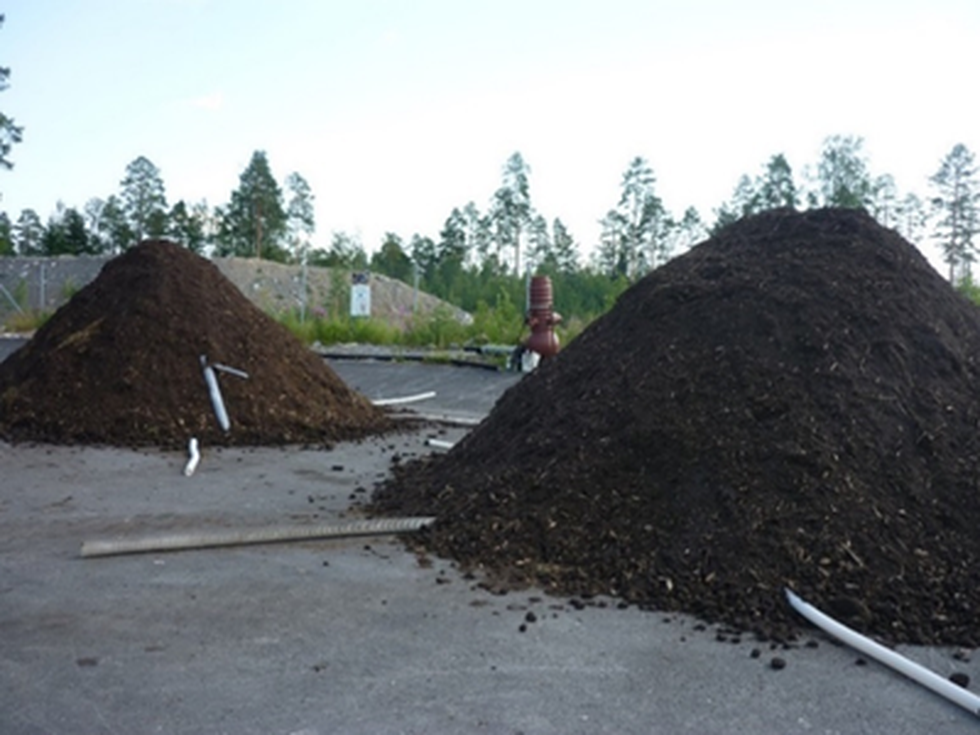
About Waste Foundry Sand:
- It is a byproduct from the production of both ferrous and nonferrous metal castings.
- It is high quality silica sand.
- The physical and chemical characteristics of foundry sand depend upon the type of casting process and the type of industries.
- Classification of foundry sands depends upon the type of binder systems used in metal casting.
- Two types of binder systems are generally used, and on the basis of that foundry sands are categorized as: clay-bonded sands (green sand) and chemically bonded sands.
- Waste Foundry Sand poses environmental challenges due to its large-scale generation and disposal requirements.
- Significance: Its reuse aligns with national priorities on resource efficiency, waste minimization, and sustainable development.
Prelims Pointers
March 28, 2026
About Rural Self Employment Training Institutes:
- The Rural Self Employment Training Institutes (RSETIs) are empowering rural youth through skill development and entrepreneurship promotion.
- RSETIs have emerged as key institutions with a wide national outreach, providing free residential training and facilitating sustainable livelihoods for rural youth.
- These are functioning through a unique partnership between banks and government,
- One RSETI is established in every district in the country. Concerned bank is the lead bank in the district takes responsibility for creating and managing it.
- Eligibility: RSETIs provide short-duration, practical, and residential training programs for unemployed rural youth aged 18–50 years.
- The institutes offer 73 NSQF-aligned courses across sectors such as: Agriculture, Manufacturing, Services and Entrepreneurship Development Programs (EDPs)
- These institutes not only impart skills but also ensure post-training support through handholding and credit linkage.
- Recognition of RSETI trainees: Certificates issued by an RSETI will be recognised by all banks for purposes of extending credit to the trainees.
Prelims Pointers
March 28, 2026
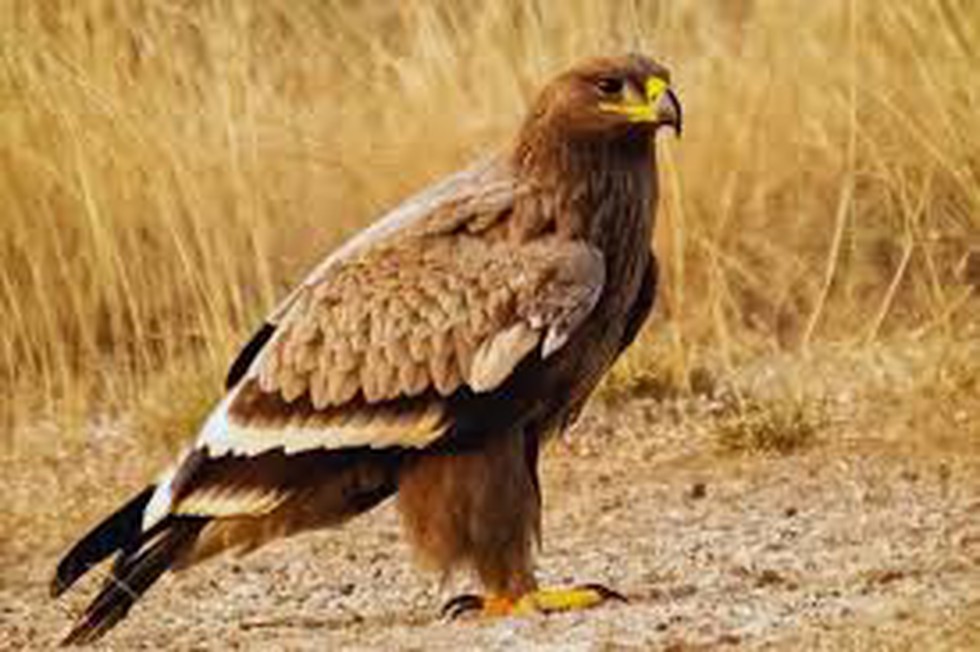
About Steppe Eagle:
- It is a member of the subfamily Aquilinae, also known as the "booted eagles".
- Appearance: The Steppe eagle is a large, bulky, and robust-looking eagle. It is mainly dark brown in color with a longish but very thick neck and a relatively small head.
- Habitat: It is found in steppe, desert, semi-desert, open savanna, pastures, agricultural fields, paddy fields, grassland, and open woodland.
- Distribution: It is mainly found in Europe, Asia, and Africa.
- It is a specialized predator of ground squirrels on the breeding ground.
- It is the only eagle to nest primarily on the ground.
- It mainly breeds in central Asian countries, including Kazakhstan, Russia, and Mongolia, it undertakes an annual southward migration as temperatures drop.
- Diet: Steppe eagles are carnivores and prey mainly on small-sized mammals, with some birds (such as queleas) and reptiles and
- Threats: The major threats to the Steppe eagle include habitat loss, persecution, wildfires, predation (and trampling by cattle) of chicks.
- Conservation Status:
- IUCN Red List: Endangered
Prelims Pointers
March 28, 2026

About P8I Aircraft:
- P-8I Poseidon is a long-range, multi-mission maritime patrol aircraft.
- It is manufactured by Boeing (a U.S. aerospace company) for the Indian Navy.
- It replaced the ageing fleet of the Indian Navy’s Tupolev Tu-142 aircraft.
- The P-8I Poseidon flown by the Indian Navy is a variant of the P-8A Poseidon used by the United States Navy.
- Features of P8I Aircraft:
- It has advanced sensors, weapons systems, and long-range capabilities enable it to detect and respond to a wide range of threats, from submarines and surface vessels to environmental challenges.
- It can conduct anti-submarine warfare (ASW), anti-surface warfare (AsuW), intelligence, maritime patrol, and surveillance and reconnaissance missions.
- Carrying Capacity: The maximum take-off gross weight of the P-8I is 85,139 kg.
- Speed: It can fly at a maximum speed of 789 km/h.
- It has a maximum range of over 2,222 kilometres with a time on station of four hours.
Prelims Pointers
March 28, 2026

About SWOT Satellite:
- The Surface Water and Ocean Topography (SWOT) satellite was launched in 2022.
- It is a joint mission of NASA and CNES (French Space Agency).
- Objective: Satellite will collect detailed measurements of how water bodies on Earth change over time.
- Features SWOT Satellite:
- It uses a specialised instrument called the Ka-band Radar Interferometer (KaRIn) to measure the height, width, and elevation of surface water bodies such as rivers, lakes, reservoirs, and oceans.
- SWOT offers high spatial resolution by bouncing microwaves off water surfaces and calculating return time, allowing dynamic water movement tracking.
- The satellite covers over 55% of large-scale global floods during their lifecycle through frequent Earth orbits.
- The satellite circles Earth and can scan about 90 per cent of the planet every 21 days
- Functions of SWOT Satellite:
- It is equipped to observe the entire length of nearly all rivers wider than 330 feet and more than 1 million lakes and reservoirs larger than 5 acres.
- It will precisely measure fine differences in surface elevations around smaller currents and eddies, where much the oceans’ drawdown of heat and carbon is believed to occur.
Prelims Pointers
March 28, 2026

About Central Consumer Protection Authority:
- It was established under the Consumer Protection Act, 2019.
- The Consumer Protection Act, 2019 replaced the 1986 Act.
- Nodal Ministry: Ministry of Consumer Affairs, Food & Public Distribution.
- Functions and Powers of CCPA:
- The CCPA protects, promotes, and enforces the rights of consumers as a class under the Act.
- It prevents unfair trade practices and curbs false or misleading advertisements.
- It ensures that no one publishes or disseminates false or misleading advertisements.
- It can initiate class-action suits, including recall, refunds, and cancellation of licenses, when necessary.
- The CCPA can conduct inquiries and investigations through its Investigation Wing, headed by a Director-General.
- It can order the discontinuation of unfair practices, impose penalties on errant businesses, and enforce consumer welfare measures.
- Composition of CCPA:
- A Chief Commissioner heads the CCPA and has two other commissioners:
- One commissioner deals with goods-related issues.
- The other commissioner handles service-related complaints.
March 27, 2026
Prelims Pointers
March 27, 2026

About Organisation for Economic Cooperation and Development:
- The OECD was established in 1960, by 18 European nations, plus the United States and Canada.
- OECD members are typically democratic countries that support free-market economies.
- Members: It is an international organisation of 38 countries committed to democracy and the market economy.
- Goal: The stated goal of the OECD is to shape policies that foster prosperity, equality, opportunity and well-being for all.
- The OECD publishes economic reports, statistical databases, analyses, and forecasts on the outlook for economic growth worldwide.
- The organization also seeks to eliminate bribery and other financial crime worldwide.
- The OECD maintains a so-called “black list” of nations that are considered uncooperative tax havens.
- India is one of the many non-member economies with which the OECD has working relationships in addition to its member countries.
- India has been an OECD Key Partner since 2007
- Headquarters: Paris, France.
Prelims Pointers
March 27, 2026
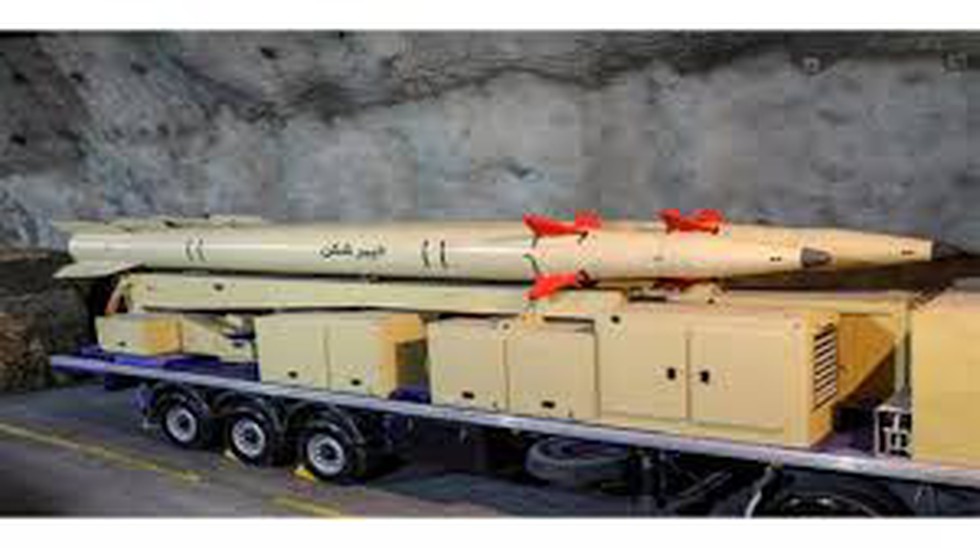
About Qader Cruise Missile:
- It is a medium-range shore-based anti-ship cruise missile developed by Iran and deployed by its naval forces.
- Features of Qader Cruise Missile:
- It is used by naval forces to target ships.
- It is an upgraded version of the Noor missile, which is based on Chinese missile design.
- Range: The missile has a reported range between 120 and 300 kilometres.
- It is designed for sea targets such as warships and tankers.
- Working of Qader cruise Missile:
- It uses a turbojet engine.
- It flies at low altitude over the sea. This is called sea-skimming.
- This flight path helps the missile avoid radar detection.
- It flies only a few metres above the sea surface. This reduces the reaction time for defence systems.
What are Cruise Missiles?
- A cruise missile is a guided missile that flies at low altitudes, often following the contours of the terrain to avoid radar detection.
- Features
- It flies at low altitude, powered by jet engines, can maneuver around obstacles
- Guidance System: GPS, terrain contour matching, inertial navigation
- Speed: Subsonic to supersonic (Mach 0.8-3);
- Range Short to medium (50-2,500 km)
- Launch Platforms: Air, sea, and land platforms.
- Examples: BrahMos, Nirbhay, Tomahawk
Prelims Pointers
March 27, 2026
About CALM Brain:
- It is a first-of-its-kind digital repository of data in India on brain structure and function from a range of psychiatric disorders.
- It was initiated in 2016 as part of the Accelerator program for Discovery in Brain disorders using Stem cells (ADBS project).
- Funding: It was jointly funded by the Department of Biotechnology and the Pratiksha Trust.
- Goal: To better understand neuropsychiatric disorders, disease onset, progression, and underlying biological changes.
- It will be made open source, thereby opening it up for clinicians and researchers aiming to study neuropsychiatric disorders and to better understand disease onset, progression and underlying biological changes leading to disease symptoms.
- It collects clinical, neuro-imaging, behavioural, genetic and other datasets on five disorders – addiction, bipolar disorder, dementia, obsessive compulsive disorder (OCD) and
- CALM-Brain will help clinicians and researchers
- To understand the onset of neuropsychiatric disease
- Check progression
- Decode underlying biological changes
- Provide better diagnosis
- Plan personalized treatments for patients.
Prelims Pointers
March 27, 2026
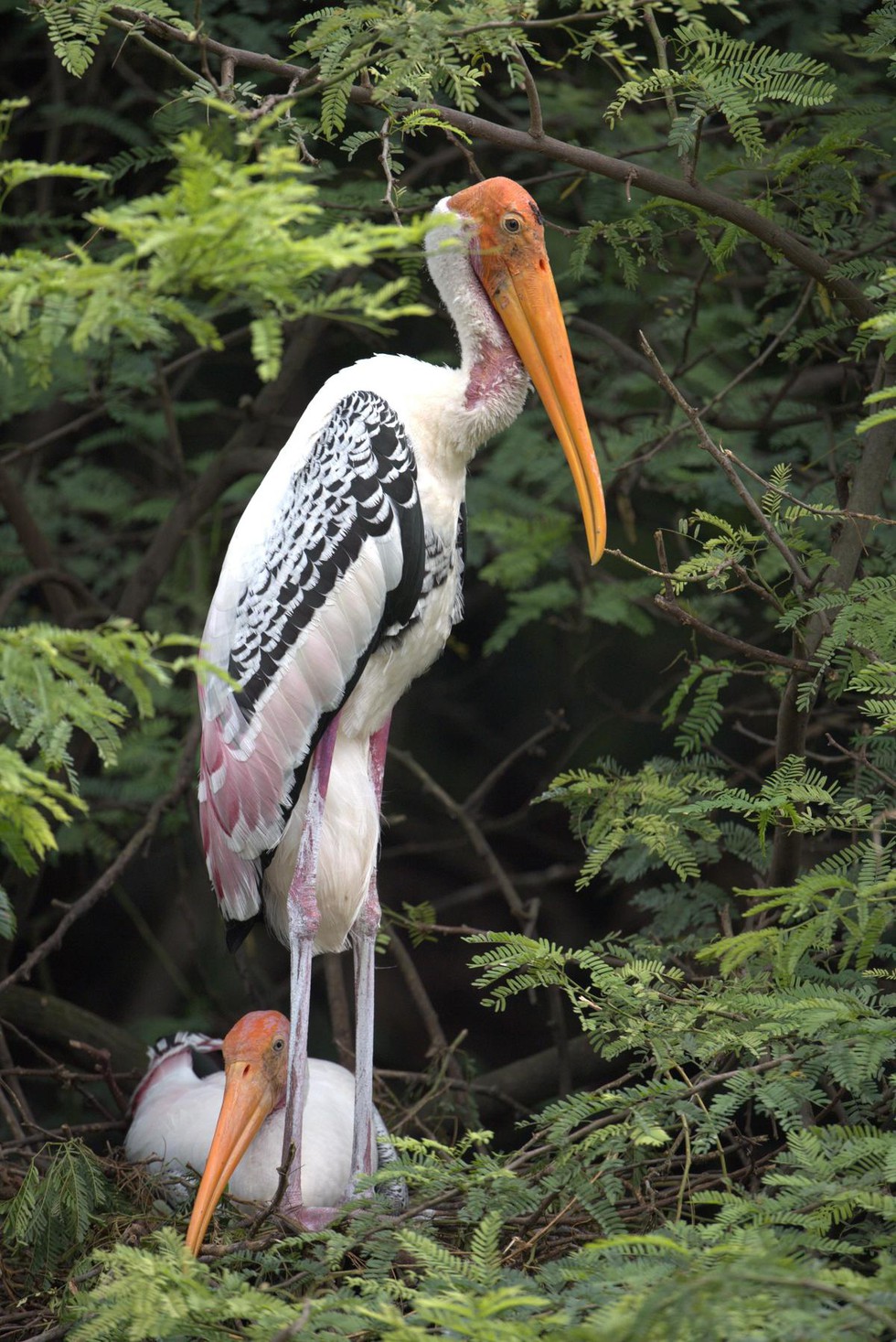
About Painted Stork:
- It is a large wading bird belonging to the stork family.
- Habitat: They favor freshwater wetlands, but they also frequent irrigation canals and agricultural fields, particularly during the monsoon when rice fields are flooded.
- Distribution: It is found in the wetlands of the plains of tropical Asia south of the Himalayas in the Indian Subcontinent and extending into Southeast Asia.
- They are not migratory and only make short-distance movements in some parts of their range in response to changes in weather or food availability or for breeding.
- Food: Painted storks are carnivores. Their diet consists mainly of small fish, but also crustaceans, amphibians, insects, and reptiles.
- They immerse their half open beaks in water and sweep them from side to side and snap up their prey of small fish that are sensed by touch.
- Conservation Status:
- IUCN Red List: Near Threatened
Prelims Pointers
March 27, 2026

About Gruha Sugam Portal:
- It enables Defence / Government personnel to avail home loans with ease from the location of their posting.
- It will accelerate digital lending adoption and financial inclusion.
- It will facilitate increased home ownership through improved access to housing loans, strengthening the mission of promoting affordable and sustainable housing finance.
- Salient features of the portal:
- Defence Personnel, Members of Paramilitary Forces, Government Employees (State and Central) can apply for housing loans digitally through their respective administrative units.
- No need to visit the banks and financial institutions for loan approvals and processing.
- Unified Digital Marketplace which enables market transparency and discovery of best suited offer
- Seamless digital integration with NHB and lending institutions to ensure ease of operations
- Enhanced Loan Processing Efficiency
- Grievance Redressal and Consumer Protection
- Online Chat facility for quick query resolution
Key Facts about National Housing Bank
- It is an apex agency established to promote housing finance companies (HFCs) in India.
- It is an All-India Financial Institution (AIFl) wholly owned by the Government of India (GoI).
- NHB supervises HFCs, while regulation of HFCs is with the Reserve Bank of India (RBI).
- NHB is wholly owned by the Government of India, post the 2019 notification of RBI i.e. the entire paid-up capital of NHB is held by the government.
- Functions of NHB
- Supervision and grievance redressal regarding HFCs
- Financing
- Promotion and Development
- Head Office: New Delhi.
Prelims Pointers
March 27, 2026
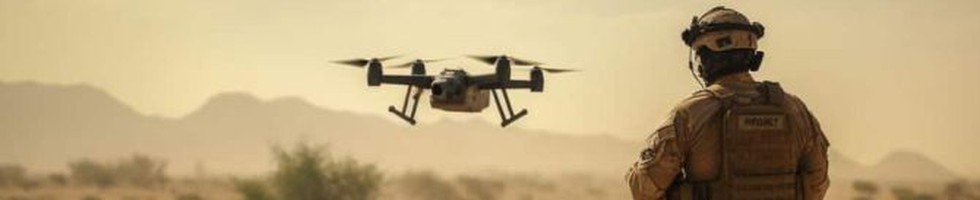
About Shaurya Squadrons:
- Shaurya Squadrons are dedicated drone sub-units being inducted into the Indian Army’s armoured regiments.
- They give tank commanders real-time surveillance and precision-strike capability at the unit level.
- Each squadron comprises 20 to 30 personnel trained in drone and counter-drone operations.
- They operate a mix of surveillance drones, attack drones, swarm drones, first-person view (FPV) drones, and loitering munitions.
- The FPV drones can strike enemy armour and logistics nodes, allowing commanders to act without routing requests up the chain of command.
- The aim is to compress the sensor-to-shooter cycle and push drone capability down to the unit level for faster targeting and engagement.
- The sensor-to-shooter cycle refers to the time between detecting a target and destroying it, which is the problem Shaurya Squadrons directly address.
- The Army intends to compress this gap from minutes to seconds.
- The Shaurya Squadron draws from the Army’s prior deployment of Ashni Platoons within infantry battalions.
- Ashni units are also 25 to 30 personnel strong and carry the same blend of surveillance drones, attack drones, and loitering munitions, and are now an integral part of all infantry battalions.
Prelims Pointers
March 27, 2026
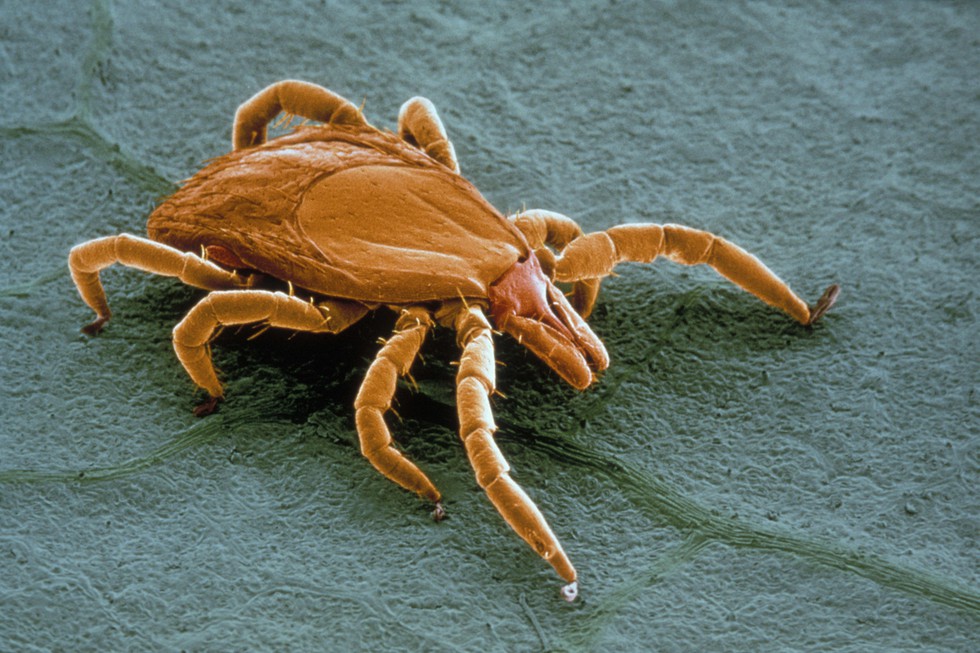
About Lyme Disease:
- Lyme disease, also known as Lyme borreliosis, is an infectious illness caused by a type of bacteria called Borrelia burgdorferi.
- It primarily affects the skin, nervous system, heart, and joints.
- It was named after the town of Lyme, Connecticut, United States, where it was first identified in children in 1976.
- It is most commonly reported in North America, Europe, and some parts of Asia.
- Transmission:
- It is transmitted (spread) to humans through a tick bite.
- Not all tick bites cause Lyme disease. Only deer ticks (also called black-legged ticks) can spread the bacteria that cause Lyme disease.
- These ticks are often found in grassy, wooded, or bushy areas, and they can attach to the skin without being noticed.
- Once the bacteria enter the bloodstream, they can travel to different parts of the body and cause a wide range of symptoms.
- It cannot spread between humans or from pets to humans, through air, food, or water. Lice, mosquitoes, fleas, and flies also do not transmit
- Symptoms:
- Lyme disease occurs in stages. The signs and symptoms of each stage can overlap.
- In many cases, Lyme disease begins with a red circular rash around the site of the tick bite, often described as looking like a bull’s-eye.
- Other early signs may include fever, body aches, fatigue, and swollen lymph nodes.
- Untreated Lyme disease can cause severe arthritis and damage the heart and nervous system.
- Treatment:
- Most cases are treatable with antibiotics, although recovery can take time, especially for those who are left undiagnosed in the early stages.
- Even after treatment, some symptoms may linger.
Prelims Pointers
March 27, 2026
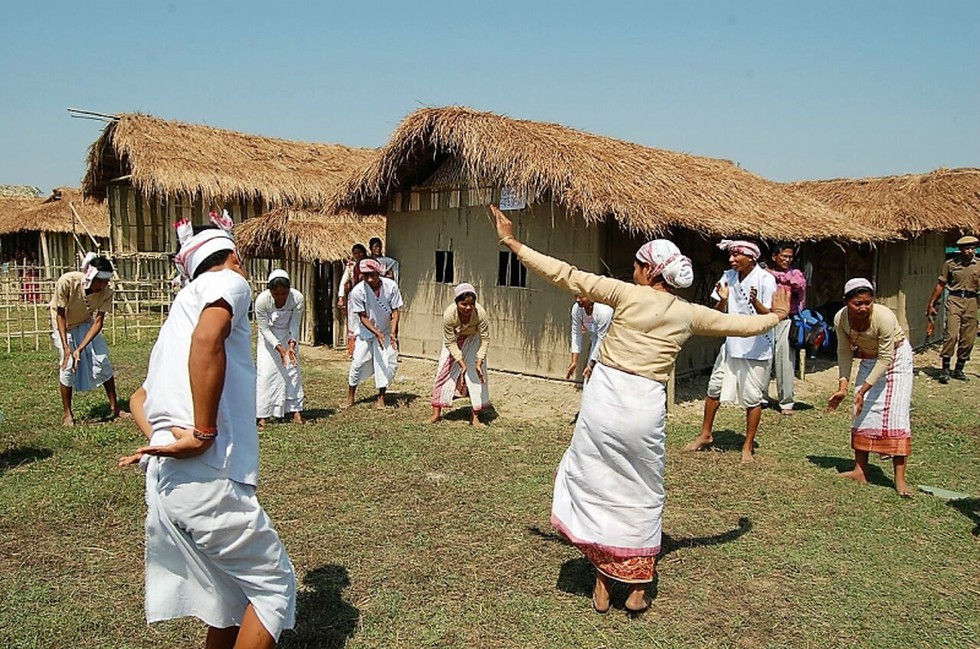
About Sonowal Kacharis:
- They are an indigenous people who live in northeast India.
- The vast majority of the Sonwal live in Assam. They are the third-largest plain tribe in Assam and one of the oldest tribes of Assam.
- Smaller groups live in Arunachal Pradesh and Meghalaya.
- They are recognized as a Scheduled Tribe (Plains) in Assam.
- They are of Mongoloid origin, and linguistically, the Sonowal Kachari people belong to the Tibetan language family.
- The name ‘’Sonowal’’ comes from the word for gold. The traditional occupation of the Sonwal was panning for gold during the Ahom kingdom.
- Today the Sonowal are primarily engaged in agriculture. They grow rice, betel nut, sweet potatoes, and cotton.
- The Sonowal are believed to have a very rich traditional knowledge of indigenous medicine.
- The primary language of the Sonowal is Assamese. Many also speak Hindi so they can communicate with outsiders.
- Religion:
- The Sonowal practices Hinduism strongly influenced by folk religion.
- They have their own village shrines and generally do not visit Hindu temples.
- Sonowal considers Shiva, the destroyer god, to be their primary deity.
Prelims Pointers
March 27, 2026

About Honshu Island:
- Honshu, historically known as Akitsushima, is the largest of the four main islands of Japan.
- It lies between the Pacific Ocean (east) and the Sea of Japan (west).
- It is the second-most populous island in the world after the Indonesian island of Java.
- It contains the main cities of Japan, including the capital Tokyo, Osaka, Hiroshima, Nagoya, Kyoto, and Yokohama.
- It contains Japan’s highest mountain, Mount Fuji (an active stratovolcano), and its largest lake, Lake Biwa.
Prelims Pointers
March 27, 2026
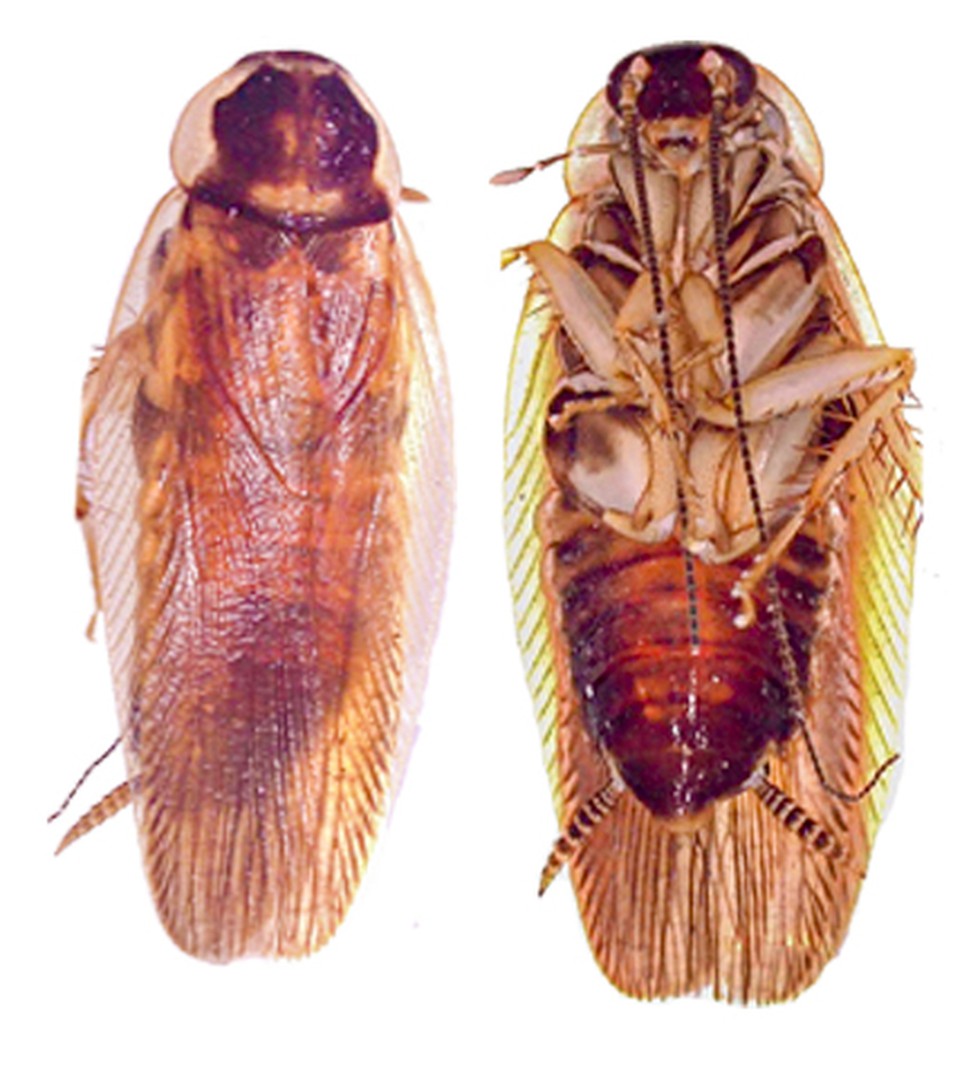
About Neoloboptera peninsularis:
- It is a new species of cockroach.
- It marks the first use of modern DNA technology in India to identify a cockroach
- It is only the third known member of the genus Neoloboptera recorded from India.
- The other two, Neoloboptera indica (described in 1865) and Neoloboptera chakrabortyi (described in 1995), had been recorded earlier, with no new specimen-based records reported since then.
- It is characterised by its glossy, yellowish-brown body and fully developed wings.