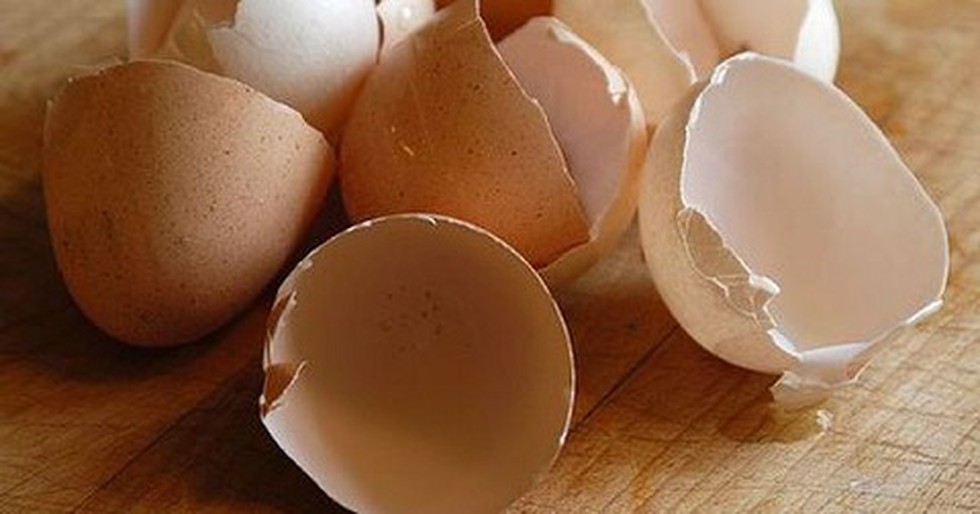
Researchers from the Indian Institute of Technology-Hyderabad (IIT-H) and Dr. B.R. Ambedkar National Institute of Technology, Jalandhar, have developed a process by which bone implant materials can be synthesised from eggshells.
About:
Background: In modern medicine, damaged and missing bones are replaced with bone from either the patient or a donor or by using artificial materials containing calcium, such as Plaster of Paris, and more recently, phosphate compounds like hydroxyapatite and calcium phosphate.
Composition of eggshell: Eggshells are made of largely of minerals (95.1%) along with small amounts of proteins and water. Calcium is the main mineral component.
Recent research:
The research seeks to produce bone substitute materials such as tricalcium phosphate, a commonly-used bone substitute material, from natural sources.
For their study, researchers synthesised pure and thermally stable tricalcium phosphate nanopowder — powder a hundred thousand times smaller than the width of a single human hair — from eggshells.
They used a milling process called ‘ball milling’ to produce these activated calcium phosphate powders.
Benefits of this method:
Results showed that eggshell waste is promising enough to replace the commercially available tricalcium phosphate (produced by using harmful chemicals) and has the capability to develop implantable biomaterial for tissue regeneration.
Eggshells are inexpensive and can be obtained in unlimited quantities.
Also, bioceramics made from them exhibit greater biocompatibility than other synthetic powders due to the presence of additional bioactive elemental ions.
Dear Student,
You have still not entered your mailing address. Please enter the address where all the study materials will be sent to you. (If applicable).