The President of India recently released the Constitution of India in the Santhali language at a function held at the Rashtrapati Bhavan here.
About Santhali Language:
The Santhali language, which was included in the Eighth Schedule of the Constitution through the 92nd Amendment Act, 2003, is one of the most ancient living languages of India.
It is spoken by a significant number of tribal people in Jharkhand, Odisha, West Bengal, and Bihar.
It is primarily used by the Santhal tribal community.
It is also spoken in Nepal and Bangladesh.
In India, it is spoken by an estimated 7 million people, according to recent census data.
It is a member of the Munda branch of the Austroasiatic language family, which is an ancient family of languages spoken across parts of South and Southeast Asia.
It is quite distinct from the Indo-European language family of languages spoken in much of India.
It is closely related to other Munda languages, such as Ho, Mundari, and Korku.
These languages share common features such as their agglutinative nature (where words are formed by stringing together smaller units of meaning) and their use of tones.
Santhali has a unique and rich tradition, with its own script and oral literature, reflecting the culture and beliefs of the Santhal tribe.
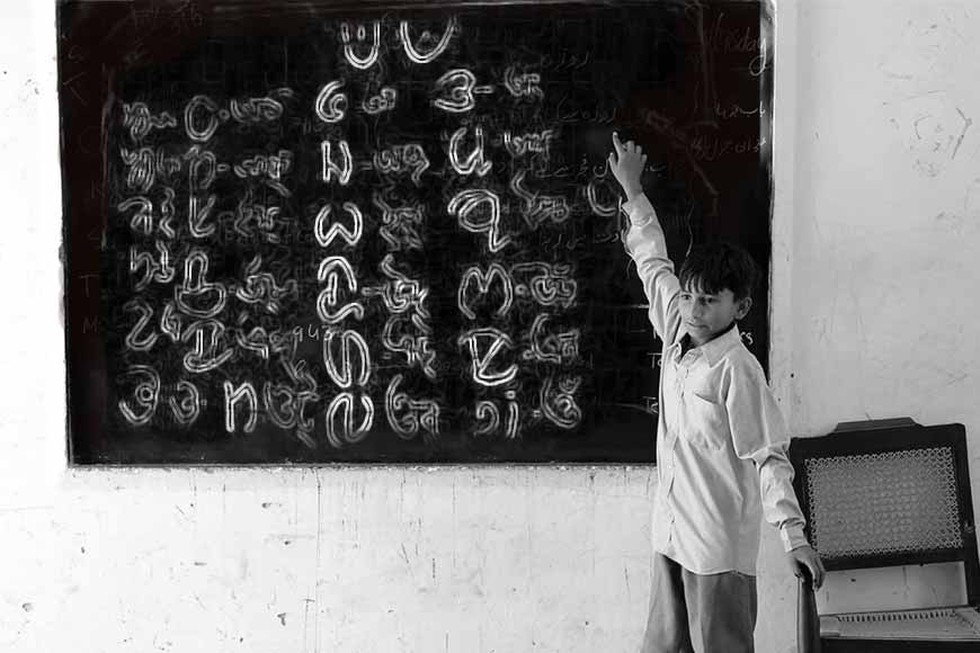
Santhali uses the Ol Chiki script, a writing system that was developed in 1925 by Pandit Raghunath Murmu, a Santhal scholar and writer.
Dear Student,
You have still not entered your mailing address. Please enter the address where all the study materials will be sent to you. (If applicable).