Vitamin B6 poisoning is extremely rare, but cases have increased by about 40% in the last decade, according to reports from America’s Poison Centers.
About Vitamin B6:
Vitamin B-6 (pyridoxine) is a water-soluble vitamin.
Water-soluble vitamins dissolve in water so the body cannot store them.
It is found naturally in many foods, as well as added to foods and supplements.
It is important for normal brain development and for keeping the nervous system and immune system healthy.
It helps the body to:
Make antibodies. Antibodies are needed to fight many viruses, infections, and other diseases.
Maintain normal nerve function.
Make hemoglobin: Hemoglobin carries oxygen in the red blood cells to the tissues. A vitamin B6 deficiency can cause a form of anemia.
Break down proteins: The more protein you eat, the more vitamin B6 you need.
Keep blood sugar (glucose) in normal ranges.
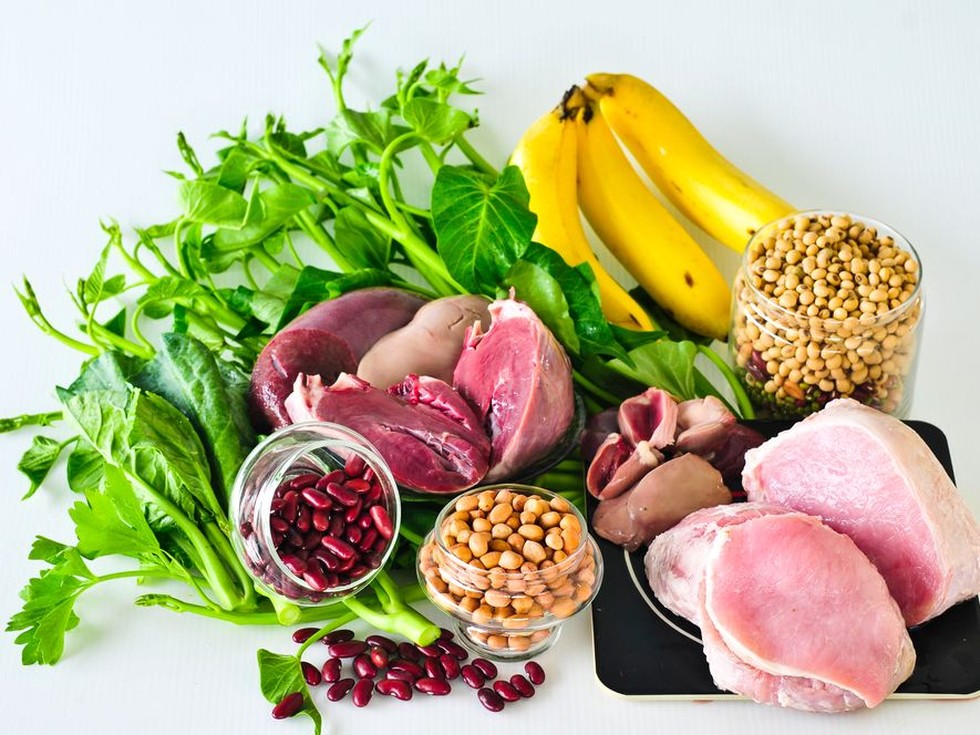
Food sources of vitamin B-6 include poultry, fish, potatoes, chickpeas, bananas, and fortified cereals.
Vitamin B-6 can also be taken as a supplement, typically as an oral capsule, tablet, or liquid.
People who have kidney disease or conditions that prevent the small intestine from absorbing nutrients from foods (malabsorption syndromes) are more likely to be vitamin B-6 deficient.
Certain autoimmune disorders, some epilepsy medications and alcohol dependence also can lead to vitamin B-6 deficiency.
This can cause a condition in which you don't have enough healthy red blood cells to carry adequate oxygen to your body's tissues.
Dear Student,
You have still not entered your mailing address. Please enter the address where all the study materials will be sent to you. (If applicable).