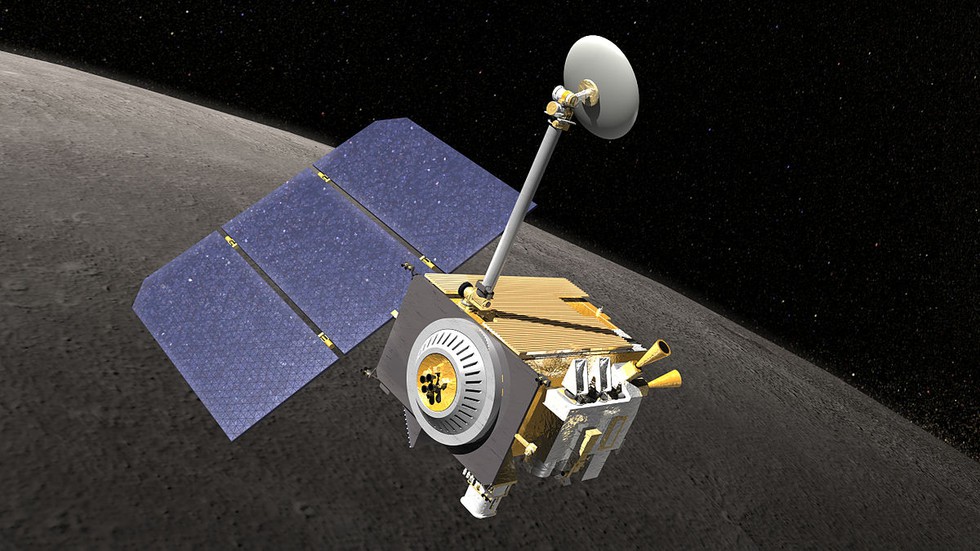
Scientists, using NASA's Lunar Reconnaissance Orbiter (LRO), have observed water molecules moving around the dayside of the Moon.
About:
Measurements from the Lyman Alpha Mapping Project (LAMP) instrument aboard the LRO of the sparse layer of molecules temporarily stuck to the surface helped characterise lunar hydration changes over the course of a day.
Up until the last decade, scientists thought the Moon was arid, with any water existing mainly as pockets of ice in permanently shaded craters near the poles.
The latest research revealed the amount of energy needed to remove water molecules from lunar materials, helping scientists understand how water is bound to surface materials.
Significance:
These results aid in understanding the lunar water cycle and will ultimately help us learn about accessibility of water that can be used by humans in future missions to the Moon.
Lunar water can potentially be used by humans to make fuel or to use for radiation shielding or thermal management; if these materials do not need to be launched from Earth, that makes these future missions more affordable.
Dear Student,
You have still not entered your mailing address. Please enter the address where all the study materials will be sent to you. (If applicable).