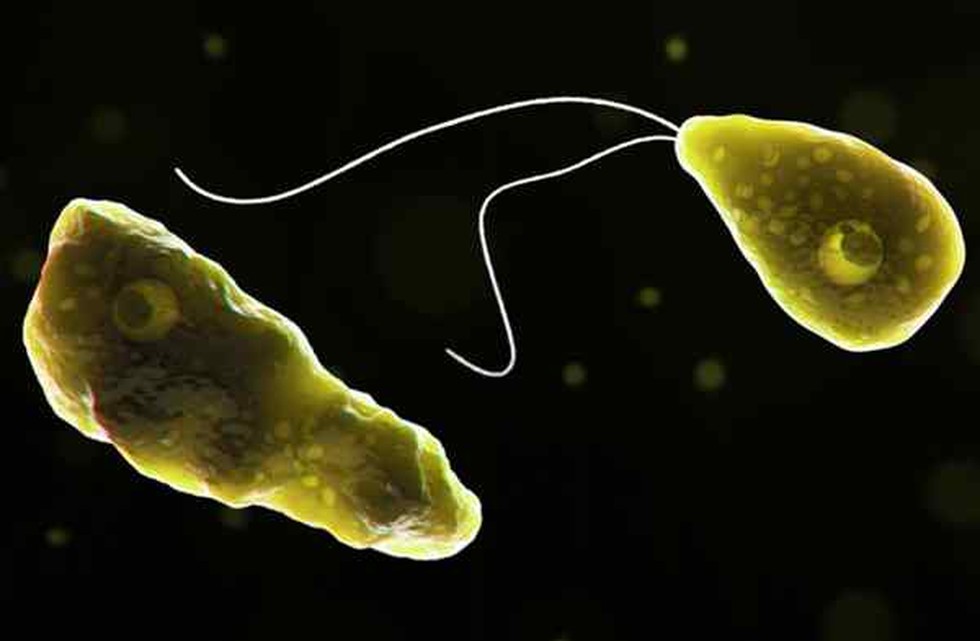
About Naegleria fowleri:
- It is commonly known as “brain-eating amoeba,” is a single-cell organism.
- Habitat: It thrives in warm freshwater lakes, ponds and rivers. It can also survive in poorly maintained swimming pools in rare cases.
- Only one species of Naegleria, Naegleria fowleri, infects people.
- It causes Primary amoebic meningoencephalitis or PAM.
- Humans Infection Process:
- It is typically acquired through the nasal passage and mouth.
- The amoeba then migrates through the olfactory nerve to the brain, where it causes severe inflammation and destruction of brain tissue.
- The Naegleria fowleri infection does not spread from person to person, nor does it manifest symptoms when contracted in other forms.
- The infection is primarily associated with a warm freshwater environment, especially during hot summer months when water temperatures are higher.
Key facts about Primary Amoebic Meningoencephalitis
- It is caused by Naegleria fowleri.
- It is non-communicable and people cannot get infected with Naegleria fowleri from drinking water contaminated with the amoeba.
- Treatment:
- There are no effective treatments for the disease yet.
- At present, doctors treat it with a combination of drugs, including amphotericin B, azithromycin, fluconazole, rifampin, miltefosine, and dexamethasone.