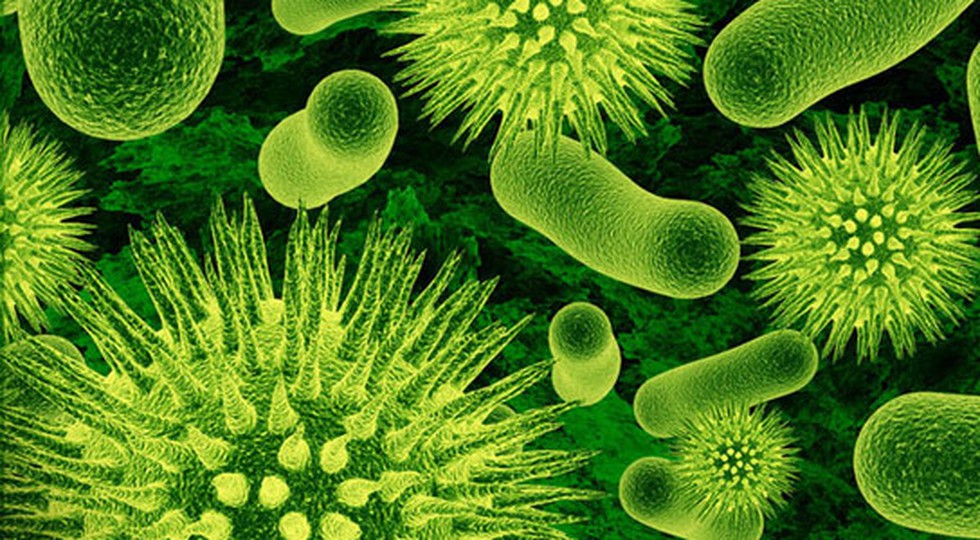
In a surprise discovery, Scientists have detected the antibiotic resistant (AR) gene NDM-1, first isolated in India, in the Arctic region.
About:
NDM-1 (New Delhi Metallo-beta-lactamase-1) is an enzyme that makes bacteria resistant to a wide range of powerful antibiotics, including the carbapenem class of antibiotics that are used to treat multidrug-resistant infections.
Bacteria that produce carbapenemases are popularly referred to as superbugs because they are difficult to treat and result in the infection spreading easily within the body, especially in people who are ill or recuperating from an illness or a surgery.
People die of septic shock after the infection enters the bloodstream and reached the heart, lungs, kidneys, bones or joints to cause multi-organ failure.
Background:
NDM-1 was first reported in 2007 in a patient admitted to a hospital in New Delhi, but was reported to be present in Germany, the same year.
The first finding of NDM-1 in the environment, rather than a clinic setting, was in surface waters of Delhi, in 2010.
NDM-1 has been detected in bacteria in the UK, US, India, Pakistan, Croatia, Canada and Japan.
Recent Detection:
The research was conducted in the High Arctic zone (Kongsfjorden region of Svalbard) and scientists were surprised to find a rather robust presence of NDM-1.
The recent detection of the antibiotic resistant (AR) gene NDM-1, in the Arctic region is a further indication of the globalisation of antimicrobial resistance.
The findings point towards the involvement of migratory birds, who could carry the resistance in the gut and transfer it to the Arctic soil through faecal matter. However, it may have migrated with humans and spread via local wildlife, or it may be a combination of factors.
Dear Student,
You have still not entered your mailing address. Please enter the address where all the study materials will be sent to you. (If applicable).