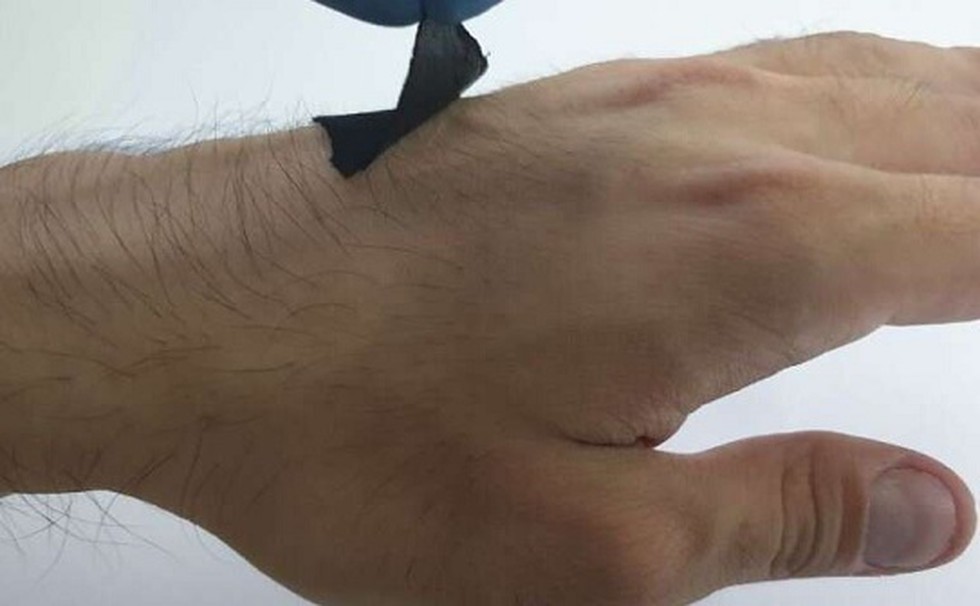
In a study published in ACS Applied Materials & Interfaces, a team of researchers reported the development of a graphene-based adhesive biosensor inspired by octopus "suckers."
Background:
Wearable electronics that adhere to skin are an emerging trend in health sensor technology for their ability to monitor a variety of human activities, from heart rate to step count.
But finding the best way to stick a device to the body has been a challenge. For a wearable sensor to be truly effective, it must be flexible and adhere fully to both wet and dry skin but still remain comfortable for the user.
Recent development:
To overcome these challenges, scientists have developed a low-cost, graphene-based sensor with a yarn-like substrate that uses octopus-like suckers to adhere to skin.
The sensor could detect a wide range of pressures and motions. The device also could monitor an array of human activities, including electrocardiogram signals, pulse and speech patterns, demonstrating its potential use in medical applications.
Dear Student,
You have still not entered your mailing address. Please enter the address where all the study materials will be sent to you. (If applicable).