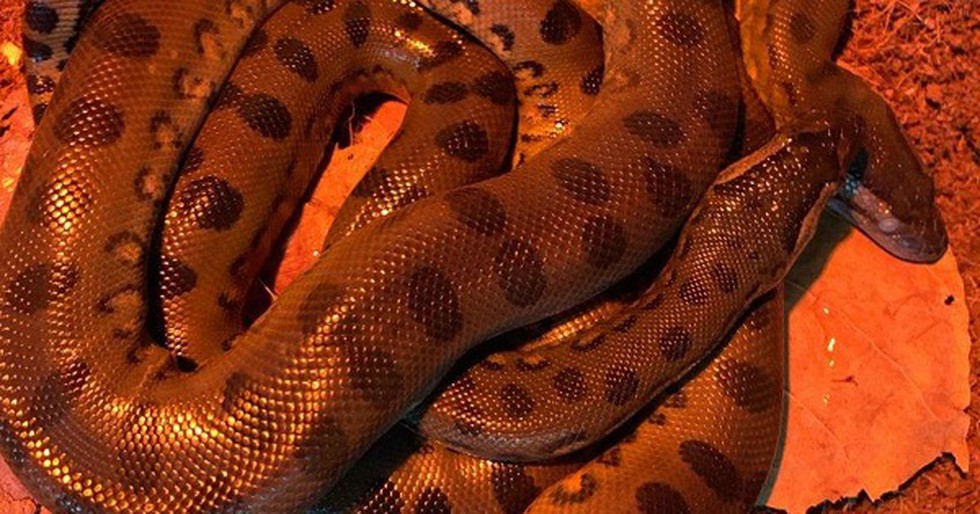
The New England Aquarium in the US recently announced that a “virgin” anaconda named Anna had given birth during the winter. The aquarium does not have a male anaconda. This is only the second known case of parthenogenesis in green anacondas.
About:
Etymology: The term parthenogenesis is a amalgam of the Greek words parthenos meaning virgin and genesis meaning origin.
Meaning:
Parthenogenesis is defined as “a reproductive strategy that involves development of a female (rarely a male) gamete (sex cell) without fertililisation.
A gamete is the egg in females and the sperm in males. In animals, parthenogenesis means development of an embryo from an unfertilised egg cell.
Prevalence:
About 2,000 species are known to reproduce through parthenogenesis.
It occurs commonly among lower plants and invertebrate animals (particularly rotifers, aphids, ants, wasps and bees) and rarely among higher vertebrates”.
Anna is a higher vertebrate, which is why the birth of her two babies has been met with so much surprise.
Clones of mother: Babies born through parthenogenesis are clones of the mother because there has been no exchange and rearrangement of genetic information with another individual as happens in case of a sexual reproductive process.
Dear Student,
You have still not entered your mailing address. Please enter the address where all the study materials will be sent to you. (If applicable).