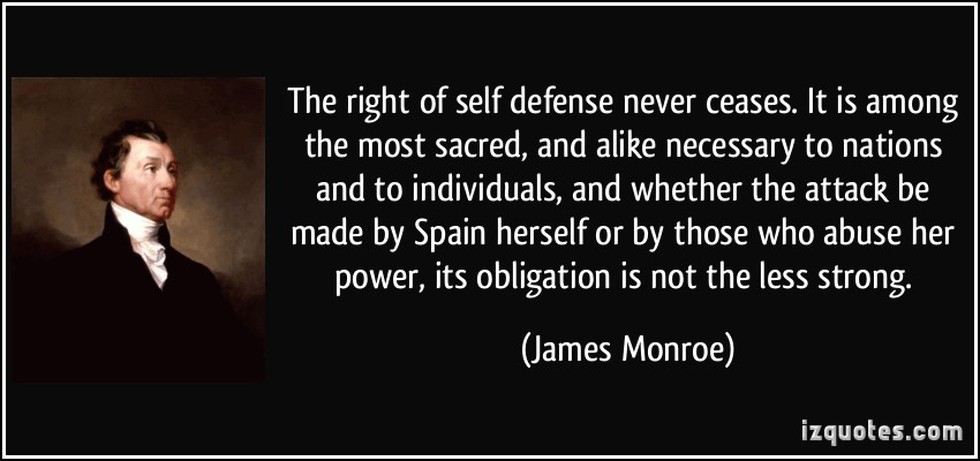
The Supreme Court ruled that Right to Self-Defence extends not only to one’s own body but also to protecting the person and property of another.
About:
In its verdict delivered on March 7, 2019, a Bench of the Supreme Court has interpreted the provisions dealing with the right to private defence, enumerated in Sections 96 to 106 of the Indian Penal Code (IPC).
The court observed that –
the right of private defence extends not only to “the defence of one’s own body against any offence affecting the human body but also to defend the body of any other person.
The right also embraces the protection of property, whether one’s own or another person’s, against certain specified offences, namely, theft, robbery, mischief and criminal trespass”.
the right does not arise if there is time to have recourse to the protection of the public authorities. Nor does it extend to the infliction of more harm than is necessary.
When death is caused, the person exercising the right of self-defence must be under “reasonable apprehension of death, or grievous hurt, to himself or to those whom he is protecting”.
The court gave the verdict, while acquitting a Tamil Nadu forest ranger who was jailed for shooting an alleged sandalwood smuggler in the Dharmapuri forest area in 1988.
Dear Student,
You have still not entered your mailing address. Please enter the address where all the study materials will be sent to you. (If applicable).