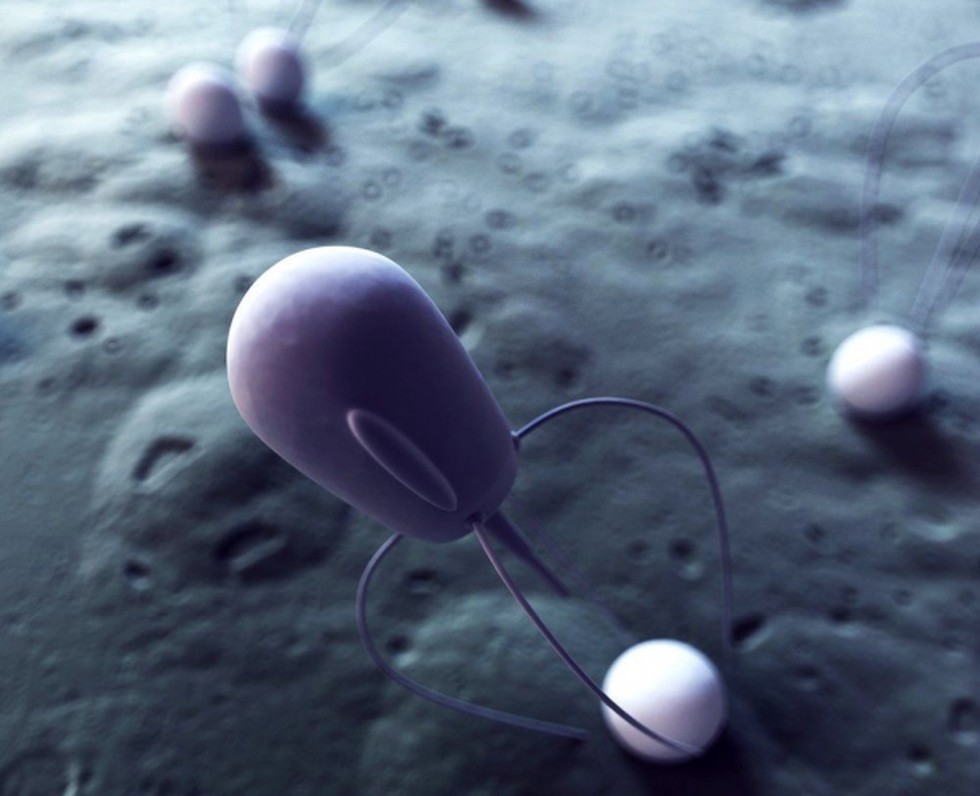
MIT scientists have developed robots no bigger than a cell that could be used to monitor conditions inside an oil or gas pipeline, or to search out disease while floating through the bloodstream.
About:
The team of researchers at the Massachusetts Institute of Technology in the U.S. calls these tiny devices as “syncells” (short for synthetic cells).
These tiny objects “behave like a living biological cell”.
Method:
The key to making “syncells” in large quantities lies in controlling the natural fracturing process of atomically-thin, brittle materials.
The process, called “autoperforation”, directs the fracture lines so that they produce miniscule pockets of a predictable size and shape. Embedded inside these pockets are electronic circuits and materials that can collect data
The system, developed by researchers uses a two-dimensional form of carbon called graphene, which forms the outer structure of the tiny syncells.
Dear Student,
You have still not entered your mailing address. Please enter the address where all the study materials will be sent to you. (If applicable).