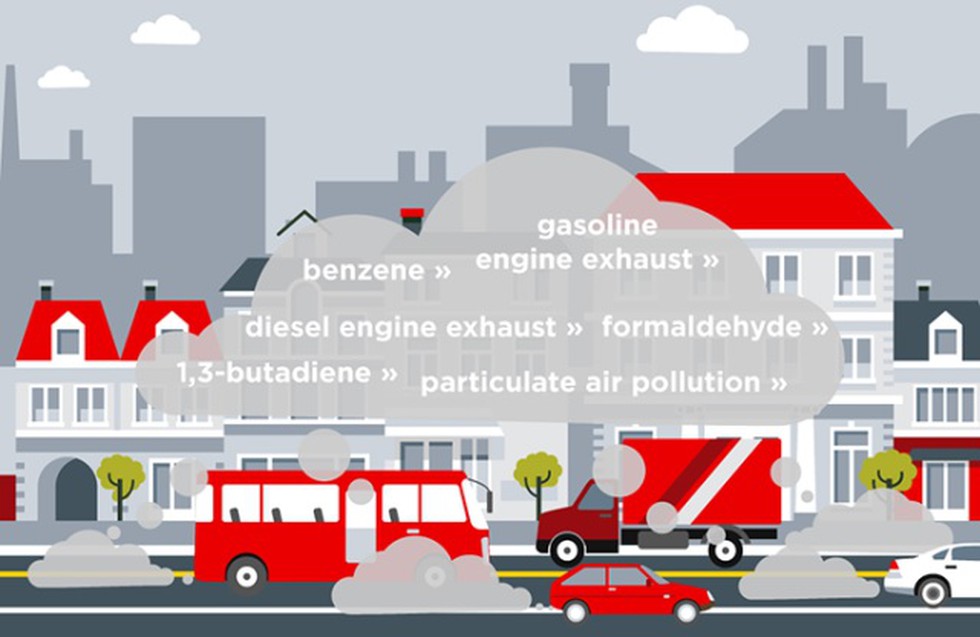
A study has found that exposure to Traffic-Related Air Pollution (TRAP) can alter brain chemicals in children, increasing the risk of mental disorders such as anxiety and depression.
About:
Traffic-related air pollutants are emitted by cars, trucks, buses, and "non-road" equipment (e.g., recreational vehicles or lawn equipment) from the burning of fossil fuels.
Traffic-related air pollution contributes significantly to outdoor air pollution, especially in urban settings.
Children are especially sensitive to air pollution, and there is increasing evidence that exposure to traffic-related air pollution (TRAP) may impact pregnancy outcomes and child development.
Recent study:
Researchers from the University of Cincinnati in the U.S. evaluated imaging of 145 children at an average age of 12 years, looking specifically at the levels of myo-inositol found in the brain through a specialised MRI technique, magnetic resonance spectroscopy.
The evidence suggested the central nervous system is particularly vulnerable to air pollution, suggesting a role in the etiology of mental disorders, like anxiety or depression.
Dear Student,
You have still not entered your mailing address. Please enter the address where all the study materials will be sent to you. (If applicable).