About:
- Trans fat, or trans-unsaturated fatty acids, trans fatty acids, are a type of unsaturated fat.
- Types: There are two broad types of trans fats found in foods:
- Naturally-occurring: They occur in small amount in Nature. These are produced in the gut of some animals. Foods made from these animals (e.g., milk and meat products) may contain small quantities of these fats.
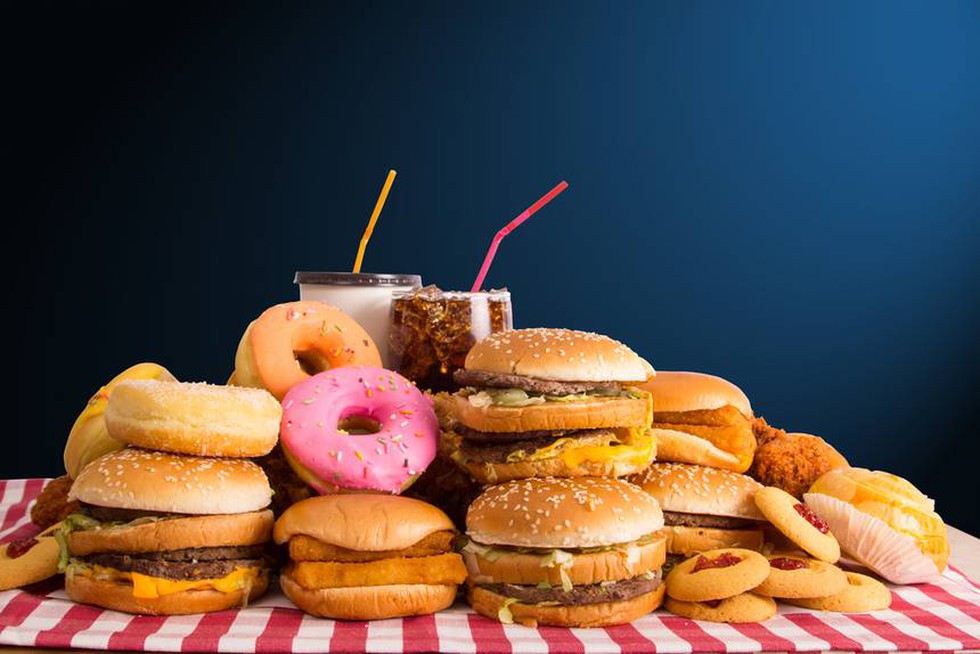
- Artificial: These are created in an industrial process that adds hydrogen to liquid vegetable oils to make them more solid. These are contained in hardened vegetable fats such as margarine and ghee, and are often present in snack, baked, and fried foods.
- Why do some companies use trans fats? Trans fats are easy to use, inexpensive to produce and last a long time.
- Impact on health:
- Trans fats not only raises one’s bad (LDL) cholesterol levels but also lowers good (HDL) cholesterol levels. Thus, it increases risk of developing heart disease and stroke.
- It’s also associated with a higher risk of developing type 2 diabetes.
- According to WHO estimates, every year, trans fat intake leads to over 5,00,000 deaths worldwide from cardiovascular diseases.
- Global scenario:
- Denmark was the first country to mandate restrictions on industrially-produced trans fats in food products. Several high-income countries followed soon.
- In May 2018, WHO released ‘REPLACE’ strategy which provides six strategic actions to ensure the quick and complete elimination of industrially-produced trans fats from the food supply by 2023.
- Indian scenario:
- According to WHO, trans fats should be limited to less than 1% of food energy, which it equates to a maximum of 2.2g of trans fats in a diet of 2,000 calories a day.
- However, Vanaspati — used commonly in Indian households, restaurants and by road side vendors in India, contains 30-40% trans fats.
Initiative by Kerala Government:
- The year-long action plan has specific components on building awareness on trans-fat amongst food business operators (FBOs) and giving them scientific sessions and training on how they can keep their food TFA-free.
- Generating public awareness on the harmful effects of trans fat, especially among schoolchildren, is being given special focus.
- Clear timelines are being set as to when each of the components of the plan should be completed and when enforcement should begin.
- Salt being a major contributor to hypertension and stroke, the action plan also plans to address the high salt content in processed foods, pickles, papads and condiments by encouraging manufacturers to move to low sodium options.
- The department is being supported in this initiative by Vital Strategies, the nutrition wing of the World Bank, WHO, the Food Safety and Standards Authority of India (FSSAI), and the State Food Safety wing, which will be in charge of enforcement.