New research uncovers the potential benefits and risks of sodium-glucose cotransporter 2 (SGLT2) inhibitors for adults aged 80 years or older with chronic kidney disease (CKD).
About SGLT2 Inhibitors:
SGLT2 (Sodium-Glucose Cotransporter-2) inhibitors are a class of medications primarily used to treat Type 2 diabetes (T2D).
T2D, the most common type of diabetes, is a disease that occurs when the blood glucose, also called blood sugar, is too high.
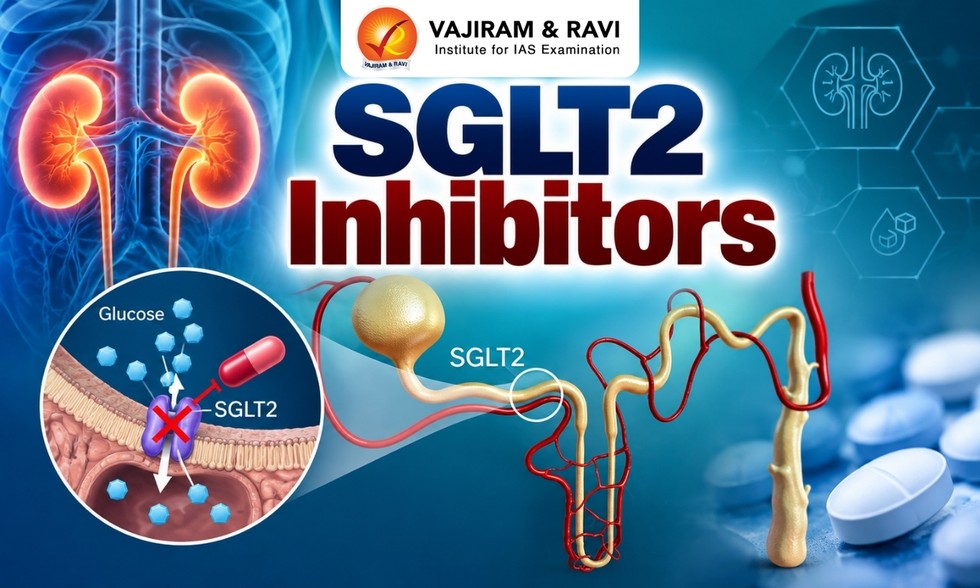
SGLT2 Inhibitors manage blood sugar by helping kidneys remove extra glucose.
How do SGLT2 inhibitors work?
SGLT2 is a protein in the kidneys that reabsorbs glucose.
Typically, when glucose in the blood flows through the kidneys, some glucose goes back into the bloodstream.
SGLT2 inhibitors block that process, so the kidneys don’t reabsorb glucose.
The use of SGLT2 inhibitors is as follows:
They also help improve kidney and heart health for people with chronic kidney disease (CKD) or heart failure.
They can slow the progression of kidney disease and reduce the risk of needing dialysis.
SGLT2 inhibitors also lower the risk of heart failure flare-ups.
Common SGLT2 inhibitors:
Dapagliflozin
Empagliflozin
Canagliflozin
Ertugliflozin
Some of the side effects include:
Higher risk of developing genital and urinary tract infections
Dear Student,
You have still not entered your mailing address. Please enter the address where all the study materials will be sent to you. (If applicable).