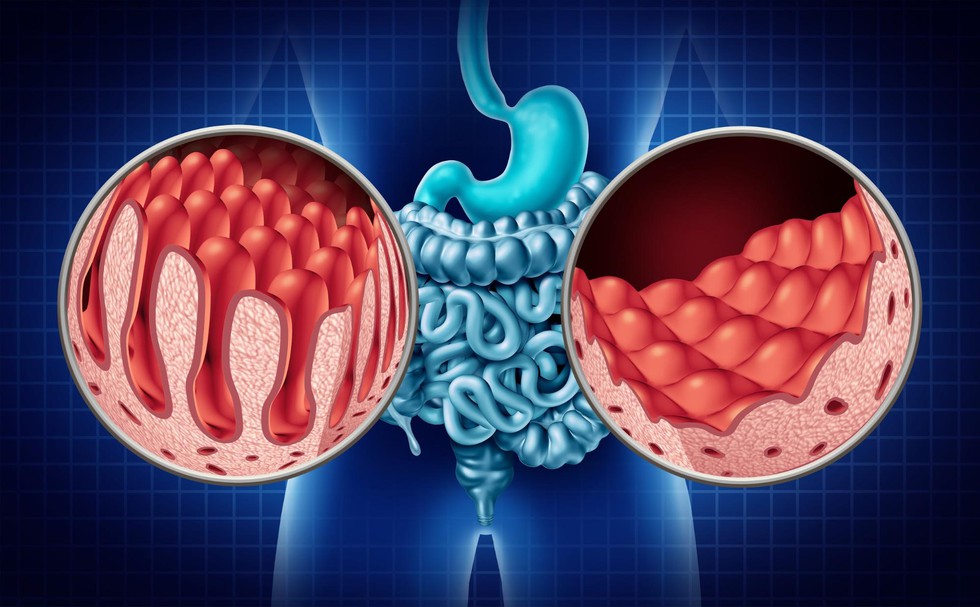
A recent study indicates that a drug already approved for use in humans could help to reduce the inflammation associated with celiac disease.
About Celiac Disease:
It is an inherited autoimmune condition where the immune system reacts to gluten, sometimes causing damage to the small intestine.
Gluten is a protein found in foods containing wheat, barley, or rye.
In celiac disease,eating gluten triggers an immune response to the gluten protein in small intestine.
Over time, this reaction can damage small intestine's lining and prevent it from absorbing nutrients. This condition is called malabsorption.
The intestinal damage often causes symptoms such as diarrhea, fatigue, weight loss, bloating, or anemia.
It also can lead to serious complications if it is not managed or treated.
In children, malabsorption can affect growth and development in addition to gastrointestinal symptoms.
It can develop at any age after people start consuming gluten.
It is estimated to affect 1 in 100 people worldwide.
There's no definite cure for celiac disease. But for most people, following a strict gluten-free diet can help manage symptoms and help the intestines heal.
Dear Student,
You have still not entered your mailing address. Please enter the address where all the study materials will be sent to you. (If applicable).