Researchers recently discovered glutathione's key part in maintaining the smooth operations of a protein-producing hub in the cell called the endoplasmic reticulum (ER).
About Glutathione:
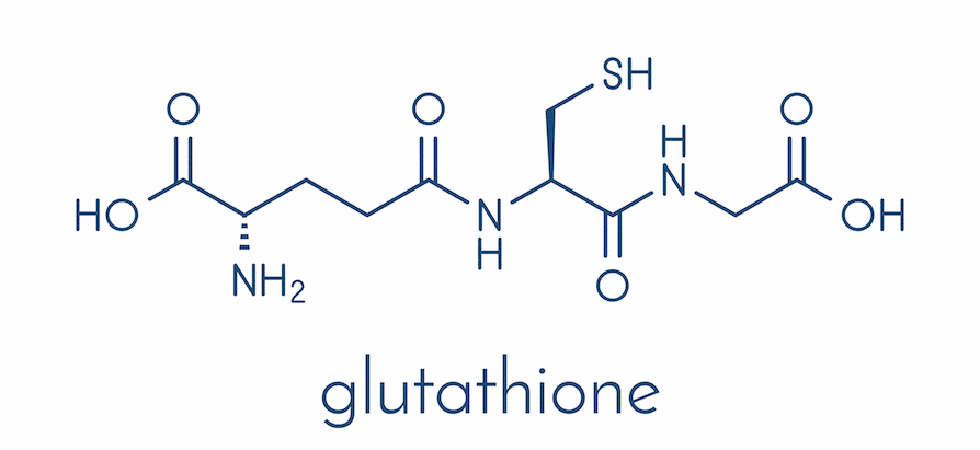
Glutathione is an antioxidant produced in the body through enzymatic reactions.
It is a tripeptide consisting of three amino acids (glutamate, cysteine, and glycine) and is naturally produced in the liver.
These amino acids that make up glutathione are non-essential amino acids that our body can produce on its own when needed.
In addition to being produced naturally by the body, glutathione can be given intravenously, topically, or as an inhalant. It’s also available as an oral supplement in capsule and liquid form.
Some of the most abundant food sources of glutathione include cabbage, Brussels sprouts, garlic, onions, broccoli, and cauliflower.
Benefits:
Glutathione is often called the “master antioxidant” because of its crucial role in protecting and detoxifying cells.
It is involved in tissue building and repair, making chemicals and proteins needed in the body, and in immune system function.
It also can play a role in treating certain genetic conditions.
Glutathione levels in the body may be reduced by a number of factors, including poor nutrition, environmental toxins, and stress. Its levels also typically decline with age.
Dear Student,
You have still not entered your mailing address. Please enter the address where all the study materials will be sent to you. (If applicable).