Aug. 19, 2019
Prelims Pointers
Aug. 19, 2019
About:
- Meaning: Delimitation is the act of redrawing boundaries of Lok Sabha and state Assembly seats to represent changes in population so that the population of all seats, so far as practicable, is the same.
- The main objective of delimitation is: To provide equal representation to equal segments of a population; fair division of geographical areas so that one political party doesn’t have an advantage over others in an election.
- Constitutional provisions: Under Article 82, the Parliament enacts a Delimitation Act after every Census.
Delimitation Commission:
- Delimitation is carried out by an independent Delimitation Commission.
- Once the Delimitation Act is in force, the Union government sets up a Delimitation Commission made up of a retired Supreme Court judge, the Chief Election Commissioner and the respective State Election Commissioners.
- The Constitution mandates that its orders are final and cannot be questioned before any court as it would hold up an election indefinitely.
- Delimitation Commissions have been set up four times — 1952, 1963, 1973 and 2002 under the Acts of 1952, 1962, 1972 and 2002. There was no delimitation after the 1981 and 1991 Censuses.
Suspension of delimitation:
- The southern states that promoted family planning faced the possibility of having their seats reduced. To allay these fears, the Constitution was amended during Indira Gandhi’s Emergency rule in 1976 to suspend delimitation until 2001.
- Although the freeze on the number of seats in Lok Sabha and Assemblies should have been lifted after the 2001 Census, another amendment postponed this until 2026.
Prelims Pointers
Aug. 19, 2019
About:
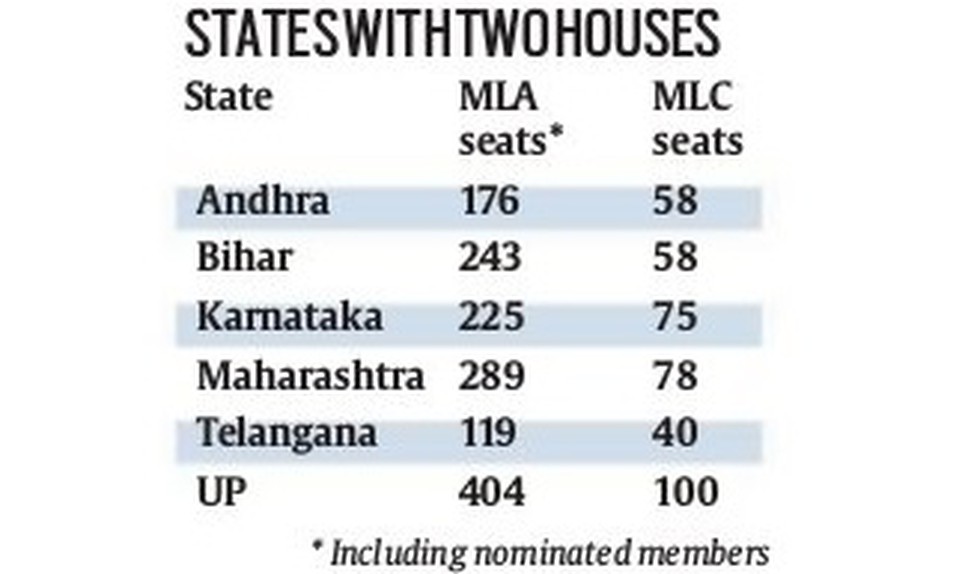
- Constitution of India (Article 168 & 169) provides for bi-cameral legislatures in certain States.
- Status: Legislative Council is the Upper House of State Legislature. Like the Rajya Sabha it is a permanent House i.e. not subject to dissolution.
- Process of establishing it: Under Article 169, Union Parliament has the power to create or abolish the Legislative Council on the basis of resolutions adopted by special majority in the Assembly of the concerned State.
- Strength: The maximum strength of the Legislative Council of State is fixed at one-third of strength of the Legislative Assembly of that State and not less than 40.
- Present status: Currently, six states have Legislative Councils. Jammu and Kashmir too had one, until the state was bifurcated into the Union Territories of J&K and Ladakh.
Election of Council Members:
- Elections to the State Legislative Councils are held under the system of proportional representation by means of the single transferable vote (Article 171).
- One-third of the MLCs are elected by the state’s MLAs, another one-third by a special electorate comprising sitting members of local governments such as municipalities and district boards, 1/12th by an electorate of teachers and another 1/12th by registered graduates. The remaining members are appointed by the Governor for distinguished services in various fields.
- Criteria for becoming a member:
- Minimum age limit to be a member of Legislative Council is 30 years.
- Council members are elected from those possessing special knowledge and experience in the field of Art, Science, Literature, Social Science and cooperative movement.
- Minimum age limit to be a member of Legislative Council is 30 years.
- Tenure: Members are elected for a period of 6 years and one third members retire every second year.
Comparison with Rajya Sabha:
- The legislative power of the Councils is limited.
- Unlike Rajya Sabha which has substantial powers to shape non-financial legislation, Legislative Councils lack a constitutional mandate to do so; Assemblies can override suggestions/amendments made to a legislation by the Council.
- Again, unlike Rajya Sabha MPs, MLCs cannot vote in elections for the President and Vice President.
- The Vice President is the Rajya Sabha Chairperson; an MLC is the Council Chairperson.
Prelims Pointers
Aug. 19, 2019
About:
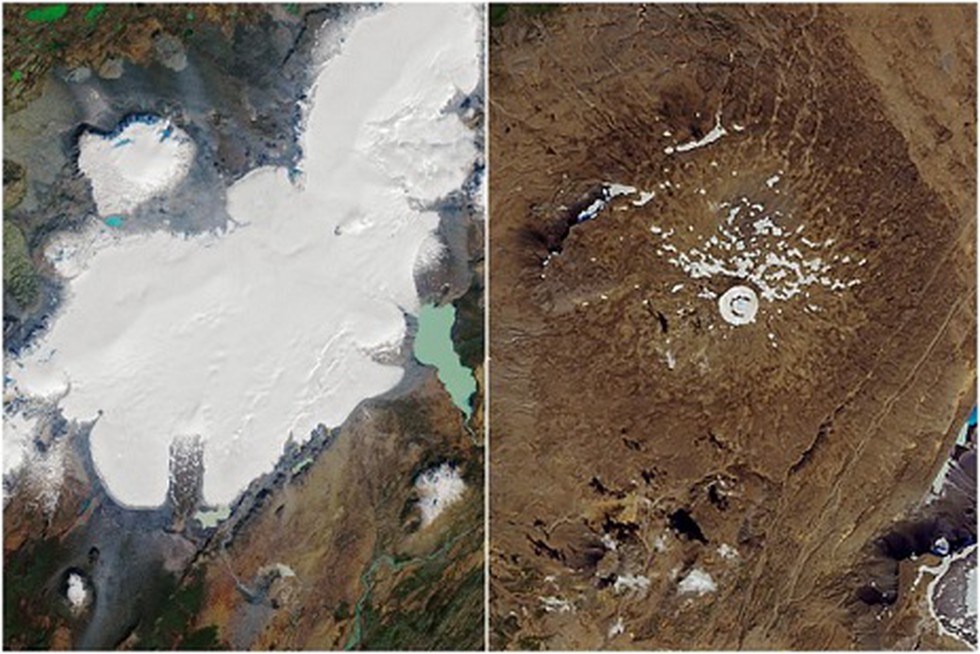
- The Okjokull glacier was officially declared dead in 2014 at the age of 700 by the Icelandic Meteorological Office when it was no longer thick enough to move.
- What once was glacier has been reduced to a small patch of ice atop a volcano.
- Okjokull is the first Icelandic glacier to lose its status as glacier.
- The plaque is also labelled "415 ppm CO2", referring to the record level of carbon dioxide measured in the atmosphere last May.
Iceland loses about 11 billion tonnes of ice per year, and scientists fear that all of the island country's 400-plus glaciers will be gone by 2200.
Prelims Pointers
Aug. 19, 2019
About:
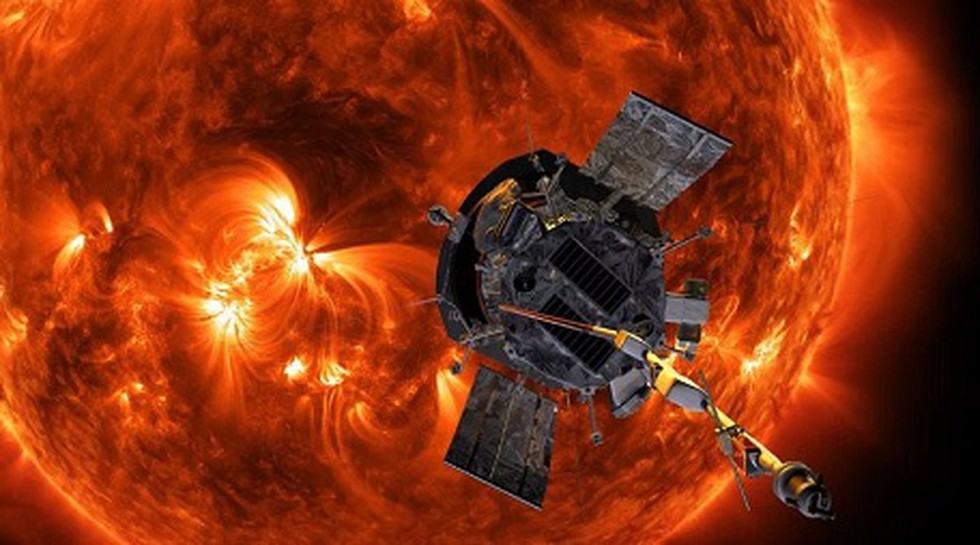
- Parker Solar Probe is part of NASA’s “Living With a Star” programme that explores different aspects of the Sun-Earth system.
- The probe seeks to gather information about the Sun’s atmosphere.
- One of Parker's main objectives is to investigate what mechanism might be driving extreme heating in the sun's outermost layer, known as the corona.
- Scientists are curious as why the corona is over a million degrees Fahrenheit (over 555,000 degrees Celsius), while the solar layers below are only a few thousand degrees Fahrenheit each.
- It is the closest a human-made object has ever gone to the Sun.
- The mission is likely to last for seven years during which it will complete 24 orbits.
Prelims Pointers
Aug. 19, 2019

About:
- Jupiter, a gas giant planet covered in thick red, brown, yellow and white clouds, boasts a diameter of about 89,000 miles (1,43,000 km).
- Interior models based on Juno data indicated Jupiter has a large "diluted" core representing about 5 to 15 % of the planet's mass comprised rocky and icy material unexpectedly mixed with light elements like hydrogen and helium.
- Computer models indicated that a head-on collision with a protoplanet - a planet in its formative stages - of roughly 10 Earth masses would have broken apart Jupiter's dense core and mixed light and heavy elements, explaining Juno's findings.
Juno?
- Juno is a NASA space probe orbiting the planet Jupiter.
- The spacecraft was launched in 2011 as part of the New Frontiers program, and entered a polar orbit of Jupiter in 2016, to begin a scientific investigation of the planet.
- Juno's mission is to measure Jupiter's composition, gravity field, magnetic field, and polar magnetosphere.
- Juno is the second spacecraft to orbit Jupiter, after the nuclear powered Galileo orbiter, which orbited from 1995 to 2003. Unlike all earlier spacecraft sent to the outer planets, Juno is powered by solar arrays.
Prelims Pointers
Aug. 19, 2019
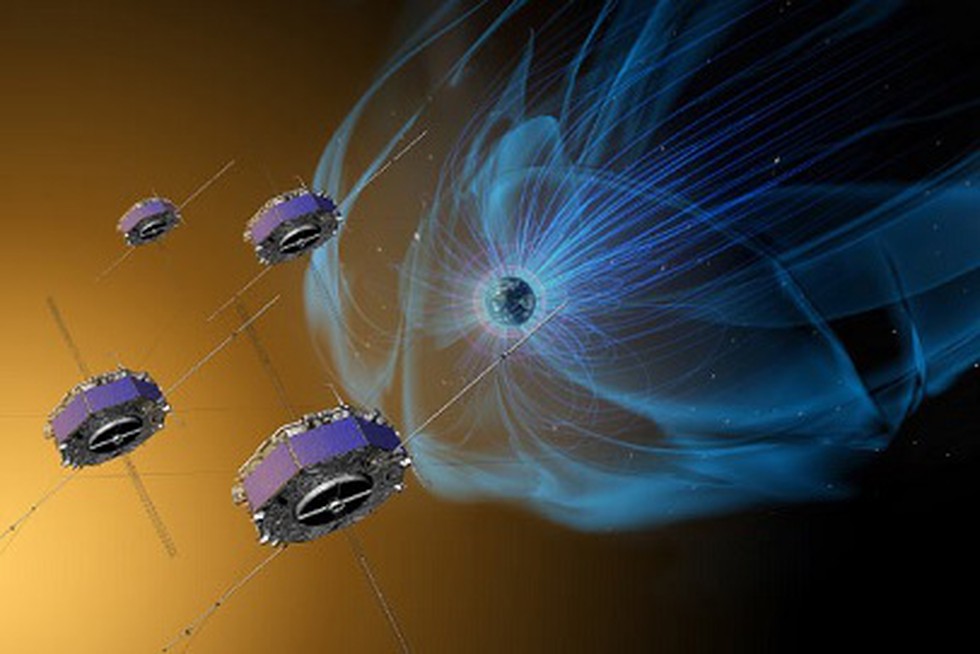
About:
- Interplanetary shocks are a type of collisionless shock — ones where particles transfer energy through electromagnetic fields instead of directly bouncing into one another.
- These shocks, made of particles and electromagnetic waves, are launched by the Sun, which continually releases streams of charged particles called the solar wind.
- These collisionless shocks are a phenomenon found throughout the universe, including in supernovae, black holes and distant stars.
MMS Mission Overview?
- NASA launched the Magnetospheric Multiscale (MMS) mission in 2015.
- MMS consists of 4 identical spacecraft that orbit around Earth through the dynamic magnetic system surrounding our planet to study ‘Magnetic reconnection’.
- Magnetic reconnection is a phenomenon unique to plasma, that is, the mix of positively and negatively charged particles that make up the stars, fill space and account for an estimated 99% of the observable universe.
Prelims Pointers
Aug. 19, 2019
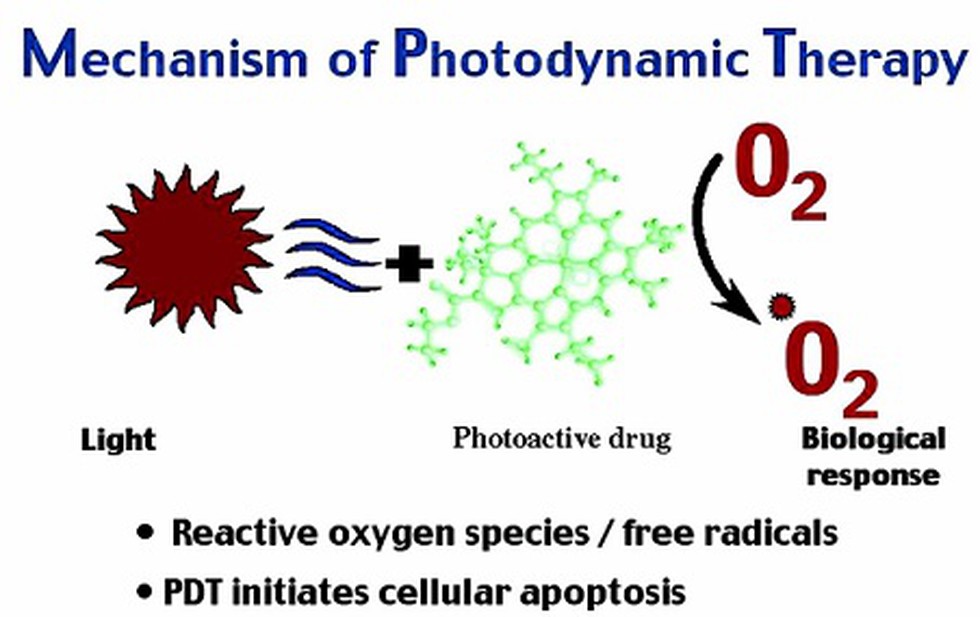
About:
- Light-based or photo-dynamic therapy is already a clinically-approved treatment, which uses drugs that only work when exposed to light to destroy cancer cells.
- However, many of these drugs are frequently toxic even without light, causing many side effects in patients and leading to treatment failure.
- Now, researchers in the UK have sought to improve these drugs by using small carbon dots as a way to get the drug to the tumour.
- Carbon dots are fluorescent nanoparticles with very little toxicity, making them extremely useful for this application.
Prelims Pointers
Aug. 19, 2019

About:
- The drug mAb114 was developed using antibodies harvested from survivors of Ebola while REGN-EB3 comes from antibodies generated within mice infected with the disease.
- The two anti-Ebola drugs tested in the DRC employ monoclonal antibodies -- protein molecules made by the immune system in response to infection. The drugs work by attacking the Ebola virus with antibodies, neutralising its impact on human cells.
- They are the "first drugs that, in a scientifically sound study, have clearly shown a significant diminution in mortality" Preliminary results from 499 patients suggest that prompt use of –
- REGN-EB3 cuts mortality rates to 29% and
- mAb114 cuts mortality rate to 34%.
- REGN-EB3 cuts mortality rates to 29% and
- The experimental drugs will now be used to treat patients infected with the viral disease in an ongoing outbreak in the DRC.
Ebola is a viral hemorrhagic fever that kills up to 90% of those it infects. The latest outbreak, in the Democratic Republic of Congo (DRC), has so far killed nearly 1,900 people.
Prelims Pointers
Aug. 19, 2019
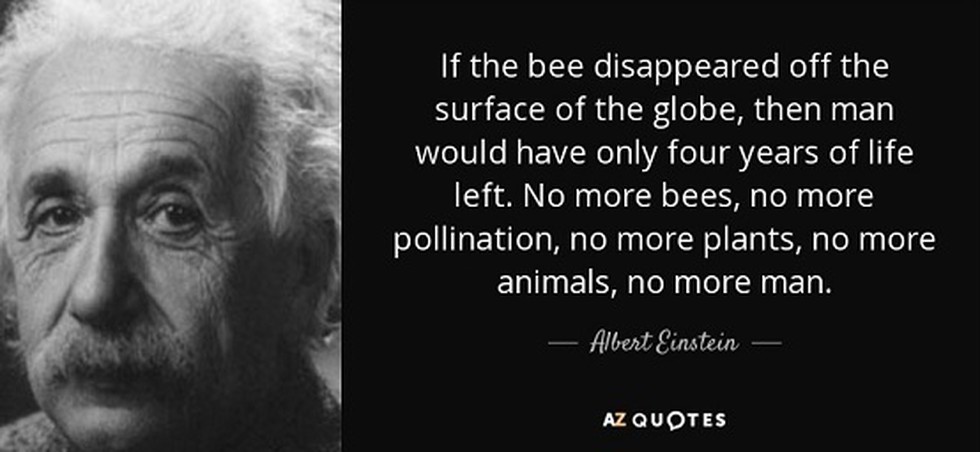
About:
- Date of observance: World Honey Bee Day is observed on every Third Saturday in August.
- Background: It was started by beekeepers in the USA in 2009, Gradually other countries also started observing it every year.
- Objective of the day: To build community awareness of the bee industry, through education and promotion.
Indian honey industry:
- Areas of Production: North East Region of India and Maharashtra are the key areas for natural honey production.
- Export (2018-19): The country exported 61,333 MT of Natural Honey to the world for the worth of Rs. 732 Crore during the year of 2018-19. Major Export Destinations were USA, UAE, Saudi Arabia, Morocco and Qatar.
- Institutions have been set up by the government of India:
- Central Bee Research & Training Institute at Pune: it was established in 1962 by Khadi & Village Industries Commission (KVIC) to develop technologies suited to Indian beekeeping.
- Agricultural Products Export Development Authority (APEDA) under the aegis of the Ministry of Commerce and Industry is the nodal agency to promote exports of honey.
Prelims Pointers
Aug. 19, 2019
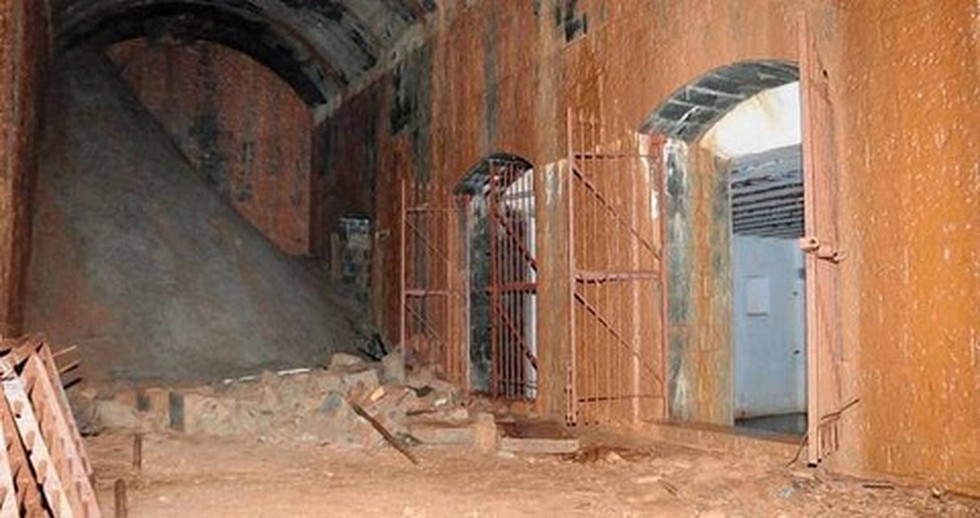
About:
- Maharashtra Governor Ch. Vidyasagar Rao had discovered the bunker last year, along with two identical cannons, atop the foothills of Raj Bhavan, which is situated at the tip of south Mumbai.
- The bunker resembles a fort and is made up of 13 rooms, which can be accessed by passing through a 20-foot-tall gate.
- The bunker was created in the 19th century to fire cannons at approaching enemy ships.
- The 15,000 square feet underground restored bunker museum has virtual reality booths in which visitors can "time travel" to the 19th century. Another section depicts the history of Raj Bhavan.
- The museum will be opened for the general public with an online booking facility later this year.
Aug. 18, 2019
Prelims Pointers
Aug. 18, 2019
About:
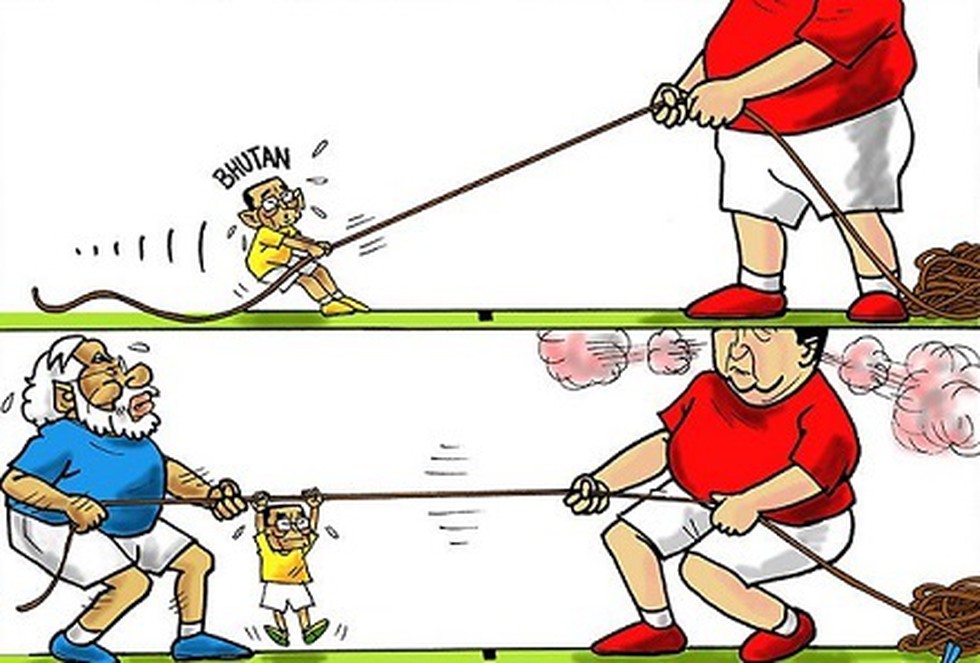
- PM Modi inaugurated the Mangdechhu hydroelectric power plant. Most of the electricity generated by it will meet the energy requirements of Bhutan and the surplus electricity will be exported to India.
- He also launched the RuPay Card in Bhutan by making a purchase at Simtokha Dzong, built in 1629 by Shabdrung Namgyal, which functions as a monastic and administrative centre and is one of the oldest dzongs in Bhutan.
- India announced that an additional $100 million will be available to Bhutan under the SAARC currency swap framework to meet the foreign exchange requirement.
- The two countries also signed 10 MoUs in the fields of space research, aviation, IT, power and education.
Some of the key MoU/Agreement exchanged during the State Visit of Prime Minister to Bhutan:
- Power Purchase Agreement Between PTC India Limited and Druk Green Power Corporation Limited for Sale and Purchase of Mangdechhu Power.
- MoU between ISRO and Department of Information Technology and Telecom (DITT) of Bhutan on the establishment of SATCOM Network for the Utilization of South Asia Satellite in Bhutan.
- MoU between the Air Accident Investigation Unit (AAIU), Bhutan, and Aircraft Accident Investigation Bureau, India on cooperation on Aircraft Accident and Incident Investigation.
- MoU for interconnection between India’s National Knowledge Network and Bhutan’s Druk Research and Education Network.
Prelims Pointers
Aug. 18, 2019
About:
- Navroz also pronounced as Nowruz is the beginning of the Parsi New Year.
- It is celebrated for health, wealth, prosperity and productivity.
- The day is filled with exciting celebrations, wearing new clothes, greetings relatives and friends, exchanging sweets and presents and so on. This is also a day to rejoice the chosen range of delicacies.
- The central feature of the day is visiting the Fire Temple and offering prayers to the deities Khorshed and Meher, who are considered the presiding deities of sun and moon respectively.
Parsi community in India:
- Male-female ratio: According to the 2001 Census, there 1,050 females per 1,000 males, much higher than India’s average of 933 females.
- Population: According to Demographic predictions, by 2020, only 23,000 Parsis will be left in the country which will take away their community tag and label them as The government-of India launched Jiyo Parsi Scheme in 2013 to prevent the decline in population of the Parsi community in India.
- Literacy: According to the 2001 census, they have the highest literacy rate in the country.
- Language: Their native language is Avestan, although they are commonly seen speaking in Gujarati or English.
- Religion: Zoroastrianism was founded by Prophet Zoroaster in ancient Iran about 3,500 years ago. The Avesta is the primary collection of religious texts of Zoroastrianism.
- Contribution to India: Scientist Homi Jehangir Bhabha was a pioneer in atomic research. JRD Tata was a legendary businessman. Sam Manekshaw was India's first field Marshal.
Prelims Pointers
Aug. 18, 2019
Glyptothorax gopii:
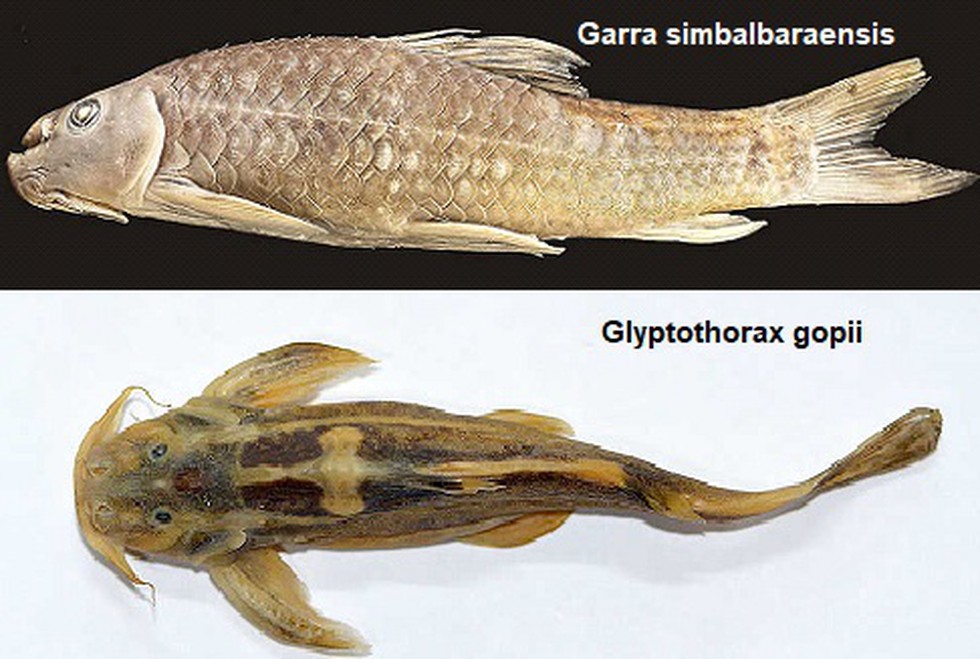
- Glyptothorax gopii is a new species of catfish found in Mizoram’s Kaladan river.
- It measures 63 mm standard length without caudal fin, is dark brown on its dorsal surface, and its ventral surface is of a yellowish-light brown.
- It has been named to celebrate the contribution of taxonomist K.C. Gopi.
- It has an axe-shaped anterior nuchal plate (bone below dorsal fin), which makes it distinct from other species of the genus Glyptothorax.
- The elliptical thoracic adhesive apparatus and plicae (folds of tissue) present on the ventral surfaces of the pectoral-fin spine help the fish cling to rocks.
Garra simbalbaraensis:
- Garra simbalbaraensis was found in Himachal Pradesh’s Simbalbara river.
- It measures 69 mm standard length without caudal fin and has a yellowish-grey colour fading ventrally.
- It takes its name from the Simbalbara river.
- It has a prominent unilobed and rounded proboscis with tubercles that help the fish in manoeuvrability.
Prelims Pointers
Aug. 18, 2019

Key highlights of the meeting:
- With issue of finance being considered a major sticking point in negotiations ahead of future climate summit, the BASIC nations jointly urged developed countries to fulfill their climate finance commitments of mobilizing $100 billion annually by 2020 for developing countries.
- This support should be new and additional, and over and above their 0.7% of Gross National Product (GNP) commitment with respect to Official Development Assistance (ODA).
- Under the Green Climate Fund (GCF) mechanism, the developed countries are expected to jointly mobilize $100 billion per year by 2020, from a variety of sources, to address the mitigation and adaptation needs of developing countries.
- The BASIC countries are a bloc of four advanced developing countries namely Brazil, South Africa, India and China.
- It was formed by an agreement in 2009. The four committed to act jointly at the Copenhagen climate summit, including a possible united walk-out if their common minimum position was not met by the developed nations.
- Since 2009, the BASIC group of countries have cooperated in international climate negotiations, reflecting their aspiration to have a larger say in global politics.
- BASIC countries put together one-third of world’s geographical area and nearly 40% of the world’s population.
Prelims Pointers
Aug. 18, 2019
About:
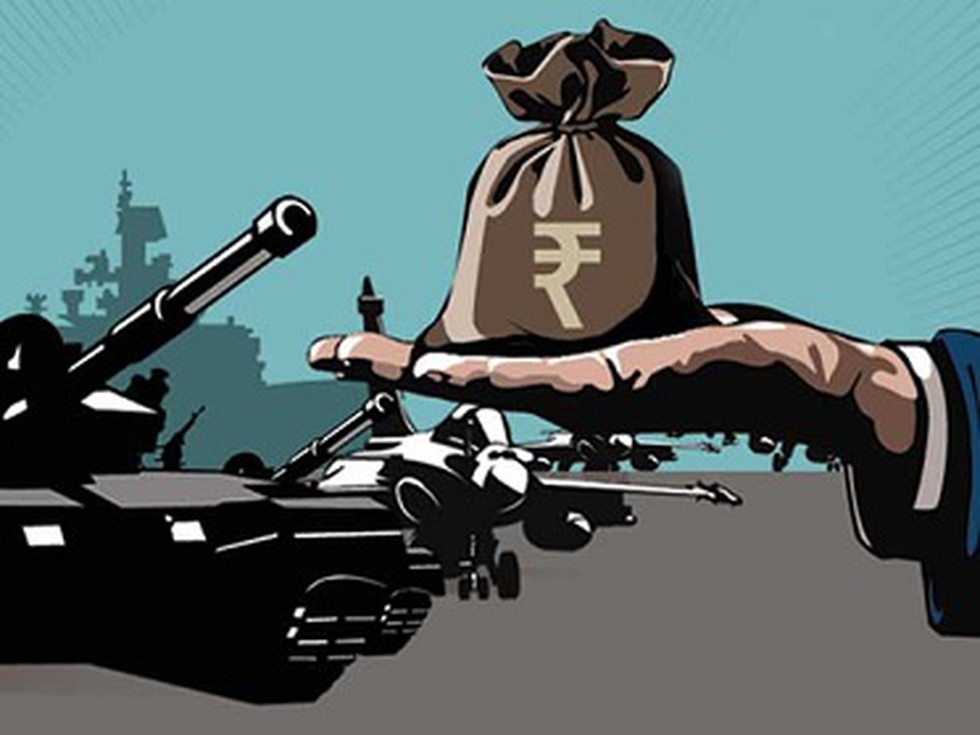
- Composition: The Committee has been setup under the Chairmanship of Director General (Acquisition). Apart from DG (Acq), 11 other members, not below the rank of Joint Secretary/Major General equivalent, are part of this high-level committee.
- Terms of reference of the Committee include to:
- Revise the procedures as given in Defence Procurement Procedure (DPP) 2016 and Defence Procurement Manual (DPM) 2009, so as to remove procedural bottlenecks and hasten defence acquisition.
- Align and standardise the provisions in the DPP 2016 and DPM 2009, wherever applicable, to optimise life cycle support for equipment.
- Include provisions to promote Indian start-ups and research & development.
- Revise the procedures as given in Defence Procurement Procedure (DPP) 2016 and Defence Procurement Manual (DPM) 2009, so as to remove procedural bottlenecks and hasten defence acquisition.
- Timeline: The Committee has been given six months to submit its recommendations.
Prelims Pointers
Aug. 18, 2019
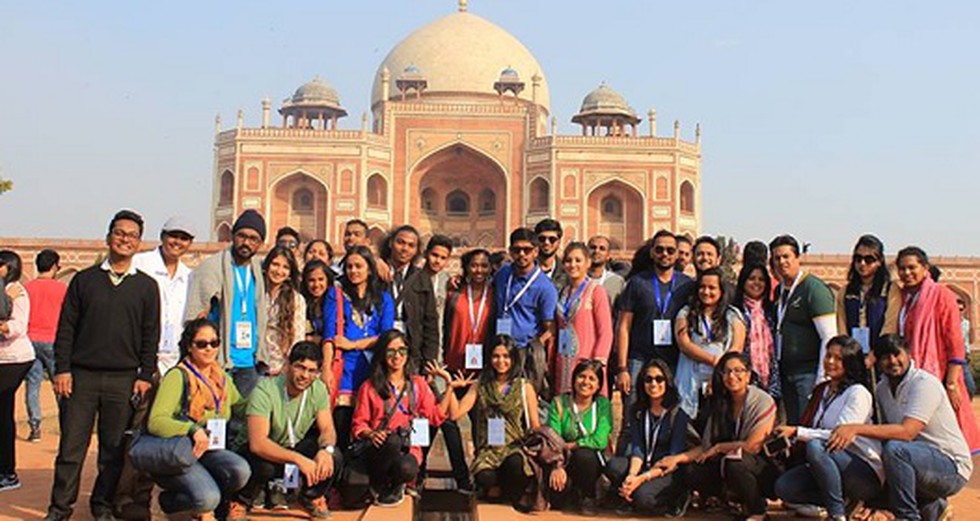
About:
- Implementing agency: The KIP is a 25-day orientation programme organized by the Ministry of External Affairs in partnership with the states of India.
- Objective: To make Indian origin youth (between 18-30 years) aware about India, its cultural heritage, art and to familiarize them with various aspects of contemporary India.
- Background: The programme has been in existence since 2003.
- Salient features:
- In 2016, the scheme was revamped to increase duration from 21 to 25 days, with a 10-day visit to one or two States and preference given to PIOs from Girmitiya countries.
- Since 2016, six KIPs are being organised in a year.
- A maximum of 40 Indian Diaspora youth are selected for each programme and provided full hospitality in India.
- In 2016, the scheme was revamped to increase duration from 21 to 25 days, with a 10-day visit to one or two States and preference given to PIOs from Girmitiya countries.
Girmitiyas?
- “Girmitiyas” or Indentured Labourers, is the name given the Indians who left Indian in the middle and late 19th Century to serve as labourers in the British colonies, where the majority eventually settled.
- Mauritius, Fiji, Suriname, Guyana, Trinidad & Tobago are known as Girmitiya Countries.
Prelims Pointers
Aug. 18, 2019
Key findings of the survey:
- A record 50% of fund managers surveyed — as many as 171 fund managers with collective assets under management (AUM) of $455 billion were polled — felt that corporates were overleveraged and should improve their balance sheets.
- 34% of the managers said that they think that a recession is likely in the next 12 months. This is the highest recession probability since October 2011.
- In terms of the health of companies, 46% of the investors surveyed wanted corporates to spend cash on improving their balance sheets.
- On the contrary, only 13% of the fund managers said that corporates should return cash to shareholders with 36% saying that companies should use cash for capital expenditure plans.
Prelims Pointers
Aug. 18, 2019

About:
- This NEDL aims to bridge the current regulatory system’s gap that do not cover all the medical devices and in-vitro diagnostic device (IVD). The current system is equipped to manage only the few notified devices.
- With this, India has become the first country to compile such a list that would provide guidance to the government for deciding the kind of diagnostic tests that different healthcare facilities in villages and remote areas require.
- The list is meant for facilities from village till the district level.
- Implementation of NEDL would enable improved health care services delivery through evidence-based care; effective utilisation of public health facilities; effective assessment of disease burden, disease trends, surveillance, and outbreak identification etc.
Background:
- WHO released first edition of essential diagnostics list (EDL) in May 2018.
- Even though WHO’s EDL acts as a reference point for development of national EDL, India’s diagnostics list has been customised and prepared as per landscape of India’s health care priorities.
Prelims Pointers
Aug. 18, 2019
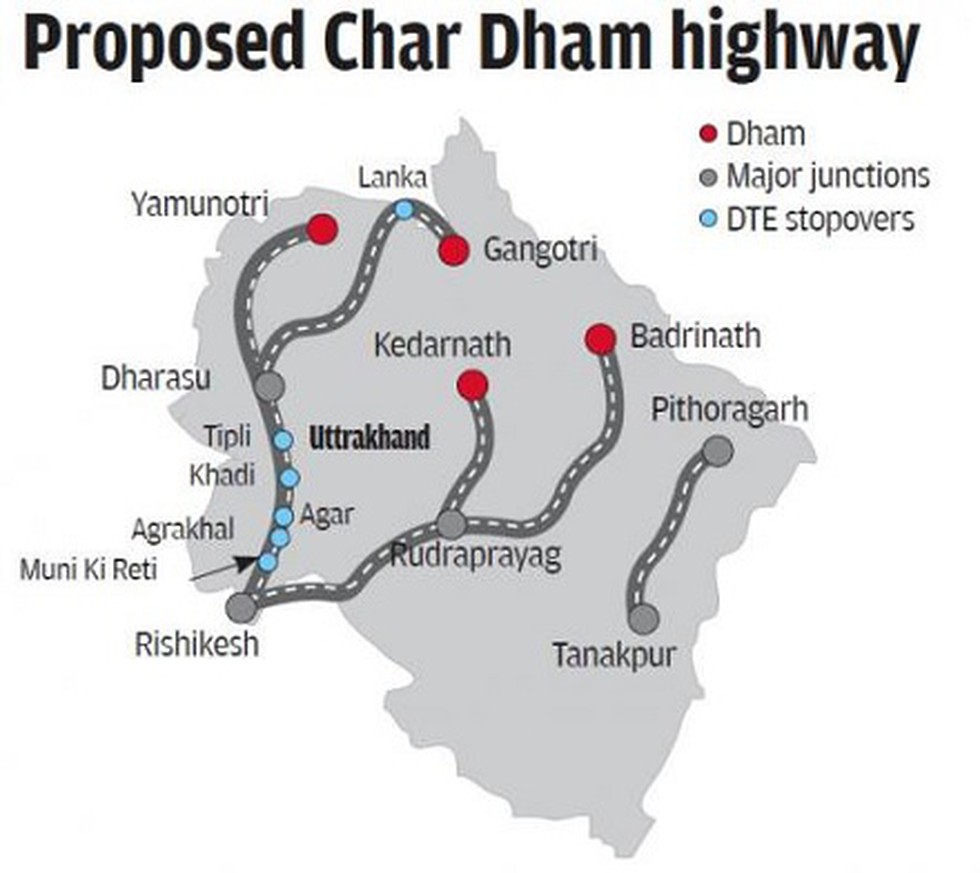
About:
- The Supreme Court also asked the Union Environment and Forest Ministry to form the high-powered committee by August 22 to look into environmental concerns.
- The committee shall consider the cumulative and independent impact of the Chardham project on the entire Himalayan valleys.
Chardham Yatra (of Uttarakhand)?
- Location: In the great Himalayas in Uttarakhand, the four pilgrim-destinations namely Yamunotri, Gangotri, Kedarnath and Badrinath are collectively known as Chardham.
- Route: Traditionally, this pilgrimage tour should begin from the West and end in the East. Thus, the Char Dham Yatra commences from Yamunotri, then proceeding to Gangotri and finally to Kedarnath and Badrinath.
- Deities covered: Each of these four sites is devoted to a specific deity.
- Yamunotri is dedicated to the Goddess ‘Yamuna’. Yamunotri stands high up in the deep left on the western face of the Bandarpunch Peak.
- Gangotri is dedicated to Goddess ‘Ganga’. The shrine overlooks the River Bhagirathi.
- Kedarnath is dedicated to Lord Shiva and is also a part of the Panch Kedar. It is the northern-most Jyotirlinga and is close to the source of the holy River Mandakini.
- Badrinath is dedicated to Lord Vishnu. It is situated on the bank of the River Alaknanda.
- In accordance with the Hindu conventions, thousands of devotees take up this pious tour in the hope to experience bliss and successfully purge their souls of all worldly demons.
Prelims Pointers
Aug. 18, 2019

About:
- It is the highest sporting honor of India.
- The recipient(s) is/are honored for their outstanding performance in the field of sports over a period of four years at international level.
- It was instituted in 1991–92.
- The first recipient of the award was Chess Grandmaster Viswanathan Anand.
Bajrang Punia?
- He had last year won the gold medal in the 65-kg freestyle event at the Asian Games held in Jakarta. He had also won the gold medal in the same category at the Gold Coast Commonwealth Games.
- Bajrang is only the fourth wrestler to be finalised for the Khel Ratna award after Sushil Kumar, Yogeshwar Dutt and Sakshi Malik.
Deepa Malik?
- Para-athlete Deepa Malik became the first Indian female athlete to win a Paralympics medal, when she won a silver at the 2016 Games.
- A previous recipient of Padma Shri & Arjuna Award, Deepa started her sports career at the age of 36 and won a silver in shot put in 2016 Rio Paralympics Games.
Aug. 17, 2019
Prelims Pointers
Aug. 17, 2019
Meaning:
- Promoters or founders who are instrumental in starting up a company often lose control of the firm when they dilute their stakes to raise multiple rounds of funding.
- Differential Voting Rights (DVRs) do not follow the common rule of one share-one vote.
- DVRs enable promoters to retain control over the company even after many new investors come in, by allowing shares with superior voting rights or lower or fractional voting rights to public investors.
Recent change:
- The Ministry of Corporate Affairs has amended the provisions relating to issue of shares with Differential Voting Rights (DVRs) provisions under the Companies Act.
- This has been done with the objective of enabling promoters of Indian companies to retain control of their companies, even as they raise equity capital from global investors.
- The key changes made are:
- Raising the existing cap of 26 % of the total post issue paid up equity share capital to 74 % of total voting power in respect of shares with DVRs of a company.
- Removal of the earlier requirement of distributable profits for 3 years for a company to be eligible to issue shares with Differential Voting Rights.
- Raising the existing cap of 26 % of the total post issue paid up equity share capital to 74 % of total voting power in respect of shares with DVRs of a company.
Analysis:
- Start-ups recognised by the department for promotion of industry and internal trade (DPIIT) will be able to avail of this provision.
- These steps are one of many taken by the government to woo start-ups. Recently, the income tax department has eased assessment norms for start-ups.
Prelims Pointers
Aug. 17, 2019

About:
- Ordnance Factory Board (OFB) is a defense contractor owned by the Indian government. OFB comprises forty-one ordnance factories.
- Established in: 1712.
- Headquarters: Kolkata.
Clarification by Ministry of Defence (MoD):
- There is no proposal to privatise Ordnance Factory Board (OFB).
- The proposal under consideration of Government is to make it into Defence Public Sector Undertakings (DPSUs), which is 100 per cent Government owned.
- Corporatisation of OFB will bring OFB at par with other DPSUs of MoD and will provide operational freedom and flexibility to OFB which it presently lacks.
- Besides, the interests of the workers will be adequately safeguarded in any decision taken on the subject.
Prelims Pointers
Aug. 17, 2019
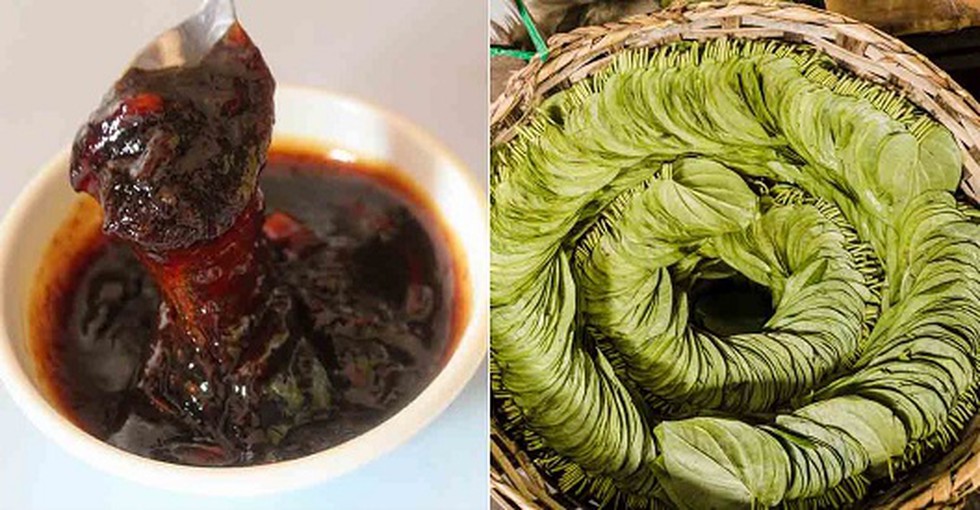
The 4 latest additions to the list of registered GIs are:
- Palani Panchamirtham: from Palani Town in Dindigul District of Tamil Nadu.
- Tawlhlohpuan: from Mizoram.
- Mizo Puanchei: from Mizoram.
- Tirur Betel leaf: from Kerala.
1) Palani Panchamirtham:
- Palani Panchamirtham, an abishega Prasadam, is one of the main offerings in the Abisegam of Lord Dhandayuthapani Swamy, the presiding deity of Arulmigu Dhandayuthapaniswamy Temple, situated in palani Hills in Dindigul District of Tamil Nadu.
- It is a combination of five natural substances, namely, banana, jaggery sugar, cow ghee, honey and cardamom in a definite proportion.
- This is the first time a temple ‘prasadam’ from Tamil Nadu has been bestowed with the GI tag.
2) Tawlhlohpuan:
- Tawlhlohpuan is a medium to heavy, compactly woven, good quality fabric from Mizoram.
- it is known for warp yarns, warping, weaving & intricate designs that are made by hand.
- Tawlhloh, in Mizo language, means 'to stand firm or not to move backward’.
3) Mizo Puanchei:
- Mizo Puanchei is a colourful Mizo shawl/textile, from Mizoram.
- It is an essential possession for every Mizo lady and an important marriage outfit in the state. It is also the most commonly used costume in Mizo festive dances
- The weavers insert the designs and motifs by using supplementary yarns while weaving to create this textile.
4) Tirur Betel leaf:
- Tirur betel vine from Kerala, which is mainly cultivated in Tirur, Tanur, Tirurangadi, Kuttippuram, Malappuram and Vengara block panchayaths of Malappuram District, is valued both for its mild stimulant action and medicinal properties.
- Even though it is commonly used for making pan masala for chewing, it has many medicinal, industrial and cultural usages.
Prelims Pointers
Aug. 17, 2019
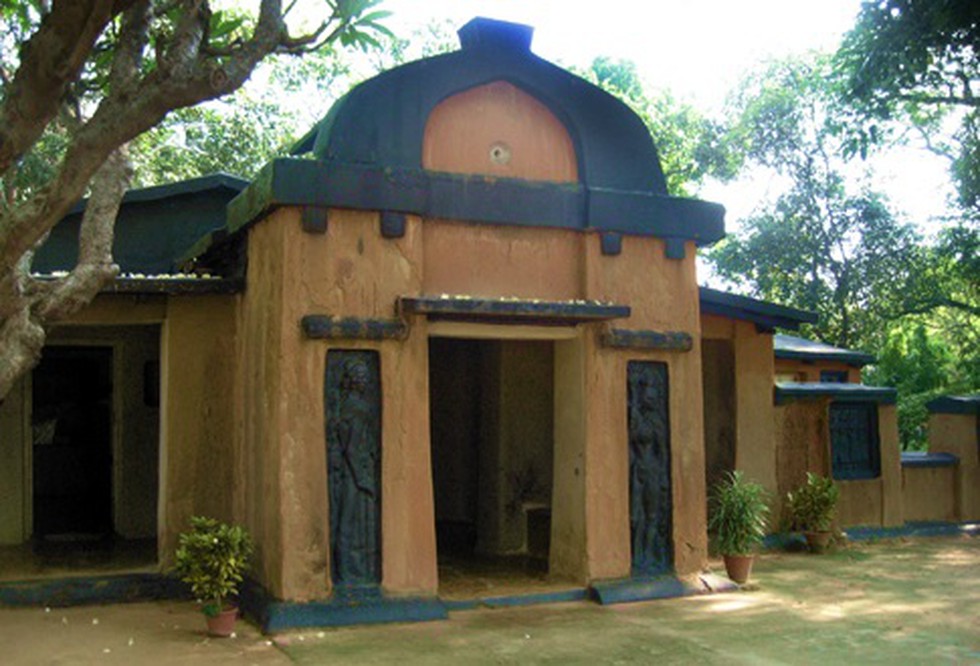
About:
- ‘Shyamoli’ is the heritage house of late Rabindranath Tagore.
- Shyamoli is an experimental mud-house built at Santiniketan in 1935.
- The house has been recently renovated by the Archaeological Survey of India as a deposit work and is a property of Visva-Bharati at present.
Prelims Pointers
Aug. 17, 2019
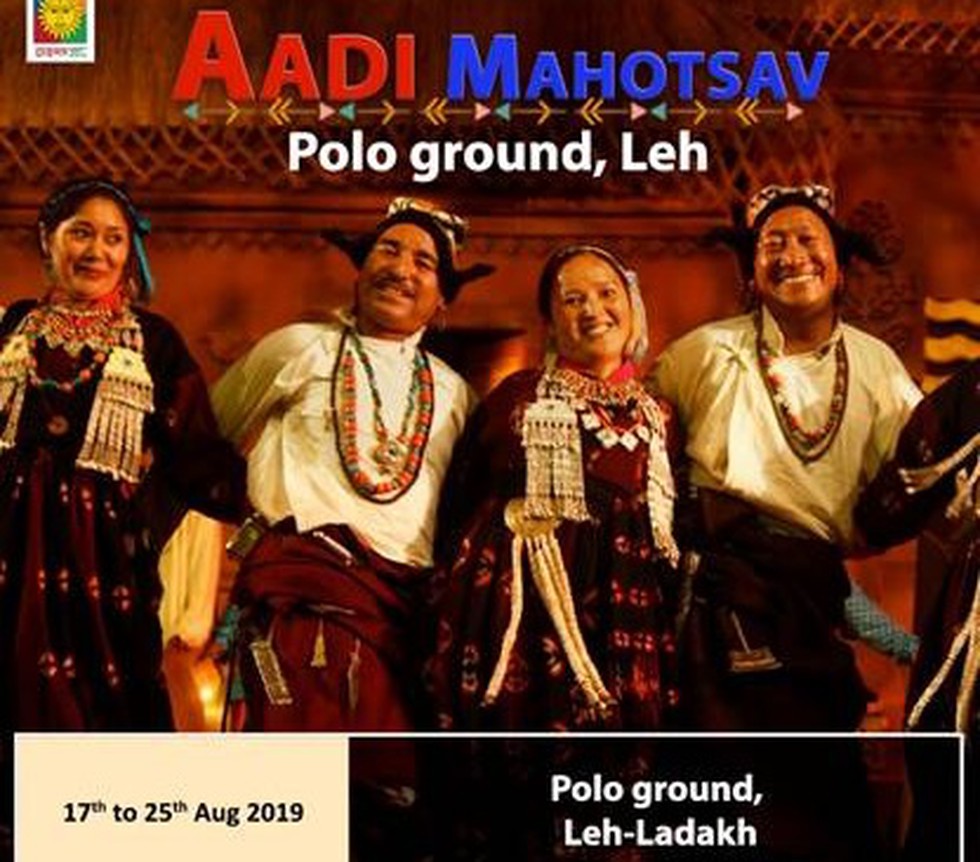
About:
- Aadi Mahotsav (National Tribal Festival) is a joint initiative of Ministry of Tribal Affairs, Government of India & Tribal Cooperative Marketing Development Federation of India (TRIFED).
- The 9 day event will be held from 17th August till 25th August, 2019.
- The theme of the festival is : “A celebration of the spirit of Tribal Craft, Culture and Commerce”.
- The event will see around 160 Tribal artisans from more than 20 states across the country, actively participating and showcasing their masterpieces.
- The event will have two reputed local cultural troupes presenting Ladakhi folk dances. The troupes will perform –
- Jabro Dance: a nomadic dance and song of people inhabiting eastern Ladakh and
- Spawo dance: a heroic song and dance associated with a legendary hero of Himalayan region called K’sar.
- Jabro Dance: a nomadic dance and song of people inhabiting eastern Ladakh and
Prelims Pointers
Aug. 17, 2019
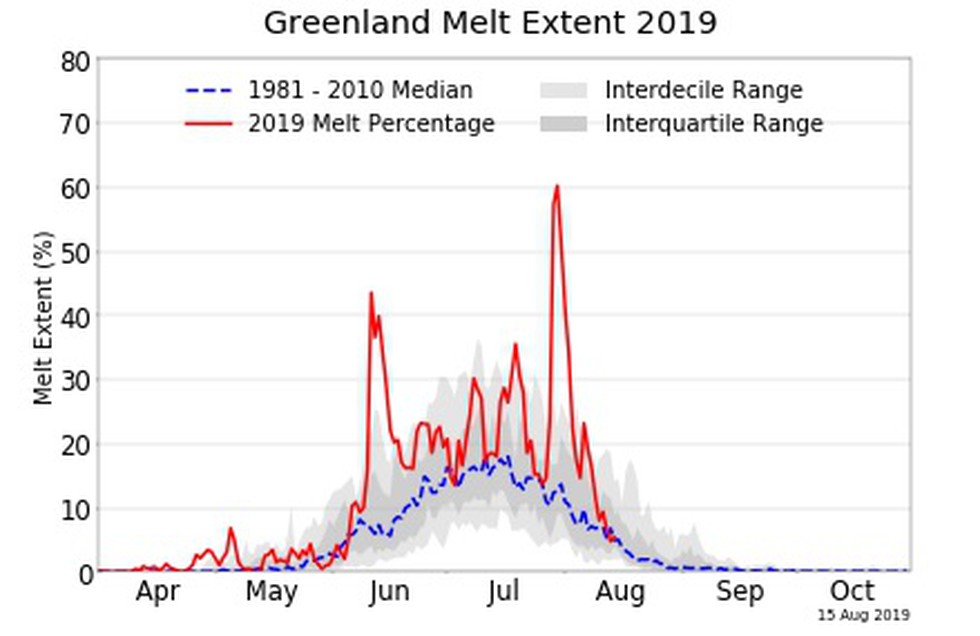
About:
- NASA is now closely studying the phenomenon in hopes of figuring out precisely how global warming is eating away at Greenland's ice, specifically, whether the melting is being caused more by –
- warm air or
- warm, salty seawater, some of it from North America's Gulf Stream.
- warm air or
- If much of the damage is from the water, there's a lot higher potential for Greenland to melt more quickly than thought.
- Water brings more heat to something frozen faster than air does. That's because 90% of the heat energy from climate change goes into the oceans.
- And that means seas rising faster and coastal communities being inundated more.
- Water brings more heat to something frozen faster than air does. That's because 90% of the heat energy from climate change goes into the oceans.
Greenland melting:
- A NASA satellite found that Greenland's ice sheet lost about 255 billion metric tons a year between 2003 and 2016, with the loss rate generally getting worse.
- It will take centuries for all of Greenland's massive ice sheet to melt, but how fast is the key question. If warm water plays a bigger role than scientists suspect, by the year 2100, Greenland alone could cause 3 or 4 feet (more than 1 meter) of sea-level rise.
- Greenland contains enough ice to make world sea levels rise by 20 feet if it were all to melt.
Prelims Pointers
Aug. 17, 2019
About:
- The new study was conducted by scientists at Germany’s Alfred Wegener Institute and Switzerland’s Institute for Snow and Avalanche Research.
- Key findings:
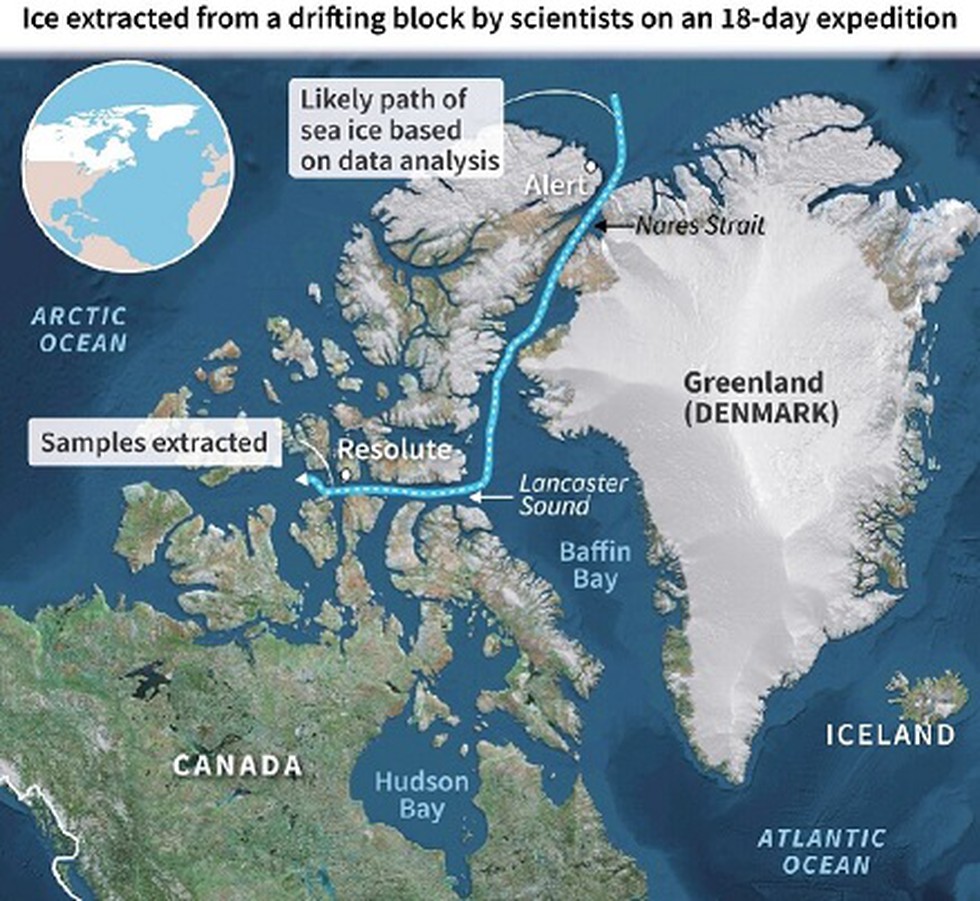
- Microplastic particles have been detected in the Arctic and the Alps, carried by the wind and later washed out in the snow.
- Microplastic particles can be transported tremendous distances through the atmosphere. These particles are later washed out of the air by precipitation, particularly snow.
- Tiny plants and animals, called plankton, also get trapped in the ice. Some plankton ingest the plastic bits, which then work their way up the ocean food chain.
- Microplastic particles have been detected in the Arctic and the Alps, carried by the wind and later washed out in the snow.
Microplastic particles?
- Microplastic particles are defined as shreds less than five millimeters in length.
- Every year, several million tonnes of plastic litter course through rivers and out to the oceans, where they are gradually broken down into smaller fragments through the motion of waves and the ultraviolet light of the sun.
Prelims Pointers
Aug. 17, 2019
Measures announced by Nepal’s Tourism Ministry:
- Climbers would have to prove that they have scaled another major peak.
- Tourism companies would be required to have at least three years’ experience organizing high-altitude expeditions before they can lead climbers on Everest.
- To discourage cost-cutting that can put climbers’ lives at risk, clients of expedition companies would have to prove, before setting out, that they had paid at least $35,000 for the expedition. (A typical total price tag easily surpasses $50,000.)
- The Nepal government is also planning to put the changes, which have been under consideration for several months, before Parliament soon.
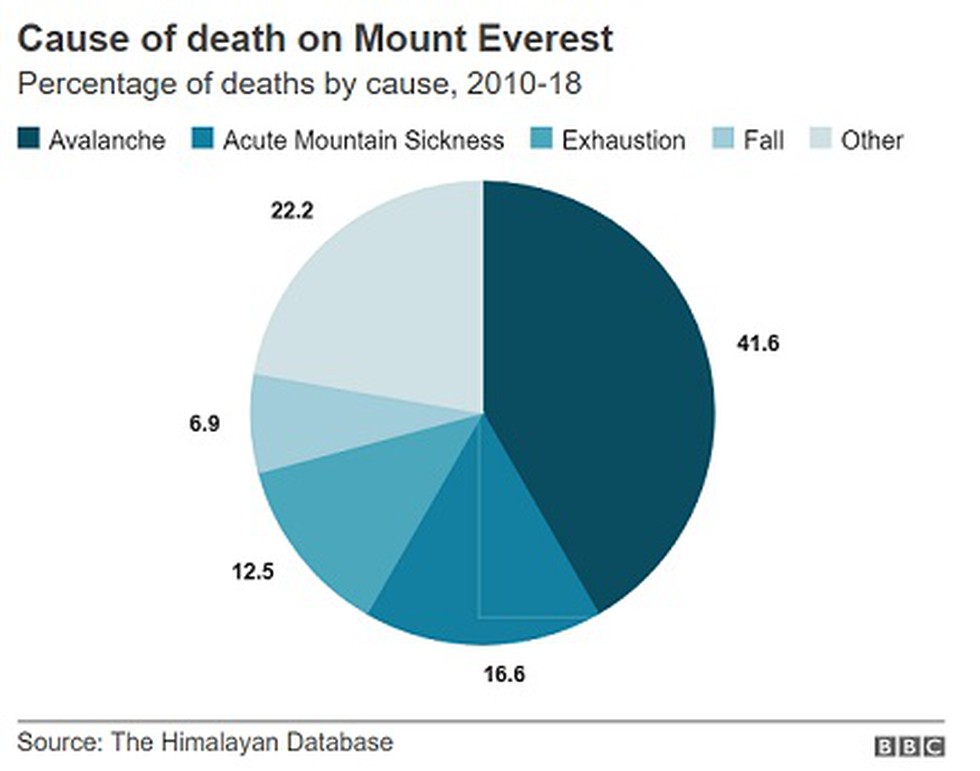
- Nearly 300 people have died since the early 1950s while attempting to reach the summit of Everest, according to the Himalayan Database.
- Any altitude beyond 8,000-metre is called a “death zone" because at that height, an average person’s breath can take in only about 30% of oxygen, compared to how human lungs usually perform at sea level.
- Due to the traffic jam on top of the Everest, some climbers had to stand in the route for two hours, due to which there would be higher chances of frostbites, cold exposure, and other illnesses.
Prelims Pointers
Aug. 17, 2019
About:
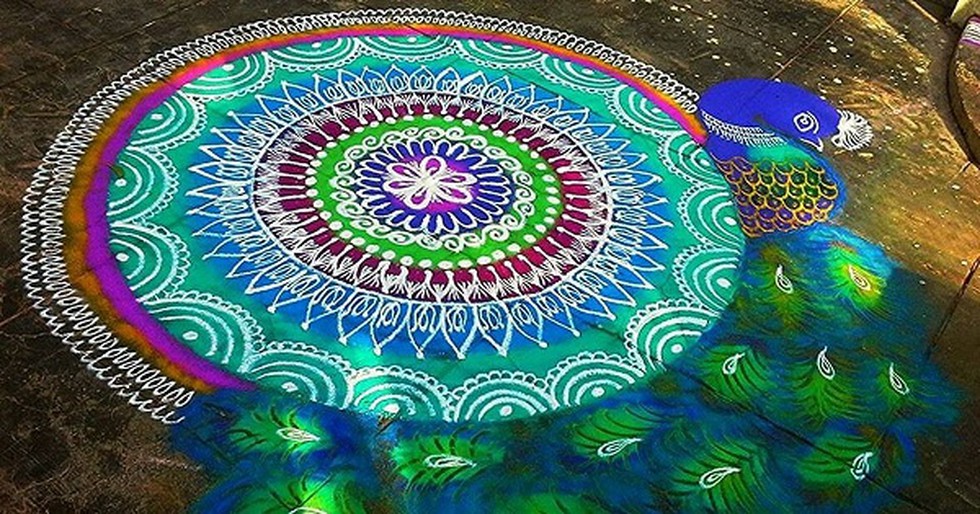
- Kolam is a form of drawing that is drawn by using rice flour, chalk, chalk powder or rock powder, often using naturally or synthetically colored powders, in southern Indian states.
- A Kolam is a geometrical line drawing composed of curved loops, drawn around a grid pattern of dots. More complex Kolams are drawn and colors are often added during holiday occasions and special events.
- It is widely practised by female Hindu family members in front of their houses as these are thought to bring prosperity to homes.
- Though not as flamboyant as its other Indian contemporary, Rangoli, which is extremely colourful, a South Indian Kolam is all about symmetry, precision, and complexity.
Prelims Pointers
Aug. 17, 2019
About:
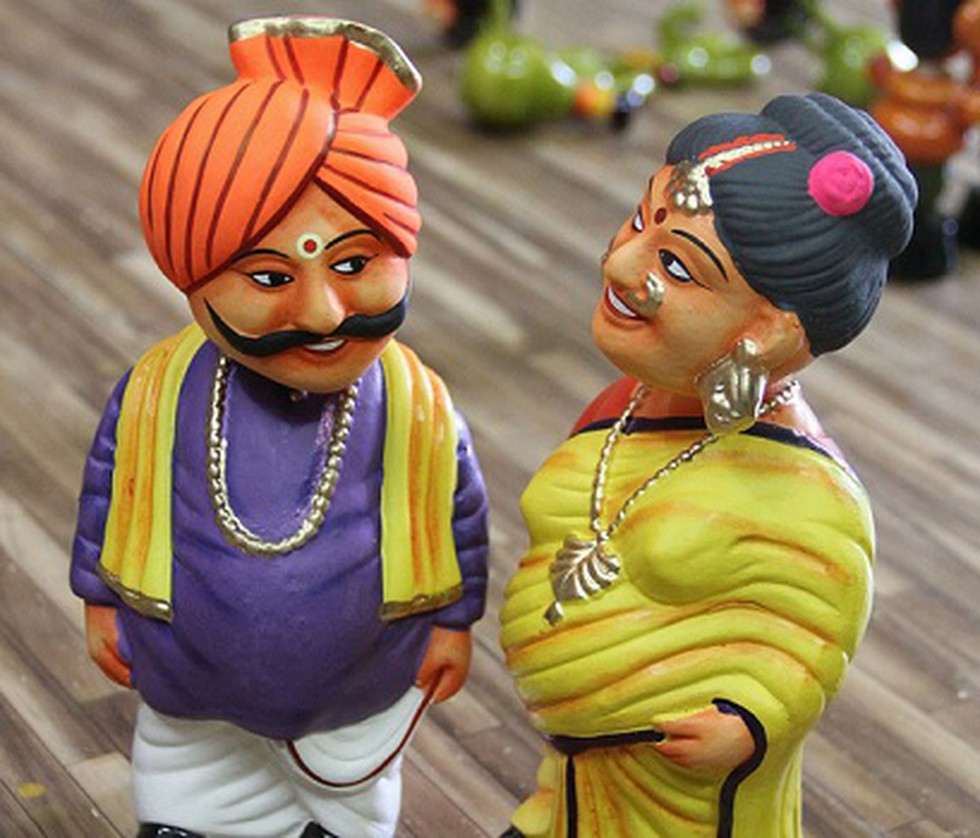
- Location: Kondapalli Toys are the toys made of wood in Kondapalli village of Krishna district, Andhra Pradesh. Bommala Colony translates to Toys Colony in Kondapalli is the place where the art of crafting takes place.
- Recognition: It was registered as one of the geographical indication handicraft from Andhra Pradesh as per Geographical Indications of Goods (Registration and Protection) Act, 1999.
- Depiction: The artisans mainly work on producing figures of mythology, animals, birds, bullock carts, rural life etc., and the most notable one is Dasavataram, dancing dolls etc.
- Aryakhastriyas: The artisans who make the toys are referred as Aryakhastriyas (also known as Nakarshalu), who have their mention in the Brahmanda Purana.
- Toy crafting:
- The Kondapalli toys are made from soft wood known as Tella Poniki which are found in nearby Kondapalli Hills.
- The wood is first carved out and then the edges are smooth finished.
- The later step involves coloring with either oil and water-colours or vegetable dyes.
- The Kondapalli toys are made from soft wood known as Tella Poniki which are found in nearby Kondapalli Hills.
Aug. 16, 2019
Prelims Pointers
Aug. 16, 2019
About:
- The Chief of Defence Staff (CDS) is a high military office that oversees and coordinates the working of the three Services. The role of the CDS becomes critical in times of conflict.
- He offers seamless tri-service views and single-point advice to the Executive (in India’s case, to the Prime Minister) on long-term defence planning and management, including manpower, equipment and strategy, and above all, “jointsmanship” in operations.
Existing scenario in India:
- India has had a feeble equivalent known as the Chairman, Chiefs of Staff Committee (CoSC); but this is a toothless office, given the manner in which it is structured.
- The senior-most among the three Service Chiefs is appointed to head the CoSC, an office that lapses with the incumbent’s retirement.
- g. the current Chairman CoSC is Air Chief Marshal Birender Singh Dhanoa. When ACM Dhanoa retires at the end of September 2019, he would have served as Chairman CoSC for a mere four months.
Kargil Review Committee (KRC):
- The first proposal for a CDS in India came from the 2000 Kargil Review Committee (KRC), which called for a reorganisation of the apex decision-making and structure and interface between the Ministry of Defence and the Armed Forces Headquarters.
- The Group of Ministers Task Force that studied the KRC Report proposed to the Cabinet Committee on Security that a CDS, who would be five-star officer, be created.
- In preparation for the post, the government created the Integrated Defence Staff (IDS) in late 2002, which was to eventually serve as the CDS’s Secretariat. However, over the past 17 years, this has remained yet another department within the military establishment.
Prelims Pointers
Aug. 16, 2019

About:
- The new drug - Pretomanid - cured 89% of 107 patients with extensively drug-resistant TB after 6 months, when used in combination with antibiotics bedaquiline and linezolid.
- The three-drug regimen consists of bedaquiline, pretomanid and linezolid — collectively known as the BPaL regimen.
- Significance:
- Before the FDA approved this combination therapy, the most common treatment for this type of tuberculosis required patients to take around 30 pills a day plus sometimes daily injections for at least 18 months.
- This new treatment lowers that dose to 5 pills/day over 6 months for most patients.
- Before the FDA approved this combination therapy, the most common treatment for this type of tuberculosis required patients to take around 30 pills a day plus sometimes daily injections for at least 18 months.
Prelims Pointers
Aug. 16, 2019
About:
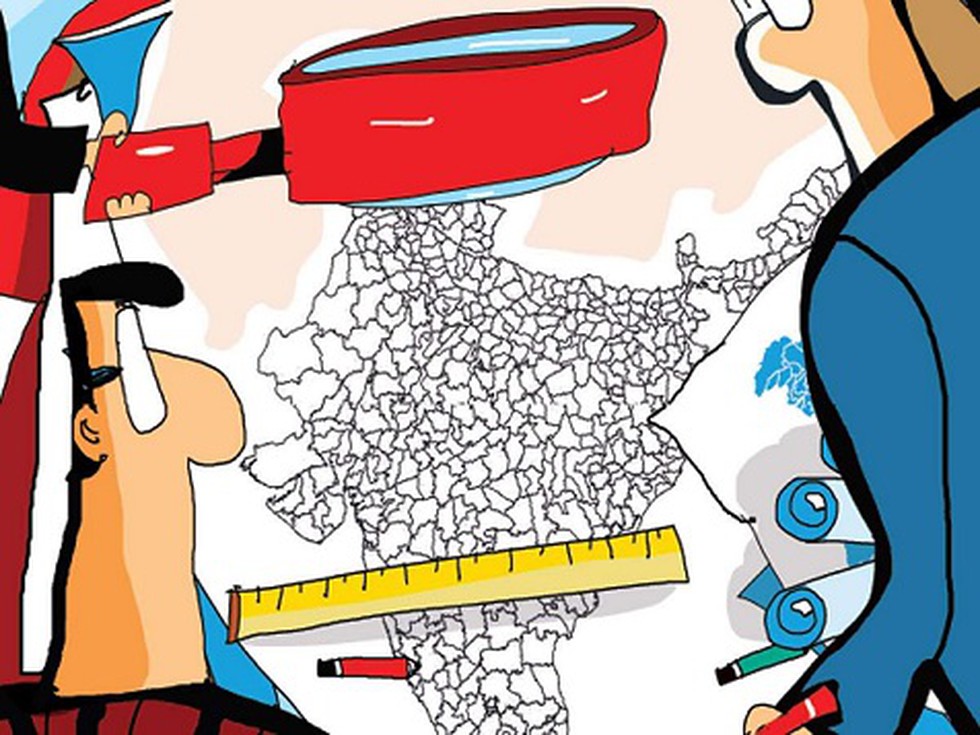
- The idea behind creating new districts in any state is, generally, that it is expected to make governance easier; sometimes, the decision is driven by local demands.
- The larger states predicatbly have a higher number of districts, with Uttar Pradesh (75) leading the count, followed by Madhya Pradesh (52), while the smallest state, Goa (2), has the lowest number.
- However, the number of districts in a state is not always a function of the area of the state, or of its population.
- For example, Andhra Pradesh is the seventh largest state by area but has among the smallest counts of districts at 13. As such, it has only one district for every 12,000 sq km, which is the largest average size for a district in any Indian state.
According to 2011 census, the largest district y area is Kachchh (Gujarat) followed by Leh (Jammu and Kashmir), Jaisalmer (Rajasthan) and Bikaner (Rajasthan).
Prelims Pointers
Aug. 16, 2019
About:
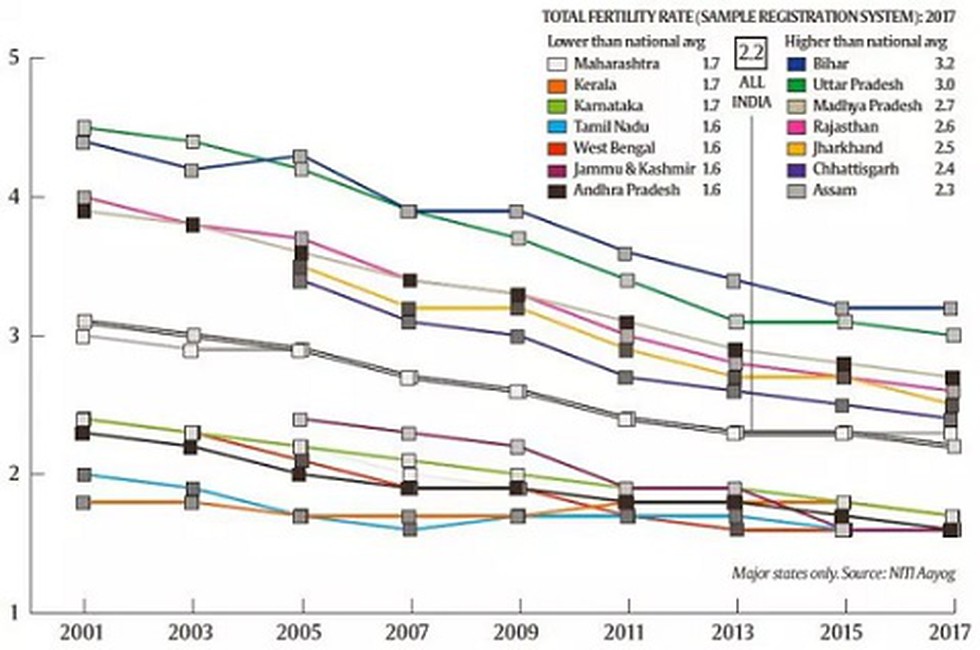
- The latest SRS estimates (2017) show the TFR dropping to 2.2. This figure is only marginally higher than the fertility rate (2.1) required for replacement of the existing population.
- Even the states that have a higher TFR — Uttar Pradesh (3.0), Bihar (3.2), MP (2.7), Rajasthan (2.6), Assam (2.3), Chhattisgarh (2.4) and Jharkhand (2.5) — have been witnessing a declining trend in fertility rates. These seven states account for about 45 % of the total population in the 2011 Census.
- Two more states, Gujarat and Haryana, recorded a TFR of 2.2, which is above the replacement rate but is equal to the national average. Taken together, these nine major states account for 52 % of the 2011 population.
- This means that in the states barring these nine, and accounting for almost half the population, the replacement level is either 2.1 or has gone below it.
- These states with a lower TFR include Kerala (1.7), Tamil Nadu (1.6), Karnataka (1.7), Maharashtra (1.7), Andhra Pradesh (1.6), Telangana (1.7), West Bengal (1.6), Jammu and Kashmir (1.6) and Odisha (1.9).
- Total fertility rate (TFR) is defined as the number of children born to a woman until the end of her child-bearing age, is a key indicator for population trends.
- The Sample Registration System (SRS) is undertaken by the Office of the Registrar General of India
- SRS looks at other indicators such as crude birth rate, general fertility rate, age specific/marital fertility rate, gross reproduction rate along with sex ratio at birth.
- While Census figures provide the total population every decade, the regular SRS estimates provide dynamic trends underlying the population growth.
Prelims Pointers
Aug. 16, 2019
About:
- Chhattisgarh government will increase the quota for Scheduled Castes by 1 % while nearly doubling reservation for OBCs from 14 % to 27 %. The quota for Scheduled Tribes remains at 32 %.
- Once in effect, it will mean Chhattisgarh will have a total of 72 % reservation (32 % for STs, 13 % for SCs and 27 % to OBCs), the highest in the country and far above the 50 % cap on quotas mandated by the Supreme Court.
- The state government is still considering the 10 % centre mandated EWS quota for the general category. if implemented, it would take the reservation to 82 %.
Analysis:
- According to government, this has been done to keep it in line with the population demographic in the state. The percentage of OBCs is close to 47 %, who along with STs form the major chunk of the population.
- This serves two purposes for the Congress. It assuages OBCs, who have been demanding more quota, and cements the politics of CM Bhupesh Baghel.
- While questions remain on whether the move will stand in courts, the Congress hopes it will help improve its tally in local elections this year.
Prelims Pointers
Aug. 16, 2019
About:
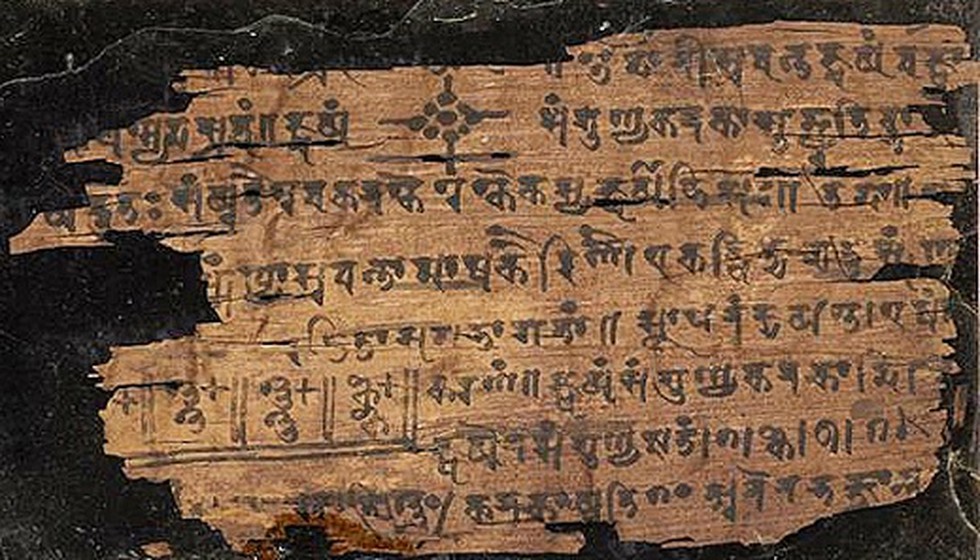
- The awards were instituted in 1958 by Union Ministry of Human Resource Development.
- These are annually conferred on the Independence Day.
- It is conferred to recognise contribution of scholars the field of 9 languages (Sanskrit, Persian, Arabic, Pali, Prakrit, Classical Oriya, Classical Kannada, Classical Telugu and Classical Malayalam).
- These awards are not given posthumously. Also, these awards are not given to scholars
- who have received this award earlier, or
- who are convicted in a criminal case/against whom a criminal case is pending in a court.
- who have received this award earlier, or
Key differences:
- Certificate of Honour:
- For scholars aged 60 years and above.
- It carries a cash prize of Rs. 5,00,000/-
- Maharshi Badrayan Vyas Samman:
- For young scholars between 30 to 45 years of age.
- It carries a cash prize of Rs. 1,00,000/-
Prelims Pointers
Aug. 16, 2019
About:
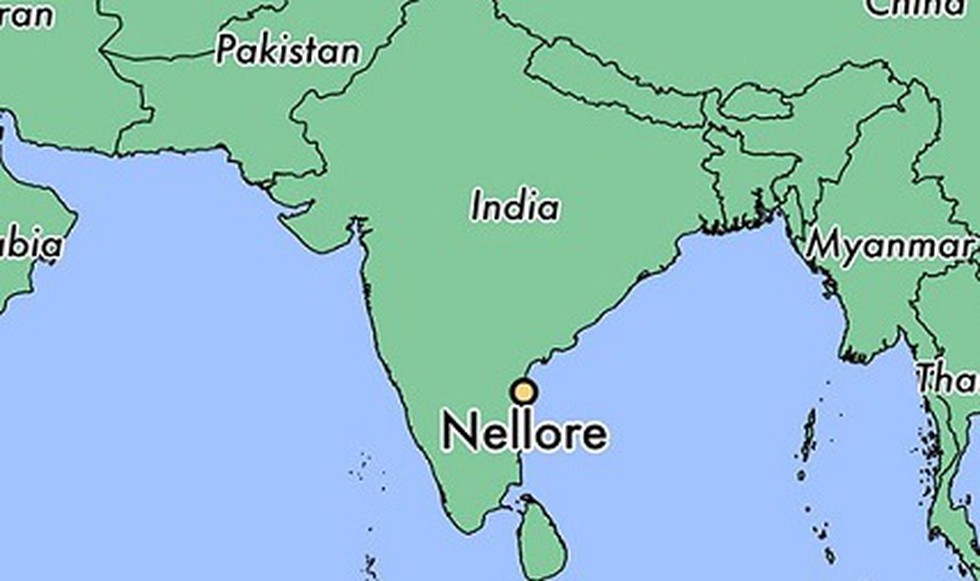
- The foundation-stone for the Regional Institute of Education- NCERT was laid in 2016.
- The new institution at Nellore shall offer teacher education programmes like B.Sc/BA B.Ed, M.Ed and Ph.D.
- Apart from conducting research on education, it would help in capacity building of Teachers and Teacher Educators and strengthen implementation of Government of India Schemes like SSA, RMSA and ICT in schools.
Prelims Pointers
Aug. 16, 2019
About:
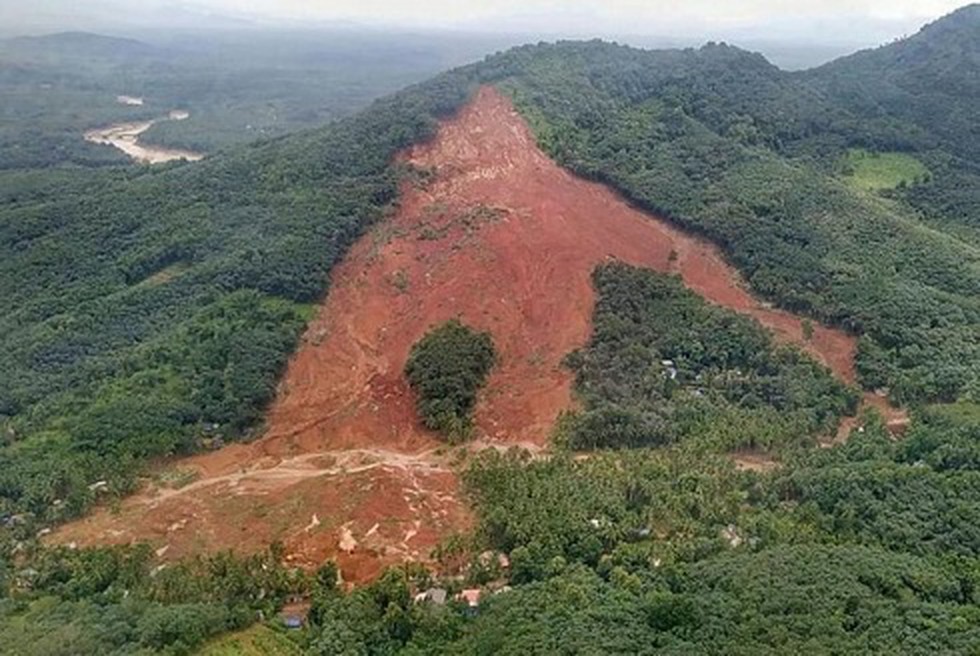
- The landslide at Kavalappara occurred a couple of hours after another in Puthumala in neighbouring Wayanad district. The two landslide sites are on either side of a section of the ecologically sensitive Western Ghats, close to Tamil Nadu’s Nilgiri district.
- Water coming down the hills at Puthumala becomes the Chulika stream, which meanders through gorges and valleys to emerge as the bigger Chaliyar river, which flows by Kavalappara.
- On August 8-9, the Chaliyar inundated several towns along its banks.
Landslip monitoring stations in the highlands:
- Based on the recommendations of the National Centre for Earth Science Studies (NCESS), the Union Ministry of Earth Sciences (MoES) has initiated steps to establish a network of landslip monitoring stations in the highlands.
- The units based on acoustic emission technology will also have an early warning mechanism to alert the local community.
Prelims Pointers
Aug. 16, 2019
About:
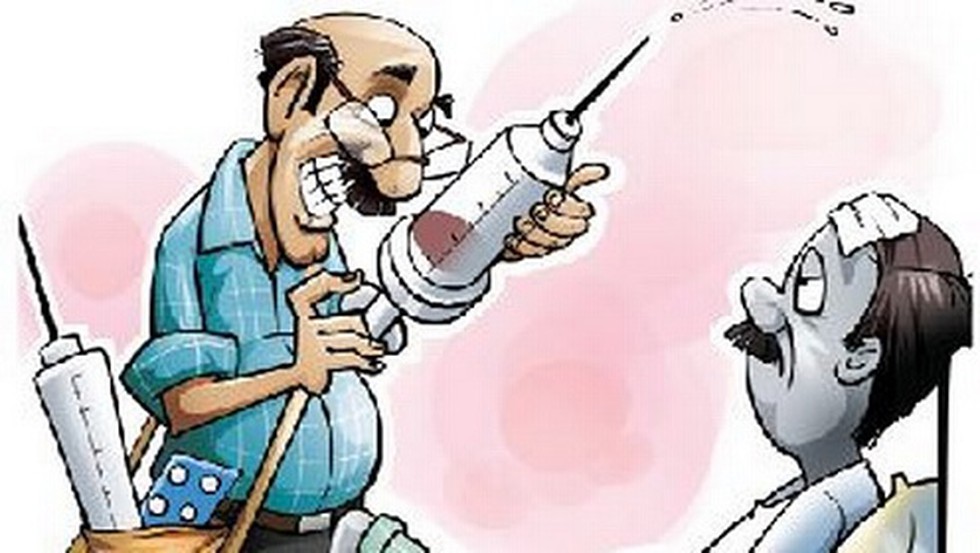
- 3% of personnel currently practising allopathic medicine do not have a medical qualification.
- There is a huge skew in the distribution of doctors working in the urban and rural areas, leaving rural and poor population in the clutches of quacks. Urban to rural doctor density ratio in India is 3.8:1.
- India’s doctor-population ratio is 1:1456 as compared with the World Health Organisation standards of 1:1000.
Provisions to deal with quacks:
- Section 15 of the Indian Medical Council Act, 1956 prohibits a person other than a medical practitioner enrolled on a State Medical Register to practice medicine in the State.
- Any person acting in contravention is punishable with imprisonment and fine.
- Since health is a State subject, the primary responsibility to deal with such cases lies with the respective State governments.
Prelims Pointers
Aug. 16, 2019
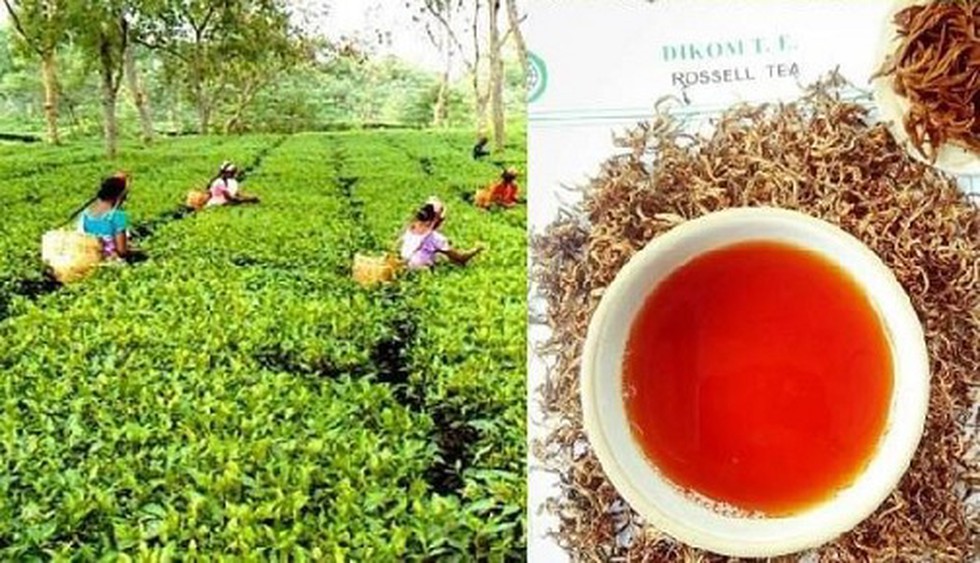
About:
- Golden Butterfly is produced by Dikom Tea Estate near eastern Assam’s Dibrugarh town.
- This hand-crafted tea is made from tender leaves and buds available only around June-July.
- The tea is named such because only “the soft golden tips go into making this exceptionally rare and special tea”.
- The tea has an “extremely mellow and sweet caramel flavour.
Recent records:
- Assam tea has, in fact, been repeatedly setting price records at auctions.
- On July 31, an Assam tea variety known as “Maijan Golden Tips” sold for Rs 70,501 per kilogram at the GTAC.
- A day earlier, Manohari Gold Special tea was auctioned for Rs 50,000 per kg at the Centre.
Tea Auction centres:
- India has six tea auction centres — Kolkata (the oldest, set up in 1861), Guwahati (1970), Siliguri, Kochi, Coimbatore and Coonoor.
- Guwahati Tea Auction Centre (GTAC) has 665 sellers, 247 buyers, and nine brokers, besides 34 warehouses, registered with it.
- *Auctioning is the best way to know the value of a tea. The indicators that buyers look at, include appearance, quality/strength of the liquid form, aroma, and “keeping quality”, i.e., how well the tea will keep if stored for a long time in a shop or godown.