May 27, 2019
Prelims Pointers
May 27, 2019
Background:
- Wearable electronics that adhere to skin are an emerging trend in health sensor technology for their ability to monitor a variety of human activities, from heart rate to step count.
- But finding the best way to stick a device to the body has been a challenge. For a wearable sensor to be truly effective, it must be flexible and adhere fully to both wet and dry skin but still remain comfortable for the user.
Recent development:
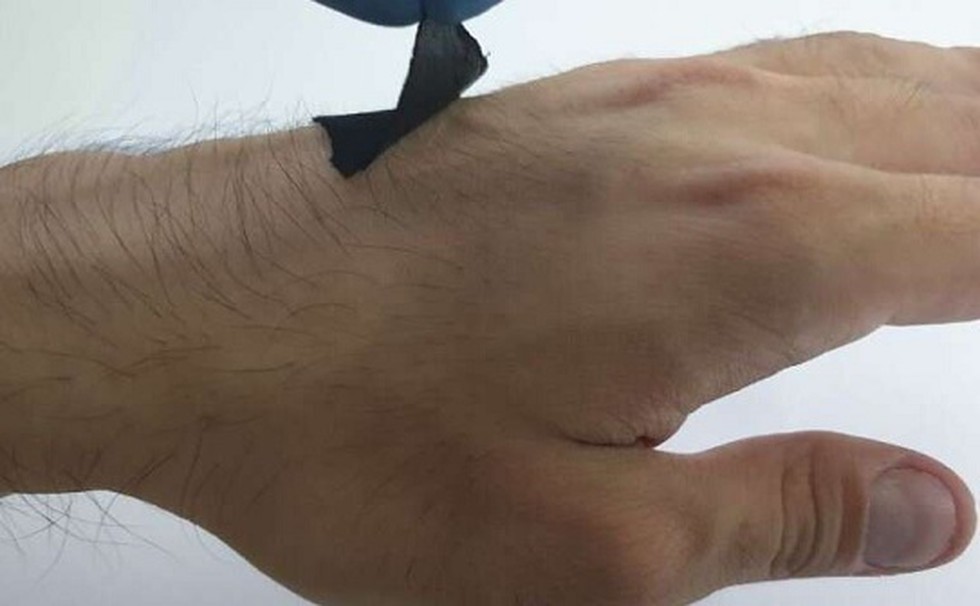
- To overcome these challenges, scientists have developed a low-cost, graphene-based sensor with a yarn-like substrate that uses octopus-like suckers to adhere to skin.
- The sensor could detect a wide range of pressures and motions. The device also could monitor an array of human activities, including electrocardiogram signals, pulse and speech patterns, demonstrating its potential use in medical applications.
Prelims Pointers
May 27, 2019
About:
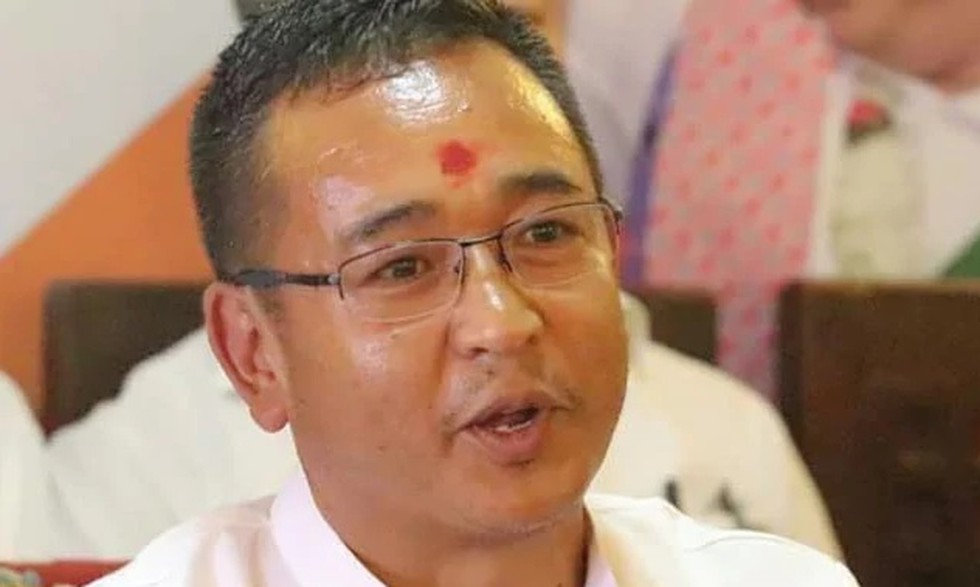
- Governor Ganga Prasad administered the oath of office and secrecy to Mr Golay and his cabinet colleagues in Gangtok this morning.
- The SKM, which was founded in 2013, won a slender majority in the 32-member legislative assembly by bagging 17 seats against 15 won by Sikkim Democratic Front (SDF), a party led by five-time outgoing chief minister Pawan Kumar Chamling.
Sikkim: Brief History
- Sikkim as a state came into being in 1642 under the rule of Chogyal dynasty and in 1890 it came under British rule and became of protectorate state of British.
- Sikkim did not become a part of India when it became an independent Union in 1947.
- The Government of India signed a treaty in 1950 with the Chogyal of Sikkim which in effect made it a protectorate which was no longer part of India. I.e. India had responsibility for defence, external affairs and communications, and ultimate responsibility for law and order, but Sikkim was otherwise given full internal autonomy.
- In 1973, anti-Chogyal agitations broke out; the agitators demanded the conduct of popular elections. Many believe Indian agencies were also involved in fuelling unrest in the state.
- Elections were held, and his opponents won an overwhelming victory and they requested India to admit it in union of India. In 1975 Sikkim was made a part of India after the 35th Constitutional Amendment and was made as its 22nd state.
Prelims Pointers
May 27, 2019
About:
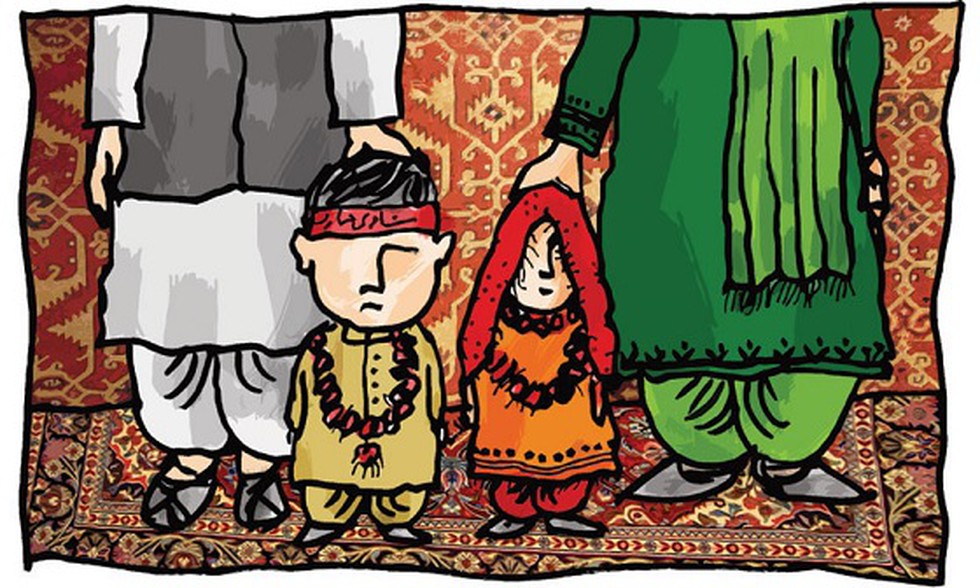
- Objective of the study? To see whether the Conditional Cash Transfer schemes introduced in Telangana and Andhra Pradesh with the objective of curbing child marriage and helping with marriage expenditure has succeeded in addressing gender inequality.
- Schemes covered: TISS, Hyderabad studied the impact of the schemes Kalyana Lakshmi and Shadi Mubarak in Telangana and Chandranna Pelli Kanuka in Andhra Pradesh.
- Key Findings of the study:
- The CCT schemes became popular as cash is transferred to the accounts of beneficiaries only when the girl is married after attaining the legally valid age of 18 years.
- The features of the schemes in the two States encompass added benefits of legal protection of the marriage as well as ensuring education of girls.
- However, the widely prevalent perception is that the scheme is for extending financial assistance to poor families to meet marriage expenditure rather than driving the message that child marriage should be viewed as a social problem.
- The CCT schemes became popular as cash is transferred to the accounts of beneficiaries only when the girl is married after attaining the legally valid age of 18 years.
- Recommendations:
- Both Kalyan Lakshmi and Shaadi Mubarak need to emphasise legal registration of marriage and not simply rely on certificates by religious community leaders.
- Importantly, the schemes should be seen as part of initiatives to combat child marriage and thus linked to programmes meant for empowerment of girls through education and livelihood opportunities.
- Both Kalyan Lakshmi and Shaadi Mubarak need to emphasise legal registration of marriage and not simply rely on certificates by religious community leaders.
Prelims Pointers
May 27, 2019
About:
- Established in: 2008.
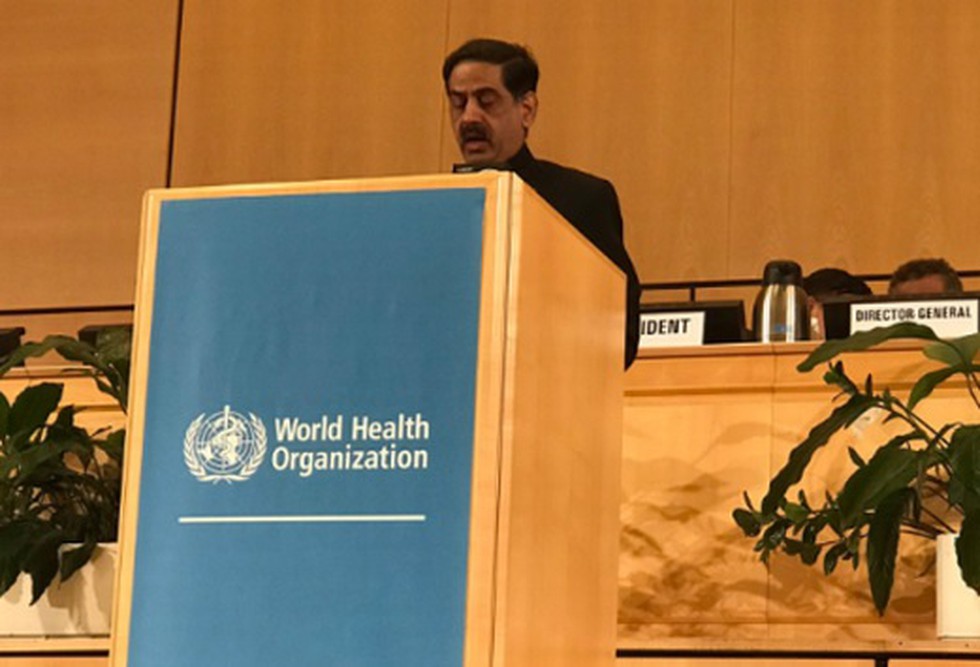
- Awarded to: Individuals, institutions, and governmental or nongovernmental organizations who have made an outstanding contribution to public health.
- Criteria: The Prize aims at rewarding work that has extended far beyond the call of normal duties, and it is not intended as a reward for excellent performance of duties normally expected of an official position of a governmental or intergovernmental institution.
- When awarded: It is presented every year at a special ceremony during the World Health Assembly.
- Cash Prize: It consists of a plaque from the Founder and a sum of money which will not exceed US$ 100 000.
Prelims Pointers
May 27, 2019

About:
- What is it? Kippah (also known as kippa, kipa, kipah, yarmulke or skullcap) is a small cap or headcovering.
- Who wears them? In traditional Jewish communities only men wear kippot. In non-Orthodox communities some women also wear kippot.
- When to be worn? In traditional Jewish communities, kippah is to be worn at all times (except when sleeping and bathing). In non-Orthodox communities, people have different customs about when to wear a kippah — when eating, praying, studying Jewish texts etc.
- Religious Significance: To cover one’s head is considered a sign of reverence for God.
- Material: Kippot can be made out of many materials. It is usually made of cloth. However, it is common to see men wearing leather or crocheted kippot.
Anti-Semitism means the belief or behavior hostile toward Jews just because they are Jewish. It may take the form of religious teachings that proclaim the inferiority of Jews, for instance, or political efforts to isolate, oppress, or otherwise injure them.
Prelims Pointers
May 27, 2019
About:
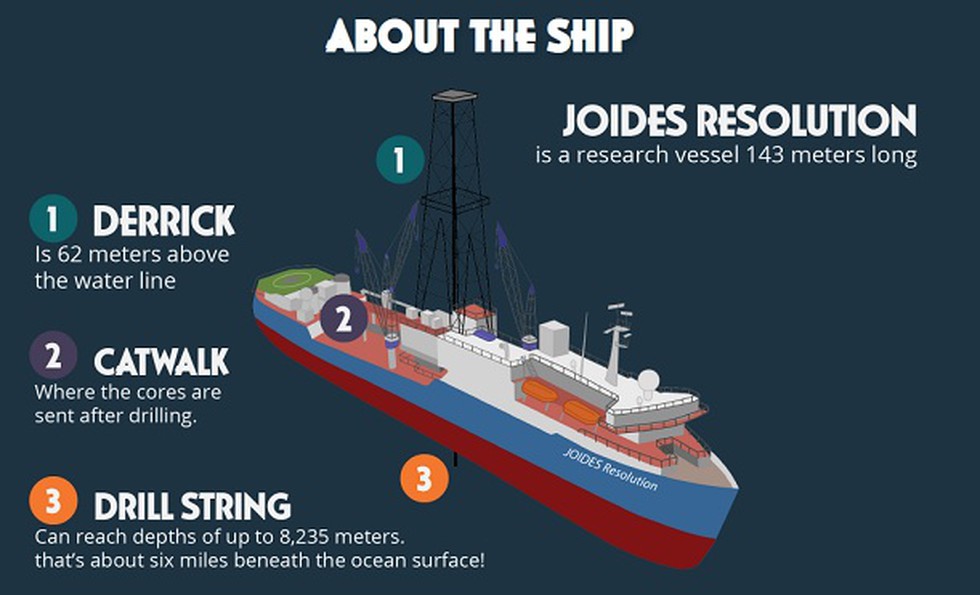
- Researchers from the University of Chicago, using the ship, the JOIDES Resolution, have discovered the remnants of seawater dating back to the Ice Age, while exploring the limestone deposits that form the Maldives.
- This seawater from ice age is back salty — much saltier than normal seawater.
- Previously, researchers had to reconstruct seawater from the last Ice Age from indirect clues, like fossil corals and chemical signatures from sediments on the seafloor.
- Significance: Scientists are interested in reconstructing the last Ice Age because the patterns that drove its circulation, climate and weather were very different from today’s. Understanding these patterns could shed light on how the planet’s climate will react in the future.
JOIDES Resolution (JR)?
- Name: JOIDES is an acronym for Joint Oceanographic Institutions for Deep Earth Sampling.
- What is it? The JOIDES Resolution (JR) is a research vessel that drills into the ocean floor to collect and study core samples. Scientists use data from the JR to better understand climate change, geology and Earth’s history.
- Bodies involved: It is a part of the International Ocean Discovery Program and is funded by the US National Science Foundation.
Prelims Pointers
May 27, 2019
About:
- Special Category Status used to be granted to some regions that have historically been at a disadvantage compared with the rest of the country.
- Criteria: This decision was taken by the National Development Council (NDC), a body of the former Planning Commission, and was based on various parameters such as: Hilly and difficult terrain, Low population density, Low resource base, Sizable share of tribal Population, Strategic location along the borders of the country etc.
- Benefits for States under SCS: Preferential treatment in getting central funds assistance, Concession on excise duty to attract industries to the state, A significant 30 per cent of the Centre’s gross budget goes to the special category states etc.
Origin of Concept:
- The concept of a special category state was first introduced in 1969 when the 5th Finance Commission sought to provide certain disadvantaged states with preferential treatment in the form of central assistance and tax breaks.
- Initially three states Assam, Nagaland and Jammu & Kashmir were granted special status. But since then eight more have been included (Arunachal Pradesh, Himachal Pradesh, Manipur, Meghalaya, Mizoram, Sikkim, Tripura and Uttarakhand).
Changes by 14th Finance Commission:
- However, the 14th Finance Commission did away with the ‘special category’ status for states, except for the Northeastern and three hill states (J&K, Himachal Pradesh and Uttarakhand).
- Instead, it suggested that the resource gap of each state be filled through ‘tax devolution’, urging the Centre to increase its share of tax revenues to the states from 32% to 42%. If devolution alone could not cover the revenue gap, the Centre could provide a revenue deficit grant to these states.
- The commission appears to have been guided by the fact that the Constitution never categorised some states as special — treating all of them on an equal footing.
Prelims Pointers
May 27, 2019

About:
- Meaning: An independent candidate is one who contests polls without being affiliated to any political party. Independents often support policies that are different from major political parties.
- View of the Law Commission of India (in its 255th report):
- Independent candidates should be barred from contesting elections.
- A proviso should be added after subclause (d) of section 4 of the RPA stating: “Only the political parties registered with the Election Commission under sub-section (7) of section 29A shall be entitled to put forward candidates to fill a seat in the House of the People.”
- Independent candidates should be barred from contesting elections.
- Reasons sighted by Law Commission:
- They are either not serious or contest elections just to confuse the voters.
- The number of independents winners has been decreasing. In 2014, 3,182 independent candidates contested the Lok Sabha elections and only 3 won seats
- It is difficult for independent candidates to campaign and influence large numbers of voters in India with little money and influence.
- Supreme Court, in Dhartipakar Madan Lal Agarwal v. Rajiv Gandhi, recommended that Parliament devise ways “to meet the onslaught” of such non-serious independent candidates.
- Proliferation of candidates puts “unnecessary and avoidable stress” in election management and increases security and election administration expenditure.
- They are either not serious or contest elections just to confuse the voters.
The 170th Law Commission Report cited the case of BJP leader Mr. V.K. Malhotra, against whom quite a few persons, with the same name “V.K. Malhotra”, stood as independent candidates in the Lok Sabha election in a bid to confuse voters and “mislead the masses.”
Prelims Pointers
May 27, 2019
About:
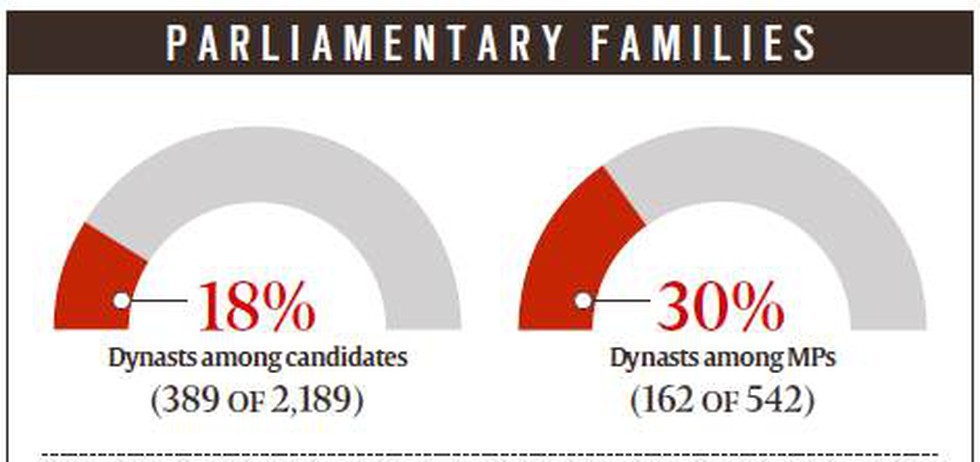
- Meaning: ‘Dynast’ is defined as any candidate or MP having a relative who in the past or in the present has served or serves an elective mandate, at any level of representation. It also includes candidates with relatives who serve or have served prominent positions in party organisations.
- Trend in Lok Sabha elections 2019:
- Share: 30% of all Lok Sabha MPs belong to political families, a record percentage.
- Large states where the proportion of dynasts stands above the national average are: Rajasthan (32%), Orissa (33%), Telangana (35%), Andhra Pradesh (36%), Tamil Nadu (37%), Karnataka (39%), Maharashtra (42%), Bihar (43%) and Punjab (62%).
- Parties: Among the national parties, Congress remains the most dynastic one, with 31% of his candidates belonging to a political family. But the BJP is catching up with 22% of dynast candidates.
- Share: 30% of all Lok Sabha MPs belong to political families, a record percentage.
- Comment:
- While prominent dynasts of the Congress party and other regional parties have lost — including of course Rahul Gandhi himself From Amethi — the dynastic factor has not been absent in this election at all. If anything, the phenomenon has increased.
- Therefore, one should be cautious with statements that the vote for the BJP represented an end of dynasticism.
- While prominent dynasts of the Congress party and other regional parties have lost — including of course Rahul Gandhi himself From Amethi — the dynastic factor has not been absent in this election at all. If anything, the phenomenon has increased.
Prelims Pointers
May 27, 2019
Key Highlights of analysis by ADR and New Election Watch:
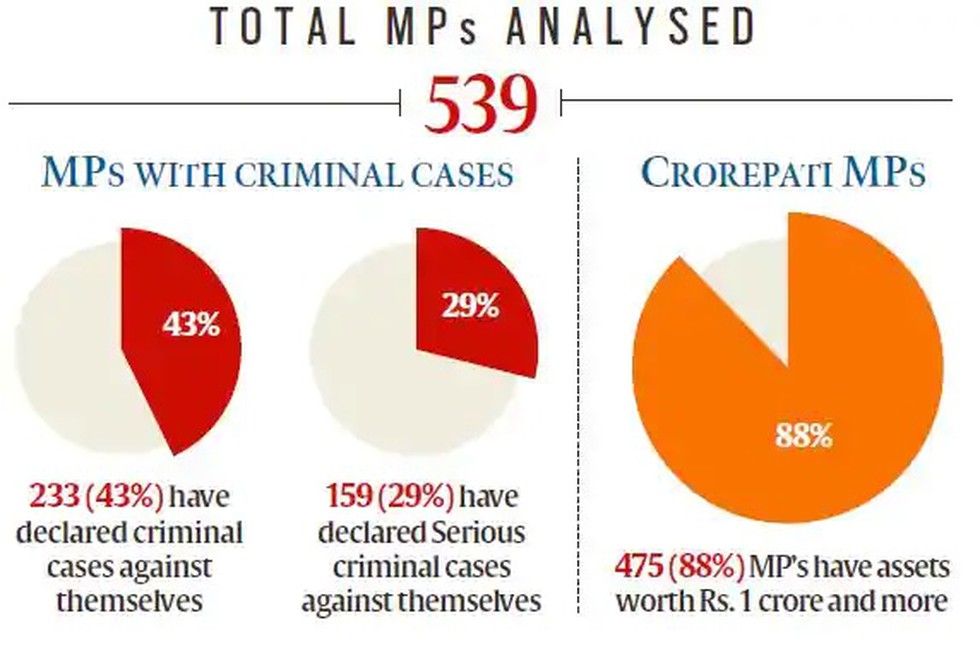
- 43% of the newly elected Lok Sabha MPs have declared criminal cases against themselves. In 2014, 34% declared criminal cases against themselves.
- 29% have declared serious criminal cases relating to rape, murder, attempt to murder, kidnapping, crimes against women etc. This increases from 21% in 2014.
- 11 winners have murder charges against them.
- 29 winners have declared cases related to hate speech.
- Dean Kuriakose from the Congress, who won from the Idukki constituency in Kerala, has 204 criminal cases against him,
- Pragya Singh Thakur, the newly-elected BJP MP from Bhopal, faces terror charges in connection with the 2008 Malegaon blasts.
- The BJP has the highest number of crorepatis (116 of 301 analysed) but the Congress has a much higher share of crorepatis (43 out of 51).
May 26, 2019
Prelims Pointers
May 26, 2019
About:
- With this extension, the direct tax panel may submit its report after the presentation of full Budget for 2019-20.
- Background: Prime Minister Narendra Modi, during the annual conference of tax officers in 2017, had observed that the Income-tax Act, 1961, was drafted more than 50 years ago and it needs to be redrafted.
- Composition:
- The Finance Ministry in November 2018 appointed Akhilesh Ranjan, Member (Legislation), CBDT, as convenor of the task force after the retirement of Arbind Modi.
- Other members of the task force include Girish Ahuja (chartered accountant), Rajiv Memani (Chairman and Regional Managing Partner of EY), Mukesh Patel (Practicing Tax Advocate), Mansi Kedia (Consultant, ICRIER) and G C Srivastava (retired IRS and Advocate).
- The Finance Ministry in November 2018 appointed Akhilesh Ranjan, Member (Legislation), CBDT, as convenor of the task force after the retirement of Arbind Modi.
- Mandate: The task force was assigned to draft direct tax laws in line with the norms prevalent in other countries, incorporating international best practices, and keeping in mind the economic needs of the country.
Prelims Pointers
May 26, 2019

Numbers:
- Total: The 17th Lok Sabha will have the highest number of women representatives ever with 78 women elected as MPs.
- Party-wise breakup: With 40 women MPs, BJP has sent the largest number of elected women representatives to Lok Sabha because of the sheer size of its victory. It is followed by Trinamool Congress (9), Congress (6), BJD (5) and YSRCP (4).
Share:
- Numbers: They will account for 14.39% of the entire strength of the Lower House, which was at 12.5% with a total 65 women MPs in the previous Lok Sabha.
- Party-wise breakup: However, the regional parties that boast of a higher ratio of women MPs. Women account for 41.6% of BJD’s total strength in Lok Sabha and 40.9% of TMC’s strength in the House. TMC supremo Mamata Banerjee and BJD Chief Naveen Patnaik had pledged to give tickets to 40% and 30% of party candidates before the elections started.
Winnability Factor:
- Women candidates also displayed a higher winnability factor or strike rate. A higher success rate or winnability factor shown by women candidates is consistent with the past record.
- The 78 elected women MPs emerged winners out of the total 716 women candidates who fought during the 2019 Lok Sabha elections, which is a success rate of 10.89%. This is much higher than the success rate shown by male candidates of 6.41%.
Prelims Pointers
May 26, 2019
About:
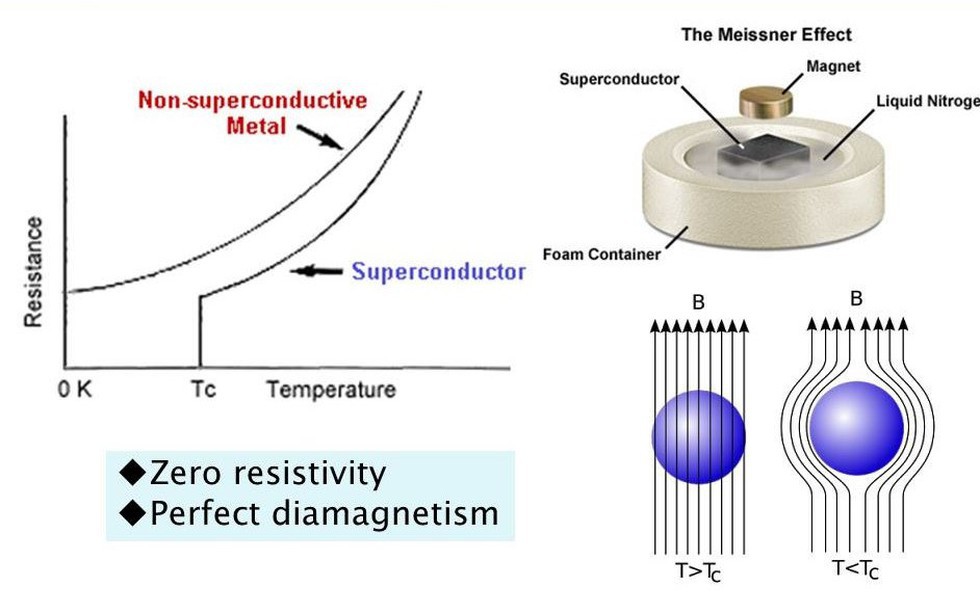
- Meaning: Materials are said to be exhibiting superconductivity when they exhibit the following two characteristics after being cooled below their critical temperature -
- zero electrical resistance and
- expulsion of magnetic fields (Meissner effect)
- zero electrical resistance and
- Superconductor materials: Property of superconductivity is inherent to variety of materials –
- Chemical elements(e.g. mercury or lead),
- Alloys(such as niobium-titanium, germanium-niobium, and niobium nitride),
- Ceramics(YBCO and magnesium diboride) and
- Organic superconductors(fullerenes and carbon nanotubes);
- Chemical elements(e.g. mercury or lead),
- Properties:
- Phase Transition (at critical temp): In superconducting materials, the characteristics of superconductivity appear when the temperatureT is lowered below a critical temperature Tc.
- Zero resistance to current: When the superconductor material is cooled below its critical temperature then it shows zero resistance to electric current.
- Meissner effect: This means expulsion of a magnetic fieldfrom a superconductor when it is cooled below its critical temperature. This property is used for making high speed, magnetically-levitated trains (MAGLEV).
- London moment: It is a phenomenonwhereby a ‘spinning’ superconductor generates a ‘magnetic field’ whose ‘axis’ lines up exactly with the ‘spin axis’.
- Phase Transition (at critical temp): In superconducting materials, the characteristics of superconductivity appear when the temperatureT is lowered below a critical temperature Tc.
- High-temperature superconductors (HTS): These are materials that behave as superconductors at unusually high temperatures.
Prelims Pointers
May 26, 2019
About:
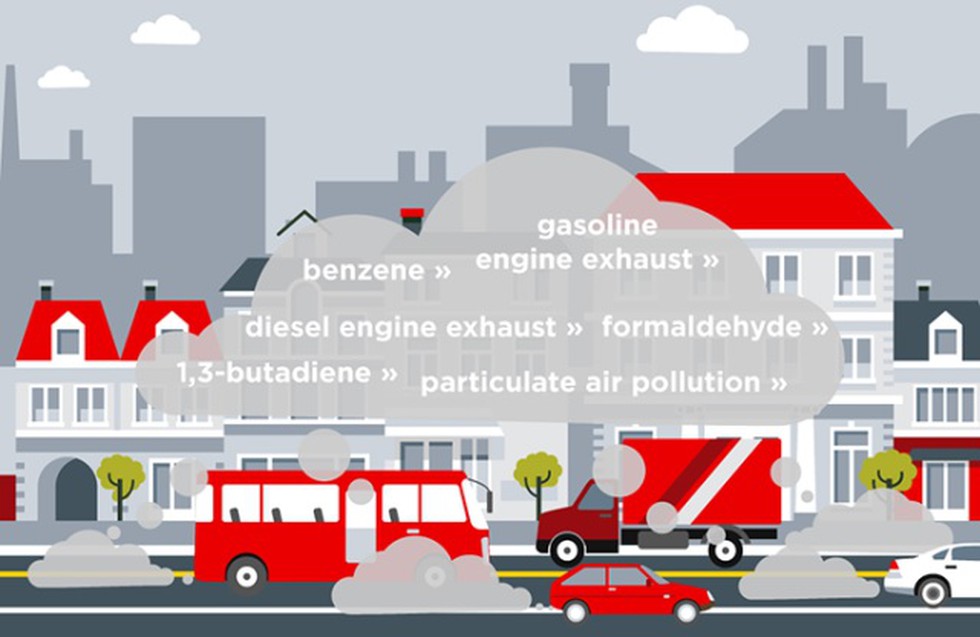
- Traffic-related air pollutants are emitted by cars, trucks, buses, and "non-road" equipment (e.g., recreational vehicles or lawn equipment) from the burning of fossil fuels.
- Traffic-related air pollution contributes significantly to outdoor air pollution, especially in urban settings.
- Children are especially sensitive to air pollution, and there is increasing evidence that exposure to traffic-related air pollution (TRAP) may impact pregnancy outcomes and child development.
Recent study:
- Researchers from the University of Cincinnati in the U.S. evaluated imaging of 145 children at an average age of 12 years, looking specifically at the levels of myo-inositol found in the brain through a specialised MRI technique, magnetic resonance spectroscopy.
- The evidence suggested the central nervous system is particularly vulnerable to air pollution, suggesting a role in the etiology of mental disorders, like anxiety or depression.
Myo-inositol is a naturally-occurring metabolite mainly found in specialised brain cells known as glial cells, that assists with maintaining cell volume and fluid balance in the brain, and serves as a regulator for hormones and insulin in the body.
Prelims Pointers
May 26, 2019
About:
- What is it? It is a nuclear-powered Arctic icebreaker launched by Russia.
- Objective: it has been launched as a part of an ambitious programme to renew and expand its fleet of the vessels in order to improve its ability to tap the Arctic’s commercial potential.
- Part of Trio:
- Ural is one of a trio that when completed will be the largest and most powerful icebreakers in the world.
- The Ural is due to be handed over to Russia’s state-owned nuclear energy corporation Rosatom in 2022 after the two other icebreakers in the same series, Arktika (Arctic) and Sibir (Siberia), enter service.
- Ural is one of a trio that when completed will be the largest and most powerful icebreakers in the world.
Northern Sea Route (NSR):
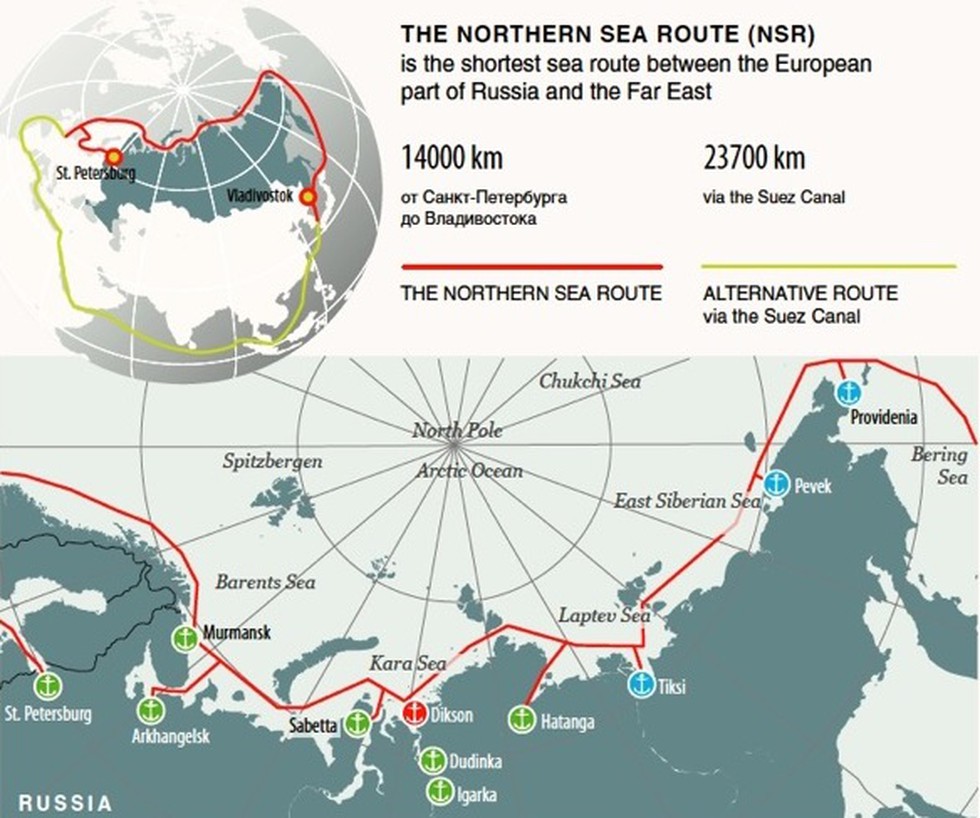
- Russia is building new infrastructure and overhauling its ports as, amid warmer climate cycles, it readies for more traffic via what it calls the Northern Sea Route (NSR) which it envisages being navigable year-round.
- Russia hopes the route which runs from Murmansk to the Bering Strait near Alaska could take off as it cuts sea transport times from Asia to Europe.
- The Arctic holds oil and gas reserves equivalent to 412 billion barrels of oil, about 22 percent of the world’s undiscovered oil and gas, the U.S. Geological Survey estimates.
- Russia is looking for dominance with traditional rivals Canada, the United States and Norway, as well as newcomer China.
Prelims Pointers
May 26, 2019
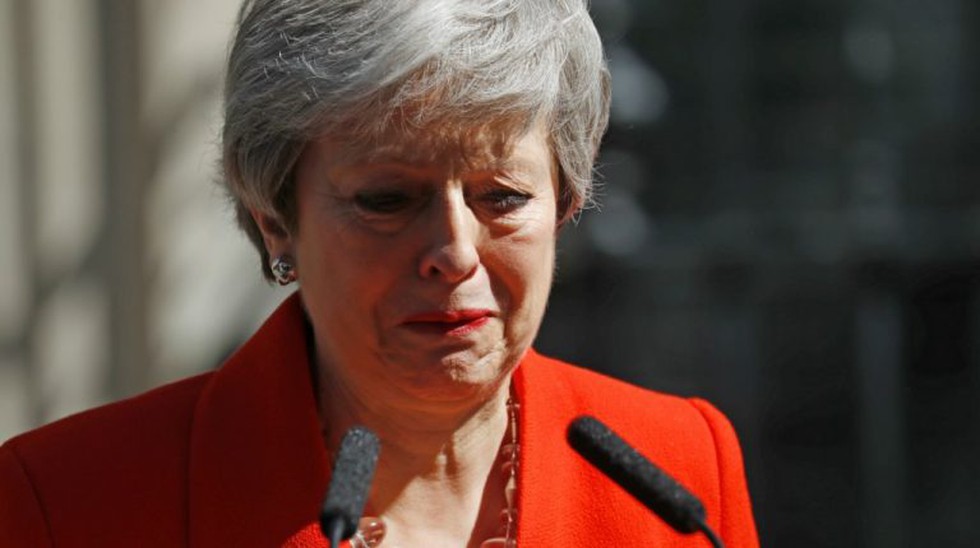
About:
- She will quit as Conservative party leader on 7 June but will stay in office until a successor is found.
- Mrs May - who became the UK's second female prime minister in July 2016 - had been under sustained pressure from lawmakers opposed to her Brexit plans.
- Why did she resigned?
- Mrs May had been struggling to get parliamentary support for the legislation needed to implement the deal she had agreed with the EU on how the UK would leave the bloc.
- Her deal was rejected three times by Parliament. Efforts to find a compromise with the opposition Labour Party also failed.
- Recently she made another attempt to convince members of parliament (MPs) to support her EU Withdrawal Agreement Bill - by offering a vote on whether to hold a second referendum, if the bill was passed. The offer was designed to attract support from Labour MPs - but enraged many Brexit-supporting Conservatives.
- Members of her cabinet began openly opposing the bill, while party members called for her to resign.
- Mrs May had been struggling to get parliamentary support for the legislation needed to implement the deal she had agreed with the EU on how the UK would leave the bloc.
Article 50 (Brexit):
- Article 50 of the Treaty on European Union sets out how an EU country might voluntarily leave the union. It says: “Any member state may decide to withdraw from the union in accordance with its own constitutional requirements.”
- Features:
- It specifies that a leaver should notify the European council of its intention, negotiate a deal on its withdrawal and establish legal grounds for a future relationship with the EU.
- On the European side, the agreement needs a qualified majority of member states and consent of the European parliament.
- It gives negotiators two years from the date of article 50 notification to conclude new arrangements.
- Failure to do so results in the exiting state falling out of the EU with no new provisions in place, unless every one of the remaining EU states agrees to extend the negotiations.
- Brexit: The Government of the United Kingdom triggered Article 50 to begin the UK's withdrawal from the EU in March 2017 following a referendum.
Prelims Pointers
May 26, 2019
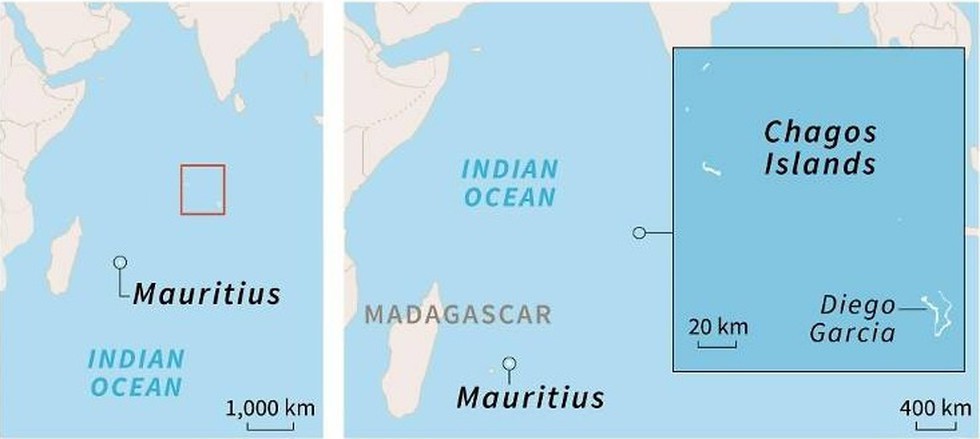
About:
- The Chagos Archipelago is a group of seven atolls comprising more than 60 individual tropical islands in the Indian Ocean.
- It is officially part of the British Indian Ocean Territory.
Timeline of dispute:
- Chagos Archipelago has been part of Mauritius since at least the 18th century when France governed it.
- In 1810, Mauritius was captured by the United Kingdom and France ceded the territory in the Treaty of Paris.
- In 1965, three years before Mauritius got its independence, Britain separated the Chagos islands to carve out a ‘British Indian Ocean Territory’.
- In 1966, the UK leased Diego Garcia (the biggest island in the Chagos archipelago) to the US to create an air & naval base. For constructing the defence installation, the inhabitants of the island were forcibly removed.
- In 1968 Mauritius was granted independence.
- In June 2017, the UN General Assembly adopted a resolution calling on the ICJ to delivery an advisory opinion on whether the continued administration of the Chagos Archipelago by the United Kingdom following the 1968 decolonisation process of Mauritius was lawful.
- In February 2019, the International Court of Justice (ICJ) issued an advisory opinion that Britain has an obligation to end its administration of the Chagos Archipelago — home to the U.S. military base of Diego Garcia — and complete the process of decolonisation of Mauritius.
Prelims Pointers
May 26, 2019
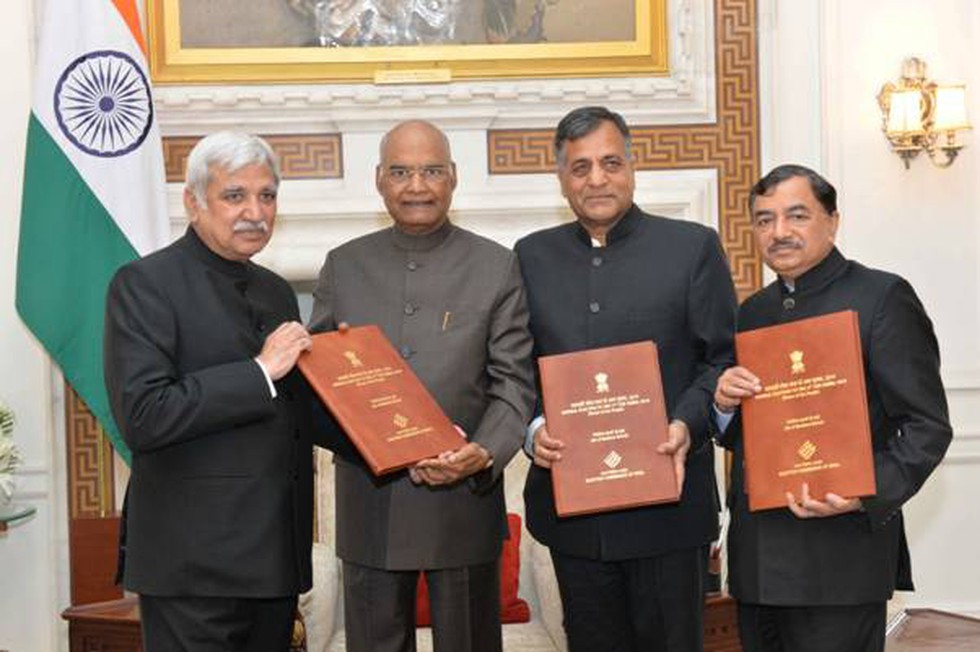
About:
- The Chief Election Commissioner accompanied by other Election Commissioners met the President of India.
- They submitted him a copy of the Notification issued by the ECI in terms of Section 73 of the Representation of People’s Act, 1951, containing the names of Members elected to the House of the People following General Elections to the 17th Lok Sabha.
Section 73 of the Representation of People’s Act, 1951:
- Title of section 73: Publication of results of general elections to the House of the people and of names of persons nominated by the President.
- Key features:
- Where a general election is held for the purpose of constituting a new House of the People or a new State Legislative Assembly, the names of the members elected for those constituencies shall be notified by the Election Commission in the Official Gazette.
- This notification shall be done soon after the results of the elections in all the constituencies have been declared by the returning officer.
- Upon the issue of such notification, that House or Assembly shall be deemed to be duly constituted.
- Where a general election is held for the purpose of constituting a new House of the People or a new State Legislative Assembly, the names of the members elected for those constituencies shall be notified by the Election Commission in the Official Gazette.
Prelims Pointers
May 26, 2019
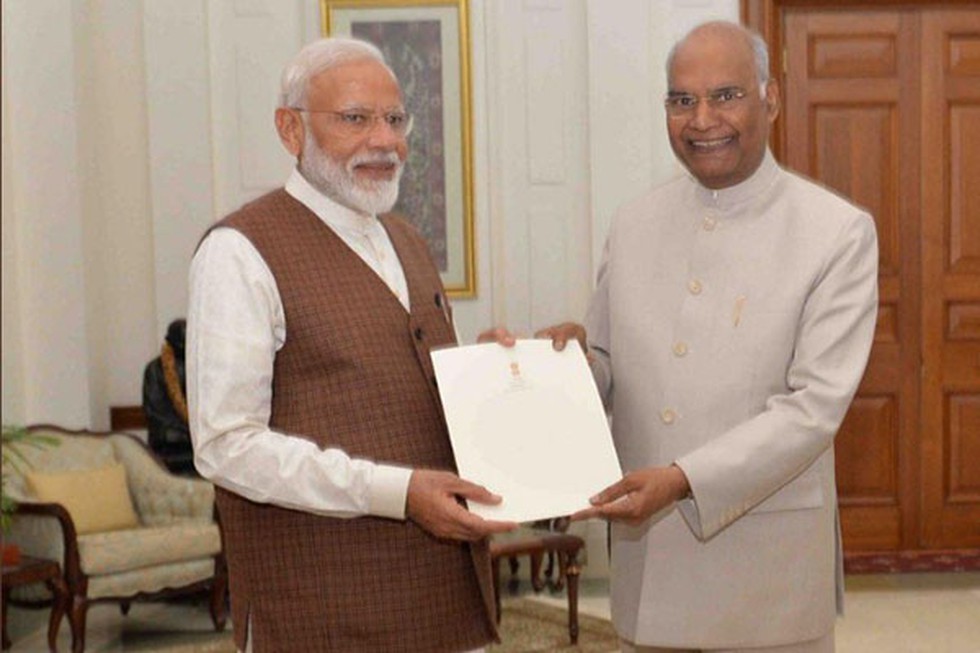
About:
- Narendra Modi was appointed as the Prime Minister of India in his capacity as leader of the BJP Parliamentary Party, which has majority support in the House of the People following the general election to the 17th Lok Sabha.
- President Ram Nath Kovind requested him to –
- advise him about the names of others to be appointed members of the Union Council of Ministers and
- indicate the date and time of the swearing-in-ceremony to be held at Rashtrapati Bhavan.
- advise him about the names of others to be appointed members of the Union Council of Ministers and
Provisions of Article 75: Other provisions as to Ministers
(1) The Prime Minister shall be appointed by the President and the other Ministers shall be appointed by the President on the advice of the Prime Minister
(2) The Minister shall hold office during the pleasure of the President
(3) The Council of Ministers shall be collectively responsible to the House of the People
(4) Before a Minister enters upon his office, the President shall administer to him the oaths of office and of secrecy according to the forms set out for the purpose in the Third Schedule
(5) A Minister who for any period of six consecutive months is not a member of either House of Parliament shall at the expiration of that period cease to be a Minister
(6) The salaries and allowances of Ministers shall be such as Parliament may from time to time by law determine and, until Parliament so determines, shall be as specified in the Second Schedule The Attorney General for India
Prelims Pointers
May 26, 2019

About:
- Present scenario:
- At present, Irish divorce law is regarded as among the most restrictive in Europe.
- Due to this, Ireland has the lowest separation rate among any EU member state. This places an unfair emotional and financial burden on couples and families at a time when Irish rental and property prices are spiking.
- At present, Irish divorce law is regarded as among the most restrictive in Europe.
- Recent development:
- Around 82 % of voters in Ireland cast their ballots in favour of removing a provision requiring couples to live separately for four out of the previous five years before dissolving their marriage.
- Now, the Irish government will bring a new legislation shortening the requirement to two out of the prior three years.
- Around 82 % of voters in Ireland cast their ballots in favour of removing a provision requiring couples to live separately for four out of the previous five years before dissolving their marriage.
- Comment:
- The step is the latest in a series of reforms to modernise the charter of the once-devoutly Catholic nation.
- The result of the vote comes one year on from the day when 66 % of voters cast referendum ballots in favour of repealing the republic's constitutional ban on abortion.
- The step is the latest in a series of reforms to modernise the charter of the once-devoutly Catholic nation.
May 25, 2019
Prelims Pointers
May 25, 2019
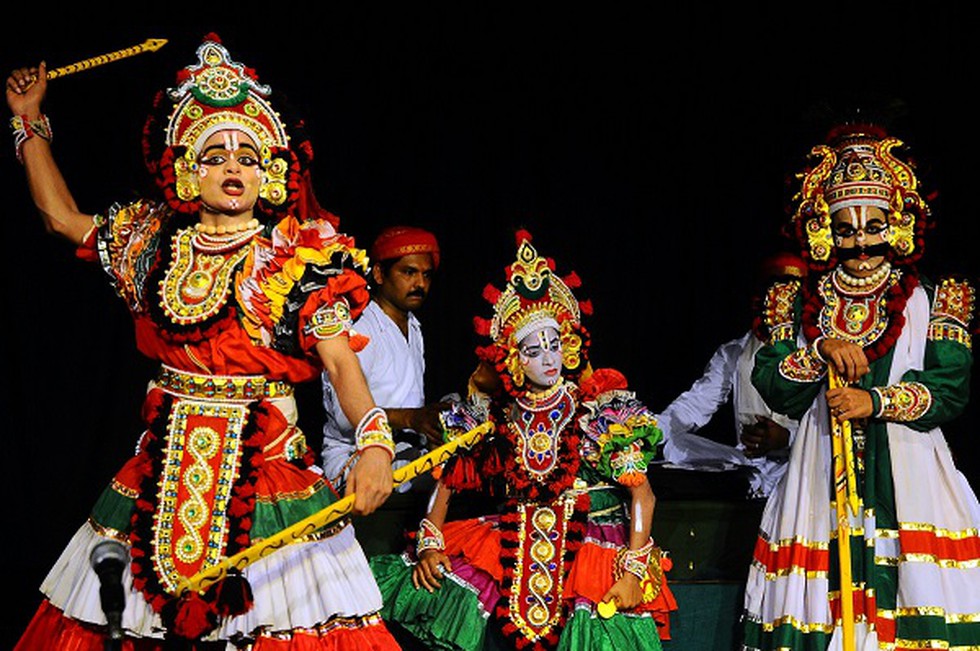
About:
- What is it? Yakshagana is a traditional theatre form that combines dance, music, dialogue, costume, make-up, and stage techniques with a unique style and form.
- Name: Yakshagana literally means the song (gana) of the yaksha (nature spirits).
- Region: It developed in Udupi, in the state of Karnataka. It is popular in the Karnataka districts of Dakshina Kannada, Kasaragod, Udupi, Uttara Kannada and Shimoga .
- Background: This folk art is believed to have originated somewhere in between the 10th and 16th century.
- Theme: Yakshagana is strongly influenced by the Vaishnava Bhakti movement. Its stories are mainly drawn from Ramayana, Mahabharata, Bhagavata and other Hindu epics.
- Key Features:
- A typical Yakshagana performance consists of background music played by a group of musicians (known as the himmela); and a dance and dialog group (known as the mummela), who together enact poetic epics on stage.
- Yakshagana is traditionally presented from dusk to dawn.
- A typical Yakshagana performance consists of background music played by a group of musicians (known as the himmela); and a dance and dialog group (known as the mummela), who together enact poetic epics on stage.
- Types:
- The tenkutittu style: It is prevalent in Dakshina Kannada. Tenkutittu is noted for its incredible dance steps; its high flying dance moves; and its extravagant rakshasas (demons).
- The Badagutittu style: It is prevalent in Uttara Kannada District and places more emphasis on facial expressions, matugarike (dialogues), and dances appropriate for the character depicted in the episode.
- The tenkutittu style: It is prevalent in Dakshina Kannada. Tenkutittu is noted for its incredible dance steps; its high flying dance moves; and its extravagant rakshasas (demons).
‘Harake’ Yakshaganas?
- ‘Harake’ Yakshaganas are sponsored by people in the coastal belt as an offering to god, seeking fulfilment of their wish (harake).
Prelims Pointers
May 25, 2019
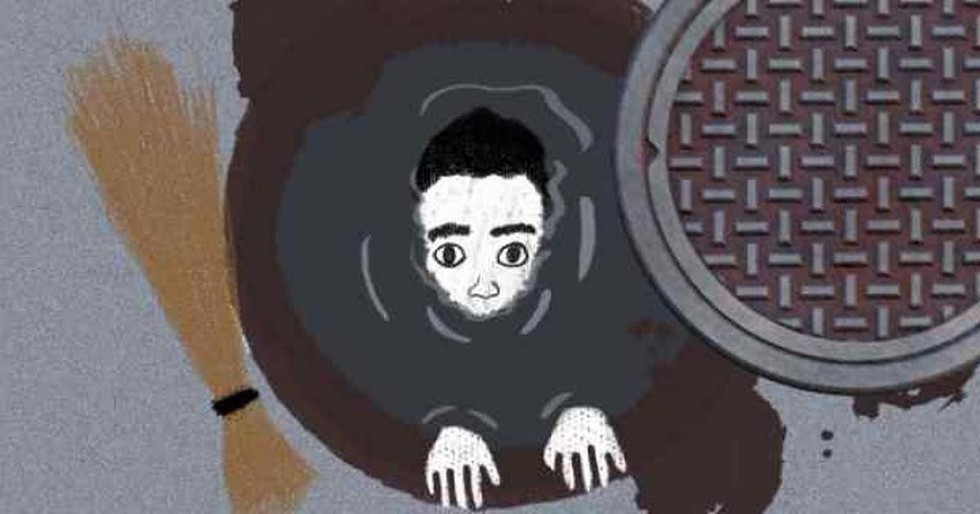
Government Initiatives:
- The Prohibition of Employment as Manual Scavengers and their Rehabilitation Act, 2013: It intends to achieve the following objectives –
- Eliminate the insanitary latrines.
- Prohibit Employment as Manual Scavengers.
- Prohibit Hazardous manual cleaning of sewer and septic tanks.
- Survey of Manual Scavengers and their rehabilitation.
- Eliminate the insanitary latrines.
- National Commission for Safai Karmacharis: Its mandate is to –
- recommend to the Government regarding specific programmes for welfare of Safai Karamcharis, study and evaluate the existing welfare programmes for Safai Karamcharis, investigate cases of specific grievances etc.
- monitor the implementation of the Prohibition of Employment as Manual Scavengers and their Rehabilitation Act.
- recommend to the Government regarding specific programmes for welfare of Safai Karamcharis, study and evaluate the existing welfare programmes for Safai Karamcharis, investigate cases of specific grievances etc.
- Self-Employment Scheme for Rehabilitation of Manual Scavengers’ (SRMS): It Is a Central Sector Scheme being implemented by Ministry of Social Justice under which identified manual scavengers and their dependents are provided the following rehabilitation benefits:
- Onetime cash assistance of Rs.40000/-.
- Loans upto Rs. 15.00 lacs at concessional rate of interest.
- Credit linked back end capital subsidy upto Rs. 3,25,000/-.
- Skill Development Training upto two years with stipend of Rs.3000/- per month.
- Onetime cash assistance of Rs.40000/-.
- Pre-Matric Scholarship scheme to the Children of those engaged in occupations involving cleaning and prone to health hazards: Children of manual scavengers are also eligible for scholarship under this scheme being implemented by Ministry of Social Justice.
Key Statistics (data provided by the Ministry of Social Justice and Empowerment as on December 8, 2018):
- Number of Manual Scavengers: 13,973 manual scavengers have been identified in the country. Uttar Pradesh (11,563) has the highest number of identified manual scavengers followed by Karnataka (732). Chhattisgarh (3) and Madhya Pradesh (36) have the lowest.
- Rehabilitation: Budget allocated for self-employment schemes declined from Rs. 448 crore in 2014 to Rs. 5 crore in 2017. The number of one-time cash assistance to beneficiaries is declining since 2015-16.
- Lives Lost: Manual scavengers’ deaths while cleaning sewage continue despite rehabilitation measures. Between 2015 and 2018, the highest number of sewer deaths were in Gujarat (26) and least in west Bengal, Tripura and Madhya Pradesh (2 each).
Prelims Pointers
May 25, 2019
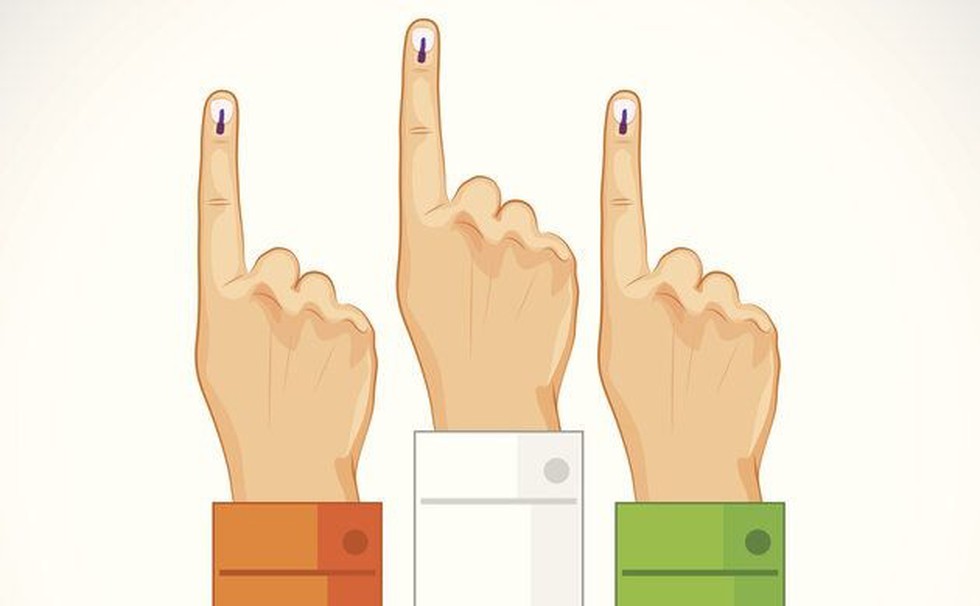
Meaning:
- Postal voting is a type of voting in elections whereby Electronically Transmitted Postal Ballot Papers (ETPB) are distributed to electors and returned by post, in contrast to electors voting in person at a polling station via Electronic Voting Machines (EVMs).
- However, postal voting refers only to the means by which the ballots are submitted, not to the method by which the votes are counted.
Who all can vote through postal ballots?
- According to the Election Commission (EC) of India, the facility is available to a service voter — that is a voter having a service qualification.
- According to the provisions of sub-section (8) of Section 20 of Representation of People Act, 1950, service qualification means –
- Being a member of the armed forces of the Union; or
- Being a member of a force to which provisions of the Army Act, 1950 (46 of 1950), have been made applicable whether with or without modification ;
- Being a member of an Armed Police Force of a State, and serving outside that state; or
- Being a person who is employed under the Government of India, in a post outside India.
- Being a member of the armed forces of the Union; or
Procedure to get oneself enrolled as a service voter:
- A person having service qualification can get enrolled as ‘service voter’ at his native place even though he actually may be residing at a different place (of posting).
- Following are the application forms in which various categories of service voters are to make application for enrolment as a service voter –
- Members of Armed Forces – Form 2
- Members of Armed Police Force of a State, serving outside that State – Form 2A
- Persons employed under Government of India on post outside India – Form 3
- Members of Armed Forces – Form 2
Classified Service Voter (CSV)?
- Service voters have the option of either voting through postal ballot or through a proxy voter duly appointed by him. A service voter who opts for voting through a proxy is called Classified Service Voter (CSV).
- A service voter may appoint (by applying to Returning Officer in Form 13 F of Conduct of Elections Rules, 1961) any person as his / her proxy to give the vote on his/her behalf and in his/her name at the polling station.
- The proxy shall have to be an ordinary resident of that constituency.
- A Classified Service Voter cannot be issued postal ballot, instead his/her appointed proxy shall physically come and vote at the polling station which covers the classified voter’s home address.
Prelims Pointers
May 25, 2019
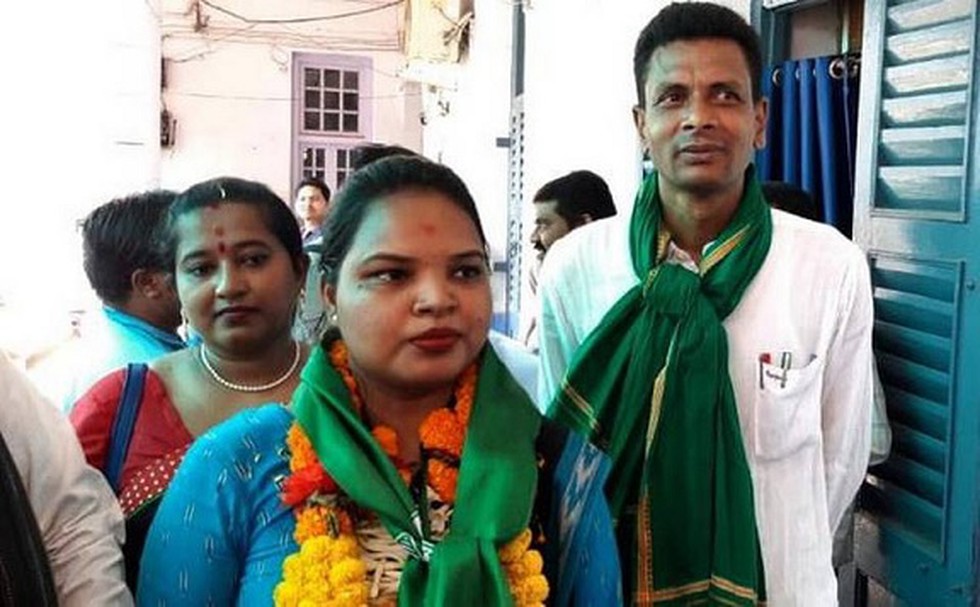
Election as Members of the Lok Sabha:
- How are they elected:
- The Members of the Lok Sabha are elected through General Elections, held on the basis of universal adult suffrage.
- When the seat of a Member elected to the House becomes vacant or is declared vacant, or his/her election is declared void, the same is filled through bye-election.
- The Members of the Lok Sabha are elected through General Elections, held on the basis of universal adult suffrage.
- Qualifications to become a Member of the Lok Sabha: According to ‘Article 84’ of Constitution of India, to become a member of the Lok Sabha, a person should be –
- a citizen of India,
- not less than 25 years of age and
- possess such other qualifications as may be prescribed by or under any law made by Parliament.
- a citizen of India,
Prelims Pointers
May 25, 2019
About:
- Background: SEBI had constituted a working group In March 2018 under the Chairmanship of H.R. Khan, Deputy Governor (Retired), Reserve Bank of India (RBI).
- Mandate of working group: To advise SEBI on redrafting the SEBI (Foreign Portfolio Investors) Regulations, 2014 for simplification.
- Key recommendations proposed by the working group:
- Ease of access: Fast track on-boarding process for select category II FPIs, pension fund to be considered for category I FPI registration, deemed broad based status for insurance/ re-insurance entities, simplified registration for multiple investment manager (MIM) structures, entities established in the international financial services centre(IFSC) be deemed to have met the jurisdiction criteria for FPIs, etc.
- Simplification of documentation: removal of ‘opaque structure” definition, simplified KYC documentation for category III FPI etc.
- Review of Investment restriction: Liberalized investment cap, harmonization between investment restrictions in FPI regulations and FEMA 20(R), reclassification of investment from FPI to FDI, permitting FPIs for off-market transactions etc.
- Other aspects: Alignment between FPI and alternative investment fund (AIF) routes, strengthening of offshore derivative instrument (ODI) framework, etc.
- Ease of access: Fast track on-boarding process for select category II FPIs, pension fund to be considered for category I FPI registration, deemed broad based status for insurance/ re-insurance entities, simplified registration for multiple investment manager (MIM) structures, entities established in the international financial services centre(IFSC) be deemed to have met the jurisdiction criteria for FPIs, etc.
- Way ahead: The recommendations of the report have been incorporated in the draft FPI Regulations. Comments from public are invited on the draft FPI Regulations till June 14, 2019.
Prelims Pointers
May 25, 2019
Background:
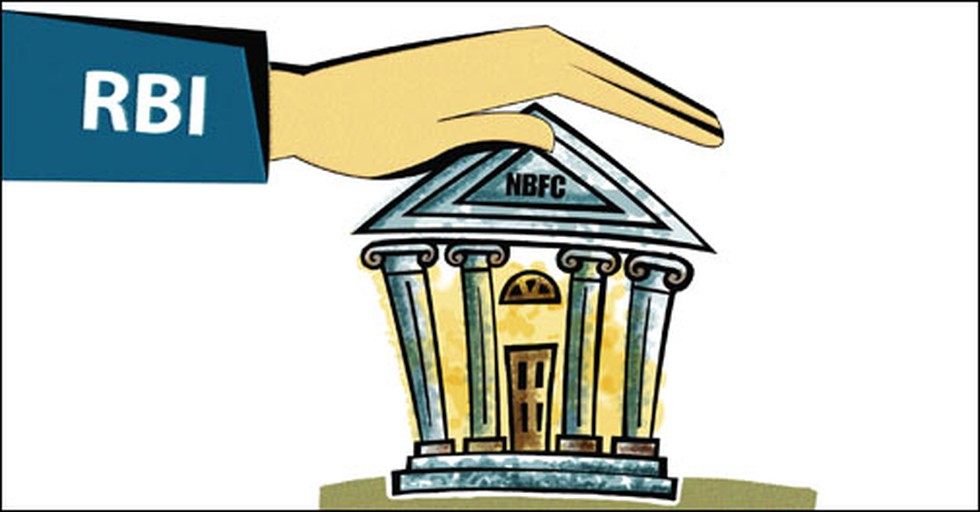
- The Non-Banking Financial Companies (NBFCs) play an important role in delivering credit to the last mile, including the retail as well as MSME sectors.
- However, Many NBFCs have come under severe liquidity pressure ever since the IL&FS crisis erupted, compelling them to stop deposit renewals and resort to high cost borrowings. There are concerns that NBFCs may run out of money, which will lead to defaults.
- In the above background, the RBI has released a draft circular on the “Liquidity Risk Management Framework for NBFCs and Core Investment Companies (CICs).”
Recent circular:
- Coverage: This draft, once finalised, needs to be adopted by all deposit taking NBFCs; non-deposit taking NBFCs with an asset size of ₹ 100 crore and above; and all CICs registered with the Reserve Bank.
- Features:
- The draft guidelines cover application of generic Asset Liability Management (ALM) principles, granular maturity buckets in the liquidity statements and tolerance limits, liquidity risk monitoring tool and adoption of the “stock” approach to liquidity.
- The draft proposes to introduce Liquidity Coverage Ratio (LCR) for all deposit taking NBFCs; and non-deposit taking NBFCs with an asset size of ₹ 5000 crore and above.
- The draft guidelines cover application of generic Asset Liability Management (ALM) principles, granular maturity buckets in the liquidity statements and tolerance limits, liquidity risk monitoring tool and adoption of the “stock” approach to liquidity.
- Implementation period: To ensure a smooth transition to the LCR regime, the proposal is to implement it in a calibrated manner through a glide path over a period of four years commencing from April 2020 and going upto April 2024.
Prelims Pointers
May 25, 2019

About:
- Name: In an order dated May 23, NDA government cleared the formation of an overarching body — National Statistical Office (NSO) — through the merger of the National Sample Survey Office (NSSO) with the Central Statistics Office (CSO).
- Composition:
- The proposed NSO would be headed by Secretary (Statistics and Programme Implementation). The order does not equate the Secretary (S&PI) with the Chief Statistician of India as was done in the earlier resolution notified by MoSPI in 2005.
- There will be three Director Generals —DG(Statistics), DG (Coordination, Administration and Policy) and DG (National Sample Survey) — reporting to the Secretary (S&PI).
- The proposed NSO would be headed by Secretary (Statistics and Programme Implementation). The order does not equate the Secretary (S&PI) with the Chief Statistician of India as was done in the earlier resolution notified by MoSPI in 2005.
- Objective of restructuring: To streamline and strengthen the present nodal functions of the ministry and to bring in more synergy by integrating its administrative functions within the ministry.
What about National Statistical Commission (NSC)?
- The recent order skips any mention of National Statistical Commission (NSC), which has been the overseeing body for all the statistical work done in the country.
- The 2005 resolution notified initiation of the setting up of the NSC along with proposing the single entity, National Statistical Organisation, as “the executive wing of the government for statistics” which would “act according to the policies and priorities as laid down by the NSC.”
- Thus, this order is being widely perceived as a dent on the autonomy of the Indian statistical system.
Prelims Pointers
May 25, 2019
Timeline:
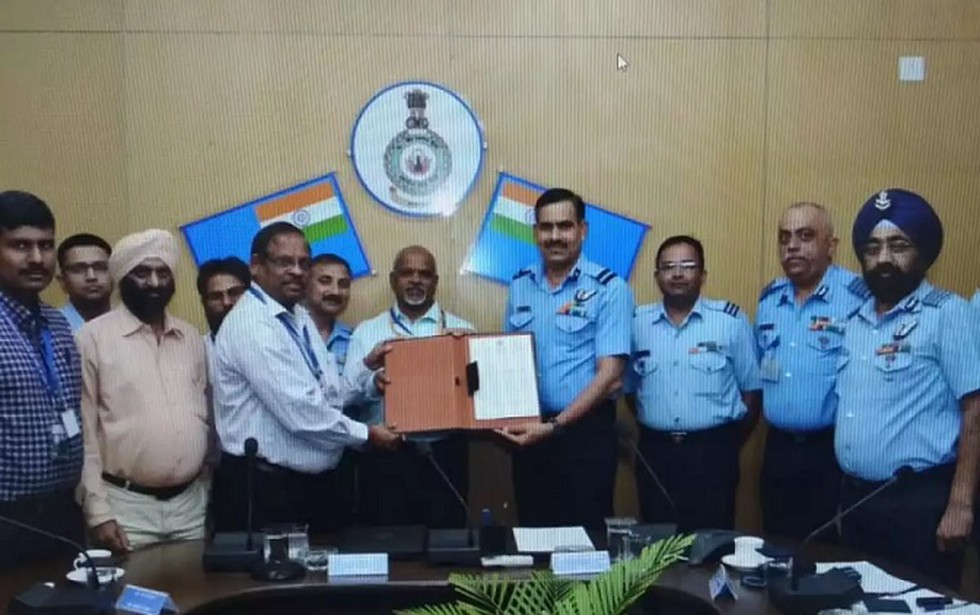
- The indigenous bio-jet fuel was first produced by the CSIR-IIP lab at Dehradun in 2013, but could not be tested or certified for commercial use on aircraft due to lack of test facilities in the civil aviation sector.
- In July, 2018, Chief of the Air Staff Air formally announced IAF’s intention to permit the use of all its resources for testing and certifying the indigenous fuel.
- Since then, The IAF has undertaken a series of tests for evaluating the performance of this fuel against international standards.
Significance:
- This fuel is made from Jatropha oil sourced from Chattisgarh Biodiesel Development Authority (CBDA) and then processed at CSIR-IIP, Dehradun.
- The recent certification is a huge step in promoting the ‘Make in India’ mission as this bio-fuel would be produced from Tree Borne Oils (TBOs) sourced from tribal areas and farmers, augmenting their income substantially.
CSIR-Indian Institute of Petroleum (CSIR-IIP)?
- Parent Body: CSIR-IIP is a laboratory of the Council of Scientific & Industrial Research (CSIR).
- Based in: Dehradun, Uttarakhand.
- Established in: 1960.
- Mandate: Undertaking R&D work in the downstream sector of hydrocarbon (areas of petroleum refining, natural gas, alternative fuels, petrochemicals utilization of petroleum products etc).
Prelims Pointers
May 25, 2019
About:
- Objective: The Forum aims to strengthen the exchange and cooperation in the field of mass media amongst SCO countries.
- Participants: The representative of state bodies supervising mass media of the SCO countries (Member States, Observer Countries, Dialogue Partners); representatives of leading mass media of the SCO countries and representatives of the SCO Secretariat are participating in the Forum.
- Timeline:
- The first SCO Media Summit was held in Beijing on 1 June 2018 under the motto “Development of the “Shanghai Spirit” and opening of a new era in the mass media cooperation.”
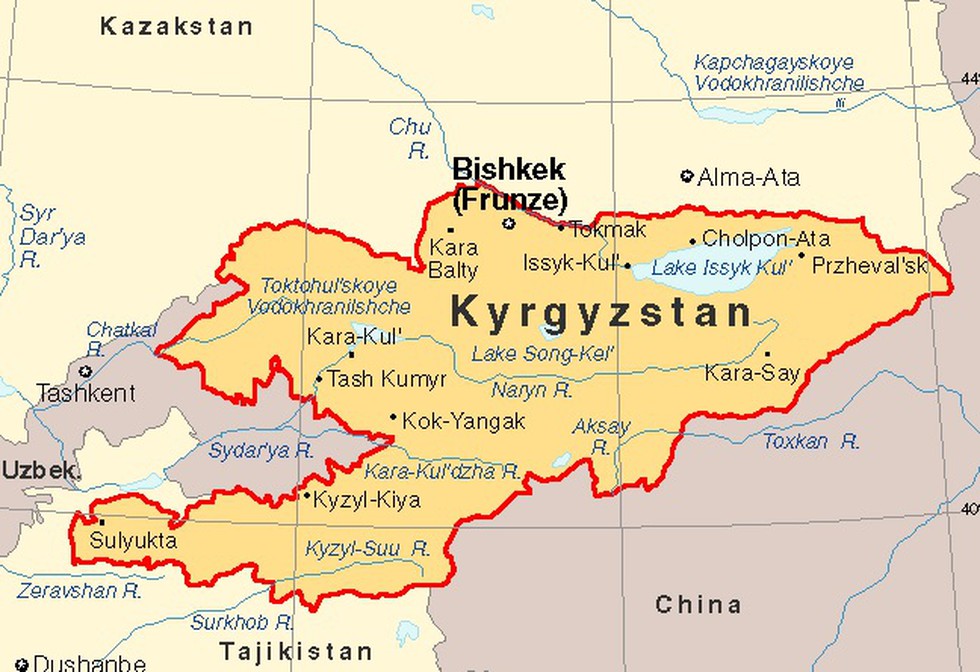
- The Second SCO Mass Media Forum is being held at Bishkek, Kyrgyzstan from 23-26 May, 2019.
- The first SCO Media Summit was held in Beijing on 1 June 2018 under the motto “Development of the “Shanghai Spirit” and opening of a new era in the mass media cooperation.”
Shanghai Spirit?
- The Shanghai Spirit — the core value of the Shanghai Cooperation Organization (SCO) — has played a significant role in safeguarding regional security and promoting regional development.
- The “Shanghai spirit” is about mutual trust, mutual benefit, equality, consultation, respect for cultural diversity and pursuit of common development among the SCO members.
Prelims Pointers
May 25, 2019
About:
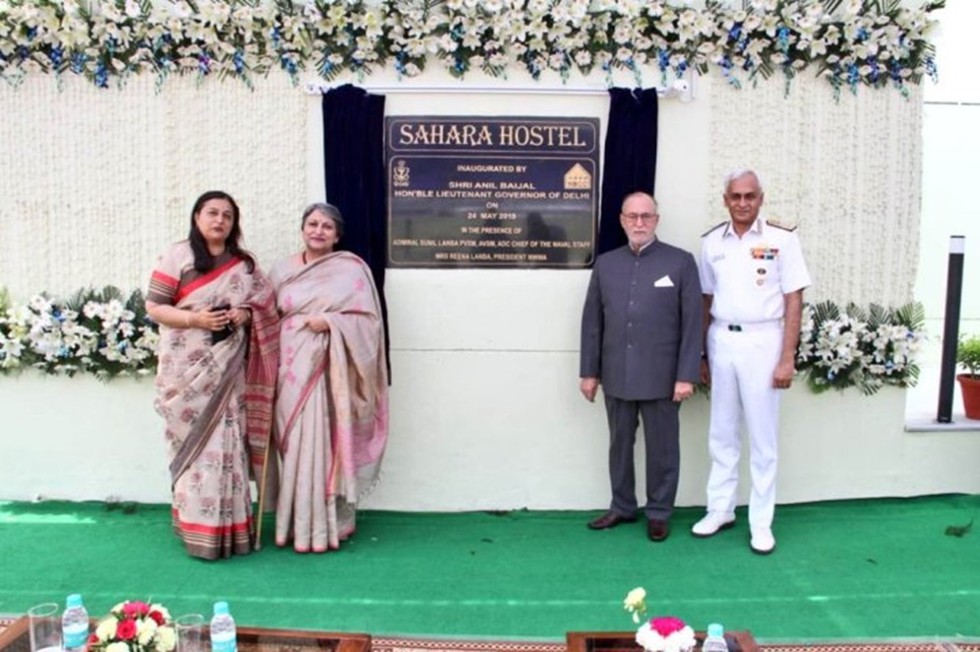
- What is it? Sahara is a Hostel for the Naval Widows/Veer Naris.
- Bodies involved: The unique project is steered by the Indian Navy and has been built in Corporate Social Responsibility (CSR) partnership with National Buildings Construction Corporation (NBCC).
- Objective: Sahara Hostel project is aimed towards providing rehabilitation of the Naval WIdows and their families in the period immediately after the unfortunate demise of their husbands.
- Features:
- The Sahara Hostel comprises compact suites equipped with all necessary amenities for dignified living, along with a common Dining Hall and a Community Hall.
- Only those widows who have completed the requisite period in Government accommodation after the demise of their husbands are eligible to apply for stay in the hostel for one year.
- Extension beyond this period will be considered based on availability and merits of the case.
- The Sahara Hostel comprises compact suites equipped with all necessary amenities for dignified living, along with a common Dining Hall and a Community Hall.
May 24, 2019
Prelims Pointers
May 24, 2019
About:
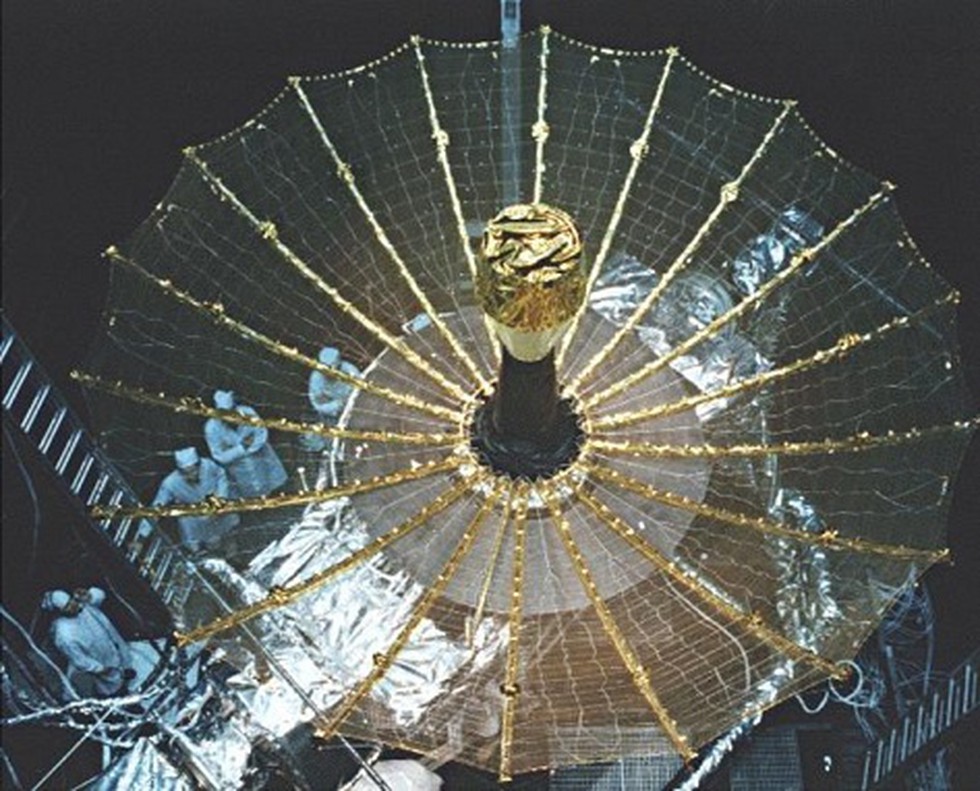
- Launch: Radial Rib antenna (RRA) is a world class technology demonstrated in-orbit in RISAT-2B spacecraft. This 3.6 metre antenna was folded & stowed during launch and later successfully unfurled & deployed in-orbit. The deployment was completed in 7 mins and 20 seconds.
- Developers: The antenna was realised indigenously by ISRO team in a record time of 13 months. Successful deployment of RRA in RISAT-2B establishes the combination of all skills mastered by ISRO indigenously.
- Features: Development of light weight structure, hinge mechanism, design of newer mesh, actuators etc., were some of the challenges involved in the realisation of this antenna.
Prelims Pointers
May 24, 2019
Carbon dioxide as indicator of the greenhouse gas effect:
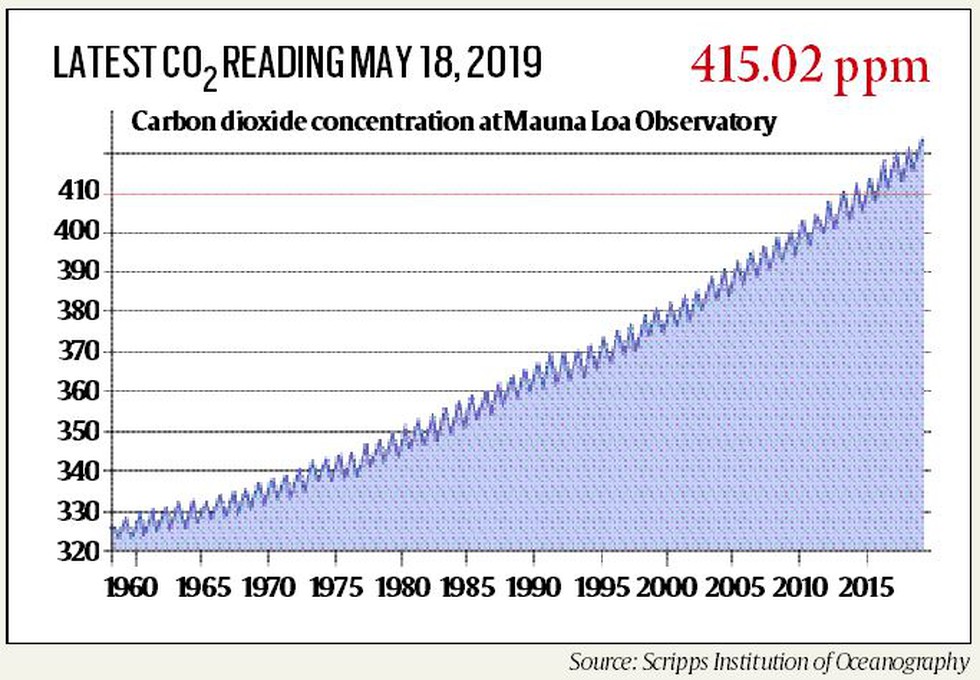
- The rapidly rising concentration of carbon dioxide in the atmosphere is one of the best indicators of the manner in which the planet has been warming up.
- The higher the concentration of carbon dioxide, the greater the greenhouse gas effect that causes the Earth’s atmosphere to heat up.
Trends:
- When direct measurements began at the Mouna Loa observatory in 1958, concentrations were around 315 ppm.
- Currently, the carbon dioxide concentration is growing at more than 2 ppm per year, and scientists say the growth rate is likely to reach 3 ppm a year from this year.
Reason for increasing concentration:
- The increase in atmospheric concentrations is caused by the carbon dioxide being constantly emitted in different, mostly man-made, processes.
- In recent years, the growth in global carbon dioxide emissions has slowed down considerably. However, the rapid rise in the atmospheric concentrations is due to the fact that carbon dioxide has a very long lifespan in the atmosphere, between 100 and 300 years.
The 2ºC equivalence:
- The global target is to keep the rise in average surface temperatures below 2ºC higher than during pre-industrial times, and if possible below 1.5°C.
- The carbon dioxide concentration level corresponding to a 2ºC rise in global temperatures is generally understood to be 450 ppm. At current rates of growth, that level would be reached in less than 12 years, that is by 2030.
Net zero of all greenhouse gases:
- According to IPCC, the world needed to achieve net zero emissions of all greenhouse gases by 2050 to restrain the temperature rise to within 1.5ºC. The net zero needs to be achieved by 2075 to attain the 2ºC target.
- Net zero is achieved when the total emissions is neutralised by absorption of carbon dioxide through natural sinks like forests, or removal of carbon dioxide from the atmosphere through technological interventions.
Prelims Pointers
May 24, 2019
About:
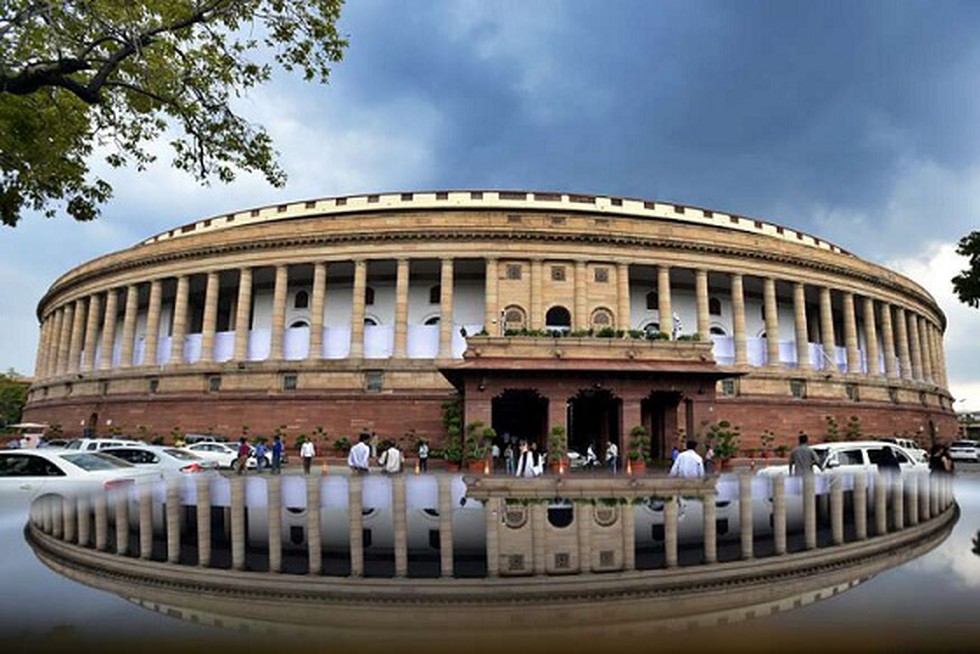
- Statutory Post: The post of leader of opposition has received statutory recognition through theSalary and Allowances of Leaders of Opposition in Parliament Act, 1977. It defines the term leader of opposition.
- Meaning:
- The Act defines LOP as that member of theLok Sabha or the Rajya Sabha who is the Leader of that House of the Party in Opposition to the Government having the greatest numerical strength and recognized, as such, by the presiding officer of that house.
- In simple words LOP is a legislator who leads the“official opposition” in either House of the Parliament of India.
- The Act defines LOP as that member of theLok Sabha or the Rajya Sabha who is the Leader of that House of the Party in Opposition to the Government having the greatest numerical strength and recognized, as such, by the presiding officer of that house.
- Criteria for formal recognition:
- The concerned party must have at least10% of the total strength of the House (55 seats in the Lok Sabha). Otherwise, the House will not have recognized leader of the opposition.
- The post of Leader of the Opposition can only be awarded to the leader of a single political party and not to the leader of an alliance, even if the alliance was formed prior to the election.
- The concerned party must have at least10% of the total strength of the House (55 seats in the Lok Sabha). Otherwise, the House will not have recognized leader of the opposition.
- His/Her Role:
- The LOP enjoys the rank of a Cabinet minister.
- The LOP serves on several important committees, including the selection panels for theCentral Vigilance Commission, Central Information Commission, National Human Rights Commission and National Judicial Appointments Commission.
- The LOP enjoys the rank of a Cabinet minister.
- What if there is no officially recognized leader of opposition?
- In that case, the leader of the single largest group in opposition will discharge the role of leader of opposition. However, he/she do not receives the salaries and allowances that an officially recognized one would enjoy.
- Or simply, in words of subash kashyap we can have “leaders in opposition” but we can’t have “the leader of opposition”.
- In that case, the leader of the single largest group in opposition will discharge the role of leader of opposition. However, he/she do not receives the salaries and allowances that an officially recognized one would enjoy.
- There was no Leader of Opposition in the Lok Sabha during the tenure of Prime Minister Jawahar Lal Nehru when the Congress enjoyed a brute majority in the lower house and the Opposition space had shrunk considerably.
- The first official leader of opposition in Lok Sabha was Ram Subhag Singh of congress (O). He was appointed in 1969 when there was a split in congress.
Prelims Pointers
May 24, 2019
Recent development:
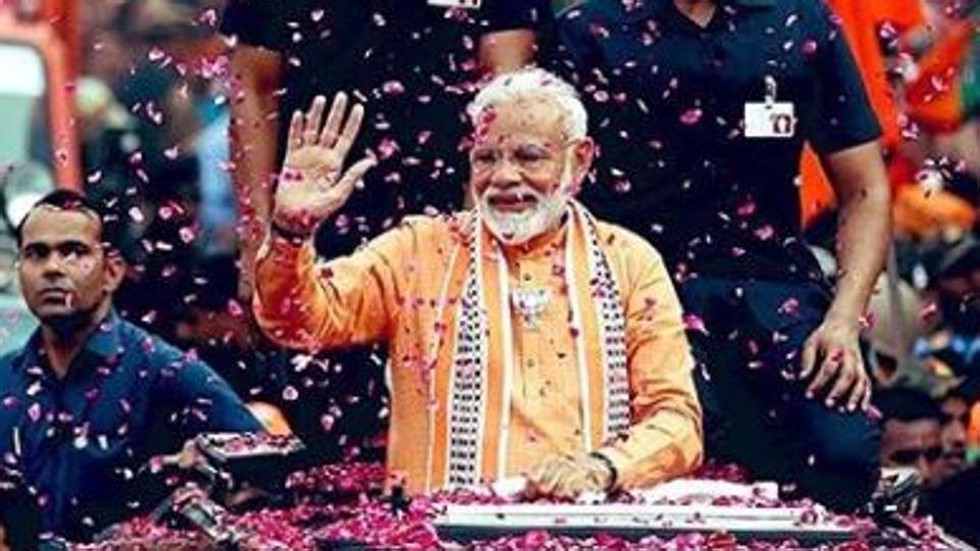
- After the Union Cabinet's recommendation is passed in the form of a resolution, President Ram Nath Kovind will dissolve the present Lok Sabha.
- The term of the 16th Lok Sabha will end on the 3rd June and the 17th Lok Sabha has to be constituted before that date.
- The process to form a new House will be initiated when the Chief Election Commissioner along with Election Commissioners will meet the President in the next few days to hand over the list of newly-elected members.
Dissolution of Lok Sabha: When can it happen?
- In India, the Lok Sabha has a five-year term, but can be dissolved earlier.
- According to Article 83(2) of the Constitution, completion of five years from the first day of its meeting amounts to dissolution of the Lower House. In this case, an election is held to elect the new Members of Parliament.
- The Lower House can also be dissolved earlier by the President on the advice of the Prime Minister.
- It can also be dissolved if the President feels that no viable government can be formed after the resignation or fall of a regime.
Prelims Pointers
May 24, 2019
Definition in general:
- According to the Cambridge Dictionary, a strong room is a special room with strong walls and a strong door where valuable things can be kept safe.
- According to the Merriam Webster dictionary, it is a room for money or valuables specially constructed to be fireproof and burglarproof.
Use in Indian Elections:
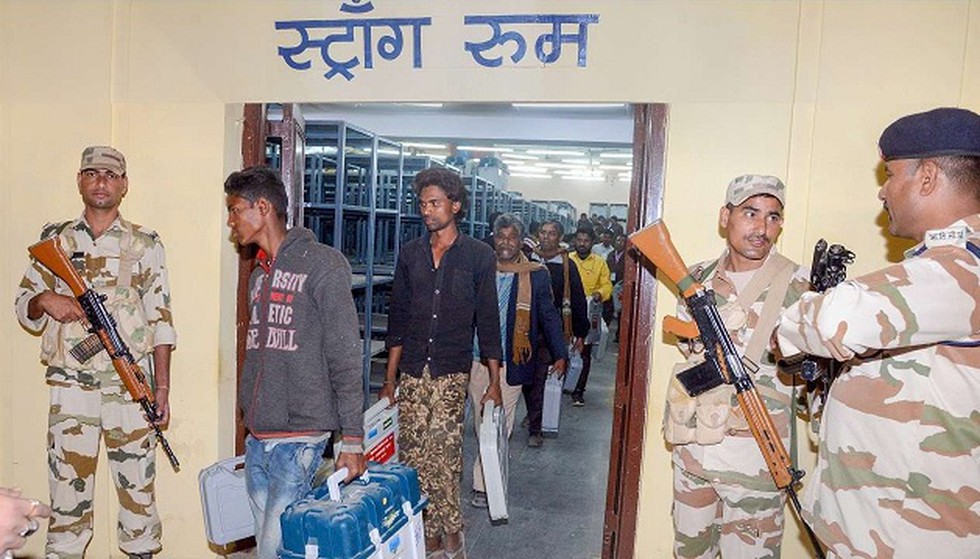
- At the end of voting, the electronic voting machines (along with VVPATs) are kept in designated strongrooms, which are sealed with double locks. This process is done in the presence of candidates and observers of the Election Commission of India.
- Three-Layer security arrangements have been made at EVM strong rooms across the country, with Central Para-military Forces (CPMF) guarding the inner circle round the clock.
- CCTVs are also installed in the strongrooms. Candidates can send designated agents or present themselves at the strongroom for vigil as well.
- The District Collectorate (DC) and Superintendent of Police (SP) are personally responsible for the security of strong room within the district and meticulous implementation of the protocol.
- On the counting day, the strongrooms are opened in the presence of the candidates/agents and Observer under videography.
Prelims Pointers
May 24, 2019
Snakebite envenoming:
- What is it? Snakebite envenoming is a neglected tropical disease (NTD). In 2017, WHO, formally categorised “snakebite envenoming” as a Neglected Tropical Disease.
- Casualties: It affects 1.8–2.7 million people each year, claiming 81,000–1,38,000 lives and causing 4,00,000 cases of permanent disability.
- Key regions affected: Snake bite is a neglected public health issue in many tropical and subtropical countries. Most of these occur in Africa, Asia and Latin America.
- Treatment: Most deaths and serious consequences from snake bites are entirely preventable by making High quality snake antivenoms accessible. They are included in the WHO List of essential medicines.
WHO Global Strategy:
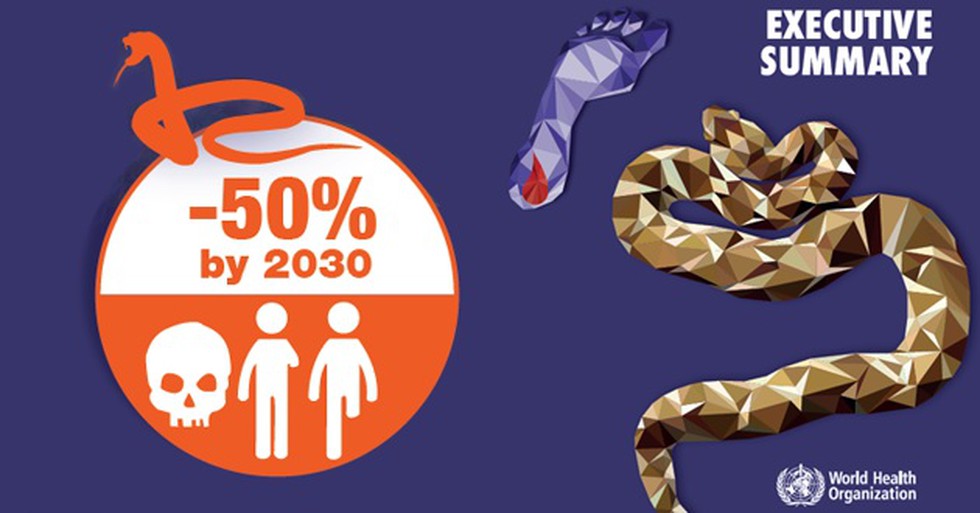
- Target: 50% reduction in mortality and disability caused by snakebite envenoming by 2030.
- Strategy: This target will be achieved through –
- ensuring access to treatment such as anti-venoms and ancillary medical care by increasing the number of manufacturers by 25% and creating a global antivenom stockpile.
- encouraging research on new treatments, diagnostics and health device breakthroughs.
- ensuring access to treatment such as anti-venoms and ancillary medical care by increasing the number of manufacturers by 25% and creating a global antivenom stockpile.
Prelims Pointers
May 24, 2019
CFC-11:
- Name: Trichlorofluoromethane, also called freon-11, CFC-11, or R-11.
- Properties: It is a colourless, faint ethereal, and sweetish-smelling liquid that boils around room temperature.
- Ozone depletion: CFC-11 is one of a class of compounds called chlorofluorocarbons that destroy atmospheric ozone. They are also potent greenhouse gases that contribute to atmospheric warming.
- Ban: It was the widely used as a refrigerant before it was included in the production moratorium agreed in the Montreal Protocol of 1987.
- Impact of Ban: According to World Meteorological Organization (WMO), the hole in the ozone is on the path to recovery. Reduction in the atmospheric concentration of CFC-11 has made the second-largest contribution to the decline since the 1990s.
Key Findings of the Report:
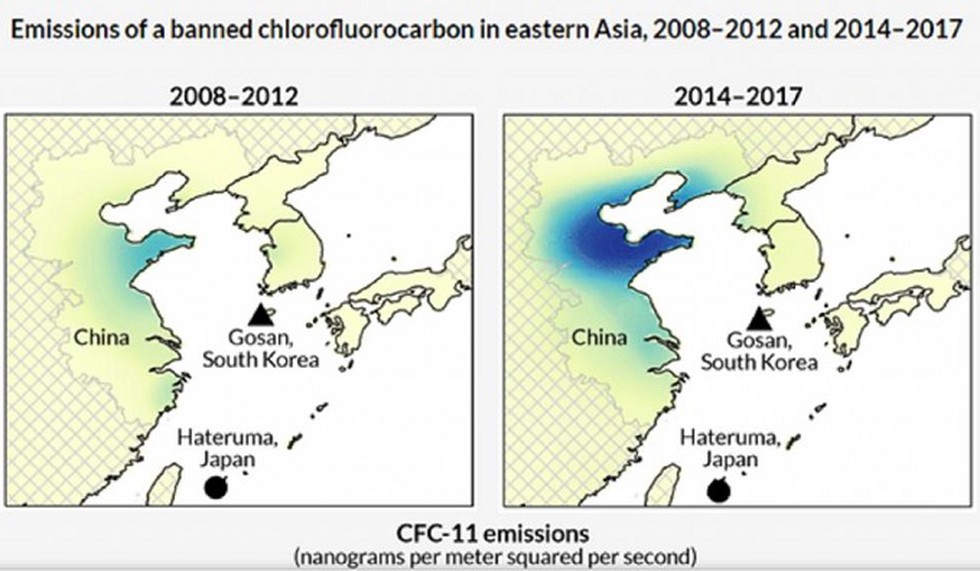
- Despite being the signatory to the Montreal Protocol, and agreeing to phase out production of CFC-11 in 2010, China continues to use ozone depleting CFC-11 in violation of Montreal Protocol.
- Statistics:
- Between 40 and 60 % of total global CFC-11 emissions originate from Eastern China (China’s Shandong and Hebei provinces).
- Between 2014 and 2017, eastern China emitted an average of about 13,400 metric tonnes of CFC-11 per year.
- Reason: China has the world’s largest polyurethane foam market, accounting for about 40 % of the world’s consumption. Chinese foam manufacturers have been using CFC-11 illegally to save on the higher cost of alternatives.
Prelims Pointers
May 24, 2019

About:
- Published by: ‘I’d blush if I could’ is a new UNESCO publication produced in collaboration with Germany and the EQUALS Skills Coalition.
- Recommendations: The publication shares the first United Nations agency recommendations regarding the gendering of AI technologies, imploring companies and governments to -
- end the practice of making digital assistants female by default;
- explore the feasibility of developing a neutral machine gender for voice assistants (i.e. neither male nor female);
- programme digital assistants to discourage gender-based insults and abusive language;
- encourage interoperability so that users can change digital assistants, as desired; and
- require that operators of AI-powered voice assistants announce the technology as non-human at the outset of interactions with human users.
- end the practice of making digital assistants female by default;
Background:
- From next year onwards, many people are expected to have more conversations with digital voice assistants.
- Presently, the vast majority of these assistants—from Amazon’s Alexa to Microsoft’s Cortana—are projected as female, in name, sound of voice and ‘personality’.
- The recent UNESCO report talks about the voice assistants re-enforcing gender stereotypes like in the case of Siri.
- The title of the publication borrows its name from the response Siri, Apple’s female-gendered voice assistant used by nearly half a billion people, would give when a human user told ‘her’, “Hey Siri, you’re a bi***.”
Prelims Pointers
May 24, 2019

About:
- Supporting statistics: According to the UNESCO, globally 29% of those in science research and development are women, with a low 19% in south and west Asia and a high 48% in central Asia.
- Reasons: Most young women do not identify with STEM and assume these subjects won’t align with their desire to be creative and make an impact in the world.
- Impact: This would further widen the gender gap in the technology world. Women will also miss contributing to the next generation of technologies and innovations.
- Recommendations: Teachers and technologists have a responsibility in building a passion for STEM subjects among women students by designing computer science curricula around societal challenges and giving young women more exposure to female role models.
STEM and Gender Advancement (SAGA)?
- Bodies involved: SAGA is a global UNESCO project supported by the Government of Sweden through the Swedish International Development Cooperation Agency (Sida).
- Launched in: 2015.
- Key Objective: To offer governments and policymakers a variety of tools to help reduce the current global gender gap in Science, Technology and Innovation (STI) fields existing at all levels of education and research.
Prelims Pointers
May 24, 2019
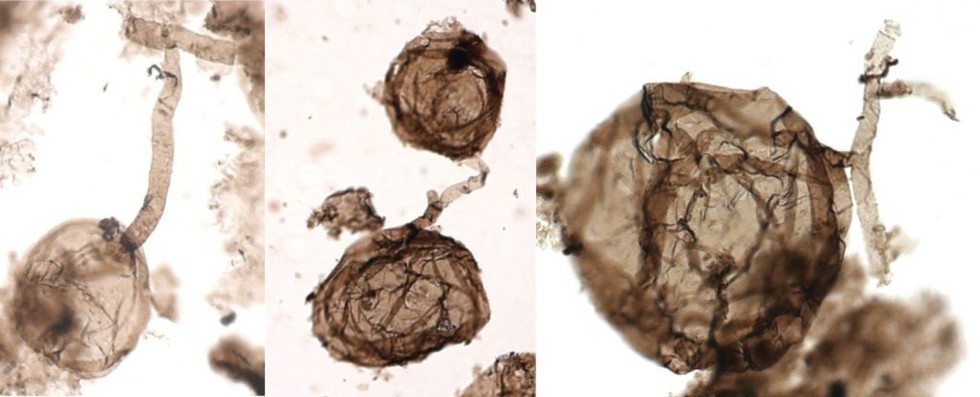
About:
- What is it? Ourasphaira giraldae was a multicellular fungus.
- Timeline: It lived in an estuary environment about 900 million to 1 billion years ago. This fungus is forerunner to an immensely diverse group that today includes the likes of mushrooms, yeasts and molds.
- Recent discovery: Its microfossils have been recently excavated in an Arctic region of north-western Canada.
- Oldest-known fungus: These microscopic fossils date back to the Proterozoic era, before the advent of complex life forms and thus represent the oldest-known fungus. Until now, the oldest-known fungus fossil was one about 410 million years old from Scotland.
- Significance: The discovery sheds light on the origins of an important branch in earth’s tree of life.
Fungi?
- What are Fungi? Fungi belong to a broad group of organisms, called eukaryotes, that possesses a clearly defined nucleus and also includes animals and plants.
- Fungi vs plants: The key difference between fungi and plants is that fungi are incapable of photosynthesis, harnessing sunlight to synthesize nutrients.
- Significance: Fungi play a key role in global ecosystems such as in the organic decomposition process.