Aug. 15, 2019
Prelims Pointers
Aug. 15, 2019
About:
- It will be conducted from August 14 to September 30, 2019, SSG 2019.
- It will cover 17,450 villages in 698 districts across India and include 87,250 public places namely schools, anganwadi centers, public health centres, haat/bazaars/religious places, making it India’s largest rural sanitation survey.
- An independent survey agency will conduct the survey in all districts and the results will be announced based on quantitative and qualitative sanitation parameters.
ODF+ phase:
- In a effort to look beyond toilets and kick off its ODF+ phase — that is, Open Defecation Free Plus — focussing on solid and liquid waste management, the Swachh Bharat Abhiyan (SBA) has included the prevalence of plastic litter and water-logging in villages as indicators of cleanliness in its 2019 rural survey.
- ODF+ will have four main verticals — solid waste management divided into biodegradable waste and plastic waste, and liquid waste management divided into grey water, or kitchen waste water, and faecal waste.
Do you know?
- With over 5.8 lakh villages, 639 districts, and 32 States/UTs declared Open Defecation Free (ODF) in rural India, the country is well poised to be completely an Open Defecation Free India by October 2, 2019.
- With SSG19, the Swachh Bharat Mission is being taken to the next level, by focusing on solid liquid waste management and plastic waste management.
Prelims Pointers
Aug. 15, 2019
Awards to Armed Forces Personnel and members of Paramilitary Forces:
- President Ram Nath Kovind has approved 132 Awards to Armed Forces Personnel and members of Paramilitary Forces. The awards include two Kirti Chakras, one Vir Chakra, 14 Shaurya Chakras, eight Bar to Sena Medals (Gallantry), 90 Sena Medals (Gallantry), five Nao Sena Medals (Gallantry), seven Vayu Sena Medals (Gallantry) and five Yudh Seva Medals.
- Background:
- Three gallantry awards namely Param Vir Chakra, Maha Vir Chakra and Vir Chakra were instituted by the Government of India on 26th January, 1950.
- Thereafter, other three gallantry awards i.e. the Ashoka Chakra Class-I, the Ashoka Chakra Class-II and the Ashoka Chakra Class-III were instituted in 1952. These awards were renamed as Ashoka Chakra, Kirti Chakra and Shaurya Chakra respectively in 1967.
- Three gallantry awards namely Param Vir Chakra, Maha Vir Chakra and Vir Chakra were instituted by the Government of India on 26th January, 1950.
- Announcement: These gallantry awards are announced twice in a year - first on the occasion of the Republic Day and then on the occasion of the Independence Day.
- Order of precedence: Order of precedence of these awards is the Param Vir Chakra, the Ashoka Chakra, the Mahavir Chakra, the Kirti Chakra, the Vir Chakra and the Shaurya Chakra.
Tatrakshak Medals:
- He also awarded one President's Tatrakshak Medal (Distinguished Service), five Tatrakshak Medals (Gallantry) and two Tatrakshak Medal (Meritorious Service) to the following Indian Coast Guard personnel for their act of conspicuous gallantry and distinguished/meritorious service.
- These awards are being given to the personnel of Indian Coast Guard on Republic Day and Independence Day every year, since January 26, 1990 onwards.
Abhinandan Varthaman?
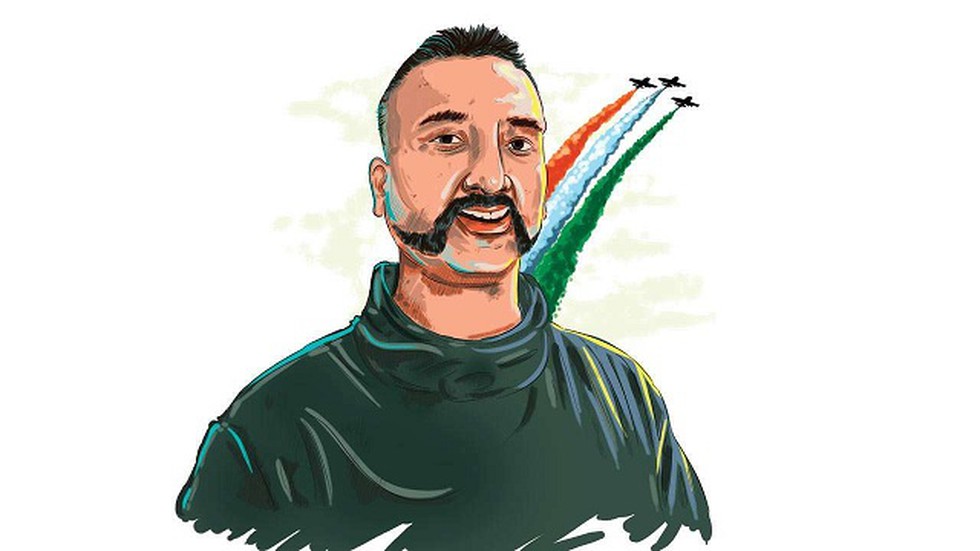
- Wing Commander Abhinandan Varthaman has been awarded Vir Chakra for shooting down a Pakistani F-16 combat jet on February 27 – a day after the Balakot operation – before he was shot down and captured on the other side of Line of Control.
- This is the IAF’s first Vir Chakra since the Kargil war.
Prelims Pointers
Aug. 15, 2019
About:
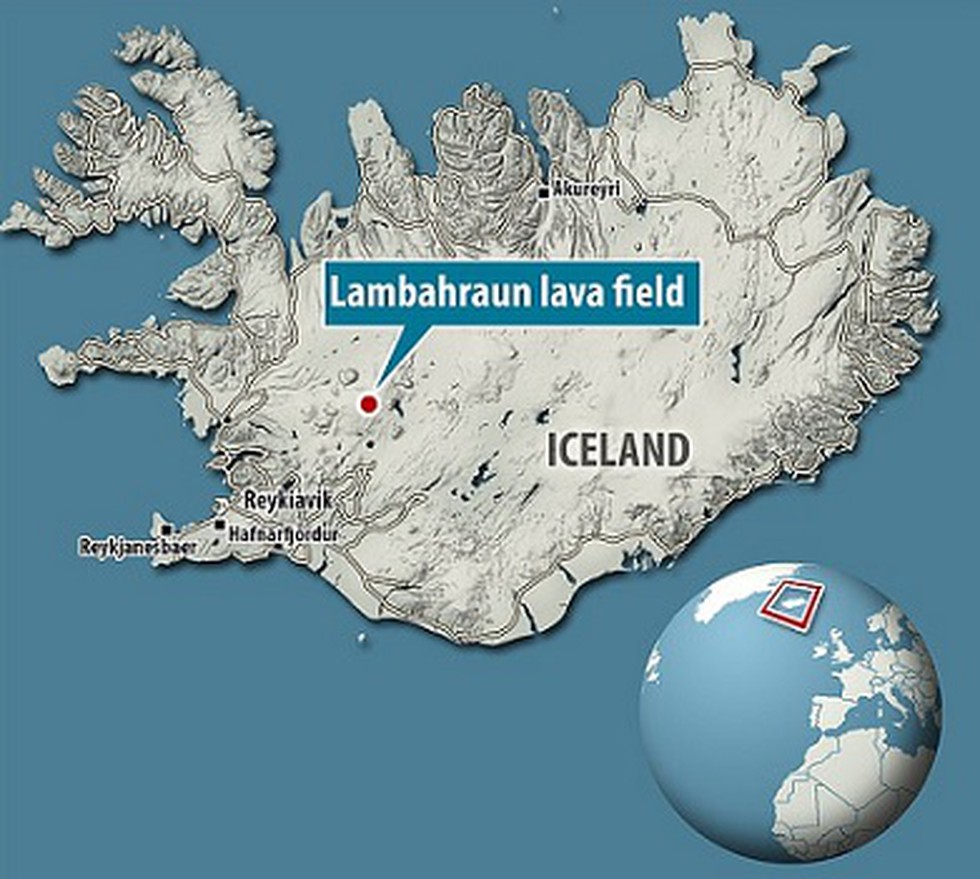
- According to experts, Iceland, a volcanic island in the middle of the North Atlantic, is in many ways reminiscent of Mars.
- With its black basalt sand, wind-swept dunes and craggy peaks, the Lambahraun lava field at the foot of Iceland’s second biggest glacier, Langjokull, was chosen as a stand-in for the red planet’s surface by NASA to get its new robotic space explorer ready for the job.
- For three weeks, scientists and engineers sent by the NASA descended on the site last month to develop a prototype.
- It will aim to continue the work of the “Curiosity” rover, which has been exploring Mars since 2012 in search of signs of ancient life and making preparations for human exploration.
Prelims Pointers
Aug. 15, 2019

About:
- Background: In modern medicine, damaged and missing bones are replaced with bone from either the patient or a donor or by using artificial materials containing calcium, such as Plaster of Paris, and more recently, phosphate compounds like hydroxyapatite and calcium phosphate.
- Composition of eggshell: Eggshells are made of largely of minerals (95.1%) along with small amounts of proteins and water. Calcium is the main mineral component.
- Recent research:
- The research seeks to produce bone substitute materials such as tricalcium phosphate, a commonly-used bone substitute material, from natural sources.
- For their study, researchers synthesised pure and thermally stable tricalcium phosphate nanopowder — powder a hundred thousand times smaller than the width of a single human hair — from eggshells.
- They used a milling process called ‘ball milling’ to produce these activated calcium phosphate powders.
- The research seeks to produce bone substitute materials such as tricalcium phosphate, a commonly-used bone substitute material, from natural sources.
- Benefits of this method:
- Results showed that eggshell waste is promising enough to replace the commercially available tricalcium phosphate (produced by using harmful chemicals) and has the capability to develop implantable biomaterial for tissue regeneration.
- Eggshells are inexpensive and can be obtained in unlimited quantities.
- Also, bioceramics made from them exhibit greater biocompatibility than other synthetic powders due to the presence of additional bioactive elemental ions.
- Results showed that eggshell waste is promising enough to replace the commercially available tricalcium phosphate (produced by using harmful chemicals) and has the capability to develop implantable biomaterial for tissue regeneration.
Prelims Pointers
Aug. 15, 2019
About:
- Meaning: A notifiable disease is any disease that is required by law to be reported to government authorities.
- Significance:
- The collation of information allows the authorities to monitor the disease, and provides early warning of possible outbreaks.
- The process helps the government keep track and formulate a plan for elimination and control. In less infectious conditions, it improves information about the burden and distribution of disease.
- The collation of information allows the authorities to monitor the disease, and provides early warning of possible outbreaks.
- Rules: The World Health Organization’s International Health Regulations, 1969 require disease reporting to the WHO in order to help with its global surveillance and advisory role.
- Procedure: Registered medical practitioners need to notify such diseases in a proper form within three days, or notify verbally via phone within 24 hours depending on the urgency of the situation.
- The Centre has notified several diseases such as: cholera, diphtheria, encephalitis, leprosy, meningitis, pertussis (whooping cough), plague, tuberculosis, AIDS, hepatitis, measles, yellow fever, malaria dengue, etc.
- Role of state government: The onus of notifying any disease and the implementation lies with the state government. Any failure to report a notifiable disease is a criminal offence and the state government can take necessary actions against defaulters.
Prelims Pointers
Aug. 15, 2019

About:
- Doordarshan has been carrying sign language interpretation of the address of President of India on the eve of Independence Day and Prime Minister’s address from the ramparts of Red Fort on Independence Day every year.
- Now, Ministry of Information & Broadcasting has decided to implement Accessibility Standards for Persons with Disabilities in television programmes for private TV channels also from this Independence Day.
- From this year’s Independence Day, Private Satellite News TV channels have been asked to telecast a short programme on Independence Day Celebrations, along with corresponding sign language interpretation, in the afternoon/evening of 15th August.
- This is a major step towards implementation of the Rights of Persons with Disabilities Act.
Prelims Pointers
Aug. 15, 2019

About:
- What is DIN? DIN is a unique Director identification number allotted by the Central Government to any person intending to be a Director or an existing director of a company.
- Features:
- It is an 8-digit unique identification number which has a lifetime validity. Through DIN, details of the directors are maintained in a database.
- DIN is specific to a person, which means even if he is a director in 2 or more companies, he has to obtain only 1 DIN. And if he leaves a company and joins some other, the same DIN would work in the other company as well.
- It is an 8-digit unique identification number which has a lifetime validity. Through DIN, details of the directors are maintained in a database.
- Where is DIN used? Whenever a return, an application or any information related to a company will be submitted under any law, the director signing such return, application or information will mention his DIN underneath his signature.
- How to apply for DIN and relevant forms?
- SPICe Form: Application for allotment of DINs to the proposed first Directors in respect of New companies shall be made in SPICe form only.
- DIR-3 Form: Any person intending to become a director in an already existing company shall have to make an application in eForm DIR-3 for allotment of DIN.
- SPICe Form: Application for allotment of DINs to the proposed first Directors in respect of New companies shall be made in SPICe form only.
Prelims Pointers
Aug. 15, 2019
About:
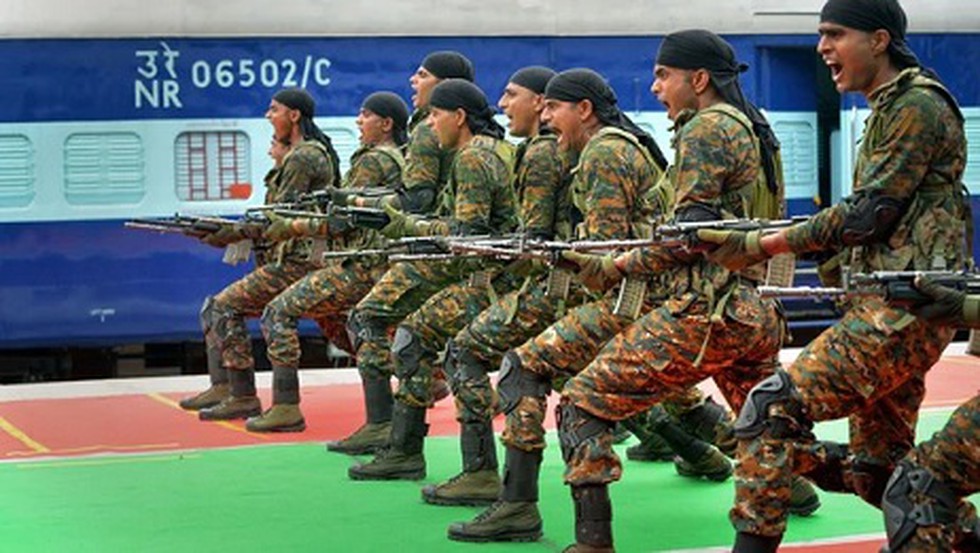
- CORAS is a separate Commando Unit of Railway Protection Force (RPF).
- These CORAS commandos will be posted in Left extremist wing affected areas, north-eastern region and Jammu and Kashmir where providing security to the passengers and the railway network is of utmost priority.
- He also announced that a new commando training centre will be set up in Jagadhri, Haryana to modernize and train commandos of the Railway Protection Force (RPF).
Prelims Pointers
Aug. 15, 2019

About:
- The Government of India constituted a Competition Law Review Committee in 2018 to review the existing Competition law framework and make recommendations to further strengthen the framework to inter alia meet new economy challenges.
- The Committee was chaired by Injeti Srinivas (Secretary, Ministry of Corporate Affairs).
Key recommendations of the Committee:
- Introduction of a ‘Green Channel’ for combination notifications to enable fast-paced regulatory approvals for vast majority of mergers and acquisitions.
- Introducing a dedicated bench in NCLAT for hearing appeals under the Competition Act.
- Introduction of express provisions to identify ‘hub and spoke’ agreements as well as agreements that do not fit within typical horizontal or vertical anti-competitive structures to cover agreements related to business structures and models synonymous with new age markets.
- Additional enforcement mechanism of ‘Settlement & Commitments” in the interests of speedier resolution of cases of anti-competitive conduct.
- CCI to issue guidelines on imposition of penalty to ensure more transparency and faster decision making which will encourage compliance by businesses.
- Strengthening the governance structure of CCI with the introduction of a Governing Board to oversee advocacy and quasi-legislative functions, leaving adjudicatory functions to the Whole-time Members.
- Merging DG’s Office with CCI as an ‘Investigation Division’ as it aids CCI in discharging an inquisitorial rather than adversarial mandate. However, functional autonomy must be protected.
- Opening of CCI offices at regional level to carry out non-adjudicatory functions such as research, advocacy etc. and interaction with State Governments and State regulators.
Prelims Pointers
Aug. 15, 2019

About:
- According to the ‘2017 Yearbook of Immigration Statistics’, by the US Department of Homeland Security, India-born immigrants in the US got the fourth highest number of green cards in 2017.
- Indians were behind applicants from Mexico, China, and Cuba in terms of number of green cards (lawful permanent resident status) obtained in 2017.
- In 2017, 60,394 persons born in India obtained permanent resident status.
- Of this, a third (20,549) were immediate relatives of US citizens, a fourth (14,962) were family sponsored, and over a third (23,569) were employed in the US.
- The remainder were given this status under the Diversity Immigrant Visa, refugee, asylee and other categories.
- Of this, a third (20,549) were immediate relatives of US citizens, a fourth (14,962) were family sponsored, and over a third (23,569) were employed in the US.
Aug. 14, 2019
Prelims Pointers
Aug. 14, 2019
About:
- Name of the Scheme: 'Partial Credit Guarantee offered by Government of India (GoI) to Public Sector Banks (PSBs) for purchasing high-rated pooled assets from financially sound Non-Banking Financial Companies (NBFCs)/Housing Finance Companies (HFCs)’.
- Objective: To address temporary asset liability mismatches of otherwise solvent NBFCs/HFCs without having to resort to distress sale of their assets for meeting their commitments.
- Validity of the scheme: The window for one-time partial credit guarantee offered by GoI will open from the date of issuance of the Scheme by the Government for a period of 6 months, or till such date by which Rs. 1 lakh crore assets get purchased by banks, whichever is earlier.
- Eligible NBFCs/HFCs:
- The NBFCs registered with RBI under the Reserve Bank of India Act, excluding those registered as Micro Finance Institutions and Core Investment Companies.
- HFCs registered with National Housing Bank (NHB) under the National Housing Bank Act.
- Micro Finance Institutions and Core Investment Companies are not covered under the Scheme.
- The NBFCs registered with RBI under the Reserve Bank of India Act, excluding those registered as Micro Finance Institutions and Core Investment Companies.
Significance:
- NBFCs including HFCs have been under stress following the series of defaults by group companies of Infrastructure Leasing & Financial Services Ltd. (IL&FS) last year.
- It is expected that this measure would provide liquidity to the NBFC Sector and, in turn, enable them to continue to play their role in meeting the financing requirements of the productive sectors of economy including MSME, retail and housing.
Prelims Pointers
Aug. 14, 2019

About:
- Background: The Task Force was set up by the Reserve Bank of India (RBI) in February 2019.
- Chairman: Usha Thorat, former Deputy Governor, RBI.
- Mandate: To examine the issues relating to the offshore Rupee markets in depth and recommend appropriate policy measures.
Key recommendations of the Task Force are:
- To extend onshore market hours to improve access of overseas users.
- To permit Indian banks to freely offer prices to global clients around the clock.
- To enable Rupee derivatives (settled in foreign currency), to be traded in the International Financial Services Centers (IFSC) in India, to begin with on exchanges in the IFSC.
- To allow users to undertake forex transactions up to USD 100 million in OTC currency derivative market without the need to establish underlying exposure.
- To facilitate non-residents to hedge their foreign exchange exposure onshore by:
- Establishing a central clearing and settlement mechanism for non-resident transactions in the onshore market;
- Implementing margin requirement for non-centrally cleared OTC derivatives and allowing Indian banks to post margins abroad;
- Aligning the tax treatment of foreign exchange derivatives with that in major international centres; and
- Centralising the KYC requirements across financial markets with uniform documentation requirement.
- Establishing a central clearing and settlement mechanism for non-resident transactions in the onshore market;
Prelims Pointers
Aug. 14, 2019

Salient features of framework:
- The target applicants for entry to the RS, are FinTech companies including startups, banks, financial institutions and any other company partnering with or providing support to financial services businesses, subject to the sandbox criteria laid down in these guidelines.
- Minimum net worth requirement for applicants relaxed to Rs 25 lakh from Rs 50 lakh earlier.
- Notice period for a fintech to exit the RS increased to one month from one week earlier.
- The entity should either be a company incorporated and registered in the country or banks licensed to operate in India.
- Sandbox entities shall be required to take liability or indemnity insurance of an adequate amount and period to safeguard the interest of the customers.
- An indicative negative list of products/services/technology which may not be accepted for testing is: Credit registry, Credit information, Crypto currency/Crypto assets services, Trading/investing/settling in crypto assets, Initial Coin Offerings, Chain marketing services etc.
- Meaning: The Regulatory Sandbox (RS) usually refers to live testing of new products or services in a controlled/test regulatory environment for which regulators may (or may not) permit certain regulatory relaxations for the limited purpose of the testing.
- Benefits of setting up of an RS:
- Regulators obtain first-hand empirical evidence on the benefits and risks of emerging technologies and their implications.
- Users of an RS can test the product’s viability without the need for a larger and more expensive roll-out
- By providing a structured and institutionalized environment for evidence-based regulatory decision-making, the dependence of the regulator on industry/stakeholder consultations only is correspondingly reduced.
- Risks and Limitations:
- Innovators may lose some flexibility and time in going through the sandbox process.
- Post-sandbox testing, a successful experimenter may still require regulatory approvals before the product/services/technology can be permitted for wider application.
- There is potential for some legal issues coming up, such as those relating to consumer losses in case of failed experimentation.
Prelims Pointers
Aug. 14, 2019
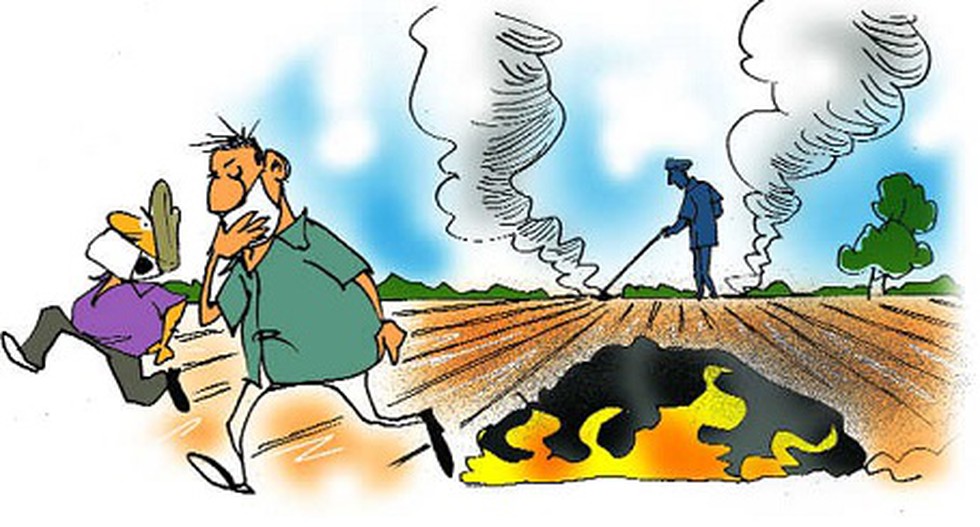
Promotion of Agricultural Mechanization for In-Situ Management of Crop Residue in the State of Punjab, Haryana, Uttar Pradesh & NCT of Delhi:
- What is it? It is a Central Sector Scheme launched by Government of India for the period from 2018-19 to 2019-20.
- Objective: To tackle air pollution and to subsidize machinery required for in-situ management of crop residue in the States of Punjab, Haryana, Uttar Pradesh and NCT of Delhi.
- Strategy: It involves distribution of in-situ crop residue management machinery to the farmers on subsidy, establishment of Custom Hiring Centres (CHCs) of in-situ crop residue management machinery and undertaking Information, Education and Communication (IEC) activities for creating awareness among farmers.
- Implementing mechanism: ICAR is implementing the scheme through 60 Krishi Vigyan Kendras (KVKs) of Punjab (22), Haryana (14), Delhi (1) and UP (23).
- Achievements under the scheme:
- The paddy residue burning events have reduced by 15% and 41% in 2018 as compared to that in 2017 and 2016, respectively in all these States.
- More than 4500 villages in Punjab and Haryana were declared as Zero Stubble Burning Villages during 2018 as not a single crop burning incident was reported from these villages during the year.
- The paddy residue burning events have reduced by 15% and 41% in 2018 as compared to that in 2017 and 2016, respectively in all these States.
Sub-Mission on Agriculture Mechanization:
- In addition to the above Scheme, separate funds are being allocated to the States for crop residue management under Sub-Mission on Agriculture Mechanization by the Department of Agriculture Cooperation and Farmers Welfare.
Prelims Pointers
Aug. 14, 2019

About:
- Background: The High Level Committee on CSR was constituted in October, 2018 under the Chairmanship of Injeti Srinivas, Secretary (Corporate Affairs).
- Mandate: To review the existing CSR framework and make recommendations on strengthening the CSR ecosystem, including monitoring implementation and evaluation of outcomes.
Recommendations of the Committee:
- Making CSR expenditure tax deductible,
- Provision for carry forward of unspent balance for a period of 3 – 5 years,
- Aligning Schedule 7 with the SDGs by adopting a SDG plus framework (which would additionally include sports promotion, Senior Citizens’ welfare, welfare of differently abled persons, disaster management and heritage protection),
- Balancing local area preferences with national priorities,
- Introducing impact assessment studies for CSR obligation of 5 crore or more,
- Registration of implementation agencies on MCA portal,
- Developing a CSR exchange portal to connect contributors, beneficiaries and agencies,
- Allowing CSR in social benefit bonds,
- Promoting social impact companies and third party assessment of major CSR projects,
- Companies having CSR prescribed amount below Rs. 50 lakh may be exempted from constituting a CSR Committee and
- Violation of CSR compliance may be made a civil offence and shifted to the penalty regime.
Prelims Pointers
Aug. 14, 2019

About:
- Bank credit to registered NBFCs (other than MFIs) for on-lending will be eligible for classification as priority sector under respective categories subject to the following conditions:
- Agriculture: On-lending by NBFCs for ‘Term lending’ component under Agriculture will be allowed up to ₹ 10 lakh per borrower.
- Micro & Small enterprises: On-lending by NBFC will be allowed up to ₹ 20 lakh per borrower.
- Housing: Enhancement of the existing limits for on-lending by HFCs from ₹ 10 lakh per borrower to ₹ 20 lakh per borrower.
- Agriculture: On-lending by NBFCs for ‘Term lending’ component under Agriculture will be allowed up to ₹ 10 lakh per borrower.
- Under the revised on-lending model, banks can classify only the fresh loans sanctioned by NBFCs out of bank borrowing.
- However, loans given by housing finance companies under the existing on-lending guidelines will continue to be classified under priority sector by banks.
- Bank credit to NBFCs for on-lending will be allowed up to a limit of five per cent of individual bank's total priority sector lending on an ongoing basis.
- These norms will be reviewed after March 31, 2020.
Prelims Pointers
Aug. 14, 2019
About:
- Swachh Survekshan 2020 (SS 2020): It will be the fifth edition of the annual cleanliness survey. It will be conducted in January 2020 by the Ministry of Housing and Urban Affairs (MoHUA).
- SBM Water PLUS Protocol: Moving beyond ODF, ODF+ and ODF++, the Water PLUS protocol aims to provide a guideline for cities and towns to ensure that no untreated wastewater is released into the environment thereby enabling sustainability of the sanitation value chain.
- Swachh Nagar Mobile App: It is an integrated waste management app to tackle several issues that hinder effective waste management such as lack of monitoring, collection of segregated waste, and tracking the movement of waste vehicles and waste pickers, amongst others.
- AI enabled mSBM App: It has been developed by the National Informatics Centre (NIC) to facilitate the applicants of Individual Household Toilets (IHHL) under SBM-U know the status of their application in real-time after uploading the photograph.
- Earlier this year, Government of India launched Swachh Survekshan League 2020 (SS League 2020) with the objective of sustaining the on ground performance of cities along with continuous monitoring of service level performance on cleanliness.
Prelims Pointers
Aug. 14, 2019

About:
- Objective: To identify and verify all vehicles parked in Railway premises, circulating area, parkings and even in the ‘No Parking’ areas for longer duration.
- Bodies involved: It has been launched by Railway Protection Force (RPF) of Indian Railways with active cooperation of the Local Police and Commercial Department of Railways.
- Need: The unidentified vehicles are considered as a serious threat to security and safety of passengers and other stake holders of railways.
Prelims Pointers
Aug. 14, 2019

About:
- Constituted in: 2018.
- Objective: To promote high professional standards of investigation of crime and to recognize such excellence in investigation by investigating officers.
- Recipients: This medal will be awarded to officers in Central investigation agencies, State/UT police force investigating agencies in recognition of their outstanding service in investigation.
- Procedure: The names will be finalized by the Ministry of Home Affairs based on recommendations made by States/UTs and Central police organizations.
- Award: A scroll signed by the Union Home Minister will be awarded to each awardee along with the medal.
Prelims Pointers
Aug. 14, 2019

About:
- Reliance Industries has unveiled its wired broadband service Jio GigaFiber starting at ₹700 a month going up to ₹10,000 a month depending on the usage plans.
- Components:
- This will combine wired broadband, television content, landline calling and a host of smart solutions such as multi-player gaming and video conferencing.
- Under the Jio GigaFiber welcome offer, customers opting for one-year plan for Jio GigaFiber will even get an HD 4K LED television and a 4K set-top box free.
- This will combine wired broadband, television content, landline calling and a host of smart solutions such as multi-player gaming and video conferencing.
- Target: The company has drawn up a plan to reach 20 million homes and 15 million business enterprises in 1,600 cities across India.
Significance:
- Jio’s thrust on wired broadband also assumes significance given the government’s focus on fibre in its National digital communications policy announced in May 2018. The policy’s goals include
- universal broadband for all,
- deployment of 5 million public Wi-Fi hotspots by 2020 and 10 million by 2022 through a National Broadband Mission and
- implementing a “Fibre First Initiative" to take fibre to the home.
- The wired broadband market is a highly under-penetrated one with huge room for growth. As of May end, there were just 18.45 million wired broadband users in India as against 562.52 million wireless broadband subscribers.
- GigaFiber will be the largest greenfield fixed-line broadband rollout globally.
- The commercial launch of Jio GigaFiber could disrupt the wired broadband market in the same way Reliance Jio disrupted the wireless market in September 2016.
Aug. 13, 2019
Prelims Pointers
Aug. 13, 2019

About:
- For years there’s been a debate internationally on whether PET (Polyethylene Terephthalate) bottles, which are the mainstay of plastic bottles and disposable food containers, leach harmful chemicals when exposed to high temperatures.
- The CFRTI analysis concluded that antimony, arsenic, barium, cadmium, chromium, cobalt, lead, mercury, selenium and zinc “were below” their detection limits (BDL) of 0.001 mg/kg.
- BPA (bis-phenol A) was below its detection limit of 0.02 mg/kg.
- BPA is a synthetic organic compound and used in the manufacture of PET bottles.
- But it is now phased out after research found a link between the presence of BPA and the disruption of hormone regulation, as well as breast cancer.
- BPA is a synthetic organic compound and used in the manufacture of PET bottles.
- They were also below the EU (European Union) regulation norms of the “specific migration limit”, which is the maximum amount of a substance that can migrate from a food packaging material or food container into food.
- The study was commissioned by the industry body named Pet Packaging Association for Clean Environment (PACE).
Prelims Pointers
Aug. 13, 2019
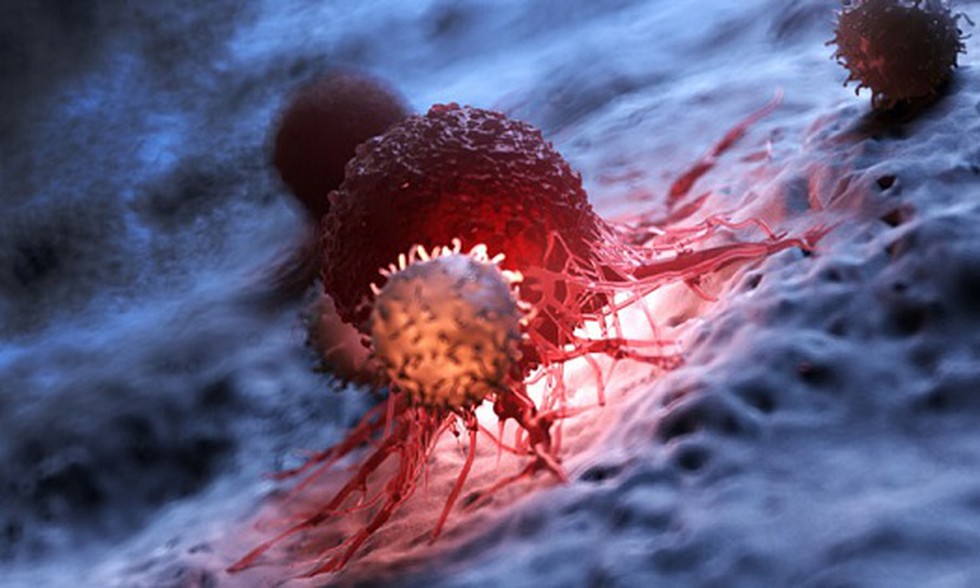
Cancer in India:
- According to the World Health Organisation (WHO), the rate of mortality due to cancer in India is high, with cancer the second-most common disease in India, responsible for maximum mortality, with about 0.3 million deaths per year.
- Lung cancer is the most common type of cancer in India, followed by breast cancer and oral cancers.
- The estimated number of people living with the disease stands at around 2.25 million, with over 11 lakh new cancer patients registered each year.
- In India, the risk of developing cancer before the age of 75 years for males stands at 9.81% and females at 9.42%. The risk of dying from cancer before the age of 75 years stood at 7.34% in males and 6.28% in females.
- Ayushman Bharat Yojana- Pradhan Mantri Jan Arogya Yojana (PM-JAY) is the Central Government’s health insurance scheme that aims to give medical cover to over 10 crore poor and vulnerable families of approximately 50 crore beneficiaries, providing coverage of up to ₹5 lakh per family per year for secondary and tertiary care hospitalisation.
- So far, 16,000 hospitals have been empanelled, nearly 34 lakh beneficiaries have been admitted, and 9 crore e-cards have been issued.
Prelims Pointers
Aug. 13, 2019
About:
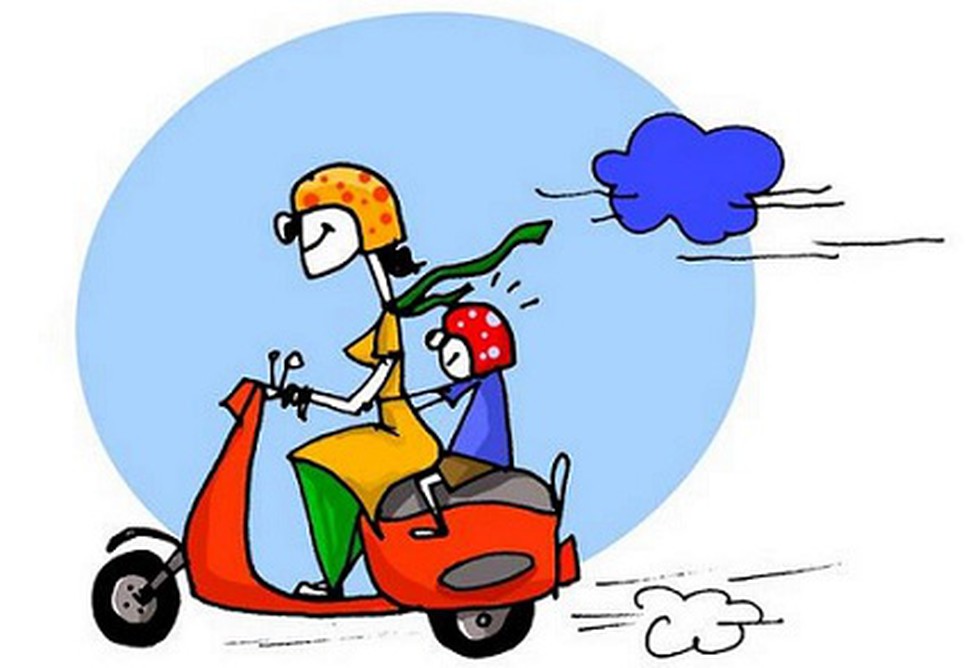
- The safety measures for the children travelling on motorcycles have been included in the Motor Vehicles (Amendment) Act 2019 that is passed by Parliament.
- With the President of India giving assent to the Act, that has amended the Motor Vehicles Act, 1988, the Union Ministry of Law and Justice has notified the Act in the Gazette of India.
- Now section 129 of the principal Act reads “Every person, above four years of age, driving or riding or being carried on a motorcycle of any class or description shall, while in public place wear protective headgear conforming to standards prescribed by the Central government”.
- Only Sikhs wearing turban have been exempted from the provision of Section 129.
Prelims Pointers
Aug. 13, 2019
About:
- Saudi Aramco is Saudi Arabia’s national oil company which is responsible for managing the nation’s petroleum wealth. Currently, the company is said to account for around 87 per cent of Saudi Arabia’s budget.
- Heavily influenced by the Al Saud royal family, Saudi Aramco is controlled by the Supreme Council for Saudi Aramco (SCSA) led by crown prince Mohammed bin Salman, the nation’s de facto ruler.
- Saudi Aramco is the world’s most profitable company. With a net profit of $46.9 billion so far this year, Saudi Aramco has made more money than Apple and Alphabet (the parent company of Google) combined, this despite having witnessed a 12 per cent fall in half-year net profit.
- Since 2016, when Crown Prince Mohammed bin Salman took charge of the company, Saudi Aramco is on the path of investing in non-oil sectors such as technology, part of the country’s plan to become less dependent on petroleum.
Significance of recent deal:
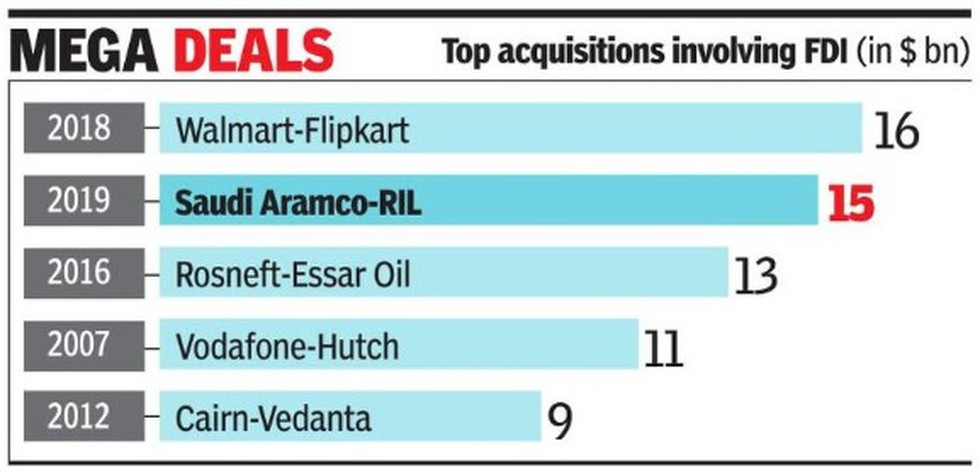
- This will be the second-largest foreign investment in India. Saudi Aramco’s proposed investment in RIL is second only to the $16-billion infusion by Walmart in Flipkart in 2018.
- The investment, subject to due diligence and regulatory approvals, will help RIL, India’s largest private sector company, cut its debt of Rs 1.54 lakh crore ($22 billion).
- Saudi Aramco has been supplying crude oil to RIL’s Jamnagar refinery — the world’s largest — for over 25 years.
- According to a report published by the Atlantic Council in 2016, Saudi Arabia possesses the largest proven reserves of conventional oil in the world at 267 billion barrels underground, along with reserves of 900 billion barrels.
- Saudi Arabian crude oil also has a relatively low cost of extraction and shipment.
Prelims Pointers
Aug. 13, 2019

About:
- The Perseids are one of the brighter meteor showers of the year. They occur every year between July 17 and August 24 and tend to peak around August 9-13.
- Made of tiny space debris from the comet Swift-Tuttle, the Perseids are named after the constellation Perseus. This is because the direction, or radiant, from which the shower seems to come in the sky lies in the same direction as Perseus.
- The Perseids are widely sought after by astronomers and stargazers because most years at its peak, one can see 60 to 100 meteors in an hour from a dark place.
- They are visible in the Northern Hemisphere and can be viewed in skies all across.
Prelims Pointers
Aug. 13, 2019
About:
- A bench headed by NGT chairperson Justice Adarsh Kumar Goel expressed concern that the notification has not been finalised despite its direction. It directed the Ministry of Environment and Forests to submit a report before October 21.
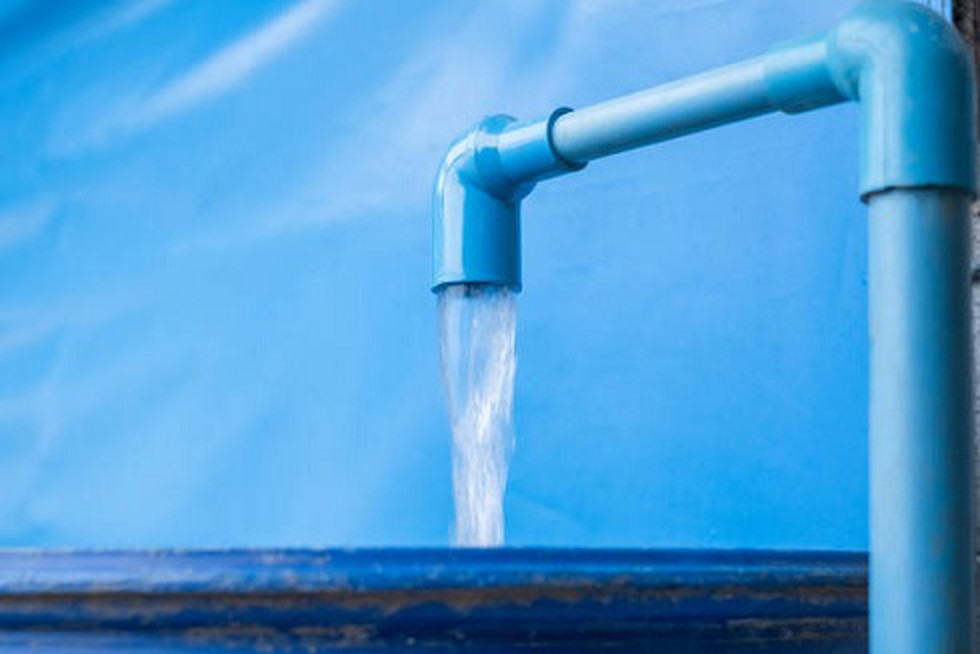
- The NGT in March 2019 had directed the Centre to finalise within two months the standards for using lead in PVC pipes.
- The NGT was earlier informed that water passing through PVC pipes commonly used in most buildings may contain toxic materials like lead, which has a hazardous effect on human health.
Prelims Pointers
Aug. 13, 2019
About:
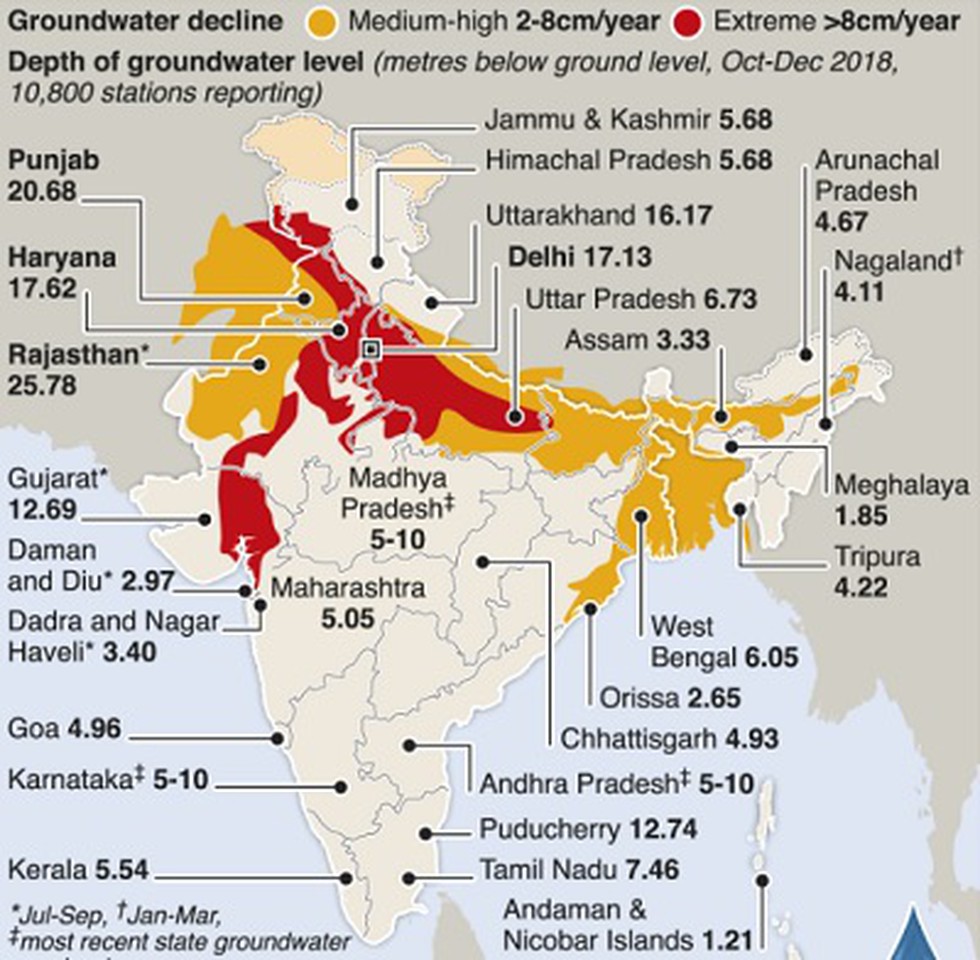
- Groundwater, the source of 40% of India’s water needs, is depleting at an unsustainable rate, according to Niti Aayog.
- India, the world’s largest groundwater user, is seeing levels declining across the country. India accounts for 12% of global groundwater extraction, pumping some 230 billion cubic metres each year. At this rate, by 2030, nearly 60% of the aquifers will be in a critical state.
- Farmers in Punjab, Haryana and Rajasthan are facing the prospect of having no groundwater left for irrigation by 2025.
- A study using data from NASA’s “Grace” mission found that India’s Indus Basin aquifer to be one of the most overstressed aquifers in the world.
- Reason:
- Consecutive years of weak monsoons, massive deforestation, poor rainwater harvesting and pollution of rivers and lakes have led the country to depend on groundwater.
- More than 90% of the rice-wheat areas in north-west India are irrigated using groundwater.
- Consecutive years of weak monsoons, massive deforestation, poor rainwater harvesting and pollution of rivers and lakes have led the country to depend on groundwater.
Prelims Pointers
Aug. 13, 2019
About:
- The study, published in the Journal of the American Heart Association, was led by Monique Tan at Queen Mary University, London.
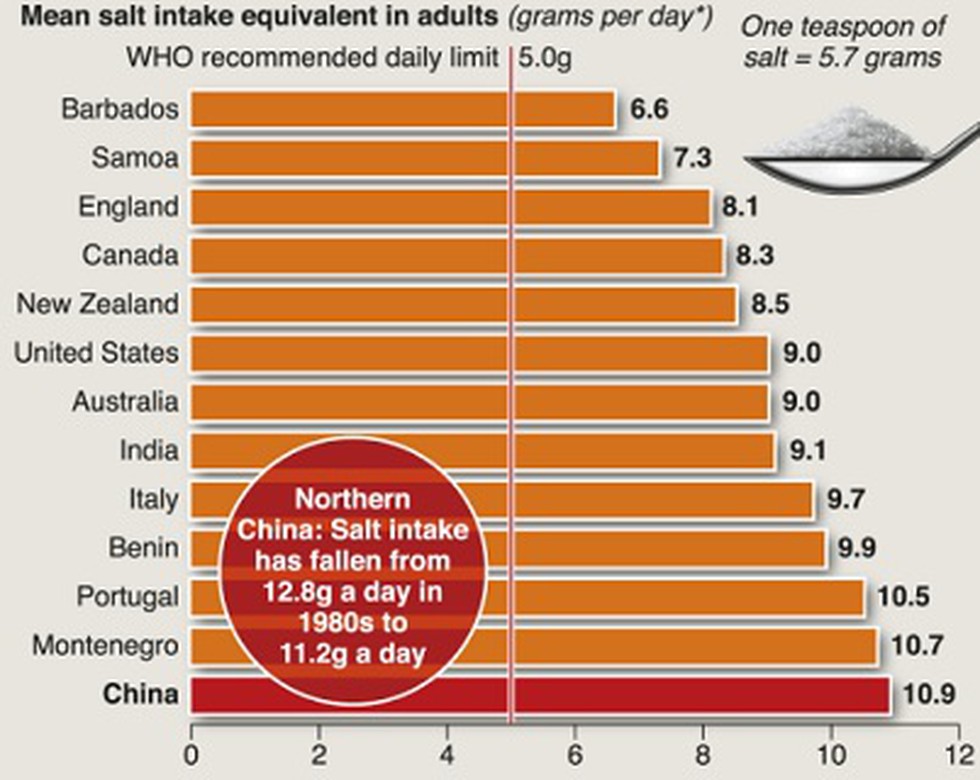
- Chinese children aged 3-6 are eating the maximum amount of salt recommended by the World Health Organization (WHO) for adults
- The United States, India and Australia are not far behind with a mean of 9 grams, while New Zealand, Canada and England are also above the 8-gram mark.
- High sodium intake results in elevated blood pressure, increasing the risk of cardiovascular disease. In China, cardiovascular disease – which includes heart attack and stroke – now accounts for 40% of deaths.
WHO response:
- Target of salt intake reduction: In 2013, the World Health Assembly (WHA) agreed 9 global voluntary targets for the prevention and control of NCDs, which included a 30% relative reduction in the intake of salt by 2025.
- WHO Recommendations for salt reduction
- For adults: Adults consume less than 5 g of salt per day.
- All salt that is consumed should be iodized or “fortified” with iodine, which is essential for healthy brain development in the fetus and young child and optimizing people’s mental function in general.
Prelims Pointers
Aug. 13, 2019

About:
- Given by: The Ministry of Youth Affairs and Sports, Department of Youth Affairs.
- Recipients: The awards were conferred on individuals (aged between 15-29 years) and organizations for excellent work and contribution in different fields of development and social service, such as health, promotion of human rights, active citizenship, community service etc.
- Objective of the awards: To motivate young persons to achieve excellence in the field of national development and social service.
- Cash prize: The individual award comprises of a medal, a certificate and a cash prize of Rs. 50,000/-. The award to a youth organisation includes a medal, a certificate and a cash prize of Rs. 2,00,000/-.
Prelims Pointers
Aug. 13, 2019
About:
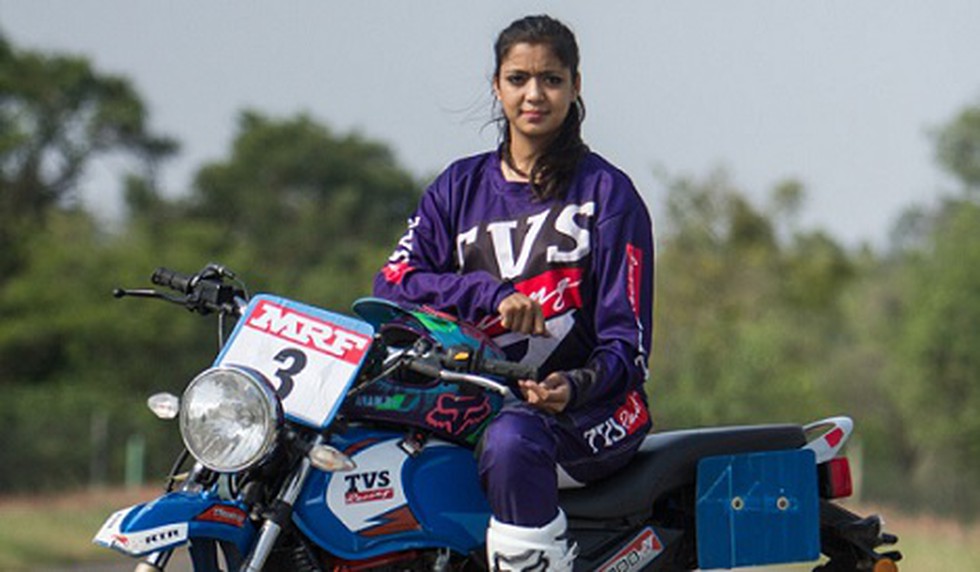
- The 23-year old Bengaluru-based biker Aishwarya Pissay made history by becoming the first Indian to win a world title in motorsports as she won the FIM World Cup in women’s category after the final round of the championship in Varpalota, Hungary.
- The event was conducted by International Motorcycling Federation, the governing body for motorcycle racing in the world.
Aug. 12, 2019
Prelims Pointers
Aug. 12, 2019

About:
- Names: EId-ul-Zuha is also known as Eid-ul-Adha, Eid-ul-Azha and Bakr-Id. It is also referred to as the festival of sacrifice. The word ‘Eid’ in Arabic means ‘festival’ and ‘zuha means ‘sacrifice’.
- When celebrated:
- It is celebrated on the 10th day of the month of Dhu al-Hijjah (in Islamic Calender).
- Eid al Adha is that it also marks the end of the Hajj pilgrimage to Mecca in Saudi Arabia, which is a mandatory religious journey undertaken by Muslims to the holy place of Kabbah.
- It is celebrated on the 10th day of the month of Dhu al-Hijjah (in Islamic Calender).
- Background: It is a celebration to mark the ultimate sacrifice by Ibrahim (Abraham) to show his love and devotion to Allah/God.
- Muslims around the world believe that Allah (God) commanded Ibrahim (Abraham) to sacrifice his son Ishmael.
- Ibrahim followed God's orders, but his son was replaced by a sheep at the last moment. Muslims celebrate this at Eid al-Adha.
- Muslims around the world believe that Allah (God) commanded Ibrahim (Abraham) to sacrifice his son Ishmael.
- Celebration: It is a festival that Muslims celebrate with special prayers, greetings and gifts. They may sacrifice a sheep or goat and share the meat with family members and others. Because of the tradition of sacrificing a goat (‘bakri’ in Urdu) it is known as Bakr-id.
Prelims Pointers
Aug. 12, 2019

About:
- Born in Ahmedabad in 1919, Dr. Sarabhai earned his doctorate at Cambridge.
- He founded the Physical Research Laboratory (PRL) in Ahmedabad in 1947.
- He is considered as the father of India's space program.
- After Russia's Sputnik launch, he managed to convince the Indian government on the need for India, a developing country, to have its own space program.
- He established the Indian National Committee for Space Research in 1962, which was later renamed the Indian Space Research Organization (ISRO).
- He helped set up the Thumba Equatorial Rocket Launching Station in Thiruvananthapuram, with its inaugural flight in 1963.
- He had worked on India's first satellite, Aryabhata, but he never lived to see its launch in 1975, which happened four years after his death.
- After Russia's Sputnik launch, he managed to convince the Indian government on the need for India, a developing country, to have its own space program.
- Other institutions founded: Apart from ISRO and PRL, he pioneered the setting up of several institutions, such as the –
- Indian Institute of Management in Ahmedabad,
- Community Science Centre, and
- Darpan Academy for Performing Arts (which he set up with his wife Mrinalini, a renowned dancer).
- Indian Institute of Management in Ahmedabad,
- Awards and honours:
- He received the Padma Bhushan in 1966 and was conferred the Padma Vibhushan posthumously in 1972.
- In 1973, a crater on the moon was named after him.
- He received the Padma Bhushan in 1966 and was conferred the Padma Vibhushan posthumously in 1972.
Prelims Pointers
Aug. 12, 2019

About:
- Flyboard Air is a type of jetpack/hoverboard powered by five gas turbines and is fuelled by kerosene.
- It was invented by French water-craft rider Franky Zapata, founder of Zapata racing.
- He successfully crossed the English Channel using it on 4 August 2019. he accomplished the journey – 35 kilometres – with one refueling stop at the midpoint. Zapata reached a speed of 177 km/h during the 20-minute flight.
- This unique personal aerial vehicle is already of interest to the U.S. and French military, who view it as a possible future flying logistics or assault platform.
- However, he has said that the flyboard was not yet ready for military use due to the noise it creates and the challenge of learning how to fly the device. The French government have pumped $1.5 million into the project to develop new, quieter engines.
Prelims Pointers
Aug. 12, 2019
About:
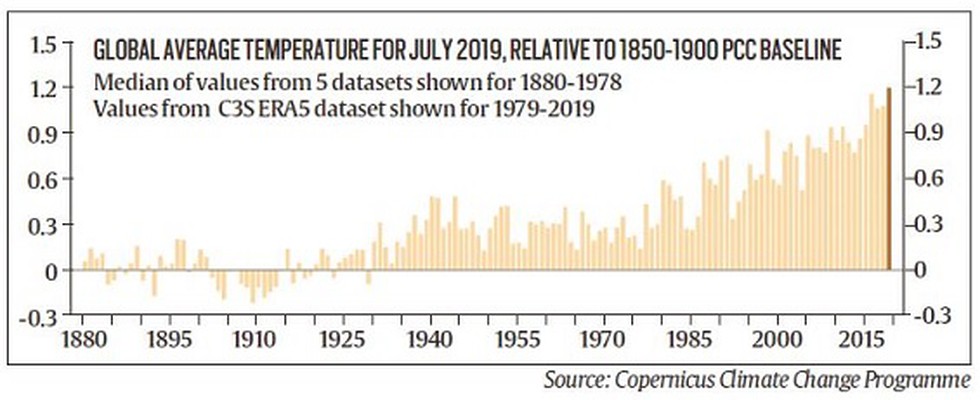
- The finding emerged from analysis of new data from the WMO and the Copernicus Climate Change Programme, run by the European Centre for Medium-Range Weather Forecasts.
- July 2019 was close to 1.2°C above the pre-industrial level. The previous warmest month on record was July 2016, and July 2019 was at least on par with it.
- July 2019 vs July 2016:
- This finding is significant because in July 2016 there was a strong occurrence of the El Niño phenomenon, a system of complex weather patterns that contribute to warmer global temperatures.
- This July, there were no strong occurrences of the El Niño phenomenon making the rise in temperatures seen across the world particularly striking.
- This finding is significant because in July 2016 there was a strong occurrence of the El Niño phenomenon, a system of complex weather patterns that contribute to warmer global temperatures.
Global Scenario of climate Change:
- Exceptional heat has been observed across the globe in recent weeks, with several European countries recording temperature highs.
- The extraordinary heat was accompanied by dramatic ice melt in Greenland, in the Arctic and on European glaciers.
- Unprecedented wildfires raged in the Arctic for the second consecutive month, devastating forests which used to absorb carbon dioxide and instead turning them into sources of greenhouse gases.
Prelims Pointers
Aug. 12, 2019
About:
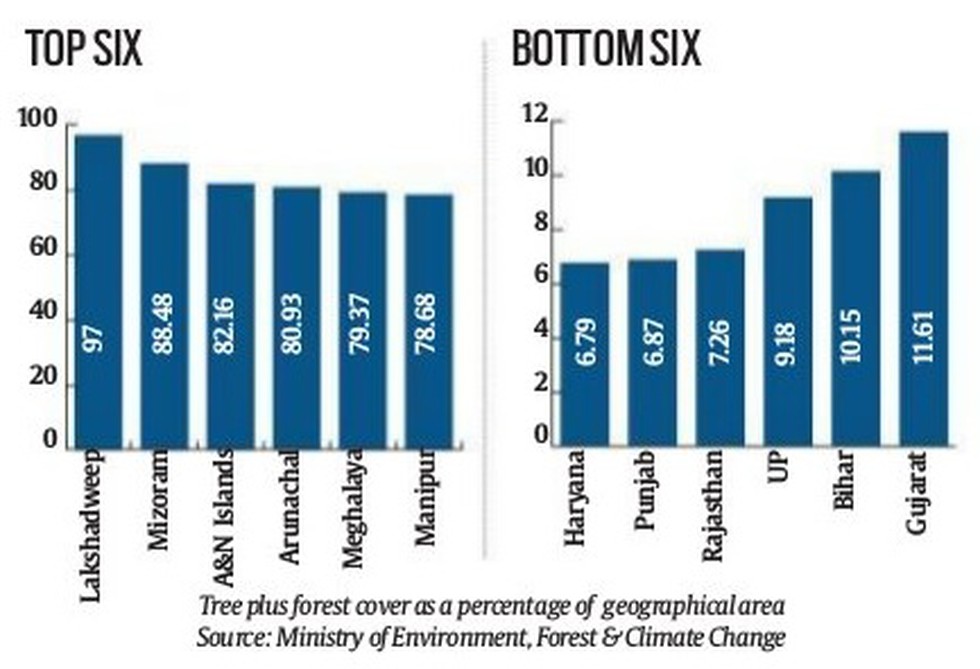
- Assessment of forest and tree cover are done by the Forest Survey of India, whose findings are published in the India State of Forest Report (ISFR). The last report was published in 2017.
- Total forest cover: A quarter of India’s geographical area (24.49 %) is under forest and tree cover.
- Lowest forest and tree cover (In terms of %):
- The lowest forest and tree cover in the country is in Haryana, at 6.79 % of its geographical area.
- Punjab follows with 6.87 %. Rajasthan’s forest and tree cover is over 7.26 % of its geographical area while Madhya Pradesh’s is 27.73 %.
- The lowest forest and tree cover in the country is in Haryana, at 6.79 % of its geographical area.
- Highest forest and tree cover (In terms of %):
- At 97 %, the Union Territory of Lakshadweep is on top – its geographical area is only 30 square km.
- Among the six states with the highest forest and tree cover, four are in the Northeast – Manipur, Arunachal Pradesh, Mizoram and Meghalaya.
- Goa and Kerala are two other states with more than 50 % of their geographical area under forest and tree cover.
- At 97 %, the Union Territory of Lakshadweep is on top – its geographical area is only 30 square km.
- Highest forest and tree cover (In terms of area): In terms of geographical area, the highest tree and forest cover is in Madhya Pradesh, with 85,487 sq km.
Prelims Pointers
Aug. 12, 2019
Law Commission report 2009:
- Recommendation: The Law Commission, in its report submitted to the government in 2009, recommended that –
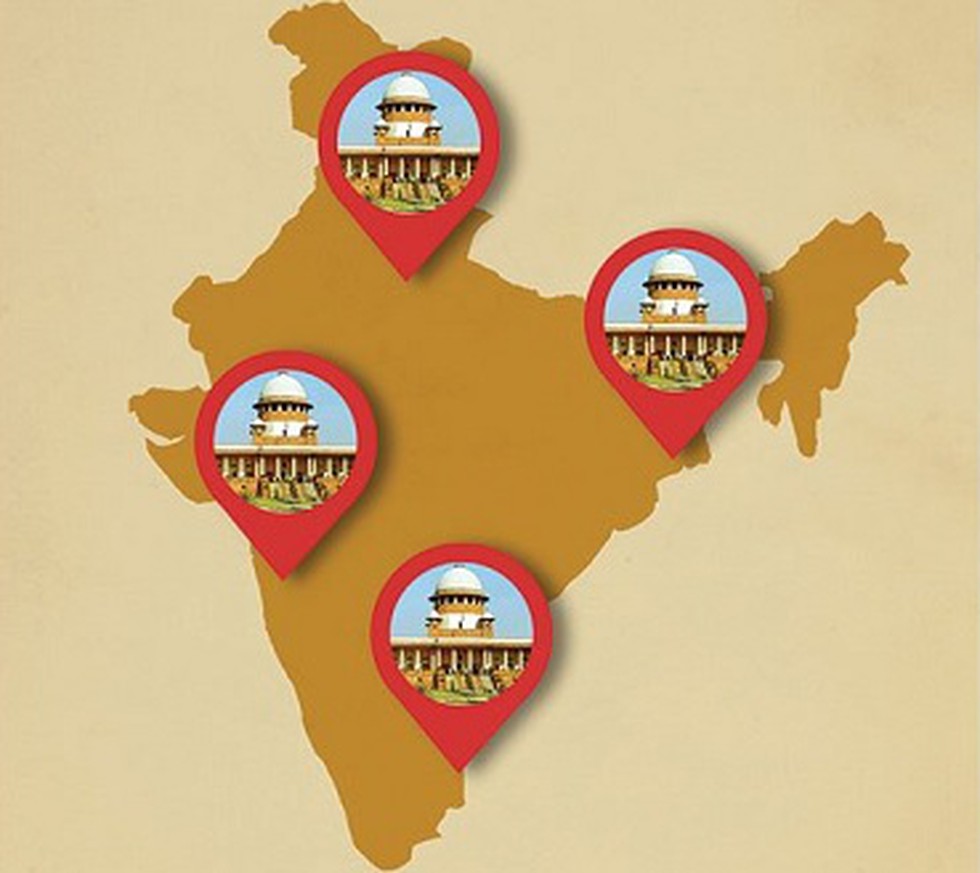
- a Constitution Bench be set up in Delhi to deal with constitutional and allied issues, and
- four Cassation Benches in Delhi (north), Chennai/Hyderabad (south), Kolkata (east) and Mumbai (west) to deal with all appellate work arising out of the orders/judgments of the High Courts.
- a Constitution Bench be set up in Delhi to deal with constitutional and allied issues, and
- Arguments in favour:
- It is high time we had more benches because in a country as vast as India the litigants have to travel long distances and spend a huge amount of money and energy.
- Setting up Benches outside Delhi would neither impair unity and integrity nor undermine the importance of the Supreme Court.
- It is high time we had more benches because in a country as vast as India the litigants have to travel long distances and spend a huge amount of money and energy.
- Way ahead:
- According to the Law Commission, If Article 130 is liberally interpreted, no constitutional amendment may be required for setting up Cassation Benches in four regions and a Constitution Bench at Delhi.
- If it is found that Article 130 cannot be stretched to make it possible to implement the recommendations, Parliament should enact suitable legislation/constitutional amendment for this purpose.”
- According to the Law Commission, If Article 130 is liberally interpreted, no constitutional amendment may be required for setting up Cassation Benches in four regions and a Constitution Bench at Delhi.
Article 130 in The Constitution Of India:
- Title: Seat of Supreme Court.
- Text: The Supreme Court shall sit in Delhi or in such other place or places, as the Chief Justice of India may, with the approval of the President, from time to time, appoint.
Prelims Pointers
Aug. 12, 2019

About:
- Nehru Trophy Boat Race is a popular Vallam Kali (boat race) held in the Punnamada Lake near Alappuzha, Kerala on the second Saturday of August every year.
- The most popular event of the race is the competition of Chundan Vallams (snake boats). Hence the race is also known as Snake Boat Race in English.
- Other categories of boats such as Churulan Vallam, Iruttukuthy Vallam, Odi Vallam etc. also participates in the competition.
- It is organized by the Nehru Trophy Boat Race Society under the guidance of the district administration.
- Vembanad is the longest lake in India, which spans several districts in Kerala. It is known as Punnamada Lake in Kuttanad, Kochi Lake in Kochi.
Prelims Pointers
Aug. 12, 2019
About:
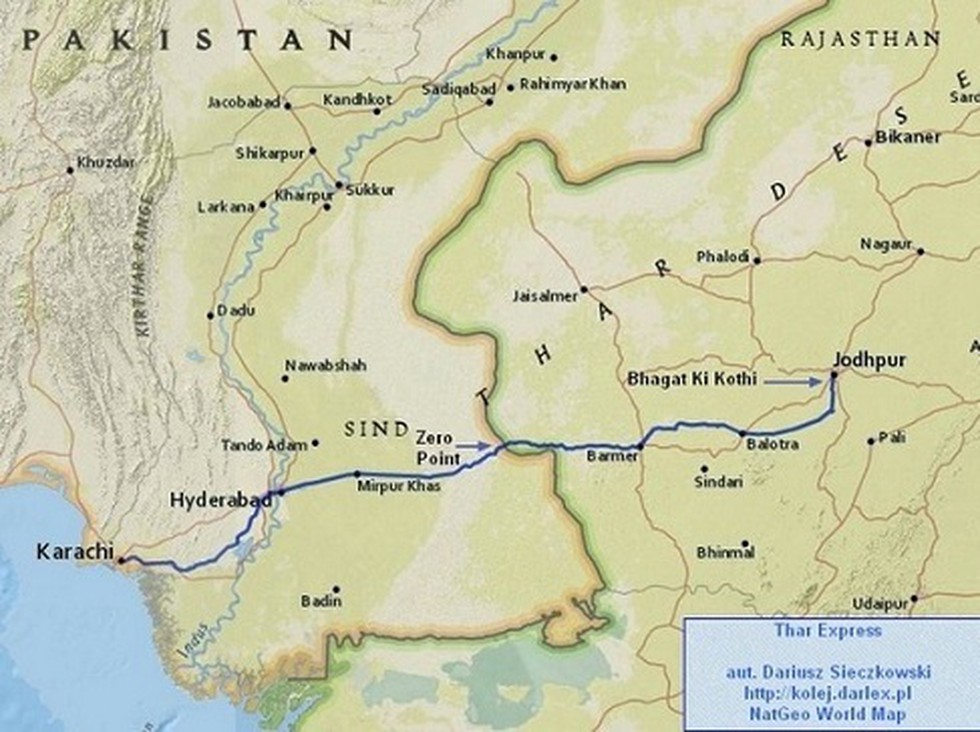
- The Thar Express has been running between Jodhpur and Karachi every Saturday morning since services resumed on February 18, 2006 after a 41-year suspension.
- According to estimates, over four lakh passengers have taken the train in the past 13 years.
Do you know?
- The Samjhauta Express is another train running between India and Pakistan.
- The train runs from Delhi to Attari on the Indian side and from Lahore to Wagah on the Pakistan side. The train was started in 1976 following the Shimla Agreement.
Prelims Pointers
Aug. 12, 2019
About:
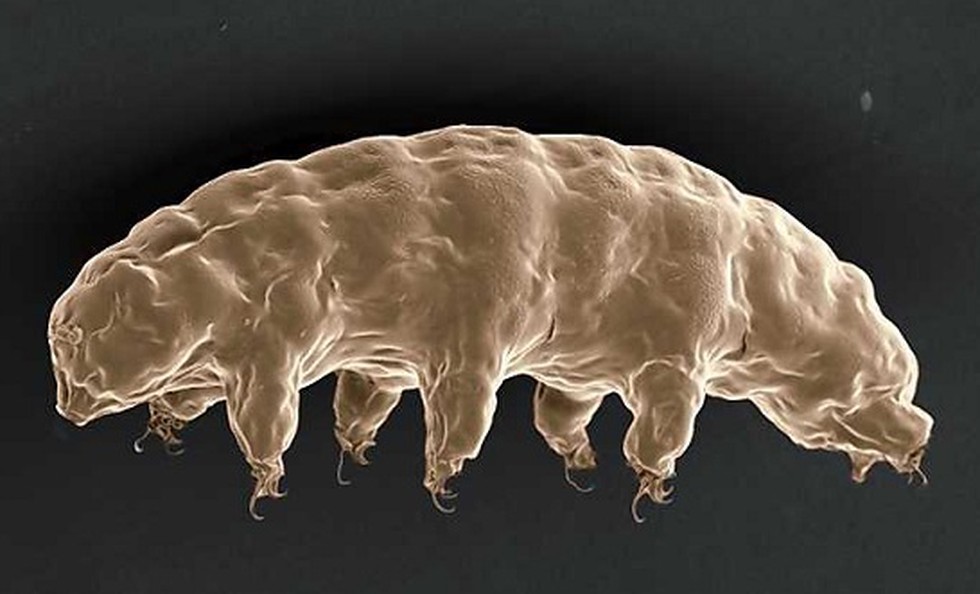
- Name: Tardigrades are colloquially known as water bears or moss piglets.
- What are they? They are a phylum of water-dwelling eight-legged segmented micro-animals.
- Distribution:
- They have been found everywhere, from mountaintops to the deep sea and mud volcanoes, from tropical rain forests to the Antarctic.
- Tardigrades are among the most resilient animals known, with individual species able to survive extreme conditions. Tardigrades have survived exposure to outer space.
- They have been found everywhere, from mountaintops to the deep sea and mud volcanoes, from tropical rain forests to the Antarctic.
- Physical description: Tardigrades are usually about 0.5 mm (0.02 in) long when fully grown. They are short and plump, with four pairs of legs, each ending in claws (usually four to eight) or sucking disks.
- Diet: Tardigrades are prevalent in mosses and lichens and feed on plant cells, algae, and small invertebrates.
Prelims Pointers
Aug. 12, 2019

About:
- What are they? Nematodes are roundworms and their size can vary from a tiny 0.2 millimetre to a few metres.
- Significance: These nematodes play a crucial role in the environment as they are responsible for production of about 19% of ammonia of the soil. They are also important bioindicators of soil ecosystem health.
- Recent study: In the first global analysis of nematodes, a team of over 50 researchers collected over 6,500 soil samples from all seven continents of the world. The study was done only on the top 15 cm of soil.
- Key findings:
- There are about 57 billion nematodes for every human being on Earth.
- Their total biomass comes to around 300 million tonnes which is about 80% of the combined weight of Earth’s humans.
- These nematodes are responsible for 2.2% of the total carbon emission from soils.
- At 38% of the total, sub-Arctic regions have the highest abundance of nematodes. The temperate region has the next highest abundance followed by the tropical regions.
- There are about 57 billion nematodes for every human being on Earth.